
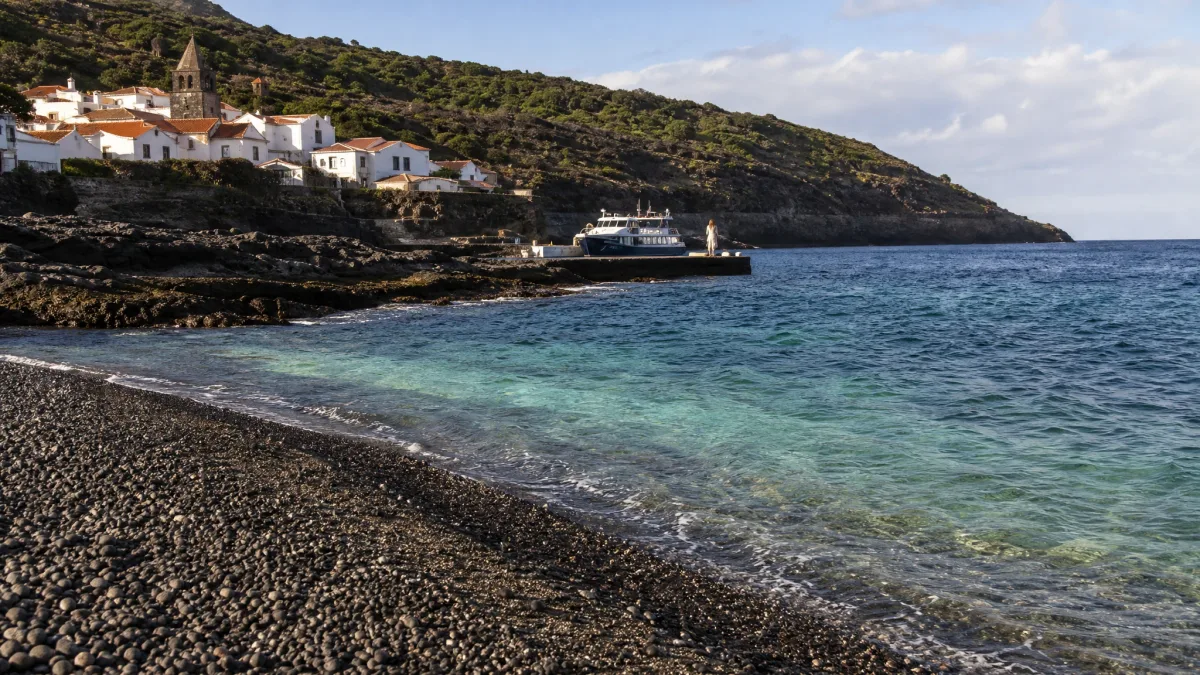
Twenty-five islands, five oceans and seas, and not one of them needs a peak-July booking to work: pick the shoulder window and the same beach that holds a thousand people at noon is yours at eight. You have 8 to 10 days and a calendar you can move, which is exactly the hand you want to be playing. Quiet is not some unlisted island nobody has heard of. It is a named month plus a bottleneck you get in front of, because the harbor at 8 a.m. and the harbor at the midday ferry are two different places. So the shortlist runs 25 specific islands, each tied to one regional window and one crowd-avoiding move.
A typical US version: one island plus a short ferry or hopper, 8-10 days, $2,200-$3,200 per person with airfare, $160-$240 a day on the ground. Book flights three to five months out, small guesthouses two to four, and check ferry and inter-island flight schedules before you lock dates.
None of it holds unless the window comes first. Match an island to its month, make the one move before the small beds and ferry seats fill, then confirm entry rules, reef fees, park permits and port calendars at the official tourism or park site rather than treating this list as a booking rule.
Quick Tips Before You Start
Book air 3–5 months out
Shoulder-season flights to small islands sell out first because the planes are small.
Book guesthouses 2–4 months out
Most of these islands have fewer than 50 guesthouse beds; the good ones go early.
Check cruise calendars
A published port schedule tells you which days to avoid the main harbor.
Verify ferry schedules
Inter-island ferries often run only 2–3 times a week in shoulder season.
Start before 8 a.m.
Trailheads, beaches, and boat docks are empty before the day-trip boats launch.
1. São Miguel, Azores, in May
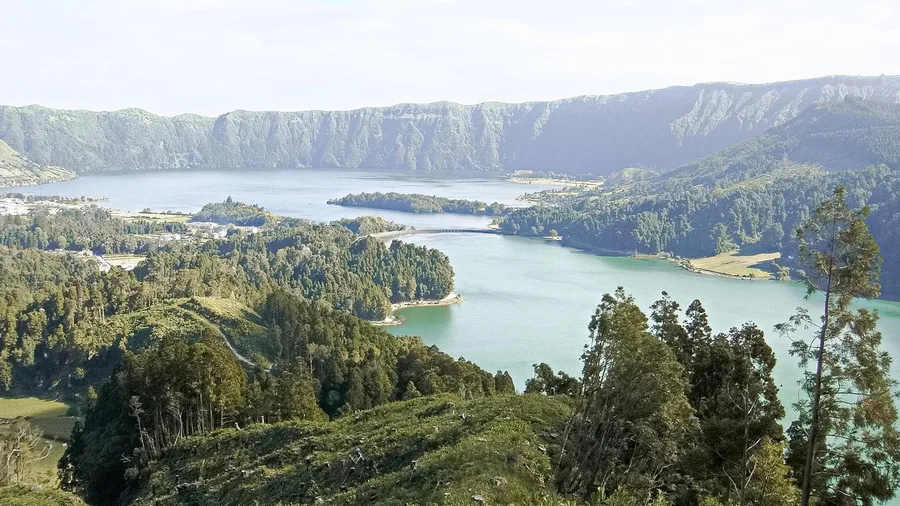
Yes, in May, and it is the easiest Azores landing because the airport, the roads and the crater car parks all run on a scale you can manage in a week without ever feeling like you are stuck behind a tour group.
The island packs the whole Azores sampler into one drive: the twin lakes in Sete Cidades, the steaming caldeiras and hot springs at Furnas, the north-coast miradouros and the coastal walking trails. It is fine for a family with a rental car and a loose plan, and it is a genuinely poor fit for anyone who wants to move on foot and skip the driving. The crowd clock is May-June or September-October, before the summer Azores rush; rent a car, start trailheads before 8 a.m., and July-August stocks of small guesthouses tighten fast. Book that May or September stay 2-4 months ahead.
💡 Tip: Rental car is non-negotiable; buses don't reach the crater trailheads early enough.
| Island | Region | Best window | Go before | Crowd-avoidance move |
|---|---|---|---|---|
| São Miguel | Azores | May–June or Sep–Oct | July–August | Pre-8 a.m. trailhead start |
| Flores | Azores | May–June or Sep–Oct | Summer ferries | Early hiker starts plus weather-flex day |
| Porto Santo | Madeira | June or September | August | Midweek ferry and overnight |
| El Hierro | Canaries | May or October | Summer | Advance dive-boat reservation |
| La Gomera | Canaries | May–June or Sep–Oct | Warmest months | Forest-trail hikes before late morning |
| Santo Antão | Cape Verde | May or October | Sal beach season | Early aluguers, valley guesthouse booked ahead |
| Salina | Aeolian Islands | June or September | July–August | Early hydrofoil and overnight |
| Pantelleria | Sicily | June or September | August | Car rental and early swims |
| Favignana | Egadi Islands | May or October | Midday ferries | Overnight stay and early westbound cycle |
| Marettimo | Egadi Islands | June or September | Summer | First ferry and checked return schedule |
| Lastovo | Croatia | June or September | Hvar-level summer | Catamaran arrival and off-hours anchoring |
| Vis | Croatia | May–June or September | Mid-morning day boats | Blue Cave first boat slot and overnight |
| Mljet | Croatia | May or September | Midday Dubrovnik ferries | Lake-path bike ride before 9 a.m. |
| Kythira | Greece | June or September | Cycladic ferry loops | Car rental and early ferries |
| Folegandros | Cyclades | May–June or September | Summer ferry capacity | Chora lodging and early Katergo hike |
| Amorgos | Cyclades | June or September | Peak-season rooms | Morning bus and dives booked early |
| Ikaria | Greece | June or September | July–August long stays | Spring-side guesthouse booked ahead |
| Lipsi | Dodecanese | June or September | Peak harbor | Small boat trip and overnight stay |
| Bequia | St Vincent & Grenadines | April–May or November | Winter peak weeks | Midweek sail and early harbor anchor |
| Carriacou | Grenada | April–May or November | Winter | Dive shop booked ahead plus ferry |
| Little Corn | Nicaragua | April–May or November | Whale-shark weeks | Midweek flight and small-operator dive package |
| Utila | Honduras | May or September | Whale-shark weeks | Small dive shop and early dives |
| Savai'i | Samoa | May or Sep–Oct | Village guesthouse shortage | Early drive and village protocol |
| Espiritu Santo | Vanuatu | May or Sep–Oct | Late-morning day tours | Opening-time start plus local guide |
| Rodrigues | Mauritius | May or Oct–Nov | Peak beds | Lagoon tours booked early and small guesthouses |
2. Flores, Azores, before peak summer

Flores costs you more effort than the bigger island next door and quiet in return: fewer seats on the plane in, fewer beds once you land. The Azores' tourist office counts this as the most isolated islands, where the waterfall-and-crater country runs on ferns, hydrangea hedges and a single road along the coast. Poço da Alagoinha drops its water into a green bowl you can walk to in twenty minutes; the western craters sit behind a rim of cloud that lifts and closes all afternoon.
May or June, or again in September and October, is when you get this at its rawest – before the summer inter-island ferries start carrying full loads of Portuguese and mainland holidaymakers. The booking bottleneck is the same one that saves you from a crowd: Atlantic Air flies in on small planes a few times a week, and the guesthouse stock in Santa Cruz and Faja Grande numbers in the dozens of rooms, not hundreds. April is still wet; July tightens both the seats and the beds fast.
Start the trailheads by seven, before the day's first coach unloads, and hold one day back as weather flex – the small-plane link to the other islands cancels on wind and low cloud, and a locked connection is how a good trip turns into a wait at the airstrip. Then find a bowl of caldo de peixe – the local fish stew, heavy with yam and taro, roughly 12 to 15 euros in a village tasca – and eat it while the rain passes. Book the inter-island flight first, guesthouse second, two to four months out.
3. Porto Santo's Long Beach in June
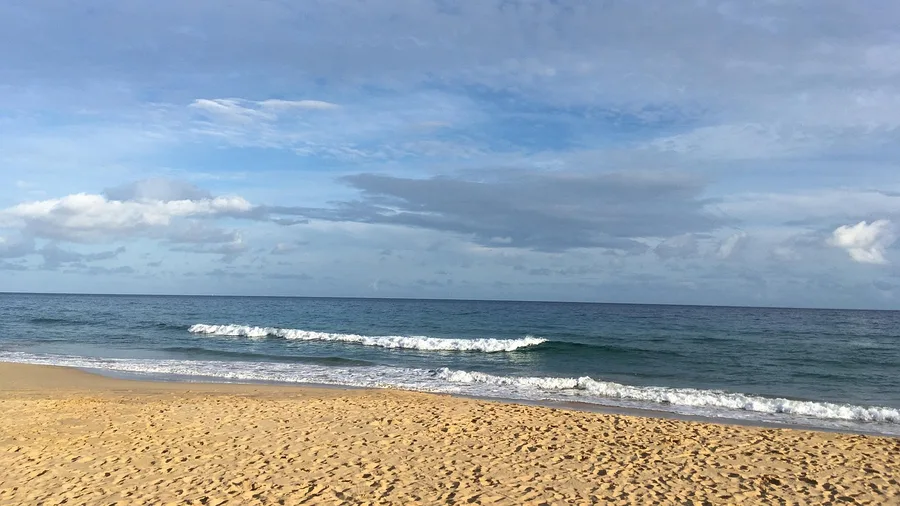
The sand on Porto Santo is warm underfoot by nine and pale enough that the light coming off it throws a glare into the hotel windows; the sea stays cold on the ankles well into June. That 9-km beach runs the whole southern shore of the island, with Vila Baleira, the one small town, set back behind it. No crater trails, no fern forests – just a long, low island where the main thing to do is walk out and lie down.
The catch is the calendar and the ferry. A hydrofoil from Madeira takes a couple of hours and runs on a fixed schedule; day-trippers ride the midday one and pack the beach busiest from about 11 to 4. June or September gives you the same beach nearly empty at either end of the day, without July's crowds or August's full hotels – the small stock fills for August by spring. Cross on a midweek ferry, sleep on the island a night or two, and you get the morning and evening stretches the day-trippers never see.
4. El Hierro for Diving in October

El Hierro is the Canary Island that rewards the ferry crossing rather than the direct flight. La Restinga, at the southern tip, is the diving village: a single harbor, a handful of dive shops, and volcanic slopes that drop straight into protected water. May or October is the window that works, and the extra travel keeps the day-trip volume well below Tenerife's.
Book the dive boat before you book the room, because the boats are small and fill without much notice. Two morning dives run a reasonable rate, and the guides know the marine reserve's buoys by heart. Above the water, the cliff road from Valverde to the Mirador de la Peña gives you the whole island in one bend, and the trails along the western cliffs are empty on weekday mornings.
The ferry from Los Cristianos takes a little over two hours and is the filter most travelers won't pay. That's the point: fewer day boats, fewer midday crowds at La Restinga's two restaurants. Check the ferry schedule before you fix dates, since sailings thin outside peak weeks.
💡 PRO TIP
The ferry rule that saves a trip
In shoulder season, inter-island ferries often run only 2–3 times a week. Check the schedule before you lock your flight dates, not after.
5. La Gomera's Laurel Forest in May

The laurisilva fog is the thing nobody warns you about, and it is why you start early. Garajonay National Park sits in cloud much of the morning, so trails stay slick and the light stays flat until the mist burns off. Come prepared for wet feet, and time your walk for the window when the sky clears.
La Gomera is the Canary Island for walking rather than resorts. The laurel forest fills the high center of the island, and the trails out of Las Hayas and toward the Alto de Garajonay wind through moss-covered trees that hold the damp air like a sponge. Valle Gran Rey gives you the coastal version, and the village walks around Agulo are short and level enough to do after lunch.
May through June or September through October is when the walking weather sits right: warm, but not the furnace of July, and dry enough that the ridge paths stay walkable. The Tenerife ferry from Los Cristianos is under an hour, which is the crossing that keeps the day crowd off the island.
Start your forest hike before late morning, because that's when the day-trippers from Tenerife arrive on the first sailings and the popular trailheads near the visitors' center get busy. The quieter paths are the ones that lead away from the road, and you'll know them by the absence of signage and the presence of real silence.
Small village guesthouses are the constraint. They fill in the warmest months, and the choice rooms in Agulo and Valle Gran Rey go first, so book two to four months ahead to hold the May-June or September-October window before the summer crowd takes it.
💡 Tip: Bring a light rain shell even in May; the forest makes its own weather.
6. Santo Antão's Valley Trails in May

Santo Antao is the Cape Verde most travelers skip, and that's exactly why you should go. Sal gets the resorts and the beach crowds; Santo Antao gets the hiking: the Paúl Valley, the Cova crater, cobbled paths between villages that take a full day to walk. May or October is the window before the heat sets in and the paths turn punishing.
The practical move is the local aluguer, the shared minibus that runs early from Porto Novo and Ribeira Grande, and valley guesthouses booked two to four months ahead. Rooms are few, and when they're gone you're sleeping in the next valley over. Book the beds first, then the aluguers, then the flight to Sao Vicente.
7. Salina, Aeolian Islands, in June

Forty minutes is all the hydrofoil needs to run from Lipari to Santa Marina Salina, and that short hop is exactly what fills the island with day-trippers by half past eleven. Salina is the second-largest of the Aeolians but the one that kept its calm: two dormant volcanic peaks, terraced caper vines, and a harbor that still smells of the morning's catch. In June, the vines are flowering, the water is warm enough to swim without flinching, and the crowd has not yet arrived.
June or September is the window here, and what you get for it is a specific kind of day. You take a caper farm tour in the late morning and the farmer walks you through the low bushes, showing you which buds to pick and which to leave. You hike the ridge between Monte Fossa delle Felci and Monte dei Porri, two quiet green peaks with no cable car and no queue, and the whole climb takes about three hours. You eat well, because Salina grows its own capers and makes its own wine, and the restaurants in Pollara and Lingua take the food seriously without the prices that Lipari charges in July.
The move that splits the crowd is simple: come on the early hydrofoil and stay the night, not the midday boat and back. Day-trippers ride the same handful of ferries and bunch up on the same three beaches and the same two restaurants by lunchtime. If you sleep on the island, you get Santa Marina Salina at 7 a.m. when the fishing boats are still unloading, and you get the evening passeggiata that no day-tripper ever sees. Book the guesthouse two to four months ahead, because the beds on Salina are fewer than the beds on Lipari and they fill first.
8. Pantelleria's Volcanic Swim Holes in September

The first thing you register at the Specchio di Venere is the smell: warm mineral water, almost sulfurous, rising off a crater lake that sits at the top of the island like a pan left on a low flame. You wade in and the bottom is soft mud, dark and warm, and the whole thing feels nothing like a beach. It is a strange, small, cheap stop, and it is the reason Pantelleria exists for a certain kind of traveler.
Pantelleria is wind-shaped: low white dammusi houses with domed roofs, dry-stone walls running every which way to break the sirocco, and caper bushes growing wild on black lava. The swim holes at Gadir and the Arco dell'Elefante are lava-rock pools where the sea surges in through natural arches, cold and clear and free. June or September keeps the island uncrowded; the caper farms are in harvest and the water is warm. Rent a car, because there is almost no public transport, and do your swimming before ten, when the few day boats that do come are still at anchor elsewhere.
The catch is access. Flights to Pantelleria are limited, and the summer schedule sells out, so lock your dates three to five months ahead if you want to go in June or September. It is not the easiest island in the Mediterranean to reach, and that is precisely why it still feels like itself.
Day-Trip vs. Overnight: The Crowd Math
Day-tripper
- Arrives on the 10 a.m. ferry with everyone else
- Hits the main cove at peak midday
- Leaves before the island quiets down
- Sees one beach and one harbor
Overnight guest
- Takes the early hydrofoil or the last ferry
- Swims the same cove at 8 a.m. alone
- Gets the evening harbor and the local dinner
- Sees two beaches and the village
9. Favignana by Bicycle in May
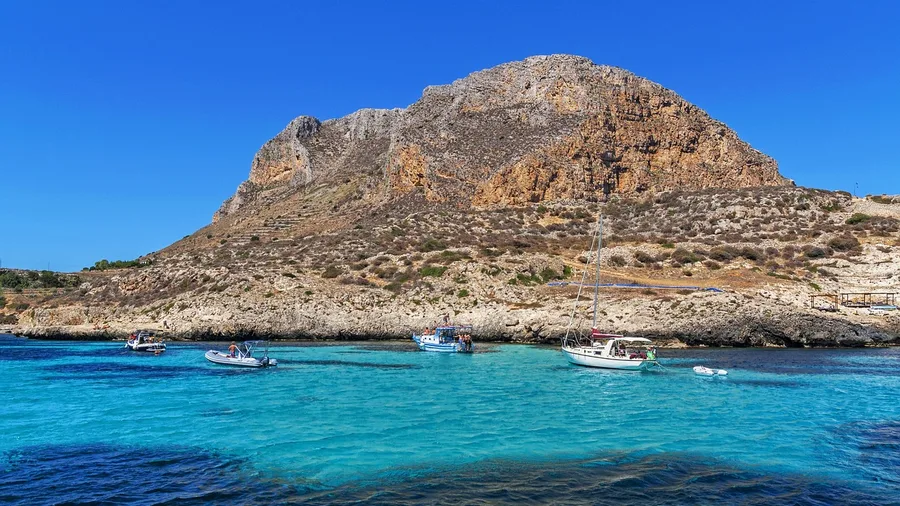
Favignana is an hour by hydrofoil from Trapani and costs a fraction of what Pantelleria costs to reach, but it has the same problem in a different shape: the day-trippers come in on the midday boats and take the same four coves. The fix is a bicycle and an early start. The island is flat, about nine miles end to end, and the tufa quarries and Cala Rossa are best reached on two wheels before the ferries land.
May or October is the window. The water is swimmable, the light on the white quarries is sharp, and the Florio tuna works, the old factory that canned the island's bluefin for a century, is worth an hour. Cycle west at seven, swim at Cala Rossa while it is still just you and the rocks, and be back in town for lunch.
10. Marettimo's Hiking Trails in June
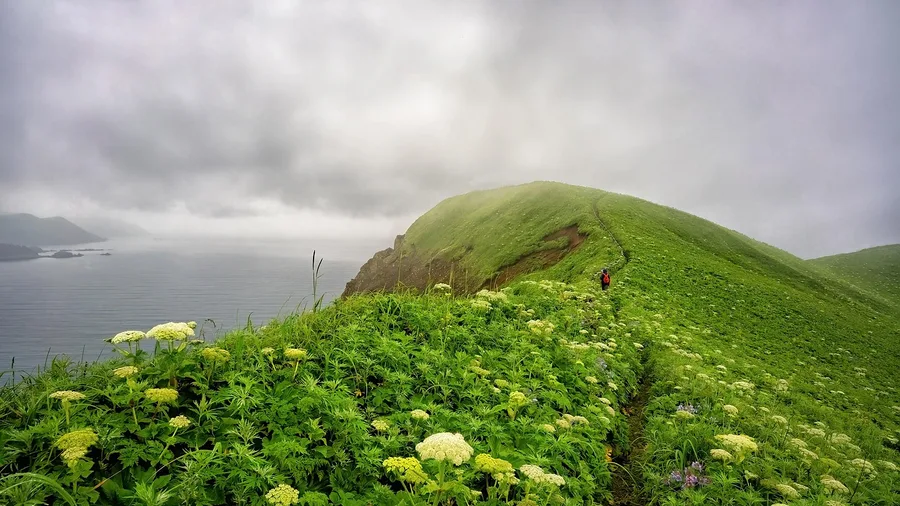
Sometime after dawn on Marettimo, the only sound on the Punta Troia path is cicadas and the dry clack of your own boots on limestone, and the sea is holding that flat early blue that makes you stop walking for no reason. This is the Egadi island where the bike stays lashed to the rack.
The flat coves and easy cycling around the Egadis suit a certain kind of day, but Marettimo is the wildest of the group, all mountain paths and sea caves rising straight out of the water, with the Punta Troia castle route and the old Case Romane track as the two walks people come back talking about. June or September is the window: warm enough for the swim you'll want after the climb, cool enough that the trail is not a scrum, and outside the July-August ferry bulge that puts everyone on the same path.
Getting there is the splurge, and it is worth pricing honestly. The fast ferry from Trapani runs roughly an hour to an hour and a half, and a round trip for two with a rented room in the one main village typically lands somewhere around $350-$500 for an overnight, more if you add a second night for the cave boat. You are paying for distance: Marettimo sits further out than Favignana or Levanzo, which is exactly why the crowd thins.
The practical layers all point the same way. Take the first ferry of the day, not the mid-morning one, because the good paths and the Punta Troia approach are at their emptiest before the day-trippers land. Carry your own water, since the trails have no reliable refill and the sun on open limestone is not forgiving. And check the return schedule before you commit to a route, because the last boat leaves on time whether you have finished the loop or not.
Capacity is the real reason to book early. Marettimo has few beds and one main village, so the small guesthouse stock disappears in the warm months long before the island itself ever feels busy. Two to four months ahead is the booking window, and it is the difference between a quiet base for the hikes and staying back in Trapani.
💡 Tip: The Case Romane path is exposed; start by 7:30 a.m. and bring 2 liters of water per person.
The Crowd Clock at a Glance
11. Lastovo's Archipelago in September

Lastovo, and it stays quiet for the simplest of reasons: there are only so many ferry seats to bring people over.
The pine coves and the protected offshore islets are the whole point, and June or September is the window that lets you anchor off them in the off-hours rather than queueing behind the day boats. You reach Lastovo town by catamaran or ferry, then do very little on purpose – sit on the stone, watch the water, let an hour go by. The limited ferry seats are the bottleneck, so book the crossing early and the archipelago is yours.
12. Vis's Caves and Wine in June
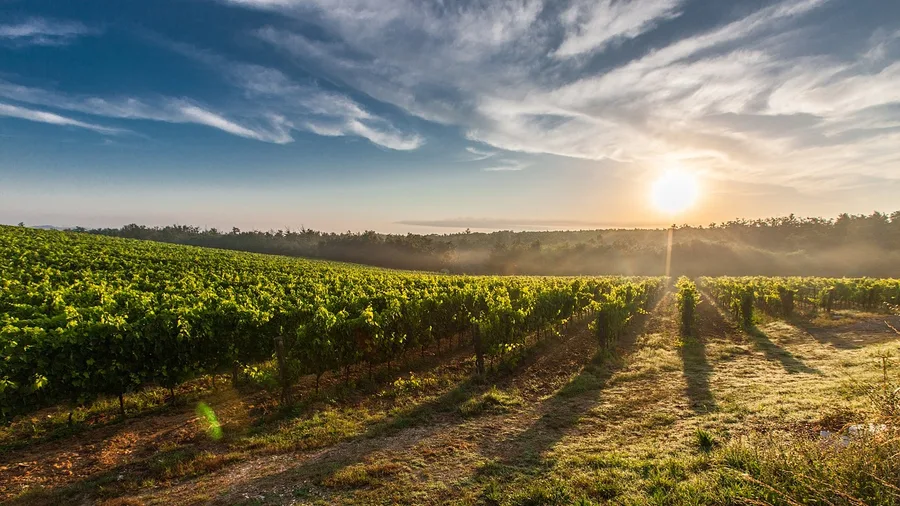
The first thing you register on the Blue Cave boat is the cold of the water under the hull, then the light turning the rock the color of a swimming pool as the skiff slips in before the day-trippers wake.
Vis is bigger than the ferry-seat logic of the smaller Adriatic islands, and its crowd is not the crossing but the Split day-trip boats that bunch at the Blue Cave by mid-morning. Take the first boat slot plus an overnight stay, and the island gives you Komiza, the compact old town and the vineyard roads for free – the walking costs nothing and earns its place. May-June or September is the window; the early start and the overnight are the whole move.
13. Mljet National Park in May

Mljet is a national park first and an island second, and you want to be on a bike inside it before nine. That is the whole method here. The southern Adriatic island sits a short ferry ride from Dubrovnik, and the ferries that carry the day-trippers arrive around midday, so the lake paths belong to whoever got there early.
The move is the 9-km ride around Veliko Jezero, the salt lake that runs to the small islet of St. Mary and its Benedictine monastery. You pedal the loop while the water is still glass and the pines hold the morning cool; by eleven the same path has guided groups in matching caps. Rent the bike from a lakeside operator near Pomena or Polace, expect a modest hourly rate, and check park opening hours before you commit – they shift with the season and the lakes are not a place to arrive to a locked gate.
May or September is the window. In May the island is green and the water warm enough to swim off the rocks at the lake's far end; September gives you the same long light with fewer people on the trail. Odysseus Cave, on the south coast, is the other reason to keep the car for a few hours – a sea cave you reach by a short swim, said in local telling to be where the hero sheltered on his way home. Beds on Mljet are few and clustered in a handful of villages, so book the guesthouse two to four months out and time your ferry so you sleep on the island rather than race the afternoon boat back.
Greek Island Ferry Windows
🗓️ Best months
May–June, September
⛴️ Ferry frequency
2–3 per week in shoulder
🛏️ Room stock
Under 50 beds on small islands
🚢 Cruise impact
Doubles harbor population
💶 Daily budget
$160–$240 on the ground
Book order
Flights 3–5 months out; guesthouses 2–4 months out; ferries as soon as dates are fixed.
14. Kythira's Waterfalls and Beaches in June
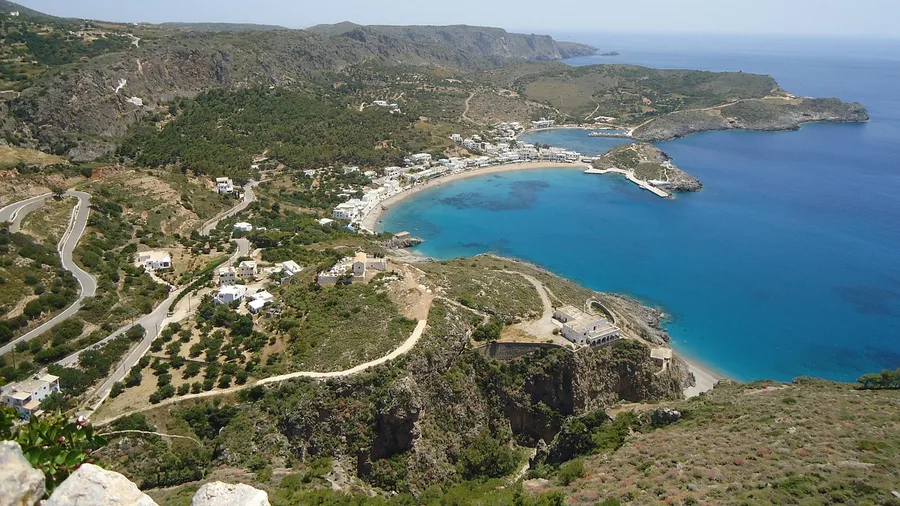
Twenty minutes of walking from the road gets you to Fonissa, and the waterfall is best in spring when the winter rain is still running off the hills. Kythira sits in the water between the Peloponnese and Crete, far enough off the main Cycladic ferry loops that the crowds never quite arrive. That distance is the point.
The island has a story worth the stop: Chora, the capital, was built inland and uphill with a fortress above it, because the coast was raided for centuries and the safest place to live was out of sight of the sea. You climb the lane to the Kastro at dusk as the village lights come on below, and the reason for the whole layout lands in a way no placard explains. The castle itself is Venetian, layered over older walls, and the walk up is free and uncrowded on a June evening.
Rent a car from the port, because Kythira's beaches and villages are strung along cliff roads and buses will cost you a day. Melidoni is the swim to plan for, reached by a short walk down and good in the morning before the sun swings round. June or September is the shoulder window; July and August fill the limited beds fast, and there is not much stock to begin with, so book two to four months ahead and confirm ferry times from Neapoli or Piraeus before you lock the dates.
15. Folegandros's Clifftop Town in May
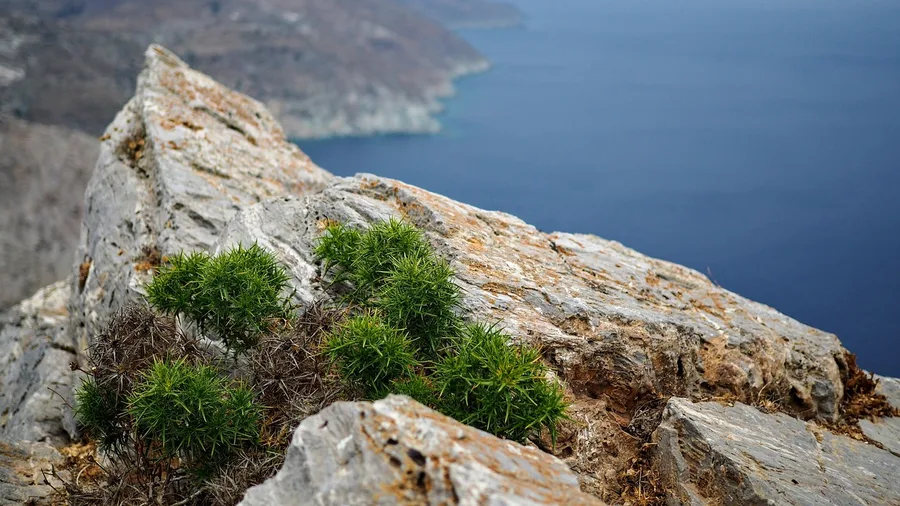
Folegandros is the Cycladic island to book when you want the whitewashed cliff town without the cruise-ship scrum, and the car-free Chora is the reason. The village sits on the edge of a 200-metre cliff, and the lanes inside it carry no traffic at all – you walk, you climb, you stop at a taverna table because there is nothing to drive to.
The wildlife-and-nature draw is the walk out to Panagia, the church on the rock above Chora, where a zigzag path climbs through the scrub and the whole eastern Cyclades opens up behind you. In May the hillside is still green and the wildflowers have not burned off, and the only company is usually a goat herd and the sound of bells. The route is short but steep, so go early, carry water, and count on the church being open at unpredictable hours – the view is the reward whether or not it is.
Below Chora, Katergo beach is the swim to earn. There is no road; you hike down a rough track from the south of the island, roughly 30 to 40 minutes each way, and find a pebble cove with rock shelves and water that goes deep fast. Start before the day heats up. The reward is a beach with a dozen people on it in June, when the same cove in August holds everyone who rented a scooter.
The window is May-June or September. Ferries from Piraeus and the neighbouring islands run less often outside high season, and the room count in Chora is small enough that peak weeks sell out early. Book the clifftop lodging two to four months ahead, confirm the ferry schedule before you fix the dates, and you get the town at its best: quiet lanes, a cliff walk and a swim cove that still feels found rather than listed.
16. Amorgos's Monastery and Diving in September

The monastery closes to visitors in the early afternoon and the walk down is sun-exposed, so go up first thing, not after the beach.
Hozoviotissa is the white building pinned to a cliff above Agia Anna beach, and it is the reason to come. The climb is a few hundred steps; the reward is a candle-lit chapel and a view down the whole southeast coast. Buses from Chora leave mid-morning in summer, so take the earliest one or drive yourself before eight.
Dives book out early in the day here too. The sites off Agia Anna are clear and not crowded, but the boats that run them are small and fill with people who planned ahead. June or September keeps both the morning bus and the early dive slot workable, and rooms in the villages are still available then. In peak season they are not.
17. Ikaria's Hot Springs in June

Ikaria is a long green island where people come to sit in hot springs, walk mountain villages, and surf, not to check off beaches.
The springs at Therma are the center of it. Small stone pools sit above the sea, free or nearly so, and the village around them has a few guesthouses that run around 80 to 120 euros a night in June. Nas is a small cove below a ruined temple, and Rahes is a stone village up in the hills where the walking is the point. None of it is expensive, but the good rooms near the springs have a way of being taken by people staying for weeks.
June or September is the window. In July and August the long-stay crowd fills the small room stock and the springs get busy by mid-morning. Book the spring-side guesthouses two to four months ahead, and check the local bus schedule before you commit to a village without a car.
⚠️ COMMON MISTAKE
Don't book the flight first
Most travelers lock airfare before checking ferry and inter-island flight schedules. On small islands, that locks them into the wrong days. Check the boat first, then buy the plane ticket.
18. Lipsi's Small Islets in June

The boat to the Aspronisia islets runs only if enough people sign on, so ask at the harbor the day you arrive, not the morning you want to go.
Lipsi town is one small harbor with a handful of rooms, and the whole day's plan is a boat out to the empty islets and turquoise coves. You swim, you eat on the boat, you come back. It is the doing that matters, and there is not much to do otherwise.
June or September is the window. The few rooms and one harbor keep peak capacity low, and the small boat trips need booking ahead because they fill without much warning. Stay overnight on the island rather than trying to reach it from Kos or Patmos for the day.
19. Bequia's Sailing Season in May

The first sound in Port Elizabeth at six in the morning is rope against a mast, a soft clack that runs around the whole bay as the anchored boats turn into the trades. By seven the light is flat and white on the water and the fishing boats have already gone out past the point. The ferry dock is still empty. Nothing about this harbor asks you to do anything.
That is the whole reason to put Bequia on the shortlist. It is a working harbor on St Vincent and the Grenadines where the day's event is a short sail to a beach and back, and Princess Margaret Beach is a curve of sand you can reach on foot from the town side or in ten minutes by water taxi. April through May, or November, is your window: the winter fleet has gone north, guesthouse rates soften, and the harbor has room for one more boat.
The bottleneck here is berths, not beaches. The same small stock of harbor-front rooms and the same anchored moorings that feel generous in May are gone in the peak winter weeks, when the yachting crowd arrives and Port Elizabeth turns into a parking lot for keels. April-May or November is when the anchorages thin out and a midweek sail gets you a mooring without circling.
Anchor early, and sail midweek. A short charter or a water taxi to a neighboring cay is best booked for a Tuesday or Wednesday, when the weekend boats from St Vincent have not yet arrived and the skipper has time to take the long way around. Book the flight into St Vincent three to five months out, since the hopper to Bequia is the tight link.
The hour to protect is the one before the wind picks up. Sit on the town side with a coffee and watch the bay fill, and you will see exactly what a low-key harbor means: a handful of boats, one man rowing a dinghy with a dog aboard, and no schedule to keep.
20. Carriacou's Reefs in November

The reef off Carriacou sits in roughly 20 to 60 feet of water, close enough to shore that a small boat can reach the best coral in under fifteen minutes. That short run is the whole point. Sandy Island, a low spit of sand and a few palms a short hop off the west coast, is the shot you will keep: the water goes pale turquoise over the shallows and deep blue where the reef drops, and there is nothing on the horizon but the two other Grenadine hills.
Stand on the windward side of Sandy Island in the late afternoon, when the sun is behind you and the reef edge shows through the surface. Carriacou itself is a boatbuilding island, and the villages around Hillsborough still turn out wooden hulls on the beach, which is the reason to spend a morning ashore between dives. April-May or November is the window: the dive boats are quiet, the beach hotels have space, and the trades are steady.
The capacity here is dive boats, not rooms. A handful of small operators run the reefs, and in peak season their seats fill before you have unpacked. Book the dive shop ahead, take the ferry over from Grenada, and confirm the crossing times before you lock the dates.
21. Little Corn Island in May

You notice the quiet first, because there are no cars on Little Corn, only sandy paths that run from the dock through the palms to the windward shore. Everyone walks, or hauls supplies in a wheelbarrow, and the loudest thing you will hear is the reef breaking on the far side. That is why the divers who keep coming back know the last untouched beach is not in the obvious places.
The residents head for the windward beaches and the small reef sites on the north end, where the day boats from the big island do not bother to run. April-May or November is the window, and the real constraint is the small plane and the boat that bring people in, so book a midweek flight and a dive package with a small local operator two to four months ahead. Once you are on the island, the reef is yours before the day-trippers land.
22. Utila's Dive Sites in September

Utila is the cheaper Caribbean dive trip, and the crowd that caps it is not planes or ferries but whale-shark weeks, when beds across the compact town go before the boats do. May or September is the window, either side of those weeks.
The hour that matters is the first tank. Small shops run early dives so you are in the water and back at the surface before the rest of the boats launch, and the same reasoning that keeps Little Corn quiet keeps Utila quiet: get out ahead of the bunching. Book a small dive shop and the early slots 2-4 months ahead, because the water-taxi route and the handful of rooms fill on whale-shark timing, not on your calendar.
What an 8–10 Day Island Trip Costs
23. Savai'i's Blowholes in May
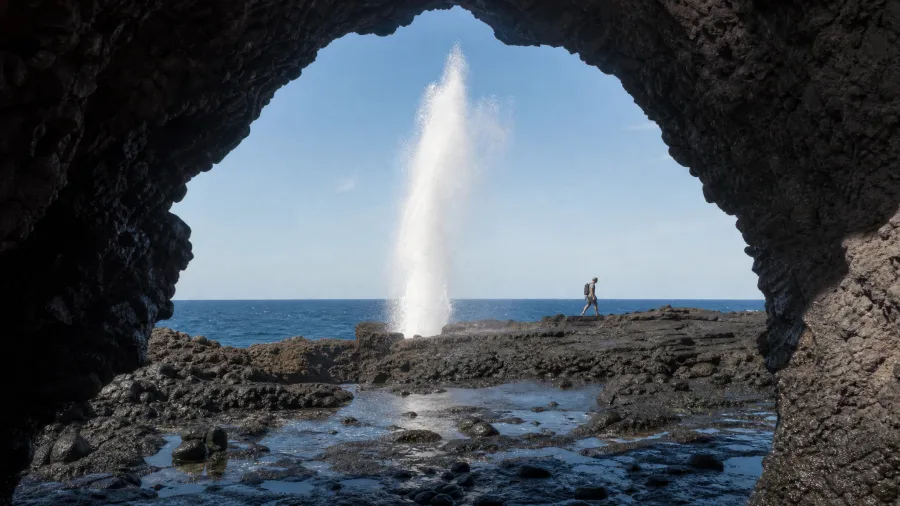
Yes, and that is the point. It is the larger island and the quieter one, with the Alofaaga blowholes, black lava fields running to the sea and village beaches that see few outsiders.
May or September-October is the shoulder window. The blowholes are best early, when the swell hits the lava tubes and the water shoots straight up without a row of rental cars in the frame, so drive out at first light and treat the village land around the coast with the protocol and small fee it asks for. That respect is not paperwork; it is why the place is still worth the drive.
Capacity here is ferry seats and village guesthouses, not dive boats. Book both 2-4 months ahead and May or September-October becomes the go-now window rather than a gamble on the boat being full.
24. Espiritu Santo's Blue Holes in May
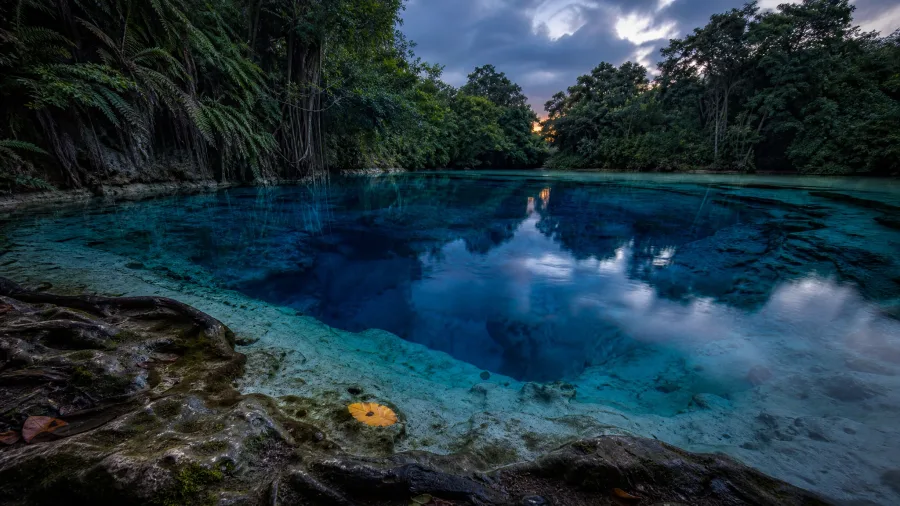
Go for Nanda Blue Hole and the jungle swims around it, because on Espiritu Santo the water costs almost nothing and the crowding is entirely a matter of what time you arrive.
May or September-October is the shoulder window for the quiet Vanuatu base, with Champagne Beach and the blue holes at their clearest. The move is an opening-time start: be at the water when the gate lifts, hire a local guide for the jungle sites, and you have the pool to yourself. Day tours pull in late morning and the same handful of holes turns loud.
The guide fee is small and puts money in the villages that keep the trails open. Pay it, start early, and the island stays the version you came for.
25. Rodrigues's Lagoon in October
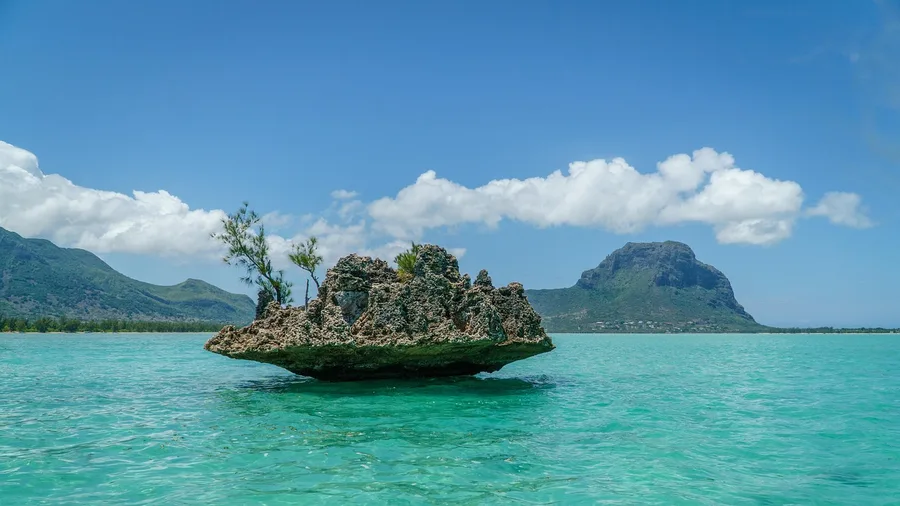
Getting to Rodrigues is the bottleneck, so fix your dates around the flight before you fix anything else. The plane from Mauritius is small and runs only a few times a day, and in May and again from October into November the guesthouse beds fill 2-4 months out while the aircraft stays the same size. That constraint is what keeps the island's tourism base tiny and its lagoon empty of tour boats – the same reason a place like Vanuatu's Santo can bunch you up with day tours by mid-morning is exactly what Rodrigues doesn't have.
What it does have is a lagoon roughly twice the size of the island it wraps, and Port Mathurin, a capital that still feels like a harbor town rather than a resort strip. Kitesurfing winds draw a small, serious crowd to the southwest coast, mostly in the October – November window when the trades settle into a rhythm. May works too, quieter and lighter on wind, if you'd rather swim than sail.
Book the lagoon tour before you leave, not on arrival. Small operators run out of the main villages with a couple of boats each, and a half-day out to the islets – Île aux Cocos for the seabirds, Île aux Fous for the snorkeling – costs roughly $40-$70 a head depending on what's included. Ask your guesthouse to confirm which operator is running the day you land, because a windy forecast can ground the small boats and the good guides get taken first.
Allow 4-5 days on the ground. Port Mathurin's Saturday market is the one day the island's own people fill the town, so plan your lagoon tour around it rather than through it. The rest of the week the roads are near-empty, the beaches at Anse Mourouk and Graviers sit half-full at most, and the pace is genuinely slow – which is the point, if slow is what you came for.
One real caution: this is not a beach-resort island in the way Mauritius is. There's no large hotel strip, few restaurants open past nine, and the reliable beds are in small guesthouses and family-run places where a 2-4 month booking window is the difference between the trip you wanted and a standby flight home. If you want pool service and a spa, choose somewhere else. If you want a huge lagoon, an empty beach, and a flight that keeps it that way, book the shoulder and book early.
Frequently Asked Questions
Are these islands actually uncrowded, or just less crowded?
Less crowded, and specifically in the shoulder windows named. In July or August, several of these islands feel as busy as the famous ones. The point is to book May–June or September–October.
How far in advance should I book?
Flights 3–5 months out, small guesthouses 2–4 months out, and ferries as soon as you fix dates. On islands with fewer than 50 rooms, the good places go first.
Do I need a car on these islands?
On São Miguel, Pantelleria, Kythira, and Savai'i, yes — buses don't reach the trailheads and beaches early enough. On Folegandros and Little Corn, no; they're small and walkable.
What's the rough budget for one of these trips?
About $2,200–$3,200 per person for 8–10 days including airfare, or $160–$240 per day on the ground. The Caribbean and Pacific add airfare cost; the Azores and Canaries are cheaper to reach from the US East Coast.
How do I avoid cruise-ship crowds?
Check the published port calendar for the island you're visiting and steer clear of those days in the main harbor. Even one ship changes the day.
Which of these is easiest for a first island trip?
São Miguel in May. Direct flights from the US East Coast, English widely spoken, rental cars easy, and the trailheads are empty before 8 a.m.
Pick Your Island by the Move You'll Actually Make
Beach-first readers: Porto Santo in June or Bequia in April–May. Hikers: Santo Antão in May or La Gomera in May–June. Divers: El Hierro in October or Utila in May. Culture-and-wine readers: Vis in June.
Book the shoulder window and check the cruise calendar before you pay for anything. That's the whole game.
Check the ferry before the flight
Pick your island, open the ferry or hopper schedule for your dates, then book airfare. That one order saves the trip.