
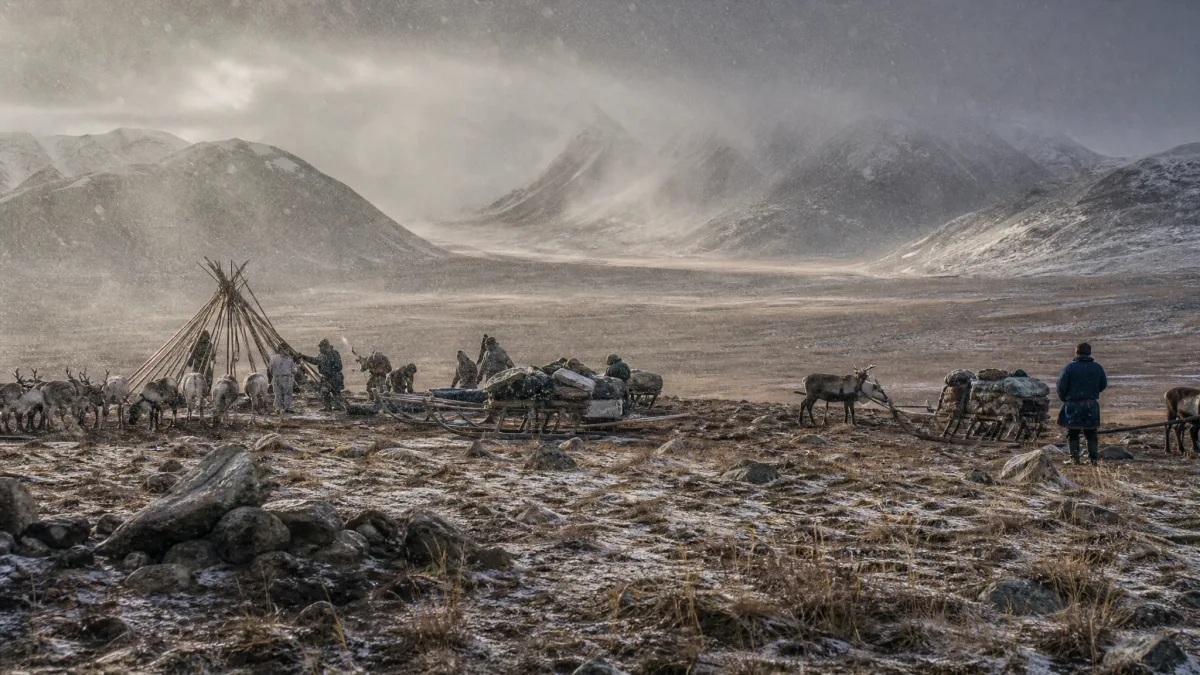
Assuming a settlement remains pinned to the coordinate printed in an outdated field guide is the quickest way to end up stranded in an empty clearing.
Outside observers routinely mistake hand-hewn timber and thatched roofing for permanent architecture rooted forever in one plot of dirt. Across fragile steppes, braided silt deltas, and tropical borders, entire communities dismantle every 2 to 7 years on strict ecological schedules.
This movement is a calculated engineering and resource strategy, pacing human infrastructure to the natural replenishment of forage, silt banks, and forest topsoil. Modular frames and synchronized overland transit let communities harvest shifting regional wealth without exhausting their customary lands.
Understanding the tipping points that trigger a relocation, the mortarless joinery that makes it possible, and the timing of the transit keeps you from chasing phantom coordinates across an empty landscape.
| Community & Region | Move Frequency | Primary Trigger | Structural Architecture | Relocation Transit Method |
|---|---|---|---|---|
| Central Asian Steppe Herders | Every 2 to 5 years | Pasture compaction and forage depletion | Latticework timber walls and felt covers | Pack yak and camel overland strings |
| Jamuna River Chars (Bengal) | Every 2 to 4 years | Monsoon hydraulic scour and silt erosion | Lashed bamboo frames and corrugated tin | River barge flotation and carry lines |
| Southeast Asian Swidden Liners | Every 3 to 5 years | Topsoil leaching and harvest drop-off | Mortise-and-tenon timber and reed thatch | Coordinated human carry lines |
| Amazonian Rotational Clearers | Every 4 to 7 years | Depleted forest plots past 5-mile radius | Woven palm thatch on roundwood posts | Dugout canoe rafts and walking litters |
Grazing Exhaustion Forces Seasonal Steppe Camps to Relocate
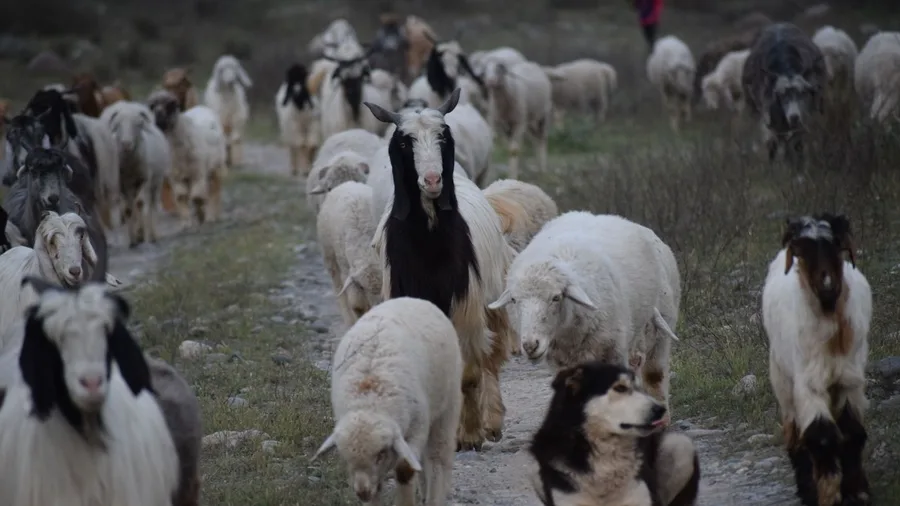
Staying put becomes far more expensive than packing up when livestock hooves turn every blade of forage into dust.
Most travelers confuse this routine with annual transhumance, where herders simply move flocks between winter valleys and summer pastures on a set yearly circuit. A full camp shift is different: families dismantle their entire residential base camp every 2 to 5 years once local ecology collapses.
Hundreds of sheep and goats steadily compress the earth, crushing root systems and draining shallow aquifers until bare sand and bitter woody shrubs replace sweet grass within a 3-mile ring around your yurt.
A degraded pasture requires 3 to 5 years of undisturbed rest before native seed reserves recover.
Pushing daily grazing herds past a 5-mile radius and hauling freshwater across that distance burns dozens of wasted working hours each week. Stripping felt covers, collapsing wooden wall lattices, and loading pack animals takes two days of focused labor and resets the grazing radius back to zero.
Shifting Riverbanks Swallow Alluvial Island Settlements

Pouring concrete walls against a silt river is an expensive guarantee that the water will crush your house anyway.
On dynamic silt islands called chars, whole sandbars migrate several miles across just 2 to 4 monsoon cycles under torrential currents. Poured concrete pilings and rigid stone revetments restrict natural hydraulic flow, creating vicious eddies that dig underneath fixed foundations until massive masonry blocks slide directly into the drink.
Long before banks collapse, villagers watch for tells: pencil-thin fissures opening parallel to the shoreline, sudden drop-offs in hand-pump water levels, or chunks of riverside turf dropping into the current.
Those signals trigger a communal teardown completed within 48 hours.
Investing hard-earned savings into permanent foundations on moving silt guarantees total financial ruin. Modular frames lashed from pliable bamboo and light reed mats unpin cleanly in an afternoon, riding flatboats downriver to dock against a new sandbank before nightfall.
⚠️ COMMON MISTAKE
Assuming Empty Clearings Are Abandoned Wilderness
Never pitch tents, clear scrub, or light campfires in a seemingly deserted clearing marked by notched tree trunks or stone mounds. These markers stake customary fallow claims, holding the territory for returning clans while the ecosystem regenerates.
Swidden Cultivation Depletes Forest Soil Within Three Harvests
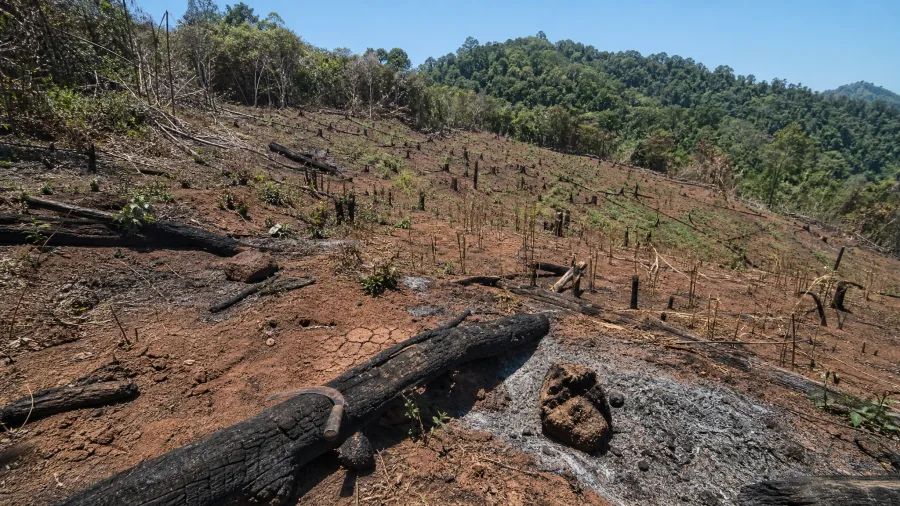
Packing up an entire jungle hamlet takes far less human labor than hiking ten extra miles through suffocating humidity every morning just to reach a working garden plot.
Tropical forest clearings offer deceptively thin topsoils that leach away nitrogen, phosphorus, and organic matter under relentless heat and monsoon downpours after only 2 or 3 harvest seasons. Weeds choke the manioc, yields crash, and the dirt turns to sterile red clay.
Walking past a 5-mile perimeter through thick jungle canopy burns three hours of daylight in ninety-degree heat, exposing working families to wild predators and confrontations along neighboring village boundaries.
Customary swidden systems leave old clearings completely fallow for 15 to 30 years so tree canopies close and leaf litter restores lost ground nutrients.
Lineages return decades later to find rebuilt topsoil, but keeping immediate survival workable right now means relocating the hearths beside fresh dirt.
Fixed Settlement vs Cyclical Village Relocation
Fixed Permanent Village
- Exhausts local grazing zones within 3 miles
- Demands costly masonry flood defenses that wash away
- Forces long, unproductive daily walks to distant plots
- Leaves families vulnerable to localized pest surges
- Locks residents to degraded aquifers and declining wells
Cyclical Relocating Village
- Allows pastures a necessary 3 to 5-year fallow rest
- Dismantles structural frames before bank erosion hits
- Positions hearths within steps of fresh fertile soils
- Leaves pathogens and domestic pests behind permanently
- Preserves communal energy by cutting daily transit
Homes Are Engineered Without Mortar or Permanent Foundations

Every wall joint knocks apart with a wooden mallet because not a single iron nail or bucket of wet mortar anchors the frame to the dirt.
Builders rely on interlocking mortise-and-tenon joints secured by carved hardwood wedges that back out cleanly under pressure. The main posts rest on surface dry-stone footings or thick timber ground skids, raising the structural frame two feet off the damp jungle floor without sinking a posthole that would rot or anchor you to dead ground.
Weight limits govern every single structural cut.
Framing beams and bamboo poles are measured so two adults can shoulder one piece or a single pack yak can take a balanced load across fifteen miles of broken terrain. You strip the mud-and-reed wall plaster and rotted thatch on site to rot down into garden compost, hauling only the hand-carved pillars, load-bearing uprights, and rolled woven floor mats.
🏕️ Village Teardown and Transit Sequence
Advance Scout Dispatch
A scout party drives livestock ahead to clear transit corridors and secure water points at the destination.
Domestic Strip-Down
Families strip exterior thatch and mud plaster, composting biodegradable materials on the garden beds.
Frame Disassembly
Carpenters knock out hardwood dowels to separate mortise-and-tenon timbers into transportable bundles.
Flotation and Sled Staging
Crews bundle buoyant bamboo poles into large river rafts or lash structural framing onto pack animal sledges.
Sanitization and Marking
Elders oversee the collapse of earth ovens, douse hearth coals, and carve territorial symbols on perimeter trees.
Shared Transit Logistics Demand Synchronized Community Evacuation
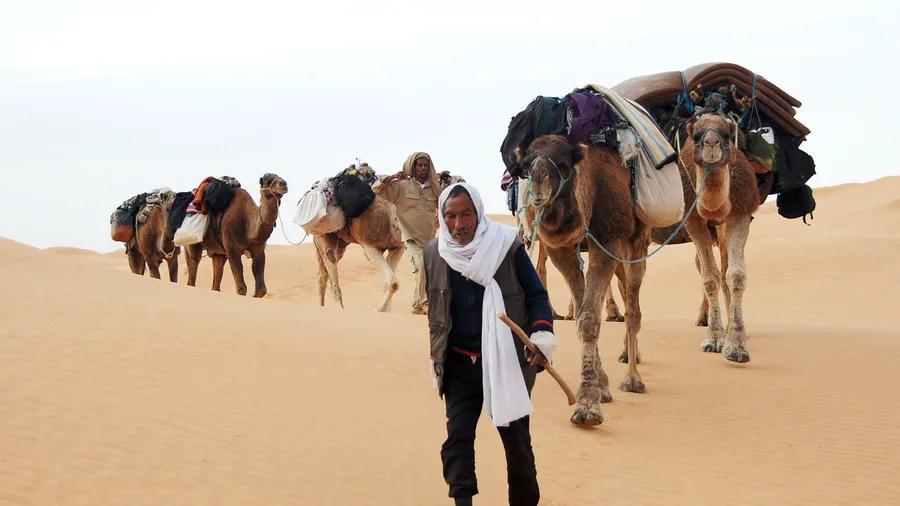
Family ever decamps alone; an entire valley moves as a single, coordinated column or it breaks apart completely.
The evacuation starts days ahead with dedicated herdsmen driving camels, cattle, or sheep out along open transit corridors to secure fresh water wells and graze back tall cover at the destination site. Moving families and builders bind stripped house posts and buoyant bamboo stalks into wide river rafts for water transit, or string out animal pack lines along rough trail tracks for a three-day haul.
Staggering the move is a dangerous tactical mistake.
A piecemeal exit exposes lone groups to predatory wildlife, burns through shared food stores, and ruins community defense. Carrying teams assign loads strictly by capacity, keeping pack beasts, small sledges, and draft litters clear so sick elders, infants, and seed grain ride safely in the middle.
The Seven-Day Village Relocation Schedule
Spiritual Cleansing and Earth Ovens Mark Site Abandonment
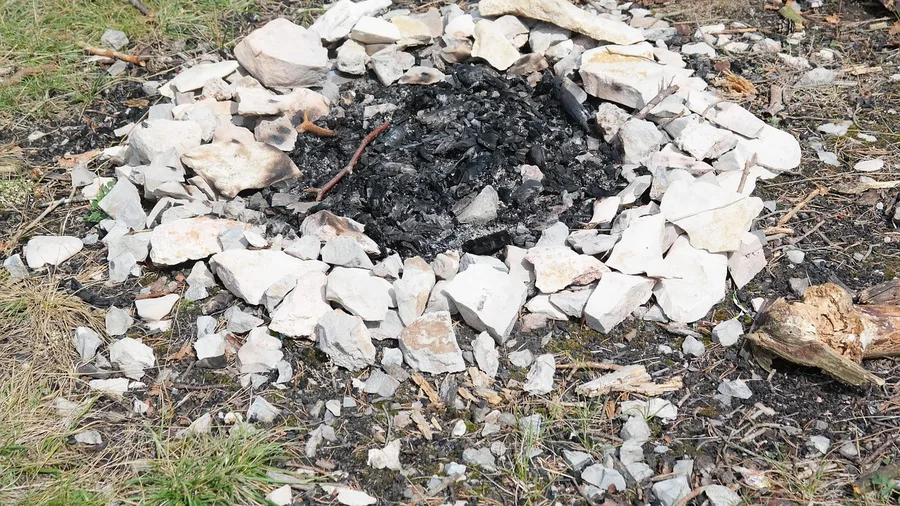
The moment the last pack string clears the ridge, the departure crew turns back to erase the settlement.
Crews cave in every underground earth oven with digging sticks, drown fire pits under damp ash and creek water, and shovel defensive peripheral berms flat so wild grass can reclaim the clearing.
Nothing artificial stays behind.
Customary laws forbid abandoning cracked pots, worked iron blades, animal bones, or scrap hide in the dirt. Leaving garbage invites parasites, disease, and scavenger packs, while a spotless clearing prevents contamination and signals to neighboring clans that the customary territory remains under active fallow care.
Before walking away, elders stack stone mounds or notch high tree trunks at the perimeter. These boundary markers register the lineage title on the valley and announce the season they plan to march back.
Give the vacated plot forty-eight hours and you will see only trampled earth and notched timber.
Primary Ecological Levers Driving Relocation
Fixed Borders and Titling Laws Criminalize Rotational Land

Modern cadastral property registries have turned the customary resting periods of rotational land into what state surveyors view as abandoned real estate.
Statutory frameworks demand static deeds with surveyed, fixed corners. When a community dismantles its homes to let topsoil recover across a 3 to 7 year cycle, official registries reclassify those empty plots as unowned public acreage, inviting outside commercial leasing or resource extraction.
Bureaucracy binds basic survival to a single postal code.
State welfare initiatives condition public school enrollment, grain rations, voting eligibility, and identity papers on a permanent street address. Meanwhile, chain-link border fences and militarized buffer zones sever traditional 20-mile migration corridors, walling herds off from seasonal pastures. Returning families suddenly find their generational rotation branded as unlawful squatting, ecological degradation, or illegal international border crossings under national land statutes.
Climate Volatility Disrupts Predictable Decadal Rotation Rhythms
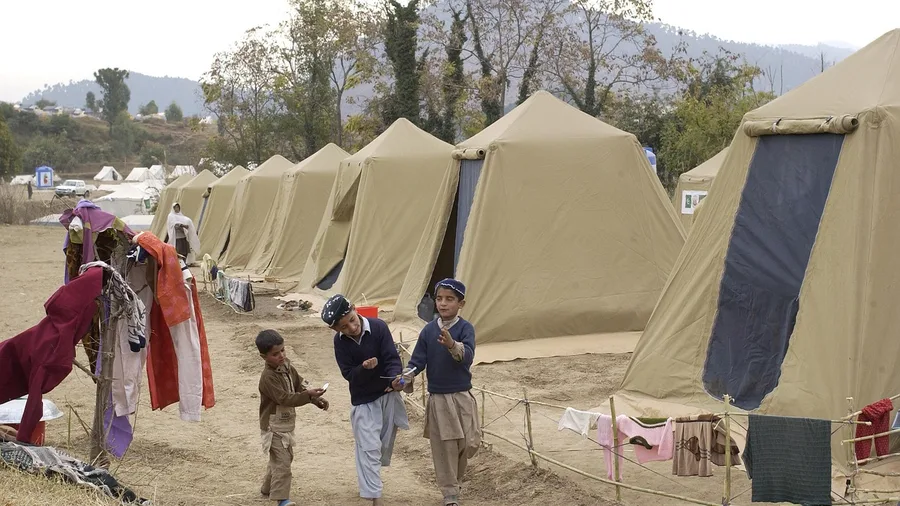
Mobile communities adapt to erratic weather by splitting settlements into hardened, semi-permanent base hubs while pushing small, agile satellite camps into unpredictable pastures.
Centuries of reliable environmental markers have unraveled. Dependable monsoon calendars and steady autumn freeze dates are giving way to sudden flash droughts, severe mid-season freezes, and erratic downpours that drop months of rainfall in hours. Reading the sky no longer provides dependable timelines for moving camp.
Sudden mudslides or pasture failure now force emergency dismantling.
Families pack shelters under severe duress before intended target sites develop dependable water holes or grazeable biomass, exhausting draft animals along treacherous transit paths. Instead of pacing moves to a disciplined three-year cycle, camps react to regional climate shocks that deplete community grain supplies and stretch pack lines thin.
Emergency dismantling replaces measured seasonal packing.
Frequently Asked Questions
How far do villages move during a standard relocation cycle?
Most cyclical villages move between 3 and 25 miles per cycle. This keeps the new site within their clan's recognized territory while shifting hearths close to fresh pasture, clean water, or fertile swidden plots.
How long does it take to tear down and rebuild a mobile village?
Teardown and reassembly times depend entirely on the architecture. Light felt-covered tent camps dismantle in 48 hours, while timber-frame stilt homes held by removable wooden dowels take 1 to 3 weeks to reconstruct at new coordinates.
Do mobile communities completely abandon their previous building materials?
No. Valuable structural timbers, carved hardwood posts, bamboo framing poles, and woven mats travel directly to the new site. Only heavy, biodegradable components like mud wall infill and weathered thatch are composted on the old ground.
How do neighboring groups know not to occupy a resting village clearing?
Communities erect stone cairns, carved timber stakes, or notched tree trunks along the perimeter before departing. These boundary markers register continuous clan tenure under customary law, signaling that the ground is resting.
Why can't river communities build modern concrete seawalls instead of moving?
Concrete walls alter natural river hydrodynamics, creating underwater eddies that rapidly undercut stone pilings during monsoon floods. Flexible, relocatable bamboo framing protects family assets far better than fragile concrete on shifting silt.
Ethical Protocols for Visiting Settlements on the Move
If you plan to visit a cyclical community, never rely on coordinates from a guidebook or online travel forum older than six months.
Connect directly with regional cultural centers or trusted local guides who maintain regular contact with clan elders, verifying the settlement's exact location before you set foot on the trail.
Respect the relocation window.
Never arrive during a teardown or transit phase when every adult is packing timbers, herding livestock, and securing seed stocks. Plan your visits for stable middle-cycle seasons, secure clear permission before crossing boundary markers, and leave no trace in clearings that are resting.
Cross-Check Your Travel Region Before Departing
Review our top comparison table above to understand how pasture rhythms, monsoon scour, and soil fallow windows dictate where communities pitch their homes.