
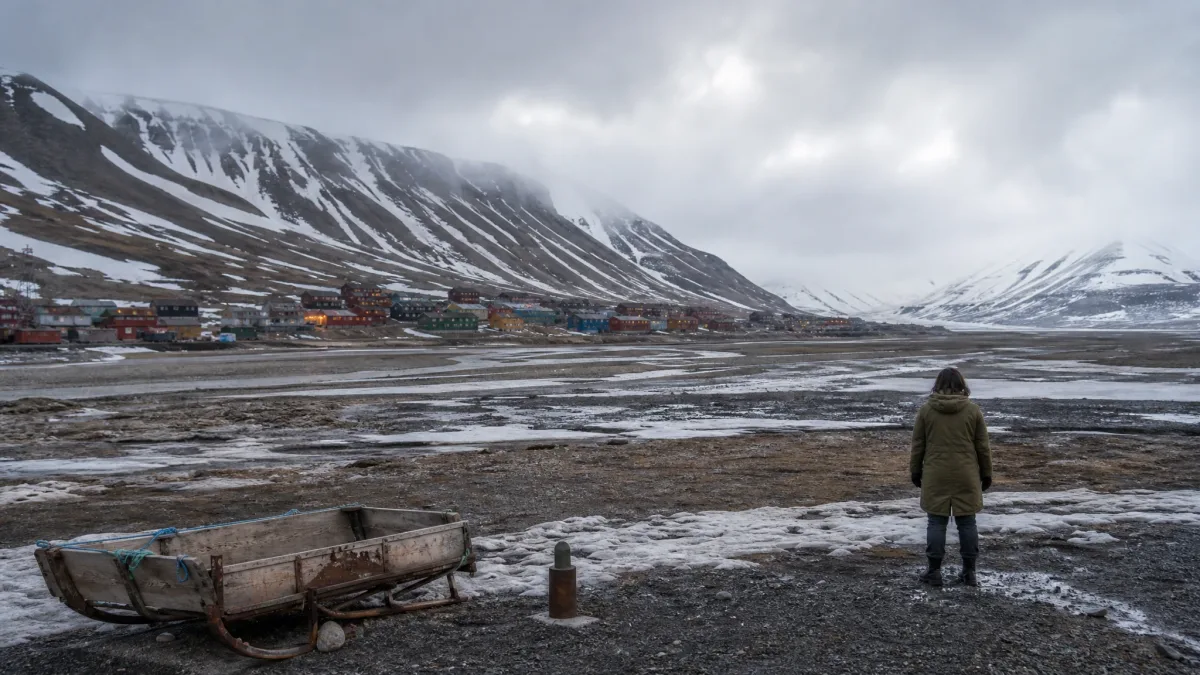
Anchorage gets the Alaska comparison; Longyearbyen gets Antarctica. The difference that matters on day one is that you cannot drive to it, or away from it. You land, and then you stay.
The phrase 'illegal to die' is what pulls most people in, because it sounds like arrest for something nobody can avoid. Longyearbyen is not a thought experiment: it is a working settlement of about 2,500 residents in Svalbard, with a school, a clinic and an airport shuttle.
No law bans dying there. The folklore grows out of permafrost and cemetery practice, and once you set it aside the real constraints are housing, work, cost, darkness, transport and health care.
The honest question is whether daily life in Longyearbyen fits a long stay. It works for self-reliant, outdoor-oriented people who arrive with a job and housing secured. It fits badly if you need easy mainland medical care, dread polar night, or expect to commute by road.
So the first practical move is work and employer-linked housing, before you book anything. Then verify current rules, coverage and death procedures with the Governor of Svalbard and local health services.
Illegal-to-die is a myth, not a law
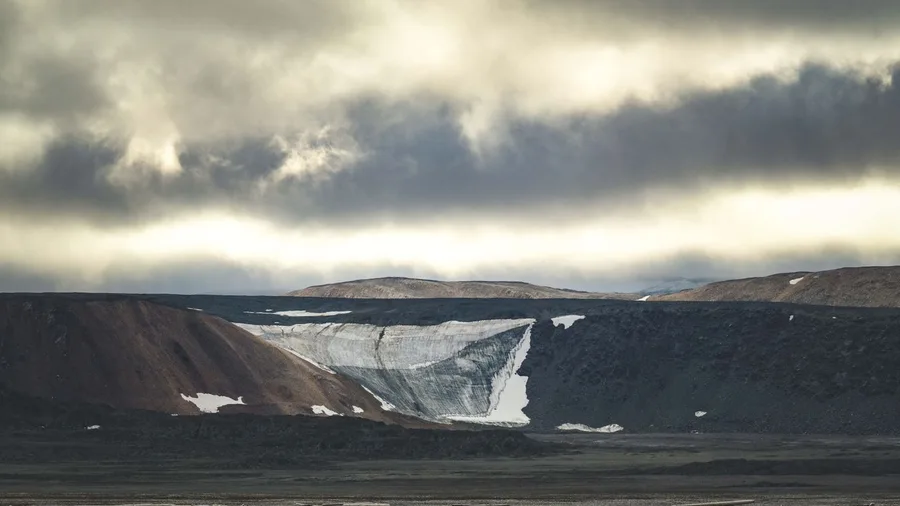
The answer is no. You cannot be arrested for dying in Svalbard, because no statute says so — the 'illegal to die' line is folklore, and a loose reading of real burial conditions rather than a law on the books.
Where the story comes from is the ground itself. Svalbard sits on permafrost, ground that stays frozen year-round, and that frozen earth makes an ordinary grave a serious engineering problem: digging is slow and costly, and decomposition does not proceed the way it does in temperate soil. Shaped by that, local cemetery practice has been cautious, which is where the headline grew. Other places have made the same move for their own reasons, from Arctic permafrost hazards to Italian cemetery crises, and why towns outlaw death explains what they share.
That is a physical constraint, not a ban on dying. Treat any version of the 'law' you see quoted online as folklore until an official source confirms it. The people who can tell you the current rules on burial, death registration and health matters are the Governor of Svalbard and the local health services — ask them directly, in writing if you can.
For someone weighing a move, the myth is a distraction from what actually needs planning: how an emergency gets handled, what happens procedurally if someone dies, and whether insurance covers it. None of that stops you living in Longyearbyen. It just means the questions you should be asking are about paperwork and coverage, not about whether the act itself is against the law.
| Cost item | Typical amount | Notes |
|---|---|---|
| One-bedroom rent | $1,500–$2,000 per month | Often tied to an employer lease |
| Weekly groceries (one person) | $120–$160 | Limited selection; plan around deliveries |
| Casual dinner out | $25–$45 | Eating out multiplies the monthly budget |
| Getting around | Buses, shuttle, snowmobile, boat, flights | No road network connects settlements |
Permafrost changes how the town is built
Living on permanently frozen ground means the town cannot be built the way a mainland town is. Foundations, water pipes and graves all have to be engineered around a layer of earth that never thaws, because the moment you disturb it, it moves.
In practice you see the adaptations everywhere. Many buildings sit on piles driven into the permafrost so the structure floats above the ground rather than pressing into it. Pipes run above ground in insulated sleeves, often visible crossing the valley on their own supports, because burying them would warm the permafrost and destabilise it. Walk the town and you are looking at a settlement designed around a condition, not simply dropped onto a site.
Graves run into the same problem from the other direction. Digging into frozen ground is slow and expensive, and a body in permafrost does not break down on any normal timescale, which is exactly the detail that got spun into the death myth. The constraint is real; the ban is not.
Day to day, though, this is mostly background. You notice the raised pipes on a cold morning and then stop noticing. For a newcomer with burial questions, they belong with the Governor of Svalbard and the local health services, not with a headline.
Housing is scarce and expensive for newcomers
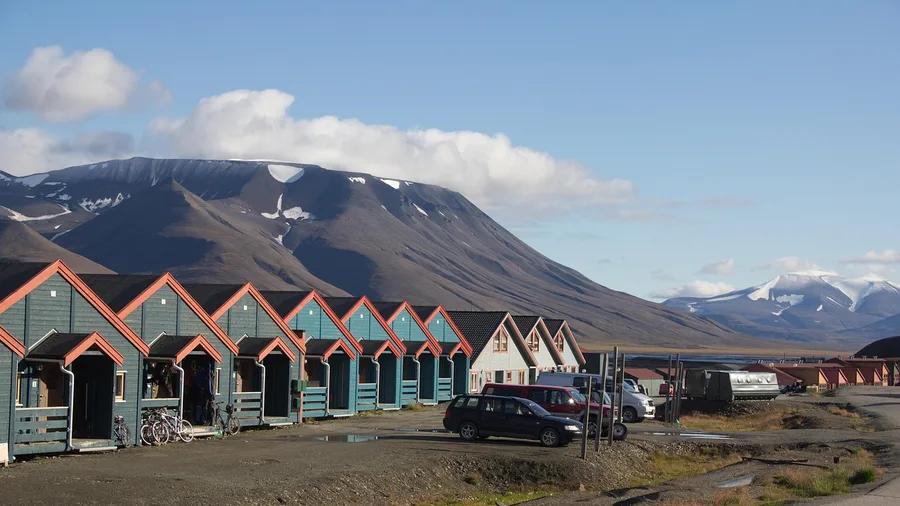
Housing is the first real gate, and it is both scarce and expensive: a typical one-bedroom in Longyearbyen runs roughly $1,500 to $2,000 a month. That is a fixed cost you carry every month, so it belongs at the top of the budget, before flights or gear.
The bigger catch is how you get a lease at all. Much of the housing stock is tied to employers, and available units tend to come through a job rather than an open market you can browse from abroad. That is why work-first is the practical route here — a contract with housing attached beats arriving with savings and hoping.
Do not plan to commute in from somewhere cheaper. No road network connects Svalbard's settlements, so there is no nearby town to live in and drive from. The airport shuttle is for visitors; it is not a commute.
So the plan starts with a housing lead, not a flight. Line up the job and the unit it comes with, confirm the rent figure and what it includes, and only then book. Turn up without both and you are competing for a small number of units at the worst possible moment.
Lease without employer backing: what you must show
The document set a private landlord or housing office will ask for
Deposit and documentation norms vary by landlord; confirm with the specific housing office or employer before moving.
A job usually comes before a lease

Land the job before you sign anything, because in Longyearbyen the employer is often the landlord. The lease almost never comes first here; the offer does, and the housing contact sits inside the offer alongside the contract.
Tourism, research and local services are where the staffed units live, and those same employers hold or allocate the flats that come with them. When a hiring manager reaches the housing question, you want a salary figure and a firm address in return, not a shrug and a referral to a market that barely exists.
Not every job bundles a flat, and not every lease needs one. Employers renting you a room, or pointing you at the units they control, means your accommodation depends on your continued employment. Lose the job and you hold a lease on a town with nowhere else to go, and there is no road out to a cheaper town. That is why the job with housing attached is the cleaner entry, and a lease signed solo, before work, is the fragile way in.
So before you book flights, have your contract or income proof, and the name of the person who can confirm a unit, in your hand. Those documents do more for your move than any amount of research.
One more thing worth asking at the interview: what happens to the housing if the contract ends early. The answer tells you how much of a risk you are really taking on.
⚠️ COMMON MISTAKE
Do not book a flight to look around
Arriving without a housing contact burns money fast. Email tourism operators and research institutes first, ask about staff housing, and get the answer in writing before you buy a ticket.
Groceries and restaurants carry an Arctic premium

With work and a roof sorted, food becomes the next bill you cannot postpone, and everything you eat gets an Arctic markup. Budget about $120-$160 a week for one person at the supermarket, and expect a casual dinner out to land between $25 and $45. A single takeaway lunch can eat the best part of a week's staples.
That premium isn't a one-off. It recurs every week, because stock arrives on schedules you don't control.
The shelves run thin compared to a mainland store, and deliveries wait on the seasons and the weather, planning around which is what actually keeps your food bill down. The practical move is to cook most nights and keep a staples list: rice, pasta, eggs, tinned goods, whatever forms the base of a meal. A household that cooks at home on weeknights keeps to that grocery figure. One that orders out with any regularity doubles it, painlessly, and probably without noticing until month-end.
Treat the weekly grocery number as a fixed line in the budget and the restaurant figure as the treat you plan for. Cheaper Sundays, batch cooking and one planned shop a week turn the Arctic premium into a manageable routine rather than a surprise.
Polar night is a schedule problem, not gloom
Once food and money are settled, the year's clock takes over: polar night, roughly late October to mid-February, means the sun does not rise at all, and how you come through it depends less on personality than on routine. Treat it as a scheduling problem, not a mood.
Keep regular hours, even when it is dark at noon. Get outside during the short grey light window every day, because that is the daylight you get. Put social contact on the calendar the way you would put a meeting on it, since the impulse to stay in is strongest when you need other people most.
Some residents thrive through the dark months; for others the same season drains the year. That difference is personal, and it decides fit better than any description of the winter.
Judge your own tolerance before you commit, and if you can, run a trial winter first. A plain plan for routine and people will do more for you than any attempt to romanticise the dark. The months with no sunrise are not the place to test a plan you have not made.
No roads connect Svalbard's settlements
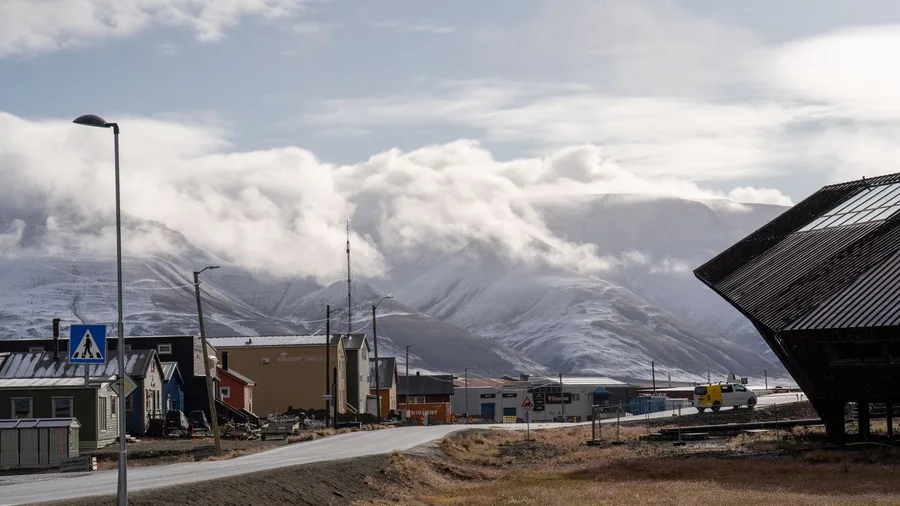
A car will not get you between towns, so it is not the key to life here. There is no road network linking Svalbard's settlements, which means no normal commute and no weekend drive to a cheaper neighbor.
That absence reshapes everything. Longyearbyen has local buses and an airport shuttle for the short run to and from the terminal, and beyond town the movement happens by snowmobile in winter and boat in summer, with flights connecting settlements that roads never reach. What a car does elsewhere, a season and a vehicle type do here.
Snowmobiles are not a casual substitute. Purchase, fuel and maintenance add up, and you are riding through weather and terrain where an error has real consequences, so ownership is a safety decision as much as a budget one. Plan transport by season and location, not by the assumption of a car in the driveway.
The practical trap is geography. Do not count on a cheap nearby town, because there isn't one you can drive to, and do not plan a spontaneous road trip, because the road ends where the town does.
🧭 Your first four steps to move here
Line up a job offer
Target tourism, research or local services and ask about staff housing in the same conversation.
Confirm housing in writing
Get the lease or employer unit confirmed before you book any travel.
Budget the Arctic premium
Build a monthly plan around rent, weekly groceries and limited eating out.
Check health coverage and evacuation
Confirm insurance and transfer arrangements with local health services before you commit.
Routine care is local; serious care means travel

If you get seriously ill beyond what the local clinic can handle, you are transferred to mainland Norway. Routine care is the local layer here: everyday appointments and basic medical needs are handled in Longyearbyen.
That split is the thing to internalize before you commit, because the distance to advanced care is a planning factor, not background noise. It shapes how you think about timing, travel and who comes with you when something goes wrong.
So confirm insurance, coverage and evacuation details with official sources, the local health services and the Governor of Svalbard, before you sign a long lease. The specifics change, and you want the current answer in writing, not a guess.
If you or someone in your household needs easy access to mainland medical care, treat this as a deal-breaker or budget for frequent travel. That is the honest fork, and it is better faced now than in February.
Families need logistics more than bravery
Children are not excluded from a long stay, because a local school serves Longyearbyen families. But family life here runs on a calendar and a budget, not on bravery.
Limited services mean planned mainland trips for some needs: supplies you cannot source locally, activities, and specialist appointments. Every one of those is scheduled in advance and paid for, so the family rhythm becomes a series of booked dates rather than an errand run.
The childhood on offer is a small-town one of about 2,500 residents, with immediate outdoor access at the door and the social and logistical constraints that come with a place this size. Balance is the whole point.
Before moving, check the school, the services you rely on, and how often you would realistically need a mainland trip. Families need logistics more than courage, and the ones who do well here have already done the arithmetic.
Who settles in, and who burns out
Good fit
- Has a job and employer-linked housing lined up
- Self-reliant and outdoor-oriented
- Comfortable with months of darkness
- Plans a short-term stay first
Poor fit
- Needs easy mainland medical care
- Dislikes polar night
- Expects normal road-based commuting
- Wants a wide choice of shops and services
It suits self-reliant short-stay residents
The people who last here are self-reliant and outdoor-oriented, and they arrive with a job and a lease already lined up for a finite stay, not a vague plan to find themselves in the Arctic.
That is the split. Flexibility counts for more than romance. A one-year contract with employer housing attached makes a place like this workable; a one-way ticket and an open calendar usually empties a savings account before the first spring. The weekly $120-$160 grocery bill and the $1,500-$2,000 rent do not negotiate with your enthusiasm.
The same test rules people out honestly. If you need mainland medical care to be easy, this is not the base for you. If late October to mid-February with no sunrise sounds like a slow drain rather than a season, do not commit to a winter you cannot leave cheaply. For a sense of how brutal the cold itself gets, one account of a night at minus sixty shows the preparations survival demands.
The one thing to settle before you book anything is work and employer-linked housing. Get the contract and the housing contact first, then confirm current rules, healthcare coverage and burial and death procedures with the Governor of Svalbard and local health services.
If you are unsure, take a trial season before a longer commitment, and pick winter if polar night is the worry. Try a full winter and see how you sleep.
Longyearbyen — At a Glance
🚑 Emergency medical transfer
Confirm air-ambulance coverage before you sign
🛒 Groceries per week
$120–$160 for one
🍽️ Casual dinner out
$25–$45
🛷 Getting around without a road network
Snowmobile, boat, bus, flight; airport shuttle in town
🌡️ Winter temperatures
About 5°F–20°F with wind chill
Death rules, in practice
The ban is folklore, not statute — check burial and death procedures with the Governor of Svalbard.
Frequently Asked Questions
Can you really be arrested for dying in Svalbard?
No. There is no law banning dying here and no arrest for it. The phrase is folklore tied to permafrost and cemetery practice. Check current burial and health rules with the Governor of Svalbard and local health services.
How much does it cost to live in Longyearbyen?
A typical one-bedroom rents for about $1,500–$2,000 a month, weekly groceries for one person run about $120–$160, and a casual dinner out costs about $25–$45. Rent and food are the two biggest monthly lines.
Do I need a car to live in Longyearbyen?
No, and it will not help you reach other settlements, because no road network connects them. Residents rely on buses, an airport shuttle, boats, snowmobiles and flights, and snowmobile ownership carries real cost and risk.
How do people cope with polar night?
With routine, light exposure and scheduled social contact. Polar night runs roughly late October to mid-February, and the people who do best keep regular hours and plan time outdoors. If darkness drains you, test a winter before committing.
What happens if I get seriously ill?
Local healthcare handles routine care, but serious cases are transferred to mainland Norway. Confirm insurance, coverage and evacuation details with local health services and the Governor of Svalbard before a long stay.
Can families live in Longyearbyen?
Yes. A local school serves families, but limited services mean planned mainland trips for some needs. Family life works on a calendar and a budget rather than on convenience.
Svalbard is a workable home only on its own terms
The verdict splits cleanly by situation. Svalbard is a workable short-term home for self-reliant, outdoor-oriented people who arrive with a job and housing lined up. It is a poor fit for anyone who needs easy mainland medical care, dislikes polar night, or expects normal road-based commuting.
'Illegal to die' stays folklore, tied to permafrost and cemetery practice rather than any statute. The real entry test is work, housing, Arctic costs, darkness, distance from mainland care and health coverage, in that order.
Secure the job and the employer-linked housing contact before you book a flight, then run the short checklist with official sources: entry and residence rules, healthcare coverage and evacuation, and burial and death procedures if they matter to your family. The Arctic is not banned, just logistically demanding, so book the flight after the contract, not before, and go in knowing the road still ends where the town does.
Check the two gates before you pack
A job offer and an employer-linked lease are the real entry requirements. Get both in writing, then confirm healthcare and rules with the Governor of Svalbard.