

When I planned my trip to Oymyakon, Russia, I imagined a cold place. I didn't truly grasp that to survive -60°F (-51°C) means battling cold that not only freezes your eyelashes but also burns the inside of your nostrils with every breath.
The idea of the 'coldest inhabited place on Earth' sparks intense curiosity, conjuring images of desolate, ice-bound landscapes. But the visceral reality of those temperatures is far more than a number; it's a pervasive, unyielding force demanding constant negotiation.
This account details exactly what it felt like to meticulously prepare for, endure, and ultimately survive a night and two full days in that extreme environment.
By the end, you'll understand the true, demanding nature of extreme cold travel and know if an adventure like this aligns with your own limits and aspirations.
Oymyakon — At a Glance
Oymyakon: Where the cold lives

Oymyakon, deep in Russia's Sakha Republic, is precisely where the cold lives, earning its 'Pole of Cold' moniker with good reason.
This isn't just a northern spot; it's a geographical trap. The village sits in a valley where dense, cold air sinks and gets utterly stuck, intensifying the winter chill in a way you really have to feel to believe.
Most winters, you can expect temperatures between -50°F and -60°F (-45°C to -51°C). During my own stay, the overnight temperature dropped to -60°F (-51°C).
That figure wasn't just on a thermometer; it was a constant, heavy presence that pressed in from every side. The cold felt less like weather and more like a physical entity, shaping every breath and movement.
It makes the air itself thick and still. You'll understand quickly why they call it the Pole of Cold, not just a cold place.
Oymyakon's Extreme Climate
🗺️ Region
Sakha Republic
⬇️ Elevation
2,430 ft (741 m)
🌡️ Record Low
-89.9°F (-67.7°C)
🌬️ Factor
Valley cold trap
Getting there was half the adventure
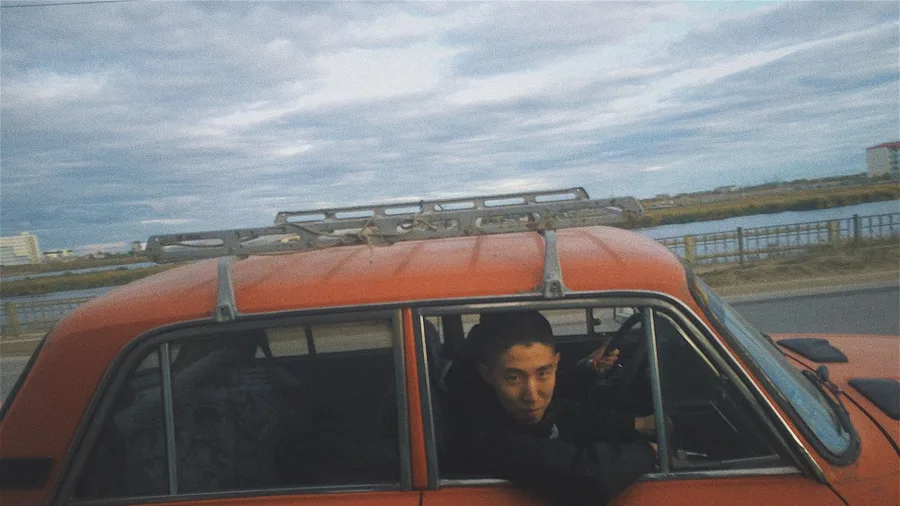
Reaching Oymyakon means a multi-day drive overland, beginning in Yakutsk, the world's coldest major city. This isn't a flight but an expedition that forces you into the landscape.
Winter roads here throw up real obstacles, turning travel into a steady grind. They are often just packed earth, slick with ice, and signs of human presence or services are rare for hours on end. You quickly learn to scan for sudden patches of black ice.
Our specialized UAZ van was the only way through.
This rugged 4×4, built specifically for the elements, made every mile feel like a fight against the relentless ice and snow. Without it, the trip simply isn't possible.
That demanding drive itself made the -60°F of Oymyakon feel less like a sudden shock and more like the next, natural progression of the experience. The days spent watching the thermometer drop and the landscape harden truly readied me for the intense cold that defined the destination. It was an unfolding immersion.
⚠️ COMMON MISTAKE
Don't Underestimate the Drive
Many visitors arrive by standard car, which often leads to breakdowns in the remote, unserviced areas. Insist on a heavy-duty, winter-prepared vehicle for safety.
My arctic gear kept me safe
My arctic gear was the only reason I stayed safe against the -60°F (-51°C) cold; survival absolutely relied on meticulous layering.
You start with a moisture-wicking base layer directly against your skin, like good quality merino thermals, to pull sweat away. Over that, a mid-layer of thick fleece and a lightweight down jacket provided the insulation that traps warmth.
The outer layer was the fortress: an arctic-grade insulated parka, matching insulated pants, fur-lined boots that felt like moon boots, heavy mittens, and a full balaclava that covered my entire face.
Heated gloves weren't just a comfort; they were essential. My fingers would have been useless without them. Focusing on natural fibers where possible also helped manage moisture, which is critical for retaining warmth effectively.
This isn't about looking good. It's about building a portable warm zone around your body, because the cold finds every weakness.
🧥 My Critical Cold Layers
Base Layer
Essential: your first line of defense against freezing sweat. A thin, tight fit is key.
Mid-Layers
I wore two distinct layers here: one insulating fleece, then a light down vest to trap core heat.
Outer Shell
This is your wind-and-ice barrier. Choose zero-tolerance seams; any gap will bleed warmth.
Extremities
My heavy mittens were primary. For anything requiring dexterity, heated glove liners were swapped in or worn under.
Supplemental
Always carry chemical hand/foot warmers, plus a spare balaclava and goggles. Don't assume your primary gear won't fail.
Sleeping felt surprisingly secure, yet exposed
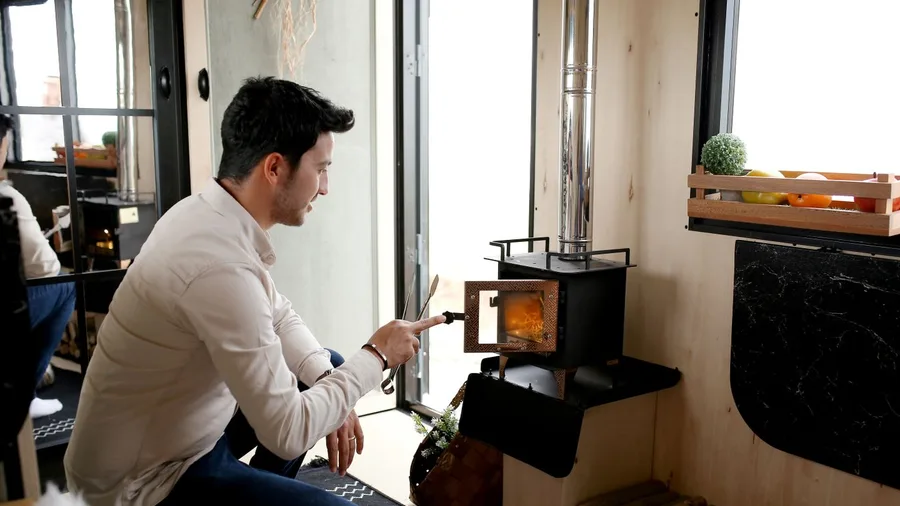
Even with top-tier gear protecting me outside, surviving a night in Oymyakon meant shifting vigilance indoors. My accommodation was a local guesthouse, warmed by a big wood-fired stove, which felt secure at first glance.
The interior held a comfortable relative warmth, maybe 60°F (15°C), but the -60°F (-51°C) outside remained an ever-present force. You heard it in the occasional creak of the logs shrinking from the cold, and a subtle, persistent draft seeping through the window frames.
That meant constant vigilance.
I found myself stoking the wood stove every two to three hours overnight, even half-asleep, just to push back against the deep chill radiating off the uninsulated floorboards and thin window panes that faced the frozen night. For a brief few minutes after each stoke, the room felt truly cozy again.
This paradox – feeling truly safe under a quilt while knowing absolute, deadly exposure was just inches of wood and glass away – defined my entire overnight experience.
Daily life revolved around warmth and movement

Every moment outside Oymyakon's guesthouse felt like a direct negotiation with the -60°F (-51°C) air, making daily life revolve entirely around generating and conserving heat. My outdoor exposure was strictly limited to brief walks and photography excursions.
Even with arctic-grade gear and heated gloves, going outside meant facing intense cold that rapidly sapped energy. You'd step out for just a few minutes at a time before needing to retreat indoors.
Observing local routines was fascinating; children bundled in layers walked quickly to school, and vendors at the frozen open-air market moved with a purpose unique to extreme environments. Everyone operated with an inherent, urgent efficiency.
Simple tasks became complex. Photography, which I'd planned extensively for, was a battle: camera batteries drained in minutes, often powering down entirely within ten, despite being kept as warm as possible.
My fingers, even inside heated gloves, still went numb quickly.
This environment makes you appreciate how every action, from walking to simply taking a photo, becomes a deliberate act of survival, a constant check on your limits.
Food was always hot and hearty fuel

To sustain any activity in Oymyakon, even just existing, requires constant fuel, and the local cuisine delivers exactly that: hearty, high-calorie meals are not just food, but essential internal warmth and energy for the -60°F (-51°C) cold.
Without this consistent intake, your body struggles to maintain its core temperature, making every outdoor excursion exponentially riskier.
The typical diet leans heavily into local resources. I ate plenty of frozen fish, served raw and thinly sliced as stroganina, along with robust horse meat stews and steaming hot soups that felt like liquid warmth, straight from the stove.
These dishes weren't simply flavorful; they were critical tools, providing the sustained energy needed to combat the pervasive chill and power through each day without succumbing to fatigue.
You burn calories just breathing in this air.
One unique preparation method was flash-freezing fish immediately after catching, then slicing it for consumption while still rigid – a testament to clever adaptation to such extreme, natural refrigeration.
Even in the cold, I found surprising beauty

Even with the constant, biting cold, I found surprising moments of unexpected beauty that felt earned.
The air, thick with ice fog, gave the sun a pale, ghostly glow; it cast long, ethereal shadows across the snow. You'd see 'diamond dust' glittering everywhere, tiny ice crystals suspended in the still air, catching the light in a way I'd never experienced before.
Beyond those visual details, the snowscapes themselves stretched out, untouched and pristine. The light reflected off the endless white in a million different hues, changing with every shift in the sky.
The profound quiet was also a shock. It settled around you, creating an almost meditative atmosphere, broken only by the crunch of your boots or the distant creak of frozen wood.
More than any landscape, the genuine warmth and sheer resilience of the local people offered a profound human beauty. Their everyday lives, lived with such grace in the face of -60°F, made the extreme conditions feel less isolating.
💡 PRO TIP
Capture the Diamond Dust
For photographers, focus on backlighting small particles in the air early morning or late afternoon. A dark background will make them pop, but your battery will die quickly.
The sheer cold tested every limit
While I found beauty in Oymyakon, the cold truly tested every physical and mental limit I had.
Physical discomfort became pervasive, despite my layers. My fingers and toes grew numb within minutes, even with heated gloves. My skin was constantly chapped, and breathing the frigid air left my throat raw and aching.
The mental toll was just as heavy. Constant vigilance against frostbite kept me on edge, and the shallow, interrupted sleep – waking every few hours to stoke the guesthouse stove – left me with persistent fatigue. There was a subtle sense of isolation too, knowing how truly remote and hostile the environment was.
Practical difficulties were relentless. My camera battery drained in under ten minutes, my phone shut down instantly, and even our specialized 4×4 had trouble starting some mornings. Simple tasks, like a bathroom trip outdoors, turned into complex logistical challenges involving multiple layers and a race against the clock.
The cold was never just an external temperature. It demanded constant internal negotiation and adaptation, every hour of the day.
My Expectations vs. Reality of Extreme Cold
What I Expected (Do)
- Extreme cold but manageable.
- Mostly physical challenge.
- Gear makes it easy.
- Quick photography ops.
The Reality (Don't)
- Cold permeated everything.
- Heavy mental and physical toll.
- Gear mitigates, doesn't eliminate.
- Camera failures were constant.
Would I do it again? Yes, but with conditions
I would absolutely make the trip to Oymyakon again, even with the constant, biting -60°F cold. The sheer challenge of it, the unexpected beauty of the frozen landscape, and the deep respect I gained for the local way of life left a truly lasting impression.
This isn't an experience for a typical sightseer. Oymyakon beckons a specific kind of person: someone who actively seeks out truly extreme conditions and is prepared for the meticulous planning and constant vigilance these temperatures demand.
You need the best gear, period.
Beyond having that arctic-grade parka, those heated gloves, and fur-lined boots, you must also arrive with a realistic expectation of pervasive discomfort. Expect your fingers to go numb within minutes outdoors, your phone battery to die almost instantly, and a subtle but constant cold radiating from every window and floor.
The true value of this place isn't found in comfort. It comes from pushing your own physical and mental boundaries against nature's raw power, offering a profound lesson in endurance that clarifies what you're capable of.
Priorities for Extreme Cold Travel
Building your trip from the ground up
Frequently Asked Questions
Is Oymyakon safe for travelers?
Oymyakon is generally safe in terms of crime, but the extreme cold presents significant environmental risks. Safety relies heavily on proper gear, experienced guides, and constant vigilance against frostbite and hypothermia.
How do you get around in Oymyakon?
Movement within Oymyakon village is typically on foot for short distances, but travel to and from Yakutsk requires specialized 4×4 vehicles. Locals often use old, reliable cars that are kept running 24/7 or stored in heated garages.
What kind of clothing is absolutely essential?
Arctic-grade insulated outerwear (parka, pants), multiple thermal base layers, a balaclava, heavy mittens or heated gloves, and fur-lined boots are non-negotiable. Synthetics or wool are crucial for moisture-wicking.
Can electronics survive in -60°F temperatures?
Most consumer electronics, especially camera batteries and smartphones, struggle significantly. They drain rapidly or shut down completely. Keep them inside warm layers, use external power banks, and carry spare, warm batteries.
What are the biggest challenges for tourists?
The biggest challenges are the constant physical discomfort of the cold, the mental fatigue from vigilance, and practical issues like equipment failure. Simple outdoor tasks become complex and time-sensitive.
Embracing the Pole of Cold: A Traveler's Verdict
Leaving Oymyakon, I carried a deep sense of accomplishment, but an even profounder respect for the enduring resilience of its inhabitants. The 'coldest inhabited place' isn't just a geographical record; it's a vibrant, living testament to human adaptation and spirit, a place where life actively engages with -60°F.
So, is it worth it? Absolutely, but only for the right traveler. If you are meticulously prepared, mentally resolute, and truly seek to push your boundaries, this expedition offers an unparalleled, transformative encounter with the very edge of human endurance. It will redefine what you think is possible, not just for the body, but for the mind.
Plan Your Own Extreme Adventure
If Oymyakon calls to you, revisit the 'Arctic Layering System' and 'Priorities for Extreme Cold Travel' sections to start your meticulous planning.