
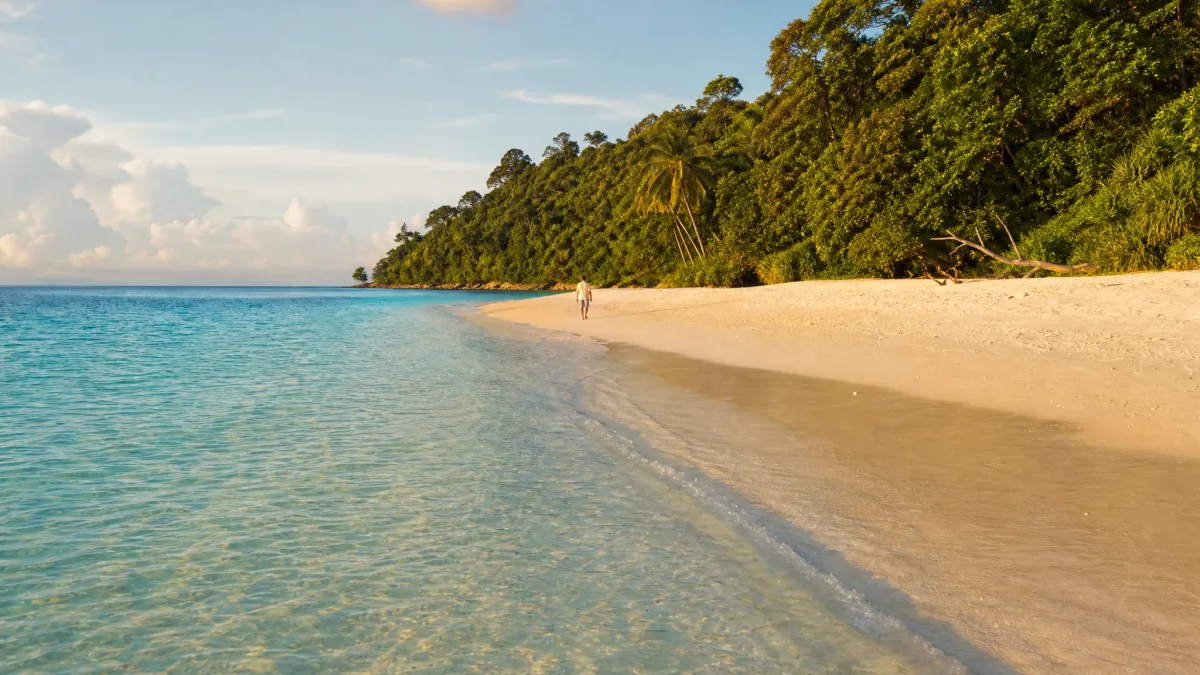
Most assume truly wild beaches are a fantasy, like a filtered image of Bali or Phuket. I started this quest convinced the idea was pure marketing. But I was wrong.
With deep searching and true commitment, such places still exist. I spent three relentless days traveling to a remote Southeast Asian island chain, then five nights camping on a 2-mile stretch where human impact was genuinely absent.
This isn't just theory. It's what I did.
You can still find a place where nature reigns supreme, where no human touch is visible for miles. By the end, you will know exactly what it takes to find your own slice of untouched paradise, and how to prepare for it: to snorkel with sea turtles, observe rare migratory birds, and watch bioluminescent plankton dance in the shallows.
Does an 'Untouched' Beach Even Exist?
An untouched beach, by my definition, absolutely still exists, though I started this journey convinced the idea was pure marketing. I genuinely thought true wilderness, especially a coastline free from human impact, had vanished from the modern world.
My working definition for 'untouched' quickly became clear: a stretch of coastline with no permanent human structures visible anywhere, where nature was visibly pristine and unbroken for miles. Just sand, trees, and ocean.
Finding such a place demands a deep commitment, far beyond checking a few travel blogs. You have to look beyond standard maps, piecing together faint clues from obscure online forums and old travelogues. It means being ready for truly extensive, multi-day travel.
This is not a casual search.
You must chase genuine absence, ignore anything labeled 'secluded' or 'remote' in a guidebook, and be prepared to put in the real work.
Defining 'Untouched' Travel
The Journey Begins: Where to Look

To find it, I first had to discard the easy routes. My initial research involved aggressively ruling out any popular, well-documented spots, even those described as "secluded" or "remote" in conventional guides.
"Secluded" often means fewer tourists, not truly untouched wilderness. My goal was the absolute absence of human structures, so I knew I couldn't trust places that were easily found or had any internet presence beyond vague rumors.
My focus then sharpened.
I shifted my attention to a remote island chain off the coast of a Southeast Asian country. The only leads came from obscure online forums and faded sections of old travelogues, hinting at places without resort infrastructure.
This is where satellite maps became invaluable. I used them to spot faint, unnamed trails and unbroken stretches of coastline.
Local knowledge filled gaps.
I contacted local fishermen and residents for insights into unmapped areas, prioritizing their firsthand accounts over any published material.
Getting There: A Test of Will
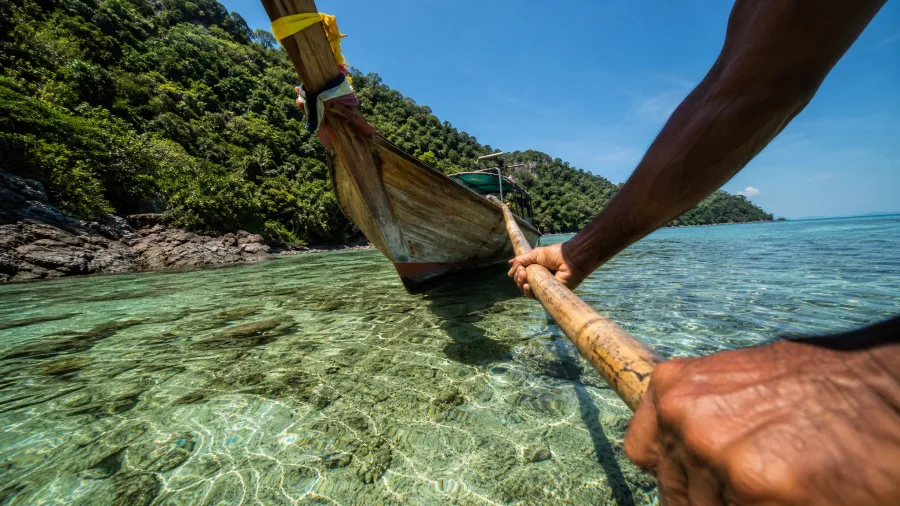
Getting there was a proper test of will, spanning three full days of travel from a major international airport. Identifying a promising region was just the start; actually reaching it proved to be a multi-stage logistical puzzle.
The first day involved a large ferry to the nearest main island, followed by a switch to a smaller, slower local boat. Day two meant another transfer to an even smaller longtail boat, pushing through open water for several hours to a tiny coastal village.
The hardest part was last.
From that village, the final access to the untouched beach required a skilled local to pole a longtail boat over incredibly shallow reefs, followed by a challenging two-hour trek through dense, humid jungle. There was no road, no easy path.
Every leg of that arduous trip reinforced the remoteness and the sheer effort necessary for genuine isolation. You don't just "arrive" at a place like this.
🗺️ Journey to Isolation
Day 1: First Regional Hub
Begin with flight arrival, then initial boat transfer.
Island Transfer Sequence
A second boat on Day 1, followed by Day 2's longtail.
Last Resupply Village
Reach the coastal outpost for final provisions.
Reef Navigation & Trek
Pole over shallow reefs before the land crossing.
Three-Day Journey's End
Confirm the 2-mile stretch is genuinely untouched.
First Glimpse: Is This It?
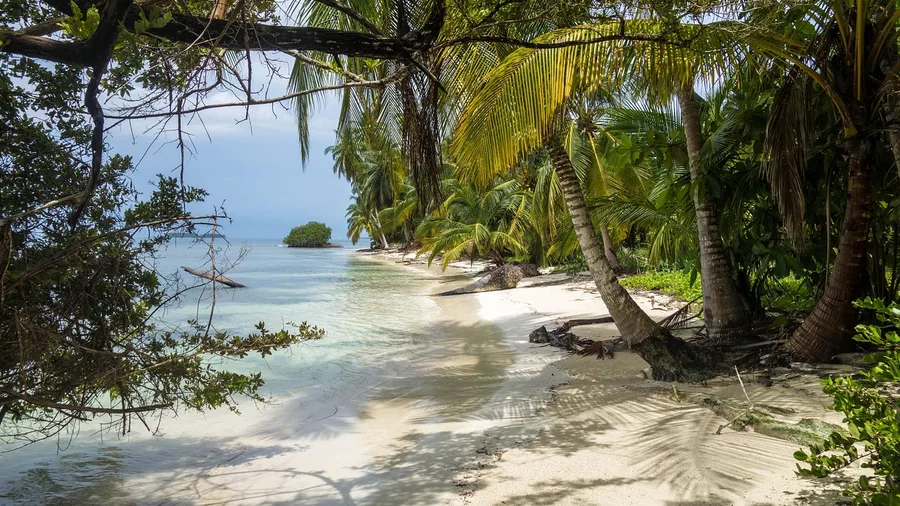
After three relentless days of ferries, longtail boats, and that final, humid 2-hour jungle trek, emerging onto the sand felt like breaking a tape at the finish line. Every ache vanished.
You see it instantly.
The view that opened up was exactly what I'd dreamed of, and then some: a perfect crescent of brilliant white sand, meeting an impossibly clear turquoise sea, all framed by an impenetrable wall of vibrant green jungle. No boat tracks marred the water surface.
I walked the coastline for an hour, scanning both directions to confirm. Not a single permanent structure broke the 2-mile stretch.
Just sand, trees, and ocean.
It was an unbroken, natural landscape, completely untouched by human hands as far as the eye could see, confirming my quest. That's when the profound sense of awe and satisfaction really hit me.
This was the reward for every uncomfortable transfer and every step through the dense undergrowth. It was real.
What 'Untouched' Really Feels Like
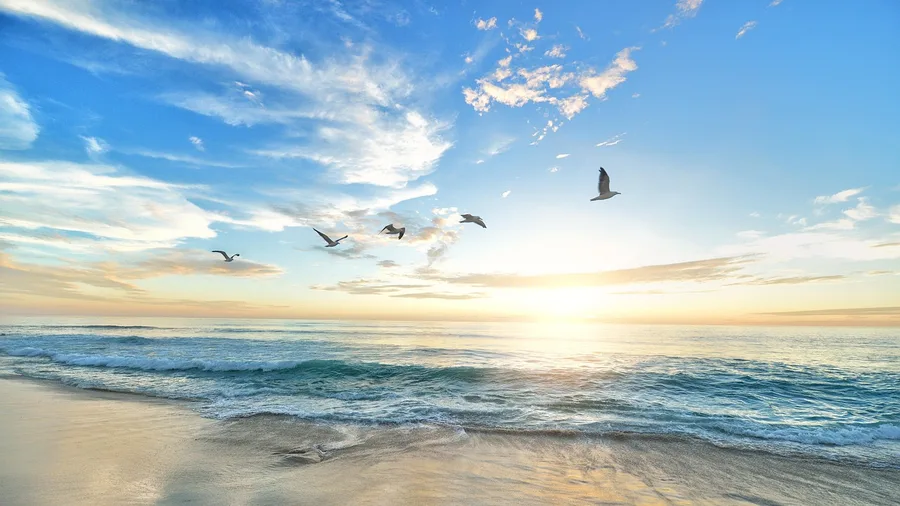
Stepping onto that sand, after the initial visual impact, you immediately understand what 'untouched' truly means for your senses. It's a world built on absence.
The dominant sound wasn't human chatter or distant traffic, but the rhythmic, unending wash of waves against the shore. Beneath that, you'd pick up the rustling of palm fronds and the unfamiliar call of a distant bird.
The air smelled purely of salt and damp earth.
The environment itself was a masterclass in pristine nature: sand unmarked by footprints beyond my own, water so clear you could see every ripple.
The jungle edge, vibrant green, showed no signs of cleared paths or human interference. There was no plastic, no refuse, not even a discarded fishing net – just the raw, beautiful elements.
Wildlife wasn't just present; it was the main event. I watched sea turtles surface offshore as the sun began to drop.
Rare migratory birds foraged at dawn.
At night, the water itself put on a show: a bioluminescent plankton bloom created glowing trails with every movement, making the ocean sparkle under the vast, unpolluted sky. You feel like the only audience for nature's grand theatre.
💡 PRO TIP
Observe Without Impact
When you encounter truly untouched nature, treat it like a private viewing. Observe wildlife from a distance, never leave trash or food scraps, and minimize your footprint to maintain the fragile ecosystem.
Daily Life: Simple Pleasures, Real Challenges

Experiencing the raw beauty is one thing, but living day-to-day on a truly untouched beach means embracing both simple pleasures and very real challenges. You adapt quickly.
My shelter for five nights was minimal: just a tarp tied between trees, protecting a basic ground mat. This isn't a resort; you become part of the environment, not separate from it.
Resupply was a regular expedition.
Every other day, I walked to the nearest local village for food and water. You should budget around $15 daily for these basic necessities.
The lack of amenities means you handle everything yourself: collecting fresh water from a small stream, basic cooking over an open fire, and meticulously managing all your waste. Leave nothing behind.
Then there are the surprises.
Tropical downpours can arrive without warning, turning your minimal camp into a challenge. And be ready for sand flies; they are persistent, testing your resilience even in paradise.
Expected vs. Unexpected Challenges
Expected
- Limited food variety
- No running water
- Packing out all waste
- No phone signal
Unexpected
- Limited medical access
- Keeping food safe from animals
- Language barrier with locals
- Sudden tide changes
Wildlife Encounters: Shared Solitude
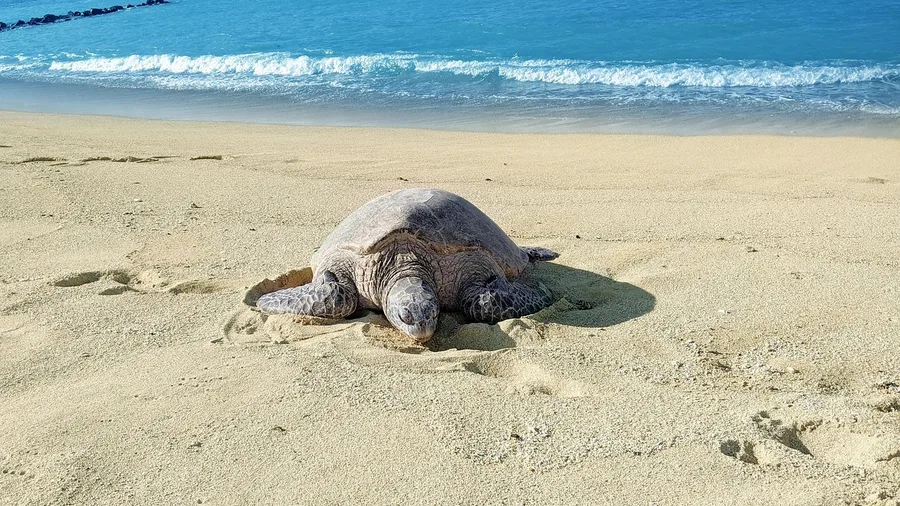
Interacting with the beach's true inhabitants was a constant reward, a profound shift from the daily challenges of primitive living to shared solitude. I arrived expecting an empty expanse, but quickly became an observer in a vibrant, untouched ecosystem.
Most nights, after the sun dropped, sea turtles emerged from the waves to lay their eggs on the very same 2-mile stretch of sand where I camped. Seeing hatchlings make their desperate run for the ocean in the morning light was an astonishing privilege.
The air was alive with bird calls, and I spent hours identifying rare migratory birds. They fed in the shallows near the jungle edge and roosted in the surrounding trees, undisturbed by any human presence.
Underwater offered its own show. Snorkeling just offshore, I swam among schools of vibrant, healthy fish, the water so clear you could see every detail. At night, the bioluminescent plankton put on a silent, sparkling display with every ripple.
I truly felt like an invited guest in their habitat, the only human for miles.
The True Cost of Paradise

The true cost of this paradise wasn't the daily living, which was minimal, but the significant investment in time and effort required to reach such a remote place. While spending five nights on the beach only cost me $15 a day for food and water from the nearest village, that figure doesn't tell the whole story.
The journey itself consumed three full days of travel, adding substantially to the overall duration. It began with flights, then multiple boat transfers from large ferries to smaller local longtail boats.
The final access was a test of will, requiring navigation through shallow reefs by longtail boat and then a challenging 2-hour jungle trek. This physical demand, along with the primitive camping and constant vigilance, required real mental fortitude.
Despite the expenses and the sheer physical effort, every dollar, every hour, and every challenge felt absolutely worthwhile. The unparalleled solitude and pristine nature were a unique reward.
It was an investment in true wildness.
My Paradise Expedition — The Core Details
🗺️ Region
Southeast Asia Coast
✈️ Journey Stages
3 (Flight, Ferry, Longtail)
⛰️ Final Access
Reefs & Jungle Trek
📏 Untouched Stretch
2 Miles (no structures)
The Payoff
Beyond any cost, I found unmatched wildness and a solitude I will never forget.
No People, No Problem?
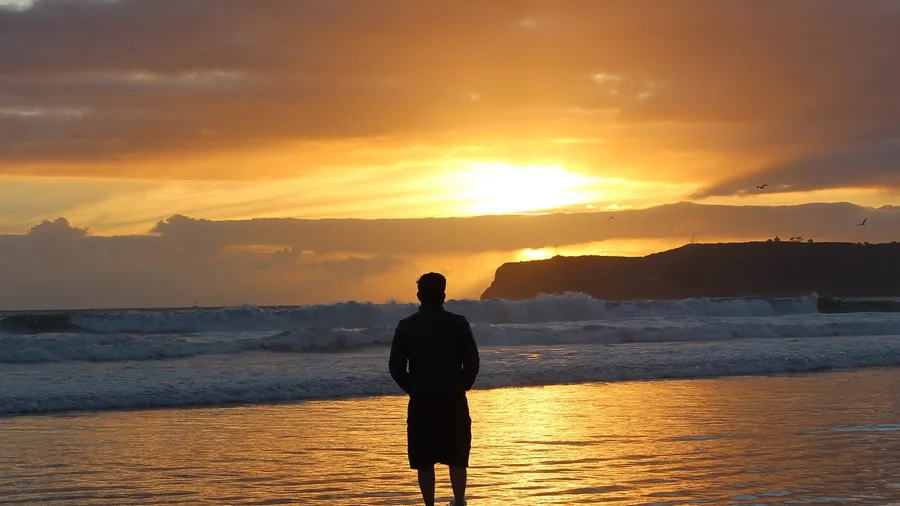
Being completely alone on a 2-mile stretch of untouched beach brought both profound peace and moments of heightened awareness about total isolation. For the five nights I was there, the mental impact was overwhelmingly positive, offering deep introspection and a complete reset from the noise of modern life.
The quiet was absolute, broken only by nature. It felt like my mind finally had space to breathe, free from distractions.
However, there were brief pangs of loneliness. More importantly, the total isolation meant a constant, low-level awareness of potential safety concerns, from sudden storms to unexpected wildlife encounters.
Actual human contact was almost nonexistent. I only saw a few local fishermen passing offshore in their traditional boats, always keeping their distance, further reinforcing the sense of being truly alone.
To manage safety, I carried a satellite communication device and made sure a trusted contact had my exact itinerary with specific check-in times. This allowed me to fully embrace the solitude without undue worry.
⚠️ COMMON MISTAKE
Underestimating Solitude
Don't romanticize complete isolation without preparing for its mental demands. Acknowledge potential feelings of loneliness and always have a safety plan, like a satellite communicator, for true remote trips.
Finding Your Own Secluded Gem

Replicating that profound sense of solitude I found requires a specific kind of search, and it starts long before you pack your bag.
Begin your research by zeroing in on areas with minimal existing infrastructure, low population density, and any form of protected status. These designations often mean less development pressure. Satellite imagery, specifically Google Earth, is your best friend here; zoom in and scan for faint, unpaved trails or unusual clearings, not just named roads.
What you're really looking for is the absence of visible roads, zero permanent buildings for miles, and clear signs of thriving, undisturbed wildlife. Dense, unbroken tree lines meeting the sand are a good sign.
Once you have promising spots, connect with local communities and guides. They truly hold the real map to the area's secrets, detailing seasonal changes, tide patterns, and any unmapped access points official sources won't cover.
This kind of wildness demands respect. Plan your trip with strict leave-no-trace principles in mind: pack out everything you pack in, minimize your impact, and understand any local cultural norms before you arrive. You are a visitor, and the goal is to leave the place as if you were never there.
What I'd Do Differently Next Time

If I were to seek another untouched beach, my preparation would definitely change, focusing on resilience and self-sufficiency. This experience taught me valuable lessons.
First, gear. A portable water filtration system is non-negotiable; it would cut down my two-day walk to the village for water resupply and reduce the $15 daily cost. I would also pack a more robust solar charger to keep my satellite communicator and headlamp powered longer.
Second, better preparation steps. While digital maps are helpful, detailed physical maps are crucial for when signals inevitably drop or batteries die. Having a backup is not optional out there.
A more frequent check-in schedule is also smart.
Mindset adjustment is key too. Less weight on that 2-hour jungle trek would have been a blessing, so next time, I'm packing significantly fewer non-essential items. More pre-trip physical conditioning would also prepare me better for the arduous journey and the demands of primitive camping.
Finally, manage expectations beyond the peak moments. Be ready for the reality of total wilderness, which includes significant stretches of quiet, even boredom, and definite discomfort. The sand flies and sudden tropical downpours are part of the deal.
They truly test your resilience.
Lessons Learned for Next Time
Frequently Asked Questions
Is finding an untouched beach still realistic?
Yes, but it requires significant research, commitment to remote travel, and a willingness to embrace basic living conditions. Most well-known 'secluded' spots have some level of development.
What's the best way to start looking for a truly remote area?
Begin with satellite imagery to scout for areas lacking roads or permanent structures. Combine this with local knowledge from obscure forums or direct contacts, focusing on regions known for low population density and protected status.
How long should I plan for such a trip?
Plan for multiple days of travel to reach the site, plus at least three to five nights at the location itself to truly immerse yourself. Factor in extra buffer days for unexpected delays during transfers.
What essential gear is non-negotiable for an untouched beach camp?
A high-quality tarp or minimalist tent, a reliable water filtration system, a satellite communication device, a first-aid kit, and robust bug repellent are crucial. Pack light but smart.
Are there safety concerns with being completely alone on a remote beach?
Yes, isolation carries inherent risks. Carry a satellite communicator, inform a trusted contact of your exact itinerary, and understand local weather patterns. Be prepared for self-reliance in emergencies.
Your Own Wilderness Journey Awaits Beyond the Map
The journey taught me that truly untouched places, though rare, absolutely exist. My initial skepticism about finding such raw solitude transformed into certainty and a profound sense of wonder on that 2-mile stretch of beach.
Your own wilderness journey will demand dedication, but with careful research and deep respect for the wild, it is deeply rewarding. Start by mapping out genuine absence, not advertised 'seclusion.' Pack for resilience, not luxury. Embrace the challenge, and you'll discover a connection to raw nature unlike any other. The last truly untouched beach is waiting, if you're willing to find it.
Start Your Own Wilderness Prep
Review the 'What I'd Do Differently Next Time' section to refine your gear and mindset for a truly off-grid experience.