

Does walking through a town that time forgot truly live up to the fantasy? After my own 5-day road trip across the American Southwest, I can tell you it's a profound mix of quiet contemplation and surprising encounters, far from the desolate dust I first imagined.
I pictured only tumbleweeds and crumbling ruins, but my explorations of three distinct ghost towns in a rented 4×4 SUV showed me a past that felt vibrantly alive, not empty.
This guide will unpack what it's genuinely like to be there, helping you decide if this unique adventure is for you. By the end, you'll have the practical insights to plan your own rewarding trip into a tangible past.
Ghost Town Exploration – My Trip Details
Ghost Towns Are Not All Empty

Most people picture tumbleweeds and dust when they think of a ghost town, but my first stop in Nevada blew that idea apart. I expected utter desolation, a true relic. Instead, I arrived at a well-preserved site to find over a dozen structures still standing, not just crumbling foundations. The old mercantile had its original shelving, and the two-story hotel, though boarded up, looked ready for guests.
Soon, I spotted parked pickup trucks and heard the distant clang of a hammer from what must have been the old blacksmith shop. A handful of residents, maybe five or six, clearly live here, acting as caretakers and artists. They maintain what feels like a living exhibit, not an abandoned set, contradicting my vision of complete desolation.
The gravel parking lot held a dozen other cars. Paths between buildings were clearly worn, not overgrown, a sign of ongoing traffic. You walk past modern "private" signs right next to century-old general stores.
This wasn't the desolate ruin I'd imagined; it was an active historical project, still breathing. This reality challenged my initial vision of total abandonment, adding a surprising depth to the Gold rush era experience. It made the history feel less like archaeology and more like a quiet, ongoing conversation with the past.
Remote Locations Require Planning
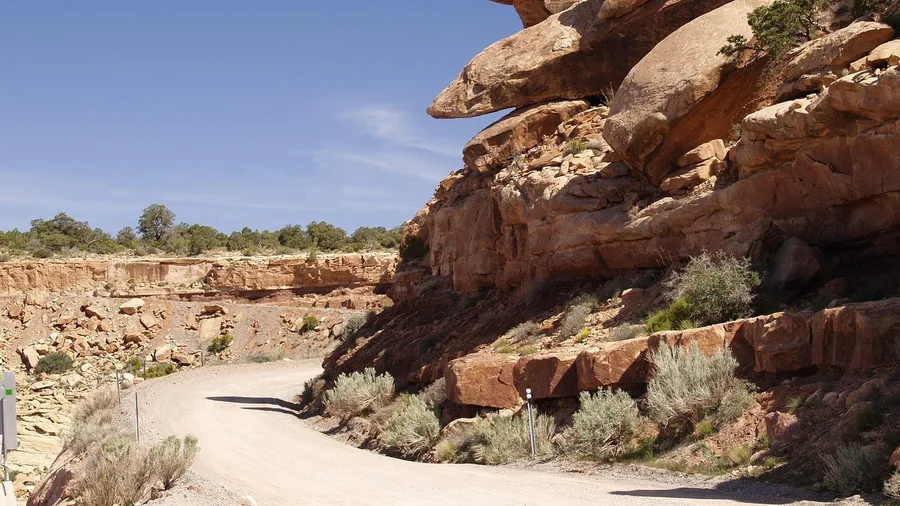
Getting to the more remote ghost towns is a challenge you need to plan for, even after seeing a more populated site. My drive to a remote ruin in Arizona meant two hours off the main highway, entirely on unpaved surfaces. You'll navigate long stretches of gravel and rutted dirt roads that lead deep into the desert landscape.
The rented 4×4 SUV wasn't a luxury; it was crucial. A standard sedan simply wouldn't have made it through the washouts and loose rock, especially after any recent rain. This isn't a casual drive.
For long periods across rural Nevada and Arizona, I had no cell signal for an hour or more at a time. That isolation underscores how truly far removed these locations are. You are alone with the desert and its history.
Gas stations between towns were incredibly scarce, sometimes 80 miles apart. Keeping the 4×4 SUV's gas tank full became a constant priority. Always fill up when you see a pump, no matter how much fuel is left, and check your route for the next one immediately.
🗓️ Road Trip Planning Checklist
Map Your Route
Identify your ghost towns and plan a logical driving route, noting all turns.
Check Road Conditions
Verify if 4×4 is needed for any unpaved access roads before you go.
Locate Fuel Stops
Pin every gas station on your route, especially for remote stretches.
Download Offline Maps
Ensure you have GPS access without cell service.
Book Accommodation
Secure your motel stays or campsite reservations in advance for remote areas.
Verify Operating Hours
Confirm if sites or visitor centers have specific open or close times.
See the Past Frozen in Time

The effort of reaching these remote locations is immediately rewarded once you step inside, with sights that feel like the past frozen solid. Inside the well-preserved ghost town, I toured a saloon still set with poker tables and dusty shot glasses.
I walked through a general store where original wooden shelving held empty medicine bottles and faded tins. The schoolhouse had tiny wooden desks still lined up, facing a blackboard with chalk dust on the tray.
Outside the main buildings, you find countless scattered artifacts. Rusted picks and shovels from the Gold rush era lay by cabin doors, abandoned mid-task.
Hillsides glinted with green and amber glass from discarded bottles. In more remote, decaying cabins, broken chairs and iron bedframes still sat as if their owners just stepped out for a moment.
These tangible objects and structures create a direct, visceral connection. You see exactly how people lived, what they used, and the true scale of their world here.
Walking through these buildings made the Gold rush history, often read about in books, feel incredibly real and immediate. It's a silent, visual story, far more impactful than any textbook or typical museum display.
Ghost Town Artifacts — At a Glance
⛏️ Mining Tools
Shovels, Picks, Sifters
🍾 Household Items
Bottles, Pottery, Cookware
📚 Education
Desks, Slates, Textbooks
👕 Textiles
Clothing Scraps, Fabric
📜 Documents
Ledgers, Newspapers
Historical Connection
These everyday items offer a direct link to Gold rush era daily life and industry.
Silence Makes the History Speak
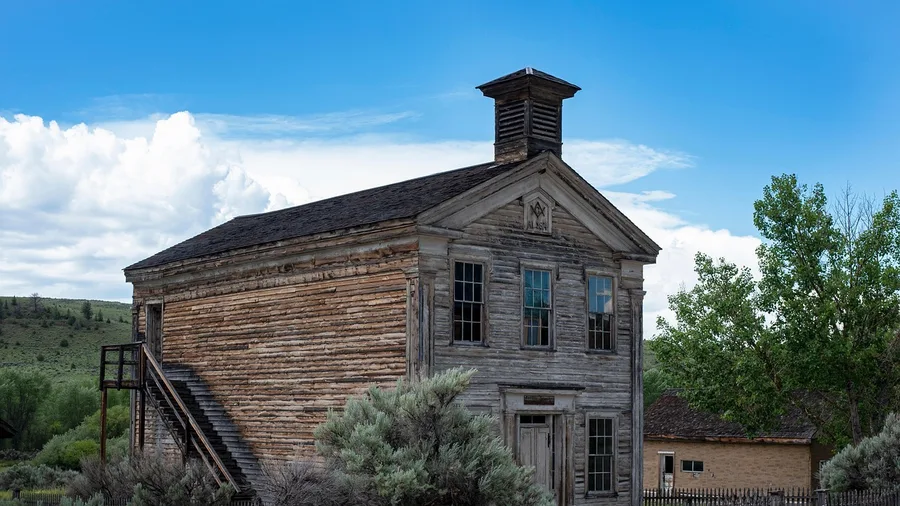
The atmosphere at the remote ruin was defined by a profound quiet, making the past feel immediate and tangible. This intense stillness, broken only by the whisper of the wind across forgotten timbers, created a solitude I hadn't expected.
That deep silence was a stark contrast to the constant ambient noise of any typical urban environment, stripping away all distraction.
My usual mental clutter simply vanished.
The complete absence of modern sounds was what truly transported me. Without the distant hum of traffic or overhead planes, it genuinely felt as if time itself had paused in the Gold rush era.
I felt an almost palpable, even ghostly, presence of the past inhabitants, as if their stories lingered in the empty spaces.
The quiet amplified the historical weight of every crumbling structure and scattered artifact, connecting me directly to those who lived and toiled there.
The Feeling of Solitude
How Visitors Experience Remote Ghost Towns
Respect Rules to Preserve History

The profound connection to Gold rush era history I felt also came with a clear responsibility to preserve these fragile sites. Yes, you need to know about the rules when visiting; they are straightforward and aim to protect both the past and your safety.
I followed the simple principle of 'take nothing but pictures, leave nothing but footprints' every day of my 5-day trip. This meant resisting the urge to pick up even a single rusted nail from the ground or a shard of old glass, ensuring everything stayed exactly where I found it.
Many areas around the semi-occupied town and the remote ruin were clearly marked with 'Private Property' signs.
I saw faded wooden planks and painted warnings on corrugated metal, alongside simple rope fences. I always kept a respectful distance, understanding that even abandoned land might still have owners or caretakers.
Warnings about instability were also common, especially at the more neglected remote ruin. Signs cautioned against collapsing structures and unstable ground near crumbling adobe walls and sagging timber frames; I always maintained several yards of buffer space.
Adhering to these simple guidelines helps keep these Gold rush era ghost towns intact for future visitors and keeps everyone exploring them safe.
Visiting Ghost Towns: Do's and Don'ts
Do These
- Stay on marked paths
- Carry out all trash
- Photograph respectfully
- Check local regulations
- Inform someone of your route
Avoid These
- Enter unstable buildings
- Take any artifacts
- Disrupt natural features
- Ignore 'Private' signs
- Travel unprepared or alone
Pack Essentials for Remote Trips

To prepare for the isolation of ghost towns, you need to pack wisely for your trip. Your personal safety and comfort in these remote locations will depend entirely on what you bring.
For my 5-day journey, I always kept at least two gallons of water per person in the rented 4×4 SUV. This quantity is important, especially for multi-day trips in the desert heat where water sources are nonexistent.
I also packed high-energy snacks like trail mix and protein bars.
A well-equipped first-aid kit was always with me.
Sturdy hiking boots were essential for navigating the uneven ground and scattered debris of crumbling sites.
Cell service disappears for hours across vast stretches of Nevada and Arizona. I relied on detailed paper maps, cross-referencing them with a downloaded GPS app, which often kept me from getting lost on unmarked dirt roads.
Keeping the 4×4 SUV's gas tank full was a constant priority. Gas stations could be 100 miles apart.
I refilled whenever the option appeared, even if it meant only adding half a tank to avoid running dry.
These focused preparations kept me feeling secure and comfortable, making up for the complete lack of services at most isolated ghost towns.
💡 PRO TIP
Extra Water Supply
Always carry more water than you think you need. The desert climate in the American Southwest can dehydrate you faster than you expect, even in cooler months. A two-gallon minimum per person per day is a starting point, not a ceiling.
Research Uncovers Compelling Stories

To truly get the most out of visiting a ghost town, your best tool is diligent research long before you arrive. This preparation makes the past come alive in a way no silent ruin can manage on its own.
I spent hours digging through online historical society archives and old regional guidebooks focused on the American Southwest. I wasn't just looking for town names.
This effort paid off big at the remote ruin I explored in Arizona. I'd learned about a specific Gold rush era miner's family who lived there – their names, their challenges, and the cabin they built. Knowing their story made seeing their collapsed home more than just rubble.
An old, rusted shovel lying nearby wasn't just a discarded tool. It became a poignant reminder of their individual struggles and triumphs. You feel a direct connection.
Without that specific background, you are mostly just looking at old, forgotten objects. Hunting down these personal anecdotes and local legends transforms a collection of crumbling walls and artifacts into a deeply meaningful historical narrative. It connects you to the people who walked these paths, turning a mere visit into a real connection. The dust literally speaks their stories.
Find Your Own Forgotten Treasure
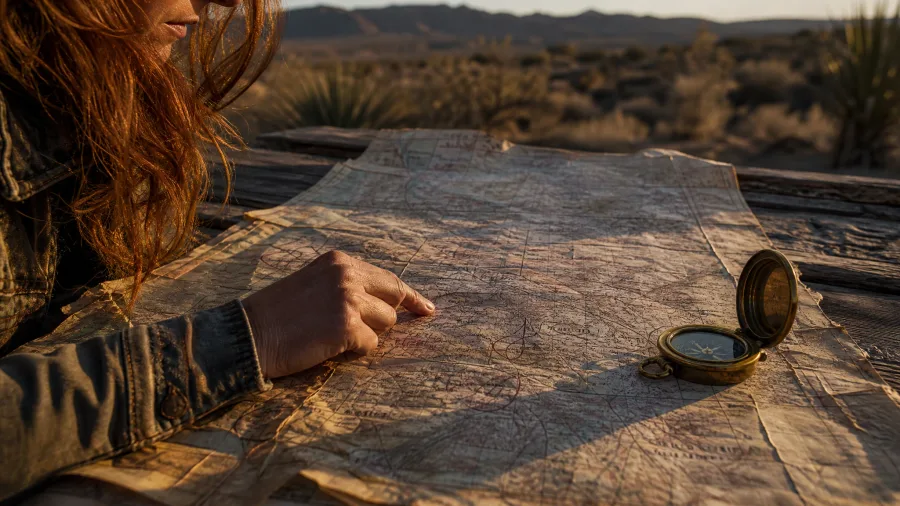
Finding your own forgotten past begins with knowing where to look. Online ghost town databases are the quickest way in.
State tourism boards for regions like Nevada and Arizona also list many sites, often with essential access information and current conditions. For something truly lesser-known, local libraries and regional historical societies hold details on smaller, more isolated spots. They can reveal specific Gold Rush era families who lived there, giving context to crumbling walls or an old schoolhouse foundation.
No two ghost towns are exactly alike.
My 5-day trip covered a spectrum: a well-preserved town with intact storefronts, a remote ruin offering profound solitude, and a semi-occupied settlement with living caretakers. This range shows how varied the experience can be, from museum-like preservation to raw, untamed history.
Don't feel you need to replicate my exact itinerary. Research accessible regional options, especially in the American Southwest, to find your own tangible 'forgotten treasures' and connect with the past.
Frequently Asked Questions
Are ghost towns safe to visit?
Many ghost towns are safe, but remote ones have hazards like unstable structures and no cell service. Always research specific sites for warnings, respect private property, and carry emergency supplies.
Do I need a 4×4 vehicle for ghost town trips?
For truly remote ruins or less-maintained sites, a 4×4 is often essential. Many access roads are unpaved, rough, and not suitable for standard cars. Always check road conditions before you go.
Can you take souvenirs from ghost towns?
No. The rule is 'take nothing but pictures, leave nothing but footprints'. Taking artifacts, even small ones, is often illegal and contributes to the destruction of historical sites.
What's the best time of year to visit American Southwest ghost towns?
Spring and fall offer the most comfortable temperatures, avoiding extreme summer heat and potential winter snows in higher elevations. Always check local weather forecasts for your specific dates and locations.
Are there any ghost towns with amenities?
Some well-preserved or semi-occupied ghost towns, like the one I visited, might have basic amenities like small shops, restrooms, or even a place to eat. Remote ruins will have nothing, so plan accordingly.
Starting Your Own Expedition into the American Southwest's Past
My 5-day road trip through the ghost towns of the American Southwest proved an incredibly rewarding adventure, offering a rare blend of tangible history and profound solitude for anyone prepared to find it.
These sites are much more than empty shells; they are vibrant historical capsules, ready to share their Gold rush era stories with respectful visitors.
So, does walking through a town that time forgot live up to the fantasy you had? It absolutely does, but only if you prepare meticulously. Start by researching accessible regional options, pack wisely, and approach these unique places with an adventurous spirit. You'll connect with a past far more impactful than any picture.
Ready to Explore? **Find Your Ghost Town.**
Revisit our section on finding forgotten treasures to begin mapping your own adventure across the American Southwest. The past awaits.