
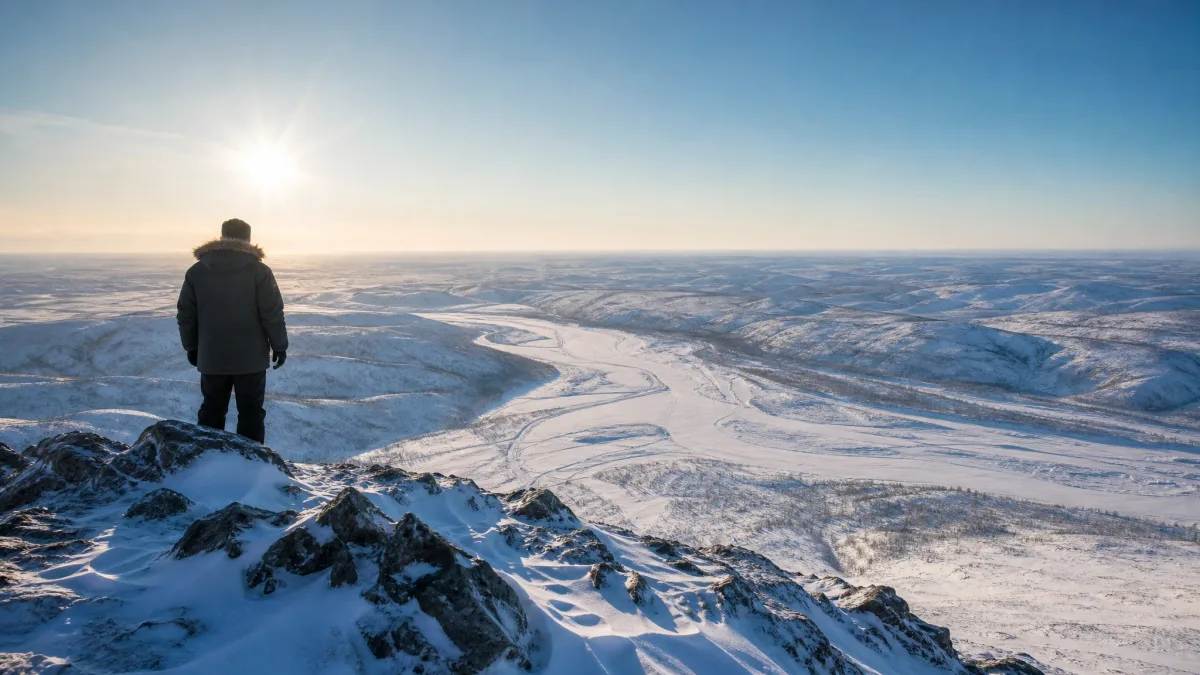
If you think living off-grid in the Arctic Circle is a serene escape, you're making the same mistake I did. For three weeks, I lived in a 120 sq ft cabin in the Alaskan Arctic foothills, completely dependent on a small solar panel, wood stove, and melted snow.
Stepping off that bush plane, the engine's roar gave way to immediate, profound silence. The isolation was instant.
My time there, facing -10°F to -40°F, proved three weeks off-grid is possible. But only with meticulous planning and radical self-sufficiency.
This extreme living tested my limits, reshaping every idea of essential needs. You'll grasp the true demands and unexpected joys, deciding if you have the resilience for this kind of Arctic self-reliance.
Quick Tips for Extreme Off-Grid Living
Know Your Route
Understand your exact access and exit points; remoteness means no easy bailouts.
Embrace the Rhythm
Let natural light and the demands of survival dictate your daily schedule.
Prepare Mentally
Anticipate sustained solitude and the need for constant problem-solving without external help.
Learn Core Skills
Master fire-starting, basic repairs, and efficient water management before you go.
Pack Smart
Prioritize multi-use, durable gear and eliminate anything unnecessary for survival.
Reaching My Cabin Demanded Meticulous Logistics

Accessing my remote cabin in the Alaskan Arctic Circle foothills was entirely dependent on a bush plane.
There were no roads, no vehicle access whatsoever; the flight was the absolute only way in, which established an immediate and profound isolation that you feel right down to your bones.
This meant every single item for my 3-week stay – all food, fuel for the lantern, tools, and personal gear – had to be meticulously pre-packed and weighed, sometimes down to the ounce, for that one single journey.
I spent weeks sorting through provisions, from calorie-dense dried meals and sturdy winter clothing to critical spare parts, knowing there would be no resupply.
The departure of that bush plane was the real moment.
Watching it lift off from the rough landing strip, its roar fading into an immense, unbroken quiet, left me with an intense feeling of solitude, a visceral sense of being utterly cut off from everything familiar for the next 21 days.
My Minimalist Off-Grid Setup Provided Only the Essentials
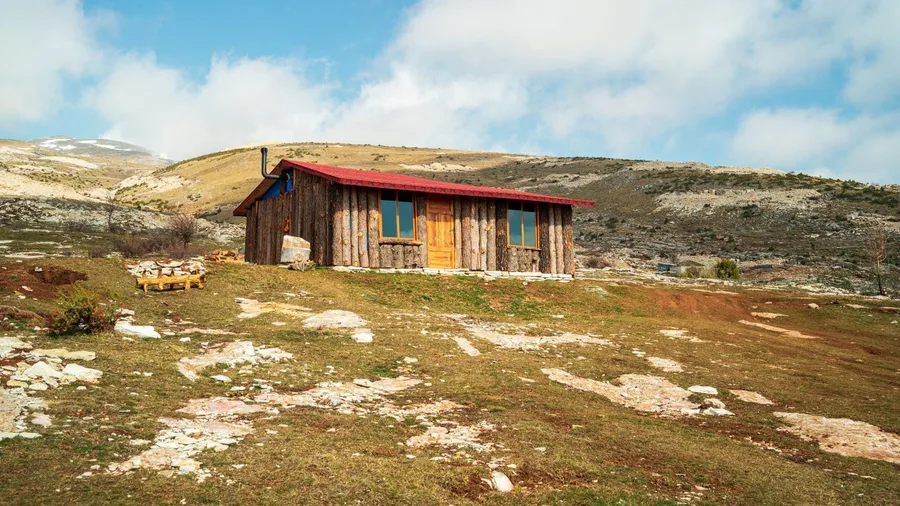
The cabin I called home for three weeks was a tiny 120 sq ft (11 sqm) structure, designed with a stark truth in mind: every component served a single, bare purpose. There were no decorative flourishes or non-essential comforts; it was pure functionality.
Electrical power, for instance, came from a modest 100W solar panel. This fed into a single 12V, 100Ah deep-cycle battery, just enough to keep a satellite phone charged and provide a few hours of light when the sun was down.
Heat, my absolute defense against the -10°F to -40°F (-23°C to -40°C) temperatures, relied entirely on a small wood-burning stove. This demanded constant attention to maintain any semblance of warmth.
Water was another fundamental challenge: every drop for drinking, cooking, and limited washing had to be manually collected snow, then melted over that precious wood stove. This basic, functional setup asked for constant physical and mental effort just to keep things running.
Arctic Off-Grid — At a Glance
🏡 Cabin Size
120 sq ft
⚡ Power Source
100W Solar
🔥 Heat Source
Wood Stove
💧 Water Source
Melted Snow
🌡️ Temp Range
-10°F to -40°F
Staying Warm Was a Relentless Battle Against Extreme Cold

Maintaining warmth against the brutal Arctic cold was not just a chore; it was a non-stop, physical demand. With outside temperatures ranging from -10°F to -40°F (-23°C to -40°C) during my three-week stay, the cabin's small size meant heat escaped quickly.
My small wood-burning stove required relentless stoking, day and night, to prevent the cabin's interior from freezing solid. Neglect it for even a few hours, and the biting cold would creep in, making recovery a slow and difficult process.
A significant portion of each day involved chopping, hauling, and splitting wood, an exhausting and continuous physical task. Fresh logs needed to be brought in from the cached piles, then reduced to stove-sized pieces, a process that demanded sweat even in sub-zero air.
Rapid heat loss was a constant threat. Let the stove die down for too long, and you faced frigid air and frozen water containers, making continuous vigilance the only real option against the unforgiving cold.
💡 PRO TIP
Master Your Stove
Learn how to bank coals for slow, overnight burns before you go. This saves wood and ensures you wake to a warmer cabin without constant midnight stoking.
Water Was Earned Through Melting Snow, Drop by Drop
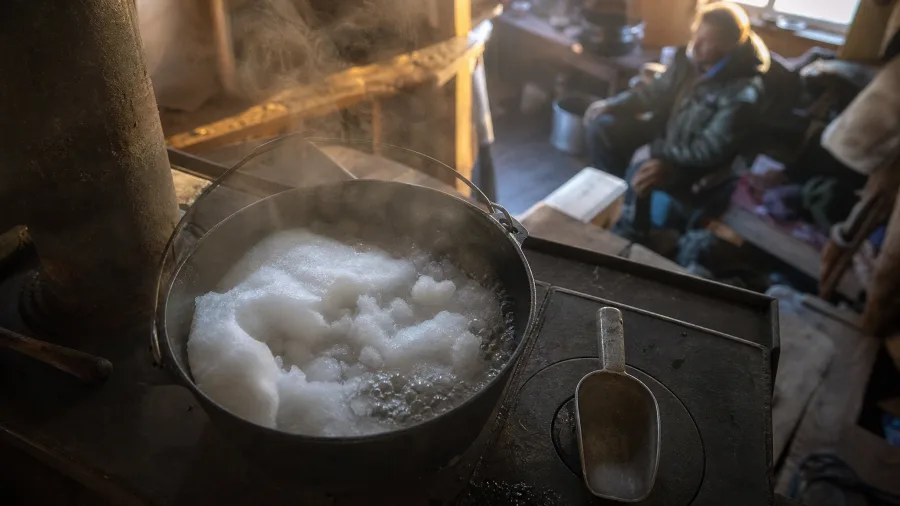
Just as maintaining heat was relentless, acquiring water in the Arctic Circle was a constant, fuel-intensive task.
Every drop for three weeks was sourced from collected snow, which I hauled back to the 120 sq ft cabin from the frigid outside.
Melting this snow on the wood stove consumed significant wood, the same precious fuel I needed for heat. A large pot of packed snow could take over an hour to slowly convert into just a few liters of usable water.
This slow process demanded continuous monitoring, ensuring it didn't boil dry or run out.
Water was then strictly rationed for drinking, cooking, and the barest personal hygiene. There were no running water amenities whatsoever.
You quickly learn that every single drop of water, from a sip to a splash, was literally earned through effort and fuel.
Outdoor Storage and Indoor Cooking Defined My Food Routine

With water a hard-won resource, my food routine required similar planning and resourcefulness. My meals for three weeks were entirely pre-planned, focused on shelf-stable and dehydrated items.
The extreme outdoor temperatures, ranging from -10°F to -40°F, served as a massive natural freezer. I stored any frozen goods, like meats or pre-frozen vegetables, in a secure bear-proof cache located a safe distance from the 120 sq ft cabin. This setup was efficient, but retrieving ingredients meant a quick trip into the biting cold.
Inside, a small pantry area held the bulk of my shelf-stable provisions: grains, dried fruits, pasta, and canned goods. This allowed for easy access without exposing everything to the cold.
Cooking was simple, almost exclusively one-pot meals prepared directly on the wood stove. This conserved not only the wood fuel but also the precious melted snow water I'd just worked to acquire, as cleanup was minimal.
Every meal was a careful balance of ingredients, heat, and water, designed for maximum sustenance with minimum waste.
⚡ Daily Power Management in the Arctic
Morning Solar Check
Inspect the solar panel for snow and ice buildup, clearing it carefully to maximize minimal daylight charging.
Battery Status Review
Monitor the 12V battery charge level to assess available power for the day's essential needs.
Prioritize Charging
Plug in critical devices like the satellite phone and headlamp batteries only during peak sun hours.
Power Down
Disconnect non-essential devices immediately after use to prevent parasitic draws on the limited battery.
Evening Lighting Shift
Transition from electric lighting to kerosene lanterns or headlamps as daylight fades to conserve battery power.
Basic Hygiene Became a Major Undertaking in the Extreme Cold

With every resource demanding effort, even basic hygiene transformed into a significant undertaking. My primary personal cleaning method involved infrequent sponge baths.
These baths used tiny amounts of warmed, melted snow water, carefully heated on the wood stove. The sheer fuel and time cost of that water meant thorough washing was a rare luxury, not a daily routine.
Water use for all cleaning – dishes, hands, everything – was severely limited. You learn to make a single cup of hot water stretch across multiple tasks.
The outhouse offered its own bracing experience. Exposed to temperatures that routinely hit -40°F, it was far from comfortable, making quick trips an absolute necessity rather than a leisurely visit.
The cold environment and complete lack of running water made basic cleanliness feel like a demanding privilege, highlighting the true cost of modern conveniences.
⚠️ COMMON MISTAKE
Overestimating Water Supply
Many people assume snow is an endless water source. Melting enough for daily needs is incredibly time and fuel-intensive; factor this into your daily budget.
Limited Power Dictated a Rhythm of Natural Light and Darkness
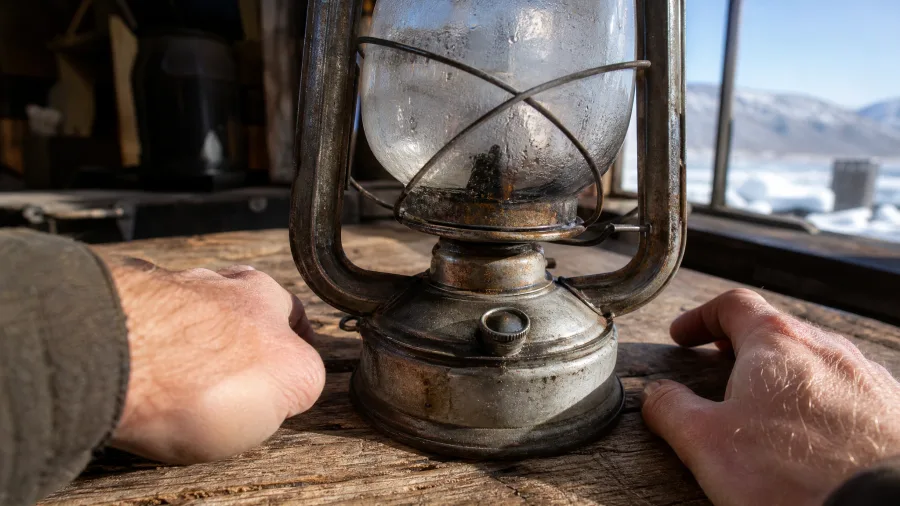
My electricity and light came from a minimal setup: a single 100W solar panel connected to a 12V, 100Ah deep-cycle battery. This meant power was a severely restricted resource, used only for truly critical needs, much like the water I melted from snow.
Maintaining a strict charging routine was essential. The late November/early December daylight hours were brutally short, often just a few hours of weak sun, which severely limited how much input the panel could capture in a 24-hour cycle.
You learn quickly that every watt counts.
As darkness descended, which it did for the vast majority of the day, my reliance shifted entirely to a handful of rechargeable headlamps and a trusty kerosene lantern. The warm, flickering glow of that lantern became the cabin's primary, comforting light source.
My daily rhythm was entirely dictated by the sun's brief appearance and the long, deep hours of Arctic night. Power was rigorously reserved for absolute essentials: specifically, charging the satellite phone for safety check-ins and keeping the headlamp batteries topped up for tasks outside.
This scarcity highlighted the true value of every electron, forcing a constant, almost primal awareness of energy consumption.
Unexpected Challenges Demanded Daily Resourcefulness

The biggest surprises weren't grand emergencies, but rather how quickly minor equipment quirks could escalate into demanding challenges when you are completely isolated. Every small failure amplified the need for self-reliance, even after carefully managing limited power.
One specific instance involved my kerosene lantern, which became stubbornly dim. In the -40°F cold, the wick had hardened, refusing to draw fuel properly, threatening my primary source of interior light after sunset.
There were no hardware stores or quick replacements out here.
I had to carefully thaw the lantern by the wood stove, then meticulously trim the brittle wick with a knife until it could draw fuel again. It was a simple fix, but one that required immediate, patient attention, without the luxury of spare parts.
You quickly learn that ingenuity and improvisation are not optional; they are essential for survival. I once used a piece of salvaged wire to mend a broken axe handle, a repair that needed to hold up against daily use.
The extreme remoteness meant even a small issue, like a dull blade or a frayed rope, could become a significant hurdle. Every unexpected challenge demanded a creative solution using only the limited means at hand.
Off-Grid Arctic Living: Myth vs. Fact
Isolation Offered Profound Peace Amidst Startling Beauty
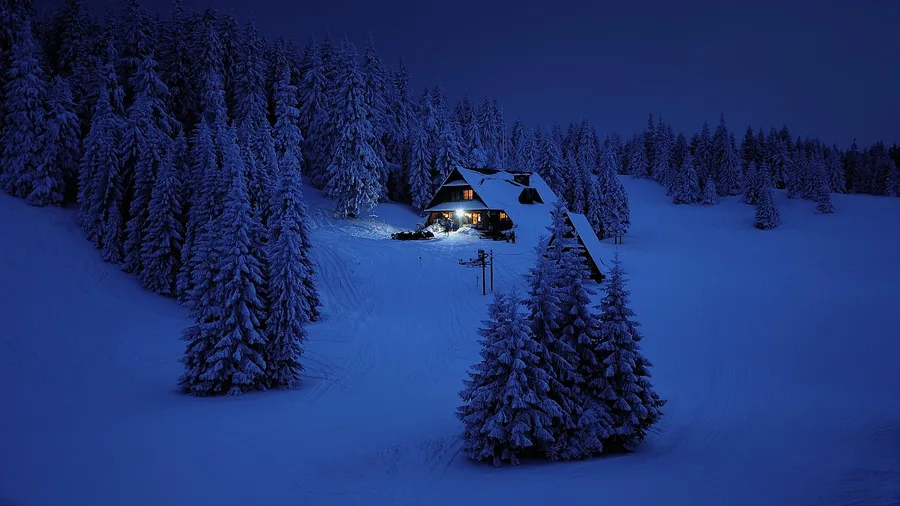
The 3 weeks of prolonged solitude was a significant mental challenge, but the remote cabin also offered a profound, almost spiritual quiet. It was a silence broken only by the whisper of the wind against the cabin or the distant, sharp call of an animal.
This deep quiet created space to witness incredible sights. I saw the Aurora Borealis paint the night sky with shifting green and purple light, a display unlike anything you've seen in person.
Wildlife sightings were rare but significant.
I encountered agile Arctic foxes against the snow, their white fur a stark contrast to their dark eyes, and spotted ptarmigan, camouflaged perfectly in their winter plumage. These brief interactions were a reminder of the raw, undiluted natural world.
Coping with the sustained solitude required conscious effort and discipline. My days became structured around routines, but also included dedicated time for reading, journaling, and simply observing the nuances of the Arctic landscape.
The entire experience became a unique blend of intense, raw beauty and a demanding test of mental fortitude. It clearly showcased both the unexpected rewards and the unwavering demands of true solitude.
The Greatest Reward Was the Realization of Self-Reliance

While the Arctic's isolation was a profound experience, the greatest reward from my three weeks off-grid was the sheer realization of self-reliance.
Successfully providing every basic need for myself, entirely independently, created an immense feeling of capability and empowerment that truly changes you.
You quickly develop a deep connection to the raw, untamed nature surrounding you, gaining an intense appreciation for simple, unadorned existence. There's no room for extraneous things when survival hinges on efficiency.
The constant demand for solutions fostered significant personal growth. Whether it was repairing a stubborn lantern wick or adapting a cooking method, my problem-solving skills sharpened under extreme pressure.
Understanding what I could truly achieve through my own efforts was the ultimate payoff. The cold, the dark, the daily grind – it all faded in comparison to the quiet satisfaction of knowing I had done it.
This simplicity brings an undeniable clarity. The stark environment showed me precisely what was essential for comfort and survival, making modern conveniences feel indulgent and unnecessary.
From Challenge to Mastery
I Would Pack Less and Prioritize Core Survival Skills Next Time
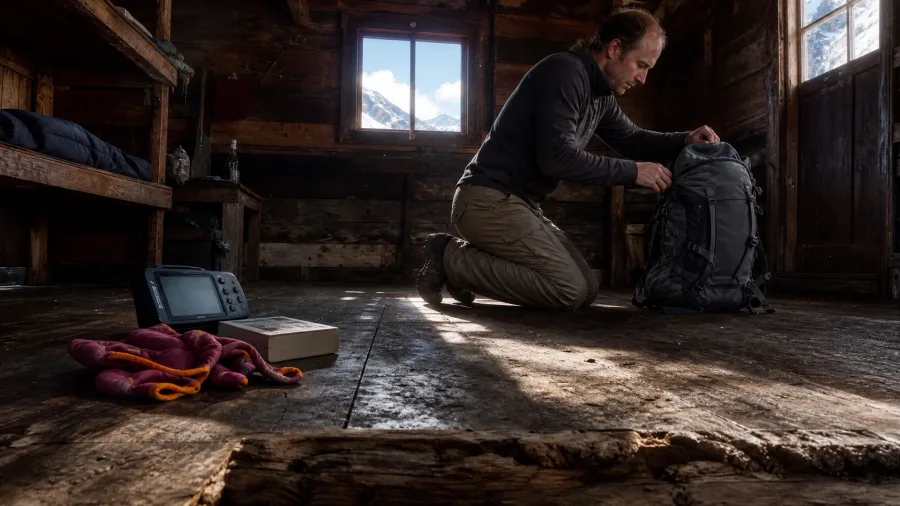
Pack less, prioritize skills; that's my main takeaway.
After three weeks of intense self-reliance, my biggest lesson was a clear understanding of what truly matters in the Arctic. I hauled in many items by bush plane that were simply dead weight.
That heavy battery-powered entertainment device, for example, sat entirely unused. My attention was fixed on the cabin's immediate demands or the brief daylight outside, not leisure. Its weight was completely unnecessary baggage.
Forget the gadgets.
Instead, the value of specific practical skills became far more apparent. Knowing how to get a fire going quickly in wet snow at -40°F, or tying robust knots for gear repairs, proved incredibly effective.
The greatest asset wasn't a physical item. Mental preparation for sustained solitude and facing daily, unexpected challenges on my own proved essential. This inner resilience easily outweighs any physical gear.
My focus has shifted completely: it's less about the quantity of what I bring and more about sharpening intrinsic skills, coupled with a deeply minimalist mindset for future trips.
What I Packed vs. What I Truly Needed
What I Packed
- Heavy battery-powered entertainment
- Multiple sets of casual clothes
- Excessive processed snacks
- Specialty repair kits for rare issues
What I Needed
- Advanced fire-starting tools
- Fewer, highly versatile layers
- Nutrient-dense, simple foods
- Core improvisation skills
Frequently Asked Questions
Is living off-grid in the Arctic Circle truly feasible for an extended period?
Yes, it's feasible, but it requires unwavering preparedness, specific survival skills, and immense mental fortitude. Every basic need becomes a deliberate, labor-intensive task, demanding constant vigilance and resource management.
What were the biggest unexpected challenges of Arctic off-grid living?
The sheer physical effort of daily survival tasks, like consistently chopping wood and melting snow for water, was more demanding than anticipated. Also, minor equipment failures quickly escalated into significant problems due to the extreme remoteness.
How did you manage the extreme cold and stay warm inside the cabin?
Staying warm required continuous stoking of a small wood-burning stove, day and night. Constant effort was dedicated to chopping, hauling, and burning wood to maintain an internal temperature above freezing, battling the rapid heat loss.
What's the most important skill someone should have before attempting this?
Beyond physical endurance, mental resilience and improvisation are paramount. The ability to problem-solve creatively with limited resources, maintain a positive mindset in isolation, and adapt to constant challenges is crucial.
How did you cope with the profound isolation during your three weeks?
I coped with isolation through structured daily routines, extensive reading, journaling, and dedicated observation of the natural world. Embracing the quiet and finding beauty in the stark landscape helped manage the mental demands of solitude.
Considering Your Own Arctic Off-Grid Journey
Contemplating an extreme off-grid experience like mine demands rigorous self-assessment. Are you truly prepared for the unrelenting physical and mental demands, beyond just sharpening intrinsic skills?
That profound isolation, moments after the bush plane left, underscored the absolute need for self-reliance – a feeling that never truly left. This experience reshapes your perspective on necessities and capabilities, revealing what you're truly made of.
It is not for the casually curious. Only those deeply committed to radical self-sufficiency should consider its profound rewards.
Re-read the "What I'd Pack Differently" section.
Before you plan your next extreme trip, review the practical lessons I learned about essential gear and critical skills.