
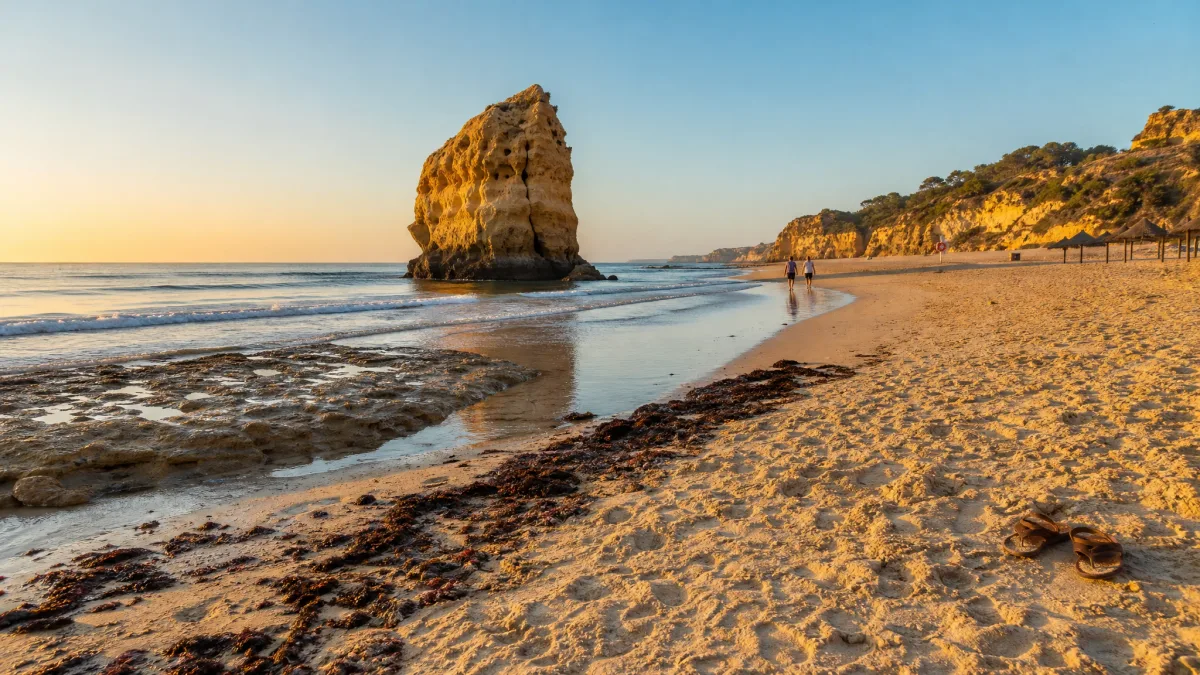
Which beach will you actually enjoy, not just recognize from a list? The answer starts with your month, your crowd tolerance, and what you are willing to pay to park.
Most people begin with a generic top-10 and a calendar: Bondi, Siesta Key and Koh Kradan all appear, though Bondi parking runs $8 an hour, Siesta Key $5 an hour, and Koh Kradan needs a $20 round-trip ferry.
All twelve beaches here are free to enter. The real filters are the local routine, the narrow best window, and access cost, from nothing to $10 a day in parking, up to $8 an hour or a $20 ferry.
Choose by fit: the month, crowd tolerance and access tolerance decide your beach, not the order on a famous list. By the end you can match your travel month and preferred routine to one of the twelve, see the crowd, access and season trade-off, and check the local tide table and parking or ferry schedule before booking. This ranking is an editorial shortlist, not a survey, and it weighs local routine first, crowd avoidance second, access simplicity third.
Quick Tips Before You Start
Check parking rates first
Bondi runs about $8/hour and Siesta Key about $5/hour; a dawn or sunset visit keeps the meter short.
Read the tide table
Nungwi and Tunnels change completely between high and low tide; plan the swim around the water, not the clock.
Check the wind forecast
Punta Paloma is a wind beach; a calm day there is a different, flatter experience than the one locals go for.
Time the tour buses
Bondi and Siesta Key are busiest 10 a.m. to 4 p.m.; go before or after that window and the crowd disappears.
Book the weekday ferry
Koh Kradan is quiet Monday to Thursday; the $20 round-trip ferry fills with weekend day-trippers on Saturday.
1. Bondi Beach, Sydney: Dawn Swim
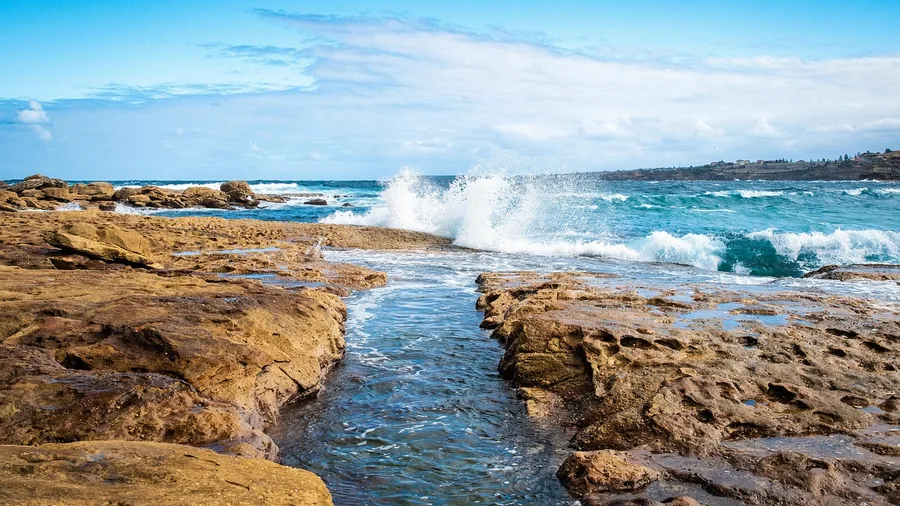
The first sound is the slap of flat water against a swimmer's palm, not a loudspeaker.
Bondi settles the tourist question by clock rather than by clever pick: the sand is a local swimming pool until about seven, and from ten to four it belongs to the buses. The dawn swim and the coffee after it beat those hours on local habit and crowd avoidance both, which is why this beach sits at the top even though access is the weak point – entry is free, but parking runs about $8/hour. A weekly swimmer who also runs a cafe puts it plainly: before seven the sand is swimmers; by ten the buses are unloading. October to March, early morning, is your window.
💡 Tip: Check the parking meter times before you commit; an hour at $8 is the price of the dawn slot.
| Rank | Beach and location | Local routine | Best window | Access and cost |
|---|---|---|---|---|
| 1 | Bondi Beach, Sydney | Dawn ocean swim then coffee | Oct-Mar, early morning | Free entry; parking ~$8/hour |
| 2 | Punta Paloma, Tarifa | Late windsurf and dune sunset | May-Jun, Sep | Free entry; parking ~$6/day |
| 3 | Tunnels Beach, Kauai | Summer snorkel before vans | May-Sep | Free entry; limited roadside parking |
| 4 | Praia da Marinha, Algarve | Clifftop walk and off-season picnic | Apr-Jun, Sep | Free entry; parking ~$5/day |
| 5 | Nungwi Beach, Zanzibar | High-tide swim | Jun-Oct | Free entry; no ticket |
| 6 | Playa Hermosa, Costa Rica | Dawn surf before the heat | Dec-Apr | Free entry; parking ~$5/day |
| 7 | Koh Kradan, Thailand | Weekday picnic and swim | Nov-Mar, weekdays | Free entry; ferry ~$20 round trip |
| 8 | Sandbridge Beach, Virginia | Quiet family sand day | Jun-Sep | Free entry; parking ~$10/day |
| 9 | Cannon Beach, Oregon | Off-season tidepool walk | Apr-May, Sep | Free entry; parking $0-$10/day |
| 10 | Siesta Key, Florida | Sunset walk on soft sand | May, Sep | Free entry; parking ~$5/hour |
| 11 | Kitsilano Beach, Vancouver | Summer swim and picnic | Jul-Aug | Free entry; parking ~$4/hour |
| 12 | Waihi Beach, New Zealand | Coast walk to Orokawa Bay | Dec-Feb | Free entry; no trailhead fee |
2. Punta Paloma, Tarifa: Wind and Sunset
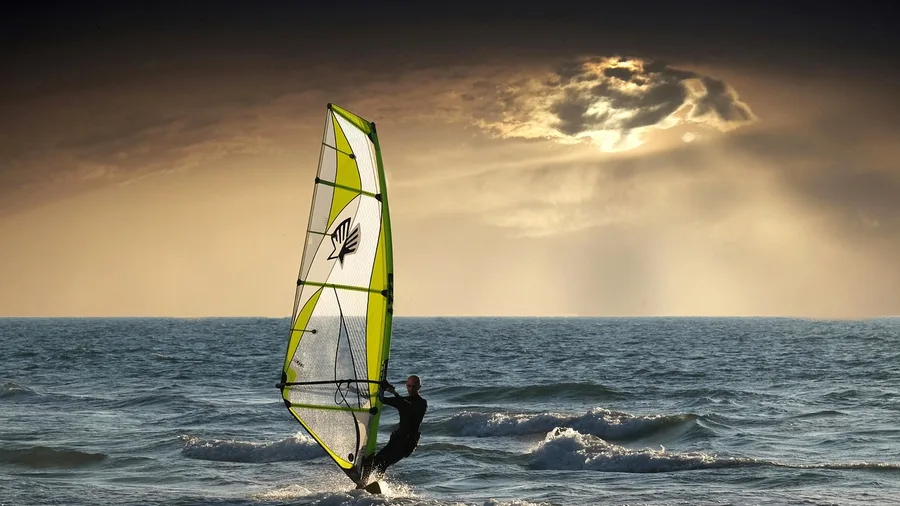
You feel the wind before you see the water: it hits the side of your face at the dune car park and stays there all afternoon.
Tarifa's town beaches fill by mid-afternoon, so locals drive out to Punta Paloma, where the draw was never calm water – it's windsurfing and the dune sunset behind it. The story here is a stretch of coast that turned a complaint into a sport: the Levante wind that ruins a picnic is the whole reason the boards come out. A windsurf instructor reads the day by the clock – the wind builds by four, and the second session is sunset on the dunes. Parking is about $6/day and entry is free; May, June and September are the months. Come if you love wind and chase sunsets; skip it if you want still water for small children. The wind forecast, not the parking, is your filter.
💡 PRO TIP
The crowd clock is real
Bondi and Siesta Key empty out before 9 a.m. and after 4 p.m. If you can only visit midday, pick a different beach from this list and save these two for a dawn or sunset slot.
3. Tunnels Beach, Kauai: Summer Snorkel
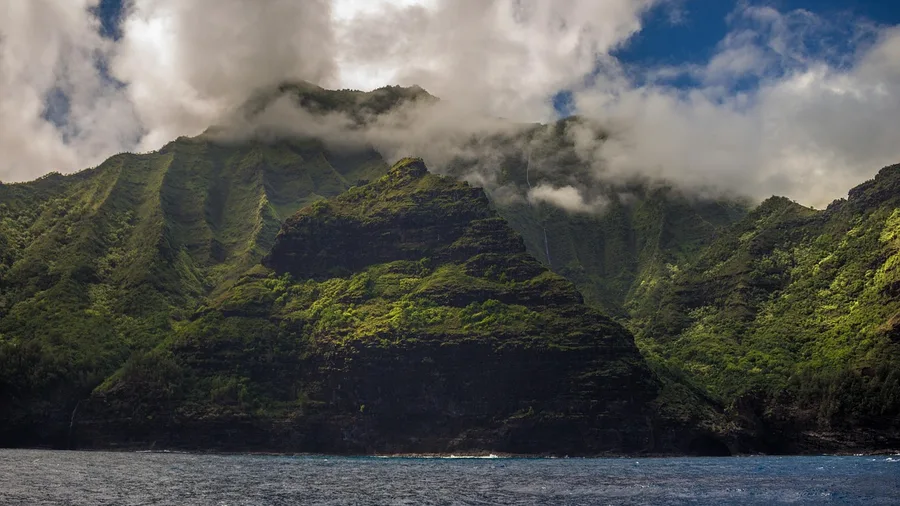
Parking is a strip of roadside shoulder, and on a summer morning it is full by half past eight.
Tunnels works as a snorkel spot only under one condition, the same way a wind beach needs its wind: summer calm. May to September the water lies flat, and a resident snorkel guide times his own entry to it – flat at eight, vans in the shoulder by ten. Winter swell turns the same bay into a shorebreak you should walk away from, so the season is not a preference here, it's a gate.
Entry is free, which sounds like the easy end of the access scale, but the trade is limited roadside space and a genuine pre-dive check of the tide and surf report. Arrive before eight, look at the water before you commit, and skip it entirely if you came for big winter waves. This one rewards the early riser who reads conditions, not the traveler who shows up at eleven.
💡 Tip: If the surf report shows a winter swell, do not get in; come back in summer.
4. Praia da Marinha, Algarve: Clifftop Walk
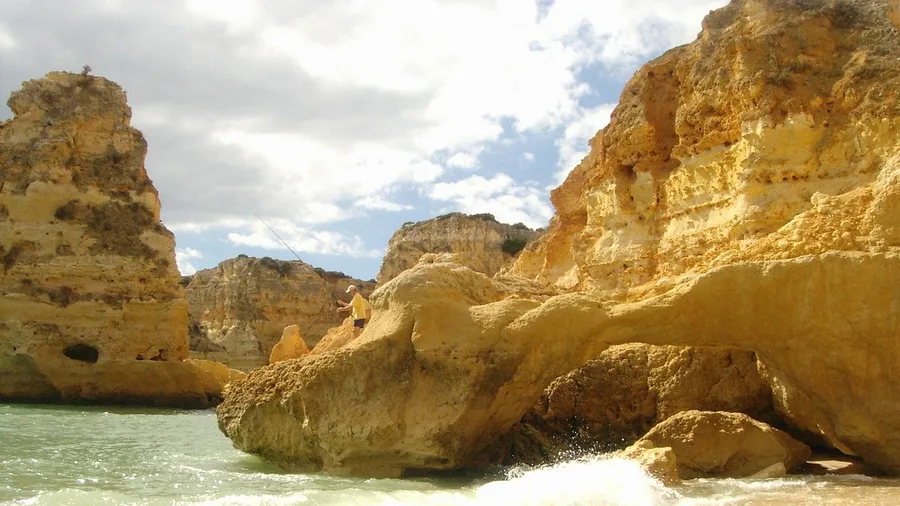
Marinha's crowd is not a water problem, it is a footpath problem, and that changes when you should go. The sand at the bottom of the Algarve cliff is the postcard; the locals you want to copy spend their morning on the rim above it, walking and picnicking out of season while the summer midday queue funnels down the steps in the heat.
A fisher who walks the clifftop most weeks puts the calendar plainly: April and September the rim belongs to walkers, while July midday is a queue to the sand. So the beach itself is free to enter and the lot runs about $5 a day, but the real cost of the place is the cliff path, and the way to spend it well is on the edges of the season when the path is a walk rather than a line.
Come in April to June or in September. The light on the limestone stacks is sharpest mid-morning and the trail along the top toward the neighbouring coves is empty enough to hear the water working the base of the cliffs below you.
If you need to feel sand between your toes with no stairs and no scrambling, this is not your beach, and the honesty matters more than the view. The path drops steeply, the steps are uneven, and carrying a cooler and an umbrella down it in July heat is a chore, not a holiday.
Treat Marinha as a walker's beach with a beach attached: park for $5, take the clifftop first, then decide at the top of the stairs whether your legs want the descent. The walk is the routine, and the sand is the bonus rather than the point.
5. Nungwi Beach, Zanzibar: High-Tide Swim
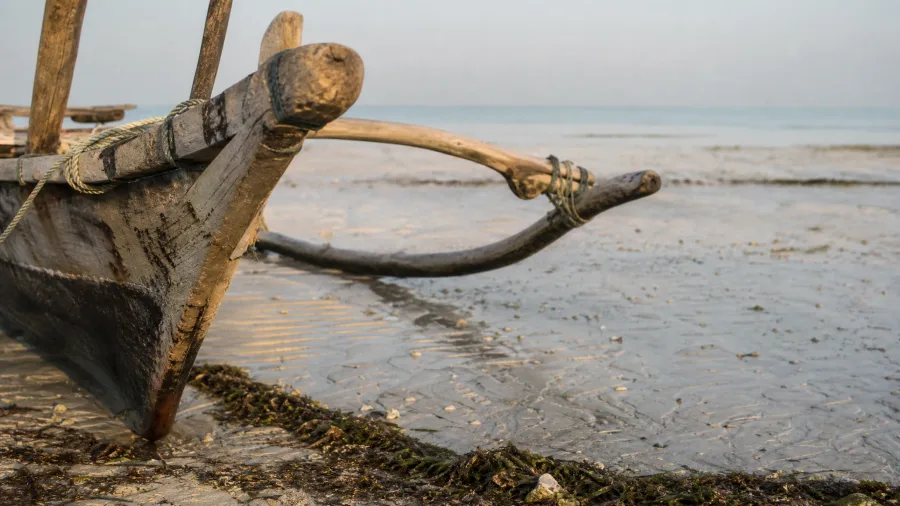
Go to Nungwi on a high tide, and plan the whole day around when that high tide falls. The beach here does not stay a beach: at low water the boats sit up on the sand and the swimming is gone, and at high water it is deep right at the wall, which is exactly why the fishermen and the swimmers work to the tide table rather than the clock.
Entry is free and there is no ticket to buy, so the tide schedule is the only appointment you have to keep. A Zanzibar fisherman sums up the shift: high tide puts deep water at the wall, while low tide leaves the boats resting on sand you could walk out across.
Aim for June to October and check the tide table every morning of your stay, because the high water moves through the day and a swim that worked at nine yesterday may not work at nine today. This suits swimmers who are happy to time their dip; anyone expecting deep water all afternoon will spend half the day looking at a drained lagoon. The tide sets the hour here, the way surf sets it at a dawn surf break.
What Access Actually Costs
Entry is free at every beach on this list; the money is in parking and ferries.
6. Playa Hermosa, Costa Rica: Dawn Surf
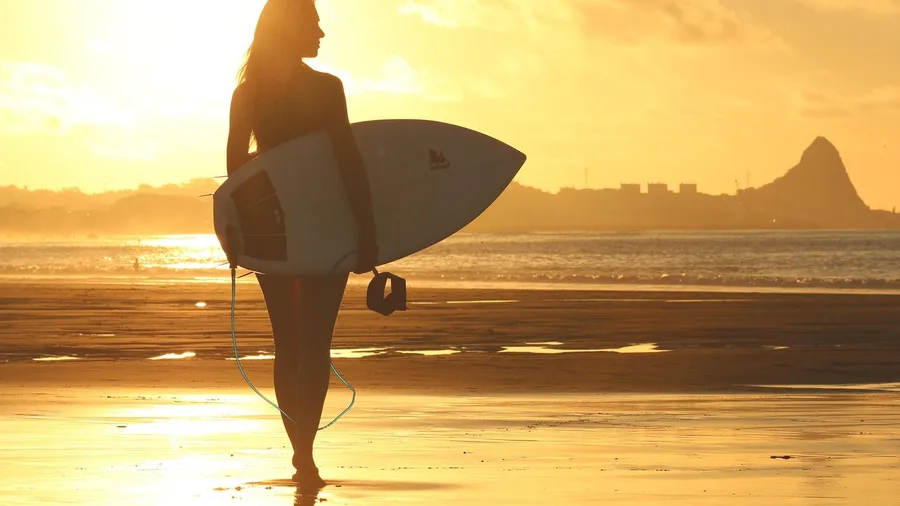
Playa Hermosa is the Costa Rican dawn surf beach, and the dry season is when the waves come consistently enough for locals to build a morning routine around them. Entry is free, parking runs about $5 a day, and the surf shops do a steady trade in boards and lessons, so the money you spend here is on the water, not the gate.
A surf-shop owner on the beach names the window: first light is the clean one, and by nine the heat and the lineup have both built. Come December through April, get there before sunrise, and check the surf report before you drive out, because conditions vary enough day to day that the report is the real gate on whether you go. It suits surfers and early risers; calm-water swimmers should pick a different stretch of coast.
Crowd Windows vs. Conditions You Have to Check
Beat the crowd
- Bondi: empty before 7 a.m., packed 10-4
- Siesta Key: quiet after 4 p.m.
- Koh Kradan: weekdays only, ferry $20 round trip
- Cannon Beach: off-season beats summer
Check before you go
- Playa Hermosa: surf report is the real gate
- Nungwi: swim only at high tide
- Tunnels: tide decides if you snorkel
- Tarifa: wind decides everything
7. Koh Kradan, Thailand: Weekday Quiet
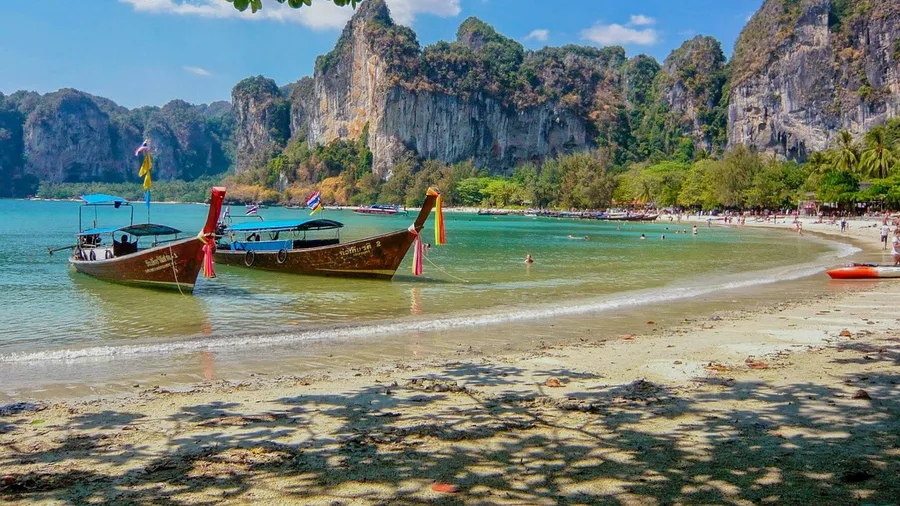
The thing to know before you book anything is that the ferry runs on its own clock and the weekend runs on a different one.
Koh Kradan, off the Trang coast in southern Thailand, is where locals take a picnic and a swim, and they take it Monday to Thursday. Entry is free; the boat is the cost, roughly $20 round trip, and it is the only way in. A cafe owner who lives on the island puts it plainly: from Monday to Thursday the picnic goes down quiet, and on Saturday the ferry empties onto the sand. Same beach, same $20, two different afternoons.
November to March is the window that works, and weekdays inside it are the crowd filter you are paying nothing for. This is a sit-down beach: you spread a mat, swim, eat, and let an hour go by without needing to be anywhere. It suits a traveler with a flexible midweek and patience for a boat schedule, and it does not suit anyone locked into a weekend-only trip, who will get the crowd the locals are avoiding. Check ferry departure times before you build the day around the weekday, because the schedule decides more than the tide does here.
💡 Tip: The weekday is the crowd filter here; a Saturday visit is a different beach.
8. Sandbridge Beach, Virginia: Local Sand

Sandbridge is the answer to the second question, a stretch of quieter sand south of the resort towers where local families set up for the day instead of for the nightlife.
A lifeguard there says locals take the back roads in and leave the strip to visitors. Parking is about $10 a day, the top of the daily range on this list, and it buys you the crowd avoidance. Then lunch: grab a she-crab soup or a fried fish sandwich from one of the small spots along Sandbridge Road and eat it on the sand, usually somewhere around $12 to $18 depending on the kitchen. June through September is the season, and you want to arrive early, because the lots fill and the locals got there first.
9. Cannon Beach, Oregon: Off-Season Tidepools
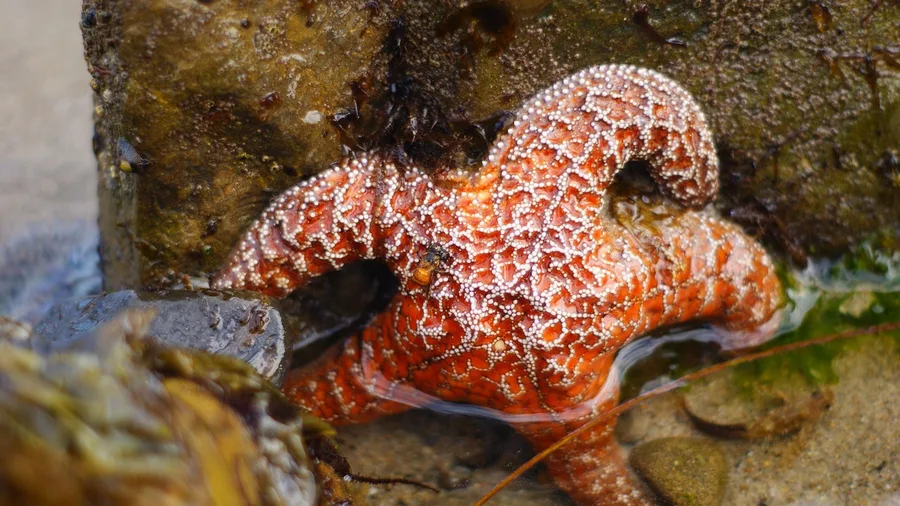
Go to Cannon Beach in April, May or September, not July. That is the verdict, and the reason is that the locals have already made it for you.
The summer version of this Oregon beach is kiosk traffic and a full lot; the off-season version is an empty strand and the tidepool walk that residents actually plan their week around. A tidepool volunteer on the beach sums up the split: April and September low tides open the pools, and July is kiosk traffic. So this one suits off-season walkers and anyone who will build a morning around a tide table, and it genuinely does not suit a summer-only sun seeker, who gets the crowds and the wrong appointment. The pools are only open at low tide; miss it and you are just walking on wet rock.
Parking runs $0 to $10 a day depending on which lot you use, and entry is free either way, so the whole cost question is simpler than the famous beaches on this list. Check the tide table first, then the calendar. If your dates are fixed in July, this is the honest skip.
🌊 How to Plan a Beach Day Around the Tide
Check the tide table
Look up high and low tide for your date before you pick the beach.
Match the beach to the water
High tide for Nungwi's swim; low tide for Cannon Beach's pools.
Set the arrival window
Aim for the hour the locals use, not the hour the buses arrive.
Confirm parking and ferry times
Check meters, lots and the Koh Kradan ferry schedule.
Pack for the access
Grip shoes for the Marinha cliff path and a tide chart for the coast walk.
10. Siesta Key, Florida: Sunset Sand
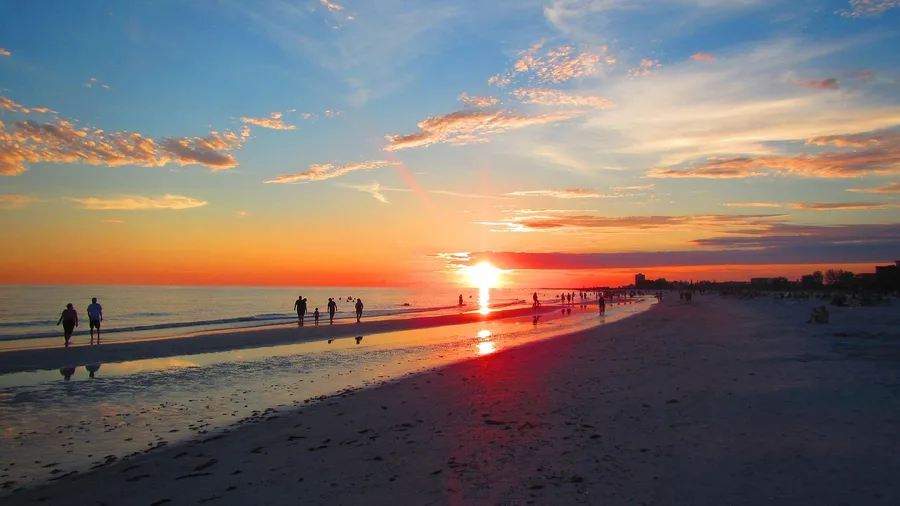
About $5 an hour buys you the sand at Siesta Key, and the meter is the reason to arrive late rather than early. The eight miles of quartz sand here are free to walk onto any time, but the locals treat the evening as the appointment, not the middle of the day.
The routine is a sunset walk and bare feet in sand that stays cool after four in the afternoon. A regular and a lifeguard put it plainly: after four the sand cools, so clear out before the dinner parking squeeze. That single sentence tells you the whole shape of a good visit here — come when the light drops, leave before the restaurants empty their lots and the rate starts ticking against you.
Best window is May and September, when the water and air line up and the evening stays warm without the peak-summer wall of umbrellas. In any month the busiest hours are 10 a.m. to 4 p.m., which is exactly when a midday crowd avoider would be paying $5 an hour to stand shoulder to shoulder. If you want the beach to yourself, the sunset is not a consolation prize — it is the whole point.
The honest fit: this one suits sunset chasers and people who came for the sand underfoot rather than a swim. It does not suit anyone who plans to plant a chair at noon and hold it. A short late visit at $5 an hour costs a fraction of a full day's meter, so the cheaper trip and the quieter trip are the same trip.
Watch the clock and the lot. Set a reminder for when your paid time runs out, because the dinner-hour squeeze is real and the walk back to the car is longer than it looks with the light going. The nature here is the sand and the sky doing their evening thing — go for that, not for a midday sunbake.
Sandbridge and Siesta Key: Two Quiet-Sand Picks
🌊 Water
Calm Gulf vs. Atlantic surf
🅿️ Parking
$10/day vs. $5/hour
👨👩👧 Best for
Families vs. sunset walkers
🕒 Quietest
Early morning vs. after 4 p.m.
📅 Season
Jun-Sep vs. May & Sep
Pick by cost
An hour at Siesta Key costs less than a day at Sandbridge, but only if you go for the sunset.
11. Kitsilano Beach, Vancouver: Summer Swim
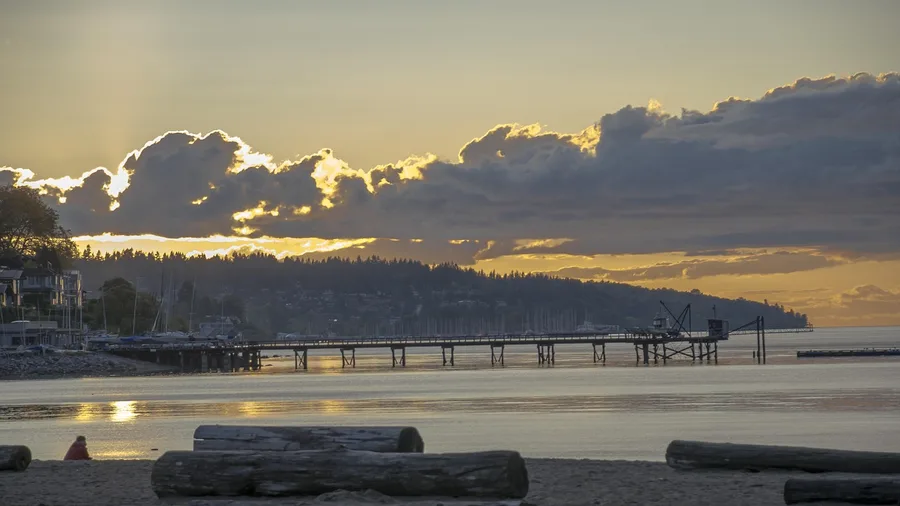
They swim, but only in a two-month window, and the parking runs about $4 an hour while entry costs nothing at all. That is the free win on this list – no ticket, no ferry, no trailhead fee – with the catch that the season is brutally short.
July and August are the months the water stops being a shock and starts being a swim, slow and green with the mountains sitting across the inlet as you go in. The routine is a summer swim and a picnic on the grass behind the sand, and the same weekly swimmer who does it every year says exactly that: summer is when the harbour reads as a swim rather than an endurance test. Come July and the sand is full; come November it is a windswept walk. Suits city-beach swimmers and picnickers who can hit the window, not anyone chasing a winter dip – and at $4 an hour, keep the visit to the length of a swim and a sandwich.
Avoid These Mistakes
12. Waihi Beach, New Zealand: Coast Walk
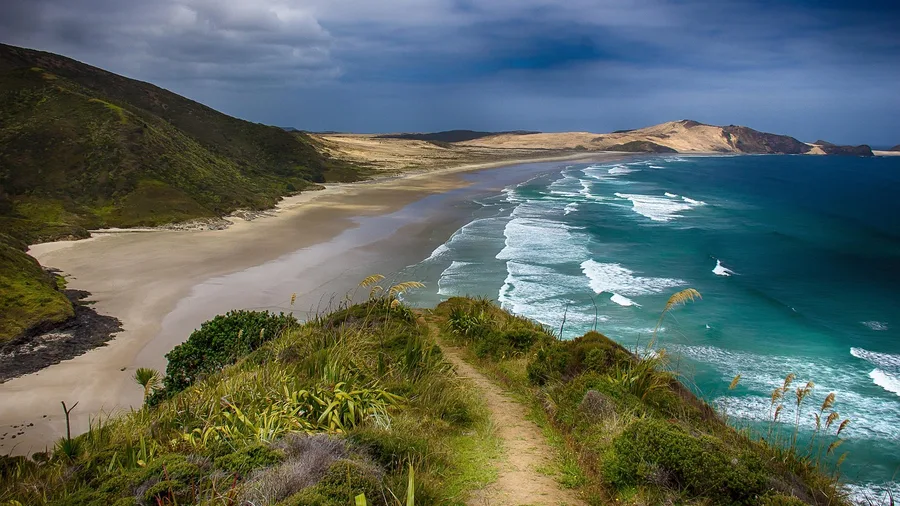
Where a city swim asks for a parking fee and a two-month window, this one asks for your legs: free trailhead parking, a coast path, and the willingness to walk past the first headland. That trade is the whole entry. Kitsilano charges by the hour; Waihi charges in effort, and the effort is what keeps the crowds off.
When the main beach fills in the New Zealand summer, locals do not fight for a patch of sand. They walk the coast track to Orokawa Bay, and past the first point the beach goes quiet in a way the main strip never does. A local tramper who walks it regularly says as much: once you are around that headland, Orokawa stays empty even on a day when the car park behind you is stacked with towels and chilly bins.
The walk itself is the filter, and it is not nothing. It climbs, it follows an exposed stretch of coast, and it wants a reasonable level of fitness and a check of the tide before you set out – the track and the bays below it behave differently at high water. December through February is the window, the southern summer, when the days are long and the swimming at the far end is worth the sweat.
This is the honest reservation: it suits walkers and anyone chasing a quiet beach badly enough to earn it, and it will punish anyone who cannot hike or who expected to park beside the sand. Free parking is simple; the walk and the tide are the access conditions, and they are not small ones.
If you have the afternoon and the legs, go. If you have a stroller, a bad knee, or a tight tide window, stay on the main beach and enjoy it – there is no shame in that, and the coast will still be there next summer.
Frequently Asked Questions
Do you need to pay to enter any of these beaches?
No. Every beach on this list is free to enter. The costs are parking (about $4 to $10, or per hour at Bondi and Siesta Key) and the Koh Kradan ferry at roughly $20 round trip.
When is the best time to visit Bondi Beach if you want to avoid crowds?
Before 7 a.m. The beach is a local swim spot until then, and the tour buses arrive around 10 a.m. and stay until about 4 p.m. Parking is about $8 an hour, so the early slot saves you money too.
Why does the tide matter at Nungwi and Tunnels?
Nungwi changes completely between high and low tide, with deep water only at high tide. Tunnels is a calm snorkel spot in summer but a shorebreak in winter swell, so check both the tide and the surf before you go.
Which of these beaches is best for families?
Sandbridge in Virginia is the family pick, with quieter sand and space away from the resort strip. Parking is about $10 a day, so arrive early. Kitsilano in July and August also works for a city beach day.
Can you visit Koh Kradan without booking a ferry?
You can usually turn up, but the ferry is the main access cost at about $20 round trip, and weekends fill with day-trippers. Book a weekday and check the ferry schedule before you plan the day.
Is Cannon Beach worth visiting outside summer?
Yes, if you want the tidepools. April, May and September low tides open the pools, and July brings kiosk traffic. Parking varies from $0 to $10 a day depending on the lot.
Match Your Month and Routine to One Beach
Start with your travel month, then the routine you want to join. December to February points to Waihi's coast walk or Playa Hermosa's dawn surf; May or June to Punta Paloma's wind or Praia da Marinha's clifftop; July or August to Kitsilano's swim or Sandbridge's family sand; September to Cannon Beach's tidepools or Siesta Key's sunset; October to March, early morning, to Bondi's swim.
The trade-off is explicit: crowd avoidance costs access simplicity or season. Bondi's dawn swim dodges the 10 a.m. to 4 p.m. crowd but parking is $8 an hour; Koh Kradan needs a weekday and a $20 round-trip ferry; Cannon Beach is quiet in April, May or September, not summer.
Bondi, Siesta Key and Koh Kradan can all be right, but only for different months, routines and access tolerances. Before you book, check the local tide table and the parking or ferry schedule. The best beach is the one whose routine, season and access line up, not the most famous name on the list.
Pick your beach, then check the tide
Choose the one that matches your month and your tolerance for crowds, then confirm the tide table and parking or ferry times before you book.