
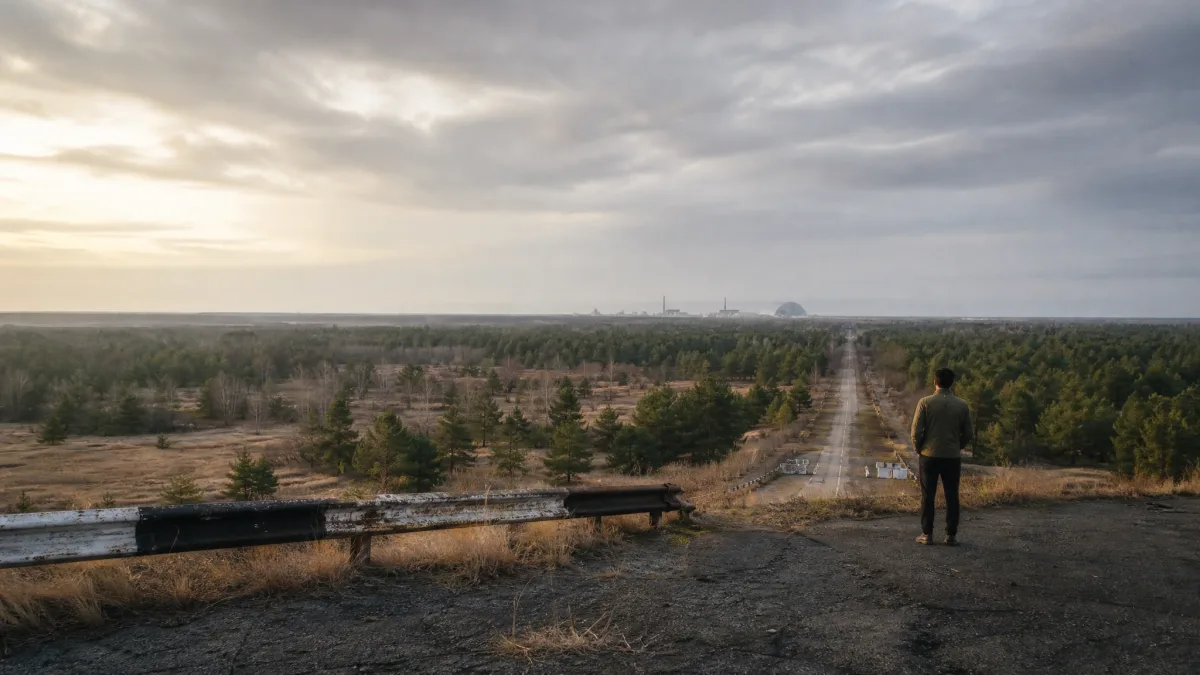
Most people take the day tour, ride the route out of Kyiv and back, and leave believing the zone is an empty museum with a dosimeter on the door.
The checkpoint at Dytiatky sits on the main road north, about two hours from the city, and Chernobyl town, roughly 90 km up from Kyiv, is where the zone keeps its offices and beds.
News and drama frame it as one dead city, Pripyat, though Pripyat lies about 3 km from the reactor and is walked on official guided routes, not lived in.
The people who actually stay are older self-settlers in scattered village houses, while soldiers, guides and rotating staff pass through as work.
So the zone is a small, aging population plus a shifting workforce, not a town anyone tours; go with an operator for context, treat a resident's home as private, and check current access and residency rules with Ukraine's State Agency on Exclusion Zone Management.
Chernobyl Zone Quick Planning Guide
The zone's permanent residents are aging returnees
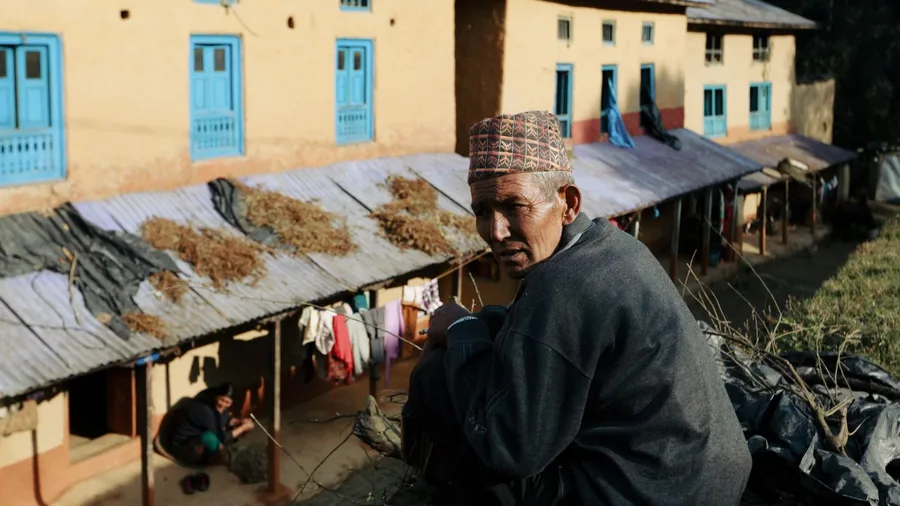
The permanent population is small, private, and old: older self-settlers in scattered village houses, not residents of a town. The zone's census is mostly men and women past retirement age living alone or in pairs.
Set them apart from everyone else you will pass. Soldiers at the checkpoints, guides, maintenance crews, and rotating shift workers all enter for work and leave again; the self-settler stays, in a house that has been in the family for decades.
Those houses stand in villages across the zone, not in Pripyat. Pripyat, the abandoned city about 3 km from the reactor, is visited on official guided routes and is not inhabited – no one lives among its apartment blocks.
There is no reliable fixed figure to quote, and any number you read is a snapshot. Health, mobility, and the seasons change who is still there year to year, so treat current details as something to check with official sources or reputable local reporting, not a statistic to memorize.
This is the framing to hold onto: not a community in the town sense, not an attraction with residents on display, but a small, aging, private population whose houses are homes first. A tour route passes the zone; it does not pass through their front doors.
Returning was a decision about home, not defiance
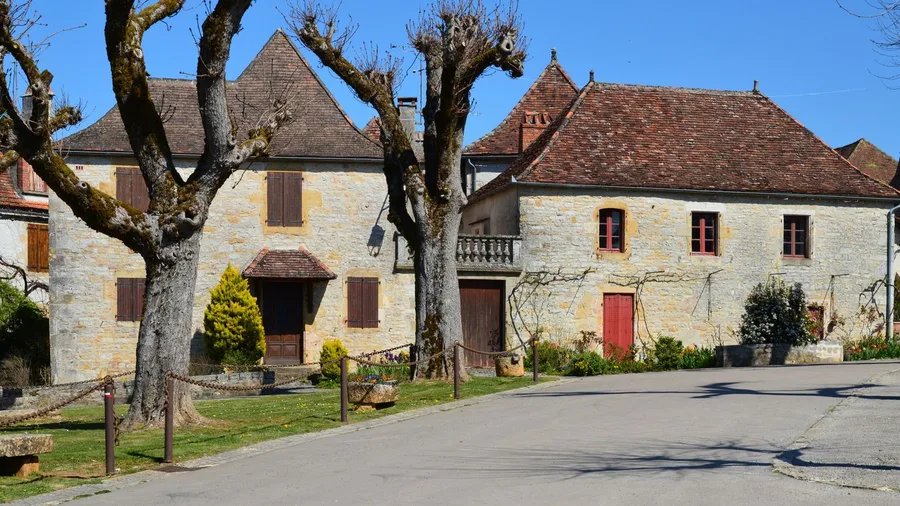
People went back for the house, the plot, the graves, and the neighbors – a decision about home, not a gesture against anyone. Read it that way and the return stops looking heroic or reckless and starts looking practical.
You can see the logic in the household itself: a family house kept in the family name, a garden plot that still feeds the table, family graves within walking distance, and familiar faces next door. The core of the property was the known ground, and the known ground was the reason to stay.
The counterweight is real and should not be smoothed over. Some returnees later leave, or reach a point where outside care is the only workable option; return is a choice some make and some abandon, not a permanent condition or a universal one.
Calling these people heroes flattens the decision; calling them fools does the same. It is a claim on a specific place, weighed against specific costs – independence and the old routines on one side, isolation and risk on the other – and the people who made it are the only ones entitled to settle the balance.
Daily life runs on routine, not constant fear
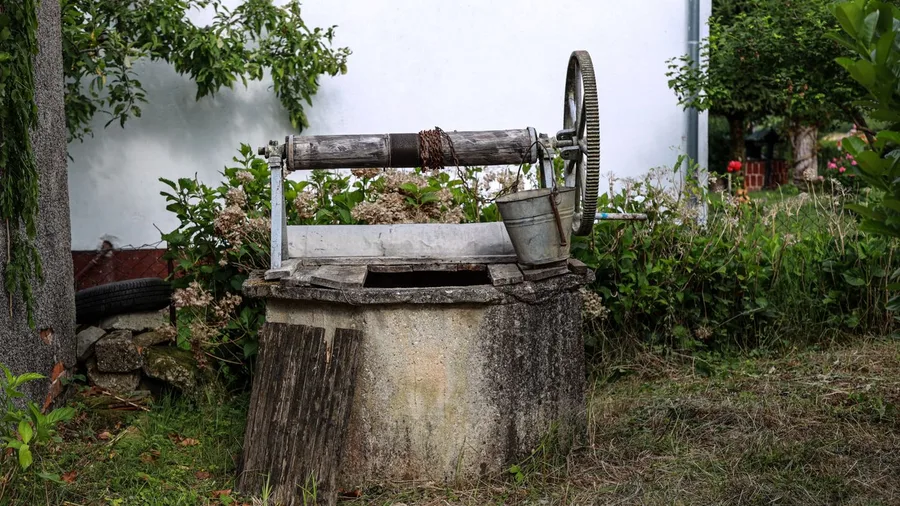
An ordinary day there is chores and seasons: heating and cooking, water hauled from a well or delivered, and a garden plot that sets the calendar. The morning is organized by what needs doing, not by what might happen.
Social life is thin and close at the same time. Contact comes from neighbors, zone workers passing through, pets, and a radio or phone, rather than from shops and streets full of people; there is no dense town life to fall back on, as in living off-grid in the Arctic Circle.
The chronic worries are the practical ones – health care, isolation, winter cold, and transport when the roads or a vehicle fail – not movie-style sudden danger. Those four concerns shape daily planning more than radiation does.
Radiation is a background condition stitched into the routine, handled by habit rather than constant anxiety. Staying off certain ground, keeping dust down, following the rules: maintenance, not drama, and the day is measured in errands and the change of seasons.
⚠️ COMMON MISTAKE
Don't confuse residents with workers
The people you see in Chernobyl town's canteens and checkpoints are usually rotating workers on shift, not self-settlers. Treating every person in a uniform as a resident misreads the zone.
Supplies and medical care rely on a support network

Nothing about the daily routine holds up alone without the money and transport that arrive from outside. Pensions are the main income in these houses.
A pension is a fixed sum paid on a schedule, and it does not grow with the garden. Where it falls short, relatives outside the zone and neighbors who already know the household fill the gap, sometimes with cash, more often with a bag of goods carried in on a visit. The shop in Chernobyl town, about 90 km north of Kyiv and the administrative and lodging base inside the zone, carries the staples; the rest comes in with workers, relatives, or the same delivery runs that serve the checkpoints.
The nearest hospital and pharmacy sit outside the zone.
That single fact sets the shape of the week. A prescription refill or a bad chest is not a walk to the corner but a ride out past Dytiatky, roughly two hours to the city when the road is clear, and the difference between a manageable errand and an emergency is whether a car and a driver are available that day. This is the detail a visitor never sees on a fixed route and never should: the errand is private, and the transport is what makes the house livable.
It follows that this life rewards the person with a local house and a network already in place. Someone imagining self-sufficiency in the forest has the arrangement backwards; the support network is the condition of staying, not a luxury on top of it.
Living there requires official permission, not a tour ticket
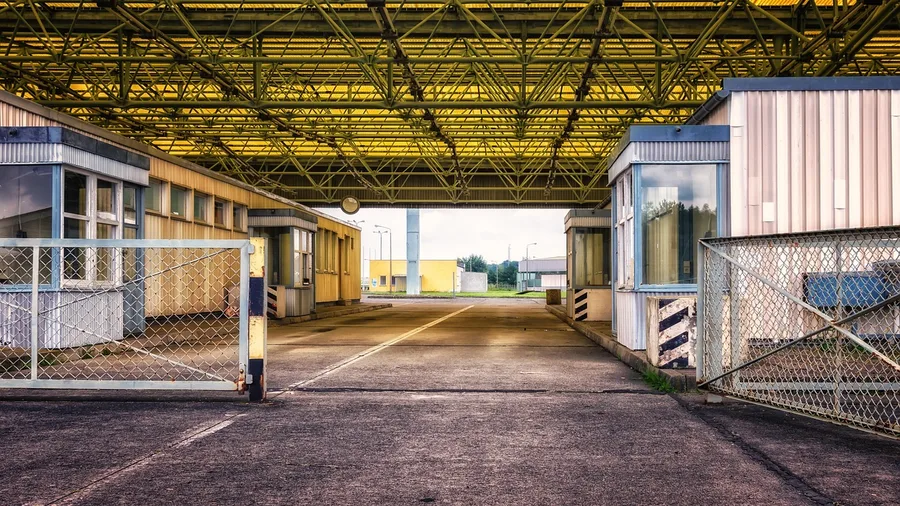
Living in the zone is a permissions matter before it is a lifestyle choice, and no tour ticket grants it. Residency and long stays fall under the zone administration, not under an operator's booking page.
The mechanics are checkpoints and registration. Dytiatky, on the main road north from Kyiv, is the usual entry point and is typically reached in about two hours; passing it is a formal process, not a formality, and the paperwork attached to a day visit is a different category of paperwork from a residence permit. Overnight stays and nonstandard routes must be arranged through official operators, and the access rules change often enough that last season's blog post is not a source. Check the current rules rather than assuming them from tourism marketing.
The official source is Ukraine's State Agency on Exclusion Zone Management.
Radiation limits, curfews, and the criteria for residency are all official-rule matters. They are set, published, and revised by the agency, and they cannot be inferred from what a guide mentions on the bus or what a tour itinerary happens to include. If you are serious about a long stay, that agency is where the conversation starts; if you are booking a day visit, an official operator handles your route, and the residency question stays a separate one you would raise with the agency yourself.
Chernobyl: Myth vs. Fact
Radiation is a measured condition, not a visible emergency
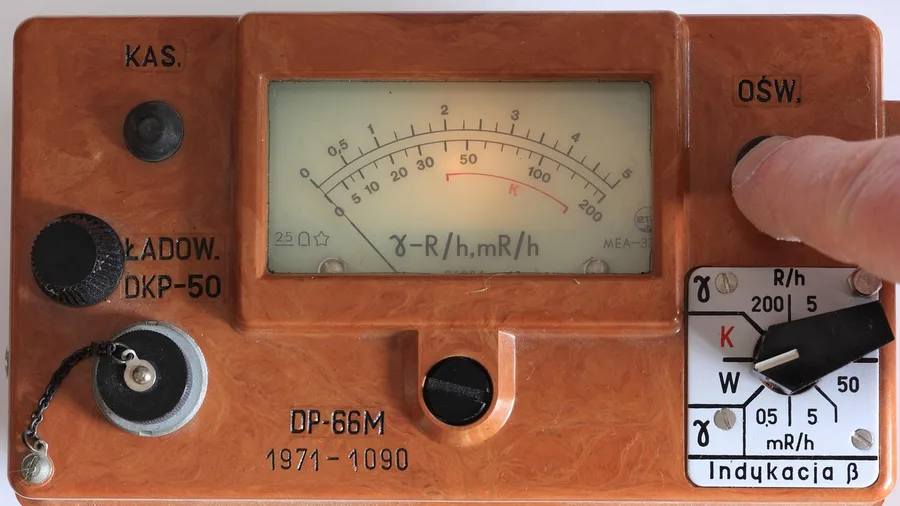
Radiation in the zone is a reading on an instrument, not something you can see, smell, or feel, and no single safe-or-unsafe number covers it. The zone is monitored with dosimeters and mapped for known hot spots.
Monitoring is built into the visit itself. Checkpoints and guided routes include it as part of the process, which is the practical answer to the question of danger: the numbers are taken, they are known, and the route is shaped around them. For current readings, official monitoring data is the source, not a figure repeated secondhand. Anyone who quotes you one blanket number is simplifying something that is measured place by place.
What that means on the ground is unglamorous. The risks that matter are dust, soil, and forest, and the habit that answers them is staying on the paths, much as surviving the coldest inhabited place demands, and not kneeling in the moss for a photograph.
Residents are neither doomed nor immune; they live with a measured condition, with rules and hot spots, the way anyone lives with a known local hazard. The avoidance is routine, not dramatic, and the routine is what a visitor should copy while on the route rather than improvise around.
🚌 What a Standard Day Visit Looks Like
Early departure from Kyiv
Leave the city before dawn to reach the checkpoint on time.
Checkpoint formalities at Dytiatky
Show your documents and pass through registration; this can take time.
Guided route through the zone
Follow a fixed itinerary that may include Chernobyl town, Pripyat, and the reactor memorial.
Monitoring and safety briefing
The guide checks radiation levels and explains where to walk and what to avoid.
Return to Kyiv same evening
You are back in the city by nightfall, without entering any private homes.
A tour shows monuments, not residents' private homes
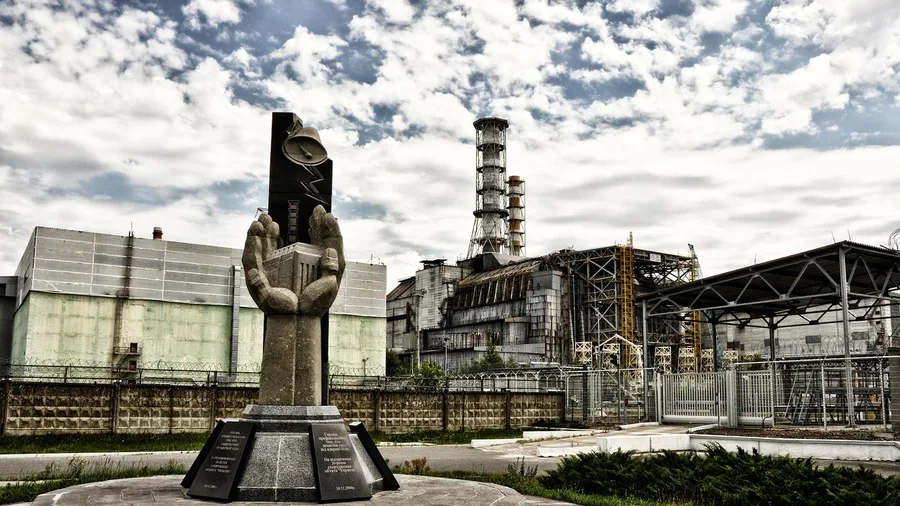
The route stays on the road, and the people you meet along it are mostly not the ones who live here. A standard official visit leaves Kyiv before dawn, clears checkpoint formalities, follows a fixed loop and returns the same evening. You are seeing the zone at its most scripted.
The stops are monuments, the reactor site and the empty streets of Pripyat, a city about 3 km from the reactor that no one inhabits and that appears on the itinerary exactly as the tour describes it. What the route will not do is open a self-settler's front door.
Meeting residents is not part of the package and should not be the reason you book. A ticket buys supervised context, not an introduction to anyone's kitchen table. Guides cannot promise a visit and do not.
If a resident is working in a garden by the road, the rules are ordinary ones: ask before you raise a camera, and never walk through a gate you were not invited through. A house here is a house first.
Visitor Etiquette: Do vs. Don't
Do
- Stay on marked paths and follow the guide's instructions.
- Ask before taking photos of people or their homes.
- Carry your documents and register at the checkpoint.
- Pack water, snacks, and sturdy shoes for a long day.
Don't
- Enter a private house or garden, even if the gate is open.
- Wander off the route to explore abandoned buildings.
- Offer money or gifts to residents without asking.
- Treat the zone as a theme park or a photo backdrop.
The people a visitor meets are usually rotating workers

The people you will reliably meet are on a shift, not at home.
Guides walk the route with you. Checkpoint staff check papers at Dytiatky. Maintenance crews fix what breaks and decommissioning workers keep the reactor site running. All of them rotate in and out, and their presence is work, not family life. The canteens and facilities of Chernobyl town, about 90 km north of Kyiv, feed those workers and the odd visitor; a busy lunch queue is not a town population.
The reactor site and its maintenance are the zone's main organized activity, and that work sets the schedule for everything else you will notice. Canteens open around it. Checkpoints staff up around it. Routes are timed around it.
This is where a common misreading starts. A visitor who chats with a guide or a guard and comes away thinking they have met the zone's residents has confused two very different lives. One group is on shift and going home at the end of it. The other is at home in a village house, and the tour does not cross that threshold.
The Zone's Role Today — At a Glance
🏭 Main activity
Reactor safety and decommissioning
🏚️ Pripyat
Abandoned city, visited by tour only
🛠️ Workforce
Rotating shifts, not residents
📋 Residency
Not open for relocation
Future
The zone is becoming a workplace and memorial, not a rebuilt town.
The zone is becoming a workplace and memorial
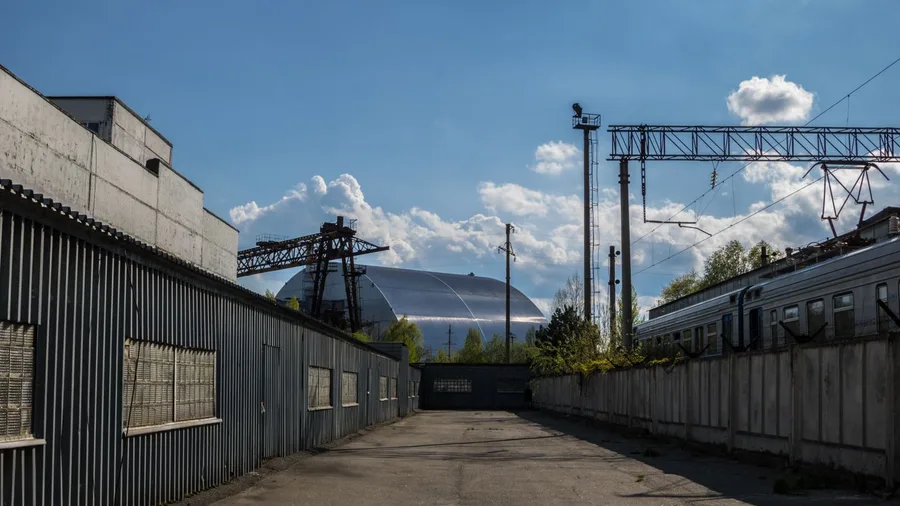
Take an ordinary town out of the picture. The zone's official life now runs on reactor safety, decommissioning and memorial visits, with canteens and schedules built around shift work rather than family life. That is the direction of the place, and nothing in it suggests a revival.
Pripyat is not being repopulated. Its streets stay empty at roughly 3 km from the reactor, and visitors see them on supervised paths, not as a place anyone is moving back into. No one is clearing plots for newcomers.
For anyone thinking about living here, that means the zone is not becoming an ordinary town again. Residents who remain are the last of a settlement pattern, not the start of a new one, and the work around them is safety and remembrance.
Treat any reopening date you read online as speculation, not a plan. The current official priorities are contained safety work and commemoration, and those are the things the future of this ground is actually being built on.
💡 PRO TIP
The one check to make before booking
Confirm current access rules directly with Ukraine's State Agency on Exclusion Zone Management. Tour operators can change routes or pause visits, and only official guidance is reliable.
Long-term moves go through officials, not tour guides
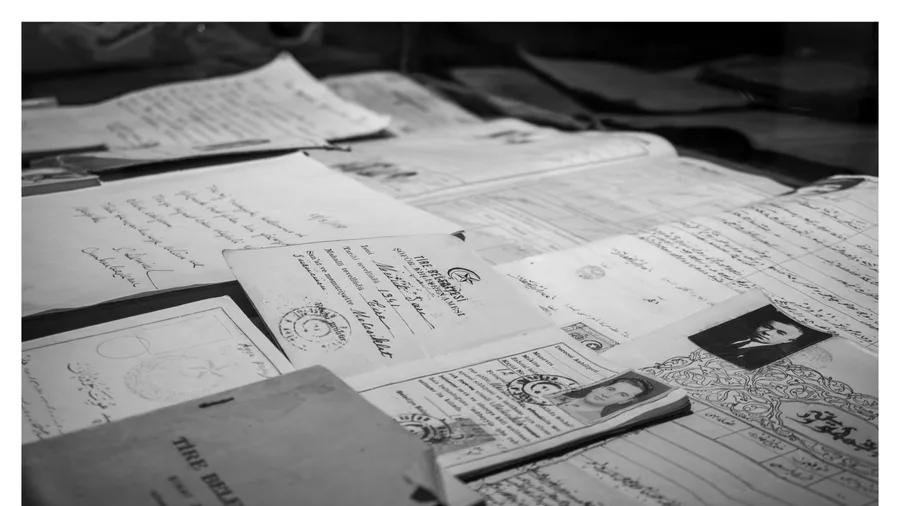
A long stay inside the zone is an administrative decision, so the first call is to Ukraine's State Agency on Exclusion Zone Management, not to a tour desk. That agency holds the residency criteria, the permit process, and the current access rules, and it is the only place where a plan gets a real answer.
A day tour and a legal long stay are different things, and mixing them up is where people go wrong. A guided visit buys you a fixed route, a few hours, and a seat back to Kyiv the same evening; it does not buy you a bed, a permit, or a claim on a village house.
Nor is the zone open for relocation in any informal sense. Entry outside official routes is illegal, not adventurous, and it is handled as such at the checkpoints.
What an official visit does give you is context: the checkpoint at Dytiatky, the scale of the empty villages, the drive out through forest to Chernobyl town, and a clear look at how the place actually runs. That is worth having before you make any plan, and it is often where the plan ends. You see the distance, the winter, the nearest pharmacy outside the zone, and you decide whether the idea survives contact with the ground.
One line stays fixed through all of it. Self-settlers' homes are private houses where people live, not stops on a route, and no permit gives a visitor the right to turn one into an exhibit.
So verify before you commit. The respectful move is a supervised visit through an official operator, with residency rules confirmed with the State Agency on paper and in advance, rather than a relocation dream built on a documentary and a free afternoon.
Frequently Asked Questions
Can I just show up and enter the Exclusion Zone?
No. You need to go through official checkpoints and registration, typically as part of a guided tour or with prior permission. Access rules change, so confirm with the State Agency on Exclusion Zone Management before you travel.
Will I meet self-settlers on a standard tour?
Not guaranteed, and it should not be the goal. Tours focus on Pripyat, the reactor, and memorials. If you do encounter a resident, ask before photographing and never enter a home uninvited.
How dangerous is a visit to Chernobyl?
The zone is monitored and guided routes avoid hot spots. Follow your guide, stay on paths, and avoid disturbing soil or dust. Official monitoring data is the source for current readings, not internet rumors.
Can I stay overnight in the zone?
Overnight stays must be arranged through official operators and are subject to current rules. Most visits are day trips from Kyiv, returning the same evening.
Is it legal to live in the Exclusion Zone?
Residency and long stays are governed by the zone administration, not by tour operators. The self-settlers who remain did so under specific conditions. Anyone considering a long stay must contact the State Agency on Exclusion Zone Management.
What should I bring for a day visit?
Bring your passport, comfortable closed shoes, water, and snacks. A small backpack is fine, but avoid bringing items you might leave behind. Check with your operator for any specific restrictions.
The zone is a home, a workplace, and a memorial — treat it as all three
If context is what you want, book a route through an official operator and follow every rule on it; the homes of self-settlers are private property, not stops, and a camera pointed at a garden gate crosses a line that a Geiger counter never will. Before any plan is made, get current access and residency rules confirmed by Ukraine's State Agency on Exclusion Zone Management.
That road north from Kyiv through Dytiatky is where you come in, two hours of ordinary highway before the checkpoint, and it is where the trip takes you back out the same evening.
The zone can be seen as a workplace and a memorial, but the home inside it stays just that: a house and a garden behind a fence, not an exhibit. Decide which of those you came for, and book accordingly.
Plan a respectful visit
Book through an official operator, check current rules with the State Agency, and remember that the zone is still someone's home.