
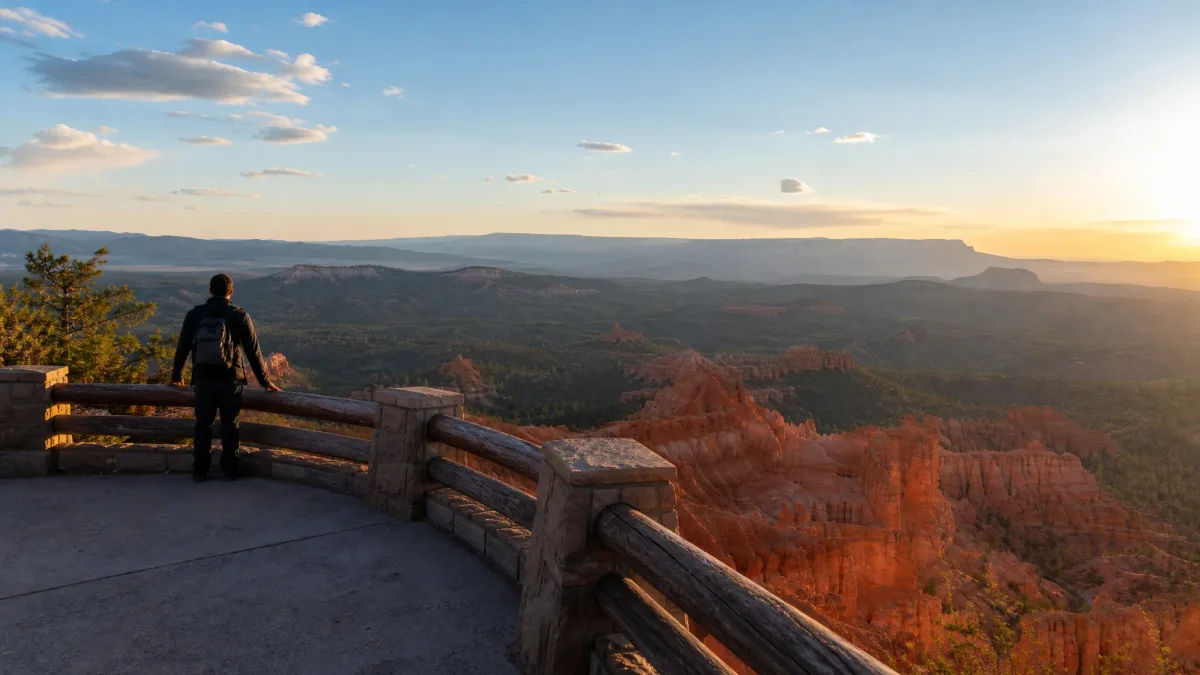
The biggest mistake is treating 25 famous names as 25 separate trips instead of choosing three or four that actually fit your days. Grand Canyon, Yellowstone, New York, Maui: they all compete for one 3 to 7 day window, and the instinct is that more names make a better trip.
Fame hides fit. Round-trip airfare to major hubs runs $250 to $450, a rental car $45 to $70 a day, park entrance $30 to $35, city hotels $180 to $320 a night against $120 to $240 for a park lodge, museum admission $20 to $35, theme parks $100 to $150 a day.
So every place on this shortlist has to answer four questions: how many days, which season, what it costs, and whether you want city energy or park scenery. A photo is not an answer.
By the end you should be choosing a rim, a side, a base or a hub; a 1 to 2, 2 to 3, 3 to 5, or 4 to 6 day shape; and a spring-to-fall or summer slot. First move, before any flight: check official park sites for timed-entry rules.
These 25 earn their rank on what they deliver per day, when they work best, and whether they suit city energy or national-park scenery. Pick from them. Don't collect them.
Quick Tips Before You Start
Book park lodges early
Yellowstone and Yosemite lodges sell out 6 to 12 months ahead; set a calendar reminder.
Rent a car for parks
Most national parks have no public transit; budget $45 to $70 per day for a rental.
Check free days
Smithsonian museums in D.C. are free daily; some city museums have free evenings.
Avoid peak summer weekends
Spring and fall mean fewer crowds and better hotel availability at most parks.
Download offline maps
Cell service drops in canyons and mountains; save maps before you drive in.
1. Watch the Light Change at Grand Canyon South Rim
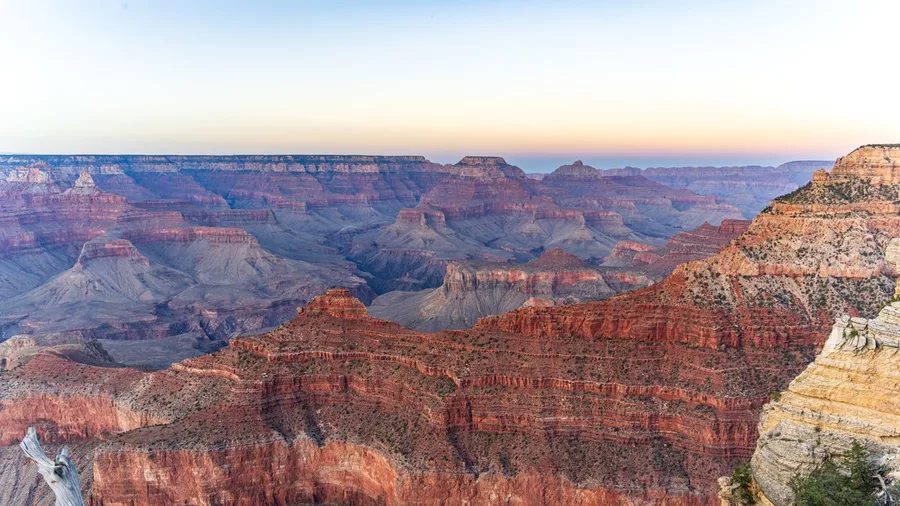
You notice the cold first, then the quiet – a dozen strangers scattered along the rail at Mather Point, breath fogging in the dark, waiting for a canyon that is still just a shape below. Then the light does its thing: the far wall goes from brown to rust to a burning orange, and nobody says a word for about ten minutes.
The South Rim is the busy one for good reason. Wide classic views, shuttle buses, more food and lodging than the North Rim offers. Sunrise at Mather Point or Hopi Point, then walk part of the Rim Trail and let the shuttle carry you back. Entry runs about $30 per vehicle for seven days, and this is the rim to pick for a short first trip with services. Budget 2-3 days before you add a Bright Angel Trail hike. The North Rim sits higher and quieter; it is seasonal, so check access on NPS.gov before you commit.
💡 Tip: Park at the visitor center and use the shuttle; parking at overlooks fills by mid-morning.
| Place | Region | Best season | Ideal stay | Signature experience |
|---|---|---|---|---|
| Grand Canyon | Arizona | Spring/Fall | 2–3 days | Rim Trail sunrise |
| Yellowstone | Wyoming | Summer | 3–4 days | Old Faithful & Grand Prismatic |
| New York City | New York | Spring/Fall | 3–5 days | Museums & Broadway |
| Boston | Massachusetts | Summer/Fall | 2–3 days | Freedom Trail walk |
| Washington, D.C. | D.C. | Spring/Fall | 2–3 days | Smithsonian museums |
| Acadia | Maine | Summer/Fall | 2–4 days | Cadillac Mountain sunrise |
| Niagara Falls | New York | Summer | 1–2 days | Maid of the Mist boat |
| New Orleans | Louisiana | Spring/Fall | 3–4 days | Frenchmen Street music |
| Charleston | South Carolina | Spring/Fall | 3–4 days | King Street & Battery walk |
| Nashville | Tennessee | Spring/Fall | 3–4 days | Broadway honky-tonks |
| Great Smoky Mountains | Tennessee/North Carolina | Fall | 3–5 days | Cades Cove loop |
| Miami Beach | Florida | Winter/Spring | 3–4 days | Art Deco district walk |
| Orlando | Florida | Spring/Fall | 4–6 days | Theme parks |
| Chicago | Illinois | Summer | 3 days | Architecture boat tour |
| Badlands | South Dakota | Spring/Fall | 1–2 days | Loop Road drive |
| Sedona | Arizona | Spring/Fall | 2–4 days | Cathedral Rock hike |
| Zion | Utah | Spring/Fall | 2–4 days | Angels Landing permit hike |
| Glacier | Montana | Summer | 3–5 days | Going-to-the-Sun Road |
| Yosemite | California | Summer/Fall | 3–5 days | Valley shuttle & waterfalls |
| San Francisco | California | Fall | 3–4 days | Golden Gate Bridge walk |
| Los Angeles | California | Spring/Fall | 3–5 days | Studio tour & beaches |
| San Diego | California | Summer | 3–5 days | San Diego Zoo & La Jolla |
| Seattle | Washington | Summer | 2–4 days | Pike Place & ferry |
| Maui | Hawaii | Spring/Fall | 5–7 days | Road to Hana & Haleakalā |
| Denali | Alaska | Summer | 5–7 days | Park bus tour |
2. See Old Faithful and Grand Prismatic in Yellowstone
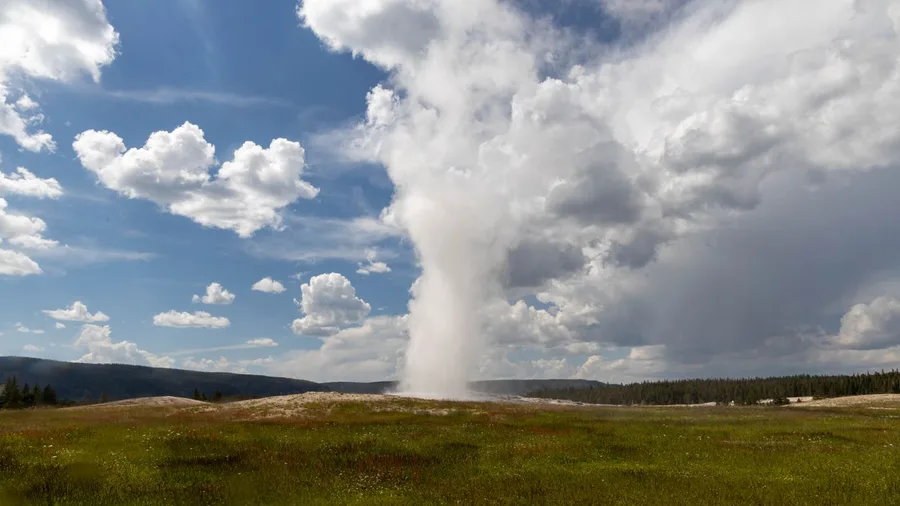
Fifty miles sounds modest – that is a full day of driving or more across the Grand Loop Road, and many people try to do it in one wearing rush. Entered from the wrong time of day, geyser country turns into a parking lot with bison.
Old Faithful and Grand Prismatic are the icons, and both want early or late light, not midday crowds. Grand Prismatic's overlook steams hardest when the air is cold; Old Faithful runs on its own clock roughly every 90 minutes, so walk over and check the posted prediction before staking a bench. Yellowstone costs $35 per vehicle for seven days, and timed-entry or vehicle reservation rules change often – check NPS.gov before you build the plan.
Plan 3-4 days to cover the loop at any sane pace, and give Lamar Valley a dawn or dusk slot if wildlife is why you came; it rewards early starts and delivers real herds rather than a lucky glimpse. Families do fine here, wildlife watchers do better. If your checklist has Yellowstone as a quick stop between two bigger drives, skip it – the park does not work that way.
3. Walk the Brooklyn Bridge at Sunrise in New York City
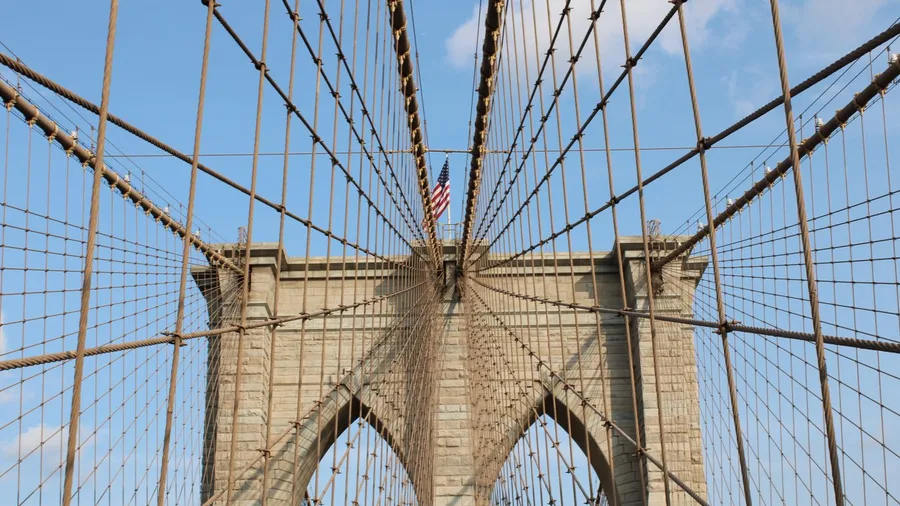
Walk the Brooklyn Bridge at sunrise. It is the photograph you will keep, and 6 a.m. is the only hour that hands it to you clean – the cables lit, the East River still, the wooden planks nearly empty before the tour groups and the pedicabs arrive around nine. Stand on the bridge side facing Manhattan, walk from the Brooklyn end toward the city, and turn back once for the shot everyone misses.
New York is not a place for a single stop. Five boroughs pack museums, neighborhoods and theater into a network of subways and blocks, and Manhattan alone can swallow a week. Pick one or two neighborhoods a day and ride the subway – in traffic a taxi is slower and pricier. Museum admission runs about $20-$35, and several have free or pay-what-you-can hours worth checking. With 3-5 days, sunrise bridge plus one neighborhood each afternoon is a shape that actually fits.
4. Follow the Freedom Trail Through Historic Boston
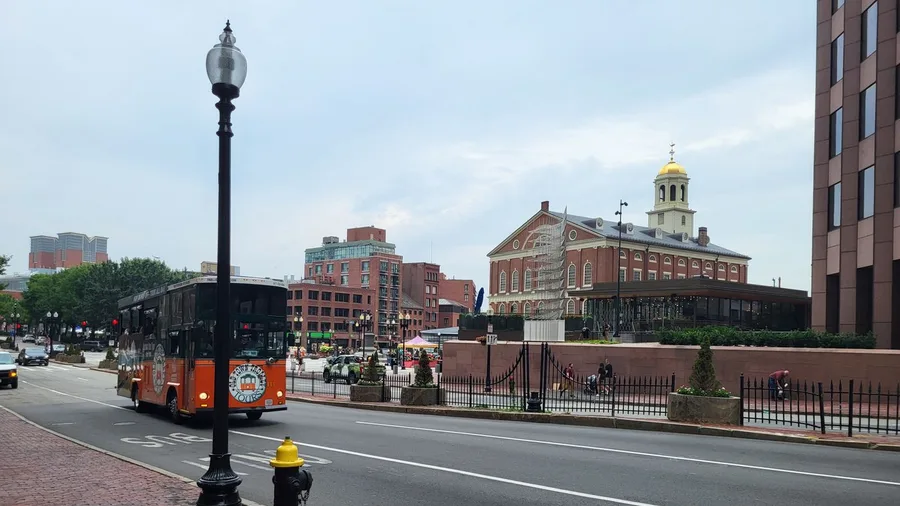
Boston is a history city you can cover on foot. The Freedom Trail is a painted line through the downtown core linking 16 historic sites, from Boston Common up through the North End and across to Charlestown.
Two to three days is the right shape for it, because the route itself is the plan. The day is short enough that the crowd at Faneuil Hall and the queue at the Paul Revere House never really break it. Walking the whole line takes roughly three hours without stopping; stopping is the point, so give it a day and let the rest of the trip fill in around the harbor and the neighborhoods. Break for chowder or a lobster roll, $20 to $35 for a casual lunch.
You do not need a car, and you should not rent one, because parking downtown is slow and expensive. If the weather turns, the Museum of Fine Arts is the indoor fallback at $20 to $35 admission; check current hours before you go, since they shift by season.
Before You Book That Park Trip
-
Check NPS.gov for timed-entry or reservation rules Some parks require vehicle reservations in peak season.
-
Book lodge or cabin 6–12 months ahead Yosemite and Yellowstone fill up fastest.
-
Confirm rental car availability Airport locations run $45–$70 per day.
-
Download offline maps Cell service is spotty in canyons and mountains.
-
Pack layers and sturdy shoes Weather swings widely even in summer.
5. Book a Capitol Tour and Walk the Mall in D.C.
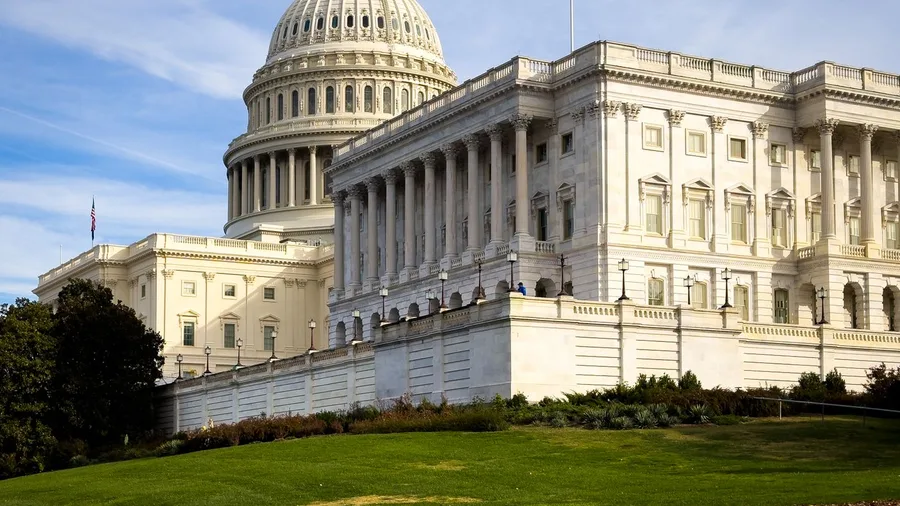
Washington, D.C.
The National Mall strings the Smithsonian museums and the monuments along one walkable strip, and the Smithsonian museums cost nothing to enter. That single fact changes the math of a city break: two museum days in Boston or New York buy you a week of them here, and the train or a walk between them is the transit.
Budgets one to two days for the Mall itself, and split them by hour. The monuments are best at sunrise, when the Lincoln Memorial steps are quiet and the reflecting pool still holds the light, or after dark, when the crowds thin and the marble glows. The museums fill the middle of the day.
Book the Capitol tour and any White House tour through their official websites, well ahead, because slots go early. Then use what you saved on admission for a good dinner, since the one real gap here is nightlife; this is a daytime and evening-monument city, not a bar city.
💡 Tip: The Smithsonian museums are free, but some special exhibitions require timed tickets.
6. Cycle the Carriage Roads of Acadia National Park
Before you plan around the bike loop, know that Cadillac Mountain's sunrise drive needs a reservation in season, and summer lodging in Bar Harbor books out months ahead.
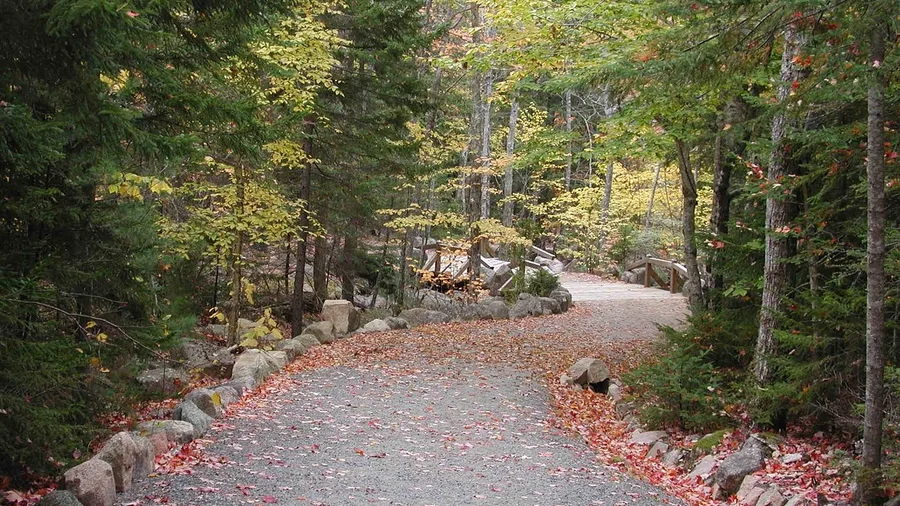
Acadia is the compact coastal park where the whole trip fits on two wheels: gravel carriage roads closed to cars, Park Loop Road for the drive, and the ocean running alongside. It costs $30 per vehicle for seven days; confirm reservations and rules on NPS.gov. Give it two to four days with a bike or a car for the loop, and book early. Peak season brings the crowds, so solitude is the trade-off.
7. Feel the Spray at Niagara Falls from Both Sides
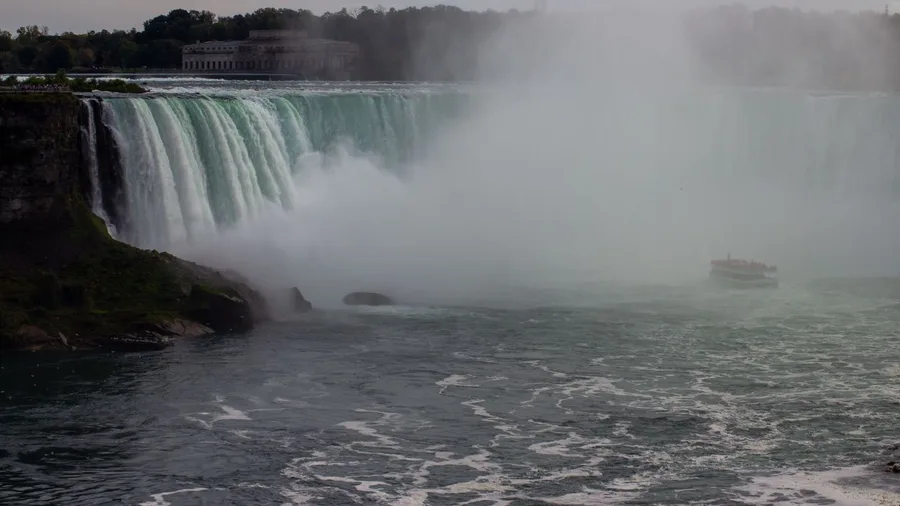
You hear it three blocks before you see it: a low, steady roar that sits under the traffic and the buskers, like a jet that never takes off. Then the mist hits your face, and the rail is wet, and everyone around you is shouting to be heard over water that is falling at a rate no photograph has ever managed to explain.
That roar has been the trip's draw since the railroads started bringing honeymooners here in the nineteenth century, and it is why Niagara is a 1-2 day stop rather than a week anchor. The U.S. side is walkable: park once, follow the state park paths along the gorge, and the American Falls and Bridal Veil Falls are a short stroll apart. The Canadian side has the better skyline views, the wide Horseshoe Falls framed in one sweep. A passport opens both, so check current border rules before you commit to a side.
The two things worth paying for are the ones that get you close. Maid of the Mist, the boat that has been running below the falls since 1846, is roughly $25-$30 per adult and takes you into the spray at the base of Horseshoe. Cave of the Winds puts you on wooden decks near Bridal Veil Falls, close enough that the water comes down like weather. Both leave you soaked; a cheap poncho or a change of clothes is not optional, and neither is arriving early, because the queues build through the morning.
Then there is the quieter half-hour that most people skip. Walk upstream along the gorge past the crowds, where the water smooths out and turns green, and you can hear the falls as a background hum instead of a wall of sound. That is the moment the scale lands: a river the size of a highway, dropping. Niagara earns its place as a quick, dramatic stop, and choosing one or two days, both sides if your passport allows, leaves you time to feel the spray rather than just photograph it from a distance.
⚠️ COMMON MISTAKE
Don't Underestimate Park Distances
Yellowstone's Grand Loop Road is over 140 miles; Zion and Yosemite require shuttle buses in peak season. Plan your days around driving and shuttle times, not just trail miles.
8. Hear Live Music on Frenchmen Street in New Orleans
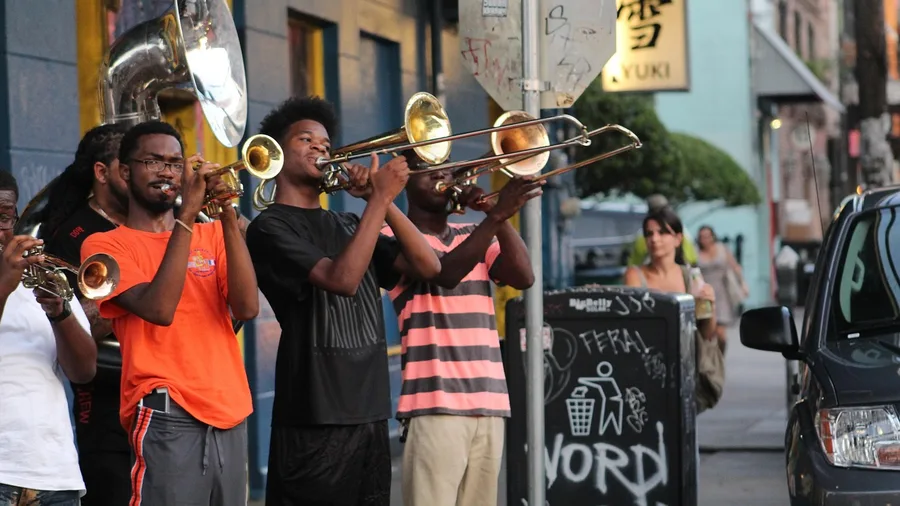
You have already paid for the spectacle and gotten wet; the next stop asks for nothing but an evening and an appetite. New Orleans rewards nights and appetite, and its best music costs no more than the price of a drink. Frenchmen Street is where locals go for live jazz and brass bands, and the clubs along it charge no cover, just a one-drink minimum and a tip for the band. You walk in, the horns hit you in the chest, and you stay for three sets.
The rest of the trip fills out around that. The French Quarter is for architecture: the ironwork balconies, the shuttered windows, and the beignets at Cafe du Monde, expect a short line but worth the wait. Hotel rooms run $180-$280 a night, higher during festivals, so plan 3-4 days, block out the nights for music, and budget for a festival premium if your dates collide with one. It suits food and music lovers; a quiet family trip is a harder fit.
9. Tour a House Museum and Walk the Battery in Charleston
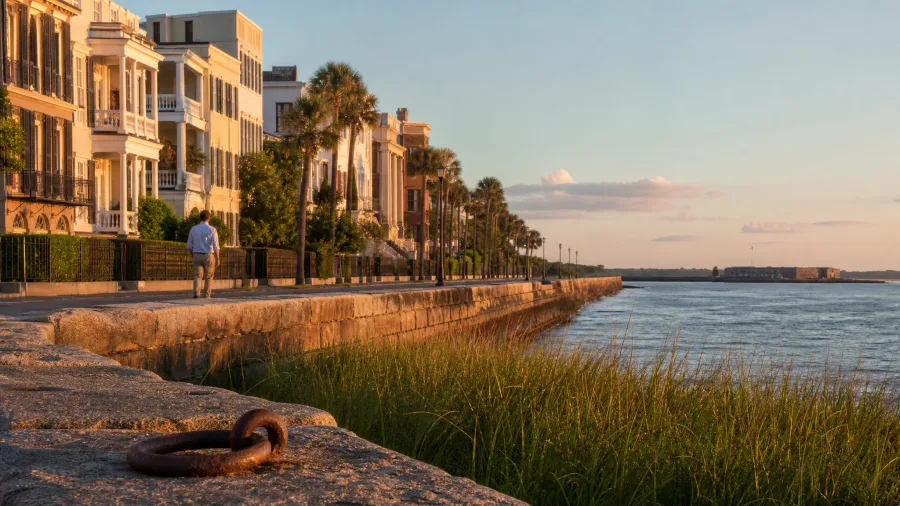
The air in Charleston in the late afternoon is warm and salt-tinged, carrying the smell of pluff mud from the harbor, and the light on the pastel houses along the Battery goes amber around six. That is when the historic district is at its best: live oaks draped over the street, a breeze coming off the water, and the day trippers thinning out.
The Core is a walking district, so leave the car and work King Street down to the Battery, then pick a house museum to tour. The Nathaniel Russell House and the Aiken-Rhett House are the two most established, and either gives you one story properly: the merchant families who built the city and the enslaved people who made their wealth possible, told in the rooms they lived in. It is a small, cheap, odd kind of stop, two rooms and a staircase, and it breaks up the beach-and-plantation circuit better than another gift shop.
Shrimp and grits at a casual spot runs $20-$30, and the food is half the reason to come. Plantations and beaches sit a short drive out, so rent a car for one day and see both. Charleston fits a 3-4 day long weekend well, especially for couples and food travelers, though budget backpackers will find the hotel rates and restaurant prices a squeeze.
10. Catch Free Live Music on Broadway in Nashville
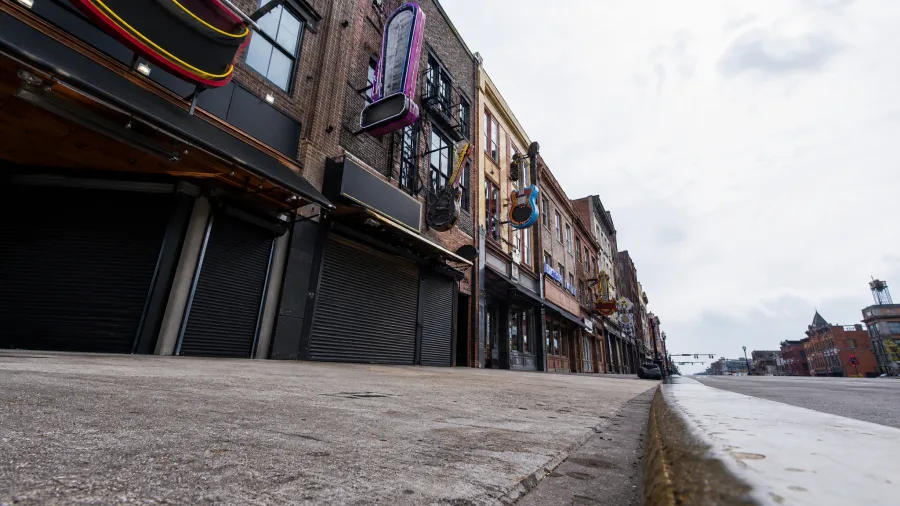
Free music starts at noon on Lower Broadway and runs past midnight, and the only thing you are expected to pay is the tip jar – a few dollars a set is the norm.
Nashville is not one genre in a bar. The honky-tonks fronting Broadway stack three floors of live bands, most with no cover, so you can walk in, hear a set, walk out and hear another. The hour matters here: come at 11 a.m. when the rooms are half full and the sound is clean, or after 9 p.m. when the street is shoulder to shoulder and the best players fill the highest floors. Mid-afternoon is the dead zone. The Country Music Hall of Fame costs $20-$35 and is the daytime anchor, best done before the bars pull you in, and a distillery or brewery tour is usually within 15 minutes of downtown – book one for the slack afternoon.
This is a night city wearing a daytime face, so build 3-4 days around music nights and one tour day. It suits music fans and groups out to celebrate and suits nobody hunting quiet. The parking and the bar tabs add up fast if you drive in – leave the car and walk the strip.
A Sample Week in the Smokies
Parking tags may be required; check NPS.gov before you go.
11. Skip the Entrance Fee at Great Smoky Mountains
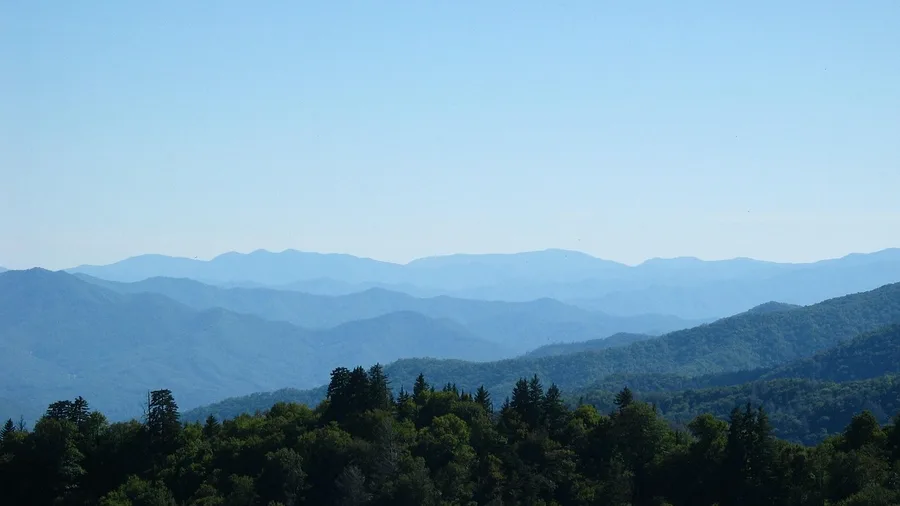
Nashville charges you at the door in tips and parking; the Smokies charge you in cars and a windscreen tag. There is no entrance fee, which is a rare thing for a western park, but parking tags can be required in some areas – check NPS.gov before you drive in. Beyond that, the cost is a gateway town: Gatlinburg and Pigeon Forge run $150-$250 a night in season, so book those beds early and aim for the dawn Cades Cove loop, where the deer are out and the loop is quiet. It suits hikers and families, and it will test anyone who hates traffic – give it 3-5 days and the patience for a fall crowd.
💡 Tip: Parking tags are required in some areas; buy them online before you arrive to save time.
12. Stroll the Art Deco District in Miami Beach
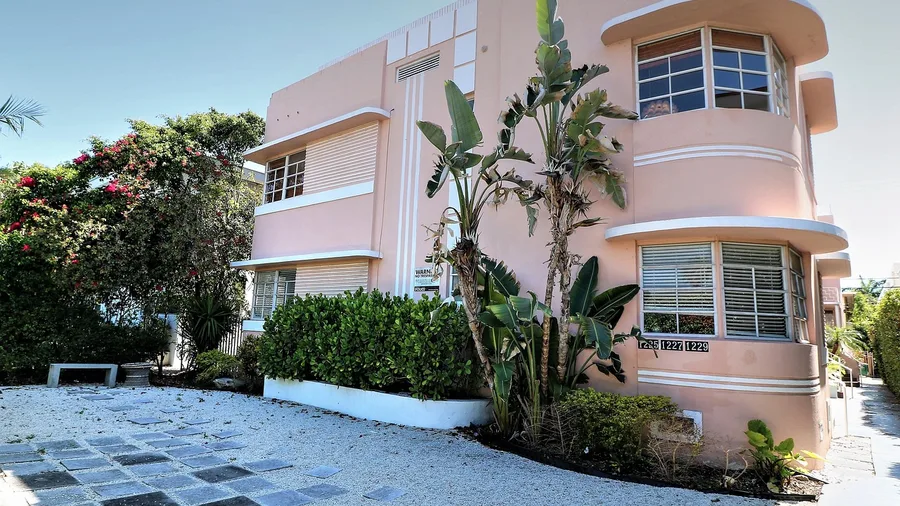
South Beach is a walkable strip of Art Deco towers in pastel pink and mint, and the best way to see it is on foot with a coffee and no schedule.
Residents skip the Ocean Drive cafe tables and take Collins Avenue or the quieter side streets a block back, where the buildings are still the show and the prices are not. Rooms run $180-$320 a night, and resort fees are common enough to ask about before you book. Parking can cost $30-$50 a day, so skip the rental and use rideshares for anything beyond the district. Miami Beach suits beach and nightlife and does not pretend to be a nature trip – give it 3-4 days, walk South Beach in the early evening when the light hits the facades, and budget the fees as part of the room.
It is a swap, and a fair one: the Smokies give you trees and a tag to sort out; this gives you sand, facades and a resort fee. Know which one your trip is for.
13. Survive Orlando's Theme Parks Without Burnout

The heat hits you first, radiating off the pavement in the parking lot at 8:40 a.m. while a stroller convoy shuffles toward the turnstile and a kid already asks for ice cream. This is the trip you signed up for, so plan it like a resort, not a run.
One park per day is the rule that saves the vacation; trying to rope two in a single ticket day is how families end up carrying exhausted kids out before the fireworks. Tickets run $100-$150 per day per park, and multiple parks need 4-6 days, so a family of four is looking at real money on top of $180-$320 hotel nights. Stay on-site or within a short shuttle ride of the gates to cut the commute that eats your morning. Best for families with kids; genuinely hard for travelers who dislike crowds, and the rest days are the point.
Orlando Theme Park Trip — At a Glance
⏰ Queue strategy
Arrive at rope drop; hit 3-4 headliners before 11 a.m.
☀️ Midday reset
Park hop back to the hotel pool 1-4 p.m.
📲 Must book ahead
Timed-entry and dining reservations 60 days out
📉 Cheapest window
Late Aug, Sept, early Dec — lower crowds and rates
🚫 Skip if
You hate crowds or plan to combine parks in one day
Pro tip
Buy multi-day tickets online in advance — gate prices are higher, and you skip the ticket window.
14. Take the Architecture Boat Tour in Chicago
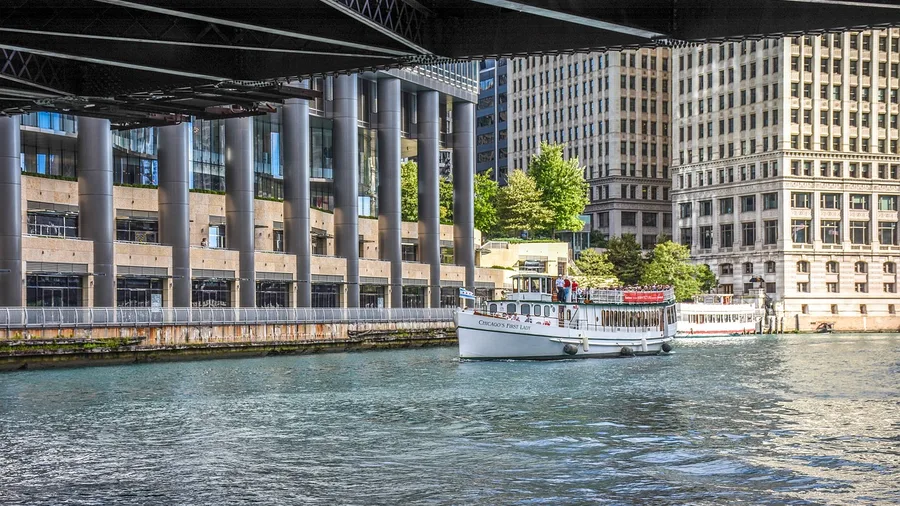
Spend your three days on the water and at the table, not in a queue of traffic. Chicago gives you a city break where the cost curve drops below the coasts and the reward is architecture you can see from a boat deck.
The architecture boat tour runs $50-$60 per adult and is the hour you will talk about afterward, the guide pointing out the river's turns while the skyscrapers close overhead. Pair it with the Art Institute at $20-$35 admission and you have a full cultural day. Book the boat for an evening departure if you can; the light on the river is the reason to go.
Eat like the city does: deep-dish pizza and an Italian beef sandwich, $15-$25 a meal, and no reservation required at the good neighborhood spots. That keeps your food budget modest and your evenings free.
Three days is the right shape here: one day on the river and in the museum, one day for a neighborhood walk, one for the lakefront. Deep winter is the honest reservation; the wind off the water turns a walk into a test. Spring through fall, the architecture and the food carry the trip.
15. Drive the Loop Road Through Badlands National Park
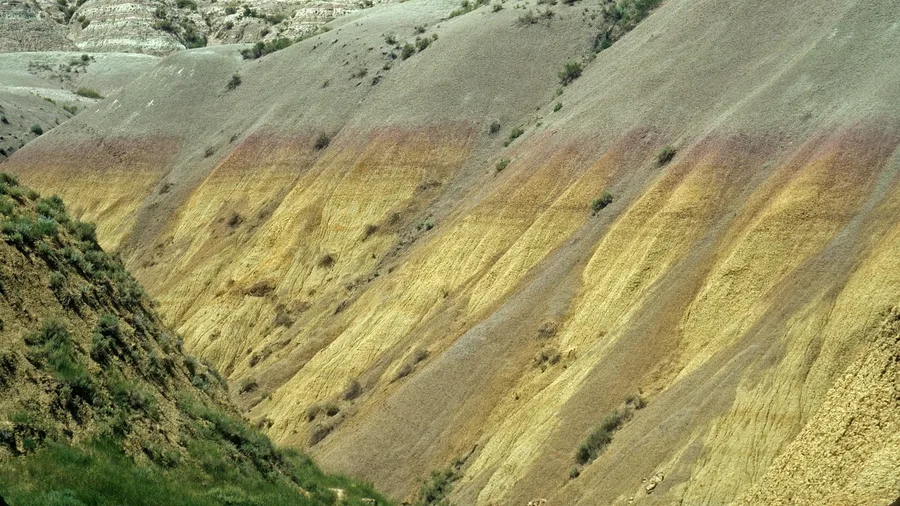
Do not plan your Badlands day for noon, when the pale rock walls flatten into glare and the bison lie in whatever shade the grass offers. Dawn and late afternoon are when the land shows its striations, the ridges casting the long shadows that make the photographs. It is a half-day road detour, 31 miles of the Loop Road, $30 per vehicle for seven days, and the landscape itself is the attraction.
Best for road-trippers and photographers, less ideal if you are trying to fill a full week here; one or two days is plenty and the short stays cluster in Wall or Interior, where lodging is limited enough that early booking is not optional.
Get the loop done by mid-morning or save it for the golden hour. The overlooks fill, the wildlife comes out at the edges of the day, and the detour rewards the early start.
16. Is Sedona's Cathedral Rock Worth the Hike?
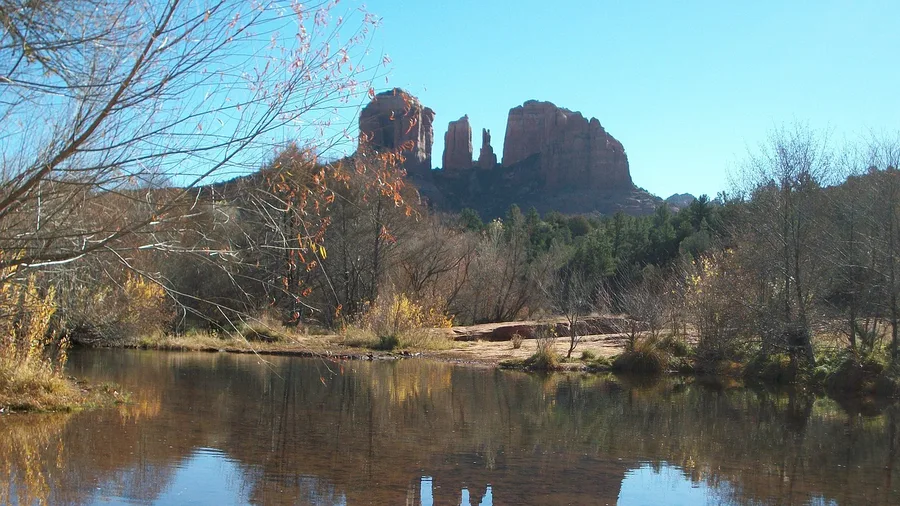
Before you drive to Sedona for the trails, ask the cheaper question first: what does lunch in town cost? In a red-rock town where rooms run $200 to $320 a night, a novelty stop like a rock shop or a scenic pullout on the highway is where this detour earns its keep. Two signature hikes anchor any visit, Cathedral Rock and Devil's Bridge, but neither is a park hike with a gate and a ticket booth. The trailheads fill with cars before mid-morning, so on a weekend, book a shuttle or arrive at dawn to park.
Two to four days is enough to see the red rocks, provided you book months ahead in spring and fall, the two windows when both the trailheads and the rooms fill fastest. Hikers and photographers will get their shots from the packed railing of Devil's Bridge; budget-day travelers, less so, given the room rates and the shuttle add-on. If a restful afternoon matters more than a summit, skip the climb and save the gas.
South Rim vs North Rim
South Rim
- Open year-round
- Shuttle buses and lodges
- Classic wide views
- Busier in summer
North Rim
- Seasonal access only
- Fewer services
- Higher elevation, quieter
- Check NPS.gov for dates
17. Ride the Shuttle Through Zion National Park
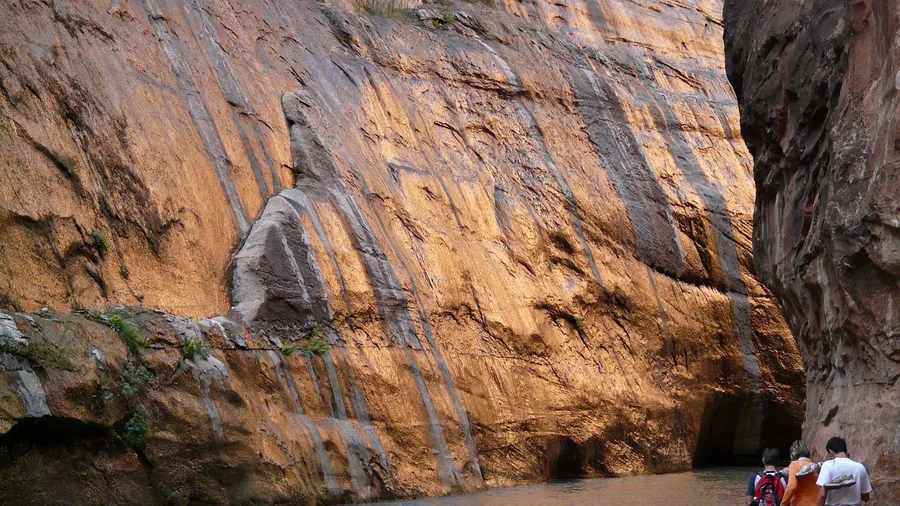
The shuttle through Zion National Park is the park's one clean deal: it costs nothing and still gets you into the canyon floor. In peak season it is required, and only the shuttle gives regular access to the narrow slot of the Narrows and the tower of Angels Landing. In other months, a car gets you closer to the trailheads.
The entrance fee is $35 per vehicle for 7 days, so the shuttle itself is the cheapest part of the day. Check NPS.gov before you go; you may need a timed entry or a vehicle reservation. Then decide which view you want: a flat walk along the river to watch the cottonwoods, or a swift climb to a viewpoint, both within the two to four days this place suits.
If Angels Landing is the plan, the permit is the deciding factor, not the trailhead. The lottery opens well before your trip date and closes on a schedule, so apply early and plan the shuttle ride around your permit slot. For hikers and canyon photographers, the permit cost is a small footnote beside the scenery. If quiet is what you want, apply elsewhere, since the canyon's parking and paths fill fast.
18. Drive Going-to-the-Sun Road in Glacier
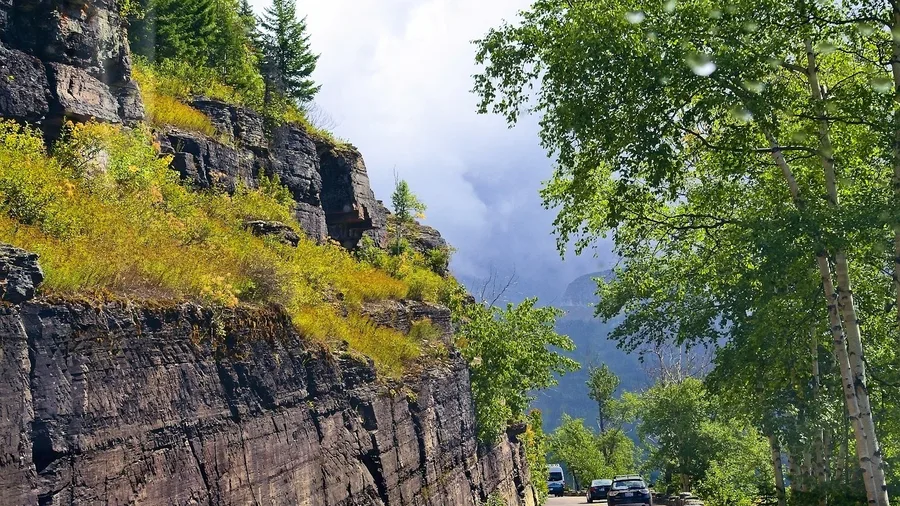
Going-to-the-Sun Road opens late and closes early, so the date is not negotiable: this is a summer detour, not a spring or fall one. If you want it in the plan, book the trip for that window, then check NPS.gov for the current season and any vehicle reservation.
The road runs 50 miles, and driving it well takes a full day. Plan three to five days in the park so you can push past the bulk of the road and hike the trails off it. The entrance fee is $35 per vehicle for 7 days.
Drivers and hikers suit this best; children tolerate the drive but not the cliffside boredom. If you are here in early spring or late fall, you may find the road closed or snowed in, so leave it out of a short trip entirely.
19. See Yosemite Valley from the Shuttle
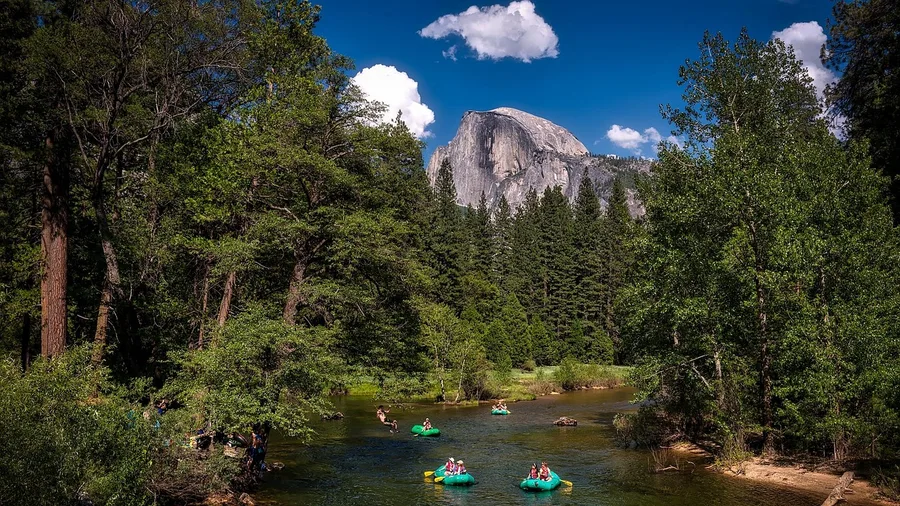
The Merced River is the first thing you hear, and the granite walls are the last thing you see before dark – the valley floor holds the sound of moving water and the smell of pine sap in sun, and El Capitan stands over all of it like a wall with a face in it.
The trick is the valley shuttle, which cuts the parking fight that defines summer here. Arrive before 8 a.m., park once, and let the bus move you between the falls and the trailheads; entry is $35 per vehicle for 7 days, and reservations may be required – check NPS.gov before you book anything. Lodging runs $200-$300 a night and wants booking 6-12 months ahead, which tells you what spontaneous summer looks like. Give it 3-5 days, take the early starts, and plan the lodging before the flights.
💡 Tip: The shuttle runs frequently; park once at Curry Village or Yosemite Falls and ride it all day.
🌉 A Perfect Day in San Francisco
Morning cable car
Ride the Powell-Hyde line from Union Square to Fisherman's Wharf.
Alcatraz ferry
Book the first ferry to Alcatraz; tickets run $40–$50 and sell out.
Lunch at the Ferry Building
Grab a sandwich or oysters from a stall on the Embarcadero.
Walk the Golden Gate Bridge
Start from the Presidio side for the classic skyline view.
Sunset in the Marina
Watch the fog roll in from Crissy Field with a coffee.
20. Ride a Cable Car and Book Alcatraz in San Francisco
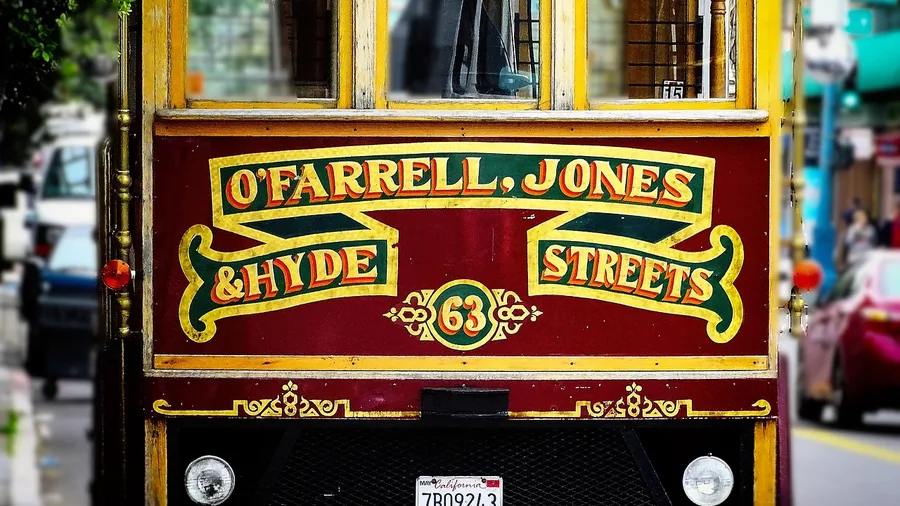
Alcatraz runs $40-$50 a head, and the boat sells out on summer weekends weeks in advance – that ticket is the one thing you book before you book anything else.
This is a compact city that rewards transit over a car. Ride a cable car up the hill, walk the Golden Gate Bridge when the fog lifts, and let Muni and BART do the rest; parking costs more than it saves. The city suits urban explorers and food people, and it is the wrong pick if you came for warm weather – pack a layer even in July.
The honest catch is the weather and the calendar. Fog can swallow the bridge for days, so give the walk a second window rather than pinning the trip to one morning, and treat Alcatraz as a fixed appointment the rest of the plan bends around.
Three to four days is the right shape: a ferry, a bridge, a neighborhood, and one museum, with the transit card doing the work a rental car would elsewhere.
21. Group Los Angeles by Neighborhood
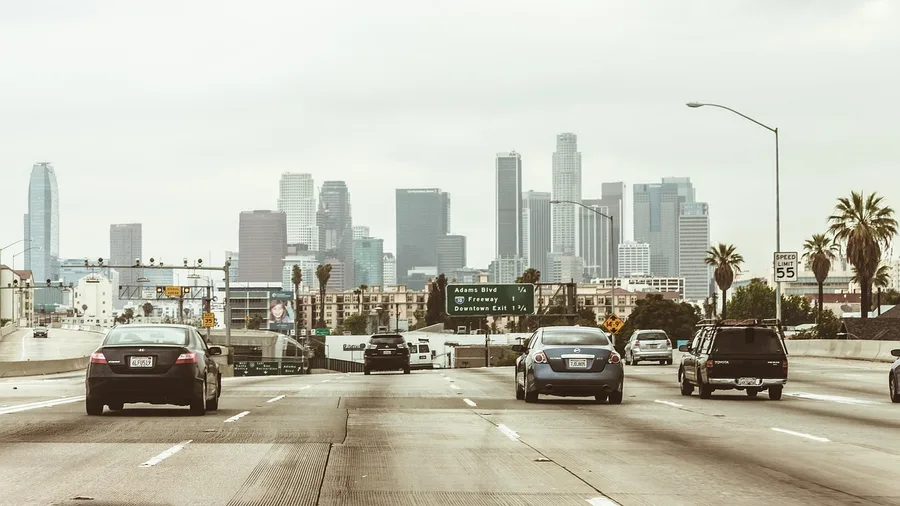
You crest a hill on the freeway and the whole basin opens below you – palm trees, low roofs, and a brown haze line where the city meets the mountains, and you understand immediately that this is not a walking town.
Los Angeles is sprawl with a plan problem, so group by neighborhood: Hollywood one day, Santa Monica another, Downtown a third. A studio tour runs $60-$75 per adult, and the beaches are free once you have paid to get there.
Rent a car or budget for rideshares, because transit is limited and a car is the difference between three stops and one. Give it 3-5 days, group by region, and this rewards film and beach lovers; skip it if you wanted a walkable city break.
22. Is San Diego the Best Family Destination?
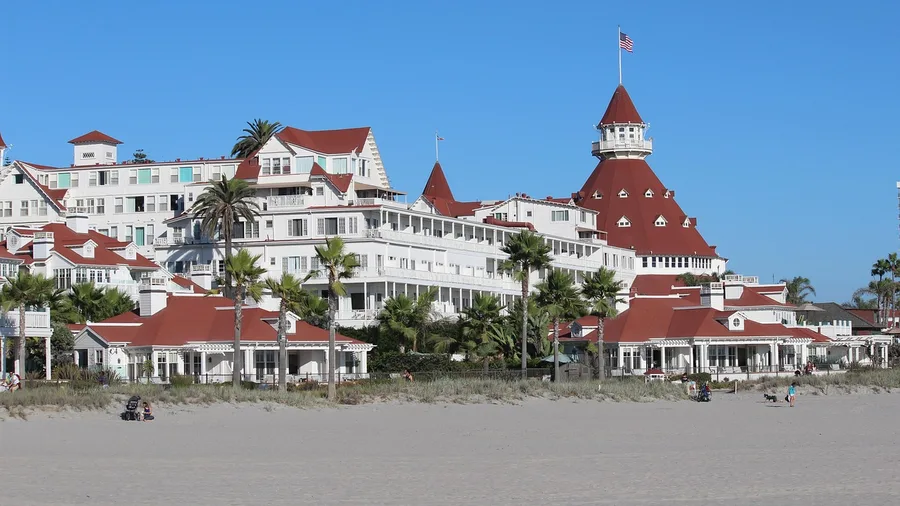
San Diego asks a real question: is this the family stop where you actually slow down? The beaches at La Jolla and Coronado, the zoo, and a few clusters near downtown answer yes, at a pace that works with kids.
It is not the late-night city. If you want bars and clubs, look elsewhere. Hotel rooms run $180-$300 a night, and summer is the peak crowd. Zoo admission is $60-$75 per adult, and beach parking is tight. Give it 3-5 days.
23. Take the Ferry to Bainbridge for Seattle's Skyline
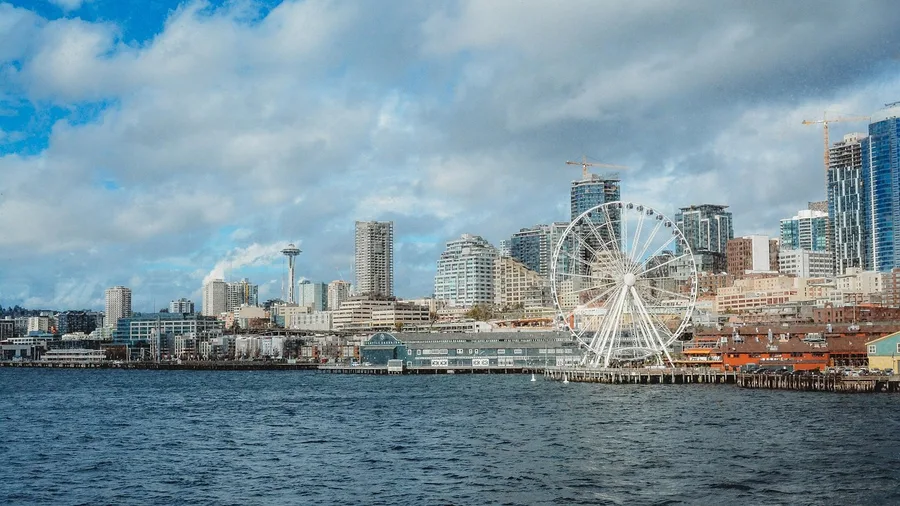
Seattle rewards the trip that leaves room for water and caffeine and does not fight the rain – trade the beach base for the ferry base, because the crossing is the thing worth building a day around, not an errand between attractions.
Pike Place Market and the Space Needle are the postcard stops, and you should still go. The fish throwers, the flower stalls spilling down the hill, the first Starbucks with its line around the corner – that is ninety minutes and a coffee. Space Needle admission runs about $35 to $40; skip the elevator if the cloud ceiling is low, because the view you paid for will be gray.
Then walk on the ferry to Bainbridge Island, around $10 for a round-trip walk-on fare, no car needed. Cross in late afternoon and stand at the stern rail as the city recedes: the Space Needle on the left, the container cranes of the port on the right, Mount Rainier floating above it all when the sky is clear. The boat is a state ferry, not a tour, so you get the working-waterfront version – trucks and commuters and gulls following the wake – for a fraction of what a harbor cruise charges.
On the island, walk the ten minutes into Winslow for dinner and a drink, then ride back after dark. The return crossing is the one people miss: the skyline comes toward you lit up and doubled in the black water, and the boat is quiet except for the engines. Allow three to four hours total, and check the sailing schedule – the late boats thin out.
And pack for the rain. Layers even in July, because Seattle does not ask permission before it drizzles. If you came for guaranteed sun this is the wrong stop; if you came for coffee and salt air and a city that looks best from the water, give it two to four days and build one around the ferry. Your chances of a clear Mount Rainier view from the stern are real but not guaranteed – the mountain hides more often than it shows, so treat the skyline, which is always there, as the reason to cross.
24. Eat Fresh Poke and Shave Ice on Maui

Maui costs more than the waterfront cities, and the wind and coffee are a long way from the sun. A hotel room runs $300-$500 a night, which is the number to build the trip around. A condo can put some of that budget back into food you cook yourself.
The food is part of the draw. Pick up a fresh poke bowl, then finish with shave ice – the small one is under $10, and the flavors should be a couple of local fruits, not five. It is the cheapest good thing on the island and the best reason to slow down.
Two logistics decide the trip. The Road to Hana is a full-day drive, so leave before dawn. Haleakala sunrise needs a reservation – check NPS.gov before you fly. The 5-7 days this takes is why it comes after the easy cities, not before.
💡 Tip: Road to Hana: leave by 7 a.m., download offline maps, and fill up on gas before you go.
25. Ride the Park Bus Deep into Denali
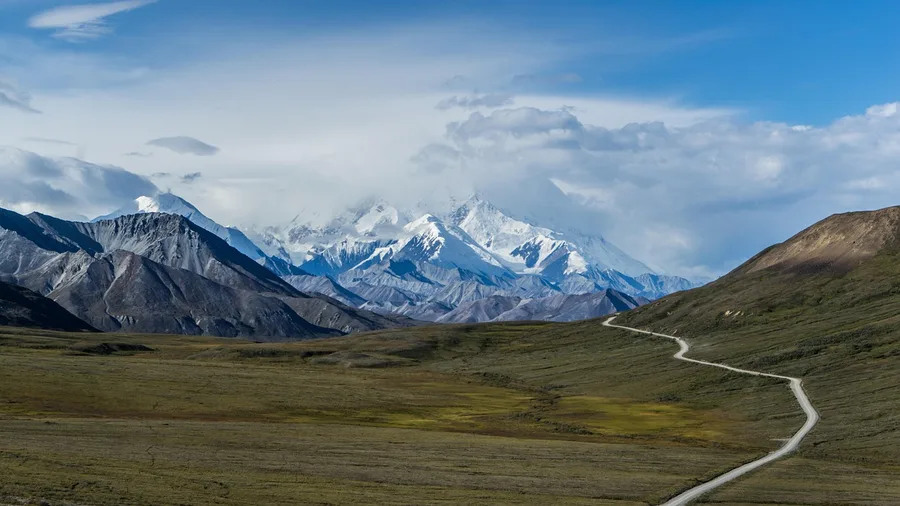
The guided park bus runs $150-$275 per person and buys you a seat on the one road that goes anywhere here; a rental car alone gets you about 15 miles in before the pavement ends. That gap is the whole point. Maui hands you beaches, resorts, and a road you can drive yourself; Denali hands you a single ribbon of gravel and a bus that carries you deeper than any private vehicle is allowed, past moose in willows and a grizzly working a riverbar at a range the safety talk calls comfortable. The bus is not a compromise. It is the trip.
Locals in the gateway towns do not chase the deepest tour; they send first-timers on the standard bus to learn the park before paying for the extended one. Book lodging in Glitter Gulch or Healy months ahead, because the summer season is short and the rooms go early. This is a long-trip, deep-pocket stop, and the weather will overrule your calendar, so build in a spare day. Come for wilderness, not for a quick hit; the bus ride itself eats most of a day before you count the return.
Frequently Asked Questions
Do I need reservations for national parks?
Some do, especially in peak season. Yosemite, Glacier, and Zion may require vehicle reservations or timed entry. Check NPS.gov for your specific dates before booking flights.
What is the best time to visit the US?
Spring and fall offer fewer crowds and better prices at most parks. Summer is peak season for Yellowstone and Glacier; winter is best for Miami and Death Valley.
How many days do I need for a first US trip?
Pick three to four destinations and give each three to five days. Trying to see everything means you spend the trip in airports and cars.
Is it cheaper to fly or drive between destinations?
For long distances like New York to California, fly—airfare is $250 to $450 and saves days. For regional loops like the Southwest parks, rent a car at $45 to $70 per day.
Which parks are best for families?
Yellowstone, Great Smoky Mountains, and Acadia have short trails and ranger programs. Orlando and San Diego are the city picks for kids.
Which of the 25 Fits Your Season and Days?
Shortlist by days first. Niagara Falls fits 1 to 2, Grand Canyon South Rim 2 to 3, and Yellowstone, Boston, Charleston, Nashville or Chicago 3 to 4. Orlando wants 4 to 6, and the road parks are their own unit: a full day for Going-to-the-Sun Road, half a day for the Badlands Loop. Spring and fall bring better availability; peak summer weekends cost more; deep winter weakens Chicago and early spring or late fall weakens Glacier, while summer peak lifts Miami Beach, San Diego and Maui rates.
Then pick your energy. New York, Chicago, San Francisco, New Orleans and Nashville carry museums, food, theater, music and transit. Grand Canyon, Yellowstone, Acadia, Zion, Glacier, Yosemite and Denali are shuttles, roads, hikes and early starts. One city plus one park, fitted to your days and season, is the decision.
The mistake worth remembering: 25 names are not the trip, and not 25 trips either. One window, two places, and the timed-entry page open before the flight search.
Check Park Rules Before You Book Flights
Open NPS.gov for each park on your shortlist and confirm timed-entry or reservation requirements—then book with confidence.