

The reflex most budget travelers have is to adjust ambition downward – pick a cheaper-looking destination and accept that the dramatic skyline, the grand spa, the cinematic waterfront are luxuries for a different trip. That reflex is the most expensive mistake you can make.
A mid-range hotel room in Paris or London runs $200-$350 a night. That number has quietly trained a generation of travelers to associate visual and experiential quality with a price point that only exists in a handful of cities. It does not exist in the twelve destinations on this list.
Each of these cities delivers a specific high-end signal – grand thermal architecture, UNESCO-listed river promenades, medieval walled streets, sulphur baths, tailored clothing, world-class culinary traditions – while all-in daily spend runs $40-$100 covering accommodation, food, local transport, and one paid attraction. Boutique guesthouses land at $35-$110 per night. The gap between that and $200-$350 is not a trade-off. It is the funding mechanism for the whole trip.
Walk a medieval bay city wall at sunrise, soak in a century-old thermal pool, eat a $3 bowl of laksa judged daily by people who have eaten it their whole lives, sip natural wine in the country that invented it, get a shirt tailored to your measurements in 24 hours.
The twelve destinations below come with specific prices, named experiences, and real flight costs from major US hubs. Pick the two or three that match how you actually travel, and use this list as the booking brief – not the inspiration stage, the decision stage.
Quick Tips Before You Start
Book 6–10 Weeks Out
Economy round-trips from a US hub hit their floor price at this window — earlier or later and the fares climb.
Mix Your Meal Tiers
One street-food lunch ($2–$10 for two) offsets a sit-down dinner ($18–$45), keeping daily food costs under $30.
Target Shoulder Season
April–May and September–October cut guesthouse rates to their floor, thin the crowds, and keep the light at its best.
Book Boutique, Not Chain
A restored merchant house or colonial guesthouse at $50–$90 routinely beats a $200 chain hotel on atmosphere and location.
One Paid Experience Per Day
Signature experiences — thermal baths, wine tastings, ruins entry — run $5–$25 per person. Budget for one and the free ones surround it.
1. Porto, Portugal: River Views on a Wine Budget

The smell of the Douro hits you before you see it – river water, roasting coffee from a corner pastelaria, and something faintly sweet drifting across from the wine lodges on the Vila Nova de Gaia bank. You are standing on a UNESCO riverside promenade looking at azulejo-tiled facades stacked up the hillside, and the whole scene signals expensive European travel in a way that Paris or Lisbon charge you dearly for. Porto does not.
Five pours in a barrel room at one of the port-wine lodges runs $15-$25 per person – the same number of pours guided by a sommelier in San Francisco costs $60-$90, and the experience in San Francisco does not include standing in a century-old cellar above the river. That gap – paying a quarter of the price for the more authentic version – is what this whole list is about, and Porto is the clearest first example. The Ribeira waterfront and the ornate interior of Livraria Lello are the images that make Porto look expensive in photographs, and both cost nothing to stand inside; the bookshop charges a small entry fee, currently a few euros, redeemable against a purchase.
A room in a small guesthouse in the Ribeira district runs $85-$110 per night – for a comparable quality of room in a central Paris arrondissement, budget $250-$350 and consider yourself lucky. Porto is straightforwardly a city for couples and solo travelers who move on foot and eat where locals eat; it is less suited to families with young children, mainly because the Ribeira's cobbled lanes and steep escadas are genuinely difficult with a pushchair and exhausting for small legs. Go in April, May, September, or October: rates drop toward the $85 floor, the cruise-ship crowds that compress the waterfront in July and August evaporate, and the Atlantic light in those months is the kind that makes every tiled wall look like it was lit for a shoot.
💡 Tip: Livraria Lello bookshop charges a small entry fee (~$6) redeemable against a purchase — buy a postcard and the visit is free. Go at opening time to beat the lines.
2. Chiang Mai, Thailand: Spa Days for Under $20

The wellness-and-culture trip is one of the most expensive formats in travel – until you do it in Chiang Mai.
A two-hour traditional Thai massage runs $12-$18 at one of the city's long-established massage schools. That price difference against a US day spa ($120-$180 for a comparable treatment) covers two full nights' accommodation in the same city. The private guesthouses offering pool access at $40-$60 per night are not stretching the definition: the pool is a plunge pool or small lap pool shared only among the guesthouse's own guests, not a resort facility propped up by marketing. The setup – pool, courtyard, breakfast – is the real thing at a fraction of the reassembled cost.
Most visitors default to the guesthouses clustered immediately around the Old City moat. Locals and longer-stay visitors use Nimman Road to the west instead – a walkable strip of independent coffee shops, small restaurants, and massage studios where prices run slightly lower, the English menus haven't entirely taken over, and the foot traffic is lighter. It functions as the city's own neighborhood rather than its tourist corridor, and the Old City temples are a short songthaew ride away when you want them.
Doi Suthep temple is worth the $2 entry regardless of which base you choose. Gilded spires on a ridge above the city, a full valley panorama, monks in orange moving between shrines – it is the visual drama that resort photographers lift for brochures, at near-zero cost. The songthaew up the hill runs about $2 each way from the Old City.
November through February is the right window: cool and dry, ideal for temple walking, and the light in the morning is exceptional for photography. It is also peak demand – guesthouses fill fast, and booking 6-8 weeks out is not overcaution. Flights from a major US hub typically run $600-$900 round-trip; the experience waiting at the other end makes that number look different once you've done the per-day math.
How a Day Typically Runs
3. Medellín, Colombia: Rooftop Bars and Eternal Spring

You step off the metro into El Poblado at 7 p.m. and the air is the same mild 72°F it was at noon, the same it will be in March and in August. That constancy is genuinely rare: most destinations with this kind of city energy charge a seasonal premium for the good-weather window, or punish you with humidity in the off-months. Medellín has no such calendar – flights, rooms, and rooftop cocktail prices ($6-$10 a drink) hold steady year-round because there is no bad season to avoid and no peak season to exploit.
The one experience worth spending on is the Metrocable to Parque Arví – technically free with a metro card loaded with about $0.80 in fare – but the real splurge is dinner in Laureles or Envigado rather than El Poblado. El Poblado is the right first base: walkable, English-friendly, guesthouses on every block. It also runs $10-$20 per night more than equivalent rooms two neighborhoods west, a gap that adds up fast. Spend two nights in El Poblado to orient yourself, then move. From Laureles, take the metro and cable car up over the comunas – the 20-minute ride delivers a full panorama of the city bowl that no rooftop bar can match – then come back down and order bandeja paisa for dinner: the regional tray of rice, beans, chicharrón, fried egg, and avocado costs under $8, and a mid-range dinner for two with drinks lands at $20-$30. Round-trip flights from a major US hub run $300-$500 booked 6-10 weeks out, making this the cheapest transatlantic option in the Americas by a clear margin.
💡 Tip: El Poblado is the easiest first base, but boutique rooms in Laureles or Envigado run $10–$20 per night less for equivalent quality. Move west after the first few nights.
4. Tbilisi, Georgia: Fortress, Sulphur Baths, Ancient Wine

Good weather is free everywhere, but a daily budget that tops out at $65 while putting you inside a UNESCO old town, a working sulphur-bath quarter, and one of the world's oldest wine cultures – that is specific to Tbilisi, and it is the lowest ceiling of any European-adjacent destination on this list. Book a private domed bath room in the Abanotubani district for $10-$20 per hour: the ceiling is brick, the water comes from a mineral spring beneath the floor, and you can add a kisi body scrub for another $5-$10. A New York day spa charges more than that just to walk in. Then order a glass of amber natural wine at any wine bar in the old town – $4-$8, against the $18-$24 you would pay for the same style of pour in Manhattan – and remember that Georgia is not importing a trend. The country invented fermentation in clay qvevri vessels roughly 8,000 years ago. Drinking it here is the source, not the copy.
Narikala fortress sits above the old town on a rocky ridge, and it costs nothing to reach on foot. The cable car from Rike Park runs $2 return and drops you at the ramparts in four minutes – worth it in summer heat, skippable if the morning is cool. From the top, the whole composition of the city falls into place at once: the domed rooftops of the bathhouses below, the ornate carved wooden balconies of Abanotubani, church spires running east along the valley, the Mtkvari River curving south. That view is the one resort photography borrows without attribution, and you get it for free. US citizens enter Georgia without a visa, and direct flights connect through Istanbul, Vienna, or Amsterdam – which means Tbilisi works as a standalone week or as a serious add-on to any Western European trip already in progress.
⚠️ COMMON MISTAKE
Don't Anchor on One Month
Booking the same travel window as everyone else (July–August in Europe, December–January in Southeast Asia) adds $20–$40 per night to the accommodation floor and removes the shoulder-season emptiness that makes these cities feel worth visiting. The price gap these twelve destinations offer narrows fastest during peak months.
5. Kotor, Montenegro: Medieval Walls Above an Adriatic Bay
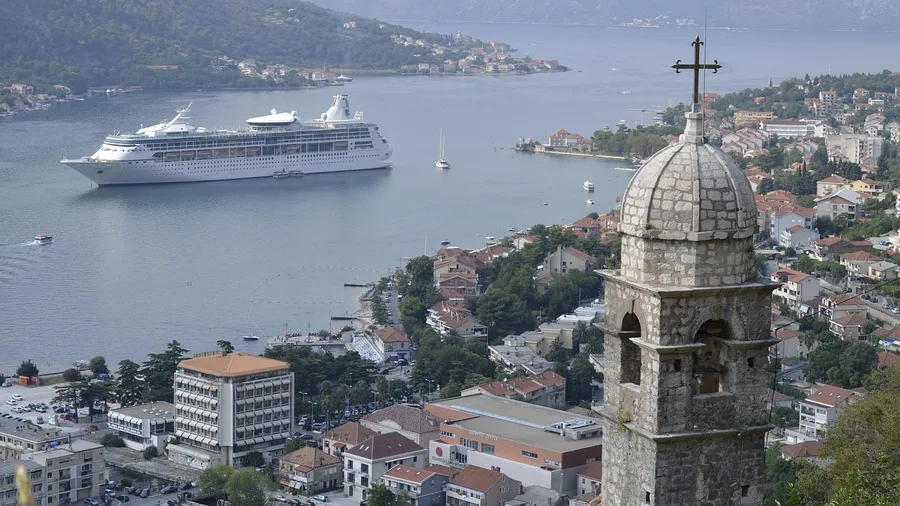
The thing to know before booking Kotor is that the cruise ships arrive early and in numbers. By 10 a.m. the old-town lanes are narrow and crowded; by noon the wall circuit is backed up at the steeper switchbacks. The fix is simple: be on the walls by 7 a.m. The gates open early, the bay light before 8 is flat and silver in a way that midday sun kills completely, and the heat that makes the two-hour climb genuinely unpleasant hasn't arrived yet. The wall ticket runs about $8.
On the price: Kotor is what Dubrovnik costs to look at versus what Dubrovnik costs to stay in. Both are UNESCO walled cities on the Adriatic. Both have the limestone lanes, the sea views, the medieval gates. Inside Dubrovnik's walls, a comparable guesthouse runs $180-$250 a night. Inside Kotor's, the same category of room runs $70-$90. That gap alone covers flights.
May and September are when Kotor works best as a slow trip rather than a transit stop. Cruise-ship volume drops sharply in both months, accommodation prices fall toward the $70 floor, and the temperature is warm without the July extremes that make afternoon wall-climbing miserable. That's when you can actually sit with a grilled branzino and a carafe of Vranac – Montenegro's own red, rarely exported – and take two hours over it. Dinner for two with wine runs $38-$57 total. The Vranac alone is worth ordering: it's not a substitute for something more familiar, it's just its own thing, and you won't find it easily once you leave.
Adriatic Walled City: Kotor vs. Dubrovnik
Kotor
- Old-town guesthouse: $70–$90/night in May or Sept
- Wall ticket: ~$8; gates open before cruise ships dock
- Dinner for two with Vranac carafe: $38–$57
- Quiet shoulder season: May and September
- Flight from US hub: $400–$700 round-trip to region
Dubrovnik
- Inside-walls hotel: $180–$250/night same category
- Wall-walk fee: ~$35; four times Kotor's price
- Dinner for two: $55–$80 at comparable restaurants
- No low-crowd window — ships arrive year-round
- Price gap vs. Kotor alone covers a round-trip flight
6. Budapest, Hungary: Grand Bathhouses for Under $20
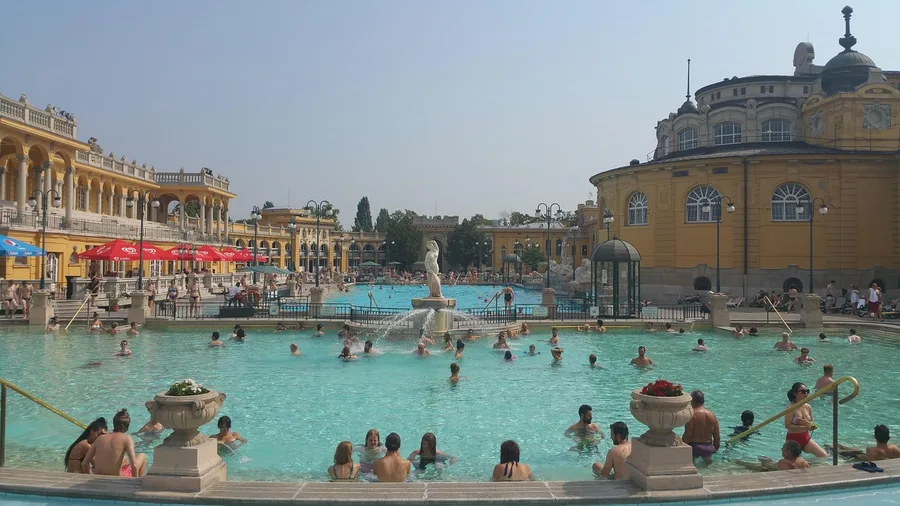
Budapest is the most impressive European capital you can still afford without compromises – not a cheaper version of Vienna, but a city with the same Belle Époque street architecture and a fraction of the accommodation bill. A central guesthouse in Pest runs $70-$90 a night. The Vienna equivalent is $140-$200. Both cities look equally grand on the street. Only the invoice differs.
The Széchenyi thermal bath is the icon, and it earns the visit honestly. Full-day entry costs $15-$18 – not a hotel-spa premium attached to a room rate, but a century-old public institution with outdoor pools held at 38°C, indoor steam rooms, and chess boards set directly on the pool platforms, in use by residents who have been coming here for decades. The queue mid-morning on weekends is real; arrive before 9 a.m. or after 4 p.m. and it moves fast. After that, the ruin bars in the Jewish Quarter charge nothing to walk into, and a beer inside runs $2-$3. Then Gerbeaud coffeehouse on Vörösmarty Square: gilded ceilings, red velvet banquettes, marble surfaces – the most opulent café interior in the city, and a pastry with coffee costs $5-$7. The bill for a full Budapest day, with all of that included, stays well under $65.
7. Hoi An, Vietnam: Lantern Light and Tailored Clothes
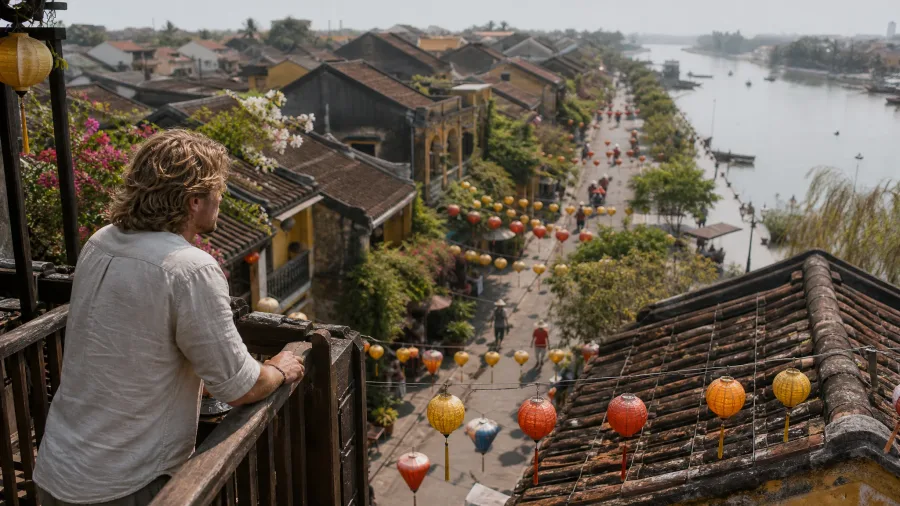
$40 to $60 covers a full day in Hoi An – accommodation, meals, a tailor visit, and an evening on the waterfront – and the setting for all of it looks like someone spent a significant budget on lighting and props.
The boutique hotel category here is not a euphemism for a clean room with a window. At $35-$55 per night you get a restored 18th-century merchant house: courtyard plunge pool, hand-laid ceramic tiles, breakfast on a wooden terrace, and staff who know which tailors turn orders around in 24 hours versus which ones need 48. That same combination – courtyard pool, historic building, included breakfast – runs $200 or more per night anywhere in Western Europe. The tailoring itself works best with two things in your bag: a photo of the finished garment you want and a shirt or dress from home that already fits you well, so the tailor copies an actual fit rather than interpreting your measurements.
Once a month the old town switches off its electric lights entirely. For one evening the UNESCO quarter runs on paper lanterns hung across every alley and doorway, entry to the old-town zone costs around $1, and the Thu Bon River reflects a thousand amber ovals onto its surface. It is the full-moon lantern festival, it happens on a fixed lunar calendar, and booking your trip dates around it costs nothing extra – just a few minutes cross-referencing the calendar before you buy flights.
💡 Tip: The full-moon festival date changes each month. Check the Vietnamese lunar calendar before booking flights — a one-day shift in your arrival can make the difference.
8. Penang, Malaysia: Hawker Feasts and Heritage Streets

In George Town, the answer is plain: the char kway teow and laksa served at the hawker centers on Penang Road and Gurney Drive are $2-$4 per person, and they are judged every day by locals who grew up eating them – not by visitors looking for a deal. The recipes at the best stalls are decades old, the competition between stalls is fierce and public, and the cheapness is a consequence of local economics, not a signal about quality. Travelers who prioritize food will find similar cheap daily meal cities where ten dollars covers a full day of authentic eating. A heritage boutique hotel in a restored shophouse runs $50-$80 per night; inside, the original pre-war ceramic floor tiles and louvred wooden shutters are intact because George Town's UNESCO status legally requires restoration to standard – the quality is structural, not decorative.
Spend a morning tracking down Ernest Zacharevic's murals on foot – 'Children on Bicycle' and 'Little Children on a Swing' are the two most reproduced, both on Armenian Street and Ah Quee Street – and you have done the heritage walk and the street-art trail simultaneously without paying for either. The single ticket worth buying is the Penang Hill cable car: $8 return, and from the summit you get the Straits of Malacca on one side, the mainland city of Butterworth across the water, and the full green canopy of the island below – a clear view of the geography that explains why this place became what it is.
Penang — At a Glance
💰 All-in daily budget
$40–$55
🍽️ Sit-down dinner for two
$18–$30 with drinks
🚶 George Town UNESCO area
Free to walk
✈️ Book flights
6–10 weeks out
🚗 George Town to airport
~20 min by Grab
What to avoid
April and September bring the heaviest rain; mural-hunting and the hill walk both lose most of their appeal in a downpour — plan around them if you can.
9. Oaxaca, Mexico: Mezcal, Mole, and Hilltop Ruins
Go to Oaxaca for the food and the ruins – but go in with clear eyes about the cost, because this is the priciest entry in this list, and the gap between what it delivers and what it charges is narrower than anywhere else here.
Boutique hotels in Oaxaca start around $80 per night and reach $110 before you hit anything exceptional – the highest accommodation floor on this list. That is because Oaxaca is a design-hotel city: colonial courtyard properties with bougainvillea-draped walls and rooftop bars set the baseline, and budget options that match their atmosphere do not really exist. For context, a comparable colonial-courtyard room in Mexico City's Roma Norte runs the same figure or higher, and any US city with remotely similar cultural density charges double. It is still a fraction of what Paris or a Caribbean island demands – but if your mental benchmark is a $40-per-night guesthouse in Southeast Asia, recalibrate before you search.
The food justifies the trip anyway. A mezcal flight at one of the city's dedicated mezcalerías – four pours with context about production methods and the village distilleries behind each bottle – runs $10-$15. The same format at a craft-spirits bar in the US lands at $30-$50 for products that were imported, blended, and marked up twice over. Here the distilleries are an hour outside town, and you can visit them. Dinner at a serious mole specialist costs $25-$40 for two – the highest restaurant bill on this list – and it is the one case where the price deserves no apology. Oaxacan mole negro, coloradito, or amarillo takes days to build; the ingredient lists run to thirty items; and eating it here, where the technique was developed and is still practiced daily, is a genuinely different thing from eating it anywhere else.
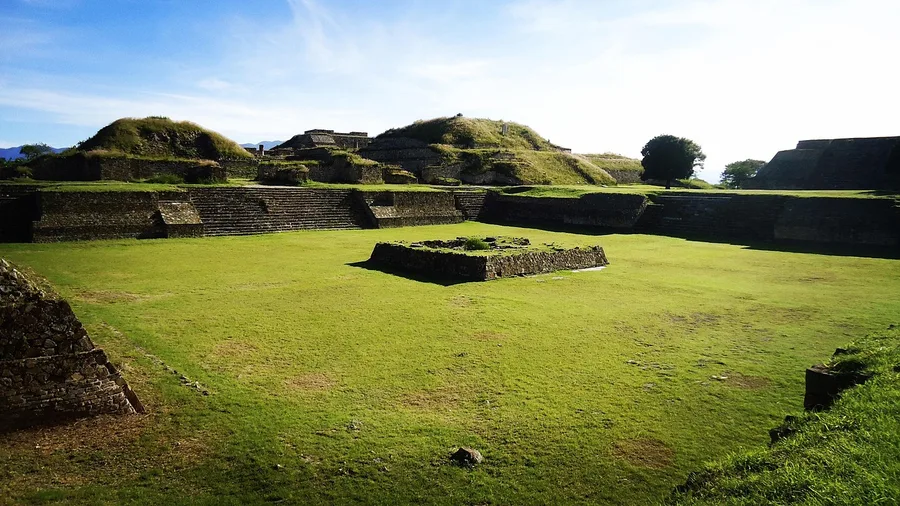
Monte Albán is a half-day that earns its place above everything else on the itinerary. Entry is around $5. A shared taxi from the fixed departure point near the Abastos market costs $15-$20 total, split among whoever else is heading up that morning – the sharing is informal and quick, not an organized tour. The Zapotec city on that hilltop plateau dates to around 500 BC, and when you stand in the main plaza the valley floor drops away on three sides simultaneously. No single viewpoint on this list makes the surrounding landscape feel quite so deliberate.
The honest trade-off: Oaxaca rewards travelers who eat seriously and move slowly. If your priority is maximum coverage per dollar, other entries on this list win. If you want one city that combines pre-Columbian archaeology, a living indigenous market culture, and a culinary tradition that professionals study for years – and you are willing to pay a modest premium over the list's lower floors to get it – this is the one.
💡 PRO TIP
Stack the Flights Smartly
Oaxaca and Cartagena both have short domestic connections from their respective country hubs (Mexico City and Bogotá). Book the international leg to the hub first, then add the domestic connector separately — the two-ticket approach typically saves $60–$120 versus a single itinerary, and the hub layover is short enough to do in a day if needed.
10. Plovdiv, Bulgaria: Roman Ruins in a Living Arts Quarter

Europe still has cities where the tourist infrastructure barely exists – no queue-management apps, no timed-entry windows, no influencer crowds filling the cobblestones at dawn. Plovdiv is one of them, and its daily ceiling of $50-$70 puts the full program – Roman-era ruins, a pastel old town spread across seven hills, and a working contemporary arts district – within reach of a budget that would cover a single mediocre hotel night in Western Europe.
The Roman amphitheater earns the evening, not the afternoon. You can see it for free from street level at several points in the old town, and paid entry is around $5 to walk down onto the stage itself. Go after 7 p.m. in summer: the stone seating is still warm, the light drops orange across the carved columns, and on concert nights the acoustics do something that no daytime visit prepares you for. The crowds are thinner too – the tour-bus groups are gone by four.
Sleep in the old town if you can. The guesthouses here occupy 18th- and 19th-century merchant houses whose ceilings are painted in geometric patterns and whose bay windows jut out over lanes so narrow two people can barely pass. Rates run $55-$80 per night – genuine rooms in original buildings, not a renovation pastiche. Dinner for two with a couple of glasses of Mavrud – a red grown on the Thracian Plain just south of the city – costs $20-$30 and the wine alone is worth factoring into your itinerary. It is not a consolation pour at a low price point; it is a regional grape that almost nobody outside Bulgaria has tried. Then walk ten minutes west to Kapana, the old craftsmen's quarter, which is now full of ceramics studios, coffee roasters, and weekend markets. Entry is free at any hour. It is the part of Plovdiv that confirms the city is still in motion rather than preserved under glass.
Perception vs. Price: Two European Capitals
11. Kraków, Poland: Castle, Square, Legendary Bars

$1 to $2 for a shot of vodka. That is the price of a round in Kazimierz, and it is a reasonable way to measure how far Krakow sits from the European city-break mainstream. The all-in daily budget here is $50-$75, which covers a castle, a medieval square, a full dinner, and whatever happens afterward – the complete checklist, not a reduced version of it.
Start with Wawel Castle and keep your wallet in your pocket for the first part. The grounds are free to walk at any time, and the castle sits on a limestone hill above the Vistula with a view that justifies the uphill walk before you even reach a ticket booth. When you are ready to go inside, one ticket covering the State Rooms and Royal Private Apartments runs $8-$12 per person. The throne room alone – with its 16th-century Flemish weavings on every wall and a carved ceiling that takes about ten minutes to properly look at – is the reason. Book the time slot online the morning of your visit; they sell out, especially on weekends.
For lunch, find a milk bar. A bar mleczny is a canteen-style diner that has been subsidized since the communist era, and the menu runs to zurek, pierogi, beet soup, and fried cutlets at prices that have barely moved in a decade. Lunch for two costs $6-$10. The important thing is that these places are used by locals every day – office workers, pensioners, students – so you are eating the same food at the same table, not ordering from a tourist-facing version of it.
The evening belongs to Kazimierz. The Jewish Quarter is now Krakow's bar and restaurant center, and a full dinner for two – pierogi, zurek, a shared carafe of local beer, and the aforementioned $1-$2 vodka shots – lands at $18-$28 all in. The streets here are narrow and cobbled, the bars spill out onto the pavement, and the whole quarter is compact enough to cover on foot without planning a route.
Stay inside the Planty ring road – the green belt that replaced the old city walls. A boutique hotel here runs $65-$90 per night, and the location means Wawel Castle, the Main Market Square, and Kazimierz are all within twenty minutes on foot. No tram, no taxi, no transport cost to account for. The city folds in on itself at that scale, and it is the thing that makes three days here feel like more than three days.
💡 Tip: Buy the State Rooms ticket online the morning of your visit — lines at the castle gate for walk-up tickets can run 30–45 minutes in summer.
✈️ Planning a Two-Destination Trip
Pick your travel style
Wellness, food, architecture, or beach-adjacent — the list maps to each; choose two or three that match.
Open a 2-week window
Any two consecutive weeks in shoulder season (April–May or September–October) covers the value windows of nine of these twelve destinations.
Run simultaneous flight searches
Search your top two or three destinations at the same time on Google Flights — compare the cheapest calendar days side by side.
Book the international leg first
Lock the long-haul flight before accommodation; guesthouses at this price range rarely sell out more than 4–5 weeks out.
Add the boutique guesthouse
Target a restored historic property in the old town or heritage district — the location eliminates transport costs and the interiors do the heavy lifting.
12. Cartagena, Colombia: Caribbean Color Inside Colonial Walls
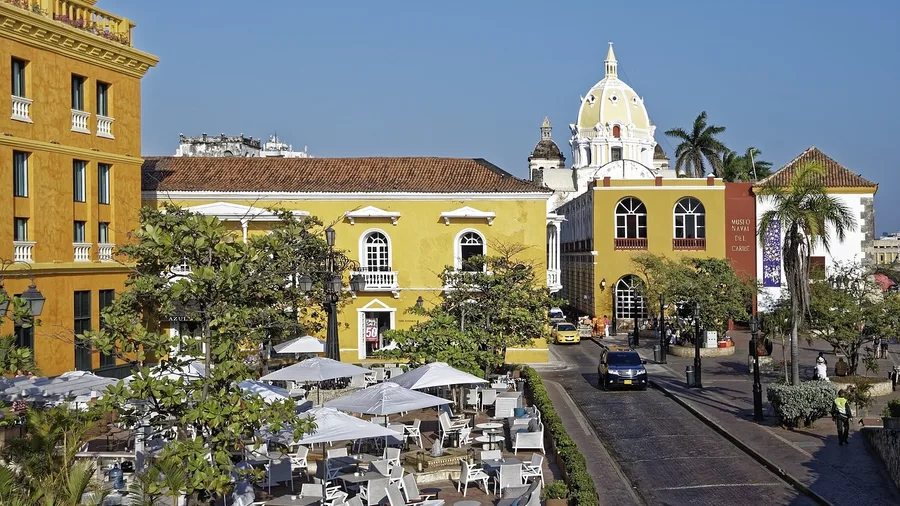
The smell hits first – salt air, frangipani from a courtyard somewhere behind a painted wall, and frying dough from a cart near the city gate. Cartagena's walled old city runs at a sensory register that feels expensive before you have spent a dollar, and the gap between that impression and the actual bill is the widest of any destination in this list. A boutique hotel room inside the walls – bougainvillea over the balcony, ceiling fan, colonial tile floors – costs $80-$110 per night. The direct equivalent in Barbados or Turks and Caicos, same aesthetic, same warm-air proximity to water, runs $300-$450 per night. Nothing about the Cartagena room is a compromise; the island price is simply a different market.
Lunch is ceviche from a street cart or market stall, $10-$15 for two, made in front of you and eaten standing in the plaza or at a plastic table pulled out onto the cobblestones. It is the meal that most accurately reflects how the city actually eats, and it is better than most things you will find in a sit-down restaurant at three times the price. In the evening, cross outside the old walls into Getsemaní – the neighborhood directly adjacent, its streets covered in large-scale murals, its corner bars serving rum cocktails for $8-$12. A rooftop drink here at sunset, with the wall and the cathedral towers visible from above, costs less than a beer at most European airport bars. Getsemaní's prices have not yet caught up with the amount of attention the neighborhood now gets, which makes it the current sweet spot.
Book for December through March. The dry season keeps humidity at a manageable level and the skies consistently clear, which matters because this is a city you walk – the old town's streets are narrow, shaded, and best explored slowly. From May onward, heat and humidity climb to a level that turns a two-hour afternoon walk into something most people abandon halfway. That is not a reason to avoid Cartagena; it is a reason to check the calendar before you search for flights.
Frequently Asked Questions
Is $40–$100 per day realistic or is that a best-case number?
It is a realistic all-in daily figure for accommodation, three meals, local transport, and one paid attraction — in that order of expense. Accommodation is the variable that matters most. At $40 per day you are in a Southeast Asian destination (Chiang Mai, Hoi An, Penang) in a guesthouse under $55. At $100 per day you are in Oaxaca or Cartagena in a colonial boutique hotel with breakfast included. The number holds across all twelve cities; it is not a backpacker floor.
How far in advance do I need to book flights to get the prices in this article?
Six to ten weeks out consistently hits the economy floor on most routes. Book earlier than that and you are paying the 'planning premium.' Book later and availability on the value fares disappears. The exceptions: peak Christmas travel to Colombia and peak July–August to Europe can require 12–14 weeks. For Southeast Asia, the window is more forgiving — 4–8 weeks works on most routes year-round.
Which of these twelve is best for a first-time solo traveler?
Porto or Kraków for Europe — both are walkable, English-friendly, and have well-marked old towns where the majority of things to do are within 20 minutes on foot. Chiang Mai for Southeast Asia — the guesthouse concentration is high, the temple circuit is self-guided, and the massage culture means a two-hour recovery from travel is $15 away at any hour. Medellín for the Americas — English is increasingly common in El Poblado, the metro system is straightforward, and the 72°F constant temperature removes weather planning entirely.
Are these destinations safe?
All twelve appear on standard tourist itineraries and are visited without incident by hundreds of thousands of travelers annually. The two Colombia entries (Medellín and Cartagena) warrant neighborhood awareness: El Poblado and Laureles in Medellín, and the walled city plus Getsemaní in Cartagena, are established areas with low tourist-incident rates. Georgia (Tbilisi) has a stable security situation for visitors. Check your government's current travel advisory before booking any destination — conditions change, and this article cannot substitute for current official guidance.
Can I combine two of these into one trip?
Yes — and two pairings work particularly well. Porto and Tbilisi share a natural-wine thread and a UNESCO old-town experience; both are accessible via European hubs, making a 10-day itinerary (5 nights each) straightforward. Medellín and Cartagena are a 45-minute domestic flight apart within Colombia, and together they cover the city-and-coast combination in one round-trip from the US at $300–$500 for the international leg plus under $60 for the domestic connector.
Which destinations work best for a week-long trip?
Oaxaca, Penang, and Cartagena are the natural week-long anchors — each has enough distinct neighborhoods, day trips, and culinary or cultural programming to fill six or seven nights without retracing steps. Porto, Chiang Mai, and Kraków can stretch to a week if you add one day trip (the Douro Valley, Pai by bus, or Wieliczka Salt Mine respectively). Kotor and Tbilisi are better as 3–4 night stops, ideally as part of a wider regional itinerary.
The One Budget Destination Worth Booking First
Every destination on this list holds to the same math: $40-$100 all-in per day, against a baseline of $200-$350 per night for accommodation alone in Paris, London, or a Caribbean island. That gap does not shrink with one category of traveler and widen with another. It is consistent across food trips, architecture trips, beach-adjacent trips, and wellness itineraries.
Match by what pulls you hardest. Food-obsessed travelers have the clearest case in Penang, Hoi An, and Oaxaca. Architecture and history trips get the most per dollar in Kraków, Plovdiv, and Tbilisi. For the Caribbean feel without Caribbean pricing, Cartagena and Kotor are the answer. Wellness-focused itineraries point to Chiang Mai, Budapest, and Porto first. City-energy travelers fit Medellín, Budapest, and Kraków. None of these categories are walls – Cartagena has architecture, Chiang Mai has food, Oaxaca has ruins – but anchoring on one primary interest makes the shortlist manageable.
The $200-$350 Paris or Caribbean night rate is not the price of an impressive trip. Exploring affordable destinations before tourism raises prices is the smartest move budget travelers can make. It is the price of not looking further, and the twelve entries above are the proof. Choose a two-week window now, identify the two or three destinations that fit your travel style, and open simultaneous flight searches. Fare variation across the $300-$900 round-trip range this list covers often ends up making the final call, and the only way to compare honestly is to have both searches running at the same time.
Build Your Itinerary From the Top Two Entries That Fit Your Style
Scroll back to the destinations that matched your travel interest, check the shoulder-season windows listed in each entry, and run simultaneous flight searches for those specific dates. The price gap is real — and it starts with the first search.