
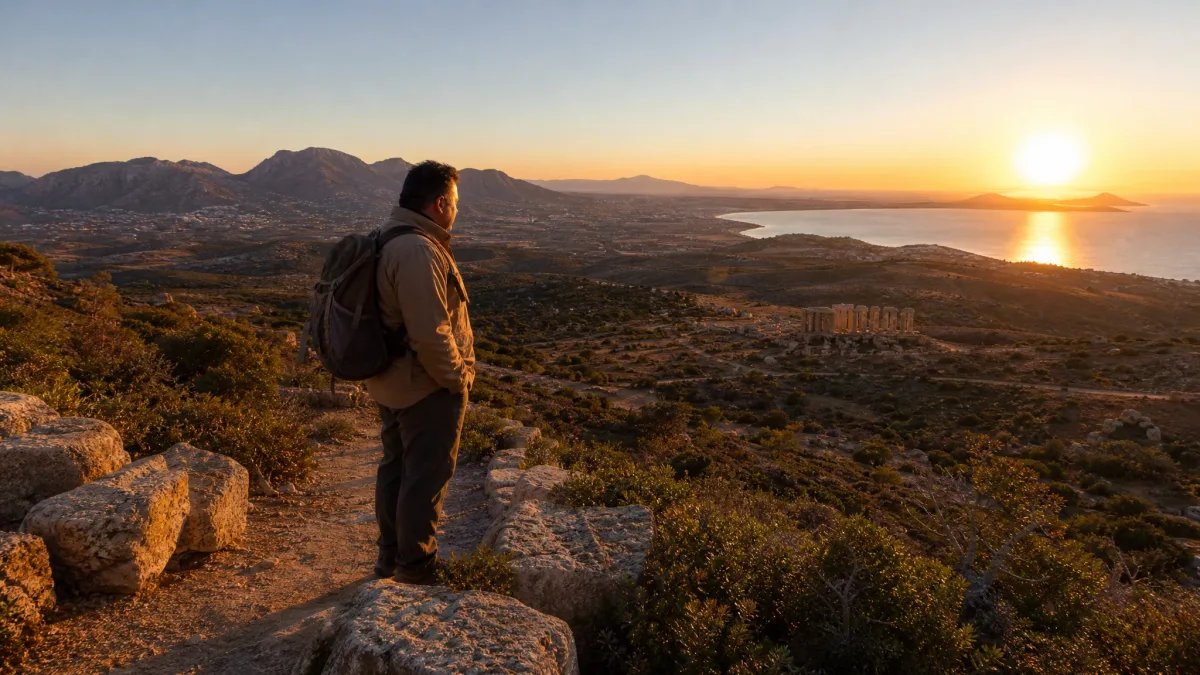
A twenty-five dollar daily baseline stretches across international borders further than most travelers expect, keeping high-value cultural exploration entirely within reach.
Travelers seeking affordable international trips need to identify high-value destinations before tourism development drives up prices and modernizes traditional routes.
Peak seasons trigger price spikes of thirty to fifty percent, while rapid infrastructure growth threatens current daily cost points ranging from twenty-five to fifty-five dollars.
Evaluate your travel window and flight expenses to prioritize locations matching your preferred style before regional popularity alters the financial landscape.
Quick Tips Before You Start
Ride Public Transit
Buses and trains slash your transit costs dramatically.
Eat Street Food
Local food stalls offer authentic meals for a few dollars.
Travel Off-Peak
Shoulder seasons save you thirty to fifty percent on lodging.
Set Daily Limits
Keep daily spending between twenty-five and fifty-five dollars.
How Far Does a Twenty-Five Dollar Daily Budget Actually Go?
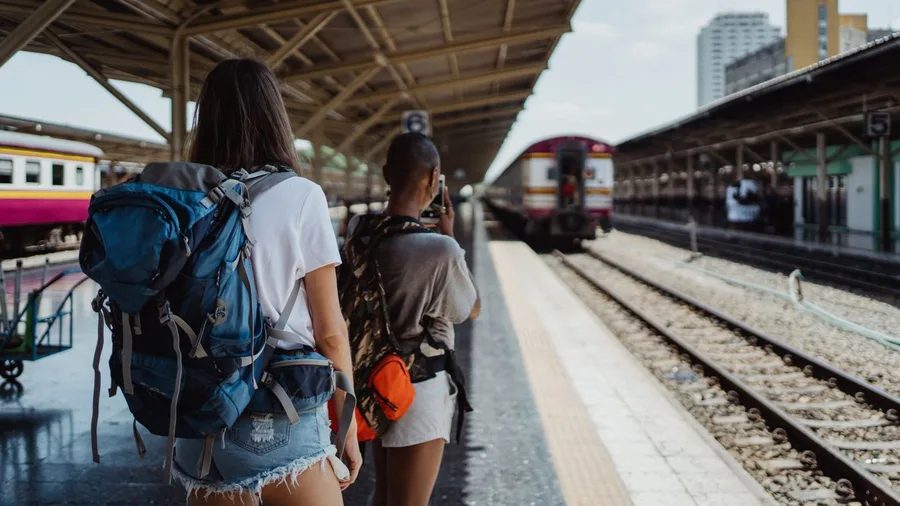
Your daily spending stays remarkably low when you avoid Western-style chains and lean entirely into local alternatives.
Expect to spend roughly thirty dollars a day in countries like Vietnam, Bolivia, and Nepal by choosing simple guesthouses, neighborhood markets, and public transit instead of tourist-oriented conveniences.
Flights remain your largest upfront expense by a wide margin, but on-the-ground living costs stay minimal once you arrive.
Planning around shoulder seasons prevents sudden price hikes from inflating that daily baseline.
Budget Breakdown & Tactics
Global Route Overview
Save this route map before you go.
| Country | Estimated Daily Budget | Primary Highlight | Price Trend |
|---|---|---|---|
| Vietnam | $25 – $35 | Street food & sleeper trains | Rising |
| Albania | $35 – $55 | Mediterranean beaches | Fast-growing |
| Bolivia | $30 | Andean adventures | Stable |
| Nepal | $25 – $40 | Himalayan teahouses | Gradual increase |
1. Vietnam Delivers Exceptional Street Food and Transport Value

Vietnam proves that daily expenses averaging $25 to $35 still buy incredible cultural depth, architecture, and coastal scenery without cutting corners.
You combine ultra-low food and lodging costs by eating steaming bowls of pho on plastic stools and sleeping in clean private rooms for $12 a night.
Sleeper trains and local street food maximize savings while carrying you smoothly from the northern limestone peaks down to southern delta waterways.
Rapidly expanding tourism is modernizing traditional routes, so booking your sleeper berths a few days ahead keeps the itinerary moving smoothly.
💡 PRO TIP
Mastering Local Sleeper Trains
Book soft sleeper berths a week in advance to secure comfortable overnight transit between cities.
2. Albania Offers Mediterranean Beaches on a Fraction of Western European Budgets
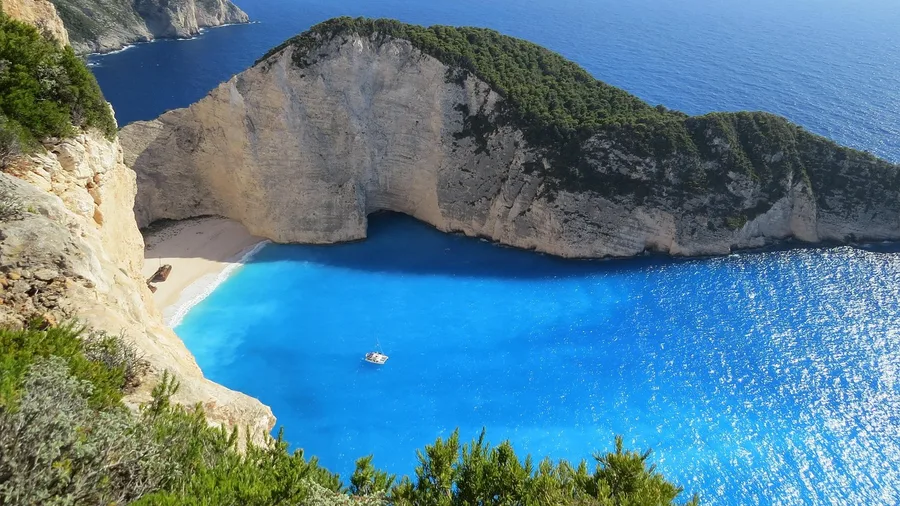
Shifting westward from Southeast Asian street food culture to Mediterranean coastal Europe reveals similar low-cost opportunities in emerging European regions, where places like Albania provide dramatic coastal scenery and historic stone towns with significantly lower daily expenses than neighboring Greece.
Expect daily budgets to range between $35 and $55 as you explore the coastline, where public minibuses known as furgons keep regional transport exceptionally cheap while fast-growing resort development gradually transforms the Albanian Riviera.
3. Bolivia Packs Dramatic Andean Landscapes Into Low Daily Spending
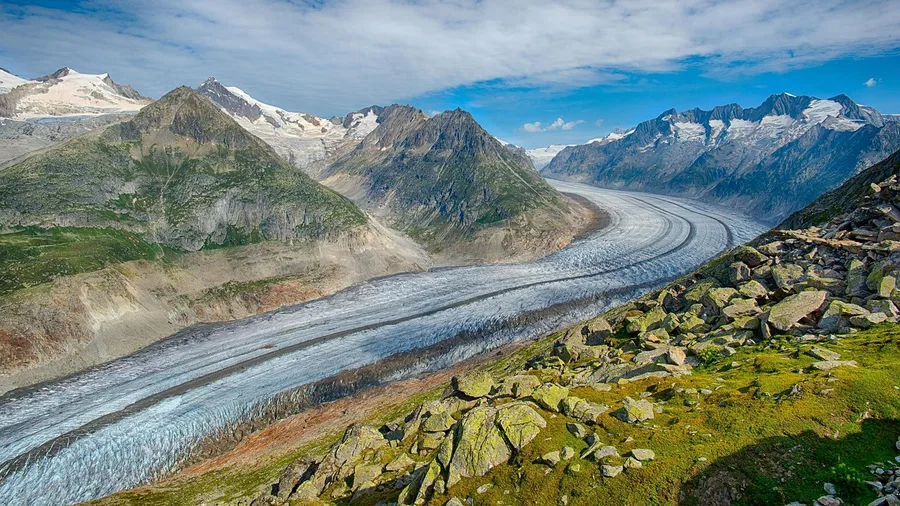
Thirty dollars a day covers your room, food, and transport across high-altitude mountain terrain and endless salt flats, making this South American country one of the cheapest places on the continent for serious adventure. Transitioning from European coastal resorts to South American highlands uncovers dramatic mountain landscapes with equally low daily expenditures, perfect for travelers who want maximum challenge without heavy costs.
Basic local infrastructure offsets the low tour and food prices, meaning you trade luxury amenities for raw authenticity. You will find that remote regions remain largely untouched by commercial luxury, leaving traditional indigenous culture and vast wilderness entirely intact for independent visitors.
Timing matters completely here, as you need to arrive at the salt flats right at sunrise when the blinding white crust turns to a mirror under the morning light. Visiting during any other hour exposes you to harsh glare and tour crowds that ruin the solitude.
⚠️ COMMON MISTAKE
Ignoring Altitude Sickness
Give yourself two full days to adjust to high altitudes in La Paz before booking strenuous treks.
4. Indonesia Extends Far Beyond Bali for Low-Cost Island Travel

Warm volcanic ash crunches beneath your boots as you hike upward in the dark, breathing in the scent of sulfur before the sun breaks over the ridge.
Moving from high-altitude Andean terrain across the ocean to Southeast Asian island groups maintains low daily spending patterns, where islands like Lombok, Java, and Flores offer towering peaks and empty beaches at a fraction of mainstream resort costs.
Local eateries and family-run guesthouses keep daily expenses averaging $30 to $50 outside peak hubs, while domestic ferries and prop planes facilitate affordable island hopping for anyone willing to skip the heavily touristed southern beaches.
5. Morocco Blends Historic Medinas With Affordable North African Culture
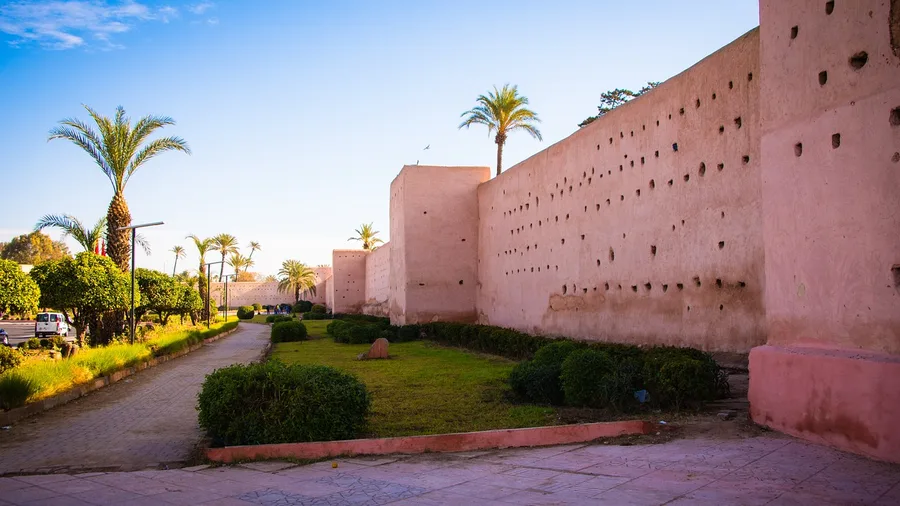
Trading island ferries for continental rail lines requires a bit more patience with crowded platforms, but the financial payoff remains high.
Vibrant markets, desert excursions, and traditional guesthouses are easily accessible on daily budgets ranging from $35 to $55, making this a rewarding destination for flexible solo explorers who do not mind constant haggling, though families seeking predictable resort amenities will find the sensory intensity exhausting.
6. Nepal Provides World-Class Himalayan Trekking Without High Costs
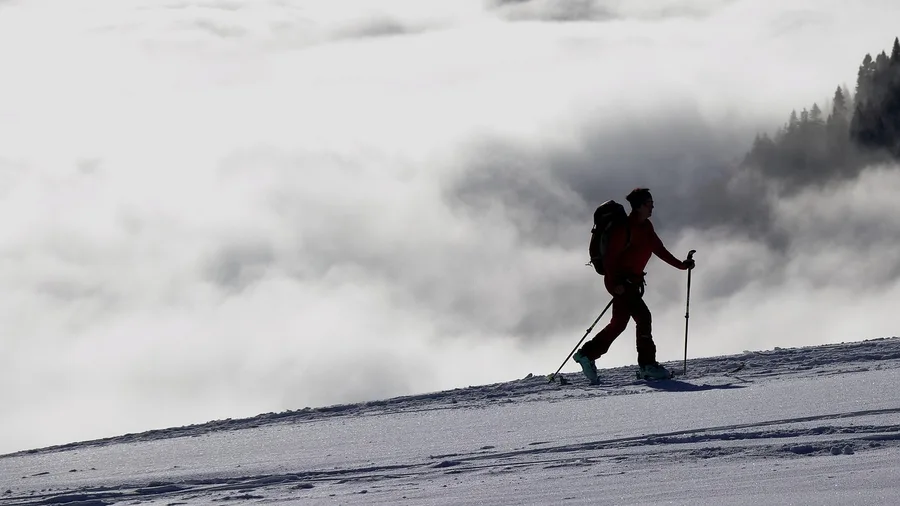
You smell woodsmoke and cardamom long before you see the stone lodge clinging to the ridge above the valley. Leaving North African markets behind for the high Himalayas brings outdoor travelers into a zone of minimal daily overhead where mountain peaks demand physical endurance and very little cash.
A steaming plate of dal bhat costs around $3 and keeps you walking for six hours through alpine passes. Daily expenses average $25 to $40 when you skip the guided tour groups and handle the permits on your own. Independent trekking slashes overhead completely, letting you pay local teahouses directly for a warm bed and simple food by the hearth.
Commercial development is slowly creeping up remote mountain routes, turning old stone paths into wider tracks and raising room rates in the highest settlements. You want to walk these valleys now before the tea stops turn into resort hotels.
7. Sri Lanka Delivers Diverse Wildlife and Tea Plantations Affordably
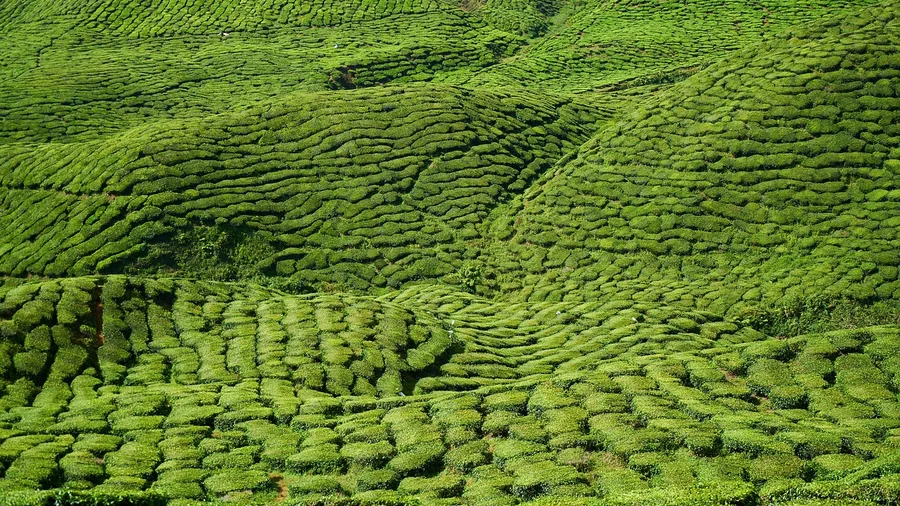
The legendary train ride through the misty highlands of Sri Lanka is completely worth the crowds, provided you secure a reserved third-class ticket weeks in advance. Shifting from high-altitude mountain trails to this tropical island packs ancient ruins, coastal wildlife reserves, and sweeping tea plantations into a remarkably compact route.
Daily expenses typically span $30 to $45, though rising global attention is steadily pushing up accommodation rates in popular hubs. Booking locally run guesthouses and eating street-side rice and curry keeps spending low while funding local families directly.
8. Laos Maintains a Slow-Paced, Low-Cost Southeast Asian Charm
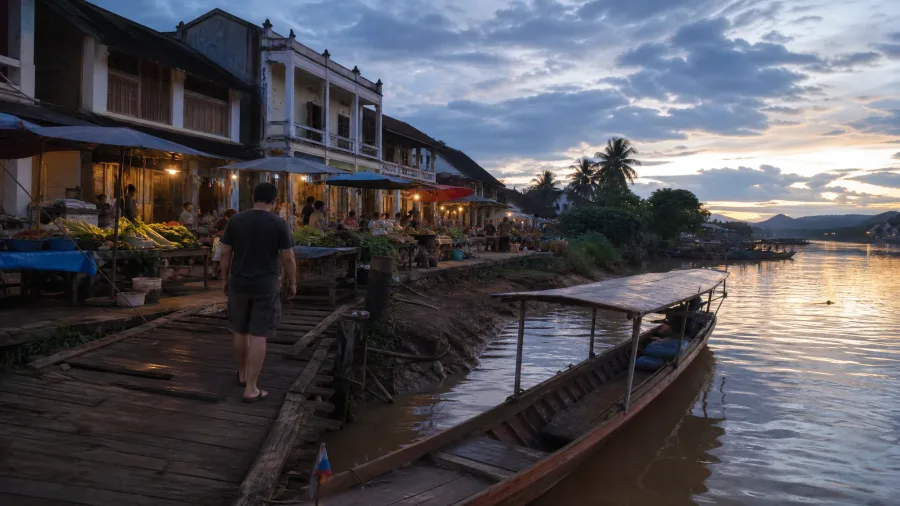
Watch the train schedules closely because new high-speed rail links are rapidly transforming remote transit routes across the country. Transitioning from island wildlife to the river towns of the Southeast Asian mainland reveals a slower pace built around French-colonial architecture and ancient cave networks.
Daily budgets generally run between $25 and $40, keeping outdoor excursions and open-air markets exceptionally cheap for independent visitors. French-colonial bakeries sit alongside morning vegetable stalls where villagers trade goods just as they have for generations.
French missionaries introduced baguettes and coffee to the river valleys over a century ago, creating a daily morning routine that persists in sleepy provincial capitals today. Local bakers still fire up wood ovens before dawn, filling damp alleys with the scent of fresh bread while monks collect alms outside.
New regional railway connections are accelerating modernization across the valleys, cutting travel times between the capital and northern trading posts down to hours instead of days. Experiencing the quiet riverside atmosphere before these infrastructure projects bring mass commercial tourism requires traveling during the shoulder months.
9. Cambodia Balances Ancient Temple History With Coastal Value

Set aside the morning rush toward monument complexes and reserve an hour to watch the river traffic drift past while daily spending sits comfortably between $25 and $45 per person. Access to monumental heritage sites and emerging islands remains affordable, though main tourist hubs see rising hotel and entry costs.
Minivan transport connects major towns economically, keeping transit overhead low as you transition from slow-paced river regions into coastal areas.
10. India Offers Unmatched Cultural Depth and Inexpensive Transit

The blare of a station horn cuts through the platform air before the sleeper carriage even grinds to a halt. Stepping onto the concrete amid crowds carrying brass kettles and bundles reveals why railway transit across the subcontinent remains legendary.
Daily spending sits comfortably between $20 and $30 when you eat simple vegetable curries from platform stalls and sleep in clean station retiring rooms. You will cross vast provincial borders for pocket change because the national rail network ties thousands of towns together without domestic flights.
Navigating these intense sensory environments requires patience, sharp timing, and booking berths weeks ahead through official reservation counters. Treating yourself to an air-conditioned upper class sleeper ticket costs roughly $25 for an overnight haul, providing a quiet berth above the bustle that is well worth the extra money.
11. Nicaragua Provides Central American Beaches and Volcanoes Cheaply
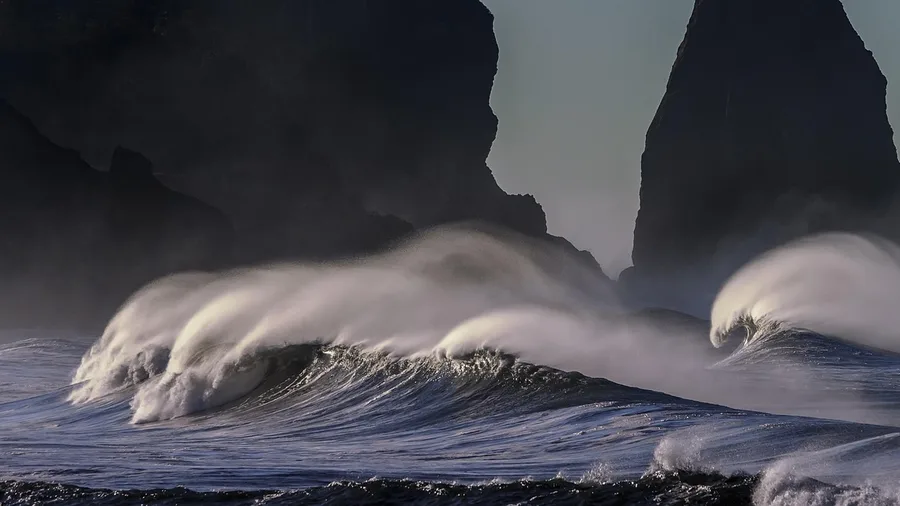
Thirty dollars a day covers your bed, fresh fruit juices, and a seat on a rust-painted chicken bus rattling toward the Pacific surf. Shifting from sprawling rail networks over to Central American volcanic chains lands you in a country where your wallet stretches significantly further than it does across the southern border.
Nicaragua undercuts Costa Rica on every front, offering colonial plazas, volcanic crater lagoons, and volcanic ash slopes at a fraction of typical regional prices. Local buses and modest guesthouses keep fixed costs down to bare minimums.
You trade high-end resort polish for genuine neighborhood bakeries where fresh plantain chips cost less than a quarter. Tourism infrastructure is expanding steadily from a quiet base, meaning small surf shacks and family-run lodges are slowly updating their amenities while keeping rates low.
Head past the crowded central plazas to the quieter shores of Ometepe Island where local families rent out simple hammocks overlooking the water. Renting a bicycle for the afternoon costs around $5, letting you pedal through banana groves without hitting tour bus bottlenecks.
12. Georgia Combines Caucasus Mountain Scenery With Budget-Friendly Wine Culture
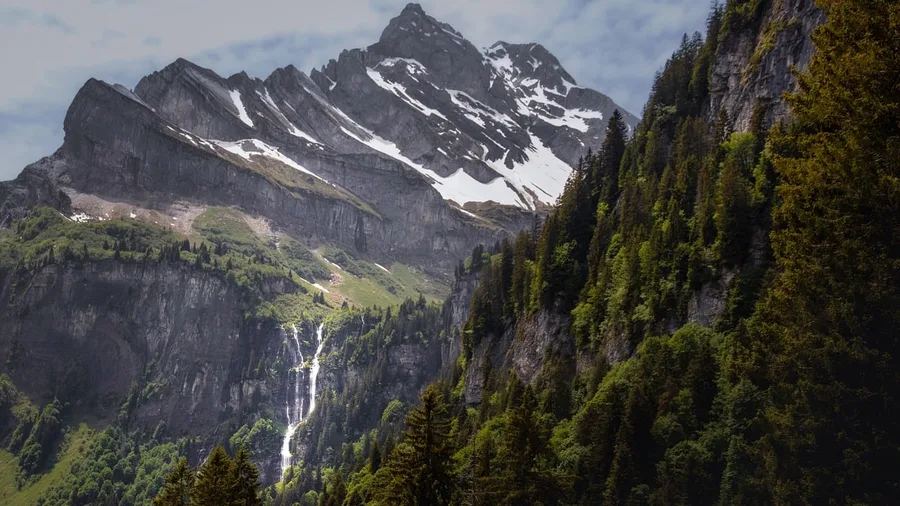
Georgia delivers rich culinary traditions, historic monasteries, and towering alpine scenery while keeping daily expenses between $30 and $50 per person.
Family-run guesthouses and traditional supra feasts provide exceptional value for your money, though increasing European budget airline routes are rapidly driving higher visitor numbers and shifting local costs.
Frequently Asked Questions
What is the average daily travel budget for these countries?
Daily travel budgets typically range between twenty-five and fifty-five dollars per person when staying in guesthouses and eating local food.
How can I save money on international flights?
Book flights several months in advance, travel during shoulder seasons, and remain flexible with your departure dates and arrival airports.
Are these destinations safe for independent travelers?
Yes, these countries are popular with backpackers and independent travelers. Standard travel precautions and basic situational awareness are always recommended.
Do I need to book accommodations ahead of time?
During peak tourist seasons, booking ahead secures better rates. In shoulder seasons, you can easily find guesthouses upon arrival.
Evaluating Your Travel Window and Flight Costs
Evaluate your travel window and flight costs first, prioritizing destinations that match your preferred travel style before regional popularity increases prices.
Peak season spikes of thirty to fifty percent and rapidly expanding tourism infrastructure mean current low price points of twenty-five to fifty-five dollars per day may shift within the next few years.
Select the right shoulder season, lean on local transport and street food, and lock in your guesthouse bookings now to secure high-value international experiences before development drives up costs.
Ready to Plan Your Next Budget Trip?
Review our quick planning guide and daily cost breakdown to choose your ideal destination today.