
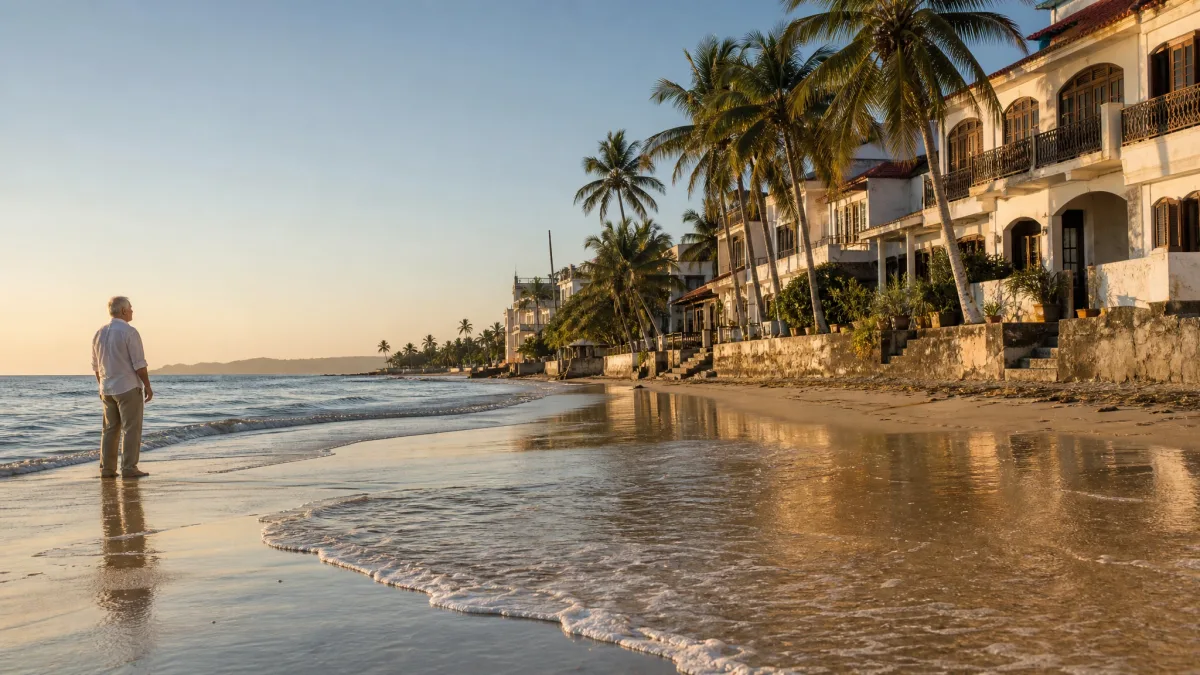
A Florida ocean-view apartment is the obvious benchmark – and almost every destination on this list beats it by a factor of two or three.
US retirement planning tends to treat an ocean-view home as a luxury line item, and the price backs that assumption up: a two-bedroom with sea views in Miami Beach or coastal California runs $3,500-6,000 a month in rent alone, before a single utility bill, before groceries, before the car insurance renewal.
Twelve coastal towns on four continents rent that same two-bedroom ocean-view apartment for $400-1,400 a month. A couple's total budget – rent, food, transport, private health insurance, everything – runs $1,400-3,000 a month depending on the destination.
The right place on this list is not automatically the cheapest one. It is the one whose trade-offs fit your actual life: how far you are willing to be from family, whether your Spanish holds up at a clinic, what healthcare standard you need, and whether a legal residency path exists for your income level.
Work through all twelve and you will have a shortlist of two or three places worth a scouting trip, the real monthly numbers for each, and one specific practical question to answer before you buy the flight.
Quick Tips Before You Start
Do a 30-Day Scout First
Rent furnished for one month before signing any long-term lease — low-season prices and daily noise levels are different from a holiday week.
Budget the Insurance Line
Private health insurance runs $100-200/mo in Mexico and Southeast Asia and $300-500/mo in Western Europe — add it to every monthly estimate before comparing destinations.
Check Visa Rules at the Source
Residency rules change; get current terms from each country's official immigration authority, not from a blog post or Facebook group.
Test Internet Before You Sign
Ask the landlord for the actual router speed during the day — fibre availability varies street by street in many of these cities.
Keep a US Account Active
A Charles Schwab checking account refunds all foreign ATM fees globally — keep it funded alongside any local account.
1. Mazatlan, Mexico: Pacific Beachfront
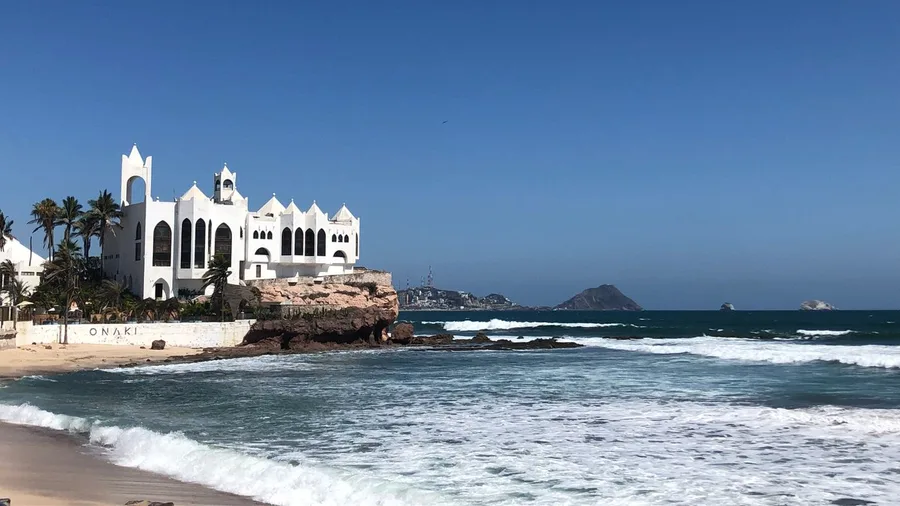
$600-900 a month rents a 2BR ocean-view apartment in Mazatlán, and a couple's full budget – food, transport, private health insurance, everything – lands between $1,800 and $2,200. That insurance figure deserves a second look: around $100-200 a month for a healthy 65-year-old is the lowest premium on this entire list, and it does not compress the rest of the budget the way European insurance costs do.
The city splits into two retirement personalities. In the historic centro, rents sit at the lower end of that range, the market stalls run on Spanish, and a morning walk to buy produce involves zero English-language backup – which is either the point or the problem, depending on the retiree. The Golden Zone, the hotel-dense strip to the north, flips the equation: expat-facing pharmacies, English-language real-estate agents, familiar grocery chains, and rents at the upper end. Either way, Spanish is the working language the moment you step outside a business that depends on foreign customers – at the utility payment window, at a landlord negotiation, at a clinic check-in desk, English is not a safe assumption. The practical test before committing here is not whether you enjoyed a week at a Mazatlán resort; it is whether you can handle a pharmacy misunderstanding or a lease dispute in Spanish without a translator on standby. On the logistics side, direct flights connect Mazatlán to several US cities in under four hours from most of the country, which means family can turn a weekend into a real visit rather than a transatlantic commitment, and a genuine emergency at home is reachable the same calendar day.
💡 Tip: The Golden Zone neighbourhood has English-friendly services and expat cafes; the historic centro has lower rents and denser Mexican street life — pick your end of the spectrum before you start searching for apartments.
2. Huatulco, Mexico: Nine Bays, Oaxacan Coast
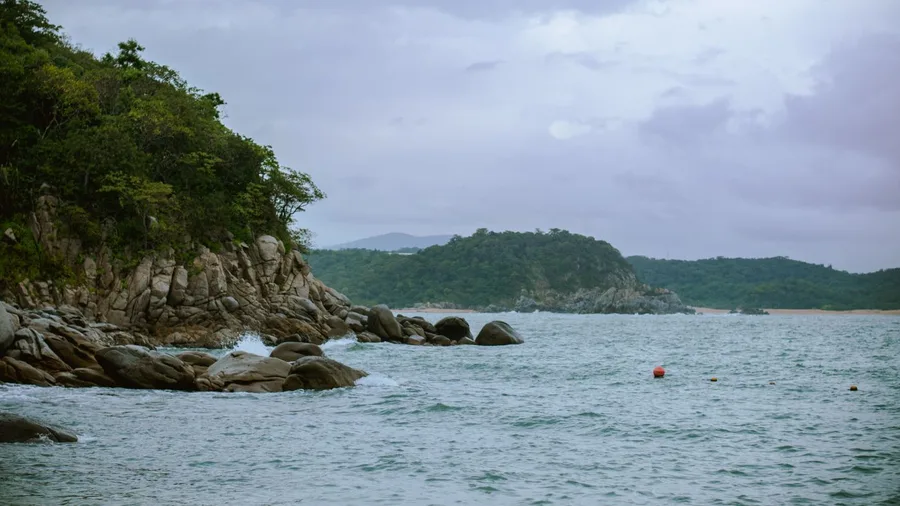
Drop the rent floor by $100 to $150 a month and accept a connecting flight instead of a direct one, and you reach a stretch of Pacific coast that Mexico's biggest resort developers never got to. A 2BR near the water in Huatulco runs $500-750 a month; total monthly budget for a couple sits at $1,600-2,000 – both figures meaningfully below what a comparable setup costs along Mexico's more famous coastlines.
The reason Huatulco looks the way it does is a federal planning decision made decades ago. Nine bays along Oaxaca's Pacific coast were designated for controlled development; the density ceiling that Cancún and Puerto Vallarta blew past in the 1980s and 1990s was held here. What that left behind is calm water, a shoreline without a wall of high-rise hotels, and a pace that runs at a different register. For the view the trip is remembered for, take a water taxi across Bahía Santa Cruz to the far side of the bay in the early morning, before the sun clears the hills – the water is a deep blue-green, the boats are still tied up, and there is almost no one else there. That is the photograph.
The food is the other concrete argument for Huatulco. Oaxacan cuisine is considered Mexico's most complex tradition – mole negro, tlayudas, memelas – and the street-food version of it costs under $3 for a full meal; a sit-down local restaurant rarely clears $10 for two. That is a quality-of-life addition that costs nothing extra in the budget and does not require a special trip to find.
The expat community here is smaller than in Mazatlán or Puerto Vallarta. That means daily errands, conversations with neighbours, interactions at the market – all of it happens primarily in Spanish alongside Mexican residents rather than inside an English-speaking social bubble. A retiree who wants to integrate into Mexican life rather than observe it from a distance will find that dynamic genuinely rewarding. One who needs English available for social comfort will find it thin.
The single practical constraint is the airport. Huatulco has international service, but direct US routes are limited; most itineraries connect through Mexico City, adding time and a transfer each way. For a retiree making two trips home a year, that is manageable. For someone planning four or more, the cumulative hours and rebooking hassle is a real cost that the lower rent does not entirely offset.
⚠️ COMMON MISTAKE
Don't Compare Rents Without Insurance
Monthly rent figures look very different across regions until you add private health insurance. A $600/mo apartment in Southeast Asia plus $150/mo insurance is cheaper than a $700/mo apartment in Europe plus $400/mo insurance. Always run the full number.
3. Las Terrenas, Dominican Republic: Caribbean at Caribbean Prices
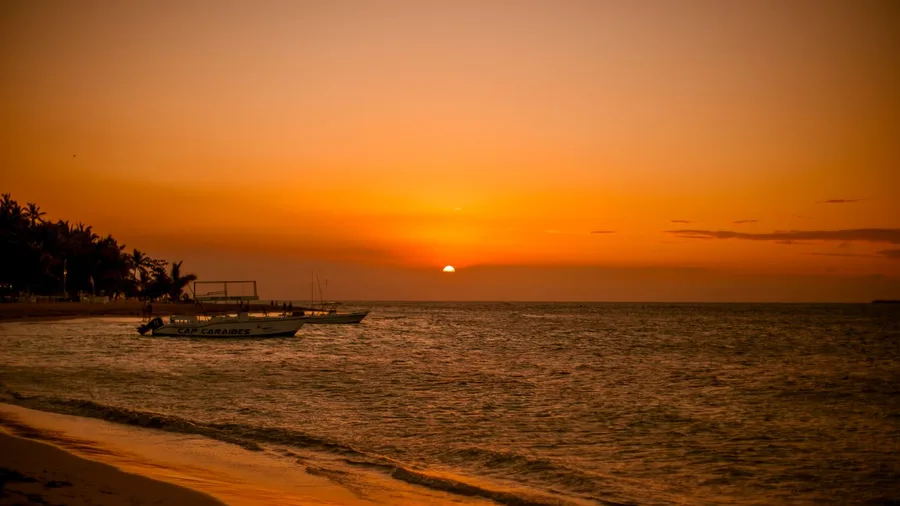
Before the budget figures: power outages and low water pressure are not occasional inconveniences on the Samaná Peninsula – they are daily features of the infrastructure. Most households that have been here longer than a year run a generator and keep a water storage tank as standard equipment, not emergency backup. Fuel and maintenance for both belong in the monthly budget from day one; leaving them out is the single most common planning error new arrivals make.
With that said, Las Terrenas makes a compelling case for the $1,900-2,400 a month it costs a couple to live here with a 2BR near the beach at $700-1,000 a month. The flight from Miami runs about three hours direct – the shortest hop to a Caribbean ocean-view retirement outside Mexico, and a genuinely significant factor if your family is concentrated on the US East Coast. A long weekend in Florida is not a logistical project; it is a normal ticket purchase. That kind of proximity has real dollar value and real quality-of-life value that a cheaper but more distant destination cannot replicate.
The long-term livability question gets answered by who is already there. French, Italian, and German retirees have been living full-time in Las Terrenas for more than two decades – not visiting, living. That length of tenure means the rental market knows how to serve foreign residents, local services have been stress-tested by people with the same expectations a US retiree brings, and the social infrastructure for building a life here exists and has already been built. Spanish runs daily transactions at clinics, utility offices, and in landlord conversations – English in restaurants and real-estate offices does not transfer to those contexts – but the established European community is proof that a non-Spanish-speaking retiree has successfully navigated exactly that reality for years.
4. Salinas, Ecuador: Pacific Views, Dollar Economy
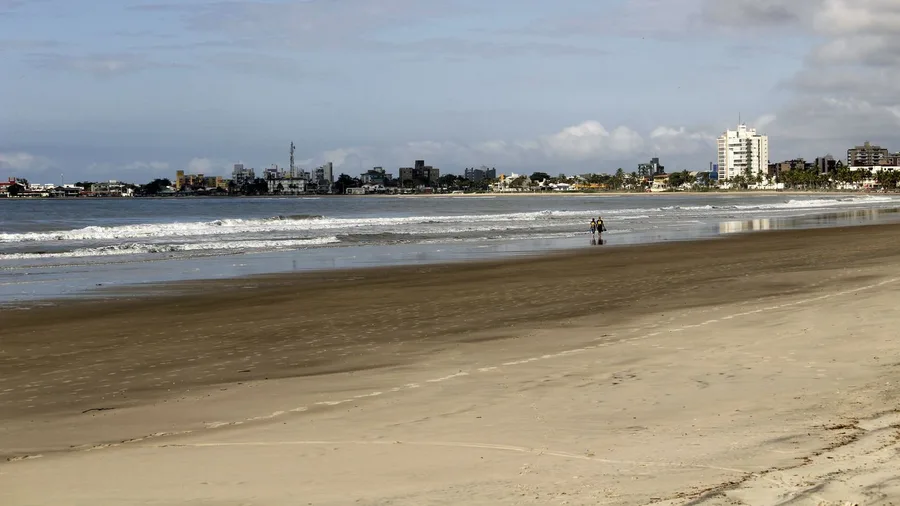
In Ecuador, that question disappears entirely – the country runs on US dollars, which means a Social Security deposit of $2,200 lands in your account and buys exactly $2,200 worth of groceries, rent, and utilities, month after month, with no conversion fee and no exchange-rate math to run.
Salinas sits at the far tip of the Santa Elena Peninsula with Pacific water on three sides – this is not a town that happens to be near the ocean; it is a town that is essentially surrounded by it. A 2BR ocean-view apartment runs $500-800/mo, and total costs for a couple settle in the $1,600-2,000 range. The flight from Miami is 4-5 hours, longer than a run to Mexico but still a single manageable leg – direct or one short connection.
The one thing to understand before committing: Salinas has two distinct personalities packed into the same address. During January, Carnival week, and the Easter holiday, Ecuadorian families arrive in force – restaurants fill, beaches crowd, and the town is genuinely loud and alive. The rest of the year it drops into a quieter expat-and-local rhythm that many retirees find ideal. You are not choosing one version of Salinas; you are choosing both, and the year rotates between them.
5. Dumaguete, Philippines: Cheapest English-Speaking Option
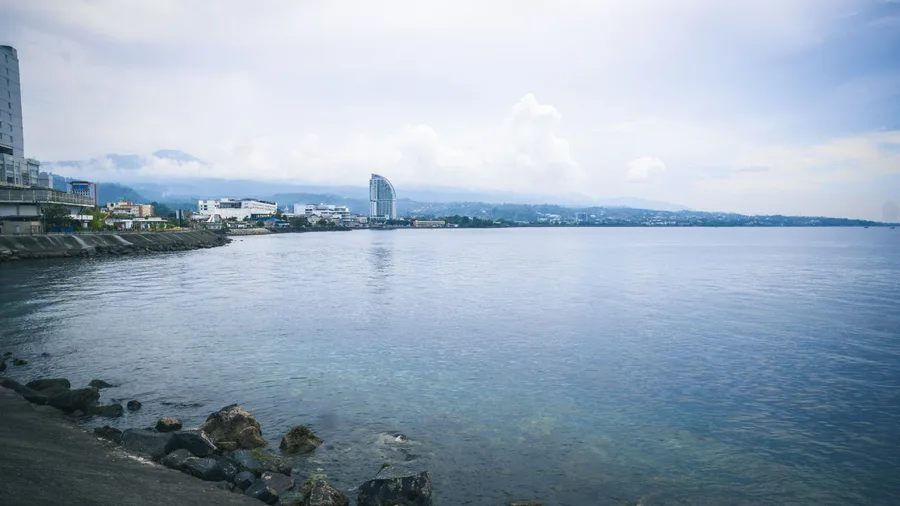
Dumaguete is the lowest-cost entry on this entire list: a 2BR ocean-view apartment rents for $400-700/mo, and a couple's full monthly budget – rent, food, transport, and healthcare – runs $1,400-1,800. It is also the only place in Southeast Asia where English is not tourist English but an official daily language, spoken at the pharmacy counter, the municipal office, the hospital ward, and the hardware store without a translator in sight. Silliman University runs through the middle of town and keeps the social fabric unusually active – cafes, bookshops, local residents in their twenties and thirties who are not in the hospitality trade. Thirty minutes offshore by outrigger, Apo Island Marine Reserve is one of the best-protected dive sites in the region; it is the reason a lot of retirees arrive for a month and quietly extend. A plate of grilled tuna with rice and a cold San Miguel at a waterfront eatery costs around $4 – the kind of number that resets your intuition about what daily life actually costs.
The one structural fact that changes the calculation: every US gateway to Dumaguete requires 20-plus hours of travel and at least one connection. Family visits are expensive and infrequent by geography, not by choice. That is not a temporary adjustment – it is a permanent feature of life here, and it is worth weighing against the cost floor before the flight is booked.
💡 Tip: The flight from any US gateway to Dumaguete runs 20-plus hours with at least one connection. Visits from US-based family are expensive and infrequent by design — factor this into the decision honestly.
Dumaguete — At a Glance
🍽️ Meal Out (waterfront)
~$4 per plate
🏠 2BR Ocean-View Rent
$400–700/mo
🏥 Health Insurance (65)
$100–200/mo
✈️ Nearest US Gateway
Manila or Cebu — no direct US–Dumaguete route
🤿 Apo Island Dive Trip
~30 min by outrigger; book locally
The Trade-Off
Lowest cost floor on the list and genuine English fluency — but family visits from the US run 20-plus hours each way and at least one connection. Budget that trip, not just the monthly spend.
6. Da Nang, Vietnam: 30 Kilometres of Beach
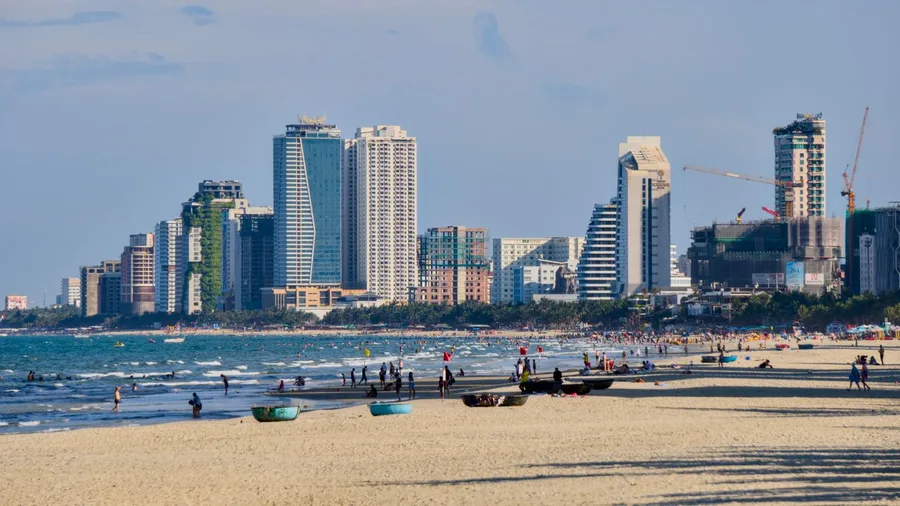
The morning heat on My Khe comes with the sound of motorbikes already moving along the coastal road – Da Nang wakes up as a city, not as a resort.
That distinction matters. The beach runs 30 kilometres along the city's eastern edge, wide and open, while the Marble Mountains rise to the south and the Hai Van Pass closes the horizon to the north. You are not looking at a hotel strip with a pharmacy bolted on; you are in a functioning Vietnamese urban centre that happens to face the sea. A 2BR ocean-view apartment runs $500-800 per month, and a couple's full monthly budget – rent, food, transport, utilities – comes in at $1,500-2,000, which is lower than most European entries on this list and comparable to Penang.
For a retiree managing ongoing health needs, the healthcare cost ratio here is the single most useful number to know. Private clinics with English-speaking doctors operate in Da Nang – a specialist consultation that runs $200-400 at a US clinic typically costs $20-50 here. That gap is not a rounding error; over a year it changes the math of the whole budget. What the city asks in return is a real daily language effort: buying produce at a local market, chasing a landlord about a broken air conditioner, filling out a government registration form – none of that runs in English outside expat-facing businesses, and translation apps only take you so far before the patience of both parties runs out. Da Nang suits a retiree who accepts that friction as part of the deal, not one who expects to manage every transaction independently. Visa terms for long stays have shifted several times in recent years; check current rules directly with the Vietnamese embassy or a live expat forum rather than relying on any fixed figure in print.
Nearest vs. Furthest: The Distance Trade-Off
Stay Close to the US
- Dominican Republic: 3-hr direct flight from Miami
- Mexico: 2–4 hrs from most US cities
- Ecuador: 4–5 hrs, single manageable leg
- Family can visit on a long weekend
- Home emergency reachable same day
Go to Southeast Asia
- Philippines and Vietnam: 20–24 hrs total
- At least one connection required
- US family visits are expensive and rare
- Cost floors are the lowest on this list
- Budget 2–3 days of travel time each way
7. Penang, Malaysia: City Comfort on the Strait
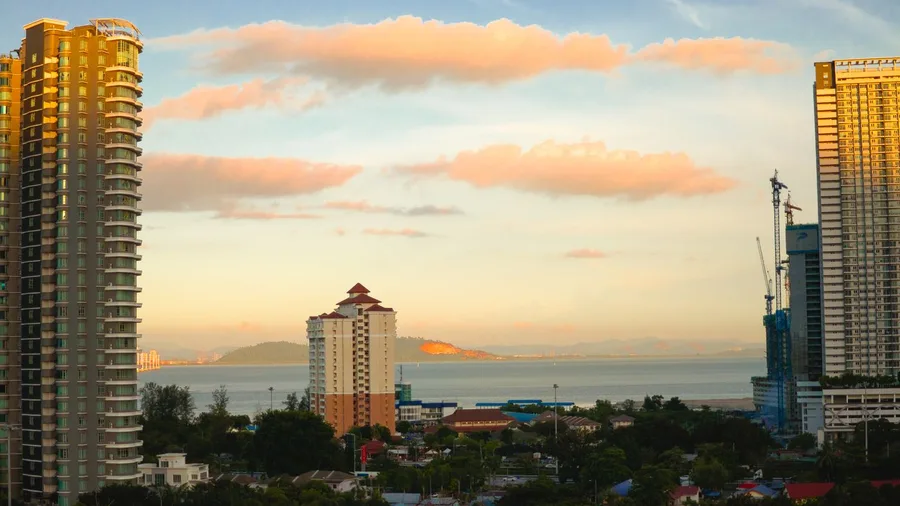
For a retiree who wants internationally accredited hospitals and English spoken fluently at every appointment, Penang is the clearest answer in Southeast Asia. A 2BR near the seafront runs $600-900/mo; a couple's full monthly budget lands at $1,800-2,300. Those numbers sit alongside private hospitals – Penang Adventist, Gleneagles Penang, Lam Wah Ee – that appear on international medical-tourism rankings year after year. A specialist consultation, results, prescription: all handled in English without a translator, without crossing a border, and at a fraction of what the same appointment costs in the US.
The climate is the thing that ends the conversation for a third of readers. Hot and humid every single month, overnight temperatures rarely below 25°C, no dry season that brings relief – if you have spent your life in Seattle or Denver, that is not a minor adjustment. For someone coming from Miami or Honolulu, it is simply Tuesday. George Town's UNESCO-listed streets, its food stalls running Malay, Chinese, and Indian traditions side by side, its functioning airport and public transit – all of it arrives inside a climate that self-selects the reader before any other factor does.
💡 PRO TIP
Test the Climate Before You Commit
Book a 30-day rental in July or August — the hottest, most humid period — before signing anything long-term in Malaysia, Vietnam, or Bali. A scouting trip in February will not reveal what daily life feels like at peak heat.
8. Sanur and Canggu, Bali, Indonesia: Tropical Coast

You sit down at a beach cafe in Sanur at seven in the morning and the water is already warm, the light already sharp, and the table costs you less than a dollar for a coffee that arrives without being asked for twice. That is not a resort trick. It is the ordinary daily rhythm of a Balinese seafront neighbourhood that has had a settled expat retiree community for long enough that the cafe owner has seen several generations of foreigners come, stay, and stop leaving.
Sanur is the entry on this list for a retiree who wants the tropical ocean-view life without building it from scratch. The seafront road is walkable, the water is calm enough for a morning swim without reading surf reports first, and the social infrastructure – English-speaking doctors, long-term rental agents, other retirees who have already figured out the bureaucracy – is already in place. A 2BR villa or apartment near the coast runs $600-900 a month; a couple's full budget including food, transport, local health coverage, and the occasional dinner out lands between $1,600 and $2,200. That is a real monthly figure for a real full-time life, not a backpacker's week.
Canggu, on the island's southwest coast, is technically on the same island and in the same price band. Mention it only so you can rule it out clearly: surf breaks, co-working cafes, a bar scene that runs past midnight, and an international crowd weighted heavily toward remote-working twenty-somethings. The rent can sit at the lower end of that $600-900 range precisely because the neighbourhood is calibrated for a different life stage. Worth knowing it exists; not worth confusing it with a retirement option.
English handles nearly every practical transaction in Sanur – the clinic visit, the landlord negotiation, the hardware store run. What it does not handle is the warmer layer of daily life: the joke at the fruit stall, the small courtesy to a neighbour, the bargaining gesture at the morning market. Spending a few deliberate days learning the numbers, a handful of greetings, and the polite request form in Bahasa Indonesia – a language with no tones and a forgiving grammar – opens a version of Bali that English alone keeps at arm's length. Most people reach functional market-level fluency in under two weeks.
The one thing to verify before you sign anything: Indonesian visa conditions and maximum permitted stay durations have changed more than once in recent years, and any figure printed in a third-party article – including a recently published one – may already be out of date. The Indonesian Directorate General of Immigration website at imigrasi.go.id is the authoritative current source. Check it directly, and check it again before you book the flight, not after.
How Far Your Budget Goes vs. A US Coastal Retirement
Percentages are illustrative estimates based on the cost figures in this article and US median data. Individual circumstances vary.
9. Budva, Montenegro: Adriatic at Eastern European Prices

Plan your scouting trip to Budva in September, not July. A summer visit will show you a walled Adriatic old town on a small peninsula, sand beaches stretching north and south, a waterfront that looks and feels like the Croatian coast a few hundred kilometres up the Adriatic – but at a fraction of Croatia's rent. What it will not show you is what happens when the tourist strip empties out: a bank errand, a utility registration, a visit to a medical reception desk, all conducted in Montenegrin with minimal English on offer. That is the version of Budva you are actually committing to, and one week in high season will not reveal it.
The numbers work, and they work at the European end of this list. A 2BR with an Adriatic view costs roughly $600-900 a month in rent – less than equivalent seafront apartments in Split or Thessaloniki. A couple's total monthly budget, with private health insurance included, runs $1,800-2,300. That insurance line – around $150-250 a month for a healthy 65-year-old – is not optional: Montenegro's public healthcare system does not function as a reliable primary plan for long-term foreign residents, and treating it as a backup rather than the baseline is the honest budget assumption. Montenegro uses the euro, which simplifies daily spending, but it is not an EU member state. Those considering buying property abroad will find purchase prices, tax rules, and residency pathways worth reviewing before committing. Residency rights, long-term stay permits, and visa allowances are governed by Montenegrin national law, not EU or Schengen frameworks – the official Montenegrin Ministry of Interior website holds current terms, and anything written before Montenegro's most recent rule changes should be treated as historical rather than operational.
What Budva hands you that almost nothing else on this list does at this price: a medieval walled town you can walk around the outside of in under ten minutes, then eat dinner inside for the cost of a fast-food meal back home. The old town has been standing since at least the 9th century – some of the walls are older – and it sits on a small rocky peninsula with the Adriatic pressing against both sides. It is not a reconstruction or a heritage precinct. People live there. That physical setting, at $600-900 a month for the apartment facing it, is the specific thing Budva offers that no other European entry on this list can match at the same price.
10. Thessaloniki, Greece: Greek Coast Without Island Prices
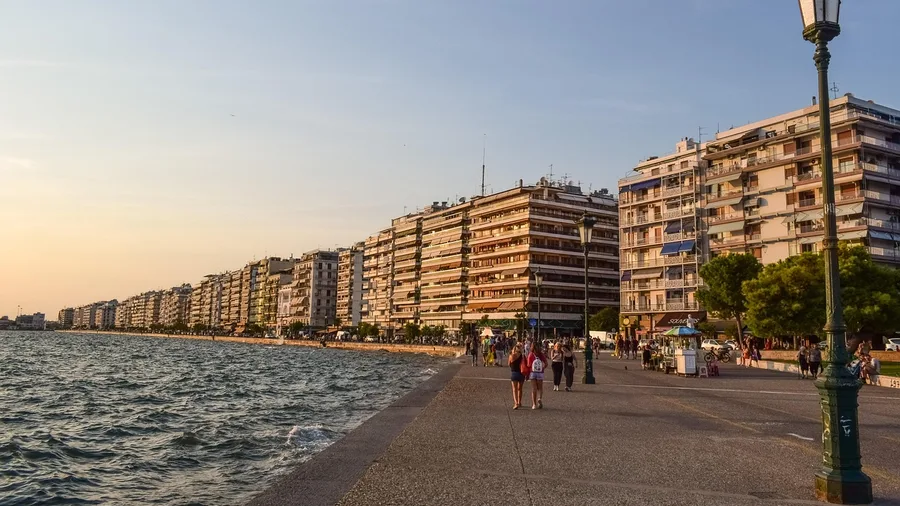
You walk out the apartment door and the Thermaic Gulf is already in front of you – a 4-kilometre promenade along the waterfront, cargo ships sitting low on the horizon, a cup of Greek coffee for under $2 at the nearest kafeneio. A 2BR seafront apartment here runs $600-900/mo, and a couple's total monthly budget lands at $1,800-2,300 – EU residency rights and Greek healthcare access included. That combination, which a Montenegrin address cannot offer, is the specific reason Thessaloniki belongs on this list.
The city earns its place beyond price. Byzantine churches, Ottoman-era covered markets, and a food culture that Greeks from Athens travel north to experience – this is a working city with genuine daily texture, not a resort reconfigured for foreign residents. A retiree managing a chronic condition can reach a specialist at one of the city's university-affiliated hospitals by tram; that is not a detail available on most Greek islands, where a ferry schedule decides when you see a doctor. English works reliably among younger residents, in shops, and at medical facilities; a municipal clerk or an older neighbour may speak none – daily life is manageable but not entirely frictionless, and lower-tier administrative offices are where the friction concentrates. Greece sits inside both the EU and the Schengen Area; non-EU nationals are subject to stay limits and residency requirements that change, and the current terms belong at the Greek Ministry of Migration and Asylum website, not a two-year-old expat forum post.
💡 Tip: Greece is in both the EU and Schengen Area. Non-EU nationals must verify stay limits and residency terms at the Greek Ministry of Migration and Asylum — rules governing long-term non-EU stays have changed and continue to change.
🗺️ Planning Your Scouting Trip: From Shortlist to Signed Lease
Build a Shortlist of Two or Three
Use the budget ranges, flight times, and language notes in this article to eliminate destinations that don't match your non-negotiables.
Verify Residency Rules at the Source
Check each country's official immigration authority website for current visa types, income thresholds, and permitted stay durations before booking anything.
Book a 30-Day Furnished Rental
Arrive in low or shoulder season and rent furnished month-to-month to test the real daily pace, noise levels, and service availability.
Price the Full Monthly Budget On the Ground
Get actual quotes for health insurance, utilities, and internet in that specific neighbourhood before comparing against your home costs.
Sign a Long-Term Lease Only After the Scout
Once you have lived there for a full month and still want to stay, negotiate a 12-month lease from a position of real local knowledge.
11. Split, Croatia: Walled Roman City, Adriatic Waterfront

Split costs more than anywhere else on this list so far, and it earns that difference in exactly one way: nowhere else lets you live inside a Roman emperor's retirement palace.
Diocletian had it built in the 4th century. Today the walls of that palace form the living centre of the city – residents buy groceries inside it, restaurants operate in its cellars, and the Adriatic sits directly at the southern gate. A 2BR near the waterfront runs $800-1,200/mo, and a couple's total monthly budget lands at $2,200-2,800. That is more than Thessaloniki and substantially more than the cheaper entries on this list, but a comparable US coastal apartment – think a walkable beach town in California or New England – rents for well over $3,000/mo before a single utility is paid.
The practical catches are real. Croatia joined the EU and Schengen Zone in January 2023, which is good news for residency rights – but any guidance written before that date about long-term stays is now outdated; current details live at the Croatian Ministry of the Interior or official EU immigration sources. English is widely spoken by younger Croatians and throughout the service industry, but residency paperwork, property contracts, and utility registrations are conducted in Croatian, and a licensed local agent or translator is a genuine cost to build into your first-year budget. Then there is the seasonal split: June through August, short-term rental demand floods the old town, prices spike, and the city runs on tourist time. September through May it runs on Croatian time – quieter, cheaper, and a fundamentally different daily pace. A retiree choosing Split is not choosing one city; they are choosing between two versions of it and deciding which one they can live inside for most of the year.
12. The Algarve, Portugal: Western Europe's Most Accessible Coast
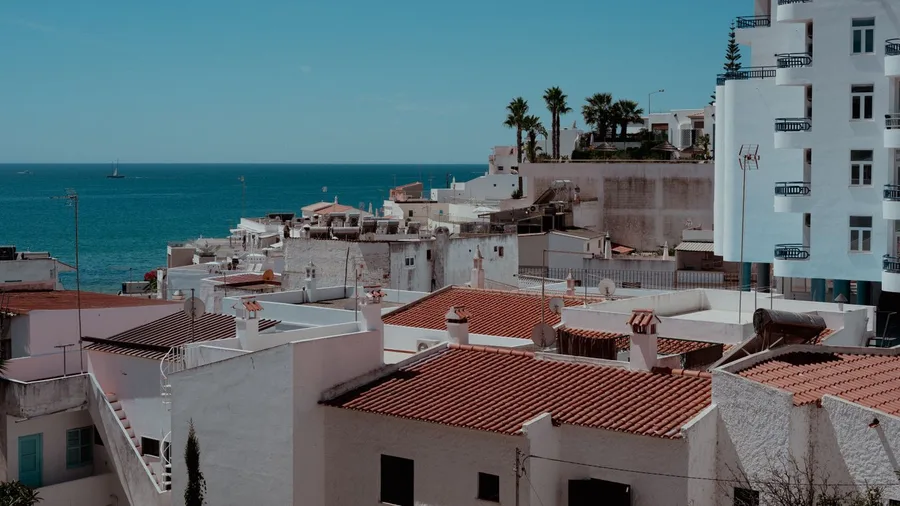
At $2,400-3,000 a month all-in for a couple – and $900-1,400 just for the 2BR with sea views – the Algarve is the most expensive entry on this list by a clear margin. What justifies that gap is straightforward: a government office appointment you can handle without an interpreter, a specialist clinic where the doctor explains your results in English without a translation app running in your pocket, and a residency legal framework that sits inside full EU infrastructure. A comparable 2BR ocean-view apartment in Sarasota, Naples, or Delray Beach rents for $2,500-4,000 a month before a single bill is paid – the Algarve's ceiling is roughly what Florida charges at its floor. Retirees weighing other affordable European coastal options can compare what couples spend monthly across several countries.
Health cover for a healthy 65-year-old runs around $300-500 a month through a private insurer; legal residents who register with Portugal's national health system, the SNS, have access to public care as a real alternative – which option makes sense depends entirely on residency status and what the individual actually needs from a health plan. On residency itself: Portugal's programmes have changed in recent years and the criteria keep shifting, so the only source worth trusting is the official Portuguese immigration authority AIMA (formerly SEF), not a blog post written eighteen months ago. One more thing the Algarve is not: Mediterranean. The Atlantic cliffs here are limestone, the coves are sandy and wave-washed, the water is cooler and livelier than anything on the calmer shores elsewhere in this list – for the right reader, that is the whole point.
Frequently Asked Questions
Is it really possible to retire abroad on $1,500 a month with an ocean view?
Yes, in the right destinations. Dumaguete in the Philippines and Da Nang in Vietnam both land at $1,400–2,000/mo total for a couple in a 2BR with sea views, including rent, insurance, food, and utilities. The trade-off is a 20-plus-hour flight from the US and limited English outside tourist areas in Vietnam.
Which destination has the best healthcare for a retiree with ongoing health needs?
Penang, Malaysia and the Algarve, Portugal are the strongest options. Penang's private hospitals including Gleneagles and Penang Adventist handle specialist care in English at a fraction of US costs. The Algarve gives access to both private insurance and Portugal's national health system. Split and Thessaloniki offer good urban hospital networks at lower overall costs than Portugal.
Do I need to speak Spanish to retire in Mexico or Ecuador?
Working Spanish is a practical requirement for daily life in Mazatlán, Huatulco, and Salinas — not just a polite bonus. English is unreliable at pharmacies, utility offices, and landlord negotiations. Conversational Spanish at an A2–B1 level handles most daily transactions. A Spanish tutor for three months before departure is a worthwhile pre-move expense.
Which destination is closest to the US for family visits?
Las Terrenas in the Dominican Republic is the shortest non-Mexican flight: three hours direct from Miami. Mazatlán connects to several US cities in under four hours. Both allow a US East Coast or Midwest family member to visit on a long weekend without international transit complexity.
Is the Algarve still affordable or is it overpriced now?
It depends on your reference point. At $2,400–3,000/mo total for a couple, the Algarve is the most expensive destination on this list. But a comparable ocean-view 2BR in a Florida beach town runs $2,500–4,000/mo in rent alone before any other expense. Within a Western European context, and with English-language services and EU residency infrastructure, the Algarve remains competitive.
Can I use Medicare abroad if I get sick?
Medicare does not cover healthcare outside the US in most circumstances. Every destination on this list requires private health insurance as your primary health plan. Budget $100–200/mo in Mexico and Southeast Asia, $150–300/mo in Eastern Europe and the Balkans, and $300–500/mo in Western Europe for a healthy 65-year-old. Some EU destinations allow legal residents to also access public healthcare after registering.
Start With Dumaguete or Da Nang
Tightest budget – $1,400-1,800 a month for a couple with a sea view – points to Dumaguete or Da Nang, and nothing else on this list comes close to that cost floor. Before booking either, answer one question honestly: can a 20-plus-hour flight and structurally infrequent family visits be accepted as permanent features of daily life, not a temporary inconvenience you will eventually solve? If staying within four flight hours of the US matters more, Mazatlán and Las Terrenas are the answer – but test your Spanish somewhere immersive before you commit, not in a hotel where everyone switches to English.
A European lifestyle on a budget that still beats a Florida beach town points to Budva or Thessaloniki at $1,800-2,300 a month; before signing a lease in either, get a confirmed legal residency path from an immigration lawyer based in that country, not an expat forum. The Algarve delivers the highest healthcare standard and the lowest language barrier on this entire list – and at $2,400-3,000 a month it is still roughly two-thirds of what the same life costs in Naples – but run the full first-year number, including setup costs, private insurance at $300-500 a month, and the transatlantic flights that replace the weekend drive home.
The assumption that an ocean view requires a luxury budget only holds inside US borders. The water looks the same from a $400-a-month apartment in Dumaguete and a $1,400-a-month apartment in the Algarve; what differs is what each address asks you to give up. Answer that one practical question for your situation and your shortlist writes itself.
Build Your Scouting Trip Budget
Use the monthly cost ranges in each entry above to compare your top two destinations side by side — add rent, insurance, food, and utilities, then check the residency threshold against your actual income before you book.