
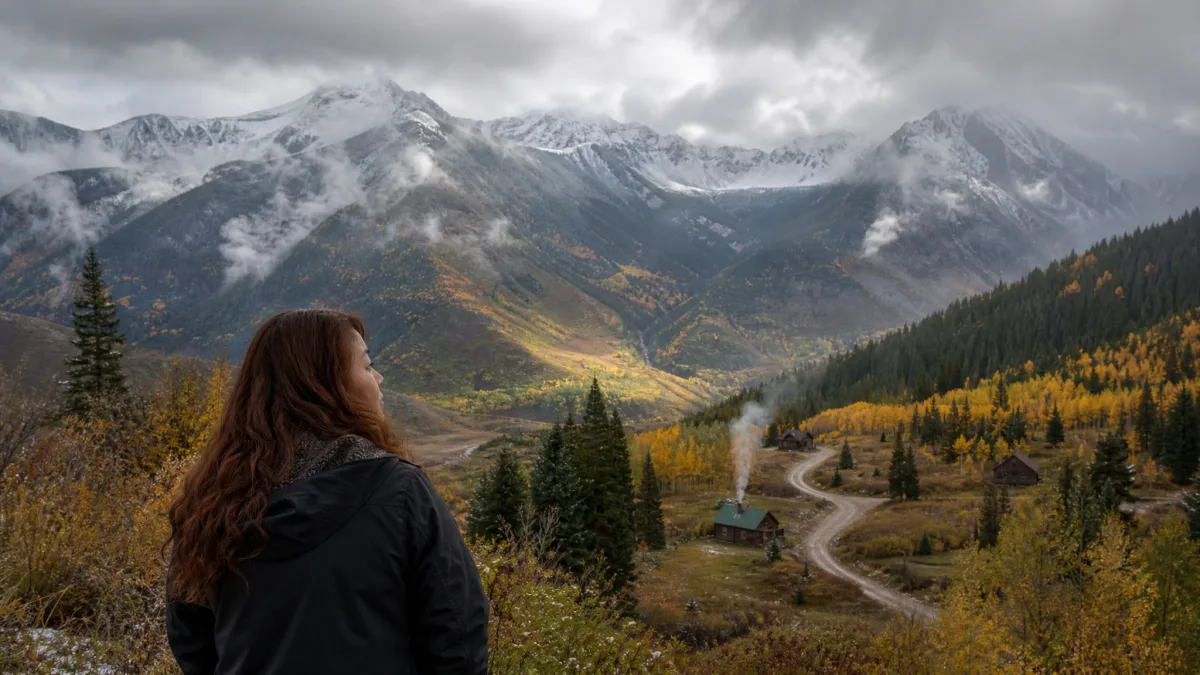
Are you wondering where to go before the ski crowds take over every cabin in the country? If you only have a few days to spare, skip the crowded resorts and head straight to towns where the air drops to thirty degrees, the aspen leaves turn gold, and shoulder-season rates actually make sense.
You can book a standard resort package and stay indoors all weekend, but you would miss the absolute best weeks of the year in the high country.
Expect a three to four day trip duration, lodging averaging one hundred eighty to three hundred twenty dollars per night, and elevations between four thousand and nine thousand feet above sea level.
You will hike under gold canopies, sip cider by a wood stove, drive winding passes before the gates lock for the season, and spot elk in the high meadows.
This guide gives you fifteen specific destinations, real costs, and honest advice on what to skip, letting you pick the exact route that fits your schedule.
Quick Tips Before You Start
Rent a Car
Public transit will not reach these trailheads.
Book Early
Secure lodging four to six weeks prior.
Pack Layers
Temperatures range from thirty to sixty degrees.
How Far Is the Drive and What Does It Cost?
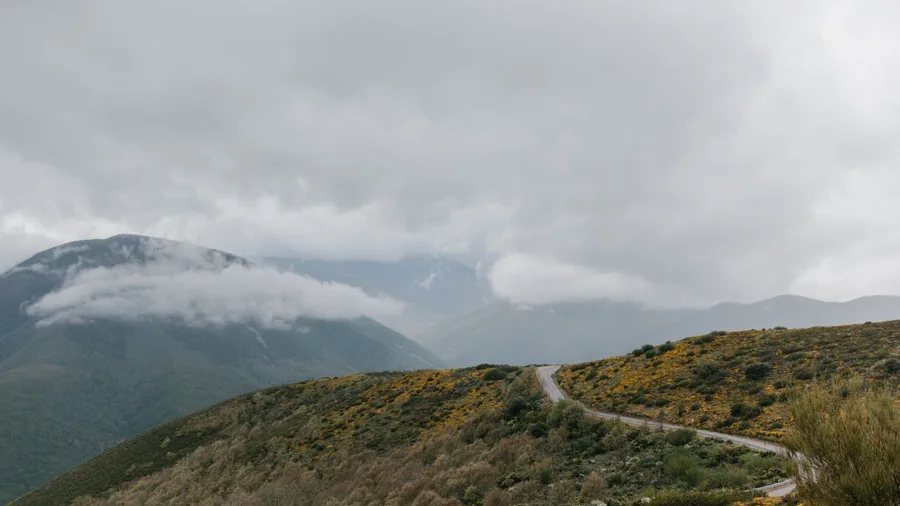
Most travelers severely underestimate the sheer driving distances required to navigate between high-elevation mountain towns on a multi-stop itinerary. You are looking at winding two-lane mountain passes, changing weather conditions, and significant mileage between regions that look close on a flat map. Plan strictly for a three to four day itinerary at each individual destination to make the transit worthwhile and avoid spending your entire vacation behind the wheel.
Budgeting requires careful attention to accommodation expenses because shoulder-season lodging consistently ranges from one hundred eighty to three hundred twenty dollars per night across almost every destination on this list. This pricing sweet spot occurs right between the summer hiking rush and the expensive winter ski season peaks, giving you high-end access without the top-tier price tag.
Securing reliable transportation is the single most critical logistical step for your trip planning. Always book your rental car four to six weeks prior to arrival to guarantee availability and lock in reasonable rates before inventory tightens up across regional airports and shuttle hubs.
Pre-Winter Mountain Route
Save this route before you go to plan your high-elevation stops.
1. Stowe, Vermont Offers Classic New England Foliage
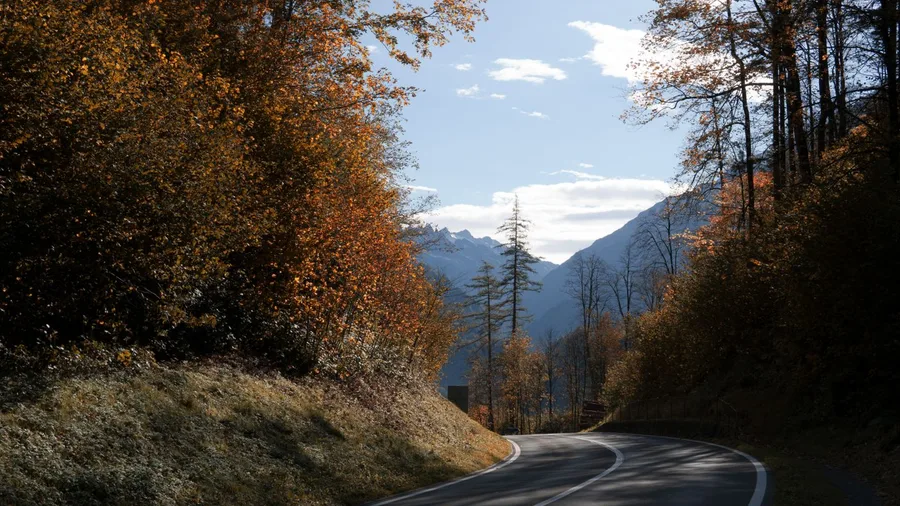
Stowe delivers iconic autumn colors, crisp air, and historic village charm before the ski season begins.
Peak foliage timing hits hard in early October when the sugar maples turn brilliant red and gold along the mountain roads. Shoulder-season lodging averages between one hundred eighty and three hundred twenty dollars per night during this window, letting you stay close to the historic downtown without paying winter peak rates. Temperatures routinely range from thirty to sixty degrees Fahrenheit, requiring a solid wool sweater for morning walks.
Mount Mansfield hiking trails offer three to four days of rugged outdoor exploration that demands a reliable rental car or regional shuttle transport to reach the trailheads early. You will want to park near the Toll House area before the morning crowds fill the dirt lots to catch the best light across the valley.
Local cider mills press fresh apples daily while historic village inns serve hot coffee on wide wooden porches. This combination of crisp weather, changing leaves, and authentic small-town architecture defines the pre-winter experience before the snowplows take over the main street.
💡 Tip: Visit the local cider mill before ten in the morning to avoid the tour bus rush.
2. Lake Placid, New York Showcases Adirondack Serenity
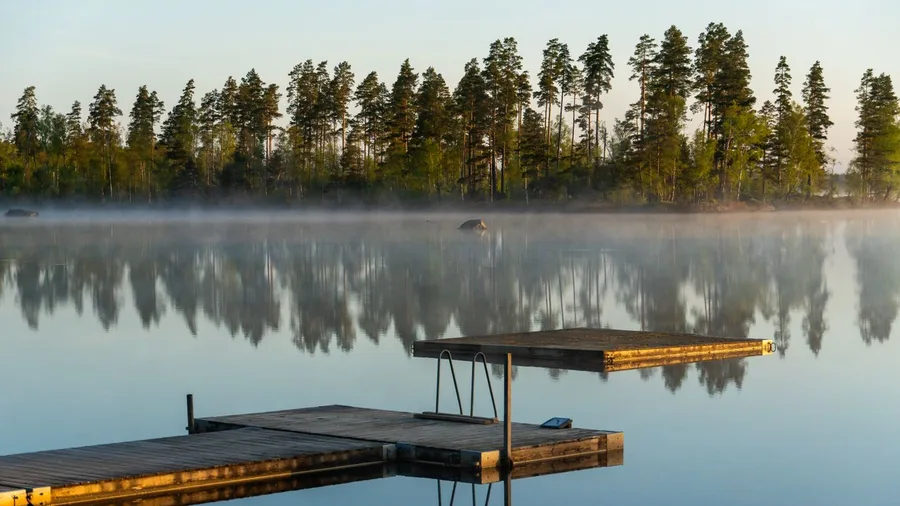
Lake Placid delivers Olympic history and quiet lakeside trails without peak summer tourist traffic, carrying the transition from New England foliage directly into the Adirondack wilderness.
Mirror Lake walking paths and Adirondack wilderness scenic drives provide crisp-weather exploration within a 30F to 60F temperature range, while fewer crowds at historic Olympic sites match shoulder-season lodging rates between $180 and $320 per night alongside rental car or regional shuttle transport supporting 3 to 4 days of travel booked 4 to 6 weeks prior to arrival.
⚠️ COMMON MISTAKE
Skip the Main Street Midday Parking Trap
Do not try to park directly in front of popular village shops during peak afternoon hours. Pull into the secondary municipal lots two blocks away to save thirty minutes of circling.
3. North Conway, New Hampshire Highlights Valley Views
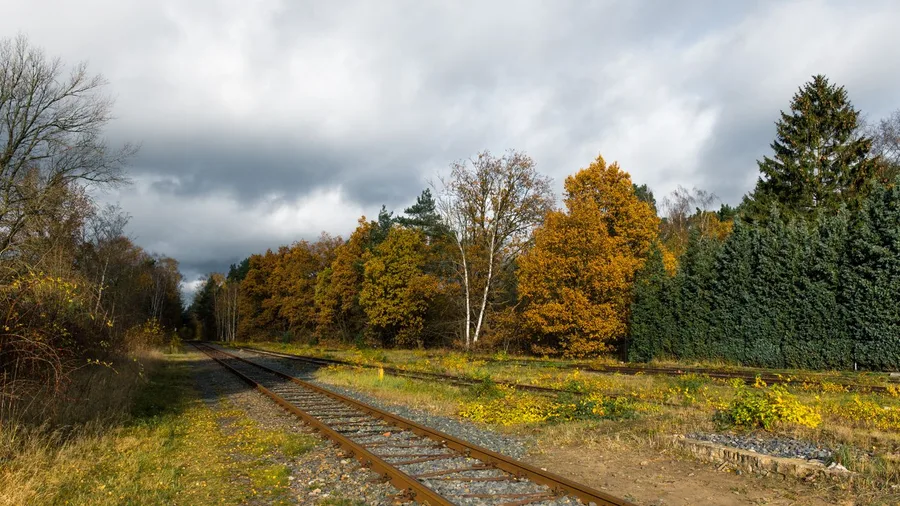
Do not expect to squeeze this valley into a hurried afternoon drive without hitting severe weekend traffic along the rail crossings. Order a warm cider doughnut at the station counter for $4 before boarding, and make sure you book your tickets four to six weeks prior to arrival.
The surrounding ridges climb to nine thousand feet, framing dramatic mountain vistas and historic railway journeys through changing leaves. You will want a rental car or regional shuttle to handle the three to four day trip while temperatures hover between 30F and 60F, leaving plenty of time to browse the tax-free outlet shops and secure local inns priced from $180 to $320 per night.
4. Blowing Rock, North Carolina Delivers Southern Peaks

Hike the rough trails of Grandfather Mountain before the weather turns too cold to enjoy the southern peaks.
Vibrant autumn colors spread across the high ridges while legendary Blue Ridge Parkway overlooks give you open views of the valleys below. Plan for crisp morning air ranging from 30F to 60F as you explore the outdoor routes.
Book your downtown stay 4 to 6 weeks in advance to secure shoulder-season lodging between $180 and $320 per night, and count on a rental car or regional shuttle to support your 3 to 4 day trip.
Appalachian Stops — At a Glance
🚗 Drive Type
Parkway
💰 Lodging
$180-$320
🌡️ Weather
30F-60F
Best Time
Arrive before mid-October for peak color.
5. Banner Elk, North Carolina Provides Quiet Splendor
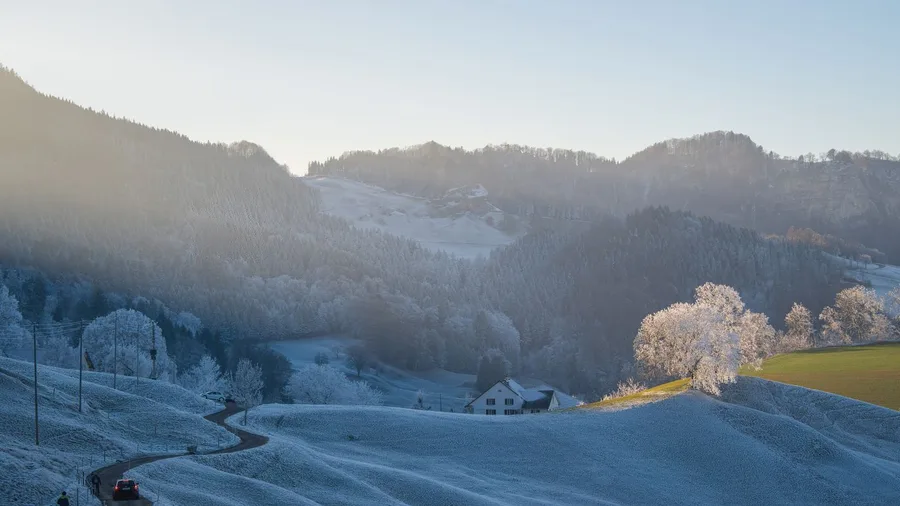
Frost coats the vine leaves early in the morning while the air settles sharp and clean across the high valley. This quiet base keeps you close to Sugar and Beech mountains without the noise of larger commercial hubs.
Spend three to four days exploring local cool-climate vineyards and relaxed scenic drives where temperatures range from 30F to 60F. You should book your accommodation four to six weeks prior to arrival, utilizing a rental car or regional shuttle to access winery tours with shoulder-season lodging priced from $180 to $320 per night.
6. Gatlinburg, Tennessee Balances Smoky Mountain Wildlife
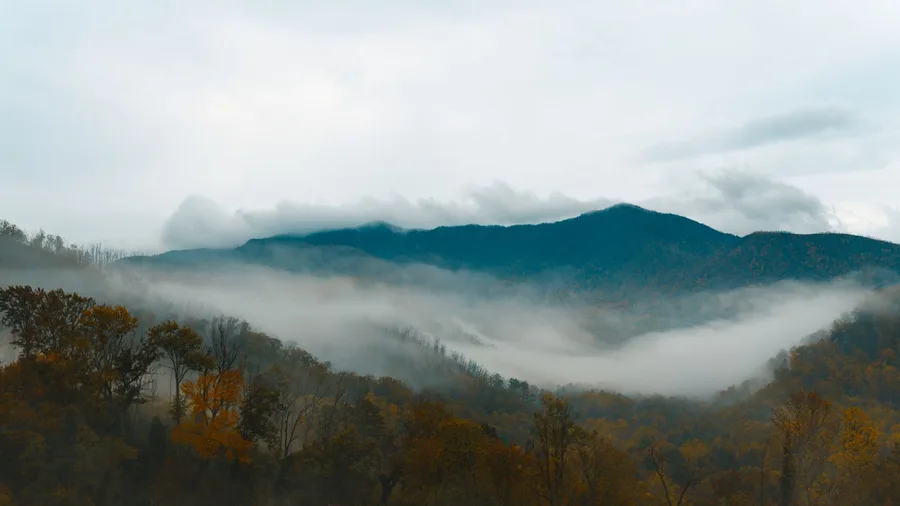
While the high country farther south demands serious mileage between trailheads, Gatlinburg trades that exhausting sprawl for immediate access to elk spotting and cooler wildlife activity right where the park meets the town line. You walk straight out of the valley floor into Great Smoky Mountains National Park trail systems reaching elevations up to 9,000 feet, where the air turns sharp and the summer crowds have finally cleared out.
Local crafts markets and autumn festivals fill the downtime between hikes without demanding inflated peak-season spending. Plan for shoulder-season lodging rates sitting between $180 and $320 per night, and make sure your reservations are locked in 4 to 6 weeks prior to arrival to secure a decent cabin.
A rental car or regional shuttle is non-negotiable for getting up into the higher overlooks as temperatures settle into that crisp 30F to 60F range. Give yourself 3 to 4 days here to properly catch the elk bugling in the early morning mists before moving west.
Clearing Up Pre-Winter Travel Misconceptions
7. Estes Park, Colorado Unlocks Rocky Mountain Access

Four to six weeks ahead of your trip is the exact window to book lodging between $180 and $320 per night before Estes Park fills with winter snowshoers. This gateway town gives you direct entry to Trail Ridge Road for high alpine driving before seasonal weather closures shut the gates completely.
At elevations reaching 9,000 feet, you will hear elk bugling across the meadows while daytime temperatures hover comfortably in the 30F to 60F range. Rent a car or rely on regional transit for a 3 to 4 day stay, making sure to carve out an afternoon for a historic tour of the Stanley Hotel before heading down toward the Gore Range.
8. Vail, Colorado Blends European Alpine Luxury

You step out of the morning chill into a pedestrian village where the scent of pine mixes with woodsmoke from alpine chimneys, and the crowds have vanished long before the first major snow. Vail trades its high winter lift ticket prices for a quiet shoulder season where upscale charm comes at a much fairer price.
Book your stay 4 to 6 weeks in advance to lock down rates between $180 and $320 per night in the heart of the village. A rental car or regional shuttle gets you to the base areas easily, though once you arrive on foot, everything is right where you need it.
Scenic gondolas keep running for riders chasing golden aspen views across the Gore Range. Hiking trails stretch up toward 9,000 feet where crisp weather ranges from 30F to 60F and demands a proper jacket.
Splurging on a 3 to 4 day stay here means you get world-class dining and quiet mountain streets without the usual shoulder-rubbing hustle. It costs real money even in the shoulder months, but the drop from peak winter rates makes it worth the spend.
💡 PRO TIP
Ride the Gondola Before Noon
Catch the scenic lift right when operations begin in the morning. Afternoon winds at high elevations frequently trigger temporary wind holds on the cabins.
9. Telluride, Colorado Surrounds You With Box Canyon Drama
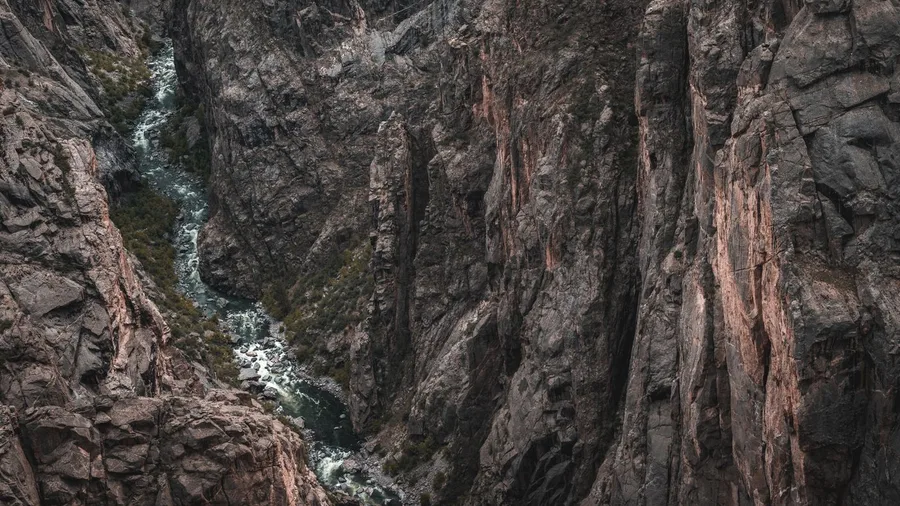
Telluride delivers sheer walls of dark rock framing a Victorian downtown where parking spaces stay open on a Tuesday morning. The air carries the sharp scent of cooling earth at eight thousand feet, and the free public gondola lifts you silently over the ridge without a lift ticket or a line of people in parkas.
You will need a rental car or regional shuttle to reach the western slope, but once you arrive, three to four days map out cleanly on foot. Plan your lodging four to six weeks early to secure shoulder rates between $180 and $320 per night before the winter rush changes the math. Dining rooms along Colorado Avenue remain quiet enough to hear your own fork hit the ceramic plate while elk move through the timber just above town.
10. Crested Butte, Colorado Highlights Wildflower Legacy in Gold
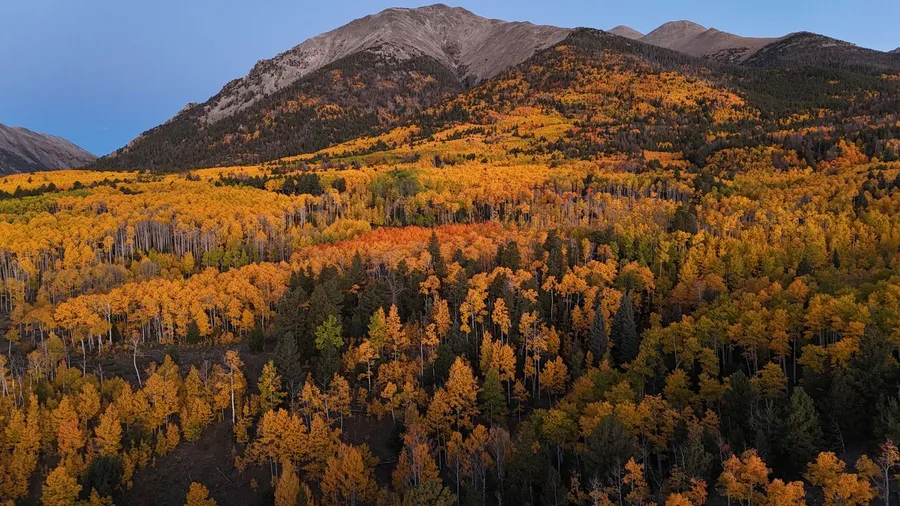
Crested Butte is a hard-edged mining town where the aspen groves turn the hillsides into sheets of hammered gold before the first heavy snow seals the high passes. The backcountry roads demand respect from low-clearance vehicles, and the weather at nine thousand feet can drop from fifty degrees to freezing in the time it takes to eat lunch. That raw edge is the entire point.
Mountain bike tires bite into damp dirt trails that wind through valleys completely empty of summer crowds, trading commercial gloss for true isolation. Historic wooden storefronts house bakeries and hardware stores that have served the same families for decades, anchoring a local economy that refuses to feel manufactured. You will want to book your stay four to six weeks in advance to keep lodging costs between $180 and $320 per night.
Set aside three to four days for the drive in and out, using a dependable rental car to navigate the winding approaches. The golden canopy will be gone by mid-October, leaving bare gray branches against slate skies, so timing the transition right determines whether you see the gold or just the mud.
Priority Gear for High-Altitude Towns
11. Park City, Utah Combines Mountain Luxury With Town Ease
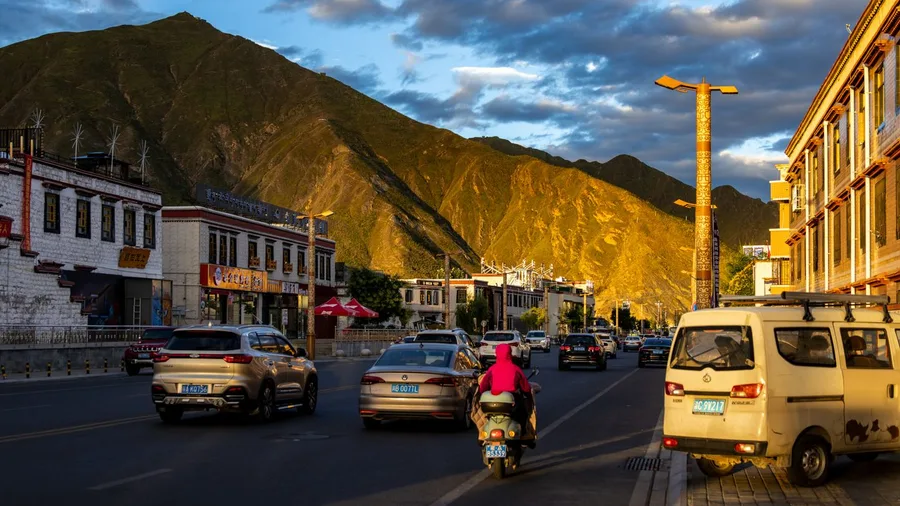
While Crested Butte requires a rattling drive over rugged passes to earn its quiet, Park City trades high-alpine isolation for paved sidewalks and immediate comforts. Main Street sits at seven thousand feet with historic brick facades housing coffee shops where you can sit on a wooden bench for an hour and watch the delivery trucks idle.
The Round Valley trail network spreads right out from the neighborhoods, offering miles of dirt track for afternoon walks without the vertical burn of the previous stops. Budget $180 to $320 per night for a room within walking distance of the historic core, and lock in your reservation four to six weeks early for a three to four day stay using standard regional transit.
12. Jackson, Wyoming Frames Grand Teton Majesty

Frost coats the boardwalks around Jackson Hole just before dawn, turning the timber facades gray under a thin layer of ice while the air smells intensely of pine resin and wood smoke. You will want to be out near the elk refuge right at first light when the herds begin moving across the valley floor before the sun hits the sagebrush.
This western valley puts you right against the border of Grand Teton National Park with a fraction of the July crowds, leaving the wooden walkways around the town square completely open for a quiet coffee. Cool evening temperatures drop from sixty down to thirty degrees as you settle into rustic timber lodges charging $180 to $320 per night, requiring a rental car or regional shuttle for a three to four day itinerary booked four to six weeks early.
13. Sun Valley, Idaho Delivers Peaceful Sawtooth Scenery

You pull your jacket tighter against the morning chill as steam rises from a hidden thermal pool outside town, carrying the distinct mineral scent of warm earth right into the crisp air. Sun Valley suits travelers who want a slower pace filled with art galleries and literary history rather than high-octane resort pressure, though families looking for frantic commercial entertainment will find it too quiet.
The Sawtooth backcountry offers miles of empty trails and exceptional fly fishing along clear rivers without the usual shoulder-season congestion. Local hot springs and the cultural spots in Ketchum pair easily with rustic alpine inns priced between $180 and $320 per night.
You should plan for three to four days in this elevation range using a rental car or regional shuttle to navigate the shifting weather window where temperatures swing from thirty to sixty degrees. Booking four to six weeks prior secures the best rooms before the first major snowfalls shut down the high passes.
14. Whitefish, Montana Unlocks Glacier Country Quiet

Glacier National Park is worth every bit of the hype, but visiting in late autumn before the park gates close for winter requires accepting that some higher roads are already blocked by snow. Whitefish gives you the ideal base camp to tackle the lower lake trails and the town brewery scene without having to elbow past tour buses.
The town sits right against stunning alpine lakes reflecting jagged peaks under a crisp sky where daytime temperatures hover between thirty and sixty degrees. Morning fog lifts off the water while you walk down to the boat docks before heading out toward the park boundary.
Shoulder-season lodging averages $180 to $320 per night for a solid three to four day stay if you arrange your rental car and lodging four to six weeks in advance. It delivers all the dramatic scenery of western Montana with none of the summer parking stress.
The best mountain towns are experienced in the quiet weeks between summer hiking boots and winter skis.
— High Country Rule of Thumb
15. Leavenworth, Washington Recreates Bavarian Alpine Charm

Do not expect an authentic mountain hamlet until you look past the imported half-timbered facades and focus entirely on the sharp Cascade air settling into the valley. You will find yourself stepping out of a rental car into a surreal Bavarian streetscape where pretzel shops and local bratwurst stands anchor a heavy Alpine revival. That architectural theme sounds like a gimmick until you stand beneath the jagged peaks at an elevation nearing 4,000 feet and realize the mountain backdrop is entirely real.
The main drag serves up heavy European pastries and steins of local beer for about $10 to $15 alongside traditional spiced sausage plates, but the real draw is the surrounding wilderness before the winter snows lock everything down. Wenatchee River hiking trails remain wide open and blissfully quiet during these shoulder months, letting you walk crisp riverbanks without the summer crowds tangling the footpaths. You can spend 3 to 4 days exploring these valley routes while daytime temperatures hold steady between 30F and 60F.
Booking your accommodation 4 to 6 weeks in advance secures shoulder-season lodging rates ranging from $180 to $320 per night right in the village core. A regional shuttle or your own vehicle handles the transit easily, though parking near the central pedestrian zone fills up fast on weekends when regional visitors arrive for early seasonal festivals. Skip the midday rush at the bakeries and head out on the trails early while the morning frost still clings to the pine needles.
This stop rounds out a broader Western mountain circuit with a sharp shift from quiet glacier solitude into a lively, themed alpine bowl that somehow manages to pull off its eccentric charm. You are trading raw wilderness isolation for hearty food, towering peaks, and crisp pre-winter air that makes the entire detour worthwhile before the ski lifts start turning.
Pre-Winter Destination Verdict Lanes
- Stowe & Lake Placid — Go for peak New England foliage and historic small-town charm.
- Vail & Aspen Hubs — Caution for higher dining costs, but worth it for shoulder-season deals.
- High Mountain Passes — Stop attempting high routes after severe late-season winter storms roll in.
Frequently Asked Questions
What is the best time to visit mountain towns before winter?
Plan your trip between September and mid-October. This window delivers crisp weather, changing leaves, and lower shoulder-season rates before ski resorts open.
Do I need a rental car for a mountain town trip?
Yes, a rental car is essential. Public transit does not connect most remote trailheads, scenic overlooks, and high-elevation mountain passes.
How much should I budget for lodging during the shoulder season?
Expect to pay between one hundred eighty and three hundred twenty dollars per night for comfortable inns and lodges in most premier mountain towns.
Are high-elevation mountain passes open in late autumn?
Many high passes close temporarily or permanently for the season after the first major snowfall. Always check local transit updates before driving.
How many days should I spend in each mountain town?
Allocate three to four days per destination. This gives you enough time to explore local trails, drive scenic routes, and adjust to the elevation.
Securing Your High-Country Escape
Choose your pre-winter destination based on whether you want peak fall foliage, active hiking, or early alpine snow pursuits across 4,000 to 9,000 feet elevations, and book your lodging early at $180 to $320 per night before holiday rates kick in.
Lock down your rental car or regional shuttle 4 to 6 weeks prior to arrival, pack your cold-weather layers today, and hit the road for a confirmed pre-winter itinerary optimized for crisp 30F to 60F shoulder-season travel before the cabins fill up.
Plan Your High-Elevation Trip Today
Review the fifteen destinations above and lock in your shoulder-season lodging before availability disappears.