
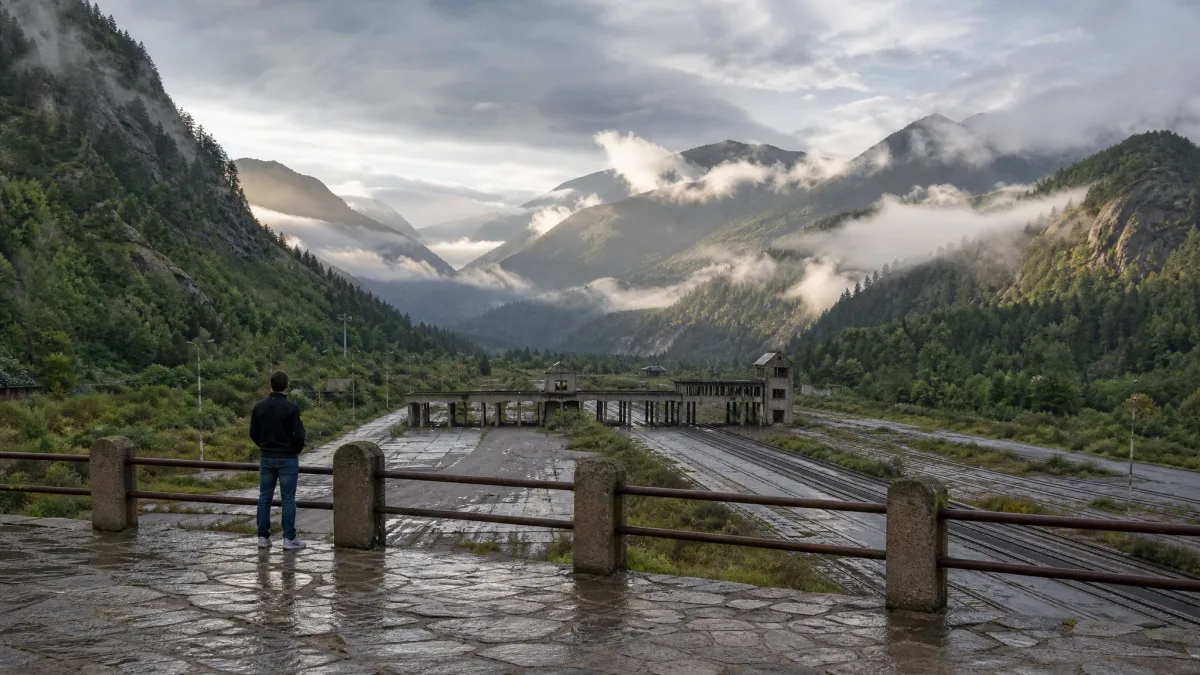
Most guidebooks treat vanished nations like Roman ruins, but ancient empires left broken columns while twentieth-century border shifts left active customs desks, modified train tickets, and distinct regional entry stamps.
Vintage atlases still mark sovereign states like Prussia, Sikkim, and Yugoslavia that disappeared from world maps within a single human lifetime. Yet borders erased on parchment rarely disappear on the ground: they endure in linked railway networks, autonomous harbor immigration booths, and granite government palaces.
Board cross-border mountain railways, clear provincial ferry checkpoints, inspect preserved security bunkers, stamp regional entry permits, and cross silent river frontiers.
Mapping these former states onto modern transit maps requires knowing where past boundaries cut across today's sovereign visa zones. Pick two or three frontiers for your next overland run rather than trying to cross twelve vanished territories at once; their surviving administrative enclaves and fortifications remain waiting for anyone traveling through the correct modern corridors.
| Former Country | Dissolution Year | Modern Country Today | Key Site to Visit |
|---|---|---|---|
| Prussia | 1947 | Poland, Germany, Russia | Malbork Castle |
| Yugoslavia | 1992-2006 | Seven Balkan Republics | Belgrade-to-Bar Railway |
| Kingdom of Sikkim | 1975 | India | Tsuklakhang Royal Chapel |
| Zanzibar | 1964 | Tanzania | Stone Town Sea Terminal |
| Austria-Hungary | 1918 | Austria, Hungary, Czechia, Slovakia, plus | Vienna-Budapest Rail Network |
| East Germany (GDR) | 1990 | Germany | Checkpoint Charlie & East Side Gallery |
| Dominion of Newfoundland | 1949 | Canada | Colonial Building in St. John's |
| Czechoslovakia | 1993 | Czechia & Slovakia | Morava River Border Crossing |
| Republic of Texas | 1845 | United States | French Legation in Austin |
| South Vietnam | 1975 | Vietnam | Independence Palace in Ho Chi Minh City |
| Ottoman Empire | 1922 | Turkey & Successor States | Topkapi Palace in Istanbul |
| Soviet Union (USSR) | 1991 | 15 Independent Republics | Tashkent Metro & Southern Caucasus |
1. Prussia in Poland and Kaliningrad
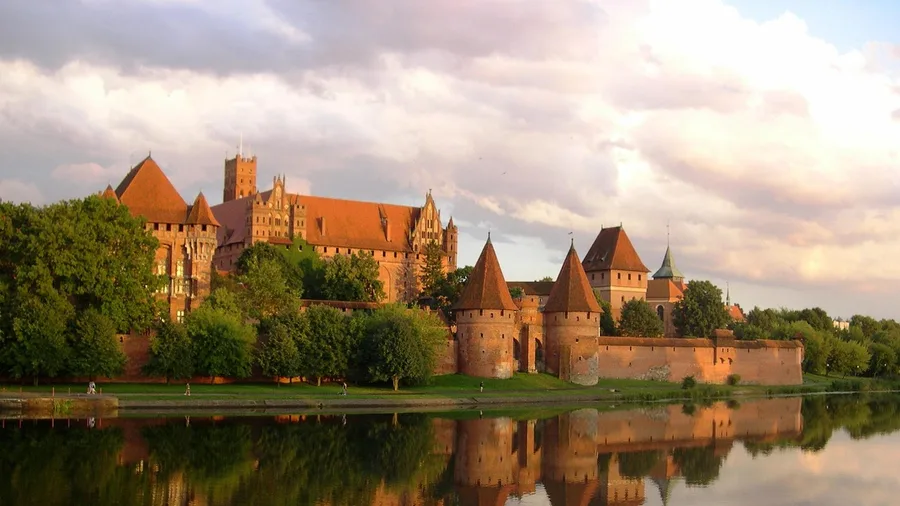
Prussia is now a split territory divided among Poland, Germany, and Russia.
The state was formally abolished in 1947, yet you can track its wild perimeter along the Baltic coast where white-tailed eagles nest above the lagoon flats. In northern Poland, the brick strongholds of Pomerania and Warmia-Masuria sit near prime forest habitats, anchored by the massive ramparts of Malbork Castle. Further north across the Russian frontier lies Kaliningrad Oblast, the separated exclave housing the old capital of Königsberg. Poland lets you wander freely across provincial roads, but crossing into the Russian sector demands an electronic visa, strict paperwork, and long vehicle inspections at restricted checkpoints.
💡 Tip: Entering Kaliningrad by land from Poland requires a pre-arranged Russian electronic visa and faces lengthy border wait times.
Quick Tips Before You Start
Dual Border Checks
Carry paper copies of electronic entry approvals when entering autonomous provincial zones that maintain local arrival desks.
Rail Pass Nuance
Book regional rail links across former federations individually, as national railway operators frequently run separate booking engines.
Time Zone Jumps
Verify regional clocks when crossing interior state boundaries that retained non-standard historical half-hour offsets.
Currency Traps
Exchange local physical bank notes before departing provincial enclaves where commercial exchange booths outside the territory refuse them.
2. Yugoslavia Across the Western Balkans
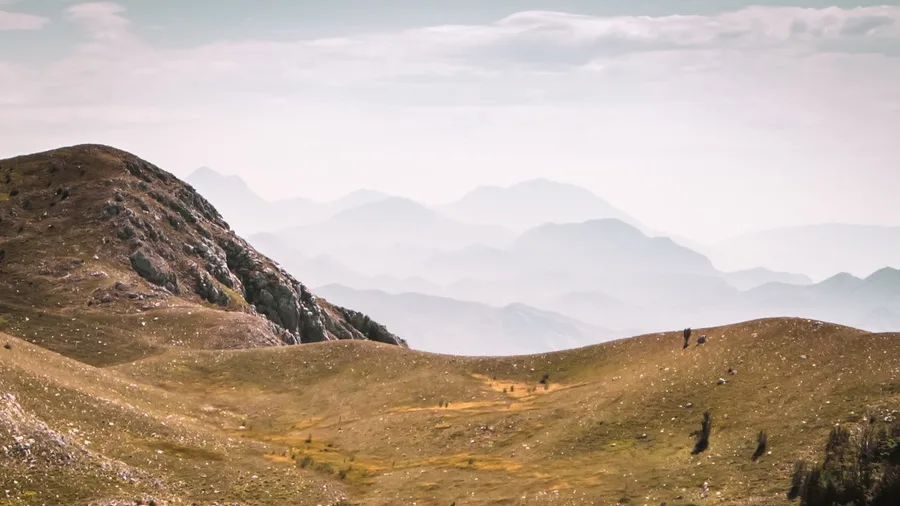
You hear the screech of rusted iron brakes before cold mountain air rushes into the train carriage.
Rather than being absorbed by neighbors, this socialist federation shattered into seven separate states: Slovenia, Croatia, Bosnia and Herzegovina, Serbia, Montenegro, North Macedonia, and Kosovo. Concrete spomenik war sculptures still loom over high mountain ridges across the valleys, but stringing them together takes real patience. The iconic 476-kilometer rail run from Belgrade down to Bar cuts through 254 tunnels across the Dinaric Alps for roughly $25, offering jagged canyon views. The catch is the paperwork. While Slovenia and Croatia sit inside the European Union passport-free Schengen zone, crossing into Bosnia, Serbia, Montenegro, Kosovo, or North Macedonia forces you through separate border shacks where idling queues easily swallow half your afternoon.
💡 PRO TIP
Split Your Balkan Transit Passes
Purchase distinct train segments between Belgrade and the Montenegrin coast at station ticket counters rather than relying on pan-European rail apps, which frequently misread cross-border Balkan timetables.
3. The Kingdom of Sikkim in India
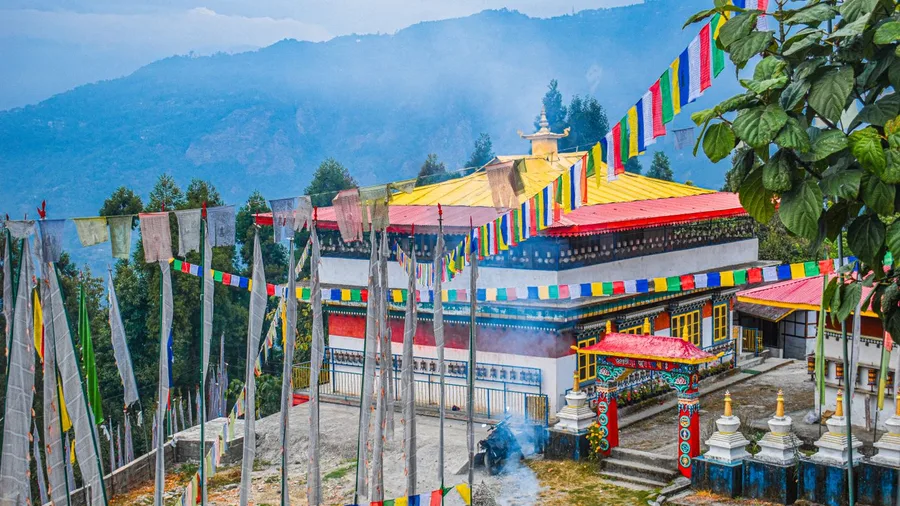
Instead of clearing multiple hostile checkpoints across shattered republics, your entry into the former Himalayan kingdom of Sikkim requires just one quiet mountain permit.
The sovereign Buddhist monarchy dissolved peacefully in 1975, folding three centuries of royal rule into the Republic of India as its twenty-second state. In Gangtok, the wooden pavilions of Tsuklakhang Royal Chapel still mark the royal court, while seventeenth-century Pemayangtse Monastery preserves the traditional woodcarvings and ritual halls of the old capital.
Arrive at the Teesta River boundary posts by 7 AM to beat the tour convoys.
A regular Indian visa gets you to the river bridge, but international travelers cannot cross into the former kingdom without an Inner Line Permit. The paper authorization grants an initial thirty-day stay, though you must present hard copies for physical inspection and ink stamps at the border booths in Rangpo or Melli before local transport heads into the mountains.
The morning mist clears from the canyon road around eight, turning the steep drive northward into an easy run before heavy freight trucks clog the gorge.
💡 Tip: Keep five physical passport photos in your wallet; border officers at Rangpo and Melli require hard copies for registration cards.
Sikkim Border Crossing Logistics
🏔️ Permit Cost
Free (issued online or at border)
🛂 Paperwork Buffer
Keep 4 passport photos and copies ready
📍 Extension Limit
Renewable up to 60 days total
🛑 Solo Travel Rule
Protected zones require minimum two people
Restricted Zones
Tsomgo Lake and North Sikkim require separate Protected Area Permits beyond the standard Rangpo paperwork.
4. Zanzibar Within Modern Tanzania
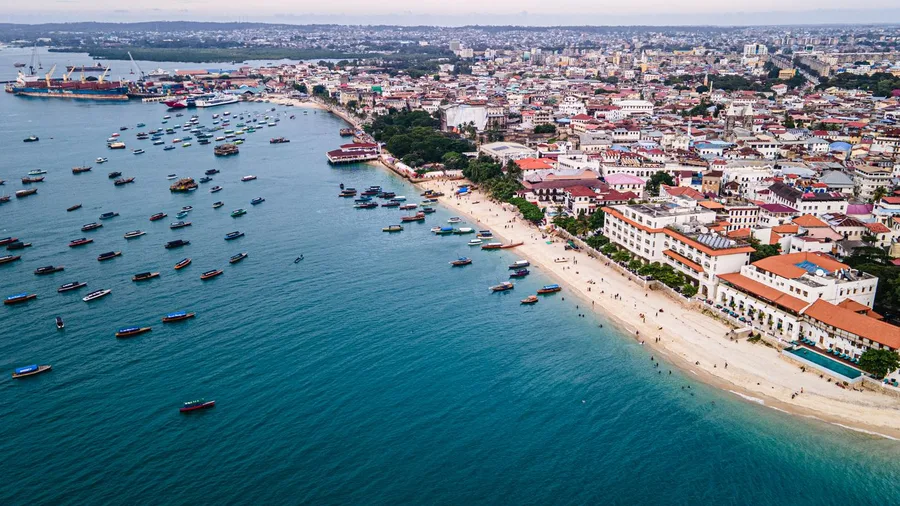
Eighty minutes on the ferry from Dar es Salaam drops you directly into a functioning border post that technically should not exist. When the sovereign Sultanate and its brief successor republic joined Tanganyika in 1964 to create Tanzania, the archipelago never surrendered its shoreline controls. Step off the boat onto the dock, bypass the taxi touts shouting toward the resort shuttles, and walk straight into the sea terminal customs hall.
Uniformed Zanzibari immigration officers inspect your passport, collect arrival declaration cards, and ink a dedicated Zanzibar entry stamp into your pages. You are inside a sovereign nation that operates its own maritime frontier.
Stone Town waterfront holds the seat of sultanic power at the Palace Museum, Beit al-Sahel, right beside the towering 1883 House of Wonders. Skip the congested waterfront spice markets and slip down the alley behind the palace where residents drink spiced coffee in stone courtyards. The coral-rag mansions and defensive sea walls prove the island still functions on its own terms.
5. The Austro-Hungarian Empire Across Central Europe
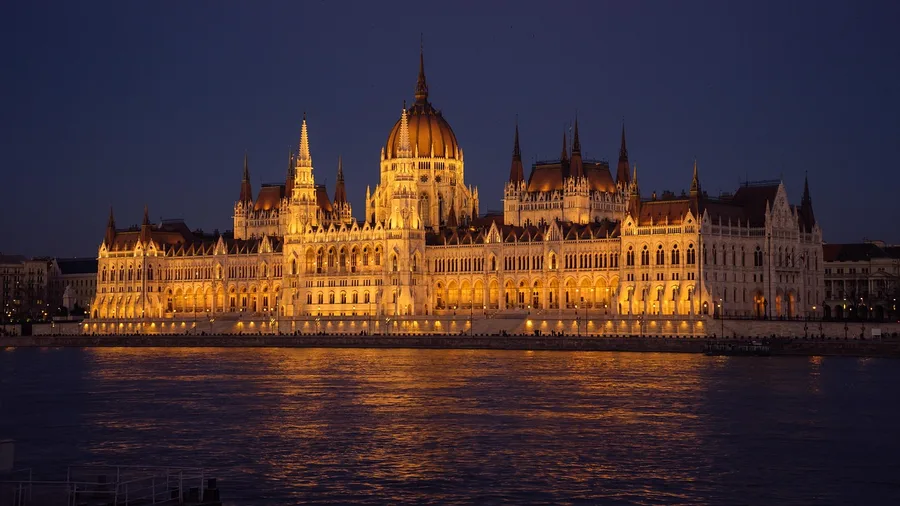
The smell of scorched brake pads and stale coal smoke still hangs under the curved iron station sheds across Central Europe. When the dual monarchy fractured in November 1918, pieces splintered into Austria, Hungary, and Czechoslovakia, with broad territories parcelled to Poland, Ukraine, Romania, Italy, and Yugoslavia. The empire evaporated, yet its physical railway grid refused to die.
Neoclassical courthouses, broad Ringstrasse-style avenues, and signature imperial yellow train stations survive unchanged from Vienna and Budapest all the way to Lviv and Trieste. Pull off the main road at any minor depot along the frontier and you spot the identical ochre facade. Thanks to the Schengen Area, regional trains glide across old internal border tracks connecting some of the cheapest countries in Europe like Czechia, Hungary, and Slovakia without a single conductor asking for your passport.
Head east toward Ukraine or south into the Western Balkans, however, and the illusion stops. You will sit in line at non-EU river and mountain boundary crossings, waiting out manual car searches and physical passport inspections.
Border Legends vs Reality
6. East Germany in Reunified Berlin
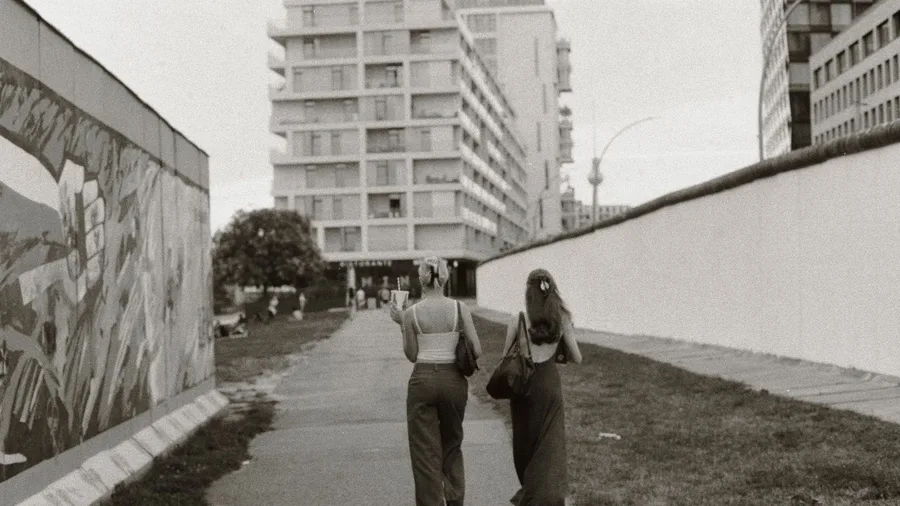
Skip the photo queue around the replica sentry box at Checkpoint Charlie and take the U-Bahn straight to the East Side Gallery instead. The German Democratic Republic dissolved into the Federal Republic of Germany on October 3, 1990, after forty-one years of partition, but its physical apparatus remains etched into Berlin. Concrete wall slabs still line the Spree, and the sprawling former Ministry for State Security headquarters sits preserved on Normannenstrasse.
Walk east from Alexanderplatz down Karl-Marx-Allee, where monumental socialist residential blocks flank a roadway built wide enough for military parades. At street crossings, look up at the traffic lights: the stocky, hat-wearing Ampelmann graphic on the signals remains legally protected across former eastern districts. The red and green silhouettes mark the exact fault line where the frontier divided the city.
💡 Tip: The Berlin Wall Memorial on Bernauer Strasse offers a complete preserved border strip with watchtowers and double walls.
7. The Dominion of Newfoundland in Canada
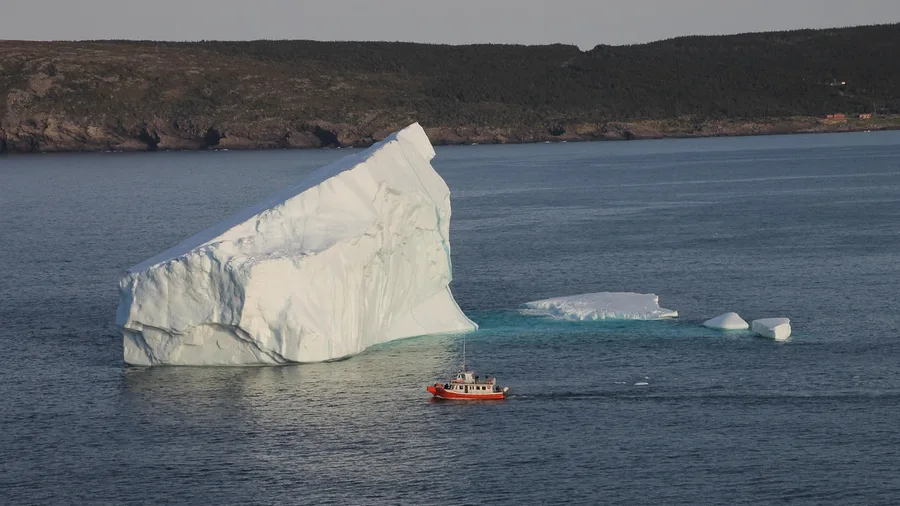
Before joining Canada as its tenth province on March 31, 1949, the Dominion of Newfoundland operated on equal footing with Australia and New Zealand, minting its own decimal coins, printing separate postage stamps, and fielding its own regiment until Great Depression debts forced London to step in with direct commission governance. A bitter 1948 referendum sealed the merger by a razor-thin 52 percent margin. Walking into the limestone 1850 Colonial Building in St. John's costs nothing and puts you straight onto the original legislative floor where dominion prime ministers governed, just steps up the hill from the bronze National War Memorial where the dominion commemorated its battlefield losses above the harbor.
The border formalities disappeared decades ago, but the physical island never yielded its clock or its accent to Ottawa. You will watch your smartphone jump thirty minutes ahead of Atlantic Standard Time the second the wheels hit the tarmac at St. John's, landing in a persistent half-hour zone that keeps former dominion time alive without a border post in sight. Head an hour outside town toward any coastal outport and the local speech still carries seventeenth-century West Country English cadences found nowhere else across the continent.
⚓ Tracing the Dominion On the Ground
The Rooms Archives
Inspect surviving pre-1949 caribou-watermarked banknotes and passport ledgers on Bonaventure Avenue.
The 1934 Crash Site
Spot the British commission seal carved directly over the doorway at the Department of Public Works.
Confederation Building
Walk the sixth-floor gallery to view the original signed terms of union delivered from London.
Marine Atlantic Crossing
Board the North Sydney ferry to Port aux Basques, the sole federally guaranteed sea corridor from 1949.
8. Czechoslovakia Across Czechia and Slovakia
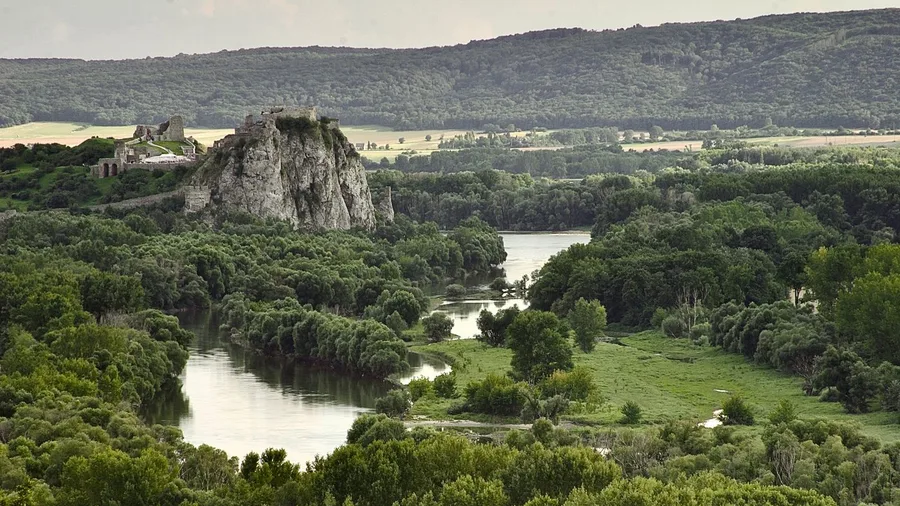
Do not expect to show a passport when crossing the Morava River, or you will end up staring at an empty guardhouse. While some territories surrendered autonomy to join larger confederations, this Central European union dissolved entirely through peaceful legislative divorce. The country parted ways at midnight on January 1, 1993, splitting into Czechia and Slovakia without a shot fired.
The EuroCity train links Prague's Hlavni Nadrazi to Bratislava's Hlavna Stanica in four hours and ten minutes for roughly $28. You cross the internal frontier at full track speed without customs officers or passport stamps because both republics entered the Schengen Area together in 2007. Former river boundary posts now sit abandoned among the reeds.
Order a steaming plate of bryndzove halusky at the station pub once you pull into Bratislava. The dish coats potato dumplings in tangy sheep cheese and crisp pork cracklings for roughly $9, paired with a draft dark beer for $3. It tastes distinctly different from Bohemian roast pork and gives you an immediate regional marker of the border split.
The divorce was remarkably gentle.
Bilateral accords still grant citizens mutual university access and reciprocal labor rights across both capitals. Prime-time television networks regularly co-produce broadcasts where Czech hosts banter with Slovak guests without translation. You get two sovereign capitals for the transit price of a single regional afternoon ticket.
Visiting Czechia vs Slovakia Today
Czech Republic (Czechia)
- Uses the Czech Koruna (CZK) currency
- Urban tram networks link dense historic towns
- Roast pork, dumplings, and Pilsner beer culture
- High tourist density across central Bohemia
Slovakia
- Uses the shared Euro currency
- High Tatra mountain trails and alpine passes
- Sheep cheese halusky and regional Tokaj wines
- Quiet rural villages with minimal tour bus crowds
9. The Republic of Texas in the American South
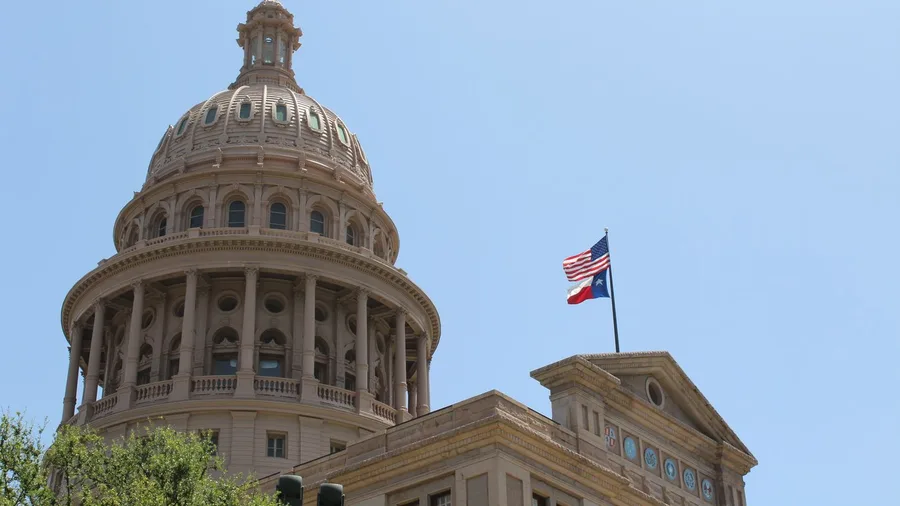
Nine years of sovereign independence ended in December 1845 when the territory annexed itself to the United States. Unlike modern European federations that divided along ethnic lines, this short-lived republic broke free from Mexico in 1836, printed its own treasury notes, and governed as a sovereign state for almost a decade. Internal highways carry you across state lines from Louisiana today without a single border booth, though the former national boundary along the Rio Grande remains an international frontier requiring standard passport control.
Austin holds the paper trail inside the Texas State Capitol, where handwritten diplomatic treaties sit in climate-controlled archival drawers. You can skip the crowded downtown tour groups and find the foreign relics in plain sight across European capitals. A brass marker in London's St. James's and an engraved stone plaque at Place Vendome in Paris still mark the exact masonry facades where Texas embassies conducted national diplomacy.
Head to East Austin and spend an idle afternoon sitting on the cedar veranda of the 1841 French Legation. It stands as the oldest purpose-built structure in the city, set inside quiet shaded grounds where you can rest under pecan trees for an hour and inspect the original diplomatic quarters. The creaking floorboards and shaded lawns feel completely removed from the traffic running toward the highway.
💡 Tip: The Bob Bullock Texas State History Museum in Austin displays original treaties signed between the Republic of Texas and European crowns.
10. South Vietnam in Ho Chi Minh City
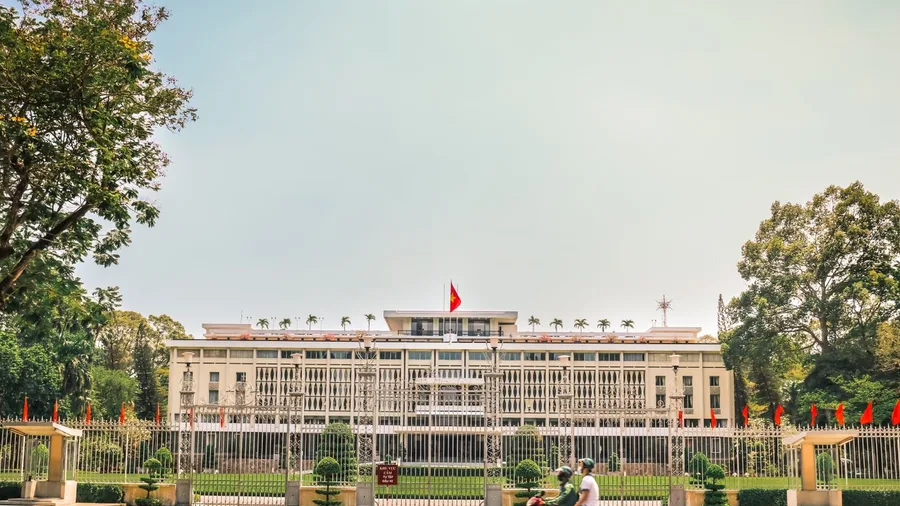
Book Independence Palace early in the morning if you are traveling with kids or older relatives, but skip the basement command center if stairs or tight spaces give anyone trouble. The Republic of Vietnam ceased to exist on April 30, 1975, when northern tanks smashed through these perimeter gates, formalizing national reunification under Hanoi. Today, original armored vehicles still sit on the grass outside, while preserved 1960s cabinet rooms and subterranean radio rooms remain intact inside.
The physical shift is easy to manage on one standardized e-visa, usually $25 online, letting you ride past the former 17th Parallel DMZ near Hue without showing a passport to anyone. What used to be a heavily armed national boundary now functions entirely as an open roadside historic landmark.
Your luggage tag reads SGN, and street stalls still plaster Saigon across awnings, but every official train ticket and airport customs stamp formally identifies the city as Ho Chi Minh City.
Preserved Infrastructure Comparison
Relative accessibility of vanishing national infrastructure for travelers
11. The Ottoman Empire Centered in Istanbul
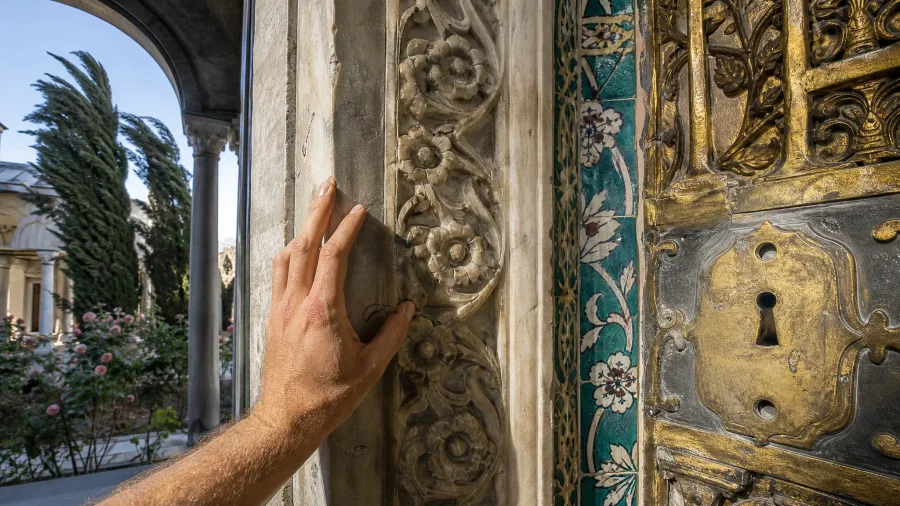
You hear the call to prayer echo off the Bosphorus while cool marble floor tiles press through your socks inside Topkapi Palace. That waterfront sprawl and the nineteenth-century rooms of Dolmabahce anchored the governing machinery of an empire that vanished in 1923, yielding the modern Republic of Turkey and splintering across three continents into more than thirty separate countries.
Tracing that vanished territory today is rarely an easy single-ticket ride: ancient garrison forts and stone caravanserais dot roads from North Macedonia and Greece down through Jordan and Israel, meaning you trade simple electronic Turkish visas for European Union borders and separate Middle Eastern transit checkpoints along the way.
12. The Soviet Union Across 15 Independent Republics
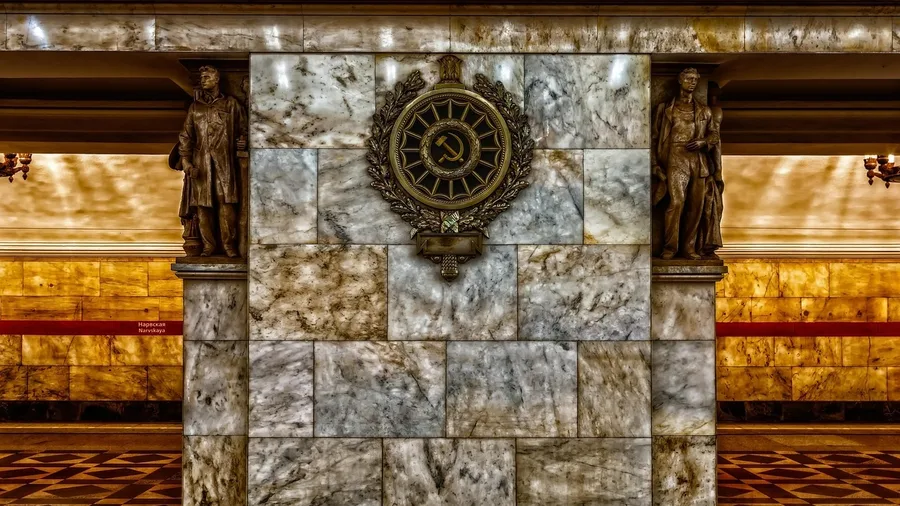
Drop into the subterranean marble stations of Tashkent, Tbilisi, or Yerevan to find out. These vaulted bomb shelters and social-realist public complexes formed the spine of a fifteen-republic empire spanning Eastern Europe, the Baltic coast, the South Caucasus, and Central Asia.
Navigating between the pieces today is an active exercise in passport logistics. You can walk across internal borders without checks in Baltic members Estonia, Latvia, and Lithuania, or enter Georgia under a simple ninety-day stamp, yet entering Turkmenistan demands rigid advance consular approval. At overland frontier posts between neighboring republics, expect vehicle inspections, printed customs declarations, and stern border guards verifying physical paperwork before letting you through.
💡 Tip: Always register your passport with local migration authorities when staying in apartment rentals across Central Asian states.
Frequently Asked Questions
Do I need special visas to visit regions of dissolved countries?
Yes, border requirements depend entirely on the modern sovereign nation controlling the territory today. While European partitions like Czechoslovakia sit within the border-free Schengen zone, places like Sikkim require Indian Inner Line Permits, and Kaliningrad requires Russian visas.
Can you still get passport stamps from vanished nations?
Some autonomous administrative areas issue unique entry stamps that reflect their historical status. Zanzibar stamps passports at ferry terminals arriving from mainland Tanzania, while passport officials in places like Transnistria issue paper migration slips.
Is it safe to travel along former partition border zones?
Most former partition borders covered in this guide, such as those across Central Europe, the Balkans, and North America, are completely peaceful. Always check current government travel advisories before attempting land crossings into regions with ongoing territorial disputes.
How do currencies work in merged or dissolved territories?
You must use the legal tender of the modern host country. Former territories rarely accept legacy currencies, though some autonomous territories, like Scotland within the UK, issue regionally styled banknotes pegged to national currency.
Can I drive a rental car across these historic borders?
Crossing international borders in a rental car requires cross-border insurance and explicit permission from the rental provider. Driving between Schengen and non-Schengen Balkan nations requires carrying an international motor insurance green card.
Navigating Autonomous Enclaves and Border Paperwork
Verify the specific sub-national entry regulations and regional permit requirements online for each province before you leave home, because official border portals rarely mention the local transit rules enforced inside forgotten American territories and other merged zones.
Cartographers redraw frontiers and recolor atlases every few decades, but the physical stone of boundary forts, rail alignments, and provincial customs stations never relocates. Knowing where a vanished country went lets you cross its old frontiers on regional trains and spot its historic boundary markers standing right beside modern asphalt.
Check Your Route Paperwork Before You Go
Review the Quick Tips Before You Start box above to verify border permit requirements for your upcoming trip.