
Skip the standard cathedral plazas and predictable harbor promenades on your next cross-country drive. Most highway maps assume municipal life only blooms around freshwater basins, natural ports, or trading crossroads, but that conventional logic ignores the strangest civic map lines on earth.
Dozens of working communities owe their postcodes entirely to a petty border skirmish, an unquenchable subterranean inferno, or a bizarre municipal zoning code designed for outcasts.
An isolated pocket of humanity can easily build an enduring civic ecosystem out of an acute bureaucratic accident, a toxic hazard, or an industrial obsession. You can drive through single-lane mountain tunnels into monolithic apartment towers, cross treaty anomalies, or inspect empty replica streetscapes. Here is how to tell which bizarre enclaves welcome public tires, which require strict permits, and which eccentric municipal oddities still function today.
Quick Tips Before You Start
Fuel Management
Top off your tank whenever you see a pump because remote single-purpose settlements rarely offer reliable 24-hour service.
Carry Passports
Keep your passport in the glovebox even on domestic drives to handle odd border anomalies.
Bring Paper Cash
Bring physical bank notes since remote municipal outposts frequently drop card network signals.
Check Timetables
Track strict transit windows for single-lane mountain tunnels and seasonal canyon pack trails.
1. Whittier, Alaska: The Town Under One Roof
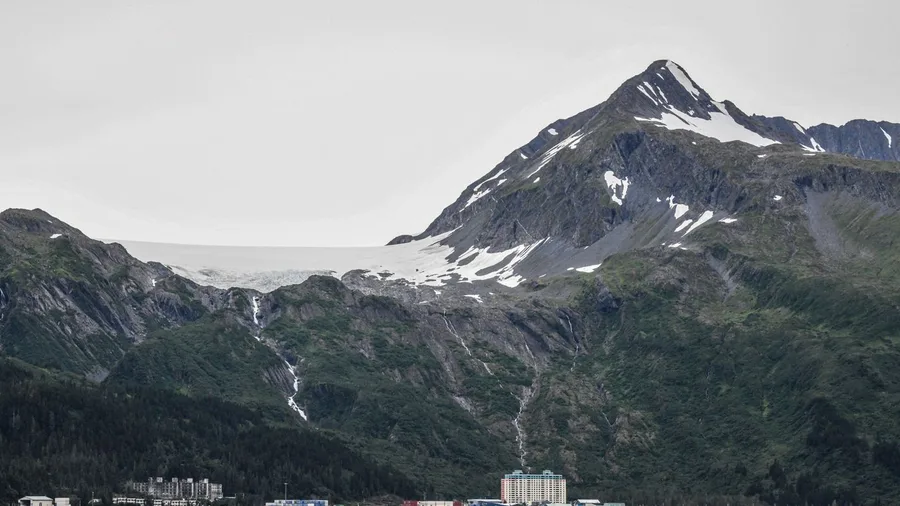
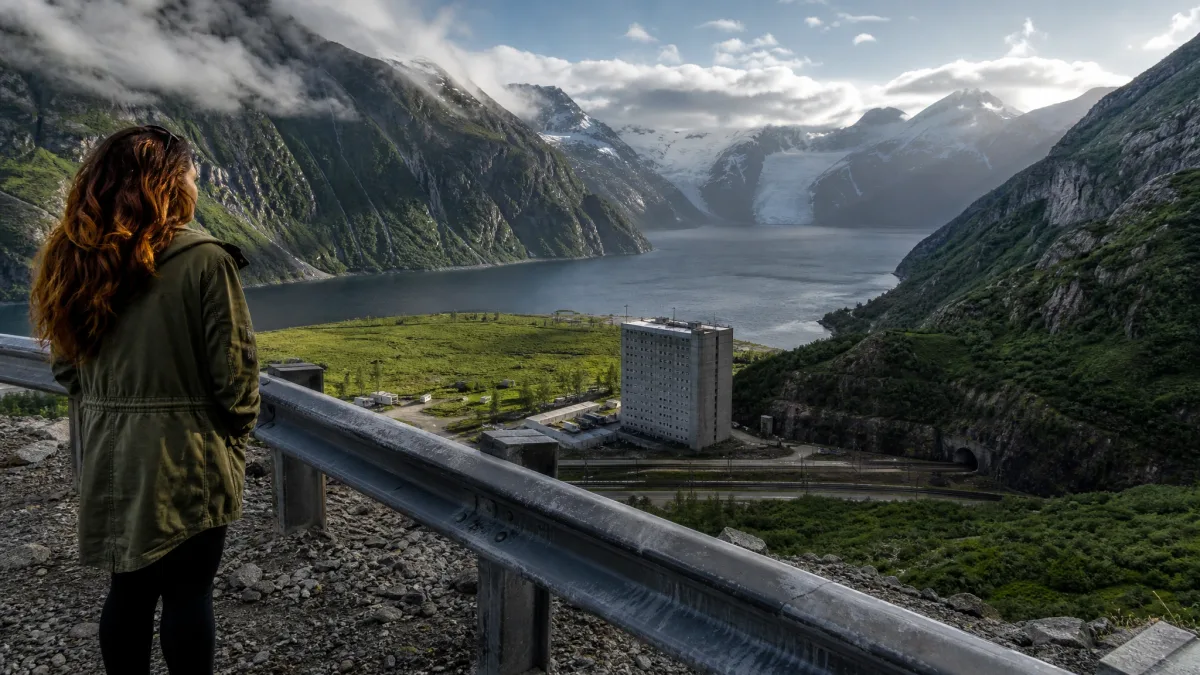
Drive out to Prince William Sound if you want proof that an entire civic directory can fit into one hallway. You pay zero admission to walk the corridors of Begich Towers, a fourteen-story concrete monolith engineered by the military in the 1950s as Cold War barracks. Fierce coastal blizzards regularly hit 60 mph, so designers simply condensed municipal life into a single footprint where around 272 civilian residents live today.
Indoor corridors replace main street here.
Locals grab groceries, pick up mail at the post office, visit church, and attend city council meetings without once opening an exterior door. Schoolchildren bypass subzero gales through an underground basement tunnel leading straight into classrooms. The real hurdle is getting your car into town: traffic squeezes through a single-lane, 2.5-mile tunnel cut into Maynard Mountain that alternates hourly directions with scheduled freight trains.
💡 Tip: Time the Anton Anderson Memorial Tunnel carefully; vehicle entry alternates hourly with Alaska Railroad freight trains.
2. Colma, California: The City Built for the Dead
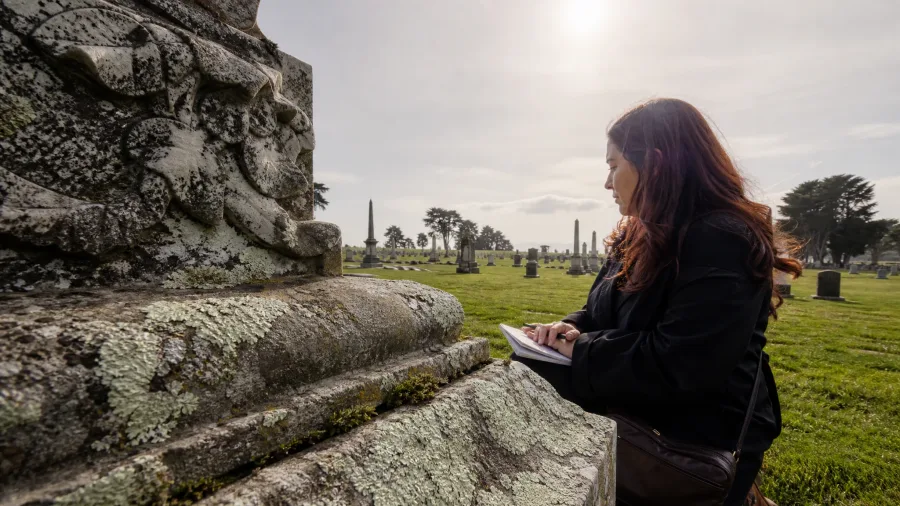
San Francisco ran out of room in 1900, banning all city burials under public health panics and skyrocketing downtown property rates. Rather than scatter remains into distant counties, regional organizers incorporated two square miles of farmland in 1924 as a dedicated necropolis.
Skip the crowded tour groups around major Bay Area landmarks and drive straight down El Camino Real instead.
Seventeen sprawling cemeteries swallow nearly the entire surface area of the district. The ratio is staggering: roughly 1,500 living residents share street signs, stoplights, and police patrols with approximately 1.5 million underground citizens. You will not face lines or ticketing gates, just endless silent lawns punctuated by backhoes.
The grounds stretch from mass fraternal plots set aside for historical immigrant groups to the manicured graves of pioneers like Wyatt Earp. Even family pets get their own formal resting place at Pet's Rest burial gardens, illustrating how completely death dictated the town's zoning maps.
Colma Visit Logistics
🚇 Transit
BART to Colma Station, then 8-min walk
⏰ Hours
Most gates close at 4:30 PM sharp
🎟️ Admission
Free; drive or walk in directly
⏱️ Time Needed
Roughly 90 mins for three main sites
Navigation Note
Grab paper maps from the front offices; cell signal drops between the low crypt basins.
3. Monowi, Nebraska: The Town Kept Alive by One Vote
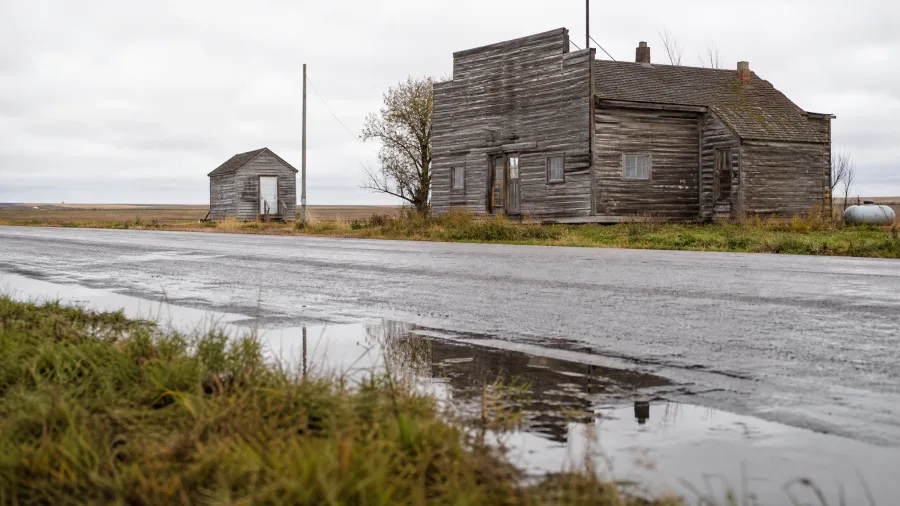
Do not expect gas pumps or credit card readers when you pull off Nebraska Highway 12. Monowi sprang up in 1902 alongside the Fremont, Elkhorn and Missouri Valley Railroad, peaking near 150 folks before mechanized farm combines wiped away the local job base. Today, Elsie Eiler is the sole resident, casting the lone vote during municipal elections to certify herself as mayor, secretary, and tax collector.
Plan on spending $15 to $25 in cash on a warm burger and cold beer inside the Monowi Tavern, where your dollars directly fund municipal survival. Eiler literally levies real estate taxes on herself to secure state infrastructure grants that power four lonely streetlights. After lunch, ask for the key to Rudy's Library next door, a tidy outbuilding housing 5,000 personal volumes her late husband gathered over decades.
💡 Tip: Order a cold beer and ask Elsie for the key to Rudy's Library, a separate 5,000-volume wooden book shed next door.
4. Centralia, Pennsylvania: The Patch Town on an Unquenchable Fire
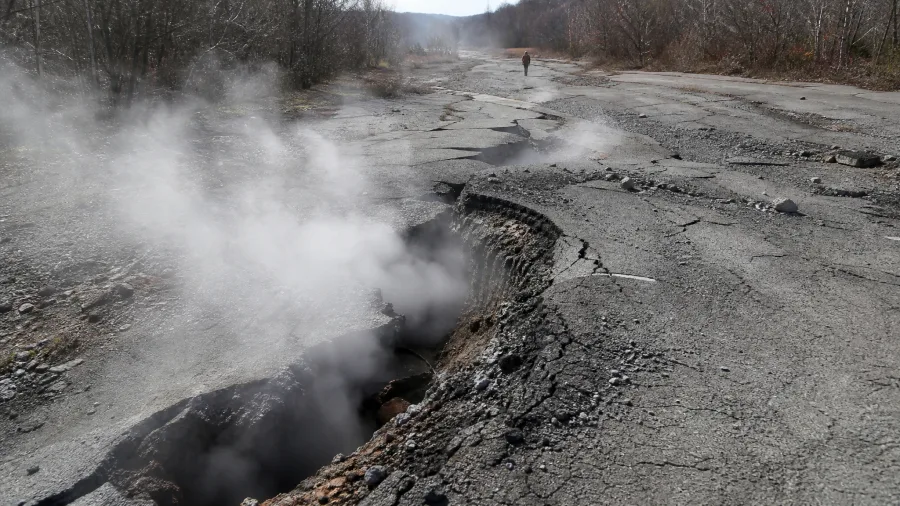
Sixty-two years of continuous underground combustion greet you with cold pavement that literally steams under your boots. Unlike solitary hamlets holding out against paperwork, an errant landfill bonfire in May 1962 ignited an exposed anthracite seam beneath this borough, driving poisonous sulfur gas through 400 acres of abandoned shafts and cracking residential ground into boiling sinkholes. The state government invoked eminent domain thirty years later to strip the municipal zip code and level dozens of neighborhoods, leaving fewer than five stubborn residents permitted to live out their days on hollowed bedrock.
Pull off Route 61, walk the warped, closed bypass where white smoke escapes deep road fissures, and stop in nearby Ashland for a $9 hot sausage sandwich at the roadside diner. That coal seam holds enough fuel to smolder for another century.
⚠️ COMMON MISTAKE
Ground Instability and Toxic Gas Hazards
Never step into steaming sinkholes or unpaved drainage trenches around Centralia. Carbon monoxide levels remain elevated in low hollows and the subterranean burning continuously weakens bedrock stability.
5. Thames Town, China: A Gilded English Replica Built for Prestige
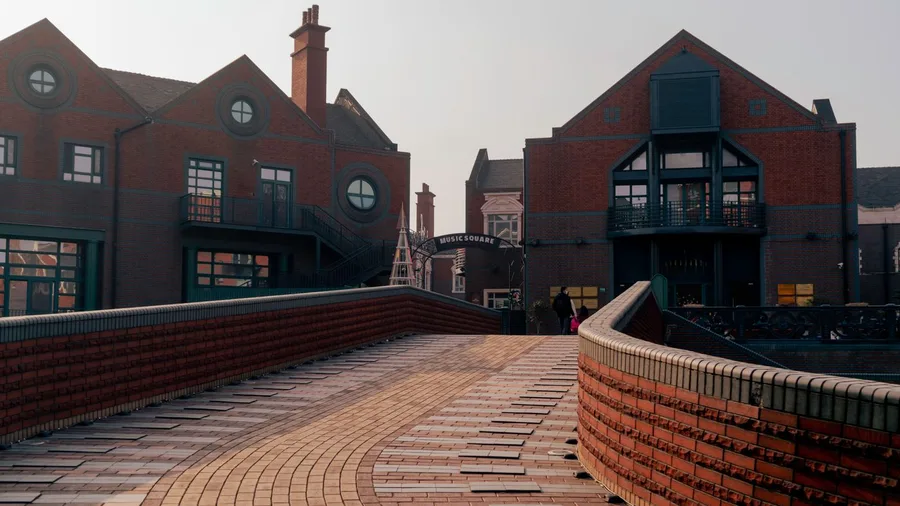
Thames Town is an eerie, hollow British stage set dropped onto suburban farmland.
The catch hits immediately: nobody actually lives behind these timbered walls. Shanghai planners launched the 'One City, Nine Towns' scheme in 2001 to pull commuters out of the dense center, finishing this Songjiang District clone in 2006 alongside a dredged canal. You walk down cobbled lanes past red phone boxes, bronze statues of Winston Churchill, and mock Victorian storefronts, but the fish-and-chip pubs cater almost exclusively to day-trippers while wedding photographers aggressively stake out the fake Gothic church lawn.
It makes a fascinating ninety-minute walk, but do not expect a functional community.
6. Gibsonton, Florida: The Winter Haven Engineered for Sideshow Performers
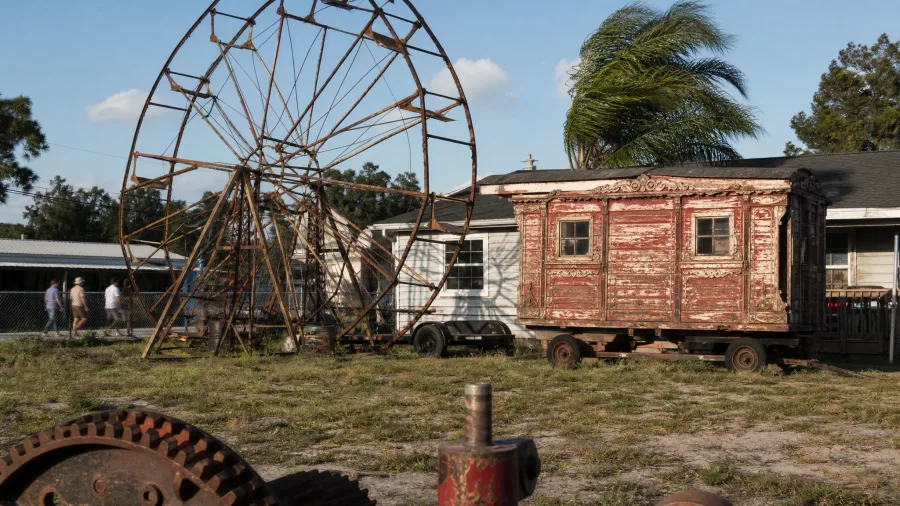
You hear the screech of angle grinders shaping tubular steel before you spot the rusted Ferris wheel frame parked beside a front porch. Drive slowly along East Bay Drive and you find municipal code rewritten for circus bodies rather than aesthetics, a sanctuary founded in the 1930s when traveling carnival acts bought cheap winter parcels around Tampa. The town council codified special residential exceptions allowing families to keep full carnival carousels, big-top canvas rigs, and exotic animal cages on standard residential lawns.
Walk up to the counter at the local post office to see the split counters built for little people alongside towering drop boxes for eight-foot performers. You step right through working trailer yards and welding garages where roadies still tune up fairground rides.
Oddball Town Feasibility Audit
Verify local municipal access restrictions prior to final route planning.
7. Büsingen am Hochrhein: The German Island Inside Switzerland
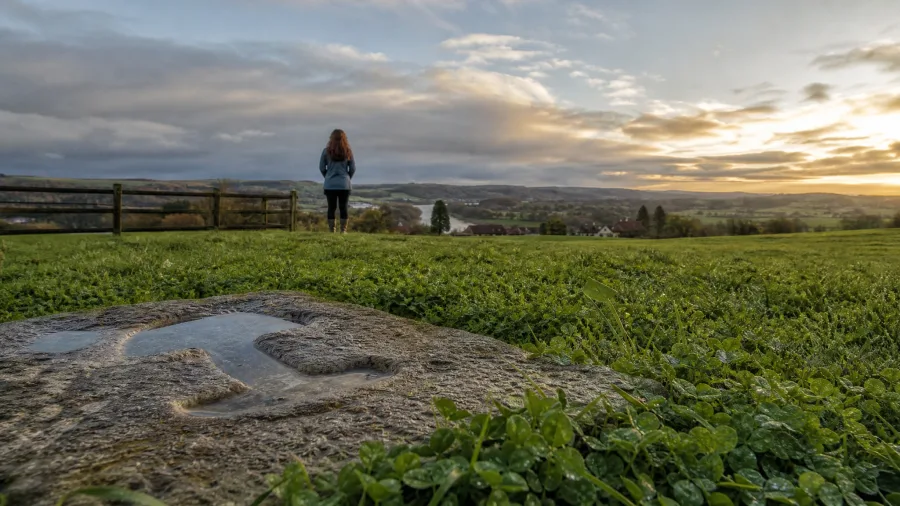
Instead of bending local zoning around carnival trailers on private lawns, this Rhine enclave had its entire civic structure bent by a 1690s feudal kidnapping.
An Austrian district held onto Büsingen out of pure spite while surrounding territory ceded to Schaffhausen, leaving about 1,500 residents marooned inside Swiss geography under German sovereign rule. Daily life splits down the middle: you pay in Swiss Francs at the bakery, file taxes to Berlin, and get mail through two distinct zip codes.
Even the municipal services run in duplicate, from twin phone networks and dual emergency dispatch codes to a local soccer club that plays in Swiss leagues.
💡 Tip: Check your cell phone roaming settings because devices rapidly ping back and forth between Swiss and German cell towers.
8. Supai, Arizona: The Canyon Settlement Supplied by Mule Train
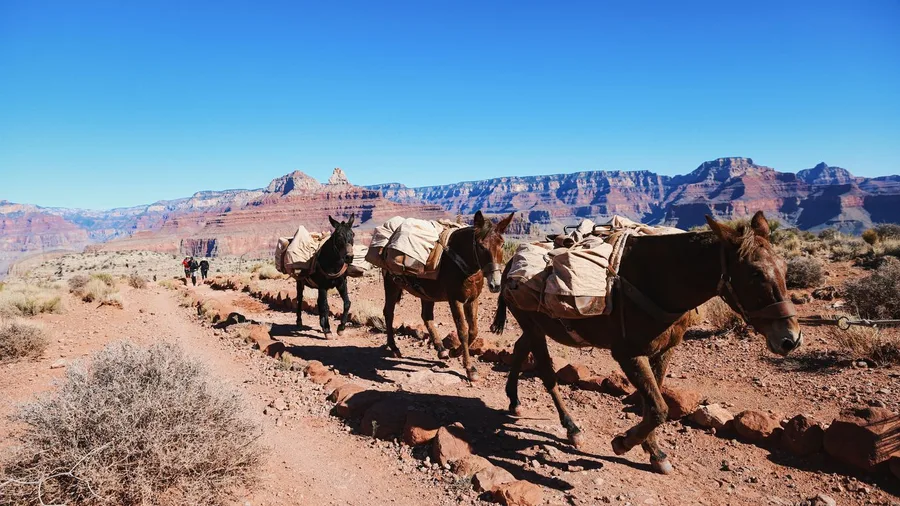
The dry scent of red canyon dust hits your nostrils alongside the unmistakable, pungent smell of saddle leather and fresh mule sweat.
A sovereign tribal capital sits isolated across eight miles of desert switchbacks, cut off from every asphalt highway in America.
The U.S. Postal Service still operates a working mule line here, hauling weekly groceries, Amazon boxes, and letters down 2,000 feet of descent to sustain about 200 residents.
You cannot simply roll up: access requires an authorized saddle animal, a seat on an occasional rim helicopter, or an eight-mile trek on foot. Bighorn sheep often watch you from limestone rims above, but you are realistically far more likely to share the dirt trail with dusty work mules than rare desert mammals.
Strict seasonal permits fund tribal infrastructure, routing permitted hikers past residential doors toward travertine shelves where mineral-heavy, turquoise water cascades into deep pools.
🗺️ How to Plan a Remote Outpost Excursion
Check Municipal Access
Verify whether the settlement allows casual road tourists or requires pre-cleared tribal permits.
Stage Fuel and Supplies
Purchase all critical food, water, and automotive fluids at the last major commercial junction.
Review Transit Windows
Confirm exact operating schedules for mountain tunnels, seasonal road gates, or passenger ferry runs.
Log Local Emergency Contacts
Note regional dispatch phone numbers because municipal police departments may not operate locally.
9. Longyearbyen, Norway: The Arctic Outpost Where Dying Is Outlawed
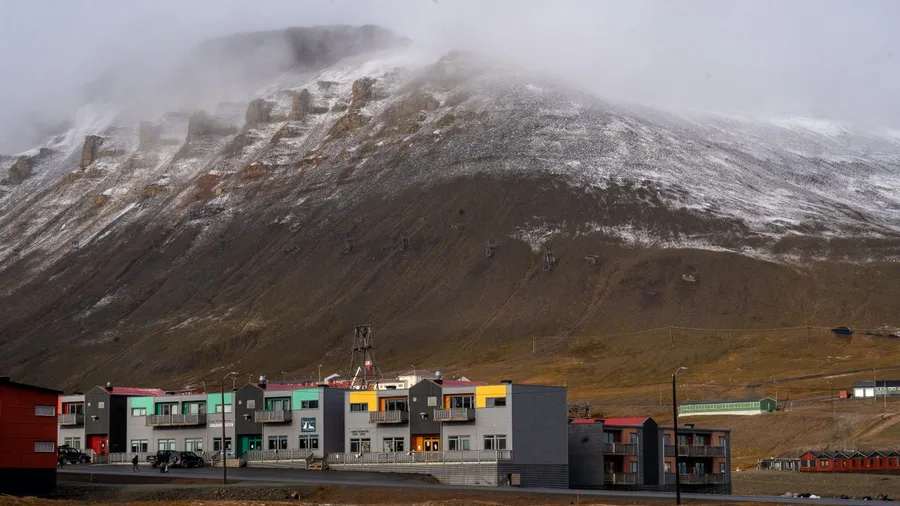
Book an entire afternoon to sit by a timber window at 78 degrees north and do absolutely nothing while watching the Arctic fjord freeze over.
American industrialist John Munro Longyear set up this coal outpost in 1906, but permanent permafrost halts underground decomposition so thoroughly that bodies from 1918 never decayed. The town banned local burials in 1950, flying terminally ill patients south to the mainland. Take off your boots at the door, explore old mining records, and make sure someone in your party carries a flare gun before walking past the settlement boundary.
10. Mirny, Russia: The City Anchored to a Giant Diamond Crater
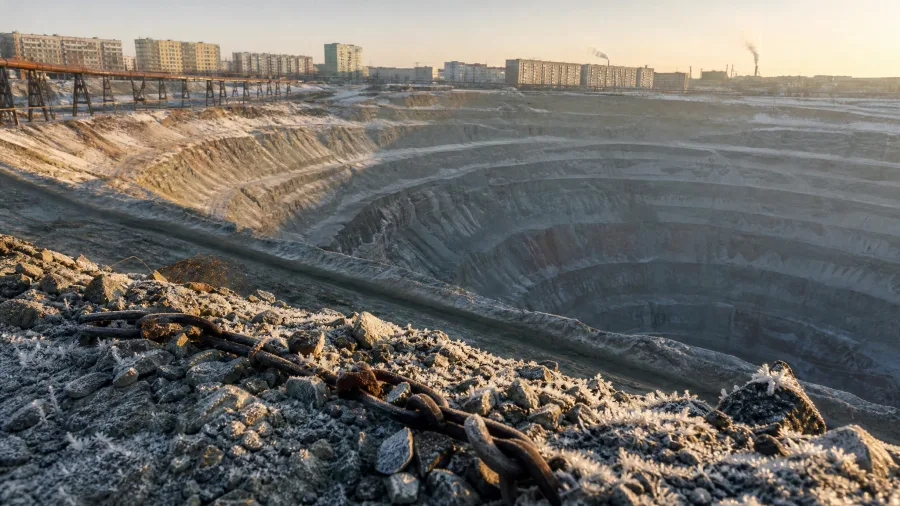
Not unless every member of your party can handle bone-chilling sub-zero wind chills, restricted regional access zones, and uneven gravel perimeters. Where Arctic settlements freeze burials solid in the tundra, Mirny dug an enormous chasm into that exact permafrost after prospectors uncovered diamond-rich volcanic kimberlite in 1955, erecting a complete mining township on the edge by 1957.
The terrain suits industrial geographers, not casual strollers or young children.
The excavated pit drops 1,722 feet down and yawns nearly a mile wide, generating violent downward air drafts that ban helicopters from flying overhead. Warm buildings would liquefy the frozen soil beneath them, so structural beams raise apartment blocks and pipe systems up on driven steel stilts. Long after open excavation ceased, the community still circles this colossal crater, directing mineral payloads into processing facilities that treat deep subterranean ore.
💡 PRO TIP
Navigating Working Mining Settlements
Industrial company towns prioritize heavy commercial vehicles on all interior streets. Yield immediately to industrial haul trucks and never approach processing perimeters without written security clearance.
11. Neft Daşları, Azerbaijan: The Industrial Metropolis Built on Ocean Stilts
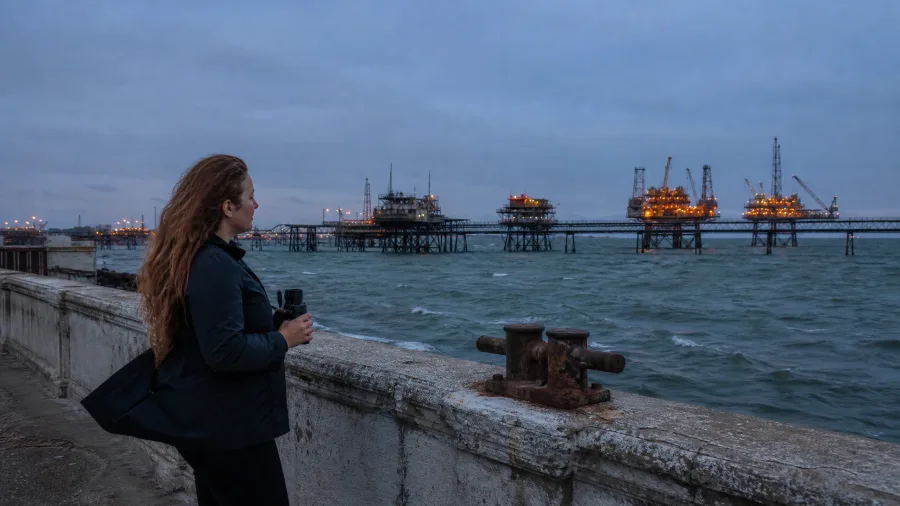
Neft Daslari is a functioning industrial city anchored entirely on open seawater.
While inland mining outposts wrap streets around a giant terrestrial crater, Soviet energy pioneers moved directly onto Caspian Sea shoals in 1949, deliberately sinking seven retired freight ships to create a steady offshore foundation. What started as an experimental drilling pad expanded across 180 miles of interconnected steel vehicle bridges and causeways. It grew into a full ocean city, bolting multistory living flats, a hot bakery, a movie theater, and tree-planted park spaces onto raised platforms miles from mainland dirt.
Do not expect to buy a tourist ferry ticket out to these metal decks.
Roughly 2,000 shift workers rotate through the platforms to run offshore production rigs, and state energy managers keep access tightly locked to company crews and maritime supply vessels. Baku waterfront residents will tell you the real vantage point is the mainland shoreline promenade near the Bibiheybat oil fields. You stand along the coastal parkway to view offshore energy rigs without needing security clearance, watching service vessels haul heavy hardware toward the horizon.
The offshore platform city remains strictly off limits to regular road trippers.
Town Exploration Realities
Welcoming Roadside Stops
- Whittier, Alaska (open road tunnel)
- Colma, California (public cemeteries)
- Monowi, Nebraska (active tavern)
- Roswell, New Mexico (retail museums)
Restricted or Hazardous
- Neft Daşları (offshore workers only)
- Centralia, Pennsylvania (subsidence danger)
- Mirny, Russia (strict border permits)
- Supai, Arizona (mandatory tribal pass)
12. Roswell, New Mexico: The Ranch Town Rebuilt by an Unidentified Object
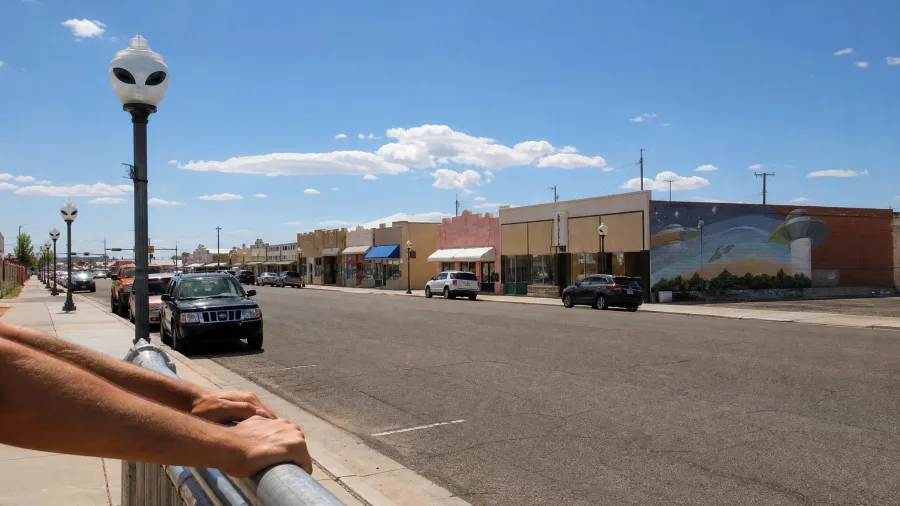
Do not show up in the blinding desert heat at noon expecting the neon street spectacle to make sense.
The quiet desert cattle hub and military airstrip changed forever after odd ranch debris surfaced in July 1947. By the 1990s, municipal leaders traded traditional farm branding for green alien eyes mounted on streetlights, painted saucer murals, and the International UFO Museum and Research Center. That transition pulls tens of millions of dollars into city coffers each year, drawing tens of thousands of summer festival attendees who browse toy flying saucers beside local ranchers buying pecan farming equipment.
Arrive right at 8:00 PM when desert temperatures cool down and green streetlamps flicker against the darkening sky.
Frequently Asked Questions
Can you drive your personal car into Whittier, Alaska?
Yes, but you must pass through the Anton Anderson Memorial Tunnel, a single-lane 2.5-mile tunnel shared with freight trains. Directions alternate on a strict half-hour schedule, and drivers pay a small round-trip toll.
Is it safe to visit the underground fire in Centralia, Pennsylvania?
State officials strongly discourage visits because of toxic carbon monoxide fumes and hidden ground collapses. The famous graffiti highway was buried under topsoil in 2020, and nearby terrain remains hazardous.
Do you need a passport to visit Büsingen am Hochrhein?
Yes. Even though Büsingen is legally German territory, it is surrounded by Switzerland. You must cross Swiss customs checkpoints to drive in, making an official passport or European national ID card mandatory.
Can casual tourists visit Neft Daşları in Azerbaijan?
No. Neft Daşları is a strictly regulated industrial work site operated by the state oil company SOCAR. Only authorized engineering staff and specialized maritime contractors can board transport boats to the platform network.
Is Monowi, Nebraska, still inhabited by only one person?
Yes. Elsie Eiler remains the sole resident, managing the local tavern, municipal records, and municipal elections herself while serving visitors who stop along Highway 12.
Navigating Strange Settlements Without Disrespecting Local Residents
Know the difference between a working sovereign outpost and an intentional roadside attraction before putting your car in park. Commercial stops like Roswell actively solicit visitors for diner bills and museum admissions, but places like Whittier, Supai, or Monowi are working homes where private hallways and tribal lanes should never be treated like theme-park sets.
Buy your lunch at the local counter, keep your camera pointed at public streets, and trade the manicured cathedral squares for the raw municipal grit of communities that never planned on hosting an audience.
Check Your Route Restrictions Now
Review section 1 on Whittier or section 8 on Supai to verify seasonal road permits and tunnel times before starting your engine.