
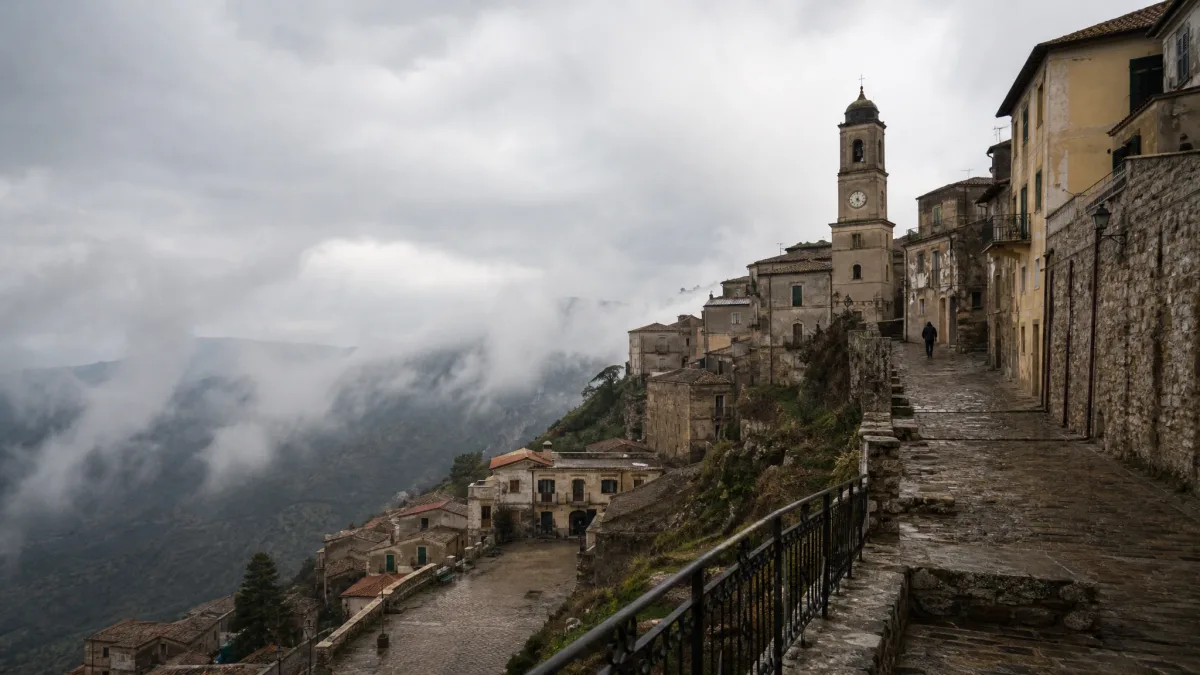
The mistake is planning the move before you have read the payment schedule. A shared headline promising €25,000, or a house for €1, reads like rescue when you are priced out or worn down at home, and that is exactly when people stop reading the conditions.
The money is genuine, but it is staged: installments land after you register, tied to a 3-5 year commitment and minimum days on site each year. The €1 house is a renovation contract of roughly $20,000-$40,000, not a free home.
So judge every offer on four things: what is actually paid, what you must do to keep it, what it does not cover, and what leaving early costs you. Real means a government program's written terms paying a modest grant for presence over years. Choose by obligations and exit costs, not the headline figure. Your first step is to email the program for written terms and the payment schedule before you spend or sell anything.
| Shape of offer | What you get | What you must do for it | What it does not cover | Who it suits |
|---|---|---|---|---|
| Lump sum | Illustrative $10,000, often paid after arrival and registration | 3-5 year residency commitment and minimum days on site | Flights, shipping, deposit, legal fees | Someone with cash buffer and remote income |
| Staged grant | Illustrative €25,000 in five annual installments | Residency, local registration, sometimes property purchase or renovation | Month-one move costs; grant arrives after 60-90 days | Remote worker or retiree who can fund the gap |
| Monthly stipend | Illustrative $700 per month for first 12 months after registration | Local registration and presence; often work or study conditions | Health insurance, car, travel home, month 13 onward | Retiree supplementing a pension, not replacing it |
| €1 house | Property for €1 with binding renovation | €20,000-$40,000 renovation within 2-3 years plus residency strings | Renovation overruns, resale difficulty, your time | Someone with building skills and patience |
Towns Are Buying Residents, Not Tourists
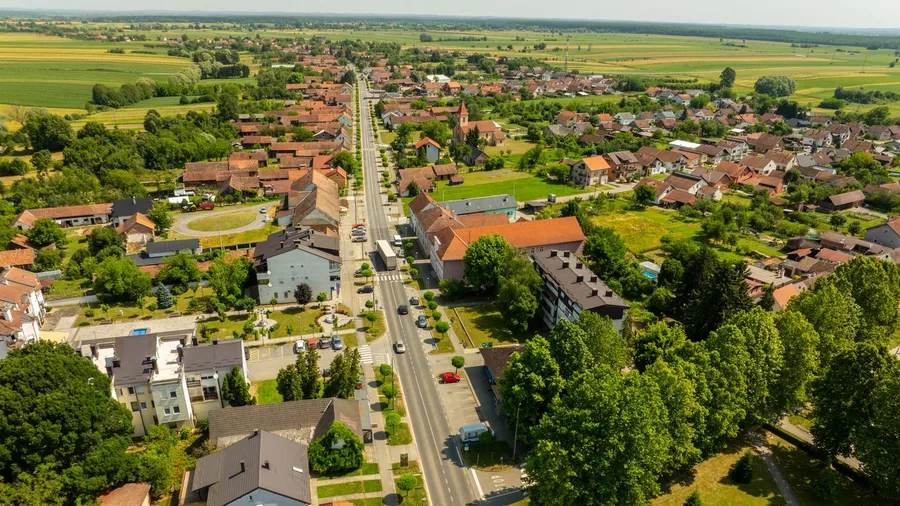
A town pays you to move because you become a line in its budget that stays filled. A tourist spends a weekend, buys two coffees and leaves; a resident registers at the town hall, puts a child into a classroom, pays local rates and keeps the shop, the clinic and the bus route from falling below the number that keeps them open.
Run the arithmetic the way a mayor does. A staged grant of around €25,000 across five years costs less than running a school or a clinic under its threshold, and closure is not reversible. Shut the school and the next young family reads that before they read the grant.
So the tell is simple. A genuine program has a named municipality or region behind it, an application that goes straight to the town, rules and a payment schedule published on an official government page, and no fee to apply. Relocation agencies sell access to the same grant and charge for forms the town hands out free.
Terms move with each funding round, so the program's own page is the only current source, not a shared headline, a listicle or an agent's PDF.
Which gives you your first test before you read a single euro figure: do the terms come from town hall or from a sales page? This is a town buying your presence, not running a prize draw.
The Money Is Real, but It Is Not a Salary

Real programs exist, and they pay in one of three shapes – none of them a wage. The first is a single payment on arrival, a flat figure like $10,000 that lands once and is never repeated. The second is the staged grant, and the common version is around €25,000 split into five yearly installments of roughly €5,000 each. The third is a monthly payment, typically about $700 wired for the first 12 months after you register locally, then stopped.
Put the $700 against a small town's actual prices and it shrinks fast. In an illustrative cheap municipality it covers a modest rent, or it covers groceries and utilities, but not both – and it never touches health insurance, a car, or a flight home. Month 13 arrives with the payments gone and the bills unchanged, which is exactly the trap the word 'stipend' hides.
Scams share a tell. Any offer with an up-front processing fee, an agent charging for forms the town hands out for nothing, no named municipality, no official government page, or no written payment schedule is not a program to budget around.
The check takes an afternoon. Find the official page, email or phone the town directly, and confirm in writing that applying costs nothing. A genuine grant survives that test; a sales page usually does not.
What People Believe About Paid Moves
Cash Arrives in Installments, Not at the Airport
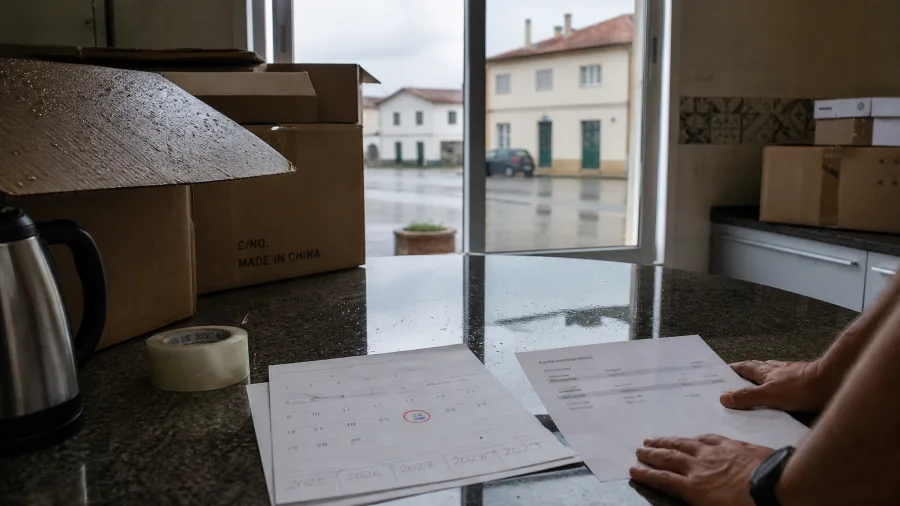
The first installment typically lands 60 to 90 days after you register, and every later one comes a year apart – so the €25,000 is earned across the term, never handed over at the airport. Before each wire, the town wants proof: a local registration certificate, an address, a residence permit, and a record of the minimum days you actually spent on site. Renovation-tied tranches can also demand an inspection or a stack of receipts.
Line the calendar up against the bills and the problem becomes obvious. Moving costs hit in month one: $900-$1,400 in airfares, $3,000-$5,000 to ship your things, $2,500 for a rental deposit, and $800-$1,500 for legal work and translations. That is a five-figure month before you have bought a single coffee.
The first payment arrives in month three or four.
The honest test is arithmetic: can you fund the entire move-in bill plus six months of living before the first tranche clears? If not, this shape is not for you – not this year, whatever the headline says. Money that lands after the bills does not solve the month-one problem; it only repays a loan you have not yet taken.
Every Offer Ties You to a Residency Commitment
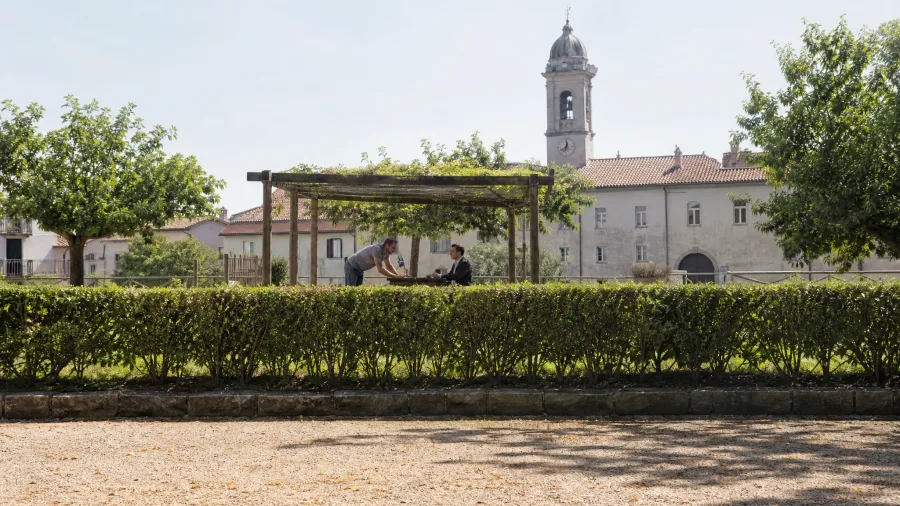
To keep each tranche, you have to actually live there – and for a while. The common shape is a term of three to five years plus a floor on days spent on site each year, all anchored by your registration at the town hall.
The other conditions vary by program and can surprise you: some require buying or renovating a property, some want you working locally, some ask for a language level. The only current list is the program's own official page. A roundup or an agent's summary can quietly drop a clause, and that missing clause is the one that costs you a payment.
Here is the distinction that decides your risk. Registration, days on site, and property completion leave a paper trail in municipal records, and the town can check all three against its own files. Language level and local work are softer – often assessed at an interview – so the danger depends on what the town actually logs.
Presence is the product being bought. Treat every rule about registering, staying and finishing as the price tag on the next installment, not as paperwork to sort out later.
💡 PRO TIP
Read the Exit Clause First
Before you read the payment schedule, find the paragraph that explains what happens if you leave early. If you can't find it, email the program and ask for it in writing — the answer is part of the offer.
Leaving Early Means Repaying the Grant

If you leave before the term ends, you hand back the portion you did not earn – and the later installments stop. Read a five-year program as a fee for your time, not a prize you keep in full the day you land.
Work through the arithmetic. On a €25,000 grant spread over five years, each year you stay locks in €5,000. Move home after two and the remaining €15,000 comes off the table – or, depending on the wording, gets clawed back from what the town already paid you.
Some programs go further and ask for a deposit or a bank guarantee before the first payment. That money sits locked away for the whole term, and it can be forfeited if you break the agreement. Add that frozen cash to your budget before you sign.
Then look at what actually counts as leaving: selling the house, spending too few days on site, deregistering at the town hall, or missing the renovation deadline. Those are the triggers to read twice. Compare cash kept after an early exit, guarantees at risk and resale prospects – the exit clause, not the headline, is the real price.
Cash Grant vs. €1 House: Where the Risk Sits
Staged Cash Grant
- €25,000 over five installments
- Repayment risk is pro-rata
- 3-5 year residency and days on site
- No building skills required
- Cash returned if you leave early
€1 House
- €1 purchase price plus €20,000-$40,000 renovation
- Capital locked in an illiquid property
- 2-3 years to finish renovation, plus residency strings
- Builder or trade skills required
- Unfinished house to sell if the move fails
Get Tax and Work Rights in Writing
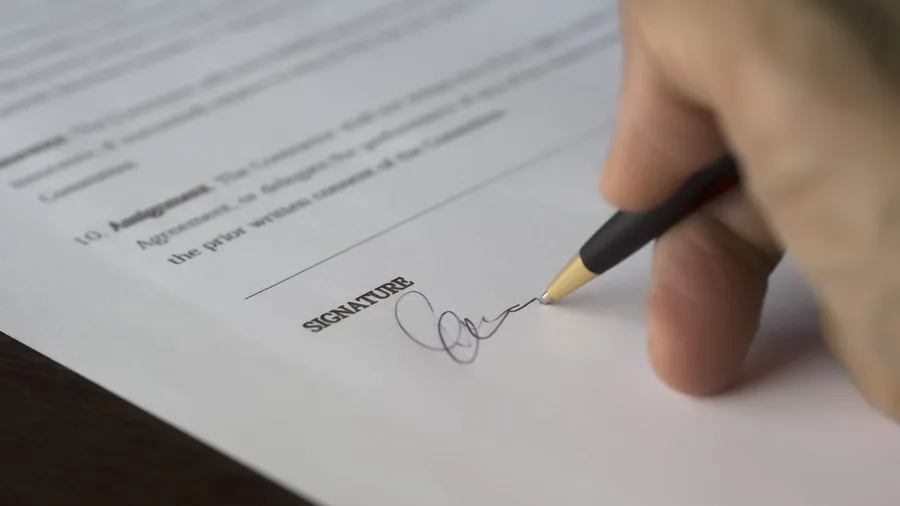
Repaying the grant does not settle the tax question or the work question — those can cost more than the money you hand back. This piece states no tax or visa rule, and that is deliberate: the answer depends on the destination, your nationality and your income, and only the authorities can give it to you.
You need two answers in writing before you move. First, whether you may work locally or remotely for a foreign employer on the program you are joining. Second, the date your tax residency in the destination begins.
Ask each question of the party that owns it. The program office for work-rights terms, the relevant tax authority for your filing position, and a local accountant for the written calculation of what you would owe. Keep every reply as an email or letter — a phone call is not a record.
A grant big enough to notice — €25,000, or $700 a month — is big enough to create a filing question at home and abroad. Tax and work rights are costs the grant does not cover, so treat those written answers as part of the offer's true terms.
Cash Grants Beat €1 Houses for Most Movers
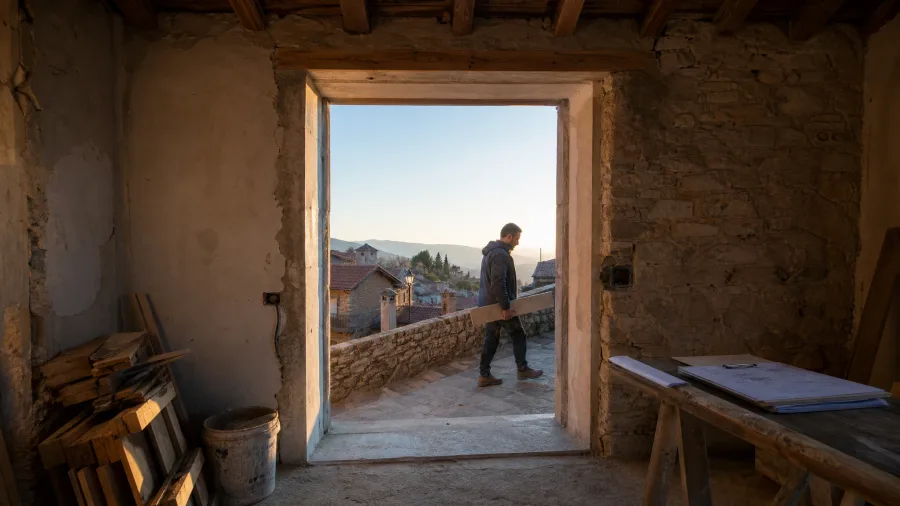
A cash grant beats a EUR1 house for most movers, and beats the cheapest countries to buy a house on risk, because the grant's worst case is returning money and the house's worst case is capital you cannot get back. Take the illustrative numbers. The grant pays EUR25,000 in five installments against a 3-5 year residency commitment with minimum days on site. The EUR1 house costs one euro to buy and a binding EUR20,000-$40,000 to renovate, and you must finish within 2-3 years, on top of whatever residency strings the town attaches.
The timelines are closer than the price tags suggest, and both are longer than the buyer imagines.
On the grant you owe presence: register, stay the minimum days each year, and the tranches keep coming. On the house you owe construction: permits, a contractor who may not answer your calls in your language, and a completion deadline the town can check. Fail the grant and you repay the unearned share. Fail the renovation and you own an unfinished building.
That last point is the real difference. Repaying a grant is a cash flow problem. Selling a half-renovated house in a village of a few thousand, where the buyer pool is thin and shrinking, is a capital problem, and it can sit on the market for years while you pay to insure and heat it.
So the grant fits the mover with no trade and no contractor lined up: rent locally, take the tranches, and let the cash stay liquid. The EUR1 house fits only someone arriving with building skills, a renovation budget already in the bank, and the patience of a long-term project. Both offers buy the same thing from the town's side, presence. One risks money the reader has to give back; the other risks money the reader can't get out.
🗓️ From Application to Final Tranche
Apply directly to the town
Submit the application on the program's official page with no fee and no agent.
Decision in 2-4 months
The town reviews your application and issues a written decision with terms.
Arrival in 6-12 months
You register locally, secure housing and start your residency clock.
First payment in 60-90 days
After registration, the first tranche arrives within three to four months.
Annual tranches for five years
Each year on site unlocks the next installment, with proof of presence.
Full term to keep it all
Leaving early means repaying the unearned share and losing later payments.
The Move Costs More Than the Grant Covers

The move itself is paid before any grant money arrives, and nobody reimburses the receipts. Count the month-one charges: flights $900-$1,400, shipping $3,000-$5,000, a rental deposit around $2,500, and legal and translation $800-$1,500. That is $7,200-$10,400 before you buy a single meal in the new country.
The first grant installment typically lands 60-90 days after local registration, not at the airport.
Which means you fund the gap from your own savings. The flight goes out weeks before you register; the deposit is due to a landlord who has never heard of the program; the translator wants paying when the contract is signed. None of it waits for a municipality to process a file.
Then do the annual arithmetic on the grant. EUR25,000 spread over five years is EUR5,000 a year before tax, or roughly EUR417 a month once you divide it out. Against rent, utilities, insurance and a car in a town where the nearest hospital is 45 minutes away, that is a supplement, not an income.
So the real financing of the move is the reader's own buffer, and it needs to cover the full move-in bill plus about six months of living before the first tranche shows up. Someone who has the buffer takes the grant as a bonus. Someone who doesn't is borrowing to move toward money they haven't earned yet.
If the savings won't stretch that far, the honest answer is that the timing rules this offer out, whatever the headline says.
You Will Be the Only Newcomer in the Village
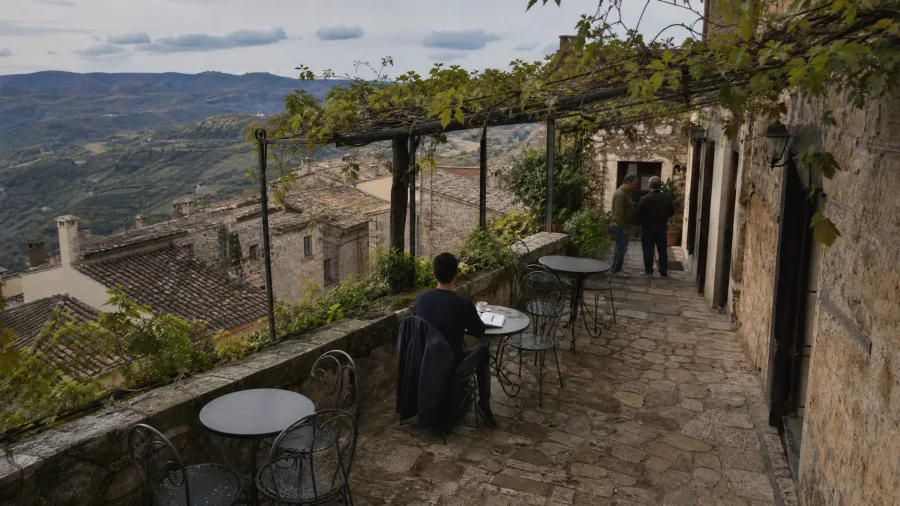
The place has to work as a home, and these towns are small: a few thousand residents or fewer, aging fast, with the school roll and clinic list running short. You will not be anonymous. The postmistress learns your name in a week, and everyone learns why you came.
The distances shape the week more than the grant does.
In an illustrative small town the nearest hospital is 45 minutes, the airport 90 minutes and a large supermarket 25. In winter the weather and the quiet fold those trips in further, and a Tuesday can pass with no conversation beyond the shop. If you need a city, family nearby and a hospital that answers in under an hour, this is where the plan breaks.
Language decides more than distances. The registration office, the builder and the doctor work in the local language; A2-B1 conversation is practical for daily life, but contracts and medical appointments need a translator, and that is a cost the grant doesn't reimburse. Whoever said the visa was simple never sat through a property closing in a second language.
The people who thrive here arrive with remote income, a trade, working local language and a tolerance for quiet. The ones who leave in the first winter arrived needing amenities, family or fast healthcare.
The 3-5 year commitment is tested by distance, language and silence, not by the grant figure.
Ranked by What Holds People Up
Timeline: application 2-4 months, arrival 6-12 months, renovation 2-3 years.
The Paperwork Outlasts the Excitement

Count on a year before your boots hit the ground. From the day you apply to a written decision, allow 2-4 months. From that decision to your actual arrival, add 6-12 months, and if a renovation is attached, expect 2-3 years on top before the house is finished.
The waiting is not idle. Your documents move on two separate tracks, and neither one cares about your calendar. Town hall runs its side: application review, municipal registration, property inspection, each queued against staffing and season. Your side is slower and duller: apostilled records, translated birth and marriage certificates, proof of funds, police checks, tax documents, a current passport. One missing apostille stalls the whole file.
So the gap between decision and arrival is real time you have to live in. Keep your income and savings intact while you wait. Get the tax and work answers in writing rather than verbal. Line up a rental before you arrive, because the grant has not touched your account yet. And do not sell your home until the decision and the terms are sitting in writing in front of you.
This is the shape of the trap. The grant arrives after the wait, but your enthusiasm does not. A renovation can outlast the first thrill by a couple of years, and anyone who treated the announcement as the finish line will have spent a year and a house deposit before the first euro showed up.
Three Ways Movers Lose the Grant
Frequently Asked Questions
Is any of this actually real, or is it a scam?
Real programs exist and they share a pattern: a named municipality, an official government page, a written payment schedule and no fee to apply. Scam signals are up-front processing fees, agents charging for forms the town gives away, and offers with no official page or named place. Check the town's own site, email the program directly, and treat any offer you can't verify there as not a program.
How much do I get, and when does it land?
It depends on the shape of the offer. A lump sum might be an illustrative $10,000, a staged grant an illustrative €25,000 over five annual installments, and a monthly stipend an illustrative $700 for the first 12 months after registration. The first payment typically arrives 60-90 days after registration, so the cash lands well after your move-in bills.
What do I have to do to keep the money?
Typically a 3-5 year residency commitment with a minimum number of days on site each year, plus local registration. Some offers add a property purchase or renovation, local work, or a language level. All current terms live only on the program's official page — read them there, not in a summary or an agent's PDF.
What happens if I hate it and want to go home?
On the illustrative five-year €25,000 schedule, each year of presence earns €5,000, and the unearned share becomes repayable if you leave early. Some programs also require a deposit or bank guarantee before the first payment, which can be lost if the term is broken. Read the exit clause before you read the payment schedule.
Is a €1 house a better deal than a cash grant?
For most movers, no. The €1 house comes with a binding renovation obligation of roughly €20,000-$40,000 to complete within 2-3 years, on top of residency strings. The grant risks repayment of cash if you leave; the €1 house risks capital locked in an illiquid property in a town with few buyers. The house suits only someone with building skills, a renovation budget and patience.
What does this actually cost me?
Plan for an illustrative move-in bill of $7,200-$10,400: flights $900-$1,400, shipping $3,000-$5,000, a rental deposit $2,500, and legal and translation $800-$1,500. The grant covers none of that by default. You need savings to fund the gap between arrival and the first tranche.
Choose the Offer That Matches Your Exit, Not the Headline
The remote worker on a home salary fits the staged grant, treating €25,000 across five years as a bonus, but only with work rights and tax in writing; the $700 monthly stipend is too small to be the plan. The family fits the €1 house only with a trade in the family, a $20,000-$40,000 renovation budget and 2-3 years of patience, otherwise it walks. The retiree uses the $700 for 12 months to supplement a pension near a hospital, never to replace one. Anyone without six months of cash or the full 3-5 year commitment walks away entirely.
Return to where this started: the headline cash is not a salary and not a rescue. It is a town buying your presence, and you keep it only by serving the term and meeting the exit terms.
If the grant is a bonus and the exit plan works, proceed. If it is the plan, walk. Your first step is one email: ask the program directly for the written terms and payment schedule before you spend or sell anything.
Get the Written Terms First
Before you spend a dollar or list your home, email the program office for the payment schedule and exit clause. If they won't put it in writing, it's not a program to plan around.