
The mistake most travelers make is pricing luxury off the wrong cities – New York, London, Paris – and then assuming those numbers travel with them everywhere.
They do not. A $650 five-star night in Manhattan is not the global rate; it is the Manhattan rate. In Lisbon's Chiado district, the same category of hotel – central, well-staffed, genuinely five-star – runs around $200. That gap is not a fluke of one city; it repeats across four continents.
The full stack is available in each city on this list: a serious hotel, a chef's tasting menu, a private guide or a staffed villa. The combined daily cost rarely clears what a midrange room costs in a US city. A tasting menu in Budapest is $65. A private pool villa in Chiang Mai is $120. A staffed four-bedroom in Bali works out to $88 per person.
By the end of this list you will have a specific city matched to your travel style, real prices to test against your budget, and enough detail to open a browser and start booking.
Quick Tips Before You Start
Travel in the Shoulder Season
April–May and September–October hit the sweet spot in most of these cities: lower hotel rates, no peak-season restaurant waits, and better weather than midsummer.
Book the Hotel First, Then the Flights
In these markets, hotel availability — not airfare — is the binding constraint for dates. Lock the room, then build the flights around it.
Name the Neighborhood in Your Search
Chiado in Lisbon, El Poblado in Medellín, District 1 in Ho Chi Minh City — searching by neighborhood filters out the airport-adjacent budget options and surfaces the right properties.
Carry a No-Foreign-Transaction-Fee Card
In Eastern Europe and Southeast Asia especially, the 3% foreign transaction fee compounds fast across a ten-day trip. Use a Schwab debit card or a Chase Sapphire for local ATM withdrawals.
Book Tasting Menus at Least a Week Out
The best-value restaurants on this list — Polanco in Mexico City, the top spots in Ljubljana — fill weeks ahead even though their prices are low. Reserve before you land.
1. Lisbon's Five-Star Hotels Under Two Hundred Dollars

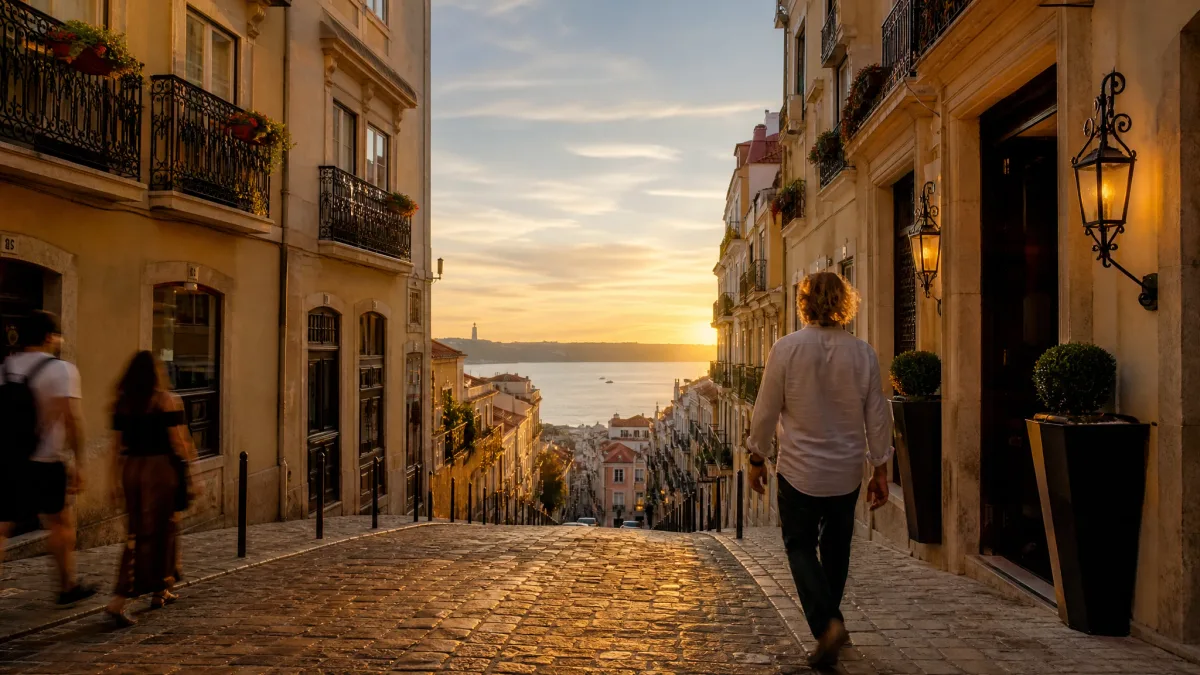
The Chiado at dusk smells like charcoal and cut stone – the kitchen vents from the restaurants below the miradouros mix with the warm limestone the city exhales after a full day of sun. A five-star hotel room in that neighborhood runs around $200 a night. The same category room in New York costs roughly $650. Same pillow count, same marble bathroom, different continent, different number.
That price gap funds the rest of the day without trying. A Michelin-listed tasting menu comes in around $60 a head. Rooftop bars, natural-wine cellars in the Bairro Alto, and the Alfama viewpoints charge almost nothing to be remarkable. The city's quality level and its price level simply do not match, which is the entire argument. Come in April or October – the $200 hotel rate holds most reliably in those months, restaurant reservations are easier to land, and the summer crowds that push rates up and fill the viewpoints by nine in the morning are absent. The flight from New York is seven to eight hours, which is not a long-haul commitment by any measure.
💡 Tip: Book in April or October. Summer pushes the same rooms past $300 and adds a three-week wait for the better restaurant reservations.
2. Budapest's Thermal Suites and Michelin Dining
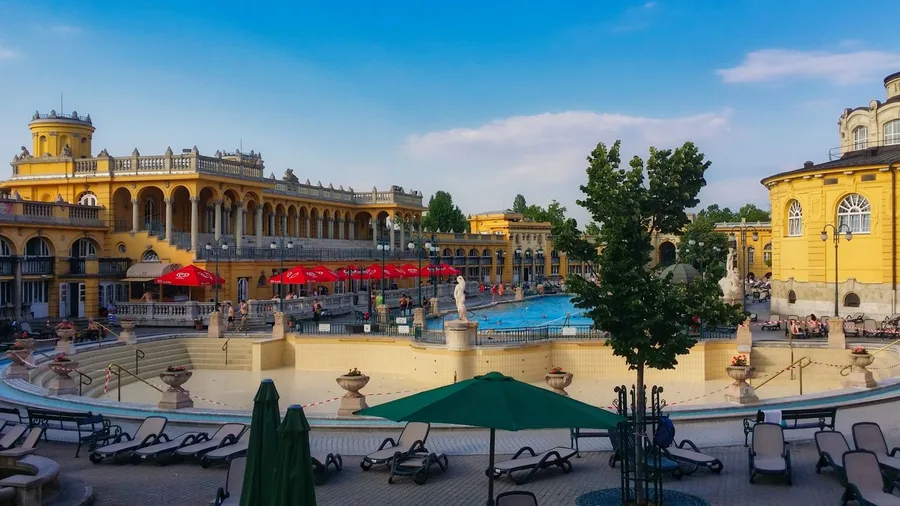
Budapest is two cities for the price of one – a serious Michelin dining scene layered on top of a centuries-old bathing culture, and neither one charges European capital prices.
The catch is knowing which version of the thermal experience you are booking. The public baths – Széchenyi with its yellow facade, Gellért with the ornate entry hall – are genuinely impressive and genuinely crowded. Tour groups, selfie sticks, and locker-room queues are all included. The private thermal suite is a different transaction entirely: around $40 for two hours for two people, booked through a hotel, quiet in the way that a spa in London at five times the price would be quiet. That figure resets what expensive means. Add a Michelin-tracked tasting menu at around $65 a head and the full evening lands well under what a single cocktail round costs in a London hotel bar.
The rest of the day operates at the same structural mismatch. Grand-café breakfasts in rooms with twenty-metre ceilings, ruin-bar evenings in repurposed courtyards – both are priced for a local salary, not a visitor markup. Most US travelers connect through Vienna or Prague, and a half-day layover in either city is worth treating as a planned stop rather than a delay. It turns a single-destination trip into two for roughly the same fare.
⚠️ COMMON MISTAKE
Don't Confuse Public Baths With Private Suites
The Széchenyi and Gellért baths are tourist landmarks, not luxury experiences. If the thermal suite is the reason you are going to Budapest, book a hotel-based private thermal room before you fly — they sell out weeks ahead.
3. Medellín's Hillside Villas and Elite Coffee Culture
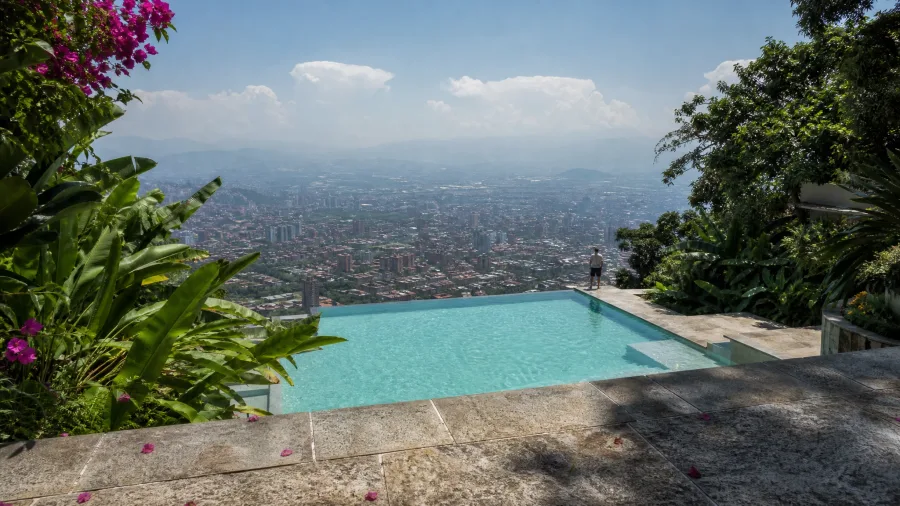
Skip the generic city-center hotel and go straight to El Poblado or Laureles – those two neighborhoods are where luxury Medellín actually lives.
Between them they hold the serious restaurants, the rooftop cafés, the boutique hotels, and the hillside villa rentals with private pools and staff. A villa with a housekeeper runs around $180 a night – often for the whole property, not per room. Direct flights from Miami land in under three hours, which makes Medellín the most logistically straightforward Latin America entry on this list for travelers coming from the US East Coast.
The coffee tourism here is worth a dedicated morning. Single-origin tastings at the top specialty roasters run about $8 a session and arrive with the same procedural seriousness as a flight of Napa wines – sourcing details, processing notes, farm elevation. Napa costs five to eight times as much for comparable depth. Medellín's coffee scene has earned the comparison without the price tag.
Address the safety question directly, because the decade-old reputation still circulates in search results. El Poblado and Laureles have a materially different profile from what those headlines describe – both neighborhoods are polished, walkable, and built around outdoor dining and street-level commerce at night. A traveler who reads current conditions rather than archived ones will find something that does not match the old story at all. The luxury infrastructure in these two neighborhoods is real, recent, and still underpriced relative to comparable environments elsewhere.
A Sample Week Across Two Affordable-Luxury Cities
4. Chiang Mai's Private Villas and Full-Day Spa
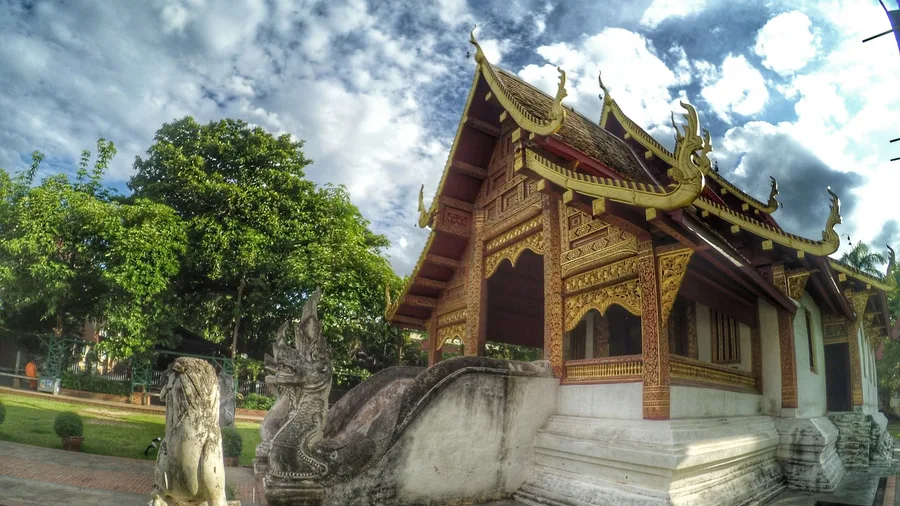
Before you book Chiang Mai for New Year's Eve or late August, stop: rainy season runs roughly June through October, and it matters here more than in most cities on this list. The private villa gardens that make the ~$120/night rate look extraordinary turn soggy and green-grey; the outdoor Northern Thai dinners that anchor the evening move indoors or cancel. Come November through February and the air is dry, the temple courtyards are golden in the afternoon light, and you can stand on a villa terrace at dusk with the Doi Suthep mountain lit behind the tree line – that is the photograph the trip produces, and it only happens when the sky cooperates.
The reason Chiang Mai makes the argument so cleanly is that you can add up an entire day across every luxury category and still land under $200. Exploring other affordable Asian cities reveals the same pattern of world-class culture and food at a fraction of expected costs. Private pool villa at ~$120. A one-hour treatment at a hotel spa – the kind with warm herbal compresses, not a strip-mall setup – at ~$15. A private driver for the full day at ~$40. A multi-course Northern Thai tasting dinner, the kind with a changing menu and service that matches the quality, at ~$20. The total is roughly $195. A midrange hotel room in Chicago costs more than that, and it does not come with a driver, a spa session, or dinner.
That said, be clear about what you are buying. Chiang Mai is a city for slow days – temple visits at Doi Suthep, morning cooking classes in the old city, night markets, long lunches, afternoons by the pool. It has no club scene worth mentioning and no beach within range. If that pace sounds like relief rather than compromise, this is your city. If you need high-energy nights to feel like you are on holiday, it is not.
5. Mexico City's World-Class Tasting Menus
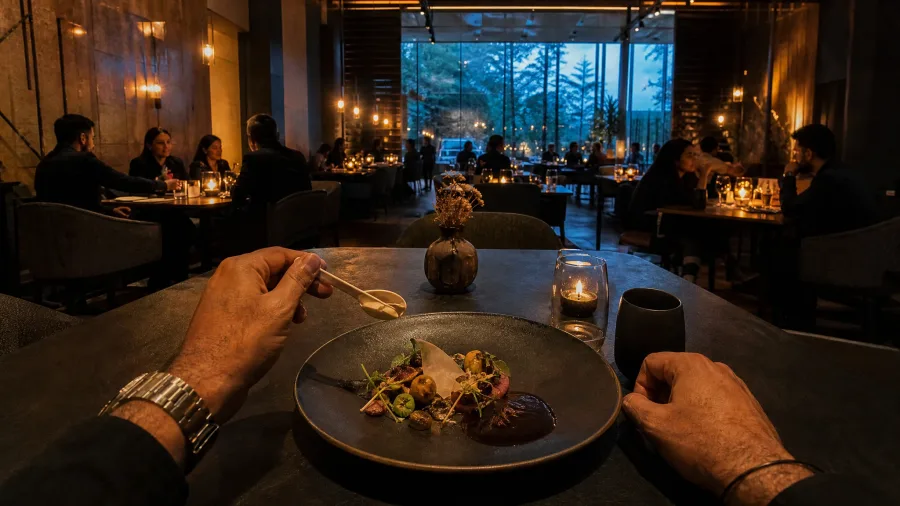
It already ranks among them – the question is only whether you knew the prices. Sit down at one of the serious Polanco tasting menus and you'll work through eight or ten courses from a kitchen that would command $200 to $350 a head in New York or London; here the same caliber of cooking runs around $55 per person. That is not a slight discount. It is a structural difference in what the city charges for the same standard.
The hotels keep pace with the food rather than dragging it down. Boutique rooms in Polanco or Condesa run around $160 a night and typically include a rooftop pool – so the place you return to after dinner is worth returning to. When you want a break from restaurants, a private after-hours museum tour or a ringside seat at Lucha Libre fills the evening without requiring a different category of budget. And most US travelers are within two to four hours by direct flight, which means the gap between deciding to go and actually going is smaller here than almost anywhere else on this list.
💡 Tip: Direct flights from most major US cities run 2–4 hours. This is among the lowest-barrier entries on the list — book a long weekend rather than waiting for a two-week window.
Mexico City Luxury Stack — At a Glance
🍷 Wine Pairing (typical add-on)
~$30–45/person
🎟️ Lucha Libre Ringside Seat
~$15–25/person
🏛️ Private After-Hours Museum Tour
~$80–120/group
✈️ Flight From NYC
~3.5–4 hours direct
📅 Best Months to Visit
March–May, Oct–Nov
Full evening, two people
Boutique hotel night + two tasting menus + wine pairings: ~$430 total. The same night in NYC or London starts at $1,000 before you leave the restaurant.
6. Tbilisi's Boutique Townhouses and Wine Feasts
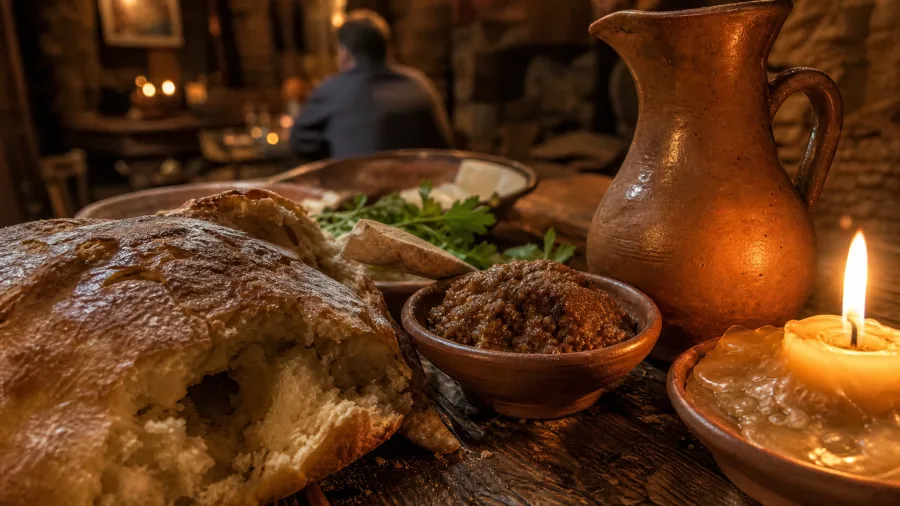
You're seated at a long table somewhere in Tbilisi's Old Town, the wine has been flowing for an hour, and a man at the head of the table – the tamada, the designated toastmaster – is mid-speech, raising his glass for the fourth formal toast of the evening. This is a supra, Georgia's ancient tradition of communal feasting, and it runs on its own structure: rounds of natural wine, ritual toasts to family, guests, and the country, plates that keep arriving. The whole thing costs around $25 a person. The wine you're drinking comes from a region that has been making it for roughly eight thousand years, which is not a marketing claim – it is just the archaeology.
The supra is not assembled for visitors. It has a form, a rhythm, and a social role in Georgian life that predate tourism by centuries. Participating in a real one, rather than a staged approximation, is the specific reason to come to Tbilisi rather than somewhere with older ruins or better infrastructure. The luxury is that you are inside something actual.
The practical math is this: a boutique hotel inside a 19th-century townhouse – the ones with carved wooden balconies that hang over the cobbled lanes of the Old Town – runs around $90 a night. There is no Western European city where that price buys that architecture. Flights connect through Istanbul or Frankfurt, and the total from New York lands at roughly 15 to 17 hours; that is worth saying plainly, and then worth countering: two nights in Istanbul on the return leg converts the long haul into a two-city trip, and Istanbul more than earns its own stop.
7. Bali's Staffed Four-Bedroom Private Villas
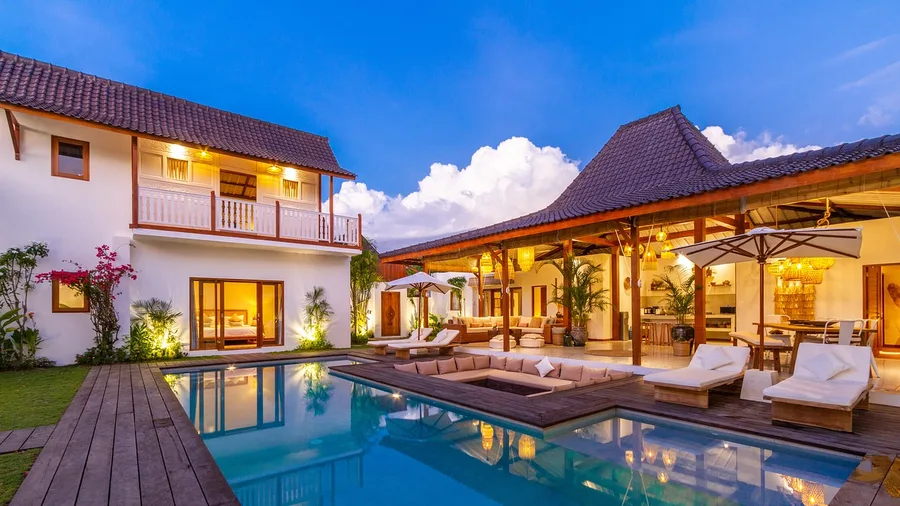
Splitting a staffed four-bedroom villa with a private pool among four people costs around $88 per person per night – less than a standard room at most Miami Beach hotels, which run $250 to $300 for one person with none of that. The $350 total for the whole house covers daily housekeeping and an on-call cook; add roughly $25 per person on top of groceries and the cook prepares dinner in your kitchen while you're at the pool. That comparison does the persuading on its own.
Who this actually suits: families or groups of four who want private space, a shared kitchen, and a cook without coordinating restaurant reservations every night. It does not suit solo travelers or couples on a short break – the math only works when you fill the bedrooms, and the 17 to 18 hour flight from Los Angeles with one stop earns its cost over ten days or more, not a long weekend. For the right group, that flight time becomes irrelevant by day three.
Where you land the villa matters. Seminyak and Canggu hold the densest supply of staffed properties within reach of the beach, which suits travelers who want surf, sunsets, and easy restaurant access outside the villa. Ubud sits inland among rice terraces and offers a quieter, more structured kind of stay – cooking classes, temple visits, cultural performances – and almost no nightlife. Decide which version of Bali you're booking before you search, because the two are genuinely different trips.
💡 Tip: Specify 'staffed villa' in your search on Airbnb or a specialist Bali villa agency. Many private villa listings do not include staff unless explicitly requested at booking.
The Tourist Route vs. The Smarter Booking
How Most People Book
- Search by city name, filter by star rating, book the first result
- Stay near the airport or a main tourist boulevard
- Book a hotel room, skip the private guide
- Eat at the hotel restaurant every evening
- Convert budget to one expensive city (Paris, Tokyo) for two weeks
What Actually Works
- Search by neighborhood name — Chiado, El Poblado, District 1
- Base in the walkable, restaurant-dense core of the city
- Book a private guide for day one; it reframes the whole trip
- Reserve the tasting menu before you fly — they fill early
- Split the same budget across two affordable cities for the same total spend
8. Kuala Lumpur's Five-Star Towers and Sky Bars
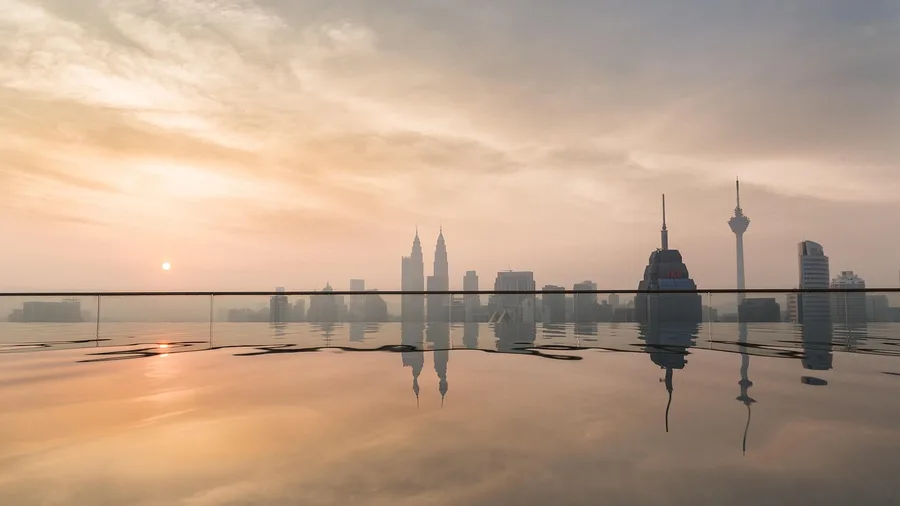
A five-star hotel room in the KLCC district – the tower precinct at the center of the city – runs $110 to $130 per night and includes pool access, a full gym, and club-lounge privileges. That figure sits below a midrange room in any major Western city, and it is not a sale price or a distressed inventory situation. Kuala Lumpur has built more luxury hotel capacity than its market consistently fills, so competitive pressure keeps rates structurally low without touching the standard. Book into one of the KLCC towers, walk to the rooftop bar at dusk, and order the tasting menu at around $40 per person – a complete luxury evening for less than a single cocktail round in a comparable London venue.
One honest caveat before you build the bar budget: alcohol carries a heavy tax in Malaysia, and cocktail prices reflect it. This is not a city where the nightlife spend stays as flat as the hotel rate. Budget accordingly or shift the evening spend toward the food side, where the value holds. Two to three days is the natural length – enough to cover the towers, the street-food lanes of Jalan Alor, and a half-day trip to the Batu Caves, without padding the itinerary to justify the flight. KL slots most cleanly as a focused stopover within a longer Southeast Asia trip, not a standalone ten-day destination.
💡 Tip: Alcohol is taxed heavily in Malaysia. If bar spend is a real part of your luxury budget, factor in cocktail prices that run closer to Singapore or Hong Kong levels than the food prices suggest.
9. Belgrade's Floating River Clubs and VIP Tables

You arrive at a splavovi – a floating club moored on the Sava River – sometime after midnight, which is when Belgrade actually starts. The music is loud, the table is already set with a bottle and mixers, and the total bill for a VIP table with full bottle service comes to somewhere between $60 and $80 all in. At a comparable venue in Miami or Ibiza, that same table starts at $500 before anyone orders a drink. Belgrade's nightlife is not a cheaper version of those cities; it is the same infrastructure – the production, the crowd, the energy – running on a completely different cost structure.
This city is for a specific traveler. If your version of luxury is late nights, a serious food-and-bar scene, and an arts district worth exploring the next afternoon, the Savamala neighborhood puts galleries, restaurants, and bars within walking distance of boutique hotels at around $120 a night. If you want a beach or a spa, Belgrade has neither and will disappoint. Getting there is easier than its reputation suggests – one connection through Frankfurt, Vienna, or Istanbul – and it fits naturally into any Central or Eastern European itinerary without requiring a dedicated long-haul trip to justify it.
VIP Nightlife: Belgrade vs. Miami
10. Ho Chi Minh City's Rooftop Pools and Private Tours
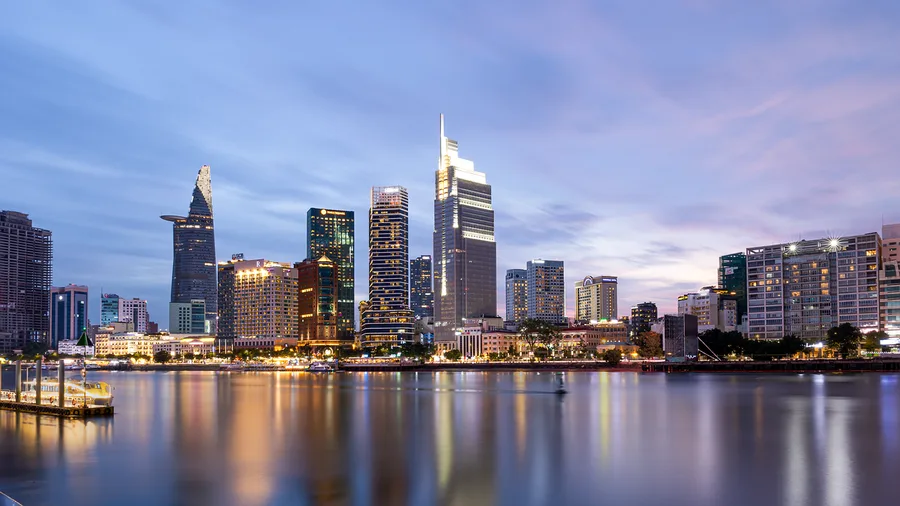
A five-star hotel in District 1 runs around $110 a night, and a full-day private car with an English-speaking guide costs roughly $80 – add a rooftop cocktail at $8 and a serious multi-course dinner at $30 per person, and the entire day clears for under $100 all in. That same private-guide day in Paris or Tokyo runs $400 to $600, which makes the comparison instant and a little embarrassing for every other city on the itinerary.
The format works because Ho Chi Minh City rewards range. One traveler wants the French colonial quarter, another wants the War Remnants Museum, a third wants a full-day Mekong Delta run – a single private car and guide handles all three without restructuring the trip. Book the guide once and let the itinerary flex around it.
The five-star hotel base earns its place here more than almost anywhere else in Southeast Asia. Ho Chi Minh City is genuinely hot and genuinely humid, not as a seasonal footnote but as a permanent condition. A rooftop pool at midday and an air-conditioned car waiting outside every stop are not indulgences – they are what keeps a full-day itinerary functional rather than draining.
The rooftop bar is where the day closes well. Around $8 buys a cocktail with a skyline view that would cost four times that in any comparable city in the region. The dinner that follows – Vietnamese at a top-end restaurant in the city's restaurant district – runs about $30 per person for a menu that takes two hours and earns the time. Total spend for the day, hotel included, rarely clears $100.
💡 PRO TIP
Stack the Private Guide on Day One
In Ho Chi Minh City, Tbilisi, and Marrakech especially, booking a private guide for your first full day reframes every subsequent day. You will know which neighborhoods to return to, which markets are real, and which restaurants locals actually use — information a hotel concierge gives out slowly, if at all.
11. Plovdiv's Ottoman Mansion Boutique Hotels
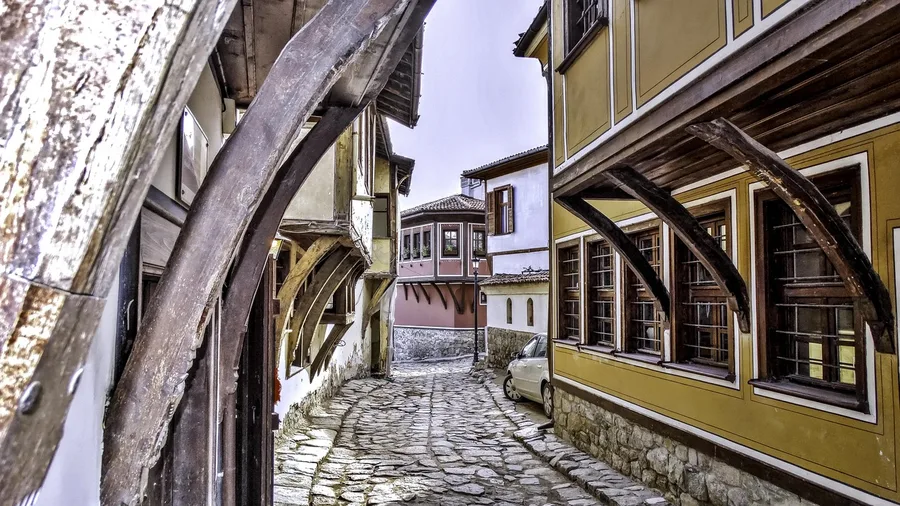
At $80 a night for a boutique hotel inside a preserved Ottoman-era Old Town, and $35 per person for a wine-paired tasting menu, the short answer is: yes, and at roughly half the price of either. The architecture competes directly with both cities – carved wooden balconies, 19th-century merchant mansions, cobblestoned lanes that rise toward the Roman amphitheater. The difference is that none of this carries a tourist surcharge.
That amphitheater is the detail that earns the stop. It is not a ruin behind a fence – it still hosts concerts and events, and walking into it on an ordinary afternoon without a queue, a tour group, or a laminated audio guide is a genuinely rare thing in European city tourism. Plovdiv sits 90 minutes from Sofia by train, making it a logical two-night extension of a Balkans itinerary rather than a separate long-haul commitment. Several affordable destinations nearby still offer low daily costs before mainstream tourism drives prices up. It suits travelers who want European historic charm without the volume that now defines Prague or Lisbon in high season. If you need nightlife or a beach, this is the wrong stop – but if you want to wander through centuries of architecture without crowds, the price gap and the empty streets are both working in your favor.
12. Marrakech's Private Riads With Pools and Staff
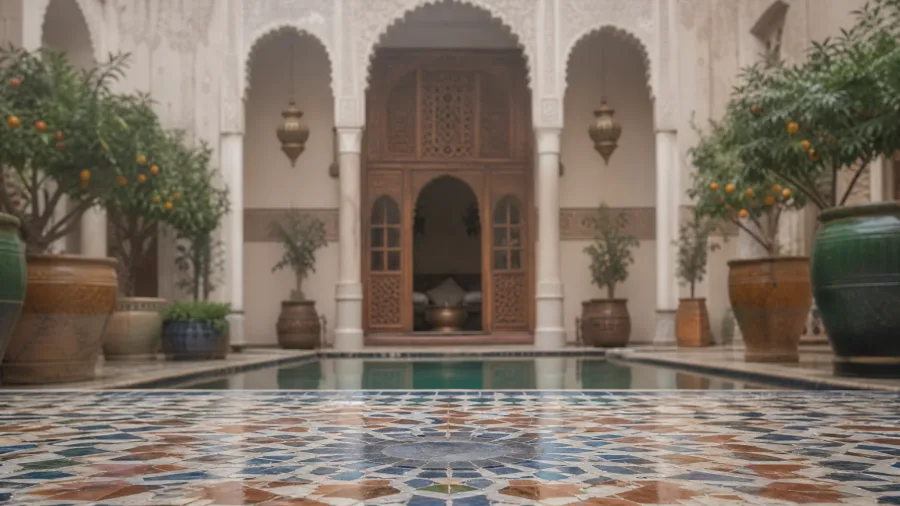
A riad is not a hotel that happens to have a courtyard – it is a 17th- or 18th-century townhouse where the courtyard is the entire point of the building.
The layout is inward-facing: high blank walls on the street, then you step through the door and the whole structure opens around a tiled central garden. A carved cedar ceiling above the sitting room, a roof terrace two floors up, and, in the better examples, a small plunge pool tucked into one corner. The architecture is doing the work that a five-star lobby does elsewhere, and once you understand that, the price stops being confusing.
A whole riad – meaning the entire house, not a room in it – with a plunge pool, a housekeeper, and cooked breakfast each morning runs around $170/night. Split four ways, that is roughly $42 per person. A budget hotel room in Paris costs more than that and gives you four walls and a bathroom; here you get a private compound inside a working medina, with someone bringing you mint tea in the morning and making breakfast while you sit on the roof terrace.
The rest of the day is priced the same way. A traditional hammam with a kessa scrub – the exfoliating treatment that has been a medina ritual for centuries – runs about $20 at a bathhouse in the old city. A private cooking class held in the riad kitchen, where the housekeeper teaches you to make a proper tagine or bastilla from scratch, costs around $45 per person. Neither of these is a visitor package bolted onto the real city; both are things that the city's residents actually do, which is why they cost what they cost.
The flight math is friendlier than most people expect. Connecting through Casablanca or Madrid puts you in Marrakech in roughly nine hours total from New York – competitive with a transatlantic flight to western Europe and well inside the range you would accept for London or Lisbon. That makes a four-night riad stay a realistic long-weekend proposition, not a commitment you need to think about for months. The medina will be loud and dense during the day – the Djemaa el-Fna square at peak evening hours is genuinely chaotic, and that is not going to change. Whether that energy is part of what you came for is the real question to answer before you book, because the riad gives you a quiet walled retreat from it, not a way around it.
13. Ljubljana's Riverside Boutique Hotels and Michelin Dining
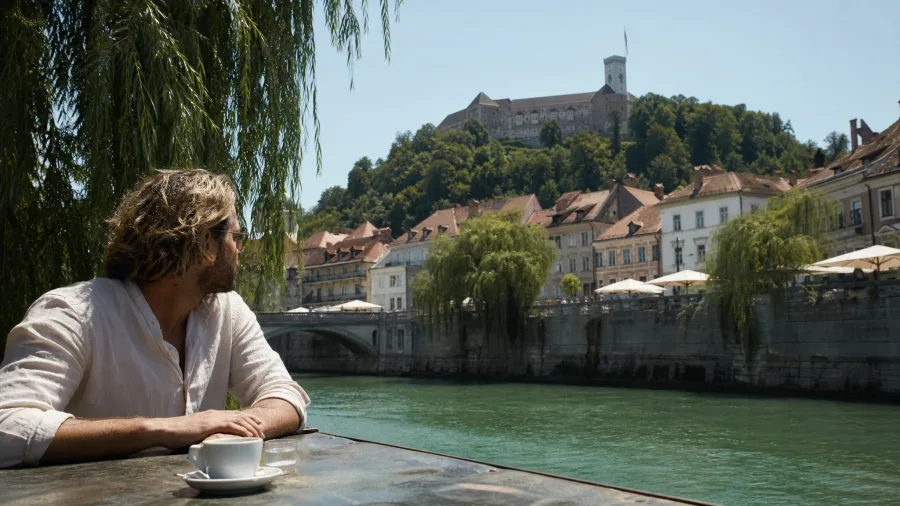
The Ljubljanica moves slowly enough that you can hear it. Sit at one of the riverside tables on a weekday morning – coffee, no agenda, water the color of pale jade sliding under the willows – and the city's compact scale becomes obvious: the castle is visible from your chair, the covered market is two minutes' walk, and the main restaurant strip is the same street you walked in on. A boutique hotel on that same river runs around $140 a night, and a Michelin-starred tasting menu in the evening costs roughly $70 per person. Vienna charges more than twice that for both.
Three or four days is exactly right here. Ljubljana suits travelers who want to eat very well, move slowly, and not manage a single transfer or Metro map the entire stay. The honest counterpoint is that headline sightseeing runs out in about two days – the castle, the market, the Plecnik arcades. What the city actually rewards is a second evening at a different restaurant, a late morning at the market, a long lunch by the water. If your idea of a good trip is a packed schedule, this is not your city. If it is not, Ljubljana is one of the quietest overperformers on this list.
💡 Tip: Three to four days is the right length. The headline attractions — castle, covered market, river strip — take about two days, leaving the rest for slower engagement with the restaurants and market halls that make the city worth the trip.
14. Montevideo's Beachfront Hotels and Parrilla Dining
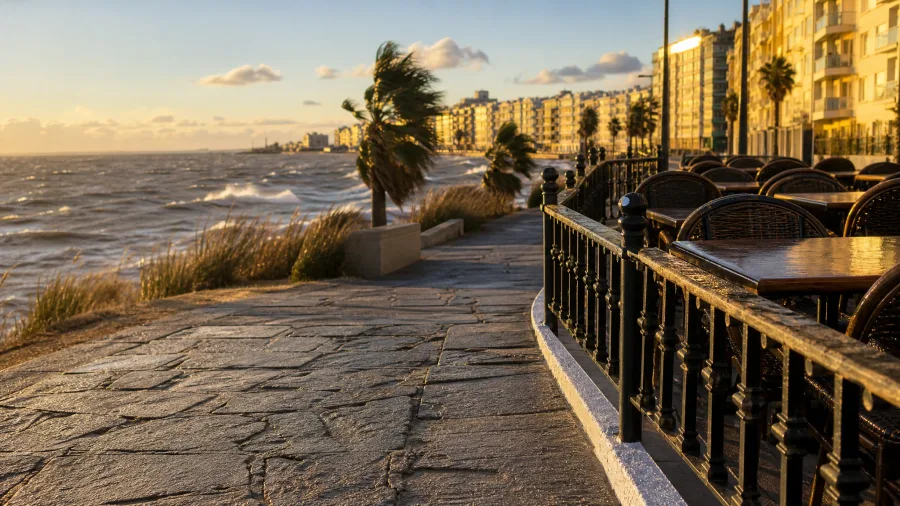
Book Montevideo knowing exactly what it is not: there is no Sugarloaf, no Iguazu, no single landmark that earns a thousand Instagram posts before you arrive. If you come expecting spectacle, the city will disappoint you before dinner.
What it delivers instead is a particular kind of ease that the bigger South American capitals have long since traded away. The Pocitos neighborhood puts you on a quiet seaside promenade where a top-floor beachfront room at a five-star property runs around $160 a night – and the evening's main event, a full parrilla dinner for two with a bottle of Uruguayan Tannat at one of the city's best steakhouses, lands at roughly $70 total. Visitors who flew in from Buenos Aires or Rio – cities where that same dinner doubles in price and the sidewalks outside are four times as loud – tend to look quietly baffled by the bill.
The practical case is just as clean. Miami connects directly in about nine hours, and the Buquebus ferry crossing to Buenos Aires takes roughly two and a half hours across the Rio de la Plata, which means most travelers pair two nights here with a couple of days in Buenos Aires and call it a two-country trip without the complexity of two separate flights. Montevideo suits a traveler who measures a good day by the quality of what they ate and how unhurried the walk home felt – not by how many sites they checked off.
🗺️ How to Plan Your First Affordable-Luxury Trip
Choose Your Category
Decide whether the anchor experience is food, spa, villa, nightlife, or architecture — the category maps directly to a shortlist of two or three cities on this list.
Pick the Neighborhood, Not Just the City
Search Chiado, El Poblado, District 1, or Pocitos by name so your hotel results are in the right part of town from the start.
Reserve the Restaurant Before the Hotel
The best-value tasting menus on this list fill weeks ahead; lock the dinner date first, then build the hotel nights around it.
Book the Private Guide for Day One
A single guided day early in the trip reframes every subsequent day by telling you which streets, markets, and restaurants locals actually use.
Set a Daily Ceiling and Track It
In Chiang Mai or Ho Chi Minh City, $150/day covers hotel, guide, food, and transport — write that number down and you will see how much room you have.
Plan the Return City for Shoulder Season
If the first trip was in peak season, schedule the return for April–May or September–October to hit the $200 hotel rate and empty restaurant slots.
Frequently Asked Questions
Is $500 a day really enough for genuine luxury in these cities?
In most cities on this list, $500 a day is far more than enough. In Chiang Mai, a complete luxury day — private villa, spa, driver, and dinner — runs under $200. In Ho Chi Minh City, a five-star hotel, private guide, and a tasting dinner rarely exceeds $150. The $500 ceiling gives you significant flexibility for splurges like in-villa dining or a cooking class.
Which city on the list is the easiest first trip for a US traveler?
Mexico City or Medellín. Both are under five hours from most US gateways, require no long-haul mental commitment, and deliver the full luxury stack — tasting menu, boutique hotel, private guide — for well under $300 a day. Mexico City also has the most direct flight options from the widest range of US airports.
Are these prices realistic or do they reflect outdated exchange rates?
The figures in this article reflect a range rather than a single fixed price, and all are given as approximations — 'around $55' or 'roughly $170' — because prices shift with seasons, demand, and currency moves. The structural reason these cities are cheap is local wage levels and hotel inventory, not a temporary exchange rate advantage, which makes the gap persistent rather than fragile. Verify current rates when you book.
Which city is best for a group of four splitting costs?
Bali is the most dramatic group value on the list. A four-bedroom staffed villa with a pool, housekeeper, and on-call cook costs around $350 a night in total — roughly $88 per person. Marrakech runs a close second: a private riad for four travelers comes in at about $42 per person per night including daily breakfast. Both improve sharply when the per-person math is visible.
Is safety a real concern in any of these cities?
Medellín carries a historical reputation that is significantly outdated for the El Poblado and Laureles neighborhoods specifically — research current conditions rather than decade-old headlines. Mexico City's Polanco and Condesa are among the most policed and walkable neighborhoods in Latin America. Every city on this list has its higher-risk areas, and the answer in all cases is the same: stay in the named neighborhood, use a private car or a booked rideshare after dark, and follow standard urban travel practice.
Can I do any of these as a long weekend rather than a full week?
Lisbon, Mexico City, Medellín, and Ljubljana are all viable long-weekend destinations from the US or Europe respectively. Lisbon and Mexico City both have direct transatlantic or transcontinental connections under eight hours. Ljubljana works as a three-night European city break from any major hub. The cities that genuinely need a week or more are Bali (to justify a 17-hour flight) and Tbilisi (to offset a 15-hour journey).
Time Your Trip Before Prices Climb
Food traveler: Mexico City first – a Polanco tasting menu at $55, a direct flight under four hours from most US cities, and a boutique hotel in Condesa at $160. Lisbon is the runner-up, with Michelin-tracked dining and a five-star base under $200. Spa traveler: Budapest for a private thermal suite at $40 for two, or Chiang Mai where a one-hour hotel treatment costs $15 and a full day with a private driver rarely clears $200 total.
For groups, Bali at $88 per person for a staffed four-bedroom compound is the number to beat – Marrakech at around $42 per person for a private riad with a plunge pool and daily breakfast runs it close, with more on the doorstep. For late nights, Belgrade is the only entry on this list built specifically for that purpose; book it in May or June when the river clubs are running at full capacity.
The $500 figure that probably stopped you from booking any of these trips is what luxury costs in one of the world's most expensive cities. It describes New York accurately. Check the Chiado rate tonight and decide whether it still applies.
Start With the City That Fits This Week's Calendar
Scroll back to the entry that matched your traveler type, check current hotel availability for the shoulder-season dates, and reserve the tasting menu before anything else — that reservation is the one that fills first.