
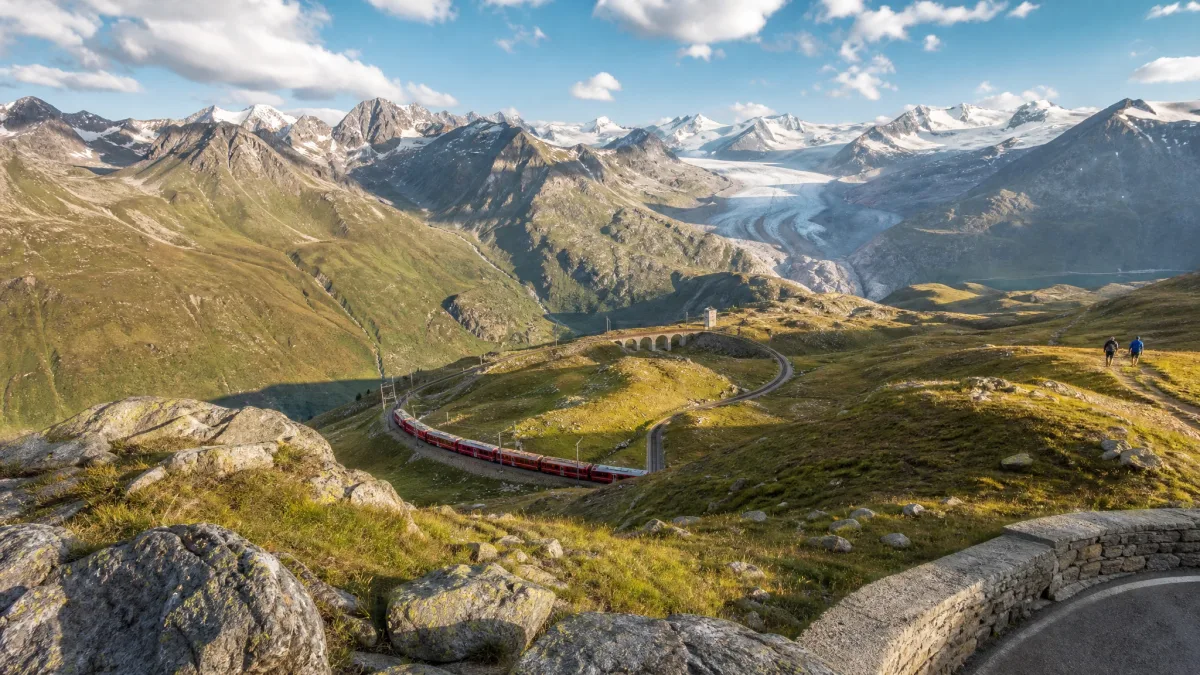
The usual way to do these trains is to book the full famous line, sit back for eight hours and trust the scenery to carry it. It rarely does. The winning move is to book the segment, the season and the right-hand window, then treat the rest of the line as transport.
You arrive with the image of one great train and assume the whole route is the view. On almost every line it is not: the beauty lives in a 60-to-200-mile stretch, and the rest is approach, tunnel or sleep.
Twelve of the twenty rides here finish inside a single day, fares run from about $5 to $1,800, and peak season sells out 8 to 12 weeks out while shoulder weeks come in around 20 percent cheaper. So the ranking is the easy part. Match a ride to the days and season you actually have, then claim the named stretch and the named window. You will close this with two rides shortlisted, fares and durations attached, and the first booking already pencilled in.
Quick Tips Before You Start
Book 60–90 days out
Standard fares are cheapest in that window; peak June–September and December–February sell out 8–12 weeks ahead.
Claim the side at boarding
Where no seat is assigned, the entry names the side; board early and take it before the platform empties.
Price the upgrade separately
Panorama, glass-dome or open-air cars add $40–$120; on some routes the open-air car is included and the upgrade is a waste.
Try shoulder weeks
The weeks either side of peak run about 20 percent cheaper and quieter, and the light is often better.
Day seat vs berth
A day seat on a sleeper costs roughly half a berth; the berth fare includes bedding and breakfast.
Pack food on winter services
On-board cafes run thin in low season; a thermos and a sandwich beat a closed buffet car.
1. Cross the Alps on the Glacier Express
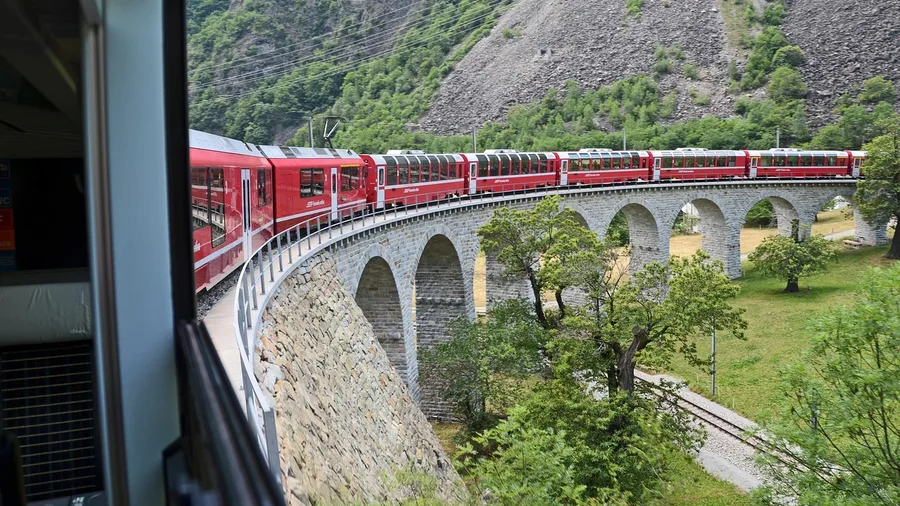
It is a full day on a train, and the only honest way to judge it is by what the eight hours cost you and where in them the Alps actually happen. St. Moritz to Zermatt runs about 180 miles, a touch over eight hours, and the benchmark against which every other Alpine day ride gets measured. Two set pieces carry the reputation: the Landwasser Viaduct, where the track swings onto a curving six-arch stone bridge with the train apparently heading straight into the rock face, and the Oberalp Pass, the high point of the line at roughly 6,700 feet.
Budget from about $160 in second class, then add a seat reservation of around $50 for the panorama coach, which cannot be ridden without one. Book 60 to 90 days out. Note what that reservation does and does not buy: it secures the curved glass overhead, and it does not secure a side. Nobody assigns you a view, so the fifty dollars is buying the window angle, not a particular window.
Take the morning departure out of St. Moritz and the light sits on the Engadin valleys most of the way down. The slow part is the gift here, so do nothing with it: settle in with a coffee, let the viaduct and the pass arrive, and hold your attention for the middle two hours over the Oberalp rather than spending it all in the first fifty miles. The rest of the eight hours is a comfortable seat and the Alps going by at walking pace, which on this line is the point, not a delay on the way to a view.
💡 Tip: The panorama coach sells out before the second-class seats do. Reserve the seat, not just the ticket.
| Journey | Country | Time on board | Best season | Fare from |
|---|---|---|---|---|
| Glacier Express | Switzerland | 8 hrs | Jun–Sep | $160 |
| Bernina Express | Switzerland/Italy | 4 hrs | Year-round | $70 |
| Oslo–Bergen Railway | Norway | 7 hrs | Jan–Mar | $60 |
| Flåm Railway | Norway | 55 min | May–Sep | $65 |
| West Highland Line | Scotland | 5 hr 20 | May–Sep | $45 |
| Settle–Carlisle | England | 1 hr 45 | May–Sep | $30 |
| TranzAlpine | New Zealand | 4 hr 30 | Dec–Feb | $100 |
| The Ghan | Australia | 54 hrs | Apr–Sep | $1,400 |
| Kalka–Shimla | India | 5 hrs | Oct & Mar | $5 |
| Kandy–Ella | Sri Lanka | 6–7 hrs | Dec–Mar | $3 |
| Hue–Da Nang | Vietnam | 3 hrs | Feb–Aug | $5 |
| Sagano Romantic Train | Japan | 25 min | Mar–Apr & Nov | $7 |
| El Chepe | Mexico | 16 hrs | Nov–Mar | $150 |
| Hiram Bingham | Peru | 3 hr 30 | May–Sep | $450 |
| Durango & Silverton | USA | 3 hr 30 | Late May–Oct | $110 |
| White Pass & Yukon | USA/Canada | 3 hrs | May–Sep | $150 |
| Coast Starlight | USA | 35 hrs | Year-round | $120 |
| Rocky Mountaineer | Canada | 2 days | Jun–Sep | $1,800 |
| Blue Train | South Africa | 31 hrs | Year-round | $1,100 |
| Trans-Siberian | Russia | 6 days | Jun–Sep | $400 |
2. Ride the Bernina Express to Italy
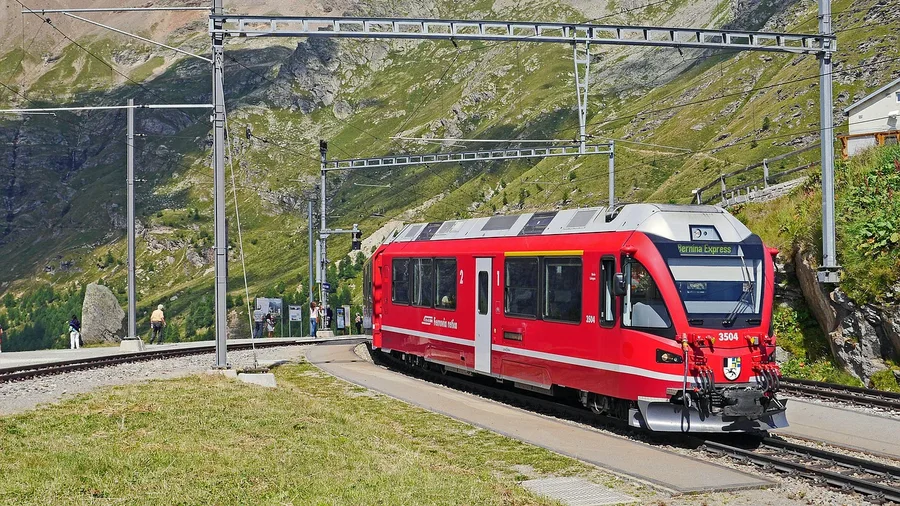
At the top of the Bernina Pass the cold comes through the open window as a wall, and the air smells of snow and pine. You are at 7,400 feet on a line that climbs this far without a cog rail, just steel on a steep grade. Chur to Tirano runs about four hours and costs around $70 plus a $15 panorama-car reservation. The open-air windows are worth the extra. Then the line swings onto the circular Brusio viaduct and the descent begins.
The last hour is the photographed mile: you drop off the pass, the snow gives way to stone, and Tirano arrives with palm trees and an Italian piazza where the train stops. Because the route runs year-round, a January fare buys the same views for roughly 20 percent less and half the crowd. In the open-air car the side matters less than the standing space – claim a spot and stay there.
3. Cross Norway's Hardangervidda in Winter
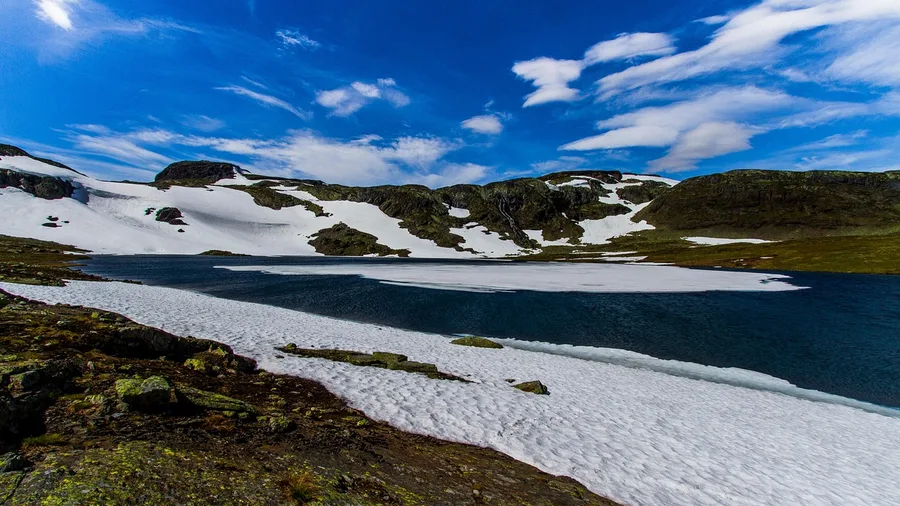
Norway is the cheaper, stranger cousin of the Swiss rides, and the upgrade it sells is weather rather than engineering, as anyone living in Norway learns. You pay an ordinary train fare – roughly $60 to $120 depending on how early you book, plus a few dollars for a seat reservation – and the show on the Oslo to Bergen run is the Hardangervidda plateau under whatever the sky is doing to it. Seven hours across, with the last hour dropping toward the fjords. Claim the left side leaving Oslo if you want the plateau in the window.
The snow is the itinerary. January to March lays the deepest cover, and the plateau turns into a white nothing that runs to the horizon with the sun low enough to throw long blue shadows across it. Because the winter service's on-board cafe is thin, pack a thermos and food. That small preparation is the difference between a fine seven hours and a hungry one.
The final hour, where the train leaves the high plateau and tumbles down toward the water at Bergen, is the stretch to be awake for. Not the whole line: the middle across the plateau is monotony, pleasant or otherwise, and you will be glad you can doze the way you would on any long ride.
4. Climb the Flåm Railway to the Fjord
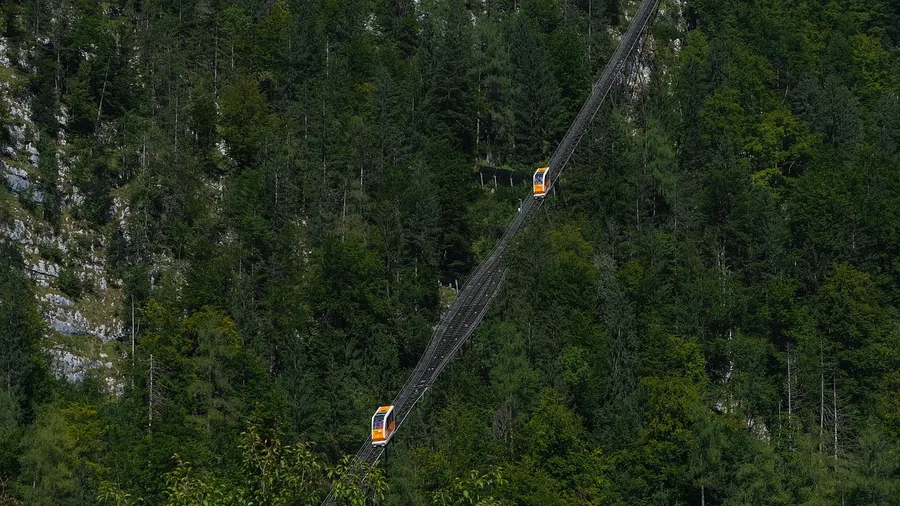
Fifty-five minutes and 12 miles will run you about $65, and that is the honest catch: the Flam line is not a cheap add-on, it is a short expensive one. What you buy in that hour is a climb of roughly 2,800 feet through 20 tunnels, the steepest standard-gauge ride in Europe, up the wall of the fjord from the water at Flam to the bare plateau at Myrdal.
The reason it works as a bolt-on is the connection: the line meets the Oslo to Bergen route at Myrdal, so slotting it in costs about three extra hours, not a lost day. Board at the rear and use the open platform instead of jostling for a window – the view is behind you on the way up. One trap: the fjord cruise in Flam is a separate ticket the train fare never covers, and in July the two sell out together, so book both at once or neither.
💡 Tip: Ride the rear platform on the way up and the window on the way down — the waterfall stop is on the climb.
⚠️ COMMON MISTAKE
Don't buy the whole line
On every route here, the beauty lives in a 60-to-200-mile stretch, not the full timetable. Paying for the whole Oslo–Bergen run and sleeping through the Hardangervidda is the classic waste. Read the segment note before you board.
5. Take the West Highland Line to Mallaig
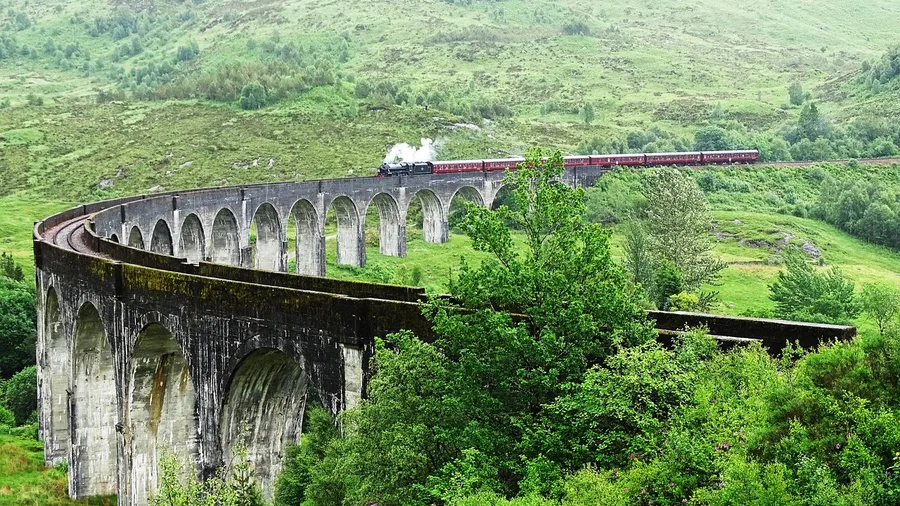
You do not need the steam charter to see the Glenfinnan Viaduct. The regular ScotRail service runs the same track, and a one-way fare from about $45 buys the identical view of those famous arches – the heritage steam train, which shares the line, runs into the several hundreds per person.
From Glasgow Queen Street the ride to Mallaig takes about 5 hours 20 minutes, and the good part is compressed: Rannoch Moor and the viaduct both fall within the middle two hours. Sit on the left leaving Glasgow heading north, and watch for the viaduct roughly two-thirds of the way along – it is a ten-minute set piece, so be ready rather than settling in with a book.
This is a scheduled public train, which is the whole appeal and the thing locals will tell you. It runs in wind and rain because it has to, and the moor looks its best exactly then: dark cloud, wet rock, a bit of drama. The tourist version is a sunny-day photograph. The real one is a commuter service that happens to cross one of the finest stretches of railway in Britain.
Build in the time to enjoy Mallaig at the end – it is a working fishing port, not a stop to spin around and return from immediately. The return leg south is its own set of views, so the out-and-back is not wasted scenery, just the same country in reverse light.
6. Ride the Settle to Carlisle Line
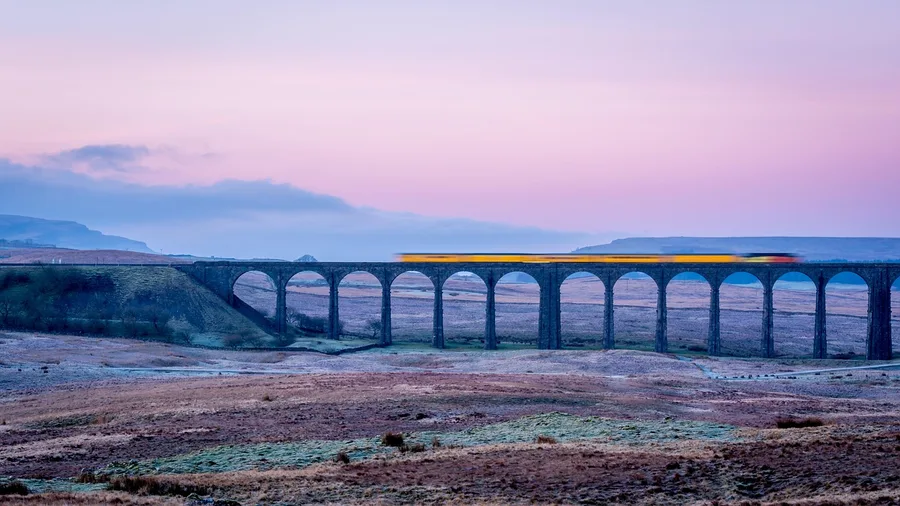
The Settle to Carlisle line answers it in about 1 hour 45 minutes over 72 miles, so you can see the Ribblehead Viaduct and the Yorkshire Dales and still have the evening free.
Fares start around $30 one way, and the day return is barely more, so take the round trip and get the fell country from the other direction on the way back. Heading north, claim the right side of the train for the Three Peaks and the long curve of the Ribblehead Viaduct as it opens out beneath you.
The hour matters: aim for daylight well outside school holidays, when the light is clean and the carriages thin out, and treat it as a day trip from Leeds or Carlisle. The line runs all year, so check what daylight you will actually have on the date you pick – a winter afternoon runs out early.
7. See the Southern Alps on the TranzAlpine
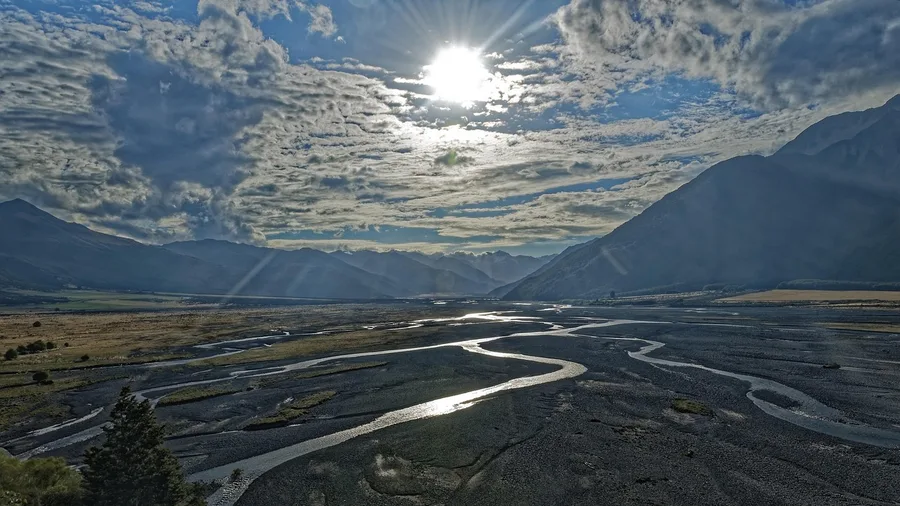
The first thing that registers is the cold, clean air pouring in from the open-air car as the Waimakariri gorge opens out on both sides and nobody has to fight for a window to feel it.
Christchurch to Greymouth is 139 miles and about four and a half hours, climbing through the gorge and over Arthur's Pass. The fare runs from about $100 one way. The open-air viewing car is part of the ticket, not an upgrade you pay for, which is the detail that changes how you ride it: you spend the good stretch standing in the wind rather than wedged against glass.
Go west in the morning so the light is behind you in the gorge and the rock faces are lit rather than silhouetted. You can be back in Christchurch the same evening, or stay a night in Greymouth and return the following day.
This is a full scenic service, not a commuter line, and December to February is the peak that fills 8 to 12 weeks out. Book then or accept a shoulder month.
Who it suits: families, anyone traveling with a parent or a friend who cannot manage stairs and long hikes – the train does the work and the view comes to you. Who it does not: the traveler who wants to be out in the landscape rather than passing through it. If your dream South Island day is a trail with the boots on, this is four and a half hours in a seat.
💡 Tip: Westbound in the morning: the sun is behind you and the gorge is lit. Eastbound is backlit until midday.
8. Go the Distance on Australia's Ghan
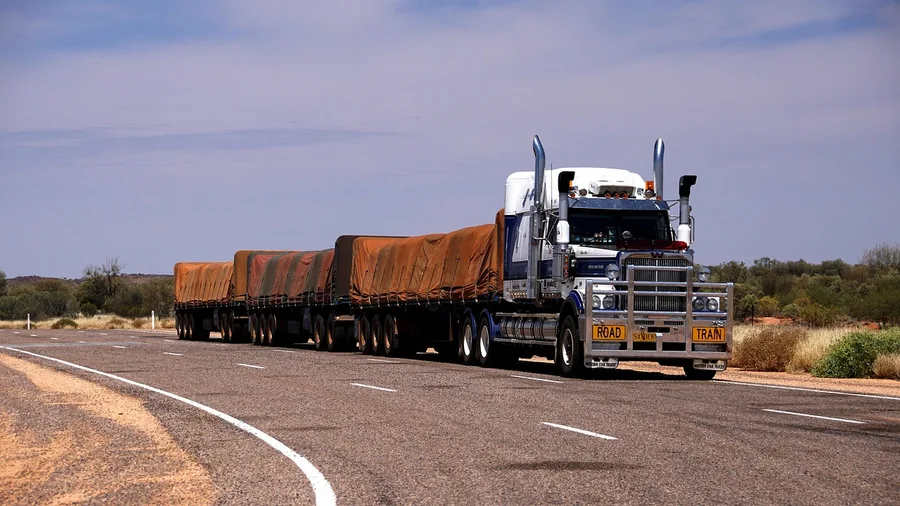
Book the Ghan only if you are willing to spend three days and two nights crossing the outback, and book the April to September dry season three to six months ahead – not the cheaper, punishingly hot wet-season run.
Adelaide to Darwin is roughly 1,850 miles and about 54 hours on board. Gold-class fares start around $1,400 one way and buy a sleeper cabin, every meal, and the off-train stops at Alice Springs and Katherine. The cabin windows look out both sides, so the viewing seat is the dining car – get up for sunrise over the desert and eat there, and treat the Alice Springs stop as the reason to do it once.
Rail Jargon, Decoded
9. Ride India's Toy Train to Shimla
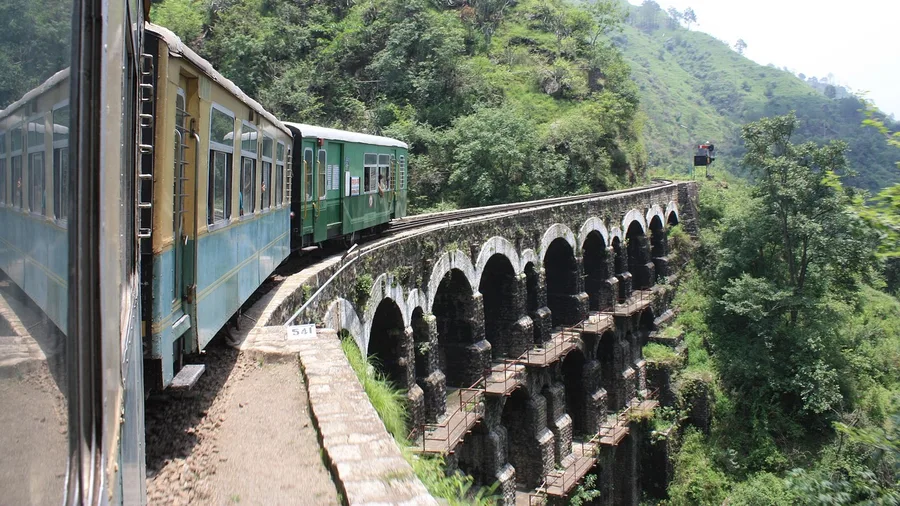
Kalka to Shimla is a UNESCO mountain railway you can ride for the price of a city taxi.
About 60 miles and roughly five hours, through 102 tunnels and over 800 bridges, climbing from the plains into the Himalayan foothills. The ordinary-class fare is around $5; the air-conditioned car runs about $25, and you reserve it online ahead of time. Sit on the right climbing for the valley drops, and stay alert for the first hour through the Shivalik foothills, where the scenery is steepest. Go in October or March – summer heat and the monsoon both flatten the view and the comfort.
10. Book the Kandy to Ella Observation Car
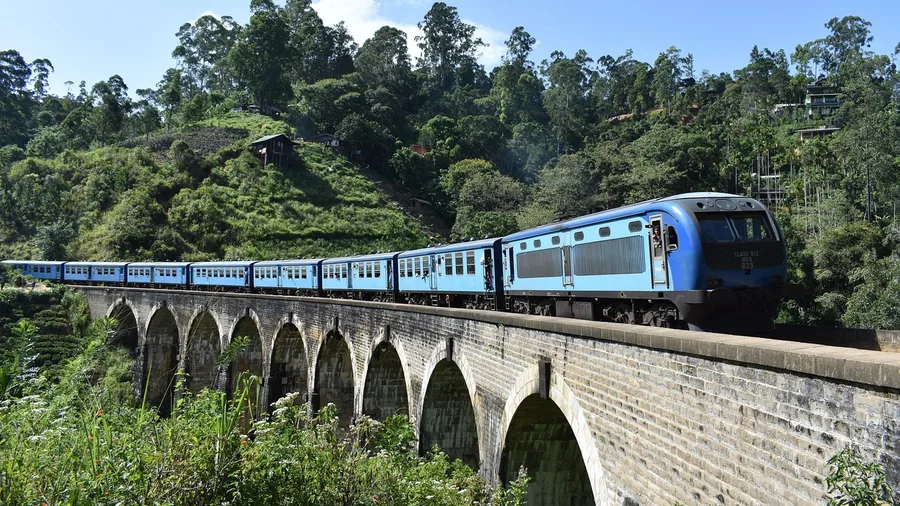
Book the observation car, and book it the day the window opens, because on this line the seat is the whole negotiation. The run from Kandy to Ella is about 120 miles and six to seven hours, and the fare is almost nothing – roughly $3 to $8 depending on which class you sit in – so demand, not price, is what keeps people off. Sri Lanka takes the hill-country idea and adds tea to it: terraced bushes in every direction, pickers with sacks on their backs, mist sitting in the valleys until the sun burns it off.
Reserved seats are released a few weeks ahead of travel and are gone within days, which leaves two options: unreserved second class, where you stand in a doorway with your bag between your feet for six hours, or paying a tout. The observation car is the one to chase. Its windows wrap around and it carries no assigned side, so the left-right question the tea estates usually provoke simply dissolves – you get both flanks, and you can move. Go online the morning the booking opens rather than the week you fly.
Take the morning departure out of Kandy so the tea hills are lit rather than flat, and break the trip at Nuwara Eliya instead of riding the whole thing in one push – the middle stretch is where the landscape earns the fare, and a night at altitude lets you see it twice. The Nine Arch Bridge at Demodara comes in the final hour, a stone curve of arches over jungle that the train crosses slowly enough to photograph. If your dates are fixed and the car is full, the standing version is still worth the $3; you will just be watching it through a doorway instead of a window.
💡 Tip: The Nine Arch Bridge stop is the photo everyone wants; sit on the left in the observation car for the curve into it.
11. Watch the Sea from Hue to Da Nang
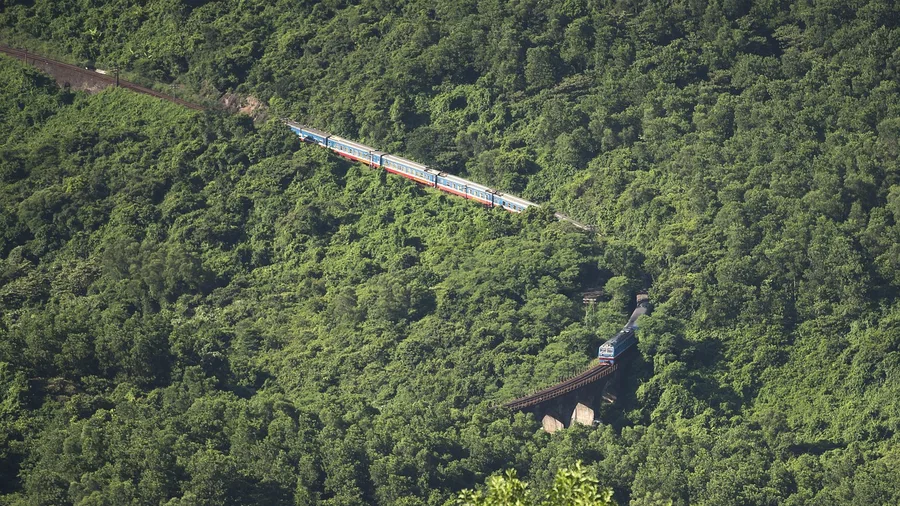
The salt hits you first through the open window, then the rail noise changes as the train swings out onto the ledge above the South China Sea and the whole carriage turns to look downhill at once. That is the Hai Van Pass, and it is the reason a 60-mile leg on a slow train beats a flight.
Hue to Da Nang runs about three hours, and for one long stretch the track clings to a shelf of rock with the sea falling away below and the mountains behind. You are on a national railway, not a scenic service. The carriages are ordinary, the schedule is real, and the fare runs roughly $5 to $15 – a soft seat is plenty for a daylight leg, so there is no reason to pay more.
Sit on the left side heading north out of Da Nang for the coastal drop, and go in the morning before the haze builds over the water. What you actually see on the seaward side is whoever is out that day – fishing boats, a bay full of tankers waiting for port, clouds sitting in the pass. It is weather, not wildlife, and the honest likelihood is that the ocean and the headland are what carry the three hours, not any guarantee in a brochure.
Do not ride it as a destination. The full Hanoi to Ho Chi Minh City train is two nights on board, and only this stretch of coast earns the window – the rest is your bunk and the dark. Treat Hue to Da Nang as one leg of a country you are already crossing.
Spend the fare, claim the left side, and pick a morning departure. Three hours and a few dollars buys the segment; Da Nang and Hue can book the rest of your week.
12. Take Kyoto's Sagano Train Through the Gorge
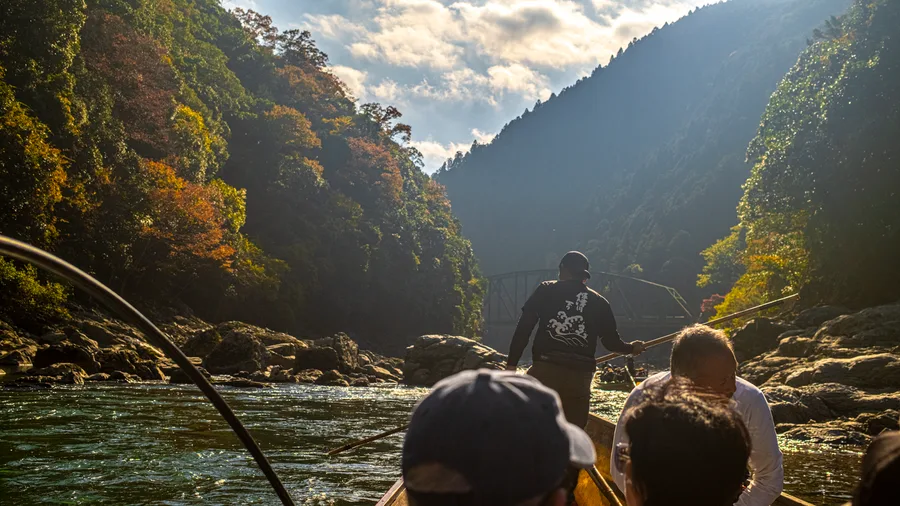
25 minutes and about $7: that is the entire test, and the Sagano train passes it. Arashiyama to Kameoka runs roughly 4.5 miles up the Hozugawa river gorge, and it is short enough to slot between lunch and dinner in Kyoto rather than costing you a day.
Ask for the open-sided Rich car at the window – it turns the ride into a moving terrace with the gorge on both sides, which removes the whole which-side question. Late March to early April and mid-November vanish weeks ahead; an ordinary Tuesday in May does not, so check the calendar before you let the ticket stand between you and a river boat. Take the Hozugawa boat back down and see the same gorge twice from two levels. Stop in Arashiyama first, at one of the riverside stalls, for a bowl of soba with a view of the bridge – a few dollars and the right preface to the ride.
Tales That Don't Survive the Window
13. Stand at the Rim on El Chepe
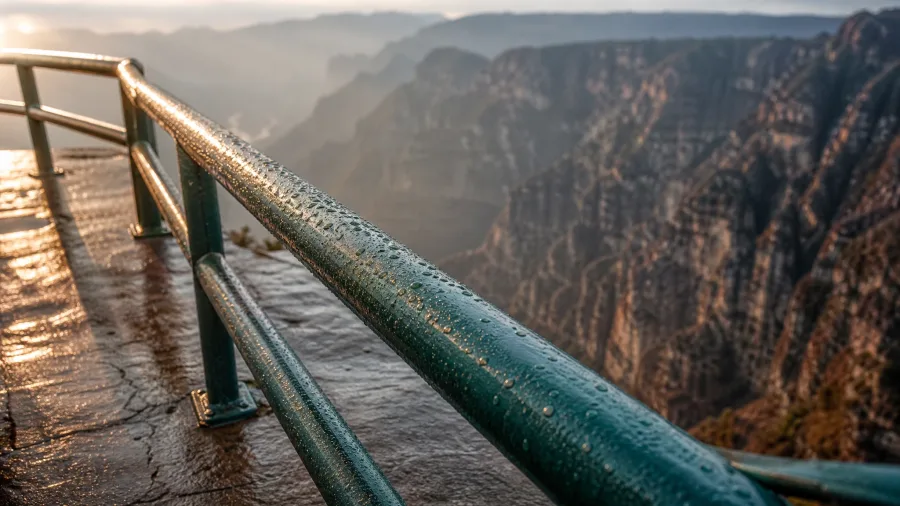
On the Chepe Express, the Mexican tourist service between Chihuahua and Los Mochis, the answer is a 400-mile crossing that runs about 16 hours — long enough that most riders treat it as a moving hotel and miss the only part they came for.
Do not ride it straight through. First class runs from about $150 one way, but the ticket buys passage along the whole line; the copper walls and the canyon floor you actually cross for are clustered near Divisadero, and the ride earns its fare only if you get off there. Book a night on the rim, not a photo pause — step out at dusk when the light drops copper into the gorge and again at first light, and you will have stood where the postcard was taken. November through March gives dry, clear air. Summer rains green the walls and wash out the timetable. No side is assigned and no window beats the rim itself, so the platform is the viewing seat.
14. Splurge on the Hiram Bingham to Machu Picchu
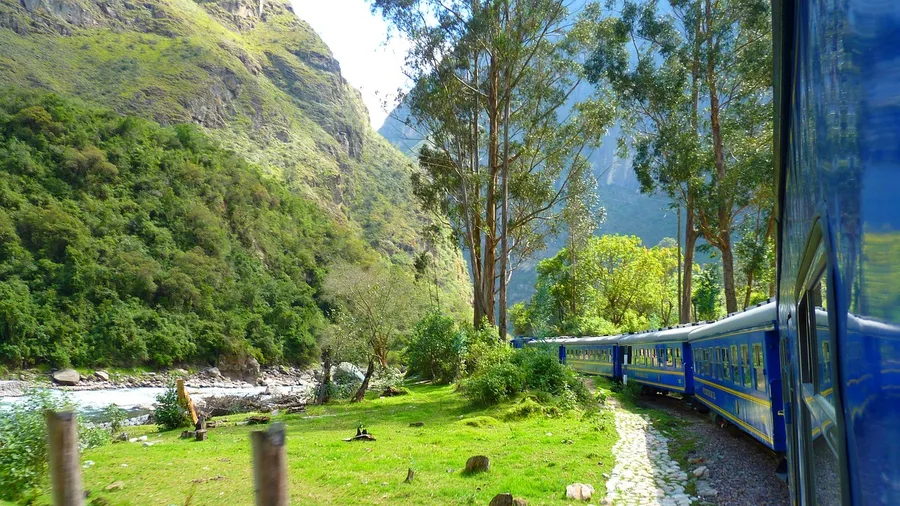
Book the citadel ticket and the bus up from Aguas Calientes when you book the train, because the two sell out and neither is included in the fare. The Hiram Bingham from Poroy near Cusco follows the Urubamba river through the gorge to Aguas Calientes in about three and a half hours, and the train is the easy part of a Machu Picchu day.
Here is the honest math. The luxury service runs from about $450 one way, with brunch and a bar car thrown in; the Expedition service on the same track, over the same river, roughly $70. What the extra $380 buys is the observation car and the service — not the view, which is identical from either train. When the scenery is the same in both windows, you are paying for the cushions. If the canyon ride you remember is the point and you would rather spend the difference on a night in Cusco, the cheap train is not a compromise.
If you go luxury anyway, three months ahead for May to September is the booking window. And with the observation car, stop worrying about which side — the glass wraps around, so the side is irrelevant.
💡 PRO TIP
Book the add-ons with the train
On the Hiram Bingham and the Durango & Silverton, the citadel ticket, the bus and the town lunch all sell out separately. Buy them in the same sitting as the rail fare, or you will arrive to a closed gate.
15. Ride the Durango and Silverton Narrow Gauge
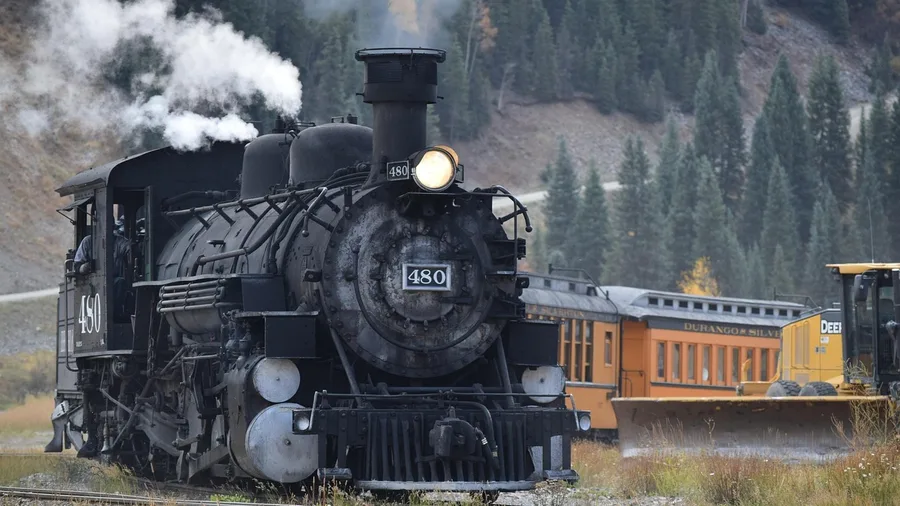
The smell hits before the train does: coal smoke and hot iron, and the sharp whistle of a narrow-gauge engine that has been climbing this gorge since the 1880s. The Durango and Silverton runs 45 miles along the Animas river, about three and a half hours each way, with the river close enough on one side that you feel the cold off it through the open car.
Fares start around $110, and this is where the ticket is decided: pay for the open gondola car, not the enclosed coach. The gondola puts you in the soot and the sun and the smell of piñon, and it removes the whole question of which side, because there are no sides — just rail and gorge and air. Bring a jacket against the cinders and the mountain cold. The line runs late May to October. Regulars rebook for the last week of September, when the aspens turn and the gorge goes gold.
Silverton gives you two hours in town before the return. That is enough for lunch at a saloon and a walk down one street, not enough for a hike, so plan the day around the train and not the town.
💡 Tip: The open gondola removes side choice entirely and is the only car where you can stand at the rail. Book it.
16. Climb the White Pass from Skagway
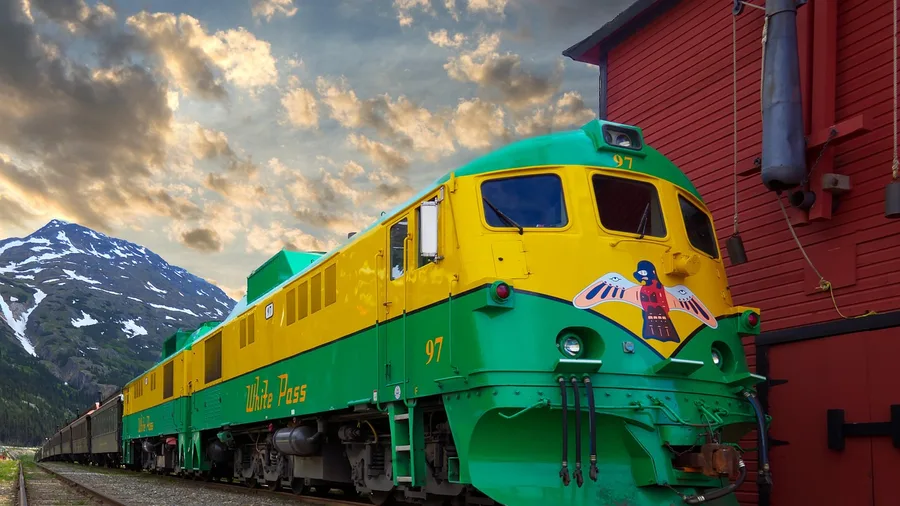
Compared with a full narrow-gauge day, this one costs you a port morning, not a port day. The White Pass and Yukon Route leaves from the dock at Skagway and climbs to the summit and back in about three hours on a line cut in 1898, and the fare runs from roughly $150. The short excursion turns at the border; the longer run on to Fraser and Bennett costs more and requires a passport, so bring it or don't book it.
Left side climbing out of Skagway, where the gorge opens and the old trestle comes into frame. Take the early departure, because by afternoon the cloud usually builds over the pass and swallows the view you paid for. Buy the ticket before you board the ship, since the cruise crowd fills the same carriages.
17. Take Amtrak's Coast Starlight Southbound
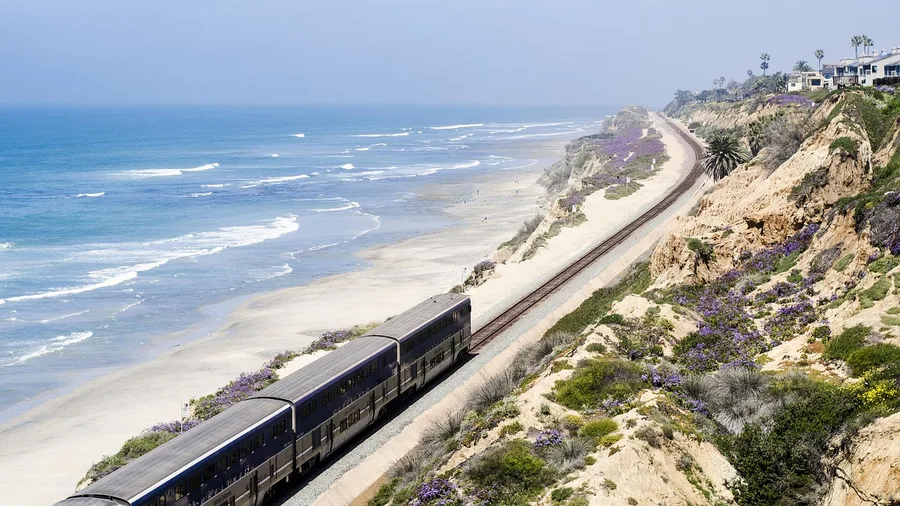
Thirty-five hours and 1,380 miles, Seattle to Los Angeles, and the fare question splits fast: coach from about $120, or a roomette from roughly $500 with meals included. The honest catch is that most of this line is not scenic at all. It is a working Amtrak route that happens to contain one of the great coastal runs in the world, and the booking is about surviving the rest to reach it.
The segment to plan around is the ocean south of San Luis Obispo, where the track runs at the water's edge for a stretch you will not want to look away from. Ride southbound so that passage falls in daylight; northbound on a winter schedule hands it to you after dark. Right side facing forward for the ocean.
The roomette is what makes 35 hours civilised. It buys a bed, meals in the diner, and access to the parlour car, none of which the coach fare includes – which is why the coach passenger and the sleeper passenger are having two different trips on the same train.
Book 60 to 90 days out if you want the roomette at the lower end; sleeper berths sell before the coach seats do on peak summer departures. This is the rare entry where the upgrade is not about the view at all. It is about arriving rested enough to enjoy the hour that matters.
18. Ride the Rocky Mountaineer Glass Dome
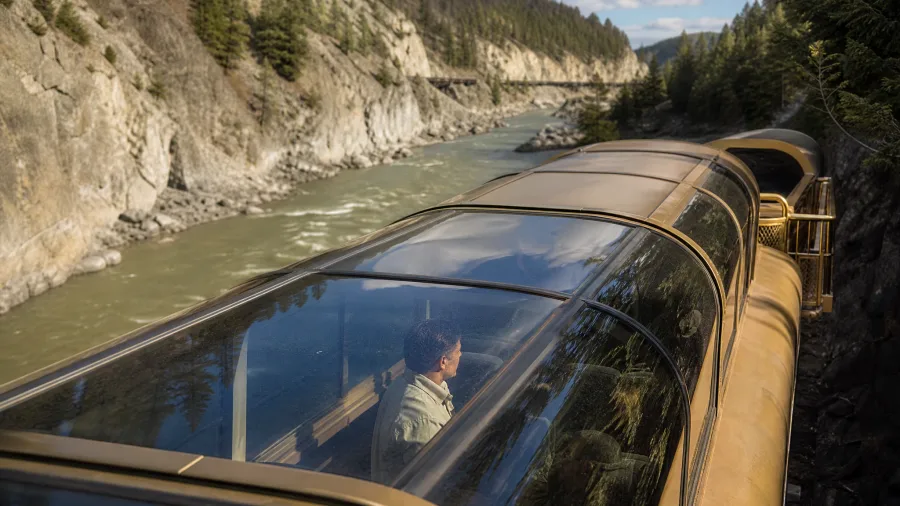
The Rocky Mountaineer is the luxury version of the daylight principle: Vancouver to Banff over two days, with a hotel night in Kamloops, and the train parked after dark so nothing worth seeing goes by unlit. Expect from about $1,800 per person for the two days, meals and that hotel night included; GoldLeaf, the glass dome, runs several hundred more than SilverLeaf. What the dome adds is height and an outdoor vestibule at the back – you step out into open air with the Fraser Canyon walls sliding past at eye level and the diesel smell in your face, which the single-level SilverLeaf window does not give you. Same canyon, same seats down low, less money.
Book three to six months out for June to September. If wildlife is the reason you came, this is a fair bet rather than a promise: black bears and mountain goats turn up along the tracks through the Fraser and Thompson country often enough that the crew call them, but no one can schedule a bear, so treat a sighting as the bonus and the canyon as the fare. Westbound puts the Fraser Canyon in the afternoon light; no side to claim, because in the dome everyone is looking up and out, and the vestibule is where you go when the glass is not enough.
Sleeper or Day Seat?
Sleep in a berth
- Fare includes bedding and breakfast
- A private space for 35 hours or more
- Meals in the dining car, not the cafe
- Roughly double the day-seat price
- Book three to six months ahead
Take a day seat
- Roughly half the berth fare
- Fine for any leg under six hours
- Cafe food, not a dining car
- One reclining seat, all night
- Best for single daylight segments
19. Watch the Karoo from the Blue Train
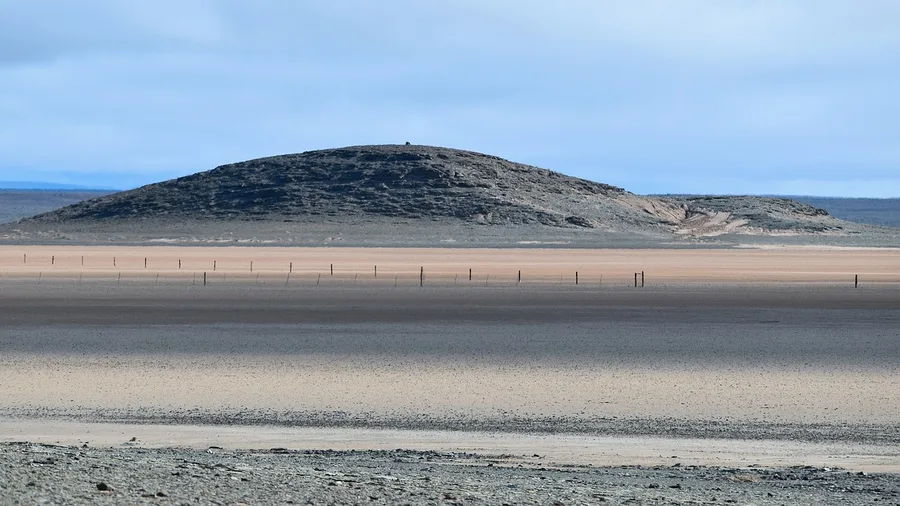
The Blue Train is not a scenic train, and that is the first thing to get straight before you pay for it. The windows of a domestic flight show you the same country for about $60, so what the fare actually buys is a day in the Karoo and a dinner in a moving dining car, not a better view. Book Pretoria to Cape Town, roughly 990 miles and about 31 hours, and the timetable is arranged so the dry scrub and the Hex River pass fall in daylight rather than under darkness.
Fares start at about $1,100 per person and cover a suite, all meals, drinks and butler service. It is priced per person, and solo travellers pay a single supplement, so the cost you see online is rarely the cost a lone rider pays. Reserve three to six months out for the months you want; the suites, like the good berths on any long line, go before the shoulder weeks do.
Who it suits: couples marking something, and anyone who wants the long crossing without the planning – the suite windows face both sides, so there is no side to claim and nothing to arrange. Who it does not: solo travellers on a budget, families watching the per-person total climb with each child, and anyone expecting the view to beat the fare. The viewing happens in the dining car, over lunch, as the Karoo slides past.
The Trans-Siberian — At a Glance
📏 Distance
5,800 miles
🕐 Days on board
6 days
💺 Second-class berth
from $400
🛏️ First class
about double
🌊 Best break
Lake Baikal, 2 nights
The version people regret
Six straight days on board. Break it at Lake Baikal for two nights.
20. Cross Russia on the Trans-Siberian
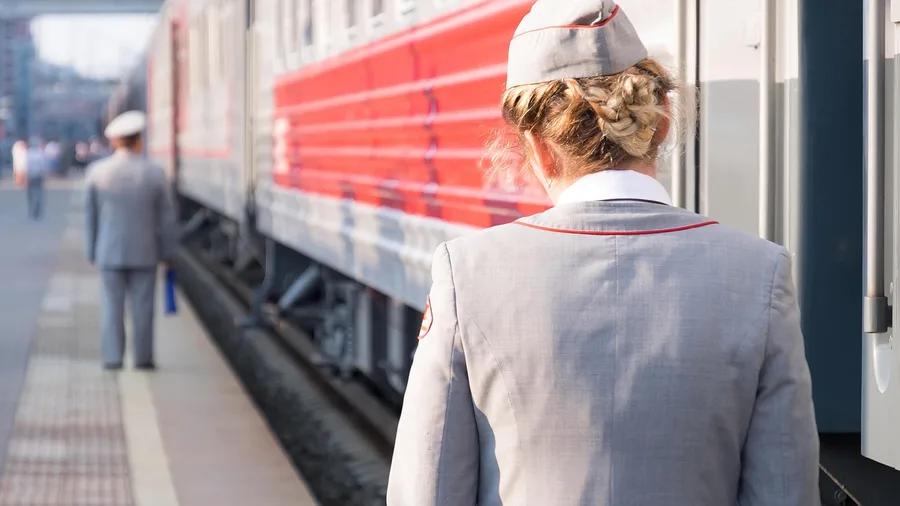
The provodnitsa sets down a glass of black tea in a metal podstakannik, the samovar hisses at the end of the carriage, and the birch trees start moving past the window at midnight. They will keep moving for six days. Moscow to Vladivostok is about 5,800 miles, and second-class buys a berth in a four-berth kupe from roughly $400 one way – the fare worth comparing against a modest domestic flight if all you want is to get there.
First class runs about double that, and the Peking and Ulaanbaatar branches are shorter and more scenic than the long Russian line, so decide which train before you start pricing berths. Buy the ticket yourself through the national rail site or a specialist booking agent; a package tour adds a guide and a commission, not a better view – and the paperwork, a visa among it, goes to the official consular source for your passport, never to a forum thread, because the route's political situation can change at short notice.
No window side earns the crossing, because the view repeats and the whole six-day ride is not the point. Book a cabin break at Lake Baikal for two nights – put the shore and the water at your feet instead of a pane of glass – since most people who stay on board the whole way regret it by day four. Six days ask more planning of you than any short luxury crossing, and the stop is the answer.
Frequently Asked Questions
How far ahead should I book these train journeys?
Standard fares are cheapest 60 to 90 days out. Peak season — June to September in the north, December to February in the south — sells out 8 to 12 weeks ahead. Sleeper and glass-dome services often need three to six months.
Is it worth upgrading to a panorama, glass-dome or open-air car?
Sometimes. Upgrades add $40 to $120. On the Bernina and Sagano, the open car is the whole point. On the Glacier Express, the panorama coach is reserved-seat only, so the upgrade is really the ticket. On the Hiram Bingham, the view is identical to the cheap service — the upgrade is the service, not the scenery.
How much does a day of scenic train travel cost?
Short scenic legs run $5 to $90. Full-day signature routes cost $120 to $350. Sleeper and luxury services run $900 to $1,900 a night, meals included, and day seats on a sleeper cost roughly half a berth.
Can I do these journeys as day trips, or do I need to stay overnight?
Most of the twenty are done in a single day — from the 25-minute Sagano run to the 7-hour Oslo to Bergen crossing. The Ghan, the Coast Starlight, the Blue Train and the Trans-Siberian need at least one night on board, and the Rocky Mountaineer includes a hotel night in Kamloops.
Which side of the train should I sit on?
Each entry names the side where one is assigned. Where it is not — panorama cars, open-air decks, dining cars — the seat, not the side, is the view. Board early and claim the side you want before the platform empties.
When is the shoulder season for these routes?
The weeks either side of peak, roughly April to May and October to November in the northern hemisphere, or March and November in the south. Expect about 20 percent cheaper fares, quieter carriages and often better light.
Pick by Days, Then by Season, Then Book the One That Sells Out First
Decide in two steps, not by ranking. First by days: a day ride such as the Bernina or the Sagano, an overnight such as the Coast Starlight, or a three-day expedition such as the Ghan. Then by season, knowing peak sells out 8 to 12 weeks ahead and shoulder weeks run about 20 percent cheaper. Name the ride on your shortlist that sells out earliest and book that one first: a peak day ride at 8 to 12 weeks, the Ghan or a luxury sleeper at three to six months, the Trans-Siberian further out.
That single deadline is what starts the trip. When you book, ask for the named window side and time the segment for morning or daylight. The famous whole line was never the product; the 60-to-200-mile stretch is. Two rides matched to your days and season beat twenty wish-listed, and one earliest deadline turns the shortlist into a booked trip.
Book the segment, not the line
Pick two rides from the list, check the named side and the best month, and reserve the panorama or glass-dome seat today — those go first.