
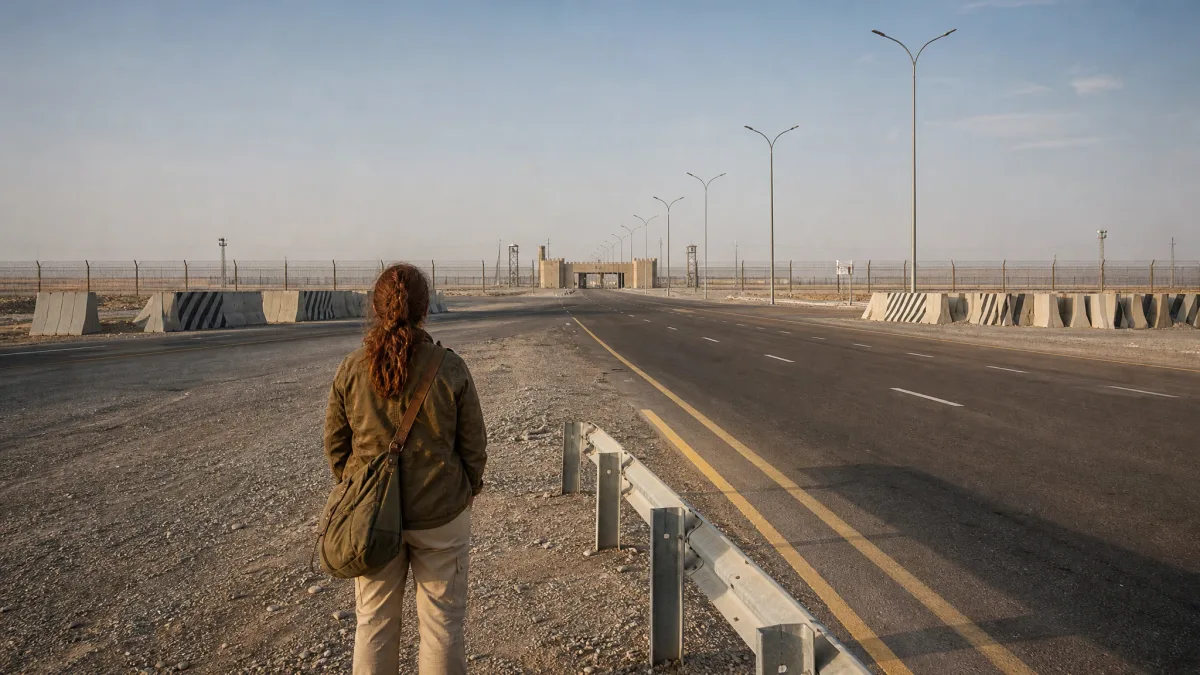
Most people equate closed frontiers with North Korea, but several closed states demand far stricter oversight and far weirder paperwork.
You could book a packaged weekend in Western Europe and stay inside the cruise bubble.
That shortcut skips the most revealing political landscapes on earth.
These fifteen nations cover 12,000 miles of controlled borders, mandatory state escorts, and permits that take six months to clear.
Cross desert trenches on foot, ride Soviet electric sleeper trains, clear three fingerprint checks in one customs hall, and file exit papers with secret police bureaus.
You do not need to attempt every frontier here. Pick two that match your patience for bureaucracy, accept the ground rules, and prepare to surrender your phone at the gate.
Quick Tips Before You Start
Clean Passport First
Renew your booklet so it carries zero stamps from rival regional territories or contested border zones.
Carry Crisp Hundred-Dollar Bills
Card terminals do not function under international sanctions, so pack uncreased post-2013 US currency.
Strip Your Hardware
Carry a clean burner phone without cloud backups, private chat histories, or active work accounts.
Print Triple Paper Vouchers
Immigration guards in isolated border posts demand physical stampable vouchers, never phone screen barcodes.
1. Detour to Ashgabat for Strict White Marble Protocols
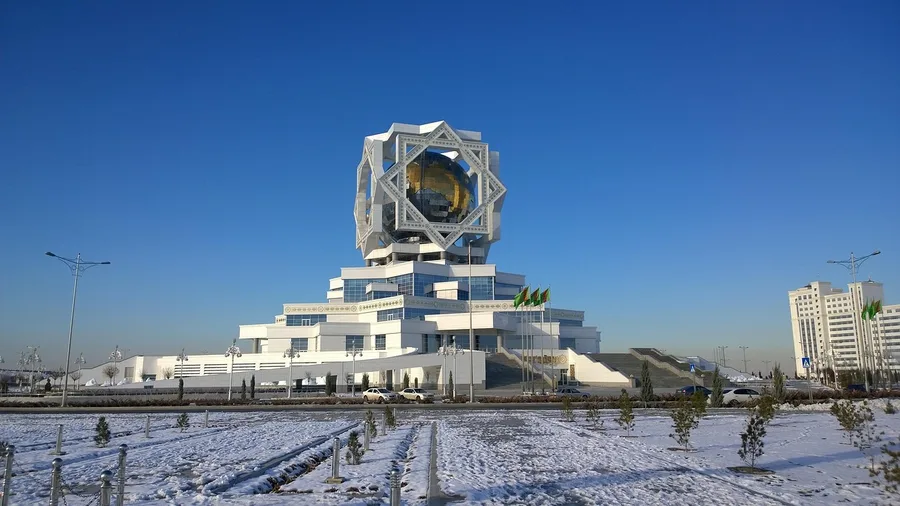
Leave drone gear, dark-coloured cars, and knee-baring shorts off your packing list entirely.
Turkmenistan grants access only after state security vets an official invitation letter, after which a mandatory guide waits in your lobby each morning until curfew. Ashgabat holds the record for Italian white marble cladding, yet local pedestrians stay clear of those silent, sunlit central plazas.
The city stays dead quiet.
Tell your driver to skip the hollow monuments and drop you at the Russian Bazaar in district ten. It smells of smoked sheep fat, dill flatbread slapped on clay walls, and salted curd balls called gurt. If your handler trails ten paces back, melon vendors will swap crisp twenty-dollar bills at underground exchange rates.
Staple your white registration paper straight to page eight of your passport, because outer ring-road checkpoints inspect it without warning.
💡 Tip: Register with the state migration service within three business days or face airport detention.
Permit Realities for Closed Borders
2. Ride the Train Through Pyongyang to Gauge Supervised Movement
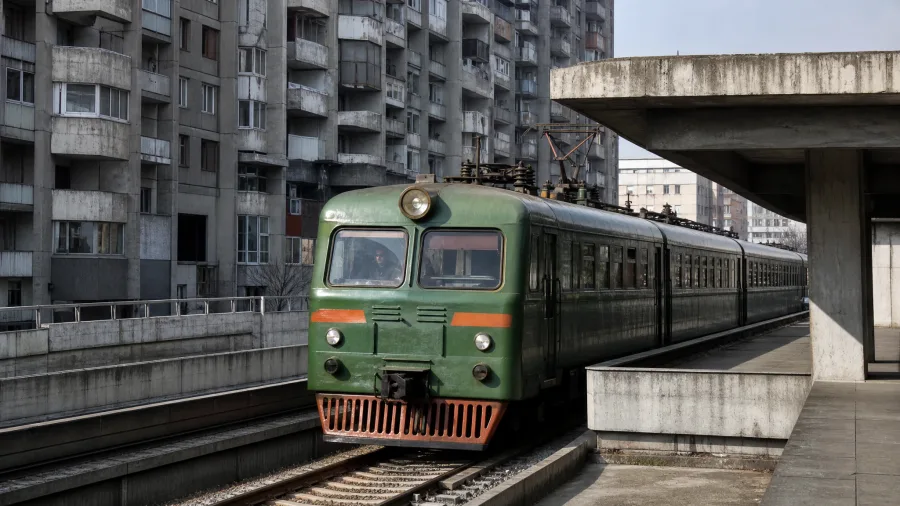
Take the overnight sleeper carriage from Dandong across the border bridge rather than boarding the quick state flight out of Beijing.
This route suits older travellers who want steady timetables, fixed hotel dinners, and zero logistical guesswork, but it will intensely rattle anyone who rejects round-the-clock political supervision. Two state guides meet you on the platform and stay within earshot until bedtime, steering you through deep subway stations, monumental war halls, and bronze statues.
Do not expect sidewalk chats.
3. Fly into Asmara to Study Preserved Italian Fascist Architecture
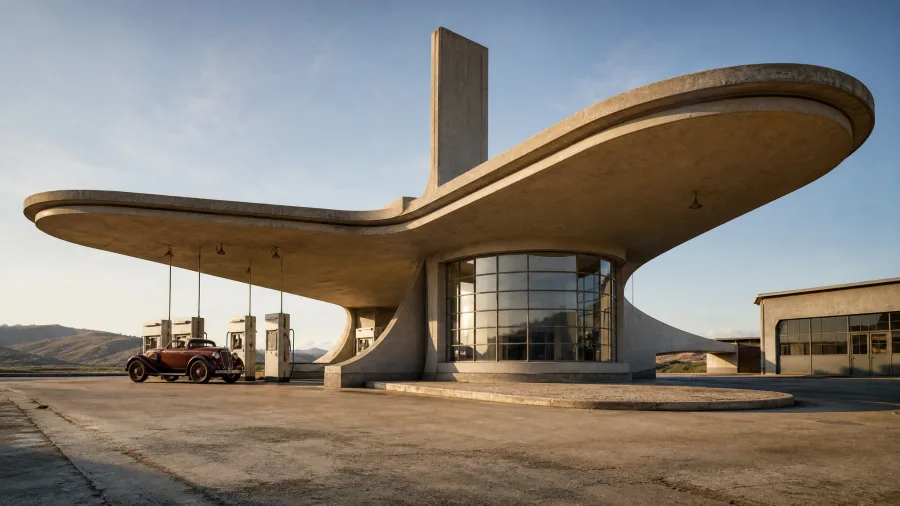
While North Korea requires rigid group movements, Eritrea demands serious upfront cash to study urban modernism in near solitude.
Plan on roughly $2,800 once you clear the visa approval, route flights through Cairo or Dubai, and pay for municipal travel permits. Up on Asmara's cool plateau, modernist Italian villas and cantilevered filling stations sit intact, letting you drink espresso pulled from 1950s Faema machines along Harnet Avenue.
Pipes run dry by two in the afternoon, and mobile web signals do not exist.
💡 Tip: Pick up paper travel vouchers for Keren or Massawa from the tourism office before noon on Friday.
⚠️ COMMON MISTAKE
Never Rely on Digital Travel Wallets
Every closed state operates entirely on cold hard physical banknotes. Pack crisp, uncreased US dollars or euros issued after 2013, as bankers reject folded or written-on paper money.
4. Watch Rare Asiatic Cheetahs in the Remote Kavir Deserts
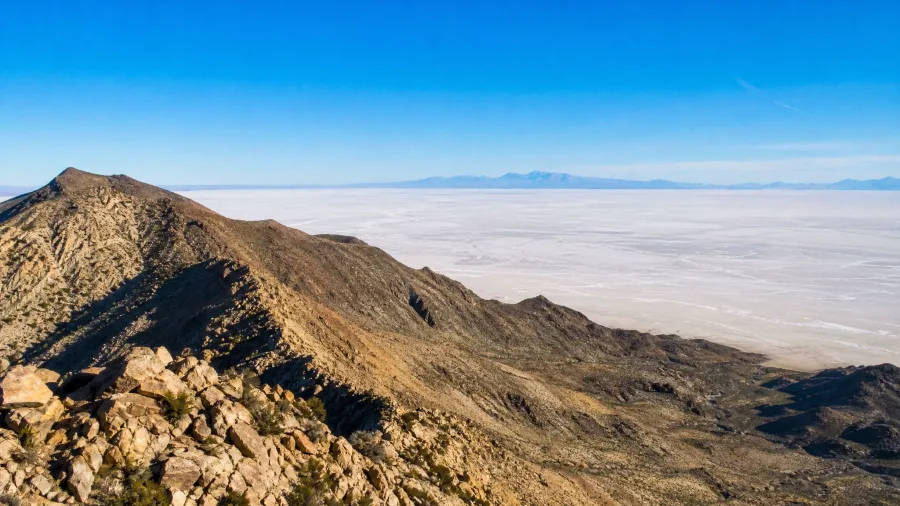
You will almost certainly not spot an Asiatic cheetah in Kavir National Park.
Fewer than forty survive across these scorched volcanic plains, meaning your odds of seeing a coat against the gravel stay stubbornly below five percent. The drive demands months of advance paperwork and accredited escorts tracking radio checkpoints, yet the real payoff is crossing silent yardangs where no tour crowds ever follow.
5. Hike Above Damascus to Inspect Layered Mountain Fortresses
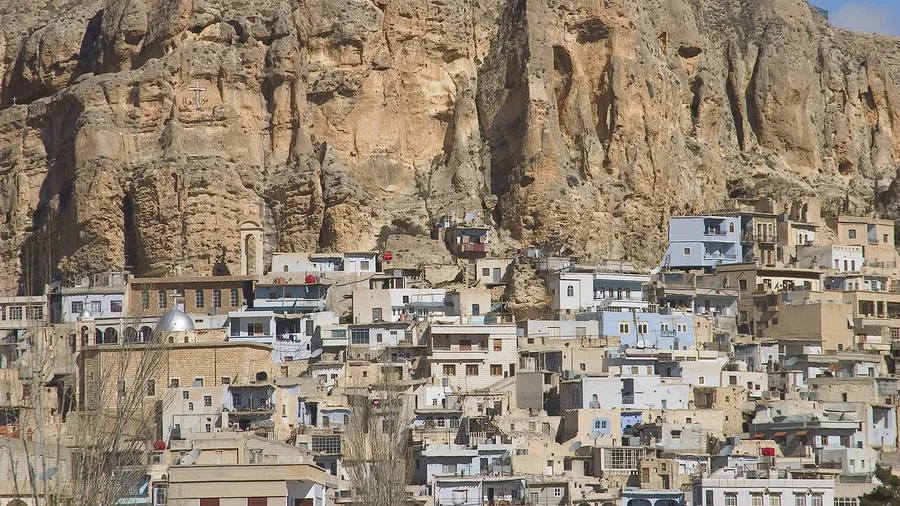
The smell of crushed green cardamom and raw diesel hits you the moment you clear border customs.
Tackle the steep limestone crags above Maaloula on foot. Hand your stamped security clearance to the post commander at the tunnel gate, listen for villagers speaking Western Neo-Aramaic below, and hike hard up to the cliff hermit cells before midday heat sets in.
Eritrea Travel Verification — At a Glance
⏳ Visa Processing
8–12 Weeks
☕ Local Staple
Espresso Macchiato
⛽ Architecture
Italian Art Deco
📄 Internal Passes
Required per Region
Cash Rule
Declare all foreign currency on arrival using paper form BD-2 to prevent confiscation at departure.
6. Cross the Border River into Tiraspol for Soviet Relics
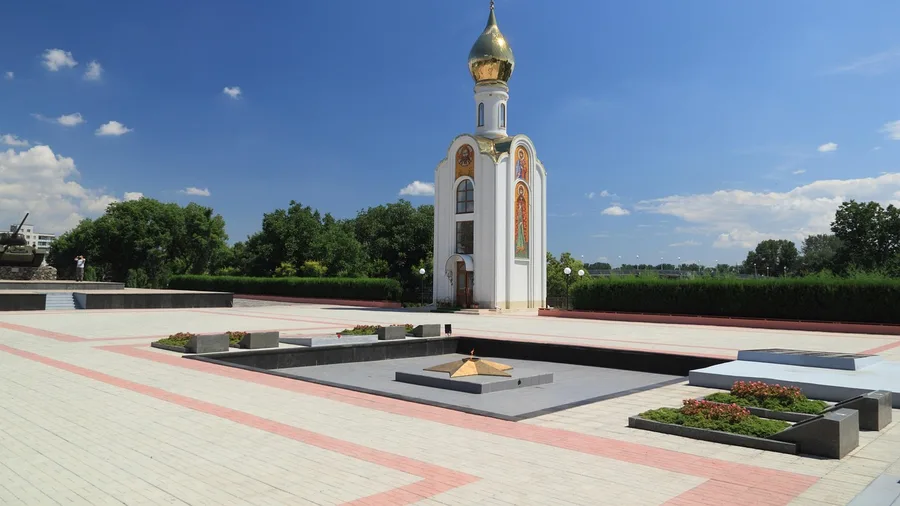
Is an unrecognized breakaway strip wedged beside Ukraine worth facing armed border control?
Go for the hammer-and-sickle crests and plastic rubles, but watch the tiny white immigration receipt handed to you at the river checkpoint. It states your exact departure deadline down to the minute, and overstaying that timestamp by twelve minutes triggers immediate cash fines before you can cross back.
💡 Tip: Convert Moldovan leu into Transnistrian rubles only at the border bridge booth to avoid unbacked script.
7. Wander the Stone Labyrinths of Ghadames Oasis
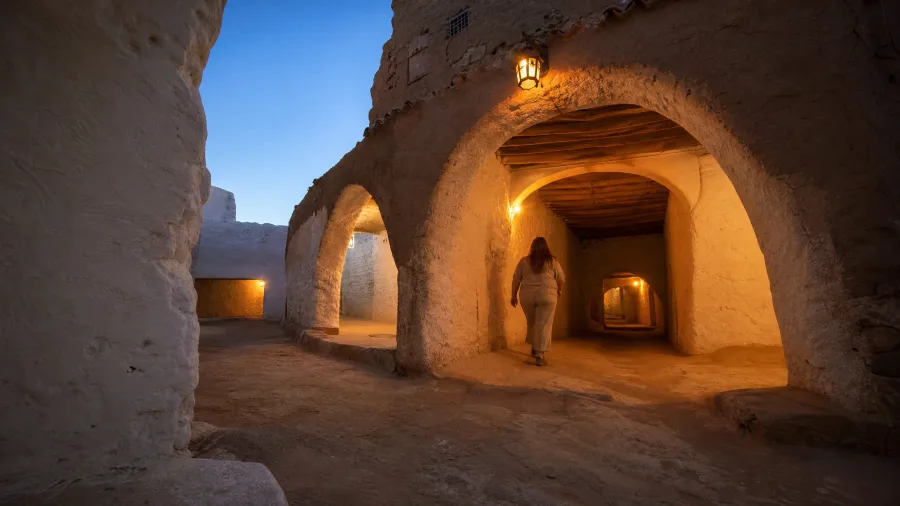
You duck out of the glaring Sahara sun and cold stone air instantly cools your forearms. Ghadames sits right where Libya, Algeria, and Tunisia touch, built entirely from sun-baked mud, palm trunks, and white lime plaster. Below ground, men spent centuries haggling over trans-Saharan camel caravans in shaded tunnels, while Berber women ran the town overhead along private, connected rooftop trails without ever stepping into street dust.
Reaching it means chartering a plane from Tripoli Mitiga airport with an official security team, turning a 380-mile trip into a rigid run.
8. Photograph the Salt Flats of Lake Assal from Volcanic Ridges
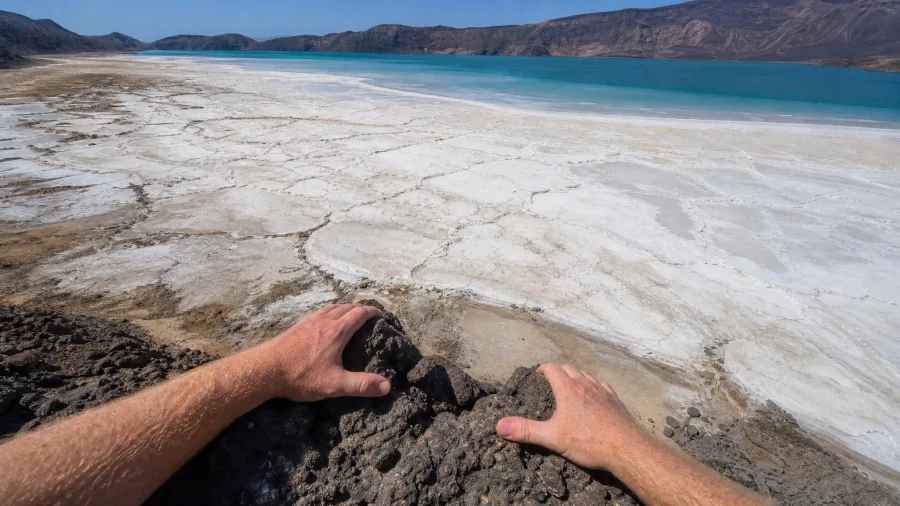
A permit and military escort for this rim run $450 after two days of paperwork in Djibouti City. You drive 70 miles west into the crater basin, leaving paved coastal tarmac behind for cracked volcanic tracks.
Stand on the northern ridge at 509 feet below sea level. Hexagonal salt pans stretch directly into black volcanic rocks, creating the exact high-contrast frame that makes the detour worthwhile.
Arrive at seven sharp.
By eight, heat haze ruins every long frame, and sulfur fumes blow directly over the pans. Bring a heavy cloth mask for the crater bed, and keep your glass aimed downward. Army outposts line the surrounding hilltops, and pointing a zoom lens upward means guards will make you wipe your memory card on the spot.
Government Escort vs. Independent Movement
State Escort Realities
- Curfew enforced directly from hotel reception desks
- Itineraries locked down weeks in advance by ministry bureaucrats
- Checkpoint guards clear transport vehicles without delay
- Mandatory visits to official monuments and state memorials
Self-Managed Travel Attempts
- Zero access to sensitive border provinces or industrial towns
- Constant questioning by plainclothes internal police officers
- Immediate detention if caught without physical paper stamp slips
- Total reliance on local black-market currency traders
9. Duck into the Mud-Brick Forts of Nizwa for Quiet Courtyards
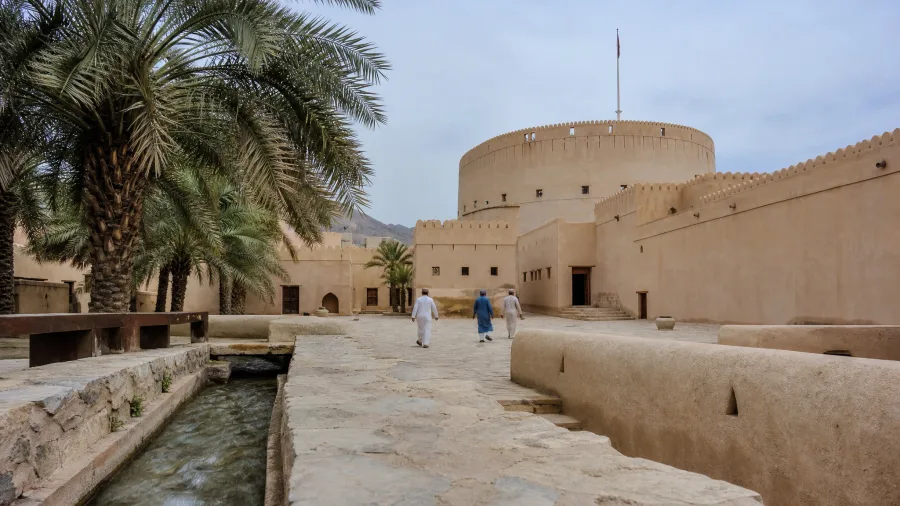
The afternoon prayer call thrums against 400-year-old sandstone as frankincense smoke drifts past the cedar entrance gates.
Most travelers pay around 5 Omani rials at the main gate, but entering via the western date palm canal gates gives you access to the outer battlements for free. The surrounding mountain provinces are relaxed, but military zones near the southern border enforce strict checkpoints.
Grab an open stone bench under the round gun tower and watch water run through the hand-cut falaj channels. It is an easy hour with zero checkpoint fuss.
10. Linger over Spiced Milk Tea along Khartoum's River Confluence
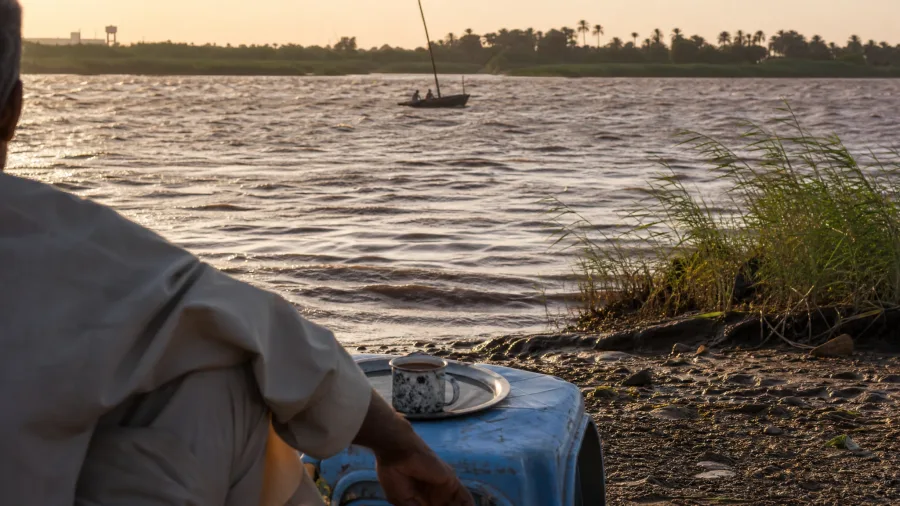
Fifty Sudanese pounds buys you an enamel cup of strong black tea stirred with fresh mint and crushed cloves on the riverbank.
Sudan still runs on layered checkpoints that demand an alien registration stamp, separate photography permits, and regional movement passes for every single province. Pull up a blue plastic stool along the muddy shore of Tuti Island where the Blue Nile and White Nile churn together before heading north toward Egypt.
Sit completely still for an hour while wooden fishing feluccas fight the current and your ink-stamped transit clearance dries inside your passport wallet.
💡 PRO TIP
Secure Photography Authorizations Immediately
Never raise a standalone mirrorless camera in municipal squares or near transport junctions without a paper photography pass issued by the national Ministry of Information.
11. Taste Steamed Manti Dumplings at Dushanbe Central Market
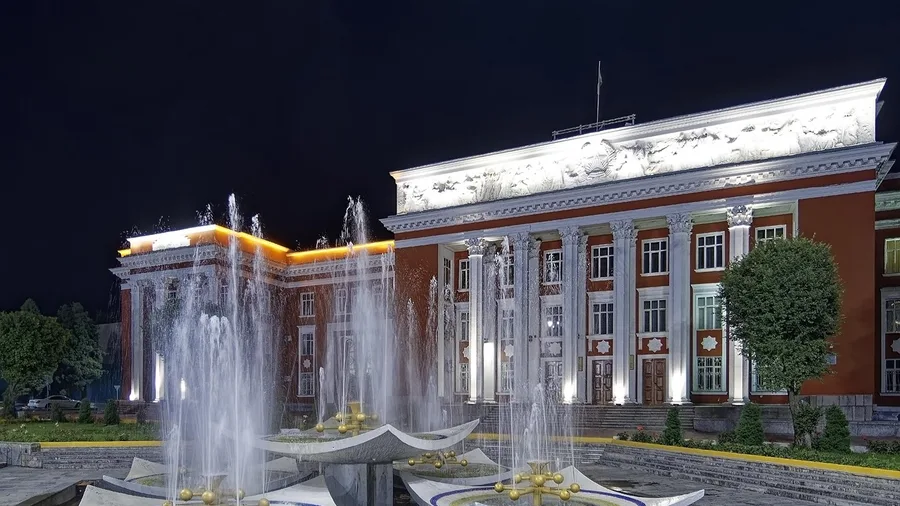
Instead of wrestling with tea clearances in an administrative capital, Dushanbe asks you to do just one thing: eat before the paperwork starts again. Neighboring Uzbekistan gives out easy electronic visas, but reaching Tajikistan's southern Pamir border zones still demands a separate military GBAO permit in your passport. Venturing into these budget-friendly cheap countries gives you low daily costs before mainstream tourism changes their character.
Duck under the corrugated iron roof of Mehrgon Bazaar to order pumpkin and minced lamb manti for about $4. The vendor pulls them directly from stacked aluminum steamers, scattering dried wild thyme and sour clotted cream over the dough before you cram into a four-wheel-drive minivan bound for the Afghan border.
📋 Securing a Restricted Border Clearance
Ministry Background Clearance
Submit passport copies and employment histories through a licensed state agency six weeks before travel.
Letter of Invitation Issuance
Receive the stamped security certificate specifying exact dates and entry points.
Border Immigration Vetting
Present hard-copy documents at the frontier checkpoint booth for manual logging.
Internal Police Registration
File paper residency slips at the provincial security office within seventy-two hours of crossing.
12. Catch First Light Over the Ancient Step Wells of Yazd
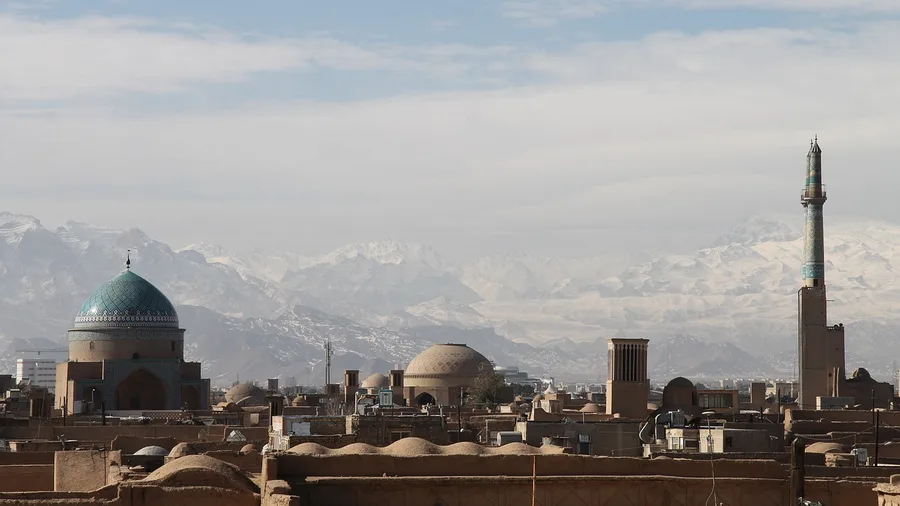
Set two alarms and get up on the rooftop mud tiles before 5:30 AM, because by six the desert sun bleaches every brick and burns your retinas.
Yazd survives on passive windcatchers and ancient underground channels called qanats, but heat makes midday street walking unbearable. Dawn is the single hour when the thermometer dips below 90 degrees and local security patrols leave the clay roofs open to lookouts.
Watch the first yellow rays hit the turquoise dome tiles across the Fahadan district before the daytime heat drives everyone underground.
💡 Tip: Climb through the stairs behind the traditional water reservoir before the street gates lock at sunrise.
13. Tour the Underground Nuclear Bunker Complex at Konjic
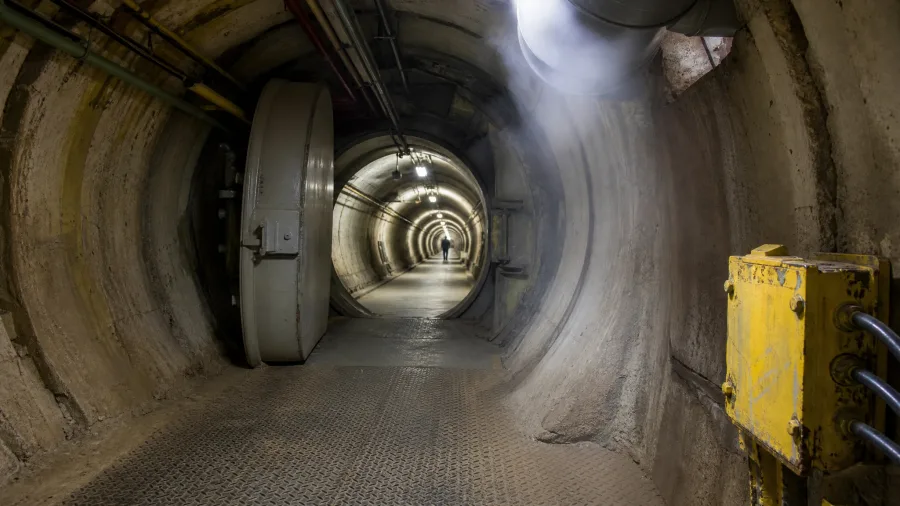
You step through the front door of what looks like an ordinary suburban garage, and cold air hits your neck immediately.
Beyond the false drywall sits an airtight steel hatch that drops into three football fields of subterranean Yugoslav command corridors. Tito built this secret atomic shelter to keep 350 political elites alive through a direct nuclear hit, and it stayed classified until the federation fell apart in the 1990s. The long wait outside the blast door tests your patience, but walking into preserved war rooms where retro telex machines and air filtration systems still hum makes the delay worth every minute.
Local municipal offices cap every tour at twenty visitors, so book your slot at least two weeks before you reach Konjic.
14. Stop at the Derweze Gas Crater along the Karakum Highway
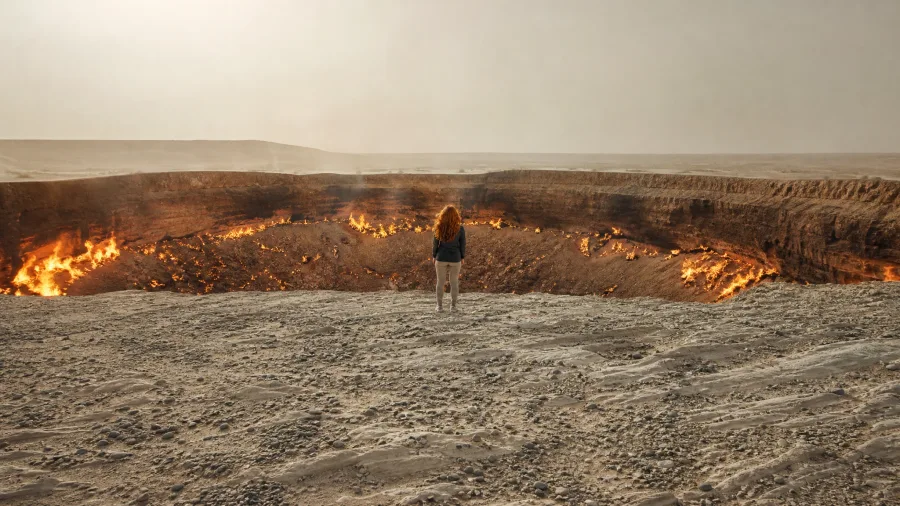
Is an eight-hour crawl across potholed desert tracks worth a stop at a burning hole in the sand?
Known locally as the Gates of Hell, this collapsed gas field has burned nonstop in the Karakum Desert since drilling engineers set it alight in 1971. The roar sounds like a jet engine idling in an empty hangar, pushing a wall of heat straight into your chest. Walk two hundred yards back to the sole makeshift camp, hand over $10 for a canvas cot, and drink your boiling green tea while the wind blows the sulfur away.
Expedition Progress Across Restricted Terrains
15. Photograph the Enclosed Frontier at Panmunjom Before Sunset
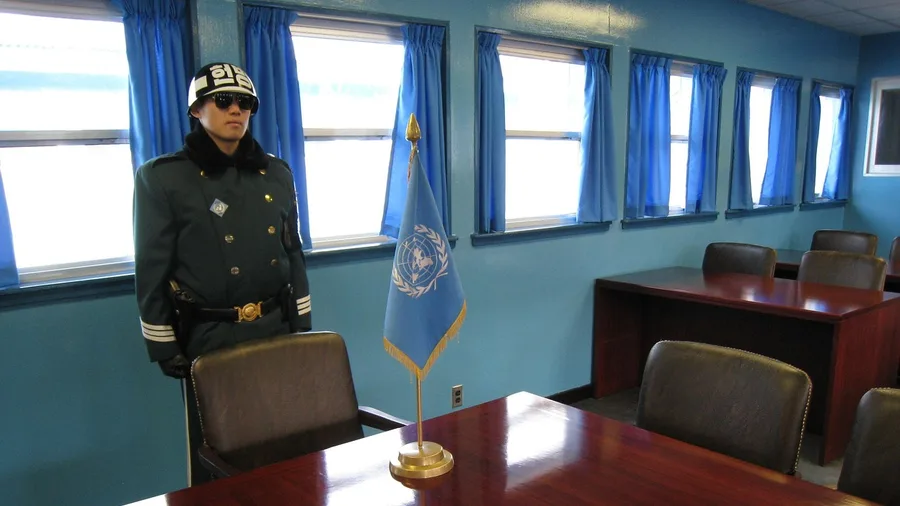
The Joint Security Area at Panmunjom is the sharpest political fault line on earth.
Book the 4:00 PM briefing slot. That afternoon hour catches the daily shift rotation, when northern sentries march out and the silence across the concrete boundary line tightens noticeably.
You sign a paper waiver in advance acknowledging that crossing into the military zone carries physical danger.
Step onto the gravel strip between the blue conference buildings, and you will see South Korean soldiers locked in rigid taekwondo ready stances just thirty feet from northern guards. The low sun cuts hard shadows across the pavement, making it the clearest light of the day for photos.
Keep your lens pointed dead ahead at the northern main building. If you pivot sideways to snap the southern observation posts or radio arrays, your escort will confiscate your memory card on the spot.
💡 Tip: Follow the strict dress code: no faded blue jeans, military prints, or open sandals are permitted on site.
Frequently Asked Questions
Can you legally travel to these restricted countries on an ordinary tourist passport?
Yes, but ordinary tourist passports require formal invitations issued by state ministries, pre-approved travel itineraries, and accredited guides who remain with you throughout your stay.
What happens if you photograph sensitive military or government buildings by accident?
Checkpoint guards and police will stop your vehicle immediately, examine all image files, confiscate external memory cards, and potentially escort you to the regional police headquarters for questioning.
Are credit cards and international automated teller machines accessible in these regions?
No, international financial sanctions sever commercial connections across many of these nations, requiring you to carry your entire trip budget in crisp, physical currency.
How far in advance must you begin the visa application paperwork?
Begin the paperwork at least three to four months in advance to allow regional intelligence departments time to review background documents, security clearances, and employment histories.
Is independent movement permitted away from designated hotel properties at night?
Independent movement after dark is strictly forbidden in several of these destinations, where hotel front doors are locked and local police patrol surrounding blocks.
Map Your Central Asian Overland Route Next
Once you master the bureaucratic hurdles of state invitations, paper registration forms, and currency declarations, the logical next overland route runs through the ancient Silk Road hubs of Uzbekistan, Kazakhstan, and Kyrgyzstan.
These neighboring Central Asian states dropped their historic visa restrictions, giving you the freedom to explore desert fortress complexes, mountain passes, and sprawling bazaar districts completely on your own terms. Exploring these underrated countries that are still affordable lets you stretch your route across family guesthouses and regional transit with minimal friction.
Check Your Passport Validity and Empty Pages Today
Open your passport right now and ensure you have at least six clean blank pages and eight months of validity before filing your first ministerial clearance application.