
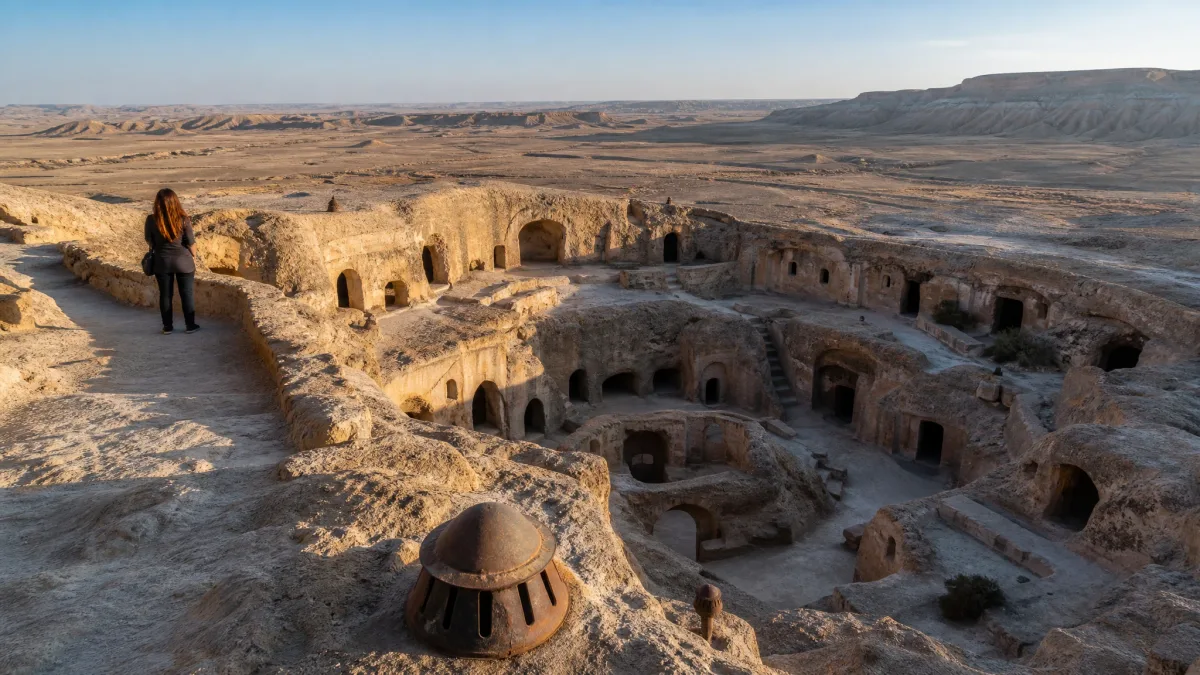
A rusted vent pipe juts out of the barren red dirt, venting kitchen steam into desert heat that routinely tops 110 degrees Fahrenheit.
Instead of stacking walls against brutal weather and hostile armies, these settlements cut civic life straight into the bedrock. Far from temporary bunkers, they built permanent schools, subterranean churches, bakeries, and markets that sustained complete societies beneath solid stone.
Making these trips work comes down to understanding the engineering that moves air, light, and people below the surface.
Underground towns stand as deliberate masterclasses in extreme survival, proving an entire civilization can flourish without ever seeing the sky. Pick the descent that matches your knees, grab sturdy shoes, and bypass the sun entirely.
| Town and Country | Primary Depth or Extent | Original Reason for Excavation | Primary Visitor Experience |
|---|---|---|---|
| Coober Pedy, Australia | Subsurface hillsides | Extreme desert heat and opal mining | Underground hotels, residential dugouts, and rock-hewn churches |
| Derinkuyu, Turkey | 280 feet deep across 8 tiers | Wartime shelter against invading armies | Steep tunnel descents through ancient communal living levels |
| Wieliczka, Poland | 1,073 feet deep, 178 miles | Commercial rock salt extraction | Salt cathedrals, brine pools, and subterranean respiratory clinics |
| Matmata, Tunisia | 30 feet deep pits | Thermal protection from Sahara temperatures | Sunken sandstone courtyards and cave-hewn family rooms |
| Setenil de las Bodegas, Spain | Gorge cliff overhangs | Natural insulation and food storage | Streets enclosed beneath massive protruding basalt cliffs |
| Naours, France | 100 feet deep across 28 galleries | Village refuge during regional wars | Limestone refugee tunnels with historical soldier graffiti |
1. Coober Pedy Dugout Mining Community
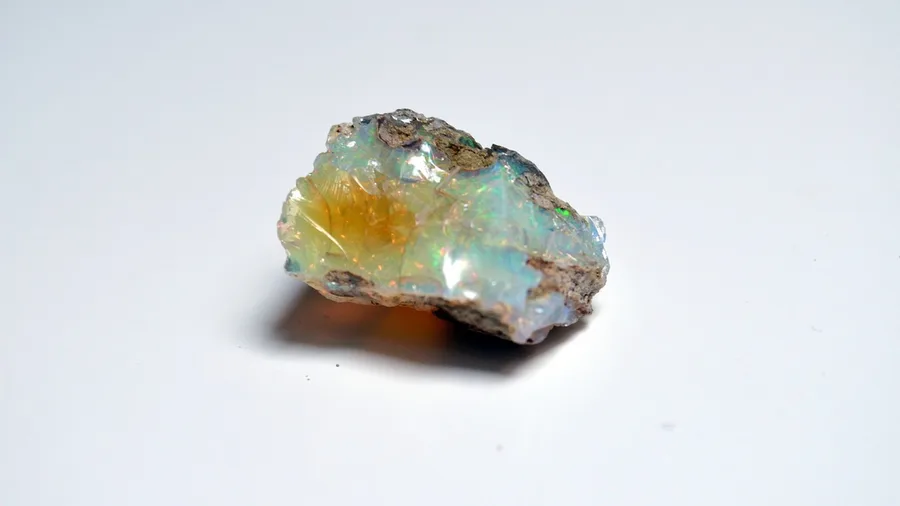
You step from baking desert glare into the sudden silence of cool sandstone. Roughly 525 miles north of Adelaide along the Stuart Highway, surface heat routinely exceeds 110 degrees Fahrenheit, forcing opal prospectors into hillside dugouts that hold 75 degrees Fahrenheit without air conditioning. Below ground, you will find active residential dugouts, bookshops, and a subterranean Serbian Orthodox church.
Skip the brutal eight-hour drive through South Australia's desert basin and splurge roughly $350 on the direct flight from Adelaide, then spend $200 a night to sleep inside an actual dugout hotel.
💡 Tip: Check that your hire car contract permits driving on unsealed desert side roads.
Subterranean Engineering Terms
2. Derinkuyu Multilevel Refuge Complex
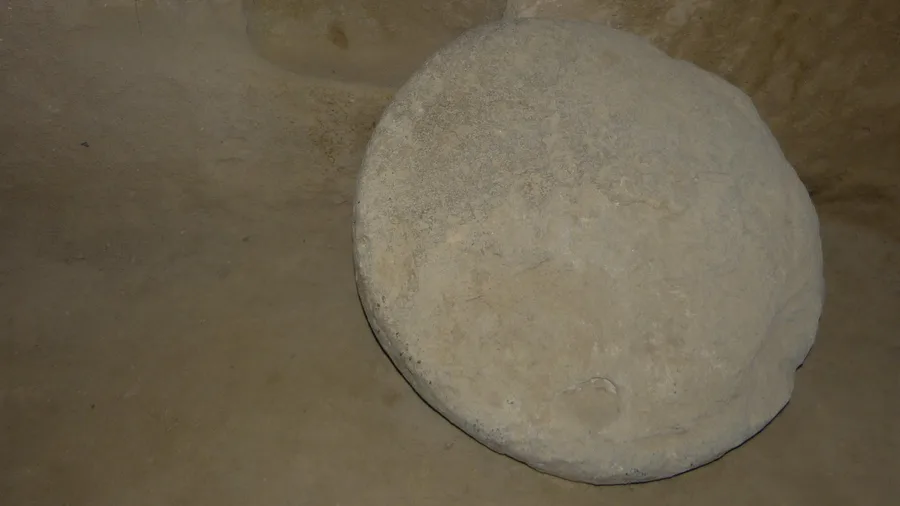
Derinkuyu is an ancient multi-story fortress sunk directly into central Anatolian bedrock. Rather than carving shallow shelters to outlast summer sun, ancient builders hollowed out eight tiers descending roughly 280 feet into porous volcanic tuff to guard 20,000 citizens against invading armies. Inside, massive 1,000-pound circular stone discs sit slotted in narrow corridors, ready to roll shut and seal out intruders exclusively from within. Vertical 180-foot ventilation flues plunge through every tier, pulling crisp air down to the lowest corridors so life could continue uninterrupted during protracted sieges.
The layout packs daily existence into vertical strata: livestock pens crowd the entrance level so animal stench vents outward immediately, while communal dining halls, wine presses, and grain silos sit safely below, terminating in an arched cruciform chapel carved at the 280-foot basement. Expect hunched, duck-walking passages and cold stone stairs that quickly weed out anyone dealing with tight spaces or bad knees.
Quick Tips Before You Start
Traction Matters
Wear rigid rubber soles to grip damp polished limestone steps.
Pack a Mid-Layer
Subterranean chambers stay around 55 to 60 degrees Fahrenheit year-round.
Bring a Compact Torch
Ambient floor lighting rarely illuminates low ceilings or deep stair treads.
Ditch Bulky Packs
Narrow escape tunnels will wedge wide backpacks against raw stone.
3. Wieliczka Salt City and Sanatorium
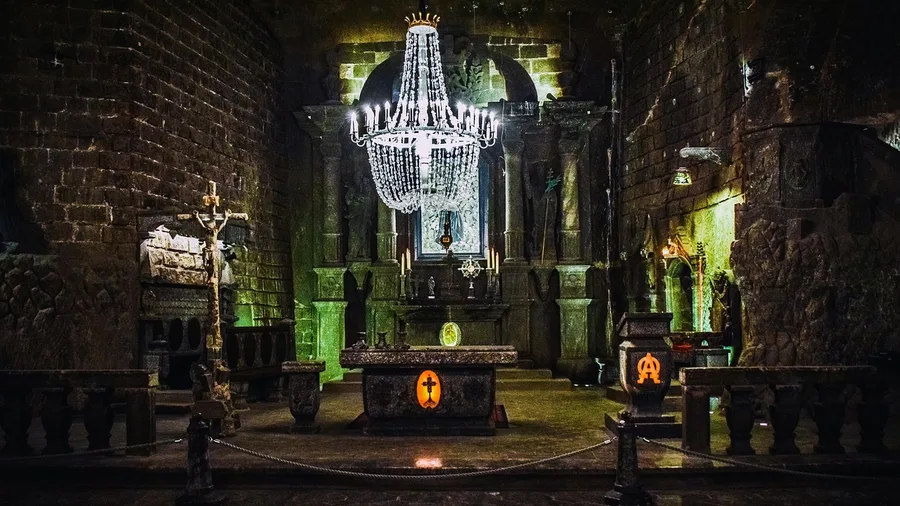
Around $32 buys admission to an enormous rock-salt municipal complex carved 1,073 feet beneath the outskirts of Krakow. Expanding across 178 miles of tunnels and nine distinct levels since the 1200s, this subterranean complex answered daily human needs beneath bedrock. Deep inside sits the massive underground temple of St. Kinga, where everything from detailed scriptural wall reliefs down to the crystal chandeliers overhead is sculpted from gray rock salt.
Coughing city residents bypass the surface crowds and drop 440 feet straight into an underground rehabilitation chamber. Down in this microclimate sanatorium, pure, salt-saturated air free from surface allergens provides targeted relief for chronic lung conditions and asthma.
Skip the crowded tourist procession through the carved chapels and saline pools. Suit up in protective canvas coveralls, strap on a headlamp, and take the hands-on miner track where you cut genuine salt blocks by hand under the guidance of retired local pit bosses.
Wieliczka Expedition Logistics
🪜 Stair Descent
800 Wooden Steps Down
🧥 Subterranean Temp
57°F to 61°F Year-Round
⏱️ Miner Route Duration
Roughly 3 Hours
🚆 Transit From Krakow
20-Minute Train to Wieliczka Rynek-Kopalnia
Gear Restriction
Wear closed-toe treaded boots; wet bedrock pathways get extremely slick underfoot.
4. Matmata Sunken Courtyard Troglodyte Homes
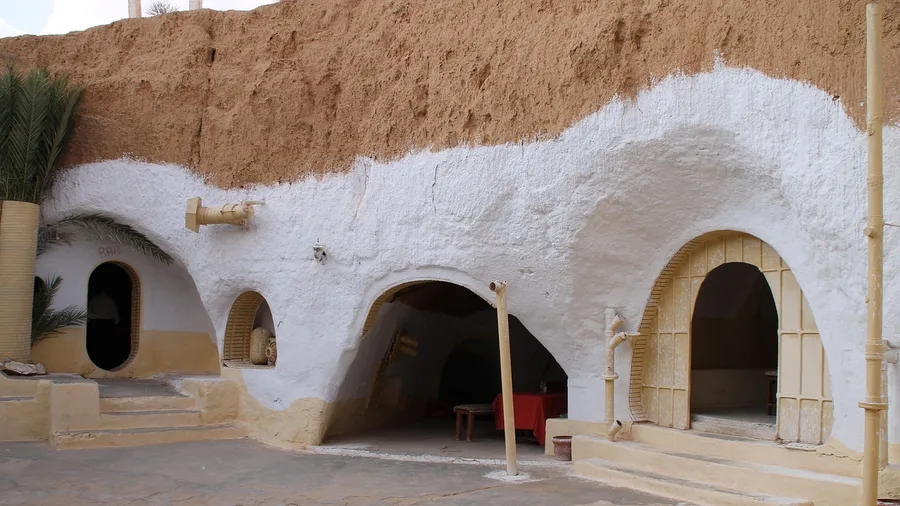
If you pull in at noon alongside three air-conditioned tour buses taking film photos, absolutely not.
Time it for late afternoon after the day-trippers clear out, however, and the engineering genius of this desert architecture becomes obvious. Berber communities did not cut deep horizontal mine shafts into solid rock seams. Instead, they excavated open circular pits 30 feet deep and 35 feet wide straight into the sandstone crust.
The sunken pit functions as an insulated central patio, funneling air downward while deflecting the 115-degree Sahara wind.
At the floor of the pit, private family rooms, sleeping vaults, and grain stores branch horizontally into the cool earth. Converted family compounds offer spartan overnight stays for roughly $25 to $40 including dinner, complete with lime-washed rock walls and arched doorways. Sleeping there delivers a tactile lesson in passive thermal control: while the desert surface chills rapidly after sundown, the sandstone chamber maintains a steady 68 degrees.
Pack light duffels rather than wheeled suitcases, because reaching your room means hauling everything down steep, unpaved perimeter trenches.
5. Setenil de las Bodegas Cliff Settlements
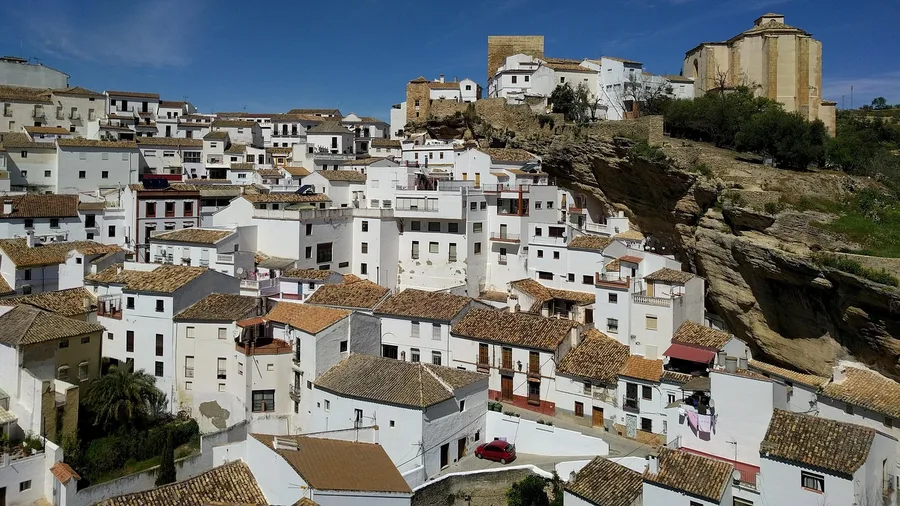
Unlike the deliberate vertical drop into Matmata, visiting this Cadiz white village requires almost zero physical effort and costs nothing to explore. Massive natural basalt overhangs carved out by the Rio Trejo gorge form the actual roofs of the town, eliminating the need to dig deep into the earth.
Builders simply walled off the open lips of these natural rock shelves with whitewashed masonry. You can pull up a metal chair along Calle Cuevas del Sol or the darker Calle Cuevas de la Sombra, order a $3 glass of local mountain wine, and look up at millions of tons of raw stone hovering directly above your cafe table. The deep basalt shelves blot out the harsh Andalusian sun entirely, creating a pocket of cold shade.
Those same cool cavities served for centuries as natural refrigeration cellars for cured meats and olive oil. Today, they operate as shaded bars, tapas counters, and boutique guest rentals. Skip the paid souvenir viewpoints and spend an hour lingering over chilled cured pork beneath the rock shelf. Comparing daily expenses across other affordable European villages helps travelers plan realistic shoulder-season itineraries.
💡 PRO TIP
Arrive Early in Setenil
Park in the lower garage before 10 AM. Delivery vans frequently wedge into the narrow rock-roofed alleys, causing gridlock that traps tour traffic for hours.
6. Naours Subterranean Military Hideaway
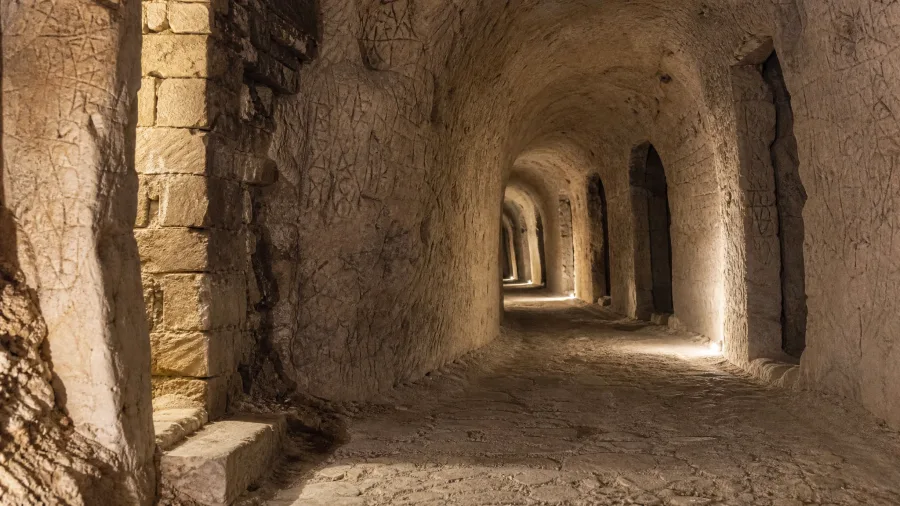
A damp, mineral chill hits your neck the second you step out of the Picardy wheat fields and descend into the chalk. While open river canyons allow villagers to build under visible shelves, this northern French refuge sits completely invisible under farmland, dropping 100 feet down through 28 limestone galleries.
Local farmers expanded an ancient quarry into 300 subterranean chambers to survive the Thirty Years' War. The town held 3,000 residents beneath the surface for months at a time, complete with livestock pens, bread ovens, and deep wells that tapped clean groundwater far below the reach of invading armies.
The most striking visual of the entire site waits along the Western Gallery. Stand at the junction near the old hospital quarters just after the morning lighting switches on, aiming your lens back down the chalk corridor where the stone walls show thousands of individual pencil and knife markings. Over 3,000 Allied soldiers carved their names, regiments, and hometowns into the soft rock while using the chambers as a staging post during the 1916 Battle of the Somme.
A self-guided ticket runs roughly 14 euros, and you will want a fleece even in mid-July. The tunnels maintain a steady 50 degrees Fahrenheit year-round with relentless humidity, making the cold seep into your shoes after forty minutes underground.
7. Kaymakli Multi-Chambered Subterranean Haven
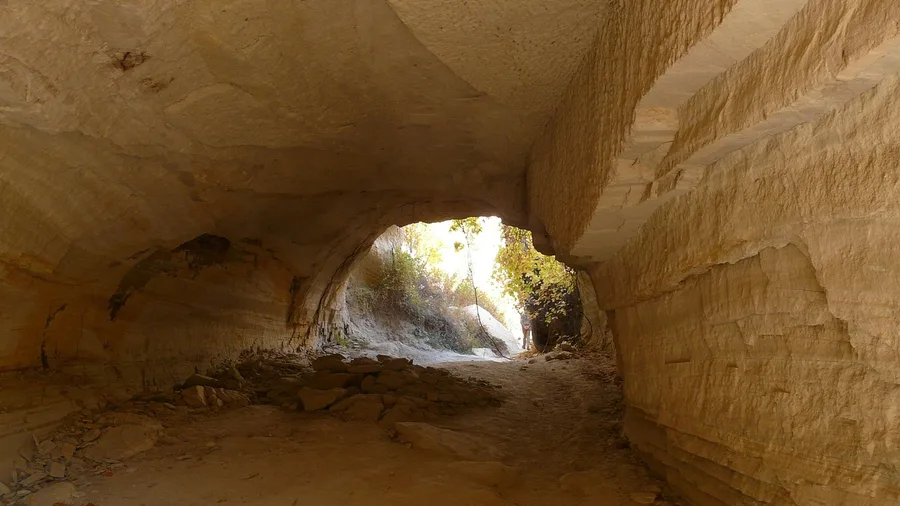
Pair this site with its famous vertical neighbor on the same day ticket, but crawl through here first to see how subterranean defense actually ran on workshops rather than sheer depth. Just 6 miles north along the Nevsehir road, you duck through broad chalky entry tunnels where horizontal room spans replace suffocating vertical shafts.
Crouch low through the four open tiers and run your hands over the soot-stained communal copper smelters chiseled right into the volcanic tuff. Derinkuyu plunged straight down for panic sheltering, but this wider network functioned as an underground production center, complete with massive hollowed oil vats and wide communal grain silos engineered to sustain hundreds of besieged families during months of military isolation.
The passage ceilings hang low, demanding real knee work across the entire tour.
Cappadocia Subterranean Styles Compared
Derinkuyu Vertical Bunker
- Descends 280 feet across 8 accessible levels
- Built specifically as a high-density defense fortress
- Features vertical ventilation shafts and stone blast doors
- Requires crawling through steep, narrow escape tunnels
Kaymakli Horizontal City
- Sprawls horizontally across wide community zones
- Designed for agricultural storage and manufacturing
- Contains rock-cut copper smelters and olive presses
- Provides wider chambers with fewer vertical ladder climbs
8. Kandovan Volcanic Cave Village
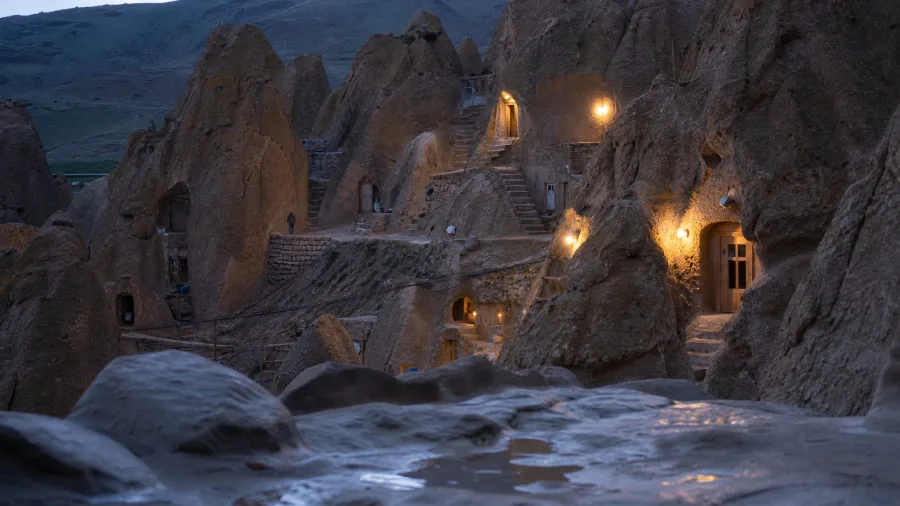
Bring sturdy shoes and prepare for slick, unpaved climbs, because cars cannot enter the settlement itself. Rather than tunneling horizontally under flat plains, villagers in northwestern Iran's Sahand Mountain region hollowed out vertical volcanic debris cones into towering, beehive-shaped dwellings. You reach the settlement via an hour-long taxi ride from Tabriz through the Osku valley, and wandering through the exterior alleys of stone pillars costs absolutely nothing. Steep pathways cut straight into the rock face between dwellings, demanding real footwork as you climb between residential spurs.
The payoff is seeing centuries-old passive engineering still running on natural airflow and rock mass. Each cone stacks its functions vertically: ground floors hold livestock stalls, middle levels house heated family living quarters, and airy top tiers store dry grain. Porous ignimbrite rock provides dense natural insulation, holding indoor warmth during bitter sub-zero winters while bleeding off blistering summer heat.
9. Lalibela Subterranean Monastic Quarters
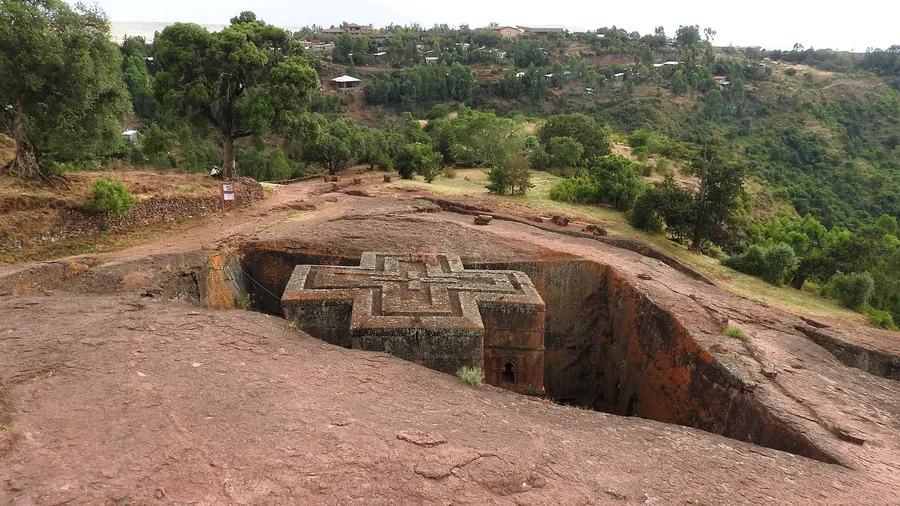
Cool red dust coats your bare feet the second you step across the stone threshold, while highland swifts slice through the open air pit forty feet above. Stonemasons in Ethiopia's northern highlands chiseled eleven monolithic Christian sanctuaries downward into raw volcanic scoria bedrock, leaving Bete Giyorgis standing isolated as a single, unbroken Greek-cross block below the turf.
Drape a white cotton netela wrap over your shoulders, leave your shoes at the entrance, and feel your way through dark, hand-hewn catacombs linking the church courtyards to active monastic cells. Thick colonies of mountain swifts and sacred highland ravens nest directly in the exposed rock fissures above the trenches, offering an almost certain sighting while you shuffle through the shadowed stone passages.
10. Rocamadour Cliffside Cave Sanctuary
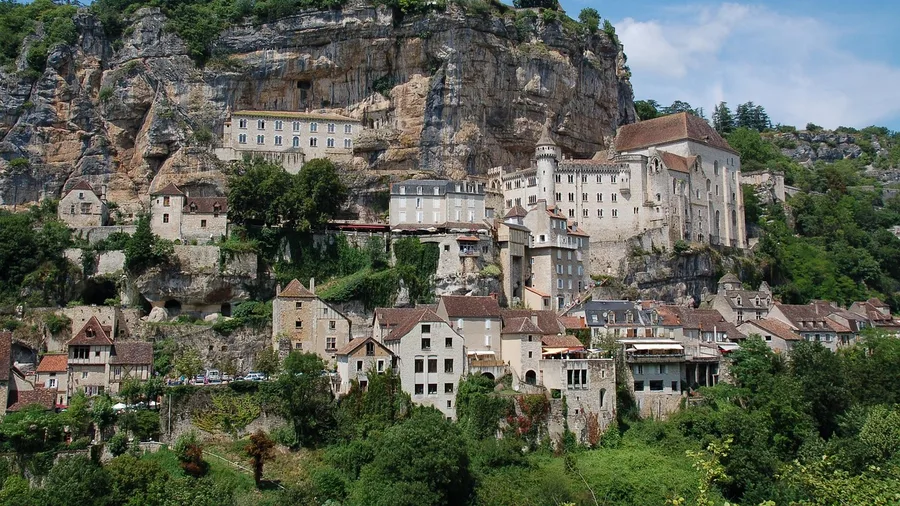
Prepare your legs for sheer verticality, because midday crowds choke the stone ramps while heat bakes the exposed Alzou canyon walls.
Rather than burrowing down into flat dirt, medieval builders in southwestern France pinned stone masonry directly against the gorge precipice. The raw limestone cliff forms the actual back interior wall for seven stacked monastic chapels, private cloisters, and basilicas, saving builders from erecting four-sided free-standing structures. Tucked directly behind the Sanctuary of the Black Madonna, ancient troglodyte hermit cells hollowed straight into the gorge demonstrate how ascetic recluses lived inside the cold stone long before pilgrims laid formal masonry.
The physical ascent reveals the real toll of sacred geography. You either hike the 216 worn stone steps of the Grand Degre on foot or pay around $6 for the inclined funicular railway linking the valley village to the upper cliff edge.
Subterranean Site Readiness Checklist
11. Moose Jaw Underground Tunnel Enclave
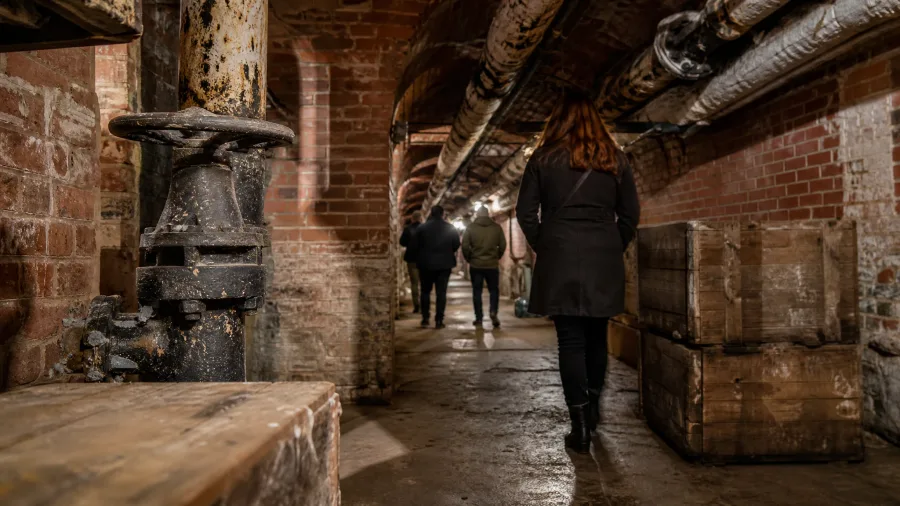
Instead of clinging high on open limestone crags, early twentieth-century prairie settlers burrowed straight beneath street pavements to survive in total secrecy.
Book the 9:30 AM first tour of the morning before midday tourist buses crowd the narrow passages and strip away the silent chill. In downtown Moose Jaw, early Chinese railway workers dug through interconnected commercial basements and utility arteries to escape deadly blizzards and evade racist municipal head taxes. Central boiler pipes distributed continuous heat through the insulated brick and concrete vaults, keeping workers functional through Saskatchewan winters that plummeted past minus 30 degrees Fahrenheit.
By the 1920s, that same thermal sanctuary turned into a distribution web for bootleggers moving Canadian liquor across the southern border into the United States. Hidden warehouse vaults stored crates of spirits away from prairie police patrols.
Daily guided walking routes cost roughly $22 for adults and guide you through the restored living rooms and bootlegger storage cellars. The late afternoon tours pack twenty people into eight-foot-wide utility rooms, making the early morning ticket the only sensible choice.
12. Goreme Valley Troglodyte Settlements
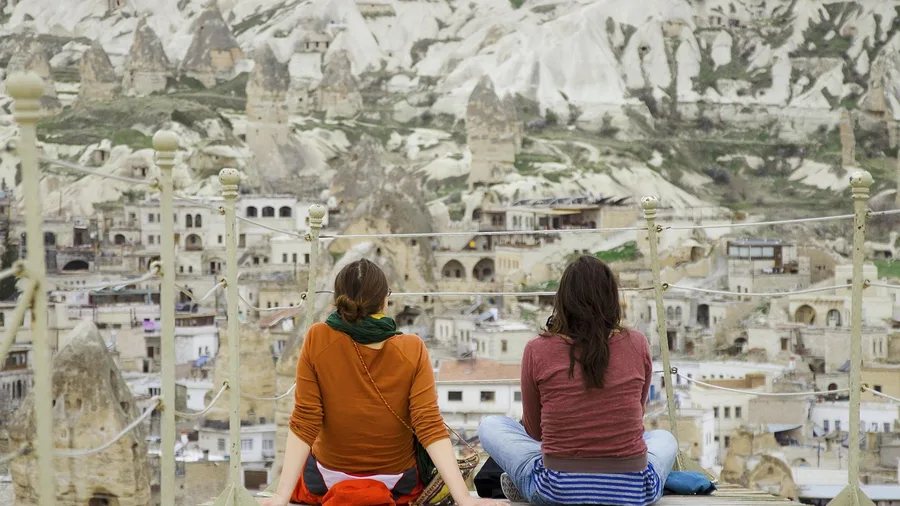
About $140 gets you a solid overnight cave room in the valley, along with a clay pot of testi kebabi cracked open at your table for $18.
Rather than hiding illicit trade beneath street level, Goreme converted ancient troglodyte chambers into living quarters, dining cellars, and boutique lodgings. Contractors core narrow conduits through the porous volcanic tuff to supply high-pressure plumbing, electric lines, and radiant floor heat while strict conservation regulations prevent anyone from carving external balconies or altering facades. Check that your room includes mechanical exhaust vents and an active dehumidifier before checking in, or natural rock porosity will leave your bedding cold and damp by dawn.
🏛️ Evolution of Rock-Cut Settlements
Natural Grotto Habitation
Early communities used natural cliff overhangs along river gorges for passive thermal shelter.
Deep Defensive Excavation
Societies chiseled multilevel refuge cities like Derinkuyu to survive military sieges.
Sacred and Ceremonial Carving
Stonemasons excavated monumental chapels into salt deposits and volcanic scoria bedrock.
Modern Subterranean Systems
Cities engineered climate-controlled pedestrian grids using reinforced concrete beneath urban cores.
13. Vardzia Cave City Monastery
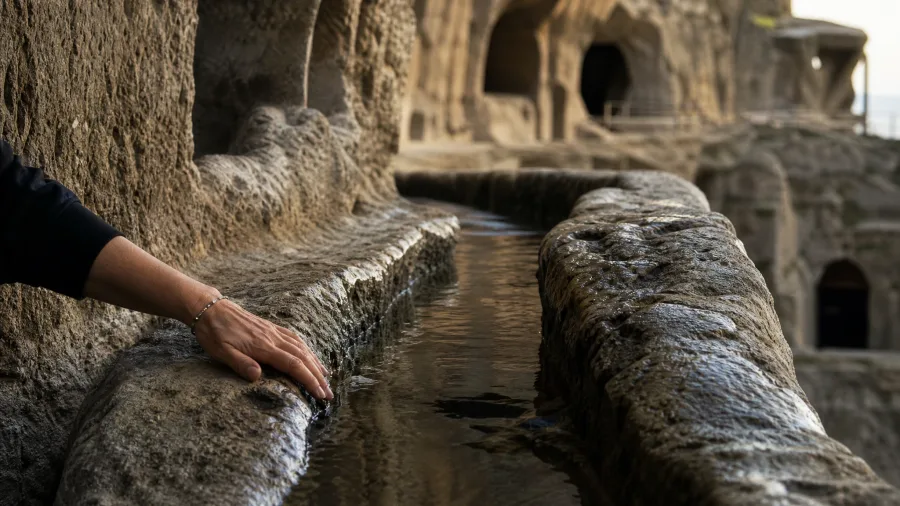
Hire a local driver in Akhaltsikhe for roughly $35 rather than enduring a punishing four-hour transit from Tbilisi in a packed marshrutka. The 90-minute drive snakes through remote valleys straight to the Erusheti mountain slope, where southern Georgia's twelfth-century builders drove thirteen tiers of defensive infrastructure directly into sheer basalt. Instead of adapting loose rubble or individual chambers, builders hollowed out a self-contained fortress of up to 6,000 rooms engineered to survive Mongol assaults without surrendering an inch of surface exposure.
The engineering triumph was a hidden mountain irrigation canal channeling mountain spring water through porous stone to sustain resident monks, refectories, wine cellars, and hundreds of living quarters during prolonged military encirclement. That invisible sanctuary abruptly failed in 1283 when a massive earthquake ripped away the mountain's front rock face, exposing the private multi-level stone honeycomb to the open valley floor below.
The stairs are steep.
14. Civic Underground Networks of Montreal
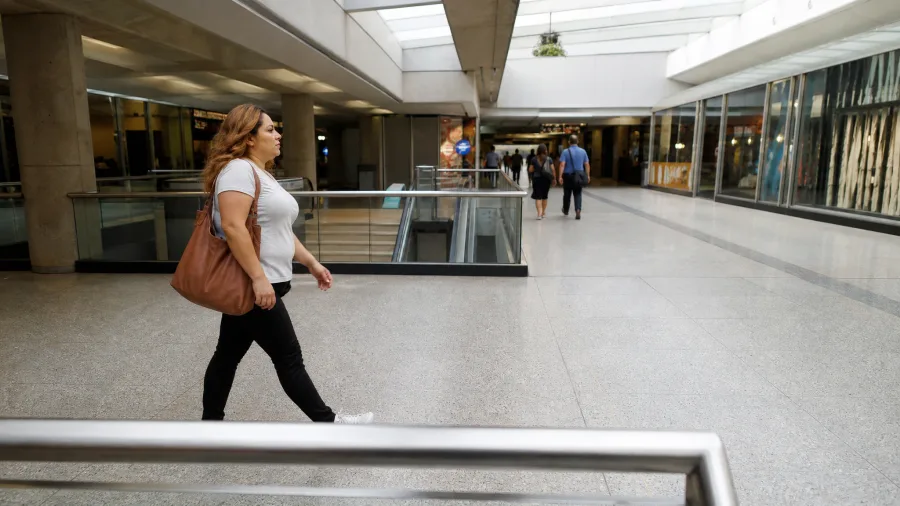
While ancient mountain fortresses carved into cliffs demand rough climbs, Montreal moved an entire downtown beneath ground using flat reinforced concrete, elevators, and wide corridors. Spanning 20 miles of fully enclosed, climate-controlled pedestrian passages, the RESO network allows travelers to cross the central business district without stepping into freezing rain or sub-zero winter blasts. High-capacity ventilation fans circulate fresh air continuously, while street-level glass skylights channel daylight straight down into the corridors. It is completely free to enter, though an all-day transit pass runs about $11 if you plan to link your walking with the metro. Examining core networks and average fares across other cities with world-class public transportation helps commuters plan similar urban journeys.
The payoff is effortless access for roughly 500,000 daily commuters who reach corporate high-rises, universities, apartment complexes, and subterranean shopping plazas entirely indoors. Wheelchairs and strollers roll across smooth tiles from metro platforms to food courts with zero street curb obstacles. The trade-off is orientation: commercial corridors can feel repetitive, and finding street exits requires tracking directional ceiling signs closely.
Frequently Asked Questions
Is visiting underground cities safe for people with claustrophobia?
Deep ancient sites like Derinkuyu require duck-walking through narrow stone tunnels and are not suitable for claustrophobic travelers. However, wide sites like Wieliczka, Setenil de las Bodegas, and Montreal feature expansive concourses and vaulted ceilings.
What is the typical temperature inside subterranean towns?
Most deep rock-carved towns maintain a stable natural temperature between 55 and 75 degrees Fahrenheit year-round. They remain far cooler than summer desert heat and significantly warmer than sub-zero winter air.
Do I need to book underground town tours in advance?
Popular sites with capacity limits, such as the Wieliczka Miners Route and the Moose Jaw tunnel tours, require advance online booking. Self-guided sites like Setenil de las Bodegas and Montreal require no reservations.
What should I wear when exploring rock-hewn towns?
Wear sturdy shoes with textured rubber soles, as worn stone floors and salt steps can be slick. Bring a lightweight fleece or windbreaker to stay comfortable in the brisk underground air.
Can children easily explore ancient underground sites?
School-age children generally enjoy subterranean sites, but narrow passages and steep stairs rule out strollers. Keep a close hand on young kids around open cliff edges in places like Vardzia.
What I Would Reroute Underground Next Time
Carving living quarters into solid earth remains humanity's sharpest answer to siege warfare and hostile weather. Whether chiseled through Cappadocian tuff, hollowed from Tunisian sandstone, or poured in Canadian reinforced concrete, every settlement tackled airflow, structural load, and daily transit with whatever geology lay beneath their boots.
Choose your route by your physical limits and tolerance for tight stone. If you want flat walking and stable temperatures, spend your money on Montreal's commercial concourses or book a dugout bed in Coober Pedy. If you want raw vertical exploration and your knees can handle hunched crawls, prioritize the eighty-meter descent into Derinkuyu or the hand-carved monastic stairs of Vardzia, right where the surface heat cuts out and the silent stone begins.
Check the Footwear and Mobility Requirements
Review the readiness checklist above before booking your subterranean tours to match the physical terrain to your travel group.