

If you only picture Monaco as superyachts and high-stakes casinos, you're missing the actual story of what it's like to live there.
Its public image is dazzling wealth and luxury, a playground for the global elite. But step beyond that, and you find a highly functioning city-state, home to a surprisingly diverse working population, not just billionaires.
Understanding daily life here means grappling with the specific trade-offs of an intensely urban, compact environment where everything comes at a premium.
This guide cuts through the glitz to give you the truth of what Monaco offers as a home, and what it truly demands. You will know if its unique advantages align with your curiosity or a potential move.
Monaco Living — At a Glance
Monaco is small, but intensely developed
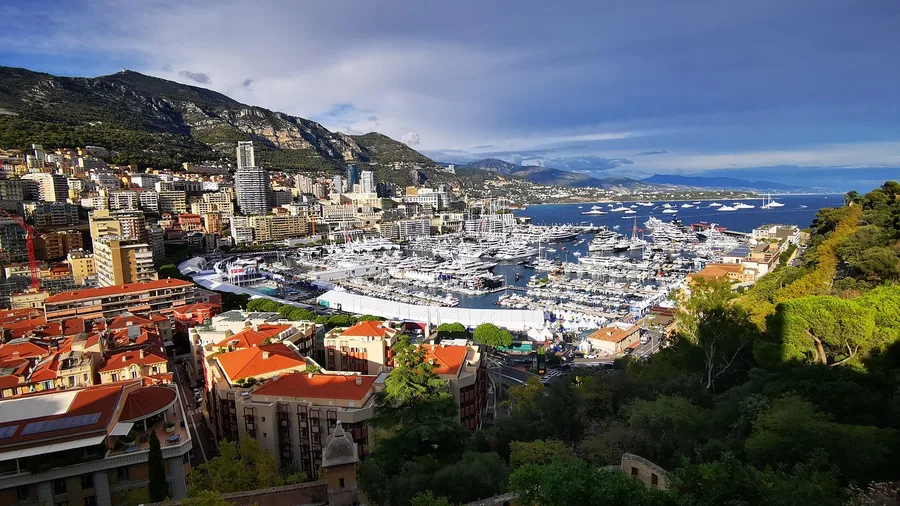
Monaco is incredibly compact, spanning only 0.8 square miles (2.02 km²) with approximately 38,000 residents, making it one of the world's most densely populated places.
This intense development means every inch is utilized, primarily through towering apartment buildings and residences terraced into the hillsides. You see infrastructure built directly into the rock faces, maximizing vertical living space.
Your daily routines here involve extremely short distances for nearly everything. Errands, work, and most leisure activities are often just a short walk away, often through underground pedestrian tunnels or public elevators connecting different levels of the city.
This compact nature drives a highly efficient use of every available public space for amenities, from small, meticulously kept parks to well-integrated public transport stops. You rarely feel a wasted patch of land.
Everyday expenses are extraordinarily high

The extraordinary cost of living in Monaco truly sets it apart, a direct consequence of its compact size and immense demand. Forget sticker shock; expect a significant premium on nearly everything you buy or rent.
For instance, securing a 1-bedroom apartment will typically set you back anywhere from $5,000 to $15,000 each month, reflecting the severe scarcity of housing and the high demand to live within the principality.
Even basic groceries come with a hefty price tag. You'll find a standard basket of items like milk, bread, and fresh produce costs around 20-30% more than what you'd pay in major US cities, turning routine shopping into a considerable outlay.
Dining out, even at a casual spot, incurs a significant premium. Expect elevated prices for personal services too, whether it is a haircut or dry cleaning your clothes, making everyday upkeep a costly affair.
While the principality offers clear tax advantages, the sheer daily financial commitment for housing and goods is among the highest globally. This means you need a truly substantial income just to manage the everyday expenses of living here.
⚠️ COMMON MISTAKE
Don't Underestimate Daily Costs
Many newcomers focus solely on tax benefits, overlooking the astronomical cost of housing, groceries, and services. Your disposable income must account for these daily premiums.
Beyond billionaires: a diverse, working population

Despite the extraordinary costs and glittering reputation, Monaco is home to a surprisingly diverse working population, not just billionaires. You find a cross-section of professionals, service industry workers, educators, and families.
The principality functions as a true city, not merely a resort. Its economy relies on key sectors like finance, tourism, luxury retail, yachting, and hospitality, which attract a broad spectrum of residents to work here.
These non-billionaire residents engage in entirely typical daily life. You'll see them commuting by bus, shopping at the local markets for fresh produce, and taking their children to community schools.
This varied resident workforce ensures the city operates smoothly. It dispels the myth that Monaco is exclusively a playground for the ultra-rich; it is a functioning urban environment supported by many different people.
Monaco Living — Key Realities
👥 Population
~38,000
🌍 Nationalities
120+
🏢 Primary Housing
High-rise apartments
💼 Key Industries
Finance, Tourism, Yachting
A highly international, yet close-knit community

The working population of Monaco lives within an intensely international community, bringing together over 120 nationalities in a global atmosphere that belies its small size.
This diverse mix means you won't feel out of place as an outsider, but finding your specific community takes a little effort. Social clubs centered around particular sports, hobbies, or even national affiliations are key points for making connections.
Local school networks, especially international ones, also create strong ties for families. Parent associations often form the backbone of social life, bringing newcomers into an immediate, active social circle.
You'll also find the calendar filled with community events, from public concerts in Port Hercules to local art exhibitions, offering regular opportunities to meet people. These gatherings reinforce a surprising intimacy among residents.
Despite Monaco's image as a transient place for the wealthy, many residents form deep, enduring bonds here. The compact nature of the principality means you frequently encounter familiar faces, fostering a close-knit social ecosystem over time.
Monaco's true wealth isn't just financial; it's in the surprising intimacy of its diverse global community.
— What longtime residents agree on
French is dominant, but English is widely spoken
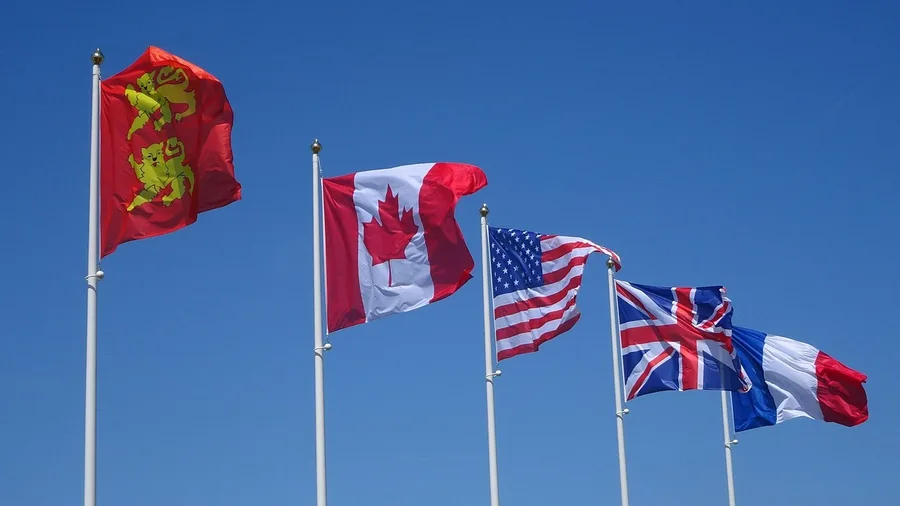
French is the official language of Monaco, used in all government documents, legal proceedings, and within the education system.
However, English is very common across many sectors, especially in business, tourism, and luxury retail. You'll hear it spoken frequently among the international community and in most high-end establishments. Due to the principality's border with Italy, Italian is also a language you'll encounter often.
You can certainly get by with English for basic interactions, such as ordering food or asking for directions in central areas. Most hotels and major shops cater to English speakers without issue.
Yet, to truly engage with daily life beyond surface-level interactions, a good grasp of French is incredibly helpful. It makes dealing with public services far easier, opens up conversations with local shopkeepers, and deepens your social integration.
While English allows you to get by, being able to speak French is the way to really connect with the local culture and feel like a part of the community, rather than just a visitor.
💡 PRO TIP
Start French Lessons Early
Even basic French makes a huge difference. Enroll in a language course before you arrive or seek out local tutors to speed up your integration and daily interactions.
Getting around is easy by foot or public transport

Getting around Monaco is genuinely easy, primarily because the entire principality is small enough to cover most daily distances on foot.
You'll find yourself walking to the supermarket, to work, or for dinner without needing to think about other transport options. The whole 0.8 square miles is designed for pedestrian convenience.
When walking isn't practical, an efficient bus network provides excellent coverage. The multi-line system connects all districts, navigating the steep terraced levels and reaching popular spots like the Palace or the Casino Square. A single fare is typically around €2, making it a budget-friendly option.
Owning a car in Monaco comes with significant downsides. Parking is limited, often expensive, and finding a spot can be a daily hassle, even in purpose-built underground garages. Traffic congestion is also a regular issue, especially during peak hours on the main coastal roads.
Between walking and the comprehensive bus system, a personal car is largely unnecessary for your daily commutes and errands within Monaco. You will likely find it more of a burden than a convenience.
Transportation in Monaco: Car vs. Public Options
Personal Car
- Limited parking availability
- High parking costs
- Traffic congestion during peak hours
- Often unnecessary for short trips
- Expensive rental/maintenance
Walk / Bus
- Primary mode for daily activities
- Extensive, efficient bus network
- Covers all districts and levels
- Cost-effective and environmentally friendly
- No need to find parking
Residency requires substantial financial proof
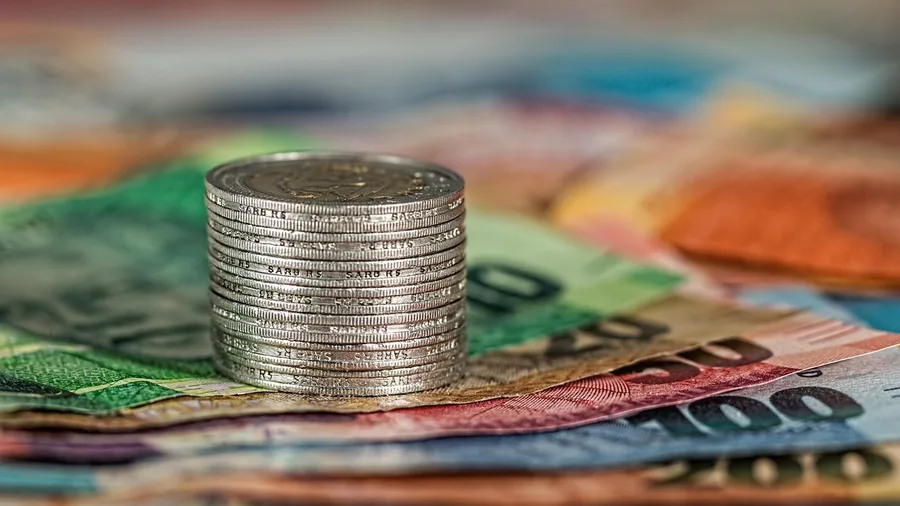
Accessing Monaco's convenient, efficient lifestyle, however, requires you to meet specific and substantial financial and residency requirements right from the start. This isn't a place you move to on a whim; the process is thorough and designed to ensure you can fully support yourself without becoming a burden on the state.
You will need to demonstrate significant financial independence. A key part of this means holding substantial funds, such as €500,000, in a local Monaco bank account for the entire duration of your residency.
Equally important is securing suitable accommodation. Before you even submit your residency application, you must provide a signed lease agreement or a property deed for an approved Monaco residence.
Beyond the financial proof and housing, you must also provide a clean criminal record from your home country. This multi-layered vetting process is strictly adhered to, underscoring the principality's commitment to a self-sufficient resident population.
It is a serious commitment.
✅ Steps to Monaco Residency
Prepare Documents
Gather essential personal and financial documents, including passport and proof of origin.
Secure Accommodation
Obtain a signed lease agreement or property deed for a Monaco residence.
Financial Proof
Deposit the required substantial funds, such as €500,000, into a local Monaco bank account.
Criminal Record Check
Acquire an official clean criminal record from your country of origin.
Submit Application
File your complete residency application with the Monegasque authorities.
Interview & Approval
Attend an interview with officials, await a decision, and receive your resident card.
The compact size can feel limiting over time

Once you've cleared the hurdles for residency, the convenience and efficiency of Monaco's compact size can, over time, also feel genuinely limiting for daily life. While everything is close, there isn't much variation within the borders.
You will notice a distinct lack of vast open spaces, large natural parks, or expansive, diverse landscapes right in Monaco itself. This is an intensely urban environment, not a sprawling wilderness.
For activities requiring more room, such as extensive hiking trails, wide-open beaches beyond the city, or larger shopping centers with more variety, you will often need to travel outside the principality, typically to nearby France or Italy.
Despite its international population and global flair, the confined geography can sometimes lead to a sense of 'small-town syndrome' for some residents, with a repeating pattern in everyday experiences and local social circles. It's a city where you quickly get to know everyone and everything.
Don't expect spontaneous natural escapes.
Life revolves around the city, not quiet nature

That feeling of limitation is very much tied to Monaco's intensely built and urban environment, where daily life truly revolves around the city, not quiet nature. You are surrounded by concrete, high-rises, and meticulously designed infrastructure everywhere you look.
For those moments when you crave extensive natural escapes like mountains, uncrowded beaches, or rural landscapes, you will typically travel to the nearby French and Italian Rivieras. They offer the expansive scenery Monaco lacks.
Within the principality itself, green spaces are limited to carefully maintained public parks, like the Japanese Garden or Fontvieille Park. These serve as beautiful, manicured urban oases, but they are still very much within the city's confines.
Ultimately, your daily life here centers on urban amenities, cultural events, and the principality's bustling, vibrant atmosphere. If you are looking for quiet natural surroundings as part of your everyday existence, you will find you need to plan to leave the city often.
It is a city dweller's lifestyle.
Monaco Lifestyle Suitability
- Urban Efficiency — Compact size means short commutes, easy access to amenities.
- Global Community — Diverse population fosters rich cultural exchange and social connections.
- Limited Expansive Nature — Requires travel outside for extensive natural landscapes and quiet retreats.
- High Cost of Living — Everyday expenses for housing and goods are among the world's highest.
- 'Small-Town Syndrome' — Confined geography can lead to a sense of repetition over time for some.
- Sprawling Outdoor Activities — Not ideal for those seeking immediate access to vast wilderness or rural life.
Frequently Asked Questions
Is Monaco truly tax-free for residents?
For Monegasque citizens and foreign residents (excluding French nationals under a specific treaty), there is generally no income tax, wealth tax, or local tax. This is a significant draw, but high daily living costs offset some of this advantage.
Can a regular person afford to live in Monaco?
Affordability depends entirely on your definition of 'regular'. While not exclusively for billionaires, a substantial income is required due to extremely high housing costs and inflated everyday expenses. Many residents are professionals or business owners.
How easy is it to visit Monaco as a tourist?
Visiting Monaco as a tourist is straightforward. It is easily accessible by train or car from Nice, France, and requires no special visa beyond what is needed for the Schengen Area. You can explore many attractions in a day.
Are there good schools in Monaco for families?
Yes, Monaco offers several reputable international and private schools, many following French or British curricula. These cater to the diverse expat community and provide high-quality education, though enrollment can be competitive.
What is the best time of year to consider a move to Monaco?
Spring (April-June) and early autumn (September-October) offer pleasant weather and fewer crowds, making logistics like apartment hunting and administrative tasks more comfortable. Avoid peak summer when tourism is at its highest.
What are the job opportunities like for non-super rich residents?
Opportunities exist in finance, luxury retail, hospitality, yachting, and tourism sectors. However, the job market can be competitive, and proficiency in French, alongside relevant skills, significantly increases your chances of securing employment.
Beyond the Headlines: Is Monaco Right for You?
Monaco life suits those prioritizing urban efficiency, security, and a vibrant international community, often for specific financial advantages. It is not for anyone craving expansive personal space or abundant natural wilderness.
Beyond the dazzling image of wealth, daily life here is a highly specific, disciplined urban existence with clear practical realities.
The core trade-off is embracing a high-cost, compact city lifestyle for its unique conveniences and global connections. This demands adaptation to its singular rhythm, not just a deep bank account, to decide if that intensely urban reality is truly your fit.
Explore Monaco's Neighborhoods
Understand which districts truly suit your lifestyle and budget within the principality's unique geography.