
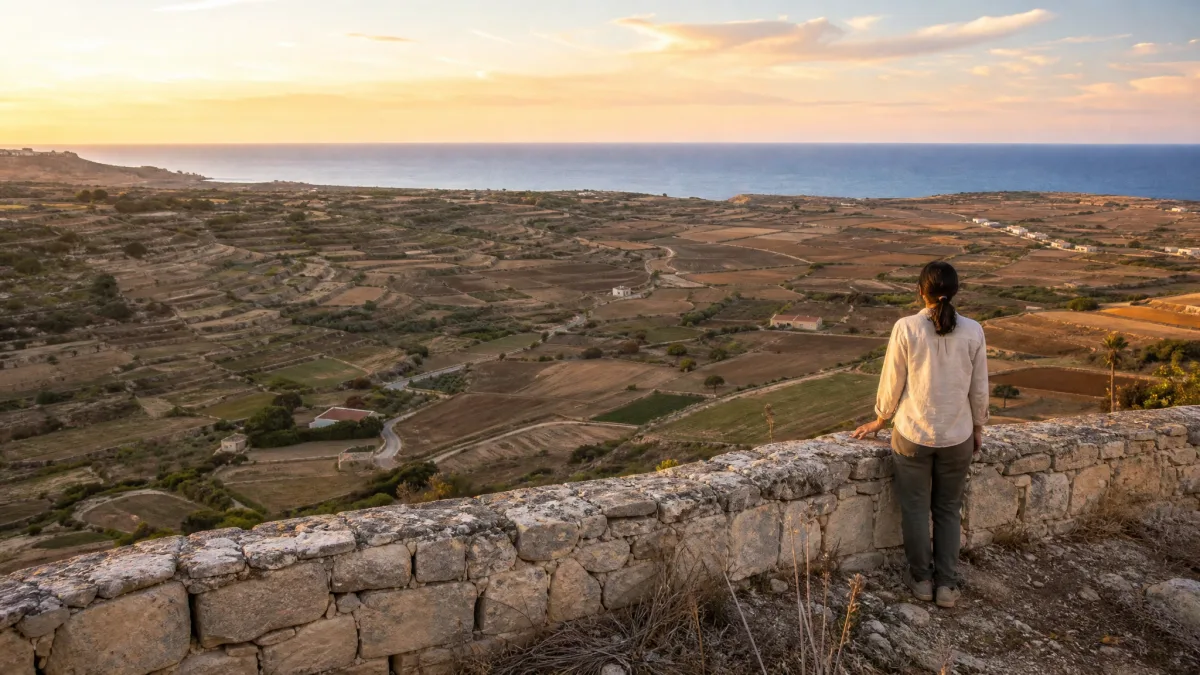
Ten countries on this list have land priced under $1,500 an acre at the low end – and every one of them connects a real estate purchase to a citizenship or naturalization pathway backed by law.
The idea feels clean: buy a plot somewhere affordable, collect a second passport, move on. What breaks that logic is the gap between the land price and the citizenship investment threshold. In most programs those are two entirely different numbers, and in the Caribbean they are two entirely different categories of purchase. Raw acreage does not automatically qualify – it has to sit inside an approved development, meet a minimum total value, or clear conditions that vary by country and change with legislation.
What is true: ten countries do link a land or real estate purchase to a passport or a residency track that eventually becomes one. The cheapest land on this list runs under $1,500 an acre. The fastest processing runs under sixty days. The most powerful outcome is a full EU passport. No single country delivers all three at once.
By the time you reach the bottom of the list, you will know which country matches your budget floor, your timeline ceiling, and what the passport actually opens for you – and you will know the one step to take before any money moves.
| Country | Typical rural land price (per acre) | Citizenship route | Approx. timeline to passport |
|---|---|---|---|
| Dominica | $1,000–$4,000 | Citizenship by Investment (CBI) | 3–6 months processing |
| Grenada | $5,000–$20,000 | Citizenship by Investment (CBI) | 3–6 months processing |
| St. Kitts and Nevis | $10,000–$30,000 | Citizenship by Investment (CBI) | 3–6 months processing |
| Antigua and Barbuda | $8,000–$25,000 | Citizenship by Investment (CBI) | 3–6 months processing |
| Vanuatu | $2,000–$8,000 | Citizenship by Investment (CBI) | 30–60 days processing |
| Turkey | $1,500–$6,000 (Anatolian interior) | Direct citizenship by real estate purchase | 3–6 months processing |
| Portugal | €3,000–€8,000 (Alentejo) | Golden Visa residency → naturalization | 5 years residency required |
| Panama | $2,000–$7,000 (Chiriquí) | Residency by investment → naturalization | 5 years residency required |
| Paraguay | $500–$2,000 | Residency by investment → naturalization | 3 years residency required |
| Georgia | $300–$1,500 | Residency by investment → naturalization | 6+ years residency required |
1. Dominica's Interior Land and Lowest-Cost Caribbean CBI
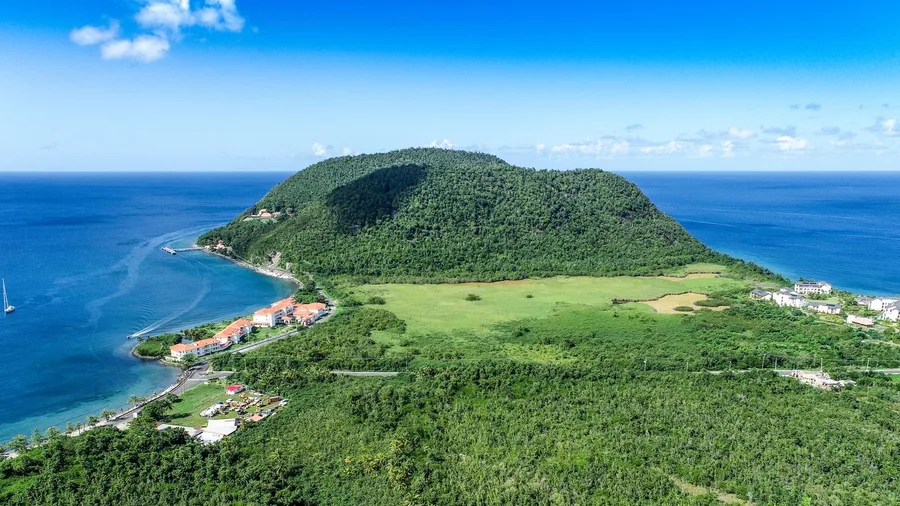
Start your search for the cheapest Caribbean citizenship here, not because the island is glamorous or the process is simple, but because no other program in the region consistently holds a lower investment floor – and for a buyer whose primary constraint is capital, that gap matters before anything else does.
The land price on Dominica tells you something useful and something misleading at the same time. A typical interior acre changes hands for somewhere between $1,000 and $4,000 – figures you will not see anywhere else in the Caribbean CBI world. What that number does not tell you is what citizenship costs, because those are two separate transactions governed by two separate sets of rules.
you cannot scout a cheap parcel in the interior, buy it independently, and present the deed as your CBI investment. The program only recognizes government-approved real estate projects. That approval requirement is the actual floor, and it sits above the raw land price – sometimes well above it. A buyer who skips this detail and moves straight to purchase has paid for land that does nothing toward a passport.
What you need to do before you contact a single agent or sign anything: go directly to the Dominica Citizenship by Investment Unit and ask for the current approved real estate investment minimum. That number changes. Any figure in a brochure, on an agent's website, or in an older article – including this one – should be treated as a starting point for your question, not an answer. The legal threshold is the only number that governs your eligibility, and only the official unit can confirm it is current.
The reason to do all of this work rather than simply waiting on a faster country is passport reach. Dominica's document opens a meaningful number of visa-free destinations for a small island nation – check the Henley Passport Index for the current count, since the ranking shifts. Against slower residency-to-naturalization tracks, that access comes in months rather than years, and at an investment floor that no other Caribbean CBI program consistently beats. That combination is the core argument for starting here.
💡 Tip: Ask the CBI Unit for the current list of approved real estate projects before talking to any developer — the list changes, and some advertised projects have lost approval status.
What Dominica's Land Price Does Not Tell You
Who Approves the Project
The Citizenship by Investment Unit publishes the list of approved real estate projects. A developer claiming approval is not the same as verified approval — pull the official list yourself before any conversation goes further.
The Gap Between Acre Price and Program Floor
Interior land at $1,000–$4,000 per acre tells you what raw soil costs, not what citizenship costs. The approved-project minimum sits above that figure — sometimes by a wide margin. Treat the land price as context, not a budget.
What Happens If You Buy Outside the Program
A freehold purchase of unapproved land gives you a title deed and nothing else. It does not start a clock, does not count toward any threshold, and cannot be retroactively folded into the CBI process.
Processing Time Is Not Guaranteed
The 3–6 month Caribbean CBI benchmark assumes a complete, clean application. Missing documents, due-diligence flags, or backlog at the unit can push that out. Ask the unit for its current average processing time when you verify the investment minimum.
Agents Quote Minimums That Suit Their Inventory
An agent selling a specific project has a commercial reason to quote the threshold that makes that project look eligible. The investment minimum you need is the one the government publishes today, not the one in a sales deck.
2. Grenada's CBI Program and Its U.S. E-2 Treaty Benefit
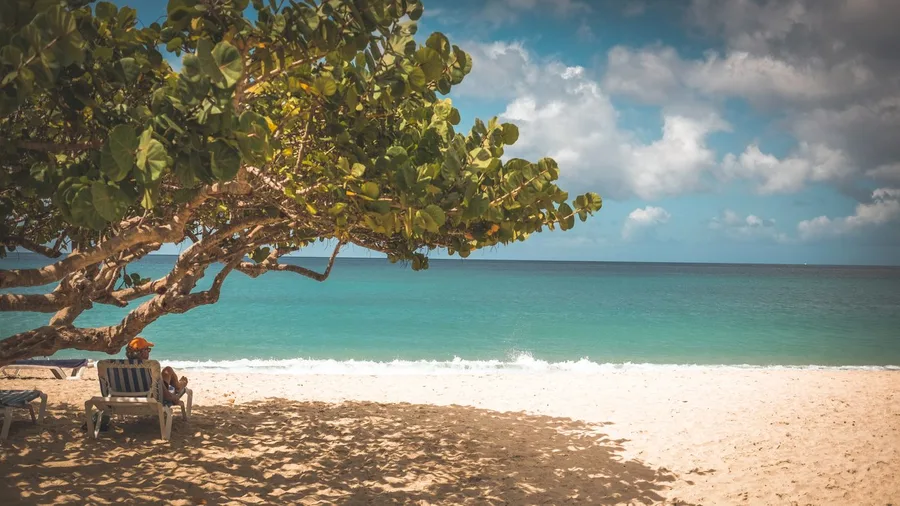
Grenada is the only Caribbean CBI country whose citizenship makes you eligible to apply for a U.S. E-2 treaty investor visa – and that one fact changes the entire cost-benefit calculation for anyone whose strategy does not end at the Caribbean passport itself.
Eligibility is not approval. Grenadian citizenship opens the application door; it does not guarantee you walk through it. But for a buyer who sees a future U.S. business investment in the plan, no other Caribbean program on this list offers even that door. Rural land in Grenada runs higher than Dominica – a typical acre sits somewhere in the $5,000 to $20,000 range – and the same approved-project-only rule applies, so the land price and the citizenship cost are still two different numbers. Contact the Grenada Citizenship by Investment Unit directly for the current real estate investment minimum before treating any agent's figure as authoritative. Processing runs roughly 3 to 6 months as a general benchmark, so the passport is not instant, but the U.S. treaty angle is the reason to pay the premium over the cheapest Caribbean entry point.
Caribbean CBI — What People Get Wrong
3. St. Kitts and Nevis, the World's Oldest CBI Program
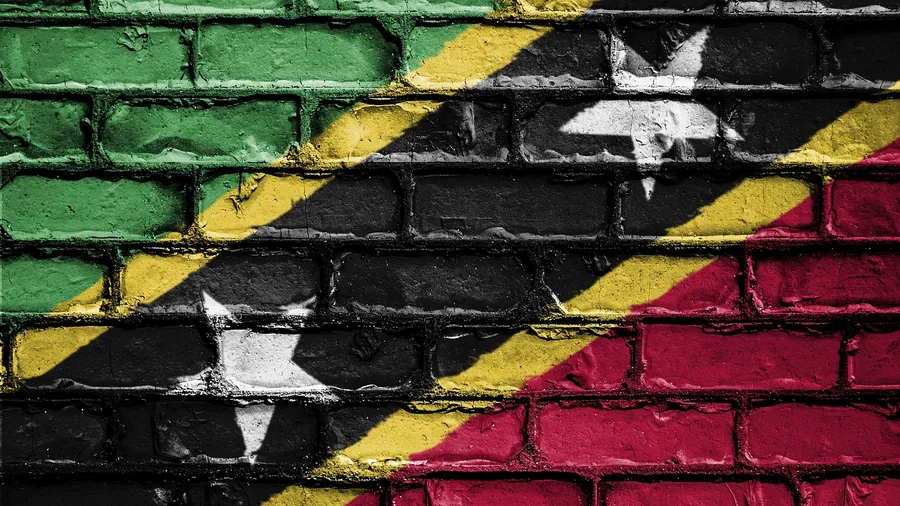
The weight of forty years of institutional use is not something you can see in a land price or a processing timeline – but you feel it the moment a bank compliance officer in Zurich or Singapore recognizes the passport without a second look, or a border officer waves it through without pulling up a reference sheet. St. Kitts and Nevis launched its citizenship by investment program in 1984, and no other program anywhere has been running longer.
That track record is the practical argument for this entry. The passport has survived multiple rounds of international scrutiny, pressure from FATF reviews, and shifts in global compliance standards – and it is still here, still recognized, still accepted. Banks in major financial centers have seen it for decades. For a buyer whose primary anxiety is not cost but durability – whether the citizenship will be questioned, whether the document will be recognized without friction years from now – the 1984 founding date is the most concrete reassurance on this list. Land on the islands runs from around $10,000 to $30,000 per acre, which is the highest raw price among the four Caribbean countries covered here, but an independent land purchase does not qualify for the CBI route regardless of price – only government-approved development projects count. For the current real estate investment minimum and the official roster of qualifying projects, contact the St. Kitts and Nevis Citizenship by Investment Unit directly.
💡 Tip: The 1984 founding date is the most useful single fact here for anyone whose primary concern is that the passport will be recognized without friction at major international hubs.
4. Antigua and Barbuda's CBI with Residency Obligations
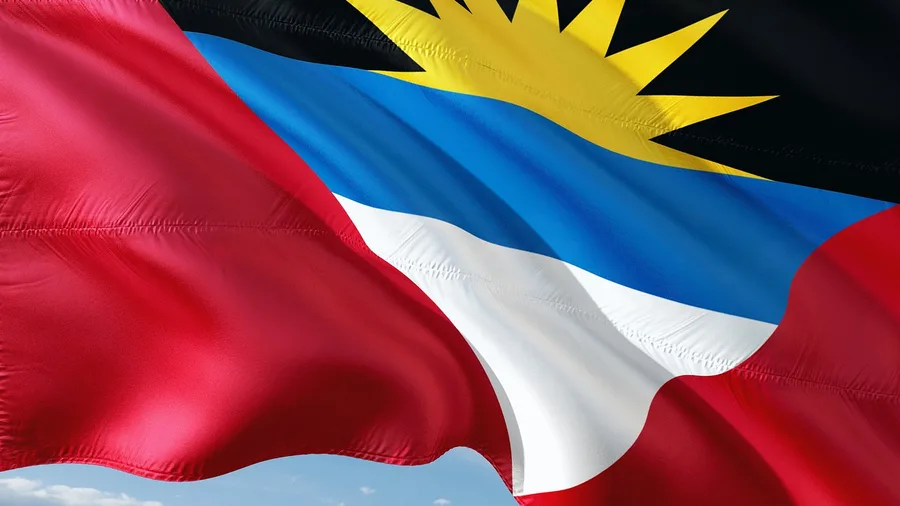
Antigua moves at roughly the same processing pace as the rest of the Caribbean citizenship-by-investment tier – but it carries a condition that buyers focused purely on the document tend to miss until after they have signed: citizenship here is not a one-time transaction. Holders must return to the islands annually to meet a minimum physical presence requirement or risk losing the status they paid for. That is an ongoing obligation attached to the passport for life, not a box to tick at the naturalization stage.
The Antigua and Barbuda Citizenship by Investment Unit holds the current legally set figure for how many days per year that requirement demands – get it directly from them, because agents routinely quote numbers that lag behind legislative updates. Rural land across the twin islands runs $8,000 to $25,000 per acre, which sits in the middle of the Caribbean CBI range, and the same approved-project rule that governs every other Caribbean program applies here: private parcels do not qualify, only government-designated developments do.
For a buyer whose strategy is to hold a second passport and spend the next decade somewhere else entirely, that annual return obligation changes the calculus in a way that some of the other programs on this list do not. Contact the official Citizenship by Investment Unit for the real estate investment minimum before any purchase agreement is drafted – and treat the residency condition as a hard logistical cost to budget alongside the land price itself.
⚠️ COMMON MISTAKE
Never Sign Before Calling the Official Unit
Every Caribbean CBI program has an official government unit that publishes the current investment minimums and the current approved project list. Third-party agents regularly quote outdated figures or list projects that have lost approval status. Verify directly before any purchase agreement is signed — the government unit contact is the only number that matters.
5. Vanuatu's Pacific Island Land and Fastest Processing on Earth
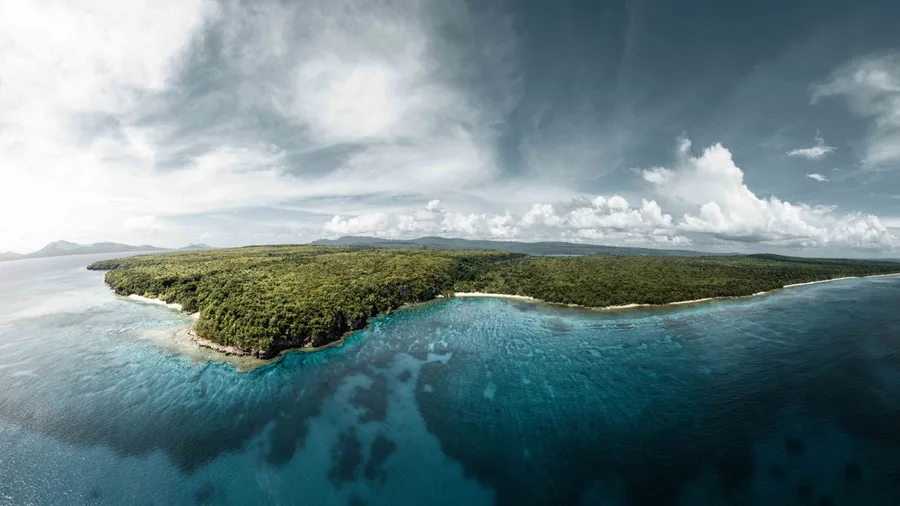
You check the calendar and realize you have eight weeks before a visa lapses, a business entity needs to be restructured, or a travel window closes. That is exactly the scenario Vanuatu was built for. The processing benchmark here is 30-60 days – the fastest citizenship-by-investment timeline anywhere in the world – and it is the only realistic answer when a deadline is the primary constraint, not a budget or a passport ranking.
That 30-60 day figure is a typical benchmark, not a contractual promise. Individual cases vary, and you should never sign a business contract or book a one-way flight that depends on a specific passport issue date. Rural land in Vanuatu runs $2,000-$8,000 per acre – cheaper per acre than most Caribbean alternatives – but the land price is context, not the citizenship cost; the qualifying investment is a government-set minimum, and you verify that directly with the Vanuatu Financial Intelligence Unit or the official program authority.
The honest trade-off is reach. Vanuatu's passport opens fewer visa-free destinations than any of the Caribbean CBI options. Before deciding that six weeks beats six months, check the Henley Passport Index for the current count and compare it against where you actually need to travel. Speed is a legitimate priority. Just make sure it is worth what you are giving up in access.
Direct CBI vs. Residency-to-Naturalization Track
Direct CBI (Caribbean + Vanuatu + Turkey)
- Passport issued in months, not years
- No minimum stay required (except Antigua)
- Investment threshold is fixed and clear
- Program approval is binary — you qualify or you don't
- Vanuatu processes in as little as 30 days
Residency Track (Portugal, Panama, Paraguay, Georgia)
- 3–6+ years before naturalization eligibility
- Physical presence in-country typically required
- Rules can change during your residency period
- Portugal delivers an EU passport — the others do not
- Paraguay and Georgia offer the lowest land entry costs
6. Turkey's Anatolian Interior Land and Real Estate Citizenship Route

$1,500 per acre is a real price for agricultural land in Anatolia's interior. It is also essentially irrelevant to whether you qualify for Turkish citizenship – because the eligibility test is not on price per acre, it is on total purchase value against a government-set legal minimum. A buyer who accumulates a large holding of cheap farmland and tries to apply it toward citizenship will be denied if the combined purchase value falls short of that threshold. The acreage does not matter. The total number is what counts.
Coastal Turkish property runs many times higher than interior agricultural land – that geographic gap is real and significant. But citizenship eligibility does not care whether your land is in a coastal resort town or a wheat-growing plateau three hours from the nearest airport. A smaller, more expensive coastal property that clears the minimum qualifies. A larger, cheaper inland parcel that falls below it does not. For the current legal minimum purchase value, contact the Turkish Directorate General of Migration Management directly. Agent figures and older publications are routinely out of date on this number, and getting it wrong costs more than the verification call.
Turkey grants citizenship directly on purchase – no five-year residency track, no language test, no annual presence obligation. Processing runs approximately 3-6 months, a similar benchmark to the Caribbean CBI programs. The practical difference is geographic footprint.
The Turkish passport is not a Schengen document, so buyers expecting EU-style freedom of movement should look elsewhere on this list. What it does provide is genuine utility across a broad regional network: Turkey sits at the crossroads of Europe, the Middle East, Central Asia, and North Africa, and the passport reflects that position. It carries real weight for business travel and regional connectivity in ways that a smaller Caribbean passport simply does not.
A glass of Turkish cay – the small tulip-shaped tea served everywhere from government offices to real estate signing tables – costs almost nothing and gets refilled without asking. It is an apt metaphor for the country's hospitality toward investors: the entry gesture is easy, the terms underneath are specific. Know the threshold before you arrive.
💡 Tip: Have a Turkish real estate lawyer — not the developer's lawyer — verify that any specific property meets the current CBI eligibility criteria before you transfer funds.
Turkey CBI — At a Glance
🌾 Coastal vs. interior land price gap
Interior from $1,500/acre; coastal multiples higher — eligibility ignores both
⚖️ What disqualifies a large cheap holding
Total purchase value below the legal minimum — acreage alone never qualifies
⏱️ Processing benchmark
3–6 months (no annual presence obligation during that period)
🌍 Passport travel zone
Not a Schengen document — strongest utility in Middle East, Central Asia, North Africa corridors
📞 Verify current minimum with
Directorate General of Migration Management — agent figures are routinely outdated
The trap to avoid
Buyers assembling multiple cheap interior parcels to hit the threshold on acreage alone — Turkey counts total purchase value, not total land area. Confirm the current figure officially before signing anything.
7. Portugal's Alentejo Land and the Five-Year Path to an EU Passport

Portugal is the only country on this list that ends with a full European Union passport – the kind that lets you live in Lisbon this year, transfer to Berlin next year, and retire in Valencia the year after that without ever applying for a work permit. Every other option here gives you access to specific countries or regions; this one gives you the entire bloc. That distinction is worth stating plainly before anything else, because it changes how you should think about the five-year wait.
The purchase itself – typically land in the Alentejo at roughly €3,000 – €8,000 per acre, cheaper than buying a house abroad in most Western European markets – buys you a Golden Visa residency permit, not a passport. Naturalization eligibility opens only after five years of maintained legal residency, and the eligible investment categories have shifted more than once in recent years. Contact Portugal's AIMA directly to confirm which property types currently qualify before treating any specific parcel as a valid entry point. If your horizon is shorter than five years, or you cannot commit to maintaining residency throughout, the land price is irrelevant – the route simply does not work for you.
Which Route Fits Your Situation?
- Need a passport within 12 months and can meet a direct CBI minimum — Caribbean CBI or Turkey — both process in months with no residency wait required.
- Have a 3–5 year horizon and a lower capital budget — Paraguay (3 years) or Panama (5 years) — lowest land costs on the list outside Georgia, realistic residency tracks.
- Primary goal is EU access, willing to wait five years — Portugal Golden Visa — the only EU passport on the list; verify current qualifying categories with AIMA before purchasing.
- Need speed above all else, passport reach is secondary — Vanuatu processes in 30–60 days but opens fewer visa-free destinations than Caribbean options — confirm current Henley ranking first.
- Antigua CBI appealing but you plan to never visit — Antigua imposes a minimum annual physical presence obligation — confirm the exact day count with the CBI Unit before committing.
- Buying raw Caribbean land cheaply and expecting CBI credit — Only government-approved real estate projects qualify for CBI in every Caribbean country. Independent land purchases do not count toward the investment threshold.
8. Panama's Chiriquí Highlands Land and Residency-to-Citizenship Track
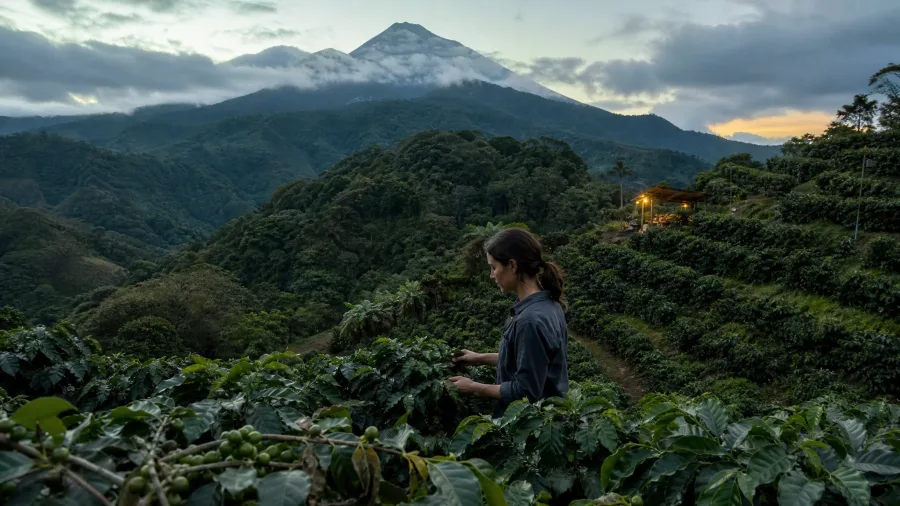
In Panama, yes – but the word 'get' needs a calendar attached to it. Land in Chiriquí province, a highland agricultural region with a cooler climate and some of the most productive farmland in the country, runs $2,000-$7,000 per acre. That entry cost sits well beneath any Caribbean direct-citizenship program. What it buys is residency – immediate residency – and a five-year clock that starts from the date residency is approved, not from the date you sign the land purchase agreement.
The practical gap most buyers miss is language. Panama requires demonstrable Spanish proficiency for naturalization, and a land title does nothing to fill that gap. Factor in a realistic study timeline alongside the legal residency period – five years is enough time to reach conversational fluency if you start early, but not if you treat it as an afterthought in year four. For current investment minimums and which residency programs accept a real estate route, go directly to Panama's Servicio Nacional de Migración; the qualifying structures have multiple tracks and the thresholds change.
Against Caribbean CBI alternatives, Panama's residency route is genuinely competitive on cost and documentation requirements. The trade is time: five years of legal presence instead of a passport in three to six months. For a buyer who wants eventual citizenship without the direct-CBI premium and has no deadline forcing the issue, that trade is often the right one.
9. Paraguay's Agricultural Land and Three-Year Naturalization Track
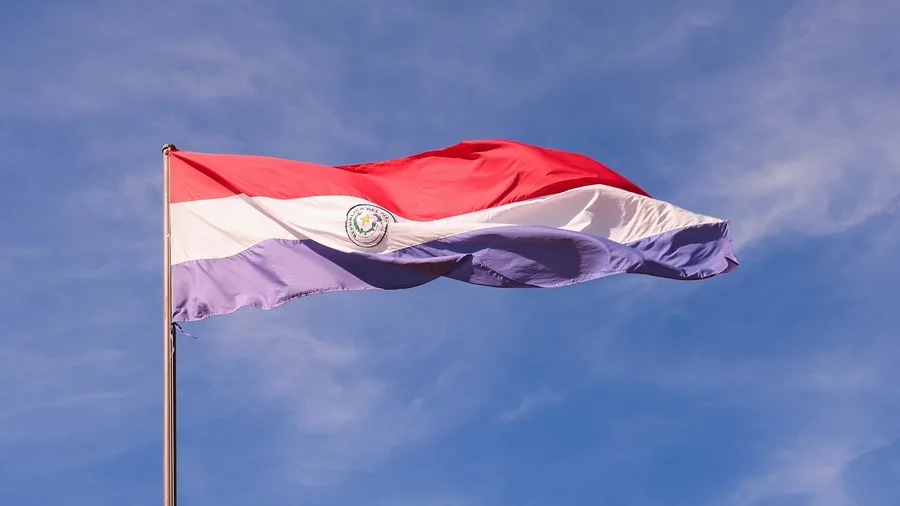
$500 to $2,000 per acre – that is the range for agricultural land in Paraguay, and no other country on this list comes close to the lower end of it. Pair that with a three-year residency-to-naturalization track, the shortest of any residency-based route here, and the value calculation looks hard to beat. For current residency requirements and qualifying investment thresholds, contact Paraguay's Dirección General de Migraciones directly before treating those numbers as the full picture.
The real condition attached to both the price and the timeline is physical presence. Paraguay is not structured for absentee investors – the residency requirement means time actually spent in the country, building enough of a life there to satisfy the naturalization process. Buyers who want a passport mailed to a forwarding address while they live elsewhere should move up the list. For a buyer who is genuinely prepared to live on a modest monthly budget in South America for three years, that condition is not a penalty – it is the mechanism. The Paraguayan passport carries more limited visa-free reach than any EU or Caribbean option on this list; consult the Henley Passport Index for the current count. You are trading passport power for the lowest land entry cost on the list and the fastest residency clock available.
💡 Tip: For a budget-constrained buyer genuinely willing to spend three years building a life in South America, Paraguay's combination of land cost and timeline is the strongest value on this list — the trade-off is passport reach.
🗓️ Residency-Track Citizenship: From Land Purchase to Passport
Verify Qualifying Investment
Contact the official migration authority to confirm the current investment minimum and eligible purchase categories before signing anything.
Complete the Land or Real Estate Purchase
Close the purchase with a local attorney — not the seller's lawyer — and confirm title is clean and the property meets program criteria.
Apply for Residency Permit
Submit the residency application with proof of investment; the naturalization clock starts from the date of residency approval, not purchase.
Maintain Legal Residency
Meet the minimum physical presence requirement each year; track entry and exit stamps carefully because gaps can reset the clock.
Apply for Naturalization
After the required residency period (3 years Paraguay, 5 years Panama and Portugal, 6+ years Georgia), submit the naturalization application with your residency records.
10. Georgia's Rural Land, Flat Tax Appeal, and Long Naturalization Road
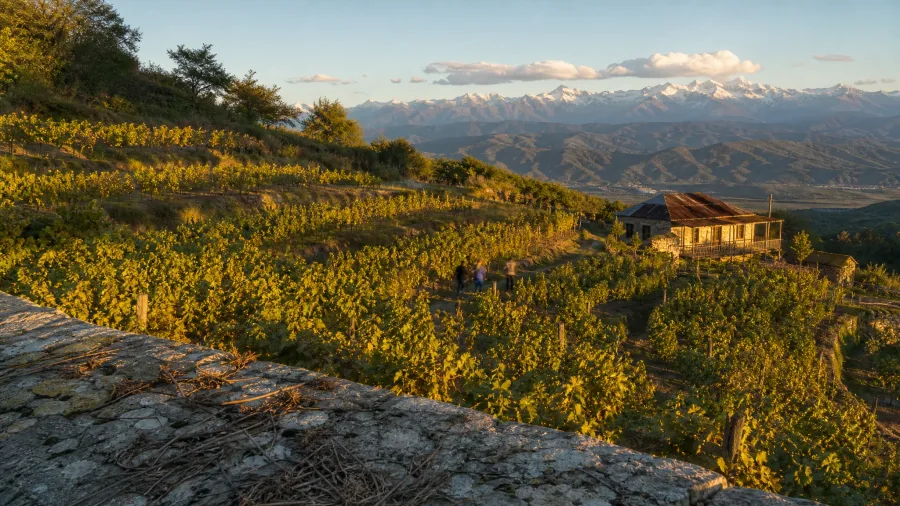
At $300 to $1,500 an acre, Georgian rural land costs less than anywhere else on this list – often by a wide margin.
That floor price draws two distinct buyer types: traditional investors who want acreage at the lowest possible entry cost, and entrepreneurs or remote workers who notice that Georgia pairs its land prices with a flat income tax structure designed to attract business activity. For the current tax rate, go directly to the Georgian Revenue Service rather than trusting a number in any secondary source, because tax policy shifts.
The citizenship road is the longest here, and saying that plainly matters: naturalization typically requires six or more years of legal residency. A separate investment fast-track route exists, but it carries its own qualifying conditions – contact the Civil Registry Agency of Georgia for current thresholds before treating it as a shortcut. The residency-by-investment pathway is where you start; the low land price makes getting in affordable, but you need to be honest with yourself about a six-plus-year commitment before you sign anything.
The resulting passport opens reasonably free movement across the Caucasus and parts of the former Soviet space, but it does not include Schengen Area access. That is a real constraint compared with every Caribbean, Turkish, and EU option covered earlier in this list. Georgia is the right fit for one specific person: an entrepreneur or remote worker who genuinely plans to spend years building something there, wants the lowest possible cost of entry, and can operate comfortably within a passport that handles regional mobility well but was not designed for someone whose life runs through Paris or New York.
Frequently Asked Questions
Can I really buy any piece of land in these countries and get citizenship?
No — and this is the most important distinction on the whole list. In Caribbean CBI countries, only purchases within government-approved real estate projects count toward citizenship eligibility. In residency-track countries, the land purchase buys you a residency permit, not a passport, and citizenship comes years later after meeting all naturalization requirements.
Which country is genuinely the fastest route to a second passport?
Vanuatu processes in approximately 30–60 days, making it the fastest citizenship-by-investment program cited worldwide. Caribbean CBI countries benchmark at 3–6 months. Both are direct citizenship routes with no multi-year residency wait, unlike Portugal, Panama, Paraguay, and Georgia.
Which of these countries eventually gives me an EU passport?
Portugal is the only country on this list that leads to an EU passport. The Golden Visa grants residency, and after five years of maintaining legal residency you become eligible to apply for naturalization — which then carries full EU freedom of movement rights. No other country on this list provides that outcome.
Is the cheapest land price the best deal overall?
Not necessarily. Georgia has the cheapest land at $300–$1,500 per acre, but also the longest naturalization road at six or more years. Paraguay combines low land cost ($500–$2,000 per acre) with a three-year residency track, which is a stronger value combination if you are willing to live there. The right calculation weighs land cost against timeline and passport reach together.
Do any of these programs require me to actually live in the country?
Yes — all residency-track programs (Portugal, Panama, Paraguay, Georgia) require meaningful physical presence during the residency period. Among the direct CBI countries, Antigua and Barbuda imposes a minimum annual physical presence requirement even after citizenship is granted. Dominica, Grenada, St. Kitts and Nevis, Vanuatu, and Turkey do not impose the same ongoing stay requirements — verify current rules for each with the official authority.
How do I know the program I am applying for will not change before I get my passport?
You cannot guarantee it. Every program on this list is subject to legislative change, and several Caribbean and European programs have changed qualifying categories in recent years. The only practical protection is verifying current rules directly with the official government authority at the start of your process, and again before you transfer any funds. Do not rely on an agent's representation or an article more than a few months old.
Wire the Money and Board the Flight
If you need a passport inside twelve months and have the capital, the direct CBI programs are your only realistic lane – Dominica for the lowest cost entry, Grenada if U.S. E-2 treaty eligibility matters to you, St. Kitts if institutional track record is the priority, Vanuatu if speed is the single overriding factor. If the end goal is an EU passport and you have five years and a genuine intention to maintain Portuguese residency, Portugal is the only country on this list that delivers it – full stop.
For buyers building toward a passport over years on a tighter budget, Paraguay ranks first on value: sub-$2,000 per acre land and a three-year residency clock, provided you will actually spend that time in-country. Georgia offers the lowest land cost on the entire list but returns a passport with more limited reach and asks for six years or more. Panama sits between them – a five-year track with stronger passport utility and a Chiriquí land price that stays realistic.
Before a dollar moves, contact the official government program authority for whichever country matches that profile. Confirm that the current rules still match what this article describes, and verify directly which specific investment types and property categories qualify today – not through an agent quoting figures that help them close, not through a publication with an older date on it. The gap between a cheap acre and a valid passport is real in every country on this list. Knowing exactly what fills that gap, in the country that fits, is what turns a $300 acre in Georgia or a $1,000 acre in Dominica into something more than an interesting idea.
Start With the Official Program Authority
Before you talk to any agent or sign any purchase agreement, pull up the official government CBI unit or migration authority for the country you are targeting — the contact details are referenced in each section above. That one call confirms whether the current rules still match your plan.