

The clerk at the Mexico City immigration window stamps the page, turns the screen, and points at a date eight months out. That date, not the flight, is what this trip is about.
Start with who is doing this. A 38-year-old US remote designer, single, no dependents, about $6,800 a month coming in and $40,000 saved, is comparing countries now, before a lease renewal or a visa deadline makes the decision.
Advertised fast timelines hide the parts that matter: when the PR clock actually starts, whether months on a temporary permit count, what work is allowed while you wait, and which document really sets your earliest date. Pick the country whose clock starts soonest and whose income, presence and paperwork you can actually satisfy. Not the loudest fast claim. Then start the FBI background check and apostilles this week, because that paperwork is the slowest piece.
Quick Tips Before You Start
Date every number
Print the portal page or save the PDF with the date you checked it; rules shift between administrations.
Start the FBI check first
The background check and apostilles take weeks, and you need them for every country on your shortlist.
Separate fees from deposits
Government fees run a few hundred dollars; a deposit or investment can dwarf your entire move budget.
Count physical days
A fast clock is voided by long absence; calendar the required days before you book flights.
Where the clock runs fastest
This cluster is the short list: programs that grant permanent residency in months rather than years. Every figure here is dated to a portal check at publication — verify current rules before filing.
The test is not the label on the brochure. It is when the PR clock starts, whether time on a temporary permit counts, and whether you can switch visas without resetting it.
1. A short list grants PR in months, not years
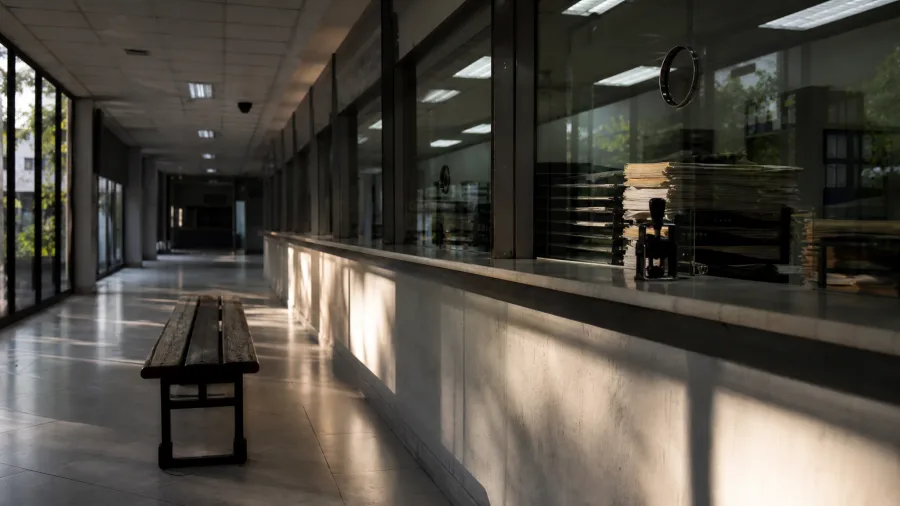
The Mexico City immigration office at eight in the morning smells like copier toner and wet pavement, and the queue already snakes past the security desk before the windows open. You are here to file for permanent residency by economic solvency, not a temporary permit you will renew for four years.
This is the cluster worth testing first. Mexico's economic solvency route (gob.mx/inm) and Panama's Friendly Nations visa (migracion.gob.pa) both issue permanent status on approval or after a short residence period; Singapore's Global Investor Programme (EDB, with PR handled through ICA) grants PR directly by investment. Each portal was checked and dated at publication – rules shift between administrations, and where the wording is unclear, follow the link rather than a blog. Rank every country on the same five things: when the PR clock starts, whether temporary time counts, whether a visa change resets it, whether you can work locally while waiting, and total government fees. By that measure Singapore is investment-only, so with $6,800 monthly and $40,000 saved, Mexico and Panama are the two to file against.
💡 Tip: Start with the portal page, not a blog: gob.mx/inm for Mexico, migracion.gob.pa for Panama.
| Country and program | Route type | When the PR clock starts | Time to permanent status (per official portal) | Government fees | Local work allowed while waiting |
|---|---|---|---|---|---|
| Mexico — Permanent Residency by Economic Solvency (gob.mx/inm) | Income/savings | On approval of permanent status | Months, if income or savings clear the threshold | A few hundred dollars, check portal | Yes, once permanent |
| Panama — Friendly Nations Visa (migracion.gob.pa) | Income/deposit | On approval of permanent status | Months, short residence period | A few hundred dollars, check portal | Yes, once permanent |
| Singapore — Global Investor Programme (edb.gov.sg) | Investment | On approval of PR | Direct PR, months after investment | High investment sum, check portal | Yes, once PR granted |
| UK — Skilled Worker route | Work permit → PR | After qualifying years on permit | Years, not months | Fees per application, check gov.uk | Yes, on the permit |
| Canada — Express Entry | Work permit → PR | After qualifying years on permit | Years, not months | Fees per application, check canada.ca | Yes, on the permit |
2. Direct-to-PR programs skip the temporary years
You open the appointment page and there is no year field at all: the permit that comes back is permanent status itself, so nothing renews in twelve months and nothing has to be re-filed in five.
That is what separates these routes from the ones that only shorten the wait. A handful of countries issue PR in the approval: proven-income or retiree programs, of which Mexico's economic solvency route is the one most remote earners test first; investment programs, with Singapore's Global Investor Programme the loudest example; and ancestry or family routes where a parent or grandparent does the qualifying for you. Most people meet the first of the three, not the second or third: Singapore's investor route is priced far past a $40,000 savings balance, and it is the income route that gets a normal remote earner off the temporary treadmill. The requirements are all one kind of paper: a monthly income figure, a savings balance held for a set period, a deposit, or a property purchase, with the number printed only on the country's immigration portal and dated when the article checked it.
The real trade is money or family ties replacing years, and deposits or investment sums are measured in the tens or hundreds of thousands, larger than the whole move budget, quoted in local currency with a dollar figure at the publication date. The reader test is blunt: $6,800 a month and $40,000 in savings either clear the portal's threshold or they do not, and the only way to know which is to read the number on the official site rather than a blog. If they clear it, the reset risk disappears, because there is no second application to fail. If they do not, the next option is the short-clock country whose temporary years count from day one, where the wait is longer and the permit is the one that moves the clock.
💡 PRO TIP
Check the reset rule before you file
Switching from a tourist stay or a remote-worker visa into a permanent-residency category can restart the clock or require a fresh application. Ask the portal whether your current permit counts before you pay a filing fee.
3. Long-ladder countries are the benchmark to beat

The UK, Canada and most EU states run a two-step ladder: a work or residence permit tied to an employer or status first, PR after qualifying years, citizenship later. Confirm the current duration on the official site rather than trusting what you remember.
What the long route buys is a functioning labour market, public healthcare and a settled path to a passport. If your job, family or language already point one way, stop shopping for speed – the long ladder wins on work, healthcare and citizenship even with the wait. This route suits the person who needs a local salary or a passport soon; it does not suit the remote earner who only wants residence. Fast countries win the clock but lose on local salary, healthcare and passport, so weigh the total package, not the wait alone.
Fast-PR Planning at a Glance
What the fast routes ask in return
Here is where the fast claims meet the fine print: which permits count, whether income alone is enough, and how many days you must actually be present.
Read this section before you choose a country. The permit you hold while waiting decides whether the clock moves at all.
4. Time on a temporary permit may not count

Treat the permit you file for as a lane, not a ticket: some lanes count toward permanent residence day by day, and some gain you nothing no matter how long you stay in them. Mexico's temporary residency held with intent to convert is the version that feeds the clock; the tourist entry stamped at the airport is not. Panama's Friendly Nations route lands on permanent status directly, while the ordinary temporary permit most people take first is a separate track. In the UK, the Skilled Worker years count when you eventually apply to settle; months spent as a visitor or a student buy no credit toward it. Each country's immigration portal prints which permit categories are computable, and that list is the only one worth reading.
The trap is switching, because a change of category can set the counter back to zero instead of adding to it. Someone who enters as a tourist, moves onto a remote-worker visa, then applies under an income route may be asked to file as a first-time applicant, with a fresh fee and a fresh start date on the file. Two years spent in the wrong status look like progress and buy nothing. Ask the portal, in writing, whether the permit currently held counts and from which date the count begins, and get the answer before paying for translations of a file built on the wrong permit.
The easiest permit to get is often the slowest to pay off. Choosing the harder-to-qualify permit whose years count from the first day shortens the road even though it feels like more work at the start. For this reader, that means the income-based route in Mexico or Panama is worth the extra upfront proof precisely because the status it grants counts from day one.
5. Income, not a job offer, is what they test

Do not read the income threshold as a formality, because the same monthly figure can clear one portal and fail the next. A US remote designer bringing in about $6,800 a month with $40,000 in savings is a strong applicant in some programs and a borderline one in others, and nothing on a blog tells you which. The portal threshold is the only number worth quoting, and it is dated.
The fast routes are almost entirely income- and asset-based rather than employer-sponsored. Mexico's economic solvency route and Panama's Friendly Nations route do not ask for a local job offer, which is why they suit remote earners and not people who need a local salary. What they ask instead is proof: monthly income statements, sometimes a savings balance held for a set period, sometimes a deposit. Where the proof requirements sit and what a remote income qualifies for varies by country, so verify against the named portal before the move rather than after the flights.
Build the document set in parallel with the portal research, because it is shared across the shortlist and it is slow. Passport valid at least 18 months. An FBI background check. An apostilled birth certificate. Six months of income statements. Sworn translations of anything not in the local language. None of this depends on which country you eventually pick.
For this reader the eligibility question comes down to the income or savings test, and a job offer is not the lever that opens it. $6,800 a month and $40,000 in savings clear some portals and miss others, so the work is matching the figure to the right program rather than assuming a fast route is out of reach.
Read the income rule the way you would read a species list before a wildlife trip: you may see the animal, but only if you are in the right habitat, at the right time of year, looking for it. The right program is the habitat, the correct documentation is the season, and the portal is the field guide. Go in without checking and you will come back with nothing.
💡 Tip: Print six months of statements with the bank stamp; screenshots get refused at the counter.
6. Presence rules decide how fast you actually finish

A paper file proves income; it is the days actually spent on the ground that decide whether the clock keeps running, and the residence-based routes are the stricter of the two models. Mexico ties status to physical presence tracked against a yearly allowance, while the income and investment routes can be processed partly from abroad and sometimes run slower because of it.
Breach the absence limit and the consequence is a stalled file or a lost permit, not a warning. Map the first year against that allowance: month one, FBI check and apostilles; month two, translations and filing; months three to six, temporary housing and in-country steps; months seven to twelve, waiting on a decision, with every trip abroad counted against the permitted days.
Costs, checks and the catch
The application fee is rarely the expensive line. The money goes to flights, shipping, apostilles, translations and private health cover, and the time goes to background checks.
This part covers what stalls most files and what permanent residency actually buys you once it is granted.
7. Government fees are small next to the move
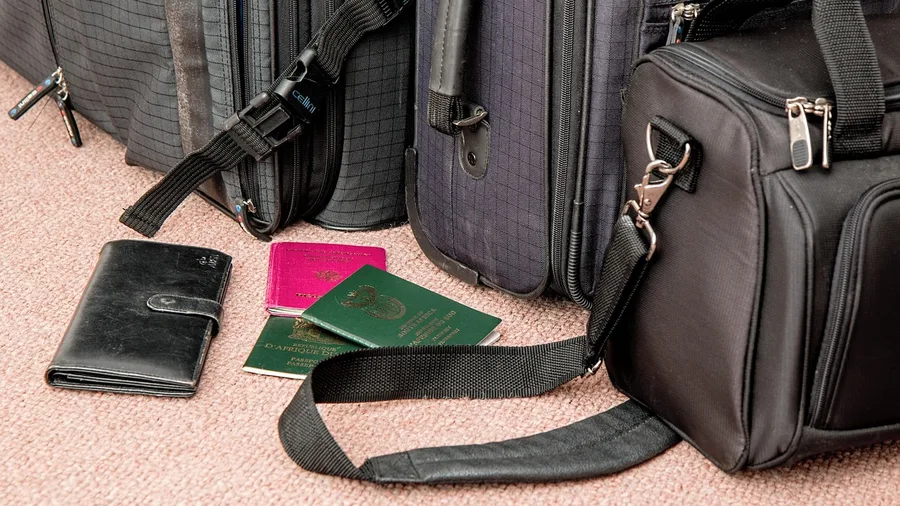
The move itself runs roughly $8,000 to $11,000, and government application fees are the smallest line in that total. Flights, shipping, one month of temporary housing, apostilles and sworn translations eat the budget before immigration has taken a dollar. You cannot settle the calendar until you know you can fund the balance, so put the bank statement next to the fee schedule.
A deposit or investment that buys citizenship is a separate number entirely. Some programs lock a fixed sum in a local account for a set period; some tie it to property; some return it and some do not, and the portal states which. Quoted in local currency with a dollar equivalent at the date you check, it can dwarf the $8,000 to $11,000 move budget several times over. The $40,000 in savings that clears an income test is not automatically the money that funds a deposit.
A local immigration lawyer is optional and common. The gain is document review and portal filing by someone who has watched files fail on a missing apostille or a certificate that went stale, which cuts refusal and re-file risk. The spending order that follows is unglamorous.
Fund the documents and any deposit in cash first, then worry about the application fee.
Leave margin for the second filing. A refusal costs the fee again, the lawyer again if you kept one, and a month on the calendar that the residency clock did not move. The cheap line is the one most likely to be paid twice.
8. Background checks and paper gaps fail more files

A refusal is not a cost you can budget, and it is the more common way a fast file loses months. Almost none of them turn on the residency clock. They turn on paperwork.
The standard set is the same across the shortlist: an FBI or police record, an apostilled birth certificate and civil certificates, six months of income statements, health cover where the program requires it, and sworn translations of anything not in the local language. Each portal publishes its own list, and the list is the only version worth working from. The FBI background check and the apostilles are the usual bottleneck.
The apostille queue is the closest thing to a meal you can order in advance, and it is not table service. Start it before the country is chosen, because the document set is shared and you can carry it to whichever portal you file with. A re-file costs a new fee and leaves the clock where it was, and the file that failed usually failed on a gap or a certificate that had gone stale. The earliest date you can realistically land is set by the background check and the apostilles, not by the flag on the portal.
9. Permanent residency is not citizenship and can lapse
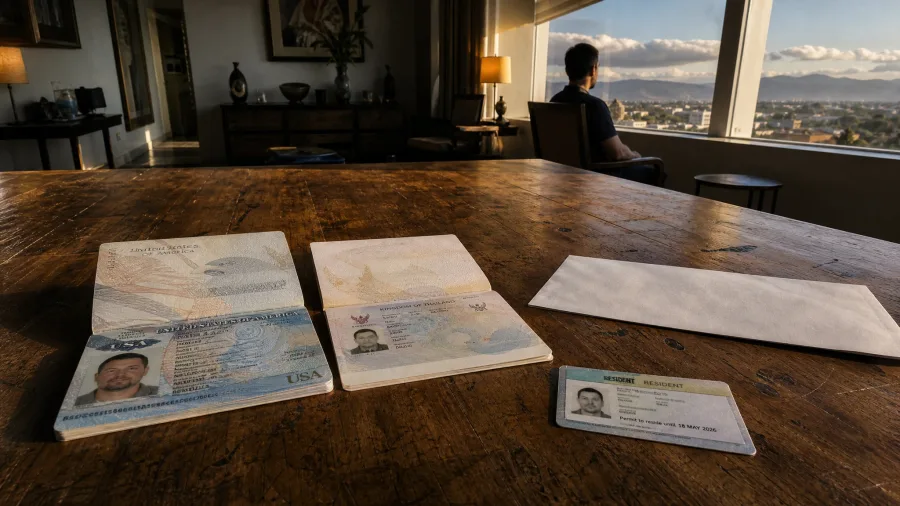
The card arrives in a plain envelope, and the renewal date printed on it is set years out, not decades. That date is the whole point: what you fought for is residence and the right to work, nothing else. No passport, no ballot, no consular help if you are arrested abroad. Citizenship is a different application, opened separately, usually after years of holding the card.
Miss the absence limit and the file stalls or the card is cancelled; the exact number of days sits on the immigration portal, not in a blog, so check it before a long trip home. Panama and Mexico each publish how much time outside the country the status tolerates, and the rules tighten or loosen with administrations, so re-read them the month before you book. Whether the country allows a second passport, and when you can apply for one, also lives on the portal, not on a forum. If a passport quickly is the goal, the long ladder wins; if residence is the goal, the fast card is enough.
10. Thin job markets and private healthcare are the trade-off

Permanent residence buys you the right to stay, not a job to stay for. An income-based approval in a fast country is a legal status and nothing more: it does not place you in an office, a client roster or a local payroll, and the money that got you approved is the money you live on after you land.
This is where the two sides of the trade become concrete. Every fast program that turns on income or savings assumes you bring the salary with you, so check what the local market actually pays a designer or a mid-level manager, and check it against $6,800 a month, because in most of the countries that hand over status quickly that figure sits above the local median by a wide margin. A resident permit that lets you work locally still leaves you hunting in a market where wages are set for local costs, not for a US salary. The healthcare side is the same shape: with no employer plan behind you, private cover is a monthly bill you pay yourself, and countries with first-world healthcare at low cost deserve a look, so read the caps on hospital stays and the waiting periods on pre-existing conditions and set them beside whatever your last US plan covered before you decide the number is manageable.
If your plan rests on earning locally once the paperwork clears, this route is the wrong tool: take the longer ladder to a country with a working labour market and accept the wait. If you arrive earning your own income, or with savings that cover the years ahead, the thin local market costs you nothing and the trade is easier than the wait it skips.
Fast PR vs the long ladder
Fast PR route
- Status in months, but local job market is thin
- Income or savings must cover you, no employer plan
- Private health cover is your bill, check exclusions
- Changing visas can reset the PR clock, verify
Long ladder route
- Years on a work permit, but time often counts
- Real local labour market with employer benefits
- Public healthcare and a defined citizenship path
- Slower, but wages and safety net are local
Frequently Asked Questions
Which country really gives permanent residency fastest?
The fastest clock typically belongs to Mexico's economic solvency route and Panama's Friendly Nations Visa, where permanent status can arrive on approval or after a short residence period. Singapore's GIP is direct PR but requires a large investment. Confirm current timelines on each official portal.
Can I get PR without a local job offer?
Yes, on income- and asset-based programs. Mexico's economic solvency route and Panama's Friendly Nations Visa are built around monthly income or a savings balance, not employer sponsorship. You will need six months of statements and proof of the balance.
Do the years I spend on a temporary visa count toward PR?
Only if you hold a permit the portal lists as computable. A tourist stay, student permit or some remote-work visas may not count and can reset your clock when you switch. Ask the portal before you file.
What will the move actually cost?
A realistic move budget is roughly $8,000–$11,000 for flights, shipping, one month of temporary housing, apostilles and sworn translations. Any deposit or investment sits outside that budget and is quoted by the portal in local currency.
What gets a residency application rejected?
Most refusals come from paperwork gaps: a stale FBI background check, an unapostilled birth certificate, or missing sworn translations. Start those documents before you choose a country, because they serve every shortlist option.
Does permanent residency lead to citizenship?
Not automatically. PR gives residence and work rights; citizenship is a separate application with its own timeline, and dual citizenship rules vary. Check the portal for whether the country permits dual citizenship and when the application opens.
Match the route to the life you can actually build
So decide by your situation, plainly. If you earn remotely and hold savings, take the income-based direct route, Mexico economic solvency or Panama Friendly Nations, and verify the threshold on the official portal before you file. If you need a local salary or a passport soon, take the long ladder in the UK, Canada or an EU state and accept the years it asks. Either way, the 38-year-old designer with $6,800 a month and $40,000 saved now has a shortlist ordered by when the clock starts, not by blogs.
Pick one country and request the FBI background check this week, then begin the apostilles. That paperwork, not the residency clock, sets your earliest date. The line the clerk points at is still the thing you are shopping for.
One folder, two documents, this week
Order the FBI background check and request apostilles for your birth certificate today; they are shared by every country on this list. Get them moving before you pick a portal.