
A second passport gets compared to a lottery ticket, and the comparison fails in one specific way: nobody draws your number, because the number is a date of birth on a grandparent's birth record or a bank balance you can document.
So start where the paperwork already is. You hold a US passport, you have $75,000 to $150,000 free for fees or investment, you can spend one to three months abroad a year, and you want the second passport in roughly five to eight years. Which country is easiest for that profile?
Most of the easy-looking names sell you residency, not a passport. Naturalization comes later, with language tests, presence rules, renewals or civic steps attached, and the few direct-passport routes skip all that by asking for far more capital and a due-diligence file that reads your bank statements line by line.
Easiest here means three things together: a clearly published route, a low physical-presence burden, and a passport that works where you travel. It is not legal advice and it is not a ranking of lifestyle.
By the end you will pick by situation, ancestry or remote income or retirement or capital, and you will know the first move: open the named government site and verify eligibility before you pay any agent. The route that fits your life beats the one that reads best.
Quick Tips Before You Start
Verify on the government site
Every threshold and timeline in this article changes; the immigration ministry's own page is the only version that counts.
Order records early
Ancestry routes stall on a single mismatched spelling, and a corrected birth certificate can take months.
Budget for renewals
Residency means permit fees, translations, apostilles and legalizations every cycle, not one payment.
Start the language now
Portugal, Spain, Italy and much of Latin America attach a language or civic test to naturalization.
Ask a licensed advisor
Tax, military service and dual-citizenship questions need both governments and a professional, not a blog.
1. Portugal's D7 Residency-to-Citizenship Route
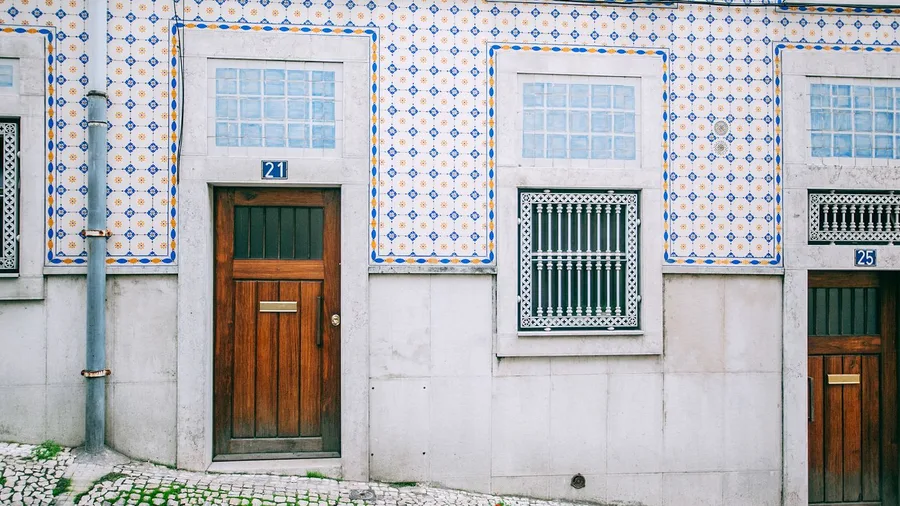
It can start that clock, but the permit itself is not citizenship – the D7 is a passive-income residency visa, and the passport sits years of renewals later. It fits remote workers and retirees who can show steady passive income and do not need a local job; someone who needs to earn inside Portugal is looking at the wrong document.
Run the profile against it honestly: 1 to 3 months a year in the country has to clear the renewal and physical-presence rules, and then Portuguese language and civic steps stand between the residency card and naturalization. None of that can be assumed from the permit. Check AIMA for the immigration side and IRN for nationality, and confirm the current income and timeline figures there before you start counting years toward a passport.
💡 Tip: Portuguese language and civic requirements sit between residency and passport. None of it can be assumed from the permit alone.
| Country | Route to second passport | Who it suits | Main trade-off | Official source to verify |
|---|---|---|---|---|
| Portugal | D7 passive-income residency, then naturalization | Remote workers, retirees with steady income | Renewals, presence, language and civic tests | AIMA and IRN |
| Spain | Non-lucrative residency | Retirees, financially independent applicants | Work restrictions, long residency-to-citizenship run | Consulate and Ministry of Inclusion |
| Italy | Jure sanguinis ancestry claim | Documented Italian parent or grandparent line | Missing records and consulate backlogs | Italian consulate or citizenship office |
| Ireland | Foreign Births Register | Irish-born parent or grandparent | Exact documents, months of processing | Foreign Births Register and passport services |
| Mexico | Temporary to permanent residency, then naturalization | Retirees, remote workers with stable support | Renewals, Spanish and civic conditions | INM and SRE |
| Panama | Pensionado or Friendly Nations residency | Pensioners, eligible professionals | Conditions differ by route; no direct citizenship | National Migration Service |
| Uruguay | Income-based residency | Retirees and remote earners | Presence and naturalization rules must be confirmed | National Migration Directorate |
| Paraguay | Low-cost permanent residency | Budget-conscious retirees and remote workers | Residency card is not a passport | Immigration and citizenship authority |
| Argentina | Rentista and pensionado residency | Retirees with reliable foreign income | Currency instability, appointment delays | National Migration Directorate |
| Costa Rica | Pensionado residency | Retirees with a stable pension | Citizenship is a separate process | General Directorate of Migration |
| St. Kitts and Nevis | Citizenship by investment | High-net-worth applicants passing due diligence | High cost and scrutiny | Citizenship by Investment Unit |
| Dominica | Citizenship by investment | High-net-worth applicants wanting speed | Cost, processing, visa-free access varies | Citizenship by Investment Unit |
2. Spain's Non-Lucrative Residency Path

You sit in a Madrid cafe with your laptop closed, working out that your foreign income pays the rent here – and then you read the fine print and realize the non-lucrative route may not let you touch that laptop inside Spain at all.
That is the trade: non-lucrative residency is built for people who support themselves without Spanish employment. It is a residence authorization, not a passport, and the work restriction is the part most remote earners skim past. Retirees and financially independent applicants fit cleanly; remote workers fit only if their work is allowed under the route, and job-seekers do not fit at all.
Spain follows the same residency-first logic as any passive-income route, but narrows the pool by barring local work. That makes it a stricter test than its neighbors, not a softer one.
The distance to a passport is long, and the residency-to-citizenship process adds presence and naturalization conditions that have to be checked officially rather than half-remembered from a forum thread.
Confirm the current financial and residence requirements on the Spanish consulate and the Ministry of Inclusion, Social Security and Migration immigration pages before you commit a year of your life to a visa that may block the very income that qualifies you.
⚠️ COMMON MISTAKE
Residency is not a passport
A residence permit lets you live somewhere. Citizenship is a separate application with its own clock, language test and background check. Count the years only after you have read the naturalization rules on the government site.
3. Italy's Ancestry-Based Citizenship Route

Expect to spend months, not weeks, chasing documents before a consulate even opens your file – and a single mismatched surname can reset the whole thing.
Jure sanguinis is the ancestry route: citizenship claimed through an Italian parent or grandparent lineage, not a residency program, so it skips the presence question entirely when Spain's work bar or any residency ladder rules out your remote income. It suits applicants who can document an unbroken line and stomach consulate paperwork; with no assumed ancestral claim, eligibility has to be proven, never presumed.
Missing records, name discrepancies and consulate backlogs are what stall these cases, and eligibility turns on documented lineage and consulate processing, not on a cut-off invented by a blog. Splitting a plate of cacio e pepe at a trattoria near the consulate costs a few euros and a long wait – check the Italian consulate or citizenship office for the line and the current rules before you pay anyone to hunt records.
💡 Tip: A single anglicized spelling on a 1910 census record can break the chain unless you fix it with a certified amendment.
Residency route vs. investment route
Residency route
- Fits a $75k-$150k budget over several years
- Requires renewals and real time abroad
- Language and civic tests usually apply
- Cheaper, slower, more documentation
Citizenship by investment
- Bypasses residency entirely
- Demands capital far above that budget range
- Heavy due-diligence scrutiny on source of funds
- Fast, expensive, less presence required
4. Ireland's Foreign Births Register Path

Before you book anything, know that the Foreign Births Register is a paper you register on, not a place you move to. It is an ancestry route, and registering does not by itself hand you a passport. It sets up eligibility to apply for one, and only for some descendants.
The test is which generation was born abroad. An Irish-born parent or grandparent is the line most applicants come to register through; go back further and the chain usually breaks against the official rules, so the reader with no assumed ancestral claim should treat proof, not hope, as the whole job. You gather birth, marriage and death certificates for every link, and the names have to match across each document exactly. A maiden name that appears on one certificate and not the next is the kind of gap that sends a file back and adds months. Register first, then apply for the passport; both live under Ireland's Foreign Births Register and passport services, and current eligibility and fees are confirmed there, not with the agent charging you to look.
The easiest second passport is not a country. It is the route whose remaining conditions already match your paperwork, income and calendar.
— The test to apply to all twelve
5. Mexico's Temporary Residency Ladder
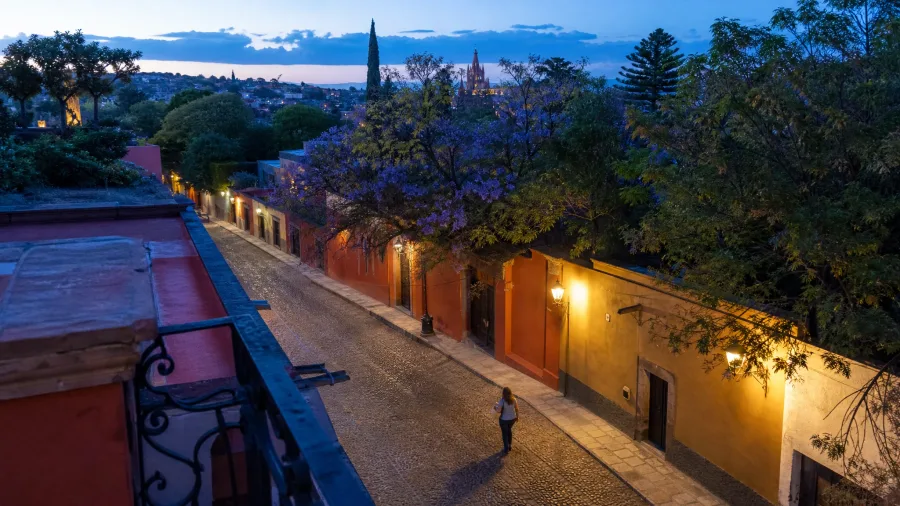
Mexico's temporary residency is a card you renew on a schedule that leads to permanent residency, and only after that to naturalization. It is a ladder, and the first rung is a residence permit, not a passport.
The route suits retirees, remote workers and anyone who can show stable financial support across the years it takes; short-term tourists do not fit, because the card only works if you keep it current. That is the famous one handled honestly: it is slow, the renewals are real appointments with real deadlines, and the presence rules only tolerate a 1-3 months-a-year life if the official requirements agree. Spanish and civic conditions sit between permanent status and citizenship, and you confirm them with the Mexican authorities rather than assume them.
Check INM for the immigration side and SRE for naturalization, and confirm current financial and residence rules there before you build a 5-8-year plan on them.
💡 Tip: Your one-to-three months a year only works if the official presence rules allow it. Read them first, then plan the calendar.
6. Panama's Pensionado and Friendly Nations Routes

The route to pick depends on which person you are, because Panama splits retirees and professionals into two doors.
The story worth knowing is that Pensionado is built for retirees with a steady pension, while Friendly Nations is built for nationals of eligible countries who come to work and invest. Neither is citizenship on arrival; both are residency, and the passport comes later through naturalization. Your work plans decide which door opens: a remote professional who wants to keep earning is not the Pensionado applicant, and a retiree is not the Friendly Nations one.
Renewal, investment and presence conditions differ by route, so verify the current qualifying amounts and documents with Panama's National Migration Service before you choose a door.
💡 Tip: Friendly Nations eligibility depends on your nationality list, not your credentials, so check that first.
7. Uruguay's Income-Based Residency Route
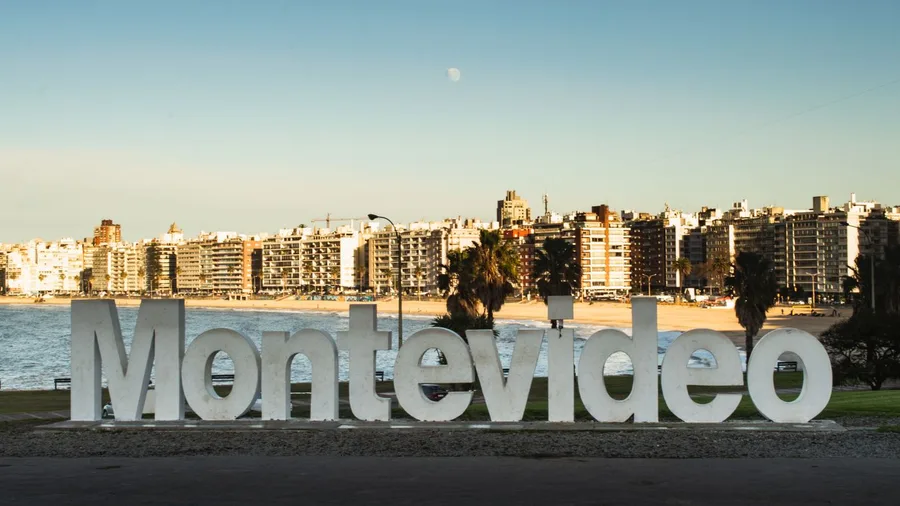
By the time the sun clears the plane trees along Montevideo's Rambla, the river is the color of milky coffee and the wind off it smells faintly of silt and diesel. That early light is the only window that matters for the first morning of the Uruguay route. Get to the National Migration Directorate before the queue forms – the office opens mid-morning, but the line outside has usually started well before, and by ten it is out the door and around the corner.
Uruguay sells an income-based residency, which is a residency permit and not a passport – citizens who naturalize come later through a separate process. It suits retirees on a stable pension and remote earners who can show documented, steady income, and it assumes you intend to spend real time in the country rather than use it as a mailbox. That is the tension you have to resolve before you commit: with 1 to 3 months a year in Uruguay, the residency renewal and the eventual naturalization clock both need checking against the calendar of the National Migration Directorate and the citizenship offices, not against a blog.
The trade-off is that nothing here can be assumed. Physical-presence rules and naturalization conditions are the two things you verify first, in writing, on the official sites, because a residency card does not carry a passport inside it. Confirm the current income thresholds and the number of years the citizenship office counts before you book a flight to be measured for a cedula.
8. Paraguay's Low-Cost Permanent Residency
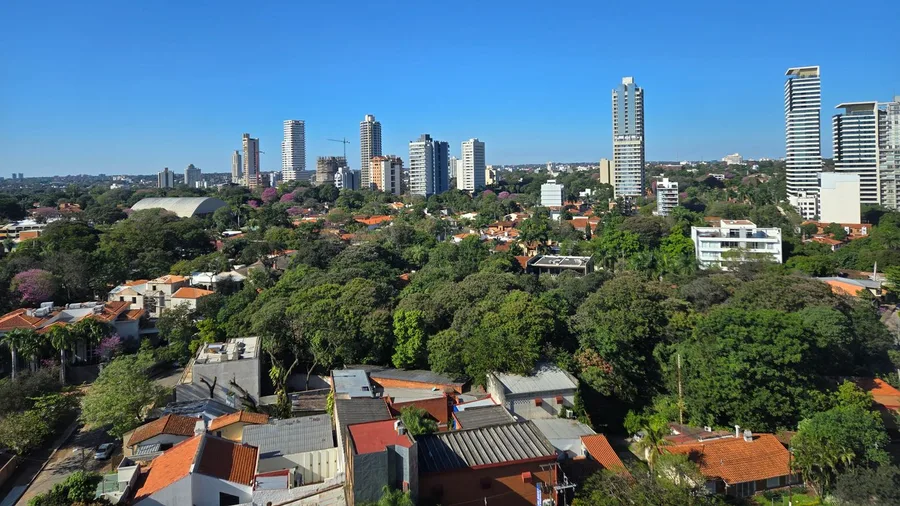
If Uruguay's route felt like steady climbing, Paraguay's permanent residency is the quicker, cheaper trailhead – and that is exactly where the ground gets slippery. The lower cost is real, but the gap between a residency card and a passport does not close with it. Permanent residency is the first step; naturalization is a separate process you apply for later, and the two are not the same document.
Paraguay's permanent residency suits budget-conscious retirees and remote workers who can tolerate local paperwork, slow notaries, and a system that rewards people who show up in person. The catch is the presence and language or civic requirements for citizenship, which sit a long way past the residency approval. As with every residency route on this list, check the current rules with Paraguay's immigration and citizenship authority before you pay anyone to help you file.
9. Argentina's Rentista and Pensionado Residency
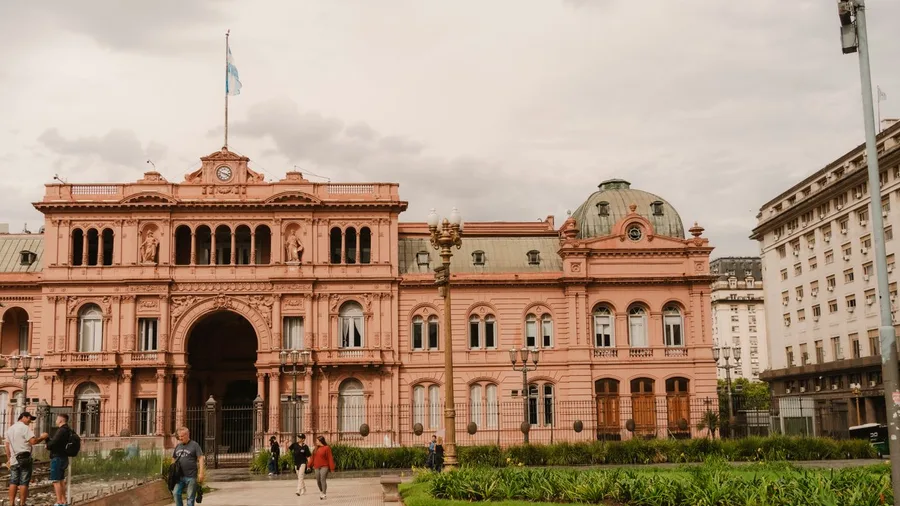
Count the hours you will spend in an immigration waiting room before you count the years to a passport – Argentina's rentista and pensionado routes run on income, and the cost of that income is mostly paid in patience. The residency itself is income-based, not citizenship by investment: you prove a reliable pension or foreign income and the migration office processes you. Rentista and pensionado are residency routes that can, in time, lead toward naturalization.
The bureaucratic layer is the real obstacle – currency instability and appointment delays – and the naturalization rules must be verified with Argentina's National Migration Directorate and citizenship offices rather than assumed. If you can manage that, and you have 1 to 3 months a year to spend in the country, this is a route that fits a retiree or a remote earner with reliable foreign income and the stamina for the queue. Because the process moves slowly and unpredictably, the ongoing work is in the renewals and the naturalization track, not just the filing.
10. Costa Rica's Pensionado Residency Route

The heat hits you first at San Jose airport – 26 degrees and humid at seven in the morning, the air thick as a wet towel – and you understand within a minute why half the foreign residents here are retirees who left a northern winter behind. Costa Rica's pensionado program is the last pensioner-focused residency on this list, and like the income-based route in Argentina it draws retirees with steady pension income. The difference is what it asks for at the end: a residency card, not a passport, and citizenship is a separate process run by different offices on a different clock.
Pensionado is a residency category for people who can show a stable monthly pension paid from abroad. That is the whole test, and it is why the route suits retirees and nobody else. If your income is wages or freelance fees rather than a pension, you are not a pensionado applicant, and no amount of savings will convert you into one under this heading. Younger remote workers who could fit Portugal or Mexico do not fit here unless they have pension income of their own. If you are getting started, the place to do it is the General Directorate of Migration and Foreigners, often filed under its Spanish initials, DGME, where every current pension and residence figure is published and a licensed attorney is worth the fee.
Retirees sit in one of the most biodiverse pockets on the planet, and the wildlife is the point for many of them. If weather is deciding where you settle, compare countries with warm weather year-round before you commit to one residency route. Beyond the volcano at Arenal, the cloud forest at Monteverde holds at least 400 kinds of bird, and early mornings on the trails sit in fog and birdsong. Sloths, toucans and scarlet macaws are real and common across the country.
What you actually certify to the government is a steady pension income. The current minimum, the required supporting documents and the per-person or family treatment all change periodically, which is why you should pull the figure from the migration authority the week you apply rather than from a blog post.
The trade-off is time and paperwork rather than a large cheque. Residency runs on renewals, and citizenship requires a separate naturalization process with its own conditions – presence, ties, language and civic steps – that are not granted automatically because you have held a card. Even retirees who live here full time should not assume that time in the country converts to a passport without the required steps. Costa Rica's naturalization requirements, including how many days a year you must be physically present and what Spanish and civic knowledge is tested, belong in a question for the migration authority and a qualified attorney, not in an assumption. For the profile of one to three months a year, that question is the one that decides whether the route is viable at all: if you cannot meet the presence rule, you are paying renewal fees for a card that will not lead to citizenship on your timeline. Confirm the current figures with the General Directorate of Migration and Foreigners and the citizenship authority before you engage anyone to file for you, and check the naturalization side – not just the residency side – from the first year onward.
11. St. Kitts and Nevis Citizenship by Investment
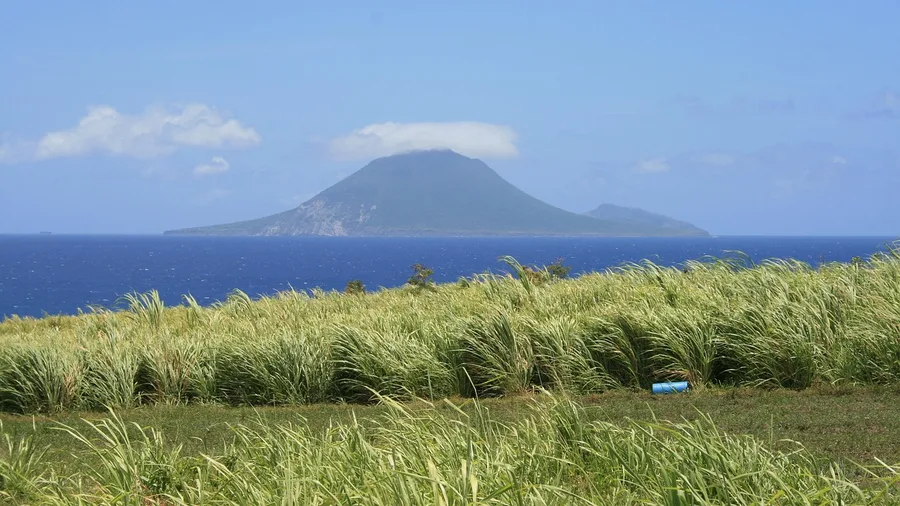
You are sitting in a lawyer's office in Basseterre with a folder of bank statements, watching a due-diligence officer read the second page. St. Kitts and Nevis is a direct passport route: you invest, you pass the checks, and you receive citizenship without a residency-to-citizenship ladder or any requirement to live on the islands.
That directness is the sell, and it suits high-net-worth applicants who can pass strict due diligence and do not want local residency. The test is your budget. The article's profile has $75,000 to $150,000 set aside for fees or investment, and that range is the filter for both direct routes that close this list. The current minimum is set by the Citizenship by Investment Unit, changes with policy, and is published on its own page rather than quoted here.
The cost of a passport in St. Kitts is the sheer number of zeros, and the scrutiny that comes with the money. Expect background checks into source of funds that can delay or sink an application, and confirm the current amounts and conditions directly with the St. Kitts and Nevis Citizenship by Investment Unit before you engage anyone to file. Nothing here is legal advice, and nothing replaces the official page.
💡 Tip: St. Kitts and Nevis' Citizenship by Investment Unit publishes current amounts and conditions. Read that page, not an agent's brochure.
12. Dominica's Citizenship by Investment Route
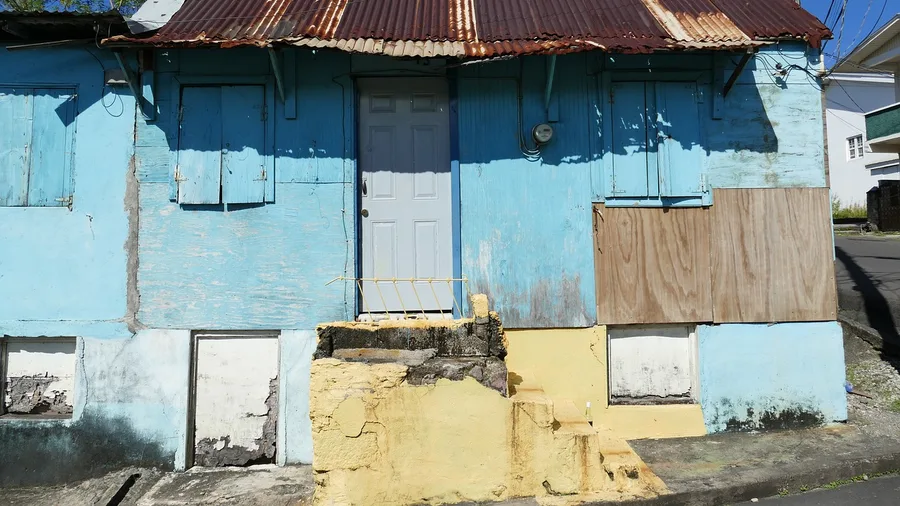
The honest answer is that it is faster, not easier: you are trading the renewal calendar for a single large payment and a due-diligence file. The island is tiny, volcanic and rainforest-covered, and it sells a direct passport. You invest, the Citizenship by Investment Unit vets you, and you receive citizenship without ever living there.
This is the second direct-passport option of the pair, and the money you are weighing is roughly the cost of a modest apartment back in the States. The current minimum, the government fees and the contribution-versus-property-equity formats are published by the Citizenship by Investment Unit and change with policy – pull the figure from the official page the week you decide, never from an agent's brochure.
Suits high-net-worth applicants who want a faster route and can meet due-diligence checks. The trade-off is cost, processing time and passport utility: how many countries offer visa-free access on a Dominican passport, and which ones does that matter for your travel and tax plans, both need verifying officially rather than trusting any list. The profile's $75,000 to $150,000 budget is the real test here.
Compared with the residency options, this route skips presence, renewals and the long calendar. It does not skip capital. Confirm current minimums, rules and timelines with Dominica's Citizenship by Investment Unit, and weigh the all-in figure against those residency routes before committing anything.
Three beliefs that cost people money
Frequently Asked Questions
Which of these routes is actually fastest for a US citizen?
Citizenship by investment in St. Kitts and Nevis or Dominica moves fastest, because it skips the residency years, but it demands capital well above the $75,000 to $150,000 profile and passes strict due diligence. For everyone else, five to eight years is a realistic planning frame, and the official authority sets the actual clock.
Do I need to live in the country to get the passport?
For residency routes, yes, usually, though presence requirements vary and are often less than people assume. For ancestry routes, no: Ireland's Foreign Births Register and Italy's jure sanguinis are about documents, not residence. Verify the exact presence rules on the government site.
Can I hold two passports as a US citizen?
The US does not generally prohibit dual citizenship, but the other country's rules decide whether it allows it, and military-service obligations can attach. Confirm with both governments and a licensed advisor before you file anything.
Why do you never quote exact income thresholds or investment amounts?
Because they change, sometimes annually, and a stale figure costs readers real money. Every section names the authority that publishes the current number: AIMA and IRN for Portugal, INM and SRE for Mexico, the Citizenship by Investment Units for St. Kitts and Dominica. Start there.
Is an agent necessary?
Often helpful, never a substitute for verification. Read the official page first, then ask an agent how their service maps to the requirements you just read. Anyone who quotes a figure the government site contradicts is the wrong agent.
Four Situations, Four Routes, One First Step
Four situations, four answers. Documented parent or grandparent lineage puts Italy or Ireland first, because that case is records rather than years. Remote income points at Portugal, Mexico, Uruguay or Paraguay. Retirement points at Spain, Panama, Costa Rica or Argentina. Capital well above the profile points at St. Kitts and Nevis or Dominica.
Whichever you pick, the first step is the same and it costs nothing: open the official site named in that entry, read the current requirements, and only then talk to anyone who charges a fee. Put the tax, military-service and dual-citizenship questions to both governments and a licensed advisor, in writing.
Then run the filter. The $75,000 to $150,000, the one to three months abroad, the five to eight years: they decide which routes are open to you, not which brochure looks best.
The easiest second passport is the one whose unglamorous conditions, the birth certificate, the renewal calendar, the language exam or the wire transfer, you can actually meet and prove. Find that one, and open its government page today.
Check the Official Page First
Pick the one entry that matches your documents, income or capital, and open its named authority's website today. That is the whole first step.