
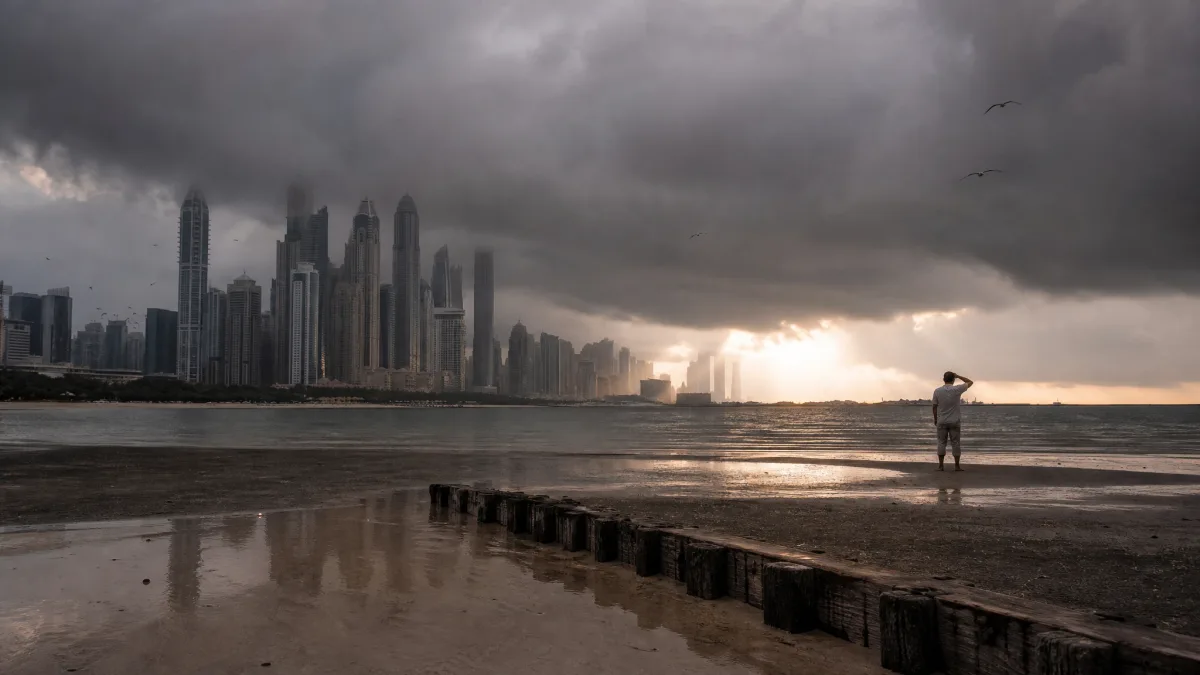
People compare zero-income-tax countries the way they compare beach resorts: on the headline. The difference is that a beach resort cannot reject you at the border, and a tax rate cannot tell you whether your money counts as foreign-source.
Budget about $4,000 before you talk to anyone: roughly $2,300 in airfare and $1,700 in hotels and local transport for a two-week scouting trip in one country. The usual document set is passport, bank statements, police clearance and health cover, apostilled and translated, and paperwork runs three to nine months and $1,000 to $5,000 in fees.
The belief most people walk in with is that a country with no income tax means a zero tax bill. It usually does not. The zero generally attaches to foreign-source income, and you still have to qualify for a residency route with its own conditions.
These ten are not ten equivalent zeros. Each pairs a tax authority to confirm current terms with a residency route to research. Read it to narrow ten to two before you spend on flights or advice.
The first $300 goes to that country's tax authority plus one local adviser, not to a scouting trip.
Five Filters Before You Shortlist
Count the days you can actually stay
Most routes demand a minimum presence – often 183 days, sometimes more. If your travel calendar cannot hit it, strike the country now.
Match your currency to the country
Some routes want a fixed local-currency deposit, not just a bank statement. Check the currency and the holding period before you pick.
Price the company route separately
Bahrain runs $3,000 to $5,000 plus an office address; Paraguay files about $1,200. A zero on salary is not a zero on admin.
Test the rent against your income
Furnished one-bedrooms run $450 in Asuncion to $2,000 in Nassau. The zero only helps if the rent does not eat the gain.
Book the adviser before the flight
One hour with a local tax adviser costs $150 to $400. Spend that before the $2,300 airfare, not after.
1. United Arab Emirates: Salaried and Company Routes

The United Arab Emirates is a functioning city you can live in, not a flag of convenience. It carries the Gulf's biggest concentration of foreign workers, which makes it the least abstract place on this list to find out how the zero actually behaves.
Start by naming the source of the money. A salary paid by a UAE employer and a salary paid from abroad are two different conversations, and only the first tends to line up with the residency the job gives you. The Federal Tax Authority is the office that settles the personal tax question; the residency side splits three ways, through an employer sponsor, through a trade licence on a company you set up locally, or through the longer-stay investor and retiree permissions, and each of the three asks you for different paperwork and different money. A furnished one-bedroom in Dubai runs around $1,600 a month, so a single year of rent is roughly $19,200 – that is the price of the city life you are comparing against the tax saving, and it is the line item that decides whether the arithmetic works.
💡 Tip: Ask the employer which visa category the offer comes under before you sign. The category decides how long you can stay after the job ends.
| Country | Tax authority to confirm current terms | Residency route to research | Illustrative one-bedroom rent |
|---|---|---|---|
| UAE | Federal Tax Authority | Employer sponsorship, local company licence, investor or retiree permission | $1,600 (Dubai) |
| Qatar | General Tax Authority | Employer-sponsored residency only | $1,400 (Doha) |
| Saudi Arabia | Zakat, Tax and Customs Authority (ZATCA) | Employer-sponsored contract | $1,200 (Riyadh compound) |
| Bahrain | National Bureau for Taxation | Licensing a local company | $1,000 (Manama) |
| Brunei | Revenue Division, Ministry of Finance and Economy | Employer-led posting | $900 (Bandar Seri Begawan) |
| The Bahamas | Department of Inland Revenue; Department of Immigration | Annual residency permit | $2,000 (Nassau) |
| Panama | Dirección General de Ingresos (DGI) | Pensioner, investor, friendlier-nations | $700–$1,000 (Panama City) |
| Paraguay | Subsecretaría de Estado de Tributación (SET) | Permanent residency | $450 (Asunción) |
| Georgia | Revenue Service, Ministry of Finance | Individual entrepreneur or small business registration | $1,100 (Tbilisi) |
| Vanuatu | Department of Customs and Inland Revenue | Residency permit or citizenship by investment | $1,300 (Port Vila) |
2. Qatar: Employer-Backed Residency Only
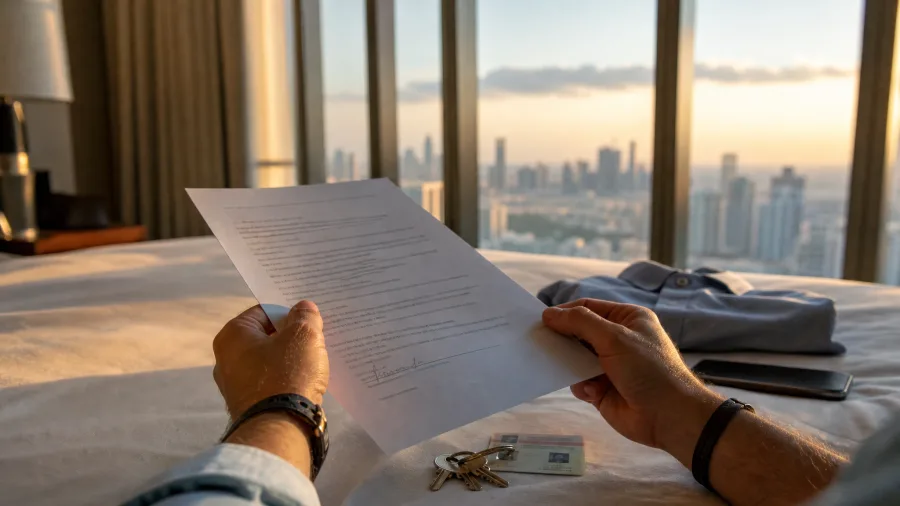
Qatar asks more of you than a company licence does: there is no self-sponsored route, no investor category to fall back on, only an employer who takes you on. If you are planning to arrive on a foreign salary and sort the rest out later, the plan stops at the airport.
The salary is why people go, and the sponsorship is the price of it. Before you weigh any tax outcome, you need a written offer in hand, because the residency is issued against that job and nothing else; the General Tax Authority is the office that confirms how your pay is treated, and it is worth putting one question to both the authority and the employer – what happens to your status the month the job ends – since the answer shapes how you hold savings and housing. Rent near the center of Doha is about $1,400 a month for a one-bedroom, which belongs inside the package comparison from the first interview, not after the move. This stop is for the professional with a contract on paper; remote workers and retirees have no door here at all.
3. Saudi Arabia: Big Salaries, Narrow Door

You step off the plane into heat that hits the back of your throat, and the company driver is already holding a sign with your name. That is the shape of the Saudi package – the move is arranged for you, and the contract is doing most of the work.
The numbers are large, and so is what sits inside the envelope: housing and travel are often written into the deal rather than paid out of a taxed salary, which is why a compound villa in Riyadh at roughly $1,200 a month can read as a line in the offer rather than a bill you meet yourself. The Zakat, Tax and Customs Authority (ZATCA) is the office to confirm terms with before you sign. Read the family clauses at the same hour you read the salary, because that is where these offers come apart – whether a dependant visa is included, how long it takes to issue, and what exit and re-entry permission costs you in trips home. If you are self-employed, keep moving: the employer here supplies the income and the residency in one document, and without that document there is no route.
⚠️ COMMON MISTAKE
Do not arrive job-hunting
Four of the first five countries on this list tie residency to an employer or a local licence. Arriving on a tourist entry to look for work is the most expensive mistake in this article: no employer, no residency, no tax outcome.
4. Bahrain: The Gulf's Freelancer Foothold

If you want to work for yourself in the Gulf rather than for a sponsor, Bahrain is the one to take seriously. The others on this stretch of the list run residency through an employer; here a self-employed person can realistically license a local company and hold residency off the back of it, no job offer required.
The route is a trade licence with your name on it. Budget roughly $3,000 to $5,000 for the licence, an office address and the paperwork that goes with it, and about $1,000 a month for a furnished one-bedroom in Manama. The National Bureau for Taxation is the body to confirm the current personal tax treatment with, and a licensed formation agent is who you ask about renewal costs and visa conditions, both of which change and neither of which you should accept from a website.
The slow hour here is the point, not a gap in the day. Sit with a coffee in Manama's old souq, or on a bench along the corniche in the late afternoon when the heat finally lets go and the whole city seems to come out and walk, and you get a clear look at what you would actually be buying: a small, quiet, orderly island economy that runs on banking, logistics and people who work for themselves.
It is not for everyone, and that is exactly what the hour tells you. Bahrain suits freelancers and small consultancies who already have a client base billing from somewhere else.
If you are arriving without a business plan and hoping the place will supply one, this is the wrong gate. The visa gate is the licence; the income gate is the clients you already have, and both have to be open before you start pricing desks.
💡 Tip: Ask the agent for the total cost of year two, not year one. Renewal, office address and visa fees are where the budget moves.
Bahrain by the numbers
5. Brunei: Zero Tax, Thin Job Market
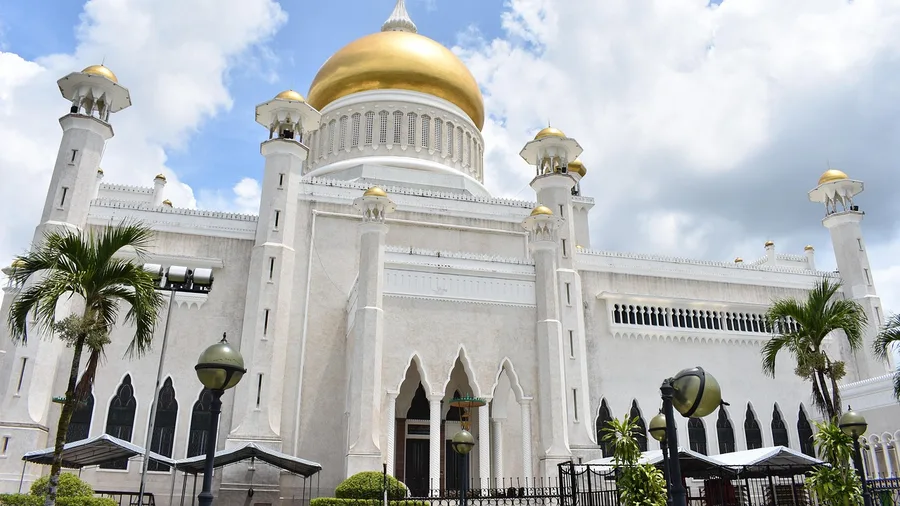
Brunei's rate is easy to like: personal income sits outside the tax net, full stop. The work is the hard part, and it is a narrow field. Hiring runs through the state oil and gas operation and through teaching and education postings, and every one of those routes starts with an employer who sponsors the visa. Nobody walks off a plane and arranges this from a hotel lobby.
That makes the order of operations simple. Land an offer first, then let the employer handle the pass, then ask the Revenue Division of the Ministry of Finance and Economy to confirm the current personal tax terms in writing before you sign anything. A furnished apartment in Bandar Seri Begawan runs around $900 a month, which is the one number on this page that will not scare you. The rest of the arithmetic depends on a contract you do not have yet. If you are arriving to look for work, this is not your country; the zero exists for the person whose niche posting is already agreed, and for nobody else.
6. The Bahamas: No Income Tax, High Cost
$2,000. That is a furnished one-bedroom in Nassau, before you have bought a single bag of groceries. The Bahamas is the one place on this list that matches the headline outright, and the bill simply moves: what you do not hand the tax office, you hand the landlord, the power company and the supermarket. Arrive expecting Gulf-level costs and you will be short every month. Arrive knowing the rent line and the permit line, and the island is workable.
That permit line is the part people underestimate. Residency here is granted in recurring annual chunks, so permission is something you renew rather than something you win once. Two separate confirmations, not one: the Department of Inland Revenue for how your income is treated, and the Department of Immigration for the current permit terms and fees. Treat any annual figure you read, including in this article, as a starting point and get the live number from Immigration before you commit.
Who does this fit? Someone with money that arrives from outside the country and enough capital to absorb a $2,000 rent plus groceries and electricity that run higher than most newcomers budget for. Who does it not fit? Anyone on a tight monthly number, however clean the tax story looks on paper. The visa gate is the permit; the income gate is proof the money is portable and will keep coming.
Zero headline vs. zero in practice
What the headline promises
- No income tax at all
- Residency is a formality
- Cheap island living
- Remote work is enough
What you actually get
- No tax on qualifying foreign-source income
- Annual permit with fees and renewal conditions
- $2,000 monthly rent plus imported groceries and power
- Documented portable income and health cover
7. Panama: Taxed on Local Income Only
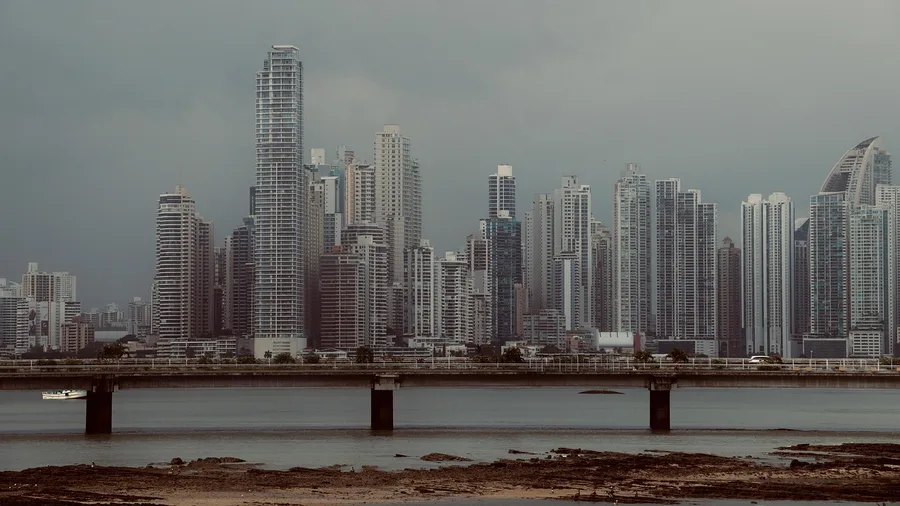
The heat sits on Panama City like a wet towel by nine in the morning, and the air conditioners drip onto the sidewalks in a steady rhythm you start to hear as money.
On the isthmus, income is sorted by where it is earned, so the real question is not whether you owe anything but whether any given payment can be classed as Panama-source. Salaries, local invoices and work performed here are the ones that count. Direccion General de Ingresos handles the ruling, but no authority will answer for your earnings in the abstract; a Panamanian accountant has to sit with the actual numbers.
Three residency doors are worth pricing: the pensioner route, the investor route, and the friendlier-nations scheme, each asking for a different income level to prove, so ring the migration office with your monthly figure before you commit to one. A furnished one-bedroom in the capital runs $700 to $1,000 a month, and a year of scouting here is the cost of seeing the system up close. Retirees and remote workers billing clients outside the country are the fit. Anyone invoicing Panamanian customers is not – that is precisely the stream the system catches.
💡 Tip: If you bill Panamanian clients, that income is the local-source case the territorial system catches. Ask the accountant to model it before you move.
🧭 The verification sequence, start to finish
Sort your income
List each stream separately: salary, freelance, pension, rent, dividends.
Run the visa gate
Cross off every country whose residency route you do not already qualify for today.
Run the income gate
For the survivors, ask whether each stream counts as foreign-source.
Call the authority
Phone the country's own tax office and ask the exact question in writing.
Book one local adviser
One hour costs roughly $150 to $400 and tests the authority's answer against local practice.
Confirm the home exit
Check your current country's residency and exit rules before booking flights.
8. Paraguay: Cheap Residency, Territorial Tax
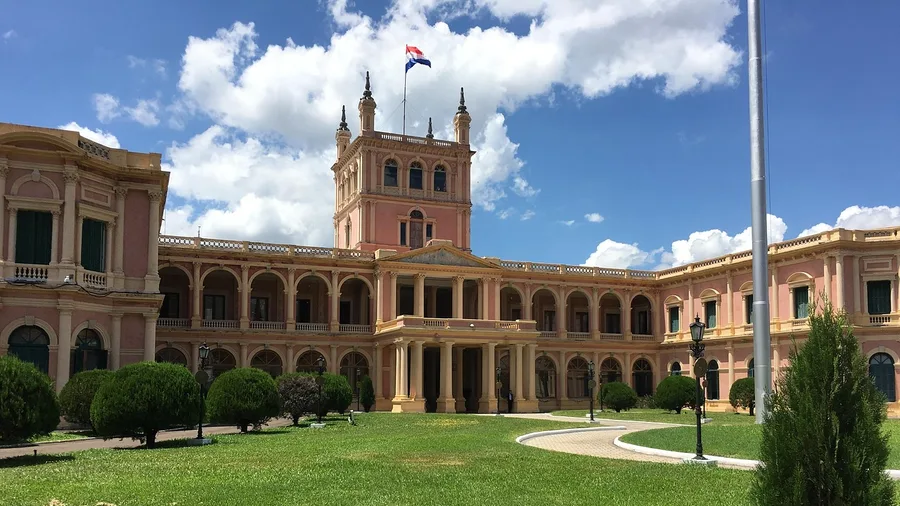
Know what you are buying before you file: cheap residency is not the same as a settled tax position, and the tax question still turns on keeping your income foreign-source. Paraguay is the lowest-cost route here, with legal, translation and filing fees for permanent residency at roughly $1,200 — but that number only holds if the paperwork is clean and the document list is current.
That list is the usual set: passport, bank statements, police clearance and health cover, apostilled and translated. Confirm the current documents and the physical-presence expectations with the Subsecretaria de Estado de Tributacion and the migration office before you pay a lawyer. Rent in Asuncion is about $450 a month.
It suits low-budget movers and retirees. It does not suit anyone who needs a strong local job market or fast specialist healthcare.
9. Georgia: Easy Entry, Careful Tax Test

Tbilisi in the evening smells of sulphur from the bathhouse vents and roasted corn from the carts near the river, and the light stays gold on the old balconies until nearly ten.
Entering and staying are about as frictionless as this list gets, which makes Georgia the place to spend a year testing the whole idea while you keep a return ticket in your head. The tax outcome is not automatic: how your income is sourced and packaged decides it, and the Revenue Service of the Ministry of Finance is who you ask. One trap sits inside the easy part. Signing up as an individual entrepreneur or a small business can change how the very same income is treated, so get the answer before you register, not after.
A furnished one-bedroom in Tbilisi runs around $1,100 a month, and Batumi is cheaper out of season. Freelancers and remote workers trialling a move are the fit here, with one condition: check your home country's residency rules in the same week, because a Georgian year can trip a tax obligation back home. The door is simple, and that is exactly why the two checks behind it matter.
💡 Tip: Ask about the small-business registration threshold before you file anything. The same income can land on either side of it.
Georgia: what changes with the right structure
10. Vanuatu: Residency or Citizenship by Investment
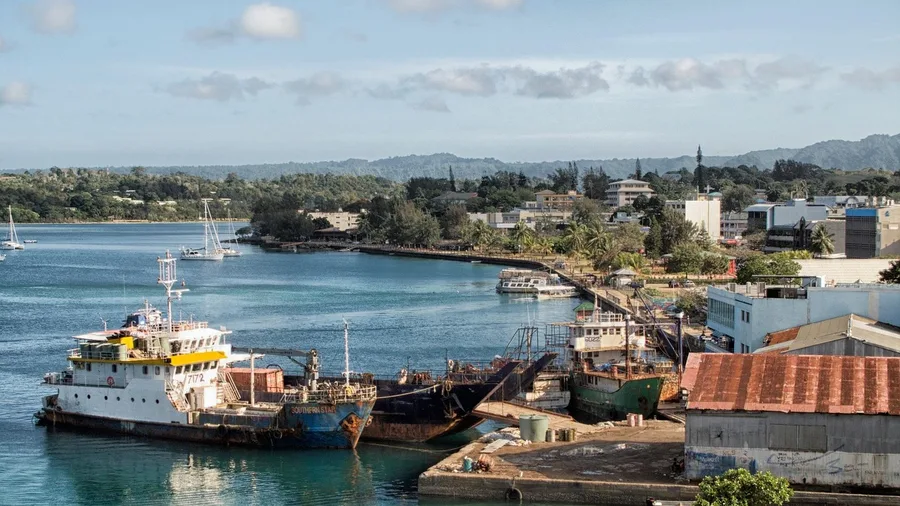
Vanuatu has two doors, and they cost very different amounts to walk through. Residency permission and citizenship by investment are separate processes run under separate rules, and the tax question can hang on which one you end up holding. Treat them as one product and you will overpay for the wrong thing.
Start with the authority, not the agents. The Department of Customs and Inland Revenue is the body that confirms the current tax position, and it is the only place a figure should come from before you commit to a route. Around it, the residency file and the citizenship-by-investment file are handled on different tracks, each with its own documentation, timeline and fee structure. The usual document set applies to either: passport, bank statements, police clearance, health cover, apostilled and translated.
Then price both routes with a licensed local agent, in writing, side by side. Few people who sell these programmes volunteer the comparison unprompted, and the gap between the two is where the expensive mistake hides; no figure is settled until your own quote is on the table.
The running costs belong in the same conversation. A furnished one-bedroom in Port Vila runs about $1,300 a month, and the budget lines that surprise people are imported food and electricity, both carried at island prices because almost everything arrives by ship. What suits this route is capital and a deliberate choice of a distant base, not a salary that has to stretch. What does not suit anyone is a need for nearby specialist healthcare or fast flights out, because neither is something Port Vila supplies on demand.
The residents' habit is simpler than the brochures: they read the climate and the shipping schedule before they read the tax rules. Cyclone season sets when repairs happen and what they cost, and the supply boat sets what is on the shelf that month. Go in knowing both, and the tax outcome is one item on a longer list, not the whole of it.
💡 Tip: Price the residency route on its own before anyone mentions citizenship by investment. The two are not a bundle.
Vanuatu — At a Glance
🏛️ Authority
Customs and Inland Revenue
🛂 Two routes
Residency vs. citizenship
🏠 One-bedroom
About $1,300/mo
✈️ Healthcare
Fly out for specialists
The split that decides the budget
Residency permission and citizenship by investment are separate processes at very different prices.
Frequently Asked Questions
Is zero income tax really zero on everything I earn?
Almost never. Most of the countries on this list tax local-source income and leave foreign-source income alone. If you bill clients in that country, or work for a local employer, that income is usually the case the system catches. Sort your streams by source before you get attached to a country.
Can I just move and sort out residency later?
Not in the Gulf entries, and not safely anywhere else. Residency is tied to an employer, a licence or an annual permit, and arriving on a tourist entry to look for work is the expensive mistake. Get the residency route confirmed before you book a flight.
How much does the paperwork actually cost?
Typically $1,000 to $5,000 in fees, and three to nine months of waiting, depending on the route. Paraguay's permanent residency sits near the bottom at about $1,200 in legal, translation and filing fees. The document set is usually passport, bank statements, police clearance and health cover, apostilled and translated.
Do I still owe tax in my home country after I move?
Possibly, for a while. Leaving does not automatically end your tax residency at home, and some countries keep you in scope for a period after departure. Check the exit rules with your current tax office in the same week you check the new country's entry rules.
Should I visit before committing?
Yes, but visit to verify, not to sightsee. A two-week scouting trip in one country runs about $2,300 in airfare plus $1,700 in hotels and local transport. Book one hour with a local tax adviser while you are there, at roughly $150 to $400, and bring your actual income list.
Which of the ten is the best one?
There is no best one, because the answer depends on your income streams and which residency route you already qualify for. A freelancer with existing clients and a retiree with a pension should end up with completely different shortlists. Narrow ten to two using the two gates, then verify those two properly.
Shortlist the Countries You Already Qualify For
A zero on foreign-source income is not a zero on all income. Shortlist only the countries whose residency route you already qualify for today, not the ones that would need a new job, a licence, or capital you do not have. If the salary itself is your deciding factor, compare take-home pay across countries before you commit to a move.
Then spend your first $300 on confirmation, not travel: one call to that country's tax authority and one hour with a local adviser, roughly $150 to $400 in these markets, so the cap forces a focused question list on your actual income.
Remember the opening number. A two-week scouting trip is about $2,300 in airfare plus $1,700 in hotels and local transport, and paperwork alone runs three to nine months and $1,000 to $5,000 in fees. The ten countries are ten verification tasks, not ten equal options – and the headline only becomes real when the authority confirms it for your income and your route.
Run the two gates before you run the numbers
Take the ten countries above, list your income streams by source, and cross off every route you do not already qualify for today. What is left is your shortlist.