
Introduction
Training a dog can be both fun and rewarding when the right techniques are used. Two of the most effective modern training methods are treat based reinforcement and clicker training. These methods are grounded in positive reinforcement, which means rewarding good behavior rather than punishing unwanted actions. When combined correctly, treats and clicker training help dogs learn faster, remember commands longer, and enjoy the training process.

Why Positive Reinforcement Works
Dogs learn best when behaviors are rewarded. Positive reinforcement encourages a dog to repeat actions that lead to treats, praise, or playtime. Unlike punishment based training, positive reinforcement builds trust, reduces stress, and strengthens the bond between dog and owner.
What is Clicker Training?
Clicker training uses a small handheld device that makes a clicking sound. The click acts as a marker signal that tells the dog exactly which behavior earned the reward. The sequence is simple:
- Dog performs the behavior
- Click sound marks correct action
- Treat rewards the behavior
Over time, the dog learns that the click predicts a reward, which speeds up learning and communication. This is why Clicker Training has become popular among owners who want faster and cleaner training results without confusion or punishment. When combined with proper timing and reward delivery, Clicker Training can help train your dog faster and build a stronger bond during the learning process.
Choosing the Right Treats
Not all treats are equally motivating. To train dogs faster, treats should be:
✔ Small
✔ Soft
✔ Easy to swallow
✔ Very appealing
Examples include chicken pieces, cheese bites, dog training treats, or freeze-dried snacks. High-value treats work best for difficult commands because they boost motivation.

Step by Step: How to Combine Treats and Clicker Training
Step 1: Charge the Clicker
Before real training starts, the dog must learn what the click sound means.
Click → Treat → Repeat 10–15 times.
Soon the dog understands that a click always predicts something positive.
Step 2: Mark the Behavior
Ask for or wait for a behavior such as sit, down, or eye contact.
The moment the dog performs it → Click.
Step 3: Reward Immediately
After clicking, reward with a treat within 1–2 seconds.
Timing is crucial for fast learning.
Step 4: Repeat in Short Sessions
Short sessions (5–10 minutes) work better than long ones. Dogs stay focused and eager.
Step 5: Fade Treats Gradually
Once the dog understands the command, treats can be reduced and replaced with praise or play.

Commands That Clicker Training Teaches Faster
Clicker and treat training works especially well for:
- Sit
- Down
- Come
- Stay
- Heel
- Touch
- High-five
- Crate training
- Trick training
These behaviors become more precise because the click marks the exact moment of success.

Preventing Common Mistakes
To ensure success, avoid:
❌ Late clicking
❌ Bribing with treats before commands
❌ Long training sessions
❌ Punishing mistakes
❌ Using treats that are too large
Clicker training should always be consistent and positive.
When to Reduce Treat Use
Treats are not meant to last forever. Once the dog masters the behavior:
✔ Switch to praise (“Good job!”)
✔ Use play as a reward
✔ Reward only the best responses
✔ Occasionally surprise with treats to maintain enthusiasm
This method keeps behavior strong without dependency on food.
Benefits of Treat + Clicker Training
Using treats and clicker training together offers many advantages:
- Faster learning response
- Clear communication
- Reduced stress
- Stronger trust bond
- Better focus during training
- Improved obedience
- More enjoyable for both dog and owner
Dogs that enjoy training learn better and behave better throughout life.
Advanced Applications
After basic obedience, clicker training can be expanded into:
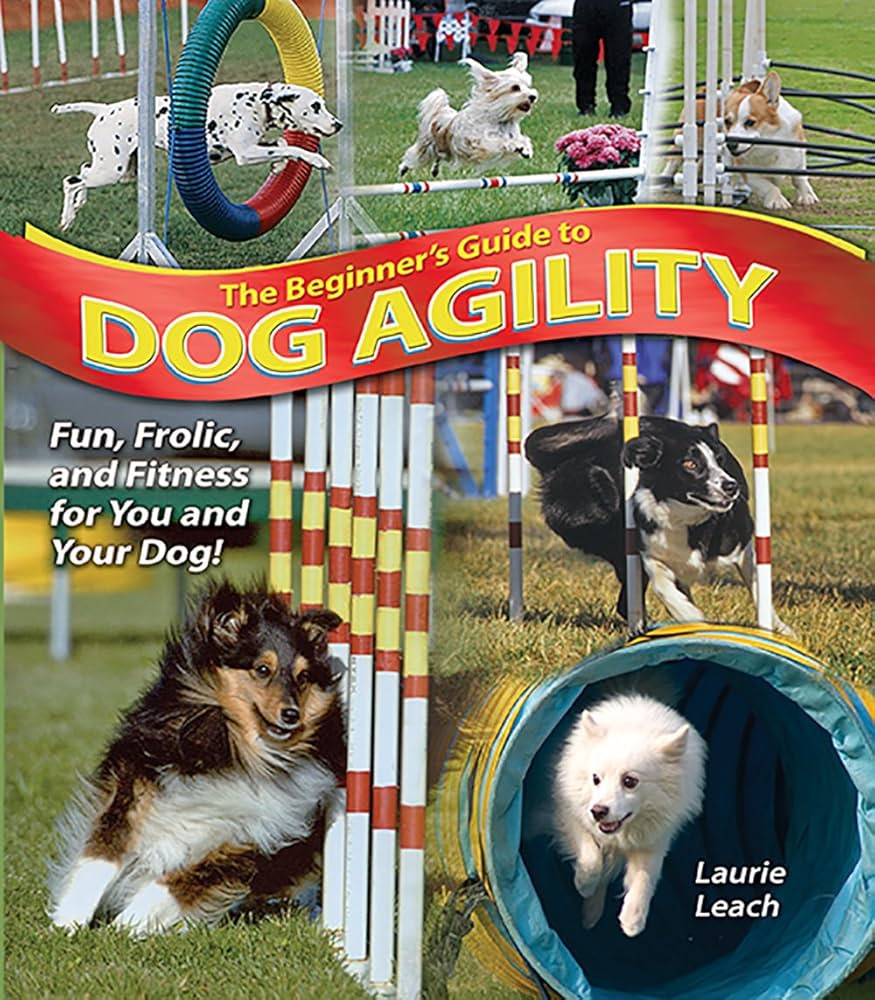
✔ Agility sports
✔ Trick routines
✔ Therapy dog preparation
✔ Service dog behavior
✔ Behavioral shaping (e.g., leash manners)
These advanced skills highlight the power of positive reinforcement.
Conclusion
Treats and clicker training form one of the fastest and most effective ways to train dogs. By marking behaviors precisely and rewarding them instantly, dogs learn commands faster, remain motivated, and enjoy the process. Positive reinforcement also builds long-term trust and communication, making training a joyful experience rather than a struggle.
Dogs trained using these methods become well-mannered companions and confident learners.