
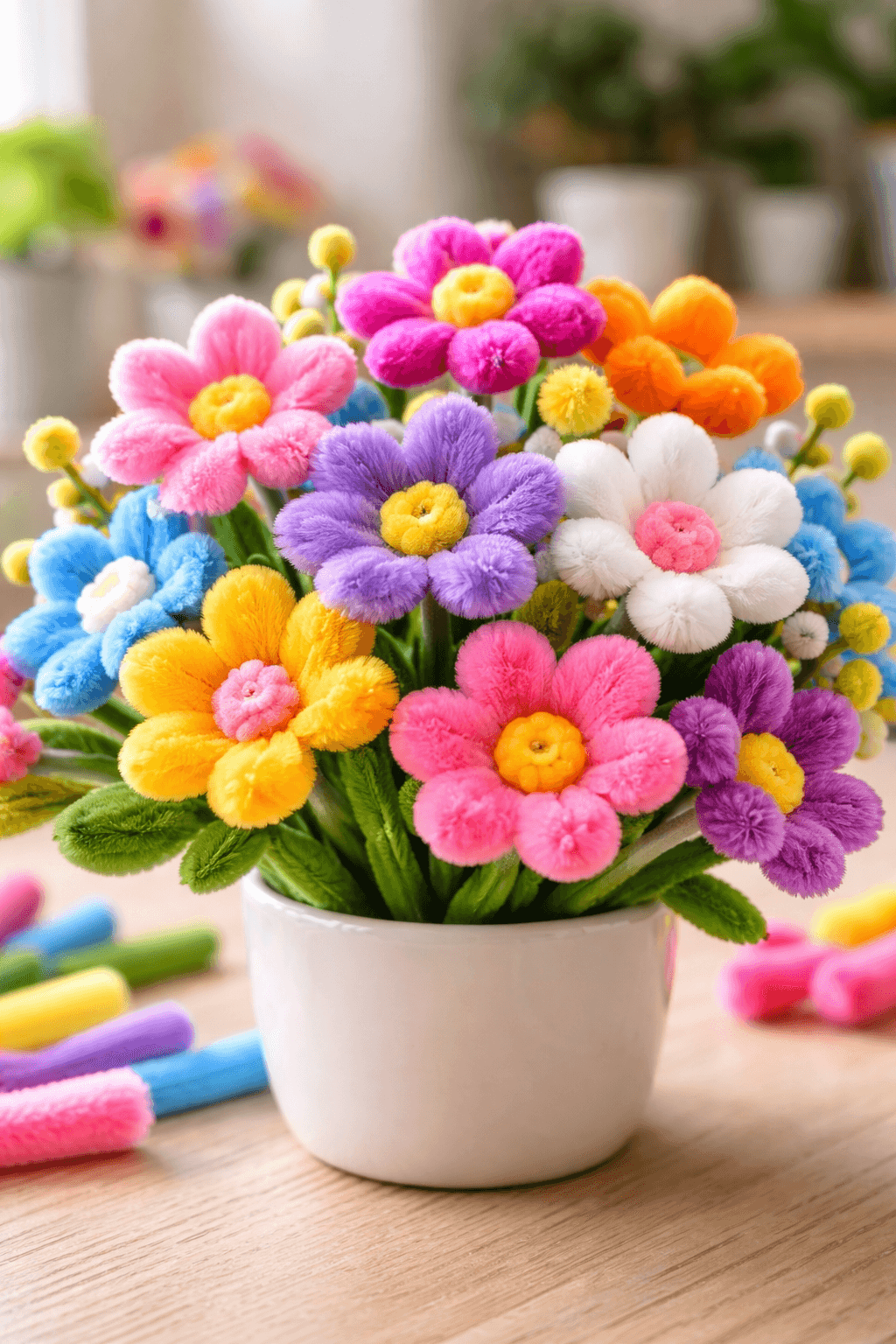
One quiet afternoon, I sat at a wooden table with a handful of bright chenille stems and no plan. I twisted one into a loop, then another. Within minutes, a flower began to form. That small moment reminded me how simple materials can spark real creativity. This complete pipe cleaner flowers step by step guide will help you create vibrant handmade blooms with confidence, even if you have never tried a craft project before.
Pipe cleaners, also known as chenille stems, bend easily and hold their shape. That flexibility makes them perfect for DIY flower crafts, classroom art projects, and homemade decorations. In this tutorial, you will learn how to shape petals, secure stems, and design flowers that look polished and durable.
Why Learn Pipe Cleaner Flowers Step by Step


4
Many beginners search for pipe cleaner flowers step by step instructions because they want clear guidance, not guesswork. A structured method reduces frustration and improves results. When you follow defined stages, you create balanced petals, strong bases, and clean finishes.
Craft educators supported by National Art Education Association emphasize hands on activities because they improve fine motor skills and creative thinking. Twisting and shaping chenille stems strengthens coordination while encouraging imagination.
This craft also supports mindfulness. The repetitive motion of looping wire and adjusting petals calms the mind. Organizations such as American Art Therapy Association highlight how tactile art projects reduce stress and increase focus.
Materials Needed for Pipe Cleaner Flowers Step by Step


4
Before you start pipe cleaner flowers step by step, gather quality materials. Choose soft chenille stems in different colors for petals. Select green pipe cleaners for stems and leaves. Keep sharp craft scissors nearby for trimming. Add floral tape for wrapping and a hot glue gun for extra hold if you plan to build bouquets.
Craft retailers like Michaels and Hobby Lobby offer affordable supplies in bulk packs. Look for dense fibers because they create fuller and more realistic petals.
Pipe Cleaner Flowers Step by Step for a Classic Rose

4
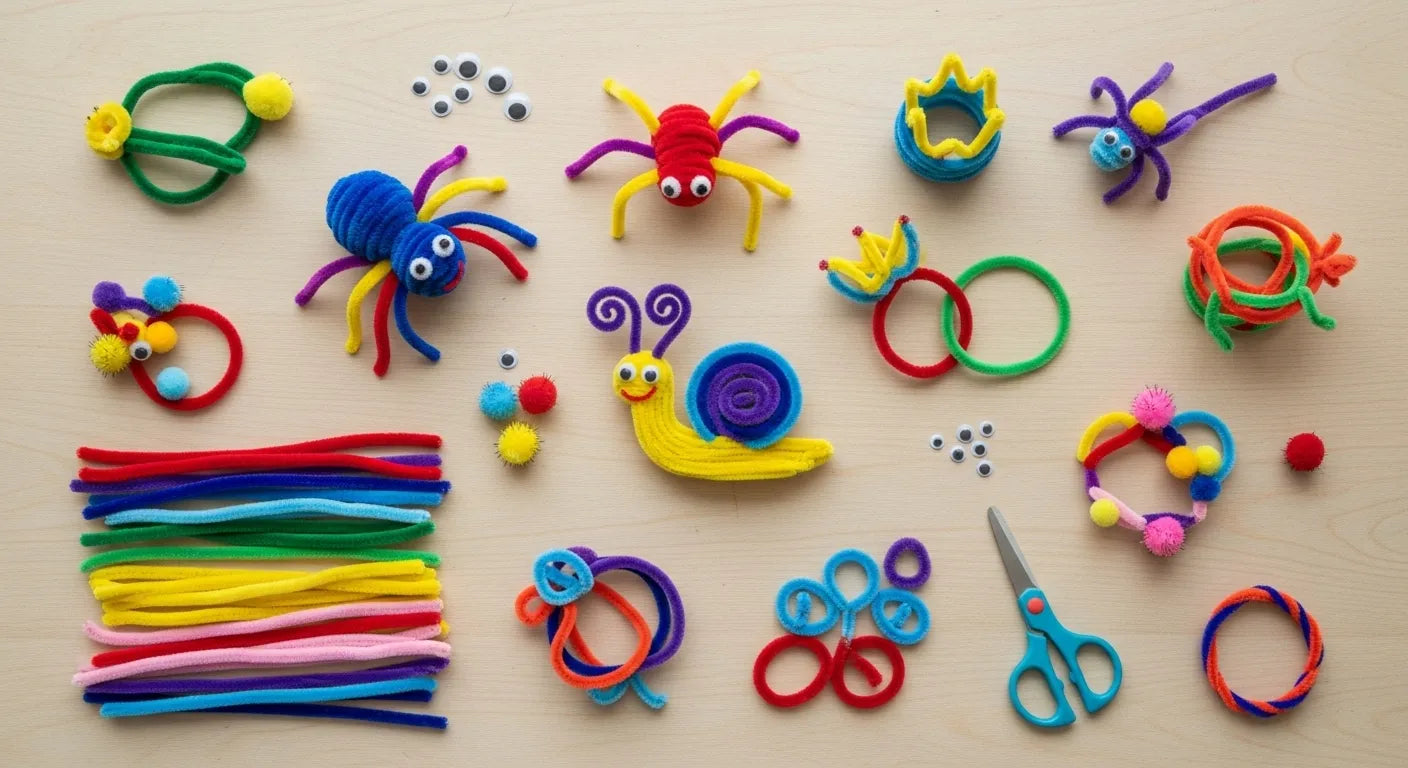
This section walks you through pipe cleaner flowers step by step to create a rose style bloom.
Start with one long pipe cleaner in your chosen color. Fold it in half and twist the center tightly to create a small base. Form a loop on one side and twist again. Repeat on the other side. Continue shaping loops around the center point. Each loop becomes a petal.
Keep tension even while twisting. Balanced pressure prevents gaps. Once you complete the circle of petals, attach a green pipe cleaner at the base. Twist firmly to secure the stem. Wrap floral tape around the twisted section for a smooth finish.
Adjust each petal gently. Curve the loops inward to mimic natural rose petals. Within minutes, you will see a recognizable bloom form in your hands.
Adding Leaves and Details Pipe Cleaner Flowers Step by Step
4
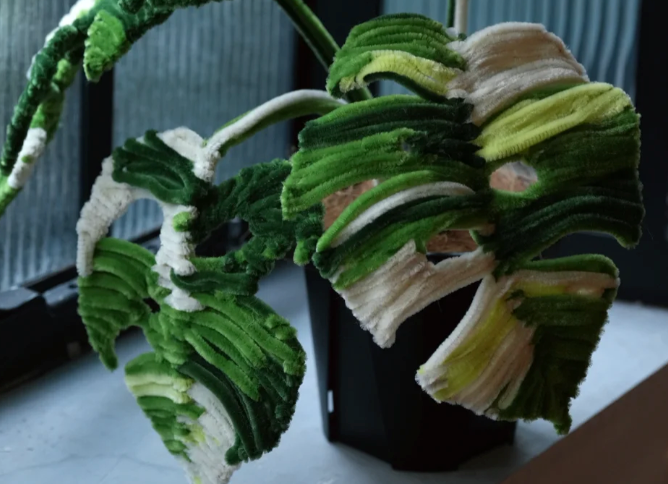
To elevate your pipe cleaner flowers step by step results, add simple leaves. Take a green pipe cleaner and bend it into two small loops. Twist at the center to create a leaf shape. Attach it slightly below the flower head by wrapping it around the stem.
For extra detail, trim the leaf ends into pointed shapes. Wrap floral tape over exposed wire for a clean look. These small improvements create a more realistic and professional finish.
Creative Variations Using Pipe Cleaner Flowers Step by Step


4
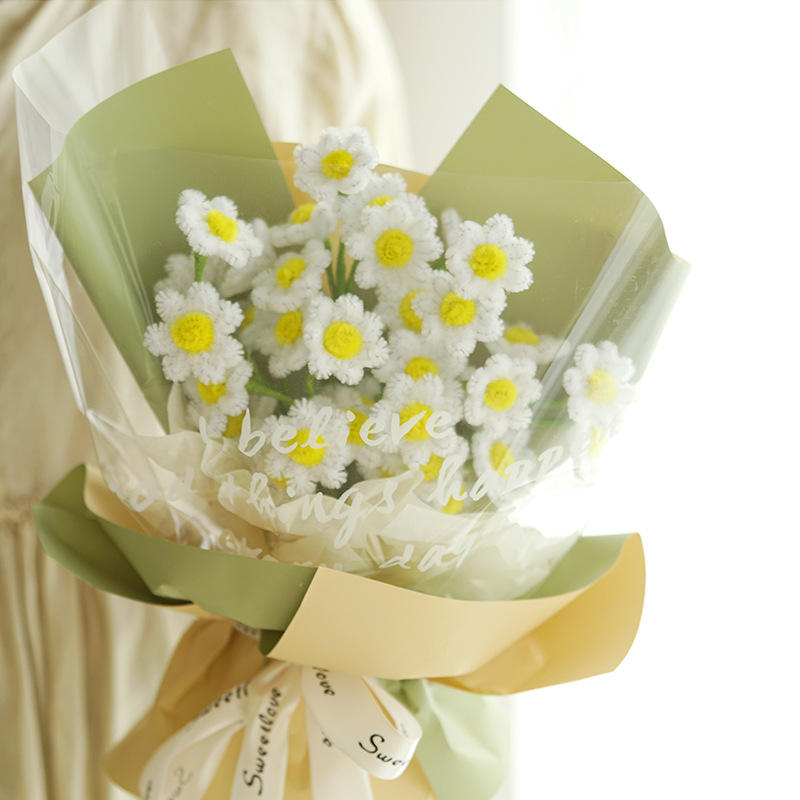
Once you master the rose, experiment with different flower types using pipe cleaner flowers step by step methods. For a daisy, use white stems for wide petals and twist a tight yellow spiral for the center. For tulips, create three tall loops and pinch the base for a clean silhouette.
Layered petals add depth. Form a small inner circle first, then wrap a second longer pipe cleaner around it. Secure both layers at the base. This technique creates volume and texture without glue.
Creative platforms like Pinterest display endless variations, yet many lack structural explanation. A step based approach ensures strong construction before decoration.
Decorating Ideas Inspired by Pipe Cleaner Flowers Step by Step


4
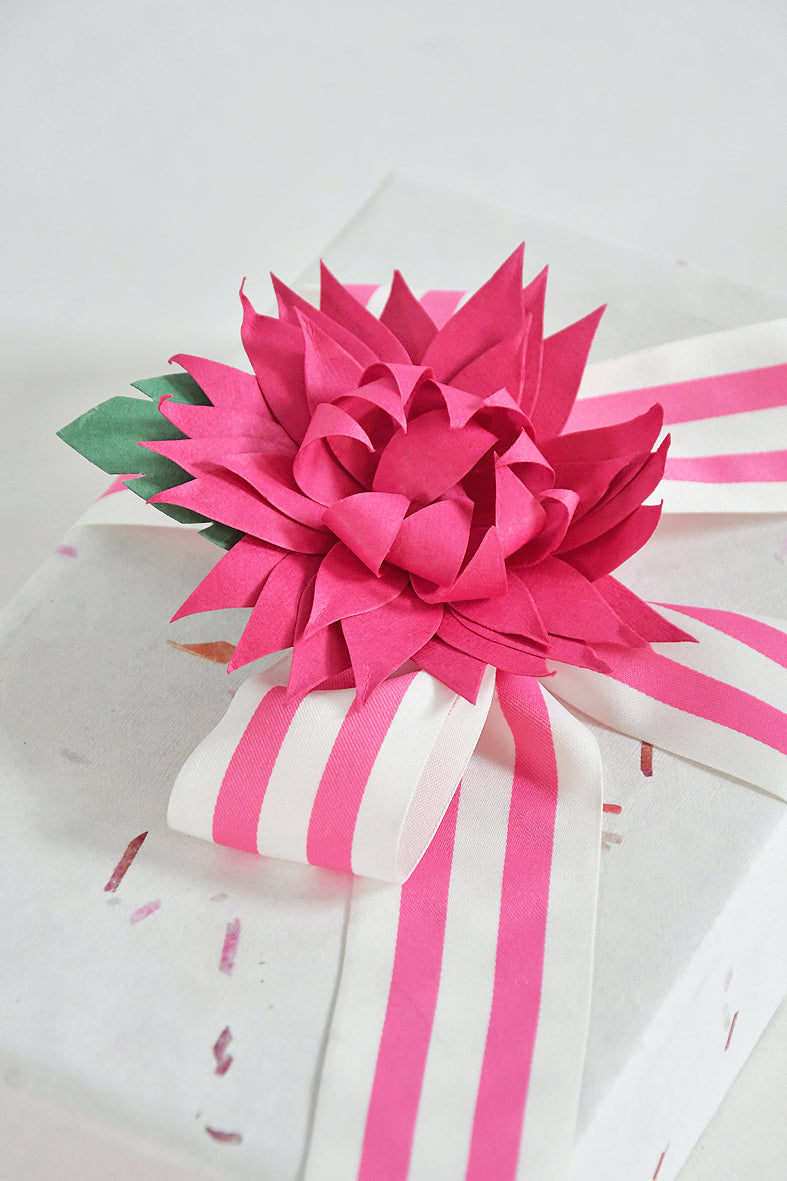
After you complete pipe cleaner flowers step by step, use them creatively. Arrange several blooms in a mason jar for a cheerful centerpiece. Attach one flower to gift wrapping for a handmade touch. Create flower crowns for birthday parties or school events.
Teachers often use this craft for seasonal classroom decor. Educational publishers like Scholastic promote art based activities that encourage creative expression and problem solving.
These flowers last longer than real blooms. They require no water and keep their color year round.
Common Mistakes to Avoid in Pipe Cleaner Flowers Step by Step


Even simple crafts can go wrong. When following pipe cleaner flowers step by step, avoid loose twisting at the center. A weak base causes petals to shift. Avoid overcrowding loops in one area because uneven spacing makes the flower look messy.
Do not pull fibers too hard. Gentle shaping preserves the fluffy texture. Practice improves control. Each new flower will look cleaner than the last.
1 thought on “Pipe Cleaner Flowers Step by Step Guide for Easy DIY Crafts”