
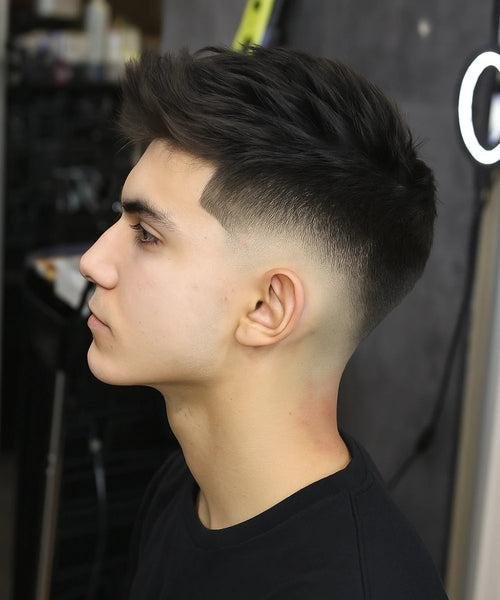
A great haircut can change the way you carry yourself. You stand a little taller, your clothes look sharper, and even a simple outfit feels more put together. Among modern men’s hairstyles, the low fade haircut stands out because it offers a clean finish without looking too dramatic.


6
The style works with straight, wavy, curly, and thick hair. It can look polished enough for an office, relaxed enough for weekends, and sharp enough for special events. The sides stay neat while the longer hair on top gives you room to show your personality.
That balance explains why this haircut continues to appear in barbershops and men’s style inspiration. It does not depend on one age group or one fashion trend. Instead, it adapts to the person wearing it.
What Is a Low Fade Haircut?


8
A low fade haircut gradually reduces the length of the hair around the lower sides and back of the head. The fade usually begins close to the ears and moves downward toward the neckline. This creates a softer transition than a mid fade or high fade.
The important detail is where the fading begins. A low fade keeps more hair around the temples and upper sides, which gives the style a natural appearance. The barber blends the shorter hair into the longer top using clippers and careful detailing.
You can combine this fade with a textured crop, side part, quiff, pompadour, messy fringe, slick back, or curly top. That flexibility makes it useful for many face shapes and hair textures.
The finished result depends heavily on blending. A skilled barber creates a smooth transition instead of an obvious line between different lengths.
Why Choose a Low Fade Haircut?


7
The biggest advantage of this style is balance. A high fade can create a very bold appearance, while a low fade keeps the overall shape softer. You get clean sides without removing too much hair from the upper portion of your head.
This makes the style especially useful for people who want a haircut that can move between different settings. You can wear a textured top with matte clay for a relaxed weekend appearance, then style the same hair neatly for work or a formal event.
Another advantage comes from its compatibility with facial hair. A carefully blended fade can connect naturally with a short beard, stubble, or clean-shaven face. Your barber can adjust the transition around the sideburns to create a more connected appearance.
The style also grows out relatively well when the original blend remains soft. You will still need regular barber visits for a sharp finish, but the gradual transition does not always look harsh as it grows.
Low Fade Haircut Styles for Different Hair Types


6
Hair texture can completely change the character of the same haircut. Straight hair often looks sharp with a side part, textured crop, comb over, or slicked-back top. A matte styling cream can create separation without making the hair look overly shiny.
Wavy hair gives the fade a more relaxed appearance. Keeping some length on top allows the natural movement to remain visible. A lightweight cream can enhance the waves while reducing unwanted frizz.
Curly hair creates even more texture. Keeping the curls longer on top and blending the sides creates strong contrast without sacrificing the natural shape of the curls. A curl cream or light leave-in product can help define the top.
Thick hair benefits from removing some weight around the sides while preserving enough length on top. Your barber can use different cutting techniques to control bulk and make daily styling easier.
For tightly coiled hair, the clean transition around the sides can create a strong frame for the natural texture. The top can remain longer, shaped into a rounded silhouette, or paired with a line up.
Low Fade Haircut With a Textured Top


7
A textured top creates one of the most modern versions of this style. Instead of combing every strand into one direction, the barber cuts the top to create separation and movement.
This approach works particularly well for medium or thick hair. A small amount of matte clay or styling paste can emphasize the texture without creating a heavy, greasy finish.
For a casual look, allow the fringe to fall naturally toward the forehead. For a sharper appearance, push the front upward and slightly backward.
The contrast between textured length on top and clean sides creates a youthful but mature appearance. It also gives you several styling options without requiring a complicated morning routine.
How to Ask Your Barber for the Right Fade


7
Good communication can make a major difference when you visit the barbershop. Rather than saying only that you want a fade, explain where you want the transition to begin and how much length you want to keep on top.
Bring a reference photograph that shows the front, side, and back whenever possible. One picture gives your barber a general direction, but several angles provide much better information.
Tell your barber whether you want the neckline natural or sharply finished. You can also explain whether you prefer a softer blend or a stronger contrast.
Your hair type and head shape matter too. A professional barber can adjust the fade placement, top length, and overall shape to complement your features.
If you are unsure, ask your barber what variation would work best with your hair texture. Their experience can help you avoid choosing a style that looks great in a photograph but requires more daily work than you want.