
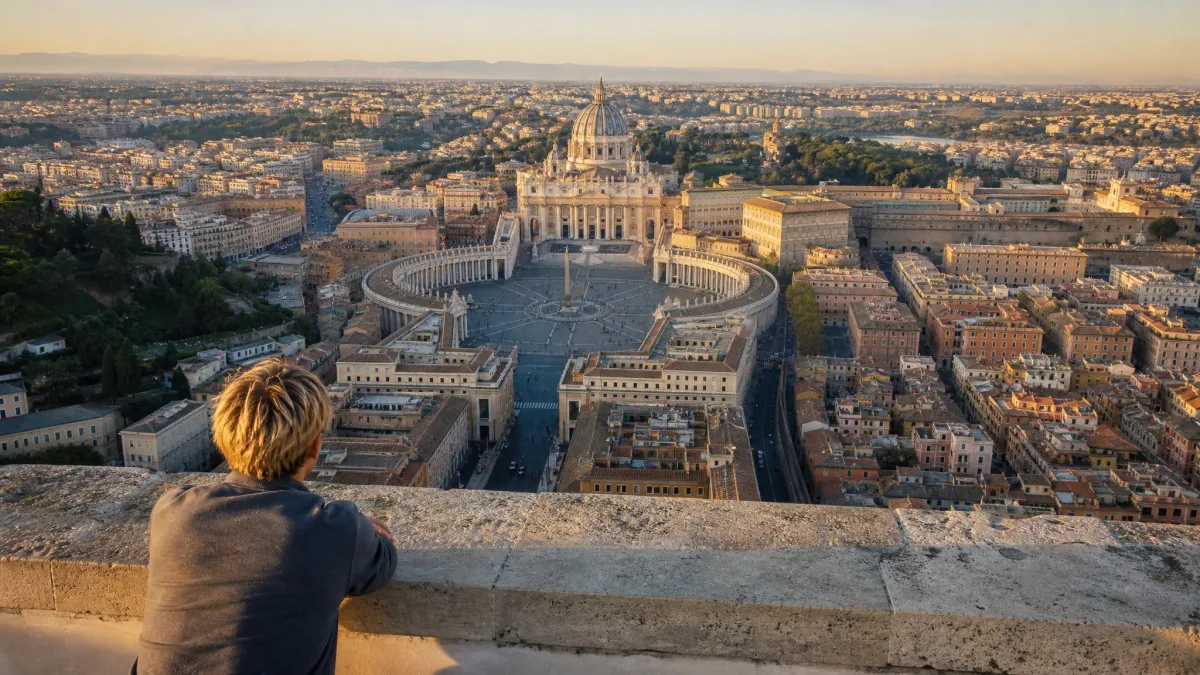
Most people rush through Vatican City as a quick stop from Rome, barely seeing past the crowds. I went the other way, committing to a full, concentrated 24 hours inside the world's smallest country, from 2 PM one afternoon to 2 PM the next.
The idea of truly visiting a country in just a day seems absurd for most places. But Vatican City offered a unique opportunity to test exactly how deep an immersive, micro-travel experience could be.
My deliberate approach revealed an unexpected depth and a set of challenges that a quick tour would never uncover. I saw immense squares, stood under Michelangelo's frescoes, and heard bells in a profound twilight.
I'll share what I learned about this intense immersion so you can decide if a similar micro-adventure fits your own travel plans.
Vatican City — Quick Planning Guide
Choosing a Microstate for Deep Focus
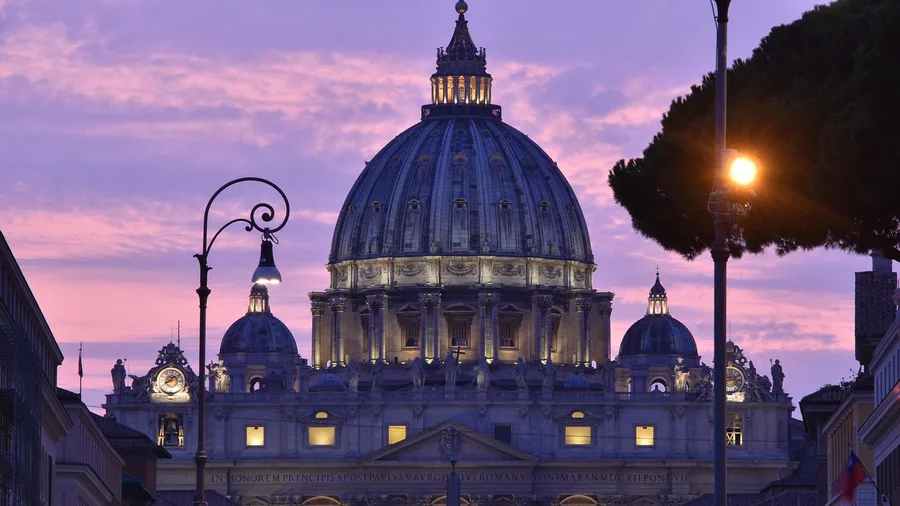
My goal for this trip was a deeply intense, concentrated experience in a single, distinct locale, a sharp contrast to sprawling multi-city tours. I specifically wanted to know if a country's essence could be distilled into a hyper-focused visit. Vatican City, the world's smallest country, became the obvious choice precisely because of its unique, contained nature; it's a sovereign state you can quite literally walk across in minutes.
The 24-hour duration, from 2 PM Day 1 to 2 PM Day 2, was planned with rigid intent to maximize immersion. This wasn't a casual layover bolted onto a Rome visit. I was there to see if you could truly feel a country in such a tight window.
It turns out, that hard limit is what makes the whole thing work, pushing you to engage differently. This short timeframe forces an itinerary that is anything but casual wandering. You are compelled to make deliberate choices about every single hour, ruthlessly cutting out any potential filler.
There's no room to drift or backtrack. This transforms the visit from a standard checklist into a focused mission. Every sight earns its spot, and you learn its significance in a way a longer, more relaxed trip might not demand, simply because you don't have the luxury of time.
My 24-Hour Vatican Cost Breakdown
Entering Vatican City: Less a Border, More a Landmark
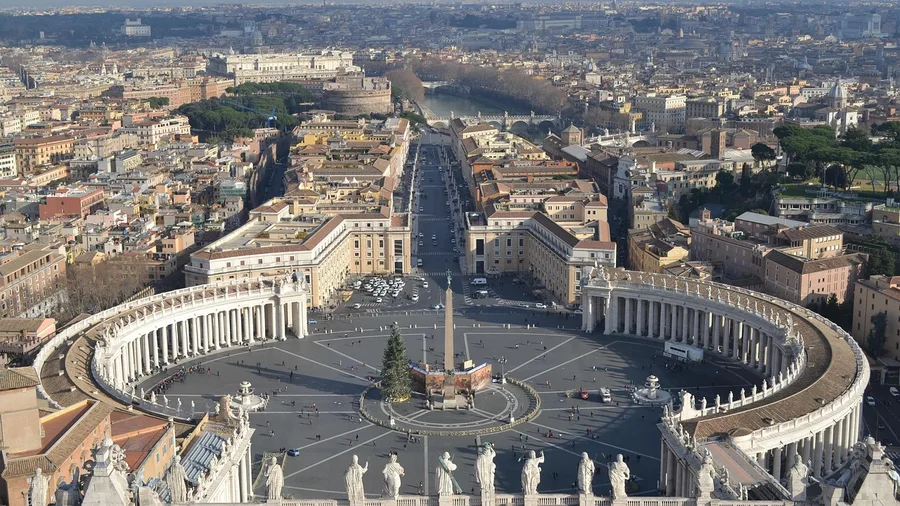
Crossing into Vatican City was less like entering a new country and more like passing through a grand, symbolic gate. My entry point was St. Peter's Square, which truly felt like a fluid transition directly from Rome itself, with no sudden shift or barrier.
There was no passport control, no formal border signs, and certainly no customs check marking the change of country. You simply walk from Italian cobblestones into the vast expanse of the square, where Swiss Guards stand, but they aren't checking your papers. It's an open embrace, not a guarded entry.
The immediate sensory shift was profound. One moment you're on a Roman street, the next you're struck by the sheer, grand scale of St. Peter's Basilica looming ahead, dwarfing everything. The immense crowds, a constant hum of languages, immediately tell you this place is different, a global gathering point.
It felt less like I was officially entering a sovereign nation and much more like I was stepping into a globally recognized monument, a living, breathing landmark. The absence of traditional border formalities emphasized its unique status, blurring the lines between city, state, and sacred space in an unusual way.
Navigating Daytime Crowds with Strategic Planning
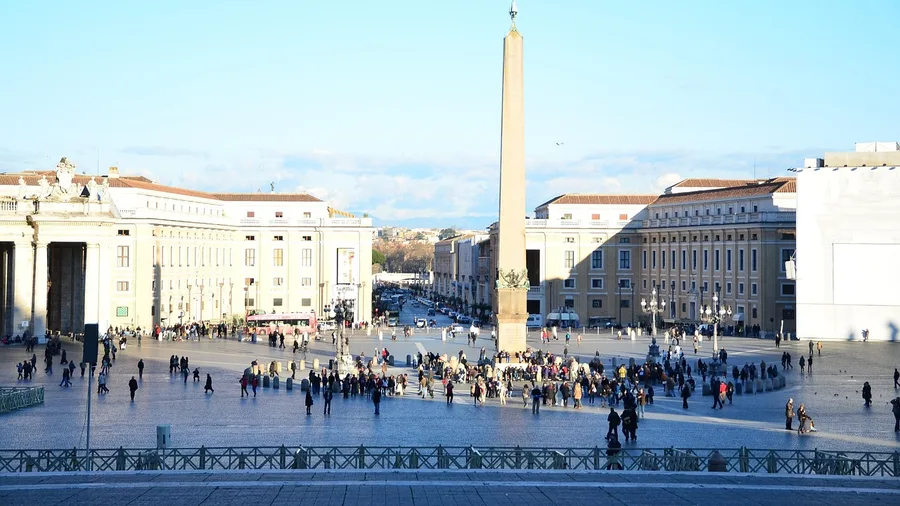
Once you step into Vatican City, particularly around St. Peter's Square, you're immediately immersed in dense daytime crowds.
This isn't just busy; it's a constant flow of thousands of people, especially near the Basilica entrance and streaming toward the Vatican Museums.
To actually see anything within my 24-hour limit, planning around this was key: I pre-booked my Vatican Museums and Sistine Chapel tickets weeks in advance. This move saved at least an hour in line and let me use that precious time inside the galleries, not outside them.
Without that kind of foresight, you'd spend half your visit just waiting.
For St. Peter's Basilica, I learned to use strategic timing, holding off until late afternoon. By 4 PM, the main rush had started to thin out, allowing me a smoother, quicker entry than if I had tried at noon.
Every minute felt valuable in such a short trip, so avoiding those bottlenecks became my constant focus for maximizing what I could truly experience.
The Vatican Museums and Sistine Chapel Demand Dedicated Time
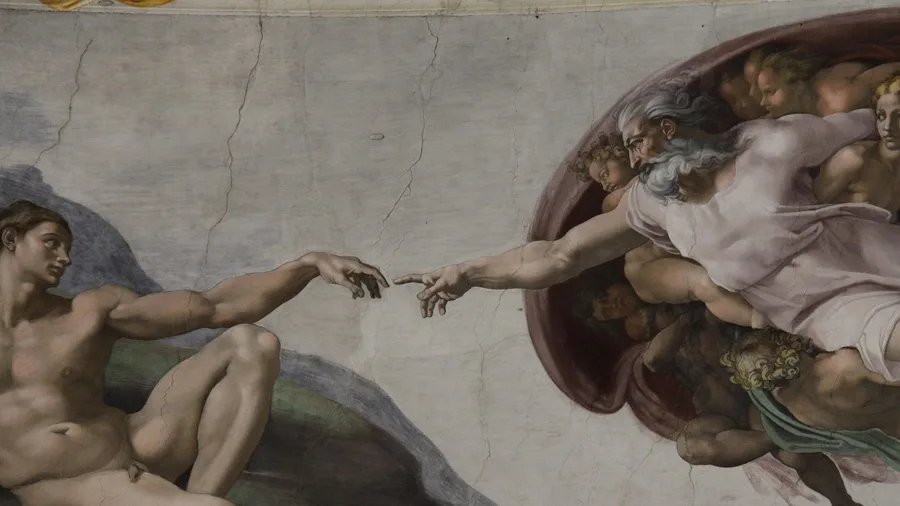
Beyond just navigating the crowds, you'll need to set aside serious time for the Vatican Museums and Sistine Chapel.
These sites are at the heart of the Vatican's cultural experience, and for good reason: the sheer volume of art, artifacts, and history packed into those galleries is staggering. I specifically carved out a focused 3 to 4 hours in my 24-hour plan to give them their due, which felt like the bare minimum. You simply cannot rush this part if you want to absorb anything.
It felt less like a casual museum visit and more like walking through a chronological archive of human creation, stretching through centuries of papal commissions and ancient finds. The overwhelming scale means you absolutely have to pick your focus or risk total sensory overload.
The Sistine Chapel, of course, is the absolute capstone of the visit.
Standing beneath Michelangelo's frescoes is a unique kind of moment, both artistically astonishing and deeply quiet, despite the constant shuffle of the crowd around you. It's one of those rare places where the real thing completely outstrips any photograph or documentary. I found it offered a profound artistic and spiritual moment, one you truly need to pause and absorb for a good fifteen to twenty minutes.
Pre-booked tickets are essential here.
Vatican Museums — At a Glance
⏰ Time Needed
3-4 Hours
🎟️ Entry
Pre-booked ticket
🎨 Highlights
Sistine Chapel, Raphael Rooms
🚶 Walking
Extensive (miles)
Finding Local Life Among Staff and Quiet Corners
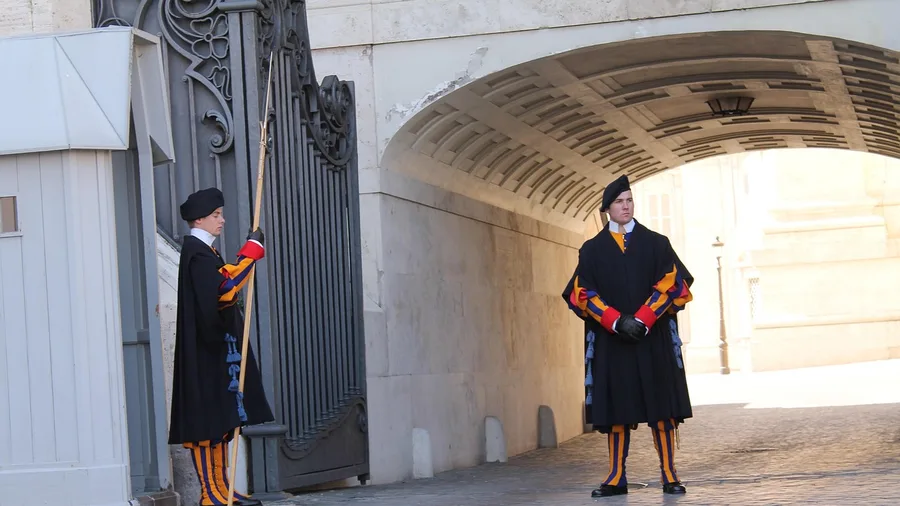
Don't come looking for "local life" in Vatican City as you would in Rome.
The country's unique purpose means there's no residential community in the traditional sense, no apartment blocks with families, no corner markets selling fresh produce. Instead, you're experiencing a city-state powered entirely by its institutional rhythm, driven by its staff.
My interactions were almost exclusively with people working there: the ever-present Swiss Guards, the museum staff who directed flows, shopkeepers in the few souvenir stores, and the cafeteria workers. These encounters were brief and professional, focused on the immediate task.
My one sit-down meal was at a cafeteria-style cafe located within the Vatican walls, a functional spot clearly designed for staff and visitors needing a quick bite.
It was basic, but it did the job.
The meal, a simple plate of pasta and a drink, cost me around $20. It wasn't a culinary experience to write home about, but it offered a small window into the pragmatic daily operations, showing how a country functions without a typical civilian populace. It reinforced the idea that this place operates on a different scale, with different priorities for its existence.
💡 PRO TIP
Get an Early Start on Day Two
Even if your 24 hours begin at 2 PM, use your first evening for a quiet exploration of St. Peter's Square before the crowds return the next morning. It gives you a crucial head start.
Nightfall's Unexpected Transformation and Profound Quiet
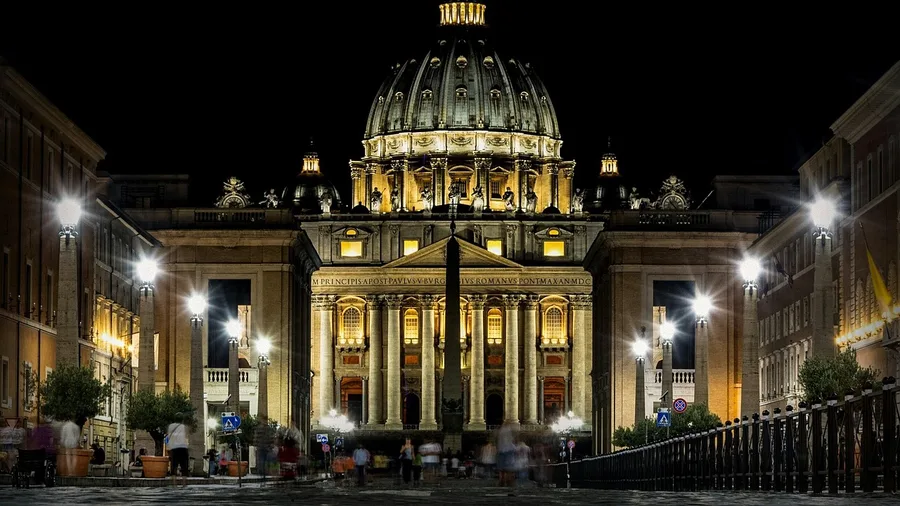
After the administrative rhythms of the day and the last tours ended, the real shift happened. Around 6 PM, almost like flipping a switch, the tourist crowds rapidly departed from St. Peter's Square.
The country emptied out.
What was left was a profound quiet, a stark and almost unbelievable contrast to the daytime bustle. This wasn't just fewer people; it was an entirely different soundscape, with the echo of your own footsteps replacing the constant murmur of thousands.
I felt an unexpected sense of peace in the illuminated St. Peter's Square. The scale felt different without the packed throngs.
This quiet transformation was the single most surprising finding of my 24 hours. Seeing Bernini's colonnade reaching out, lit against the dark sky, and the Basilica glowing, revealed a contemplative side of Vatican City I never anticipated. You truly get to absorb the space.
Vatican City After Dark
The Intense 24-Hour Immersion Offered Surprising Depth
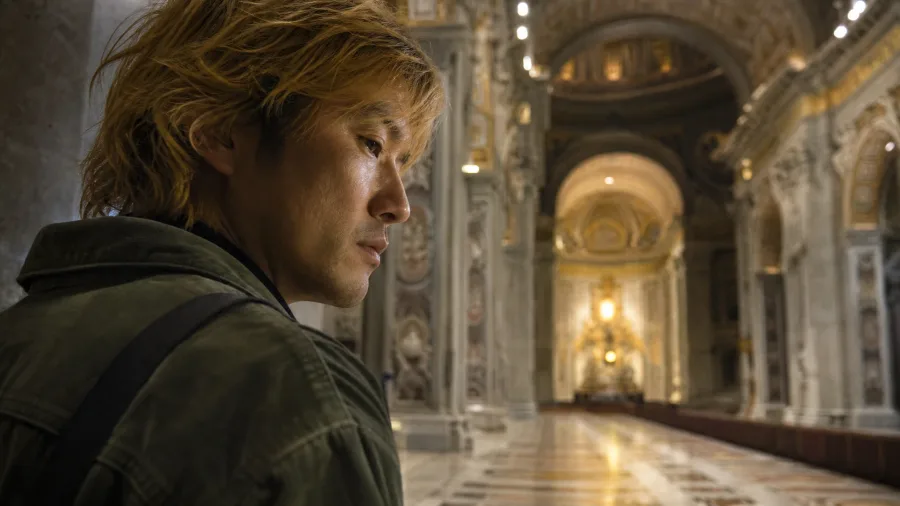
The 24-hour immersion offered a surprisingly deep understanding of Vatican City's essence.
The quiet transformation after dark was key.
Standing in St. Peter's Basilica after sunset, the vastness of the space took on a new dimension without the constant flow of people. This specific moment provided a profound insight into the spiritual heart of the microstate.
The limited timeframe, from 2 PM Day 1 to 2 PM Day 2, did not feel restrictive.
Instead, it compelled a far more deliberate and appreciative experience. Every choice, from pre-booking museum tickets to timing my Basilica visit, became a focused act. This intensity meant I absorbed the history and art of the Vatican Museums and Sistine Chapel with heightened attention.
The scale of the collections wasn't just seen, it was felt.
I walked away feeling like I had genuinely "gotten" the unique character of this smallest country. It wasn't just a blur of sites. The compressed visit provided a concentrated dose of its institutional rhythm, artistic grandeur, and unexpected calm. My total cost was around $150 for entries, a meal, and one souvenir.
🇻🇦 Your 24-Hour Vatican Journey
Arrive (2 PM)
Enter St. Peter's Square, orient yourself amidst the initial crowds.
Afternoon (3-6 PM)
Explore St. Peter's Basilica, soaking in its grandeur and art.
Evening (6-9 PM)
Witness the square emptying, experience a profound sense of quiet.
Night (Post-9 PM)
Have dinner outside the Vatican, reflect on the day's spiritual intensity.
Morning (8-12 PM)
Enter Vatican Museums with pre-booked tickets for Sistine Chapel and galleries.
Midday (12-2 PM)
Final quiet moments in the square, then prepare for departure.
A Unique Itinerary Fits Specific Travel Goals
My 24-hour Vatican adventure is truly ideal for specific types of travelers.
This trip suits you if you seek a highly focused and memorable experience, rather than broad, leisurely exploration.
You'll appreciate this visit if you thrive on concentrated historical and artistic immersion, where every minute is accounted for. It's for those who want to deeply engage with world-class art and faith in a contained space.
Think of it as a deep reading, not a casual browse.
Conversely, this itinerary isn't for you if your travel style prefers long, unstructured days. If you like wandering city streets, discovering random cafes, or seeking out typical local life, Vatican City in 24 hours won't deliver that. My one sit-down meal was a cafeteria, a practical choice within the walls.
You won't find bustling neighborhoods or quiet corners to stumble upon.
Realistic expectations are essential for enjoying this self-contained micro-adventure. You need to know exactly what you are getting into: an intense, rewarding historical and spiritual journey. This isn't a typical country discovery.
24 Hours in Vatican City: Is It For You?
This Trip Is For You If…
- You want to hit St. Peter's and the Sistine Chapel
- You want to experience the country after dark
- You need to stick to a ~$150 daily budget
- You're comfortable basing right outside the walls
Consider Longer Trips If…
- You expect a wider choice of dining
- You hope to explore the Vatican Gardens deeply
- You wish to spend time beyond St. Peter's Square
- You prefer to avoid dense daytime crowds
Frequently Asked Questions
Is 24 hours really enough for Vatican City?
Yes, if your goal is focused immersion rather than exhaustive exploration. This concentrated timeframe forces you to prioritize and experience key moments more deeply, especially during quiet hours.
Do you need a car to get around Vatican City?
Absolutely not. Vatican City is small enough to navigate entirely on foot. Its compact size means all major sites are within easy walking distance from St. Peter's Square.
What's the best time of day to visit St. Peter's Basilica?
Aim for late afternoon, typically after 3 PM, when many large tour groups have started to depart. The early evening, especially, offers a more serene and less crowded experience.
Can you eat inside Vatican City?
Yes, there are several cafeterias and snack bars catering to visitors and staff. While not fine dining, they offer convenient and affordable options for a quick meal during your visit.
Is it expensive to visit Vatican City?
Admission to St. Peter's Basilica is free, but the Vatican Museums and Sistine Chapel have entry fees. My focused 24-hour trip cost around $150, including a meal and a souvenir, plus accommodation just outside.
Experiencing Vatican City Beyond the Day Trip
So, is a 24-hour visit to Vatican City worth it? Absolutely, if you're a traveler seeking deep focus over broad strokes. It's a highly recommended, surprisingly rich immersion that defies the idea that more time always means more depth.
My single most important tip: go in with a plan for the daylight hours, but truly embrace the profound quiet after the crowds depart. It's in those hushed moments, watching the square empty and the lights come on, that you'll experience something genuinely unique. The notion of fully experiencing a country, even the smallest one, in just one day proved unexpectedly rich, offering a profound, concentrated immersion unlike any other trip.
Plan Your Focused Vatican Visit
Review the quick planning guide above to start crafting your own concentrated 24-hour immersion in the world's smallest country.