
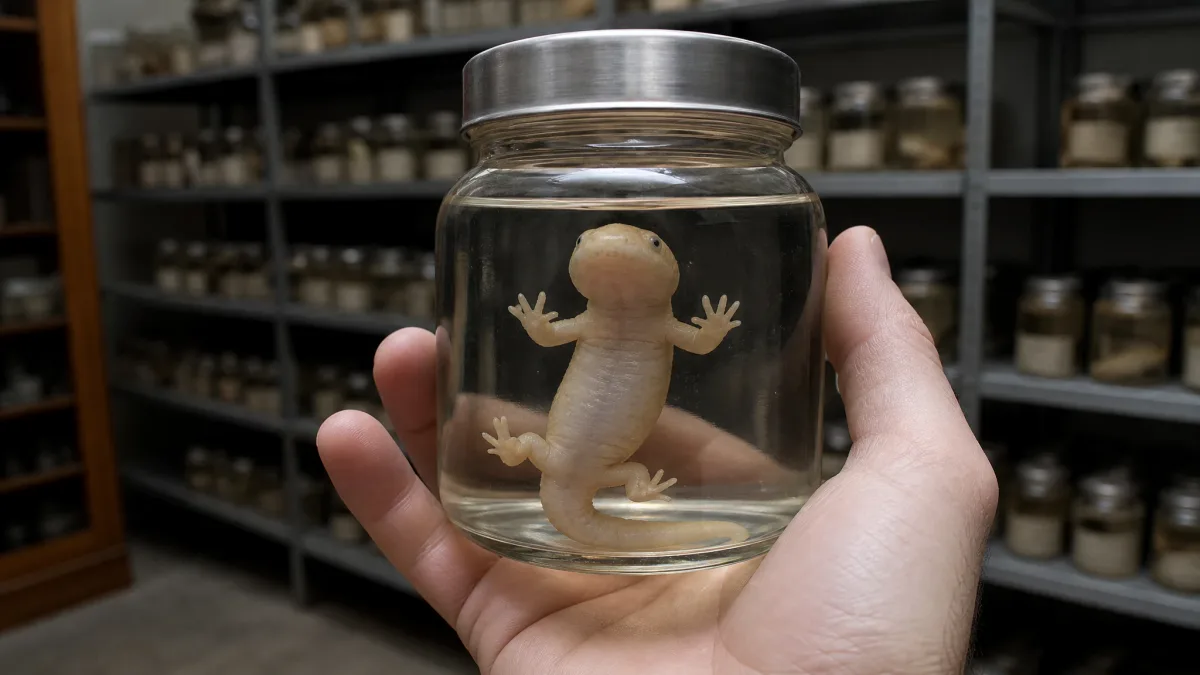
For years, people who follow conservation have asked why some animals get studied to exhaustion while others barely get a glance. Two studies now offer part of an answer, and it is about the researchers as much as the animals.
The pair comes from the University of New South Wales and is reported in the journal Ecology and Evolution. Together the studies say biodiversity research is skewed toward vertebrates, the animals with backbones, and that what gets studied follows personal preference and cultural attitudes rather than the biggest gaps in what we know.
The catch is the evidence you can actually reach. What is available is a short news write-up, with no sample sizes, no methods, no study dates, no authors and no citation.
So the question you clicked on gets a split answer: worth taking seriously, not yet possible to check. What the report establishes, what stays unchecked, and which living things remain most neglected are all still on the table.
What the studies actually claim
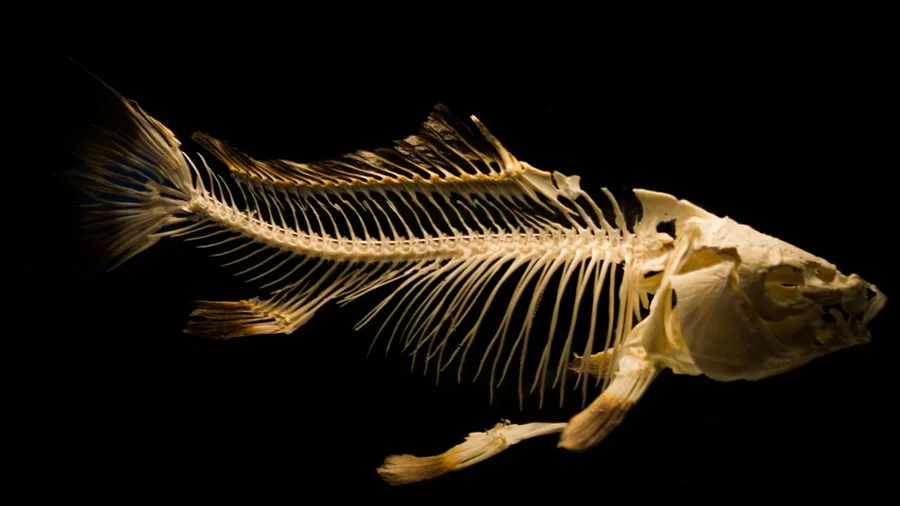
The studies report a pattern in what gets studied: researchers often pick their topics out of personal preference and cultural attitudes, not because those topics fill the biggest gaps in knowledge. The headline result is that vertebrates, the animals with backbones, dominate biodiversity research. Most living things, the write-up says, are being ignored.
Why does that matter? Research attention decides which species and ecosystems someone actually studies, and so may shape which ones get understood and protected. A group nobody looks at tends to stay a blank spot on the map.
The claim arrives as a finding, though. This section can tell you what the two UNSW studies are reported to have found. It cannot tell you how they found it, because the write-up does not say.
One detail of the claim is worth pausing on. Vertebrates are the familiar animals: birds, fish, mammals, reptiles, amphibians. In a pond or a forest, they are generally the minority. The living things that outnumber them, the insects, the worms, the fungi and the microbes, are the ones the report says get less attention.
That gap is the stake. If the research lens points at backboned animals and away from everything else, then what people know about life on Earth is shaped as much by what researchers find interesting as by what is most at risk. The two studies are reported in the journal Ecology and Evolution, and they are the entire basis of the claim.
Films, TV and zoos shape research choices
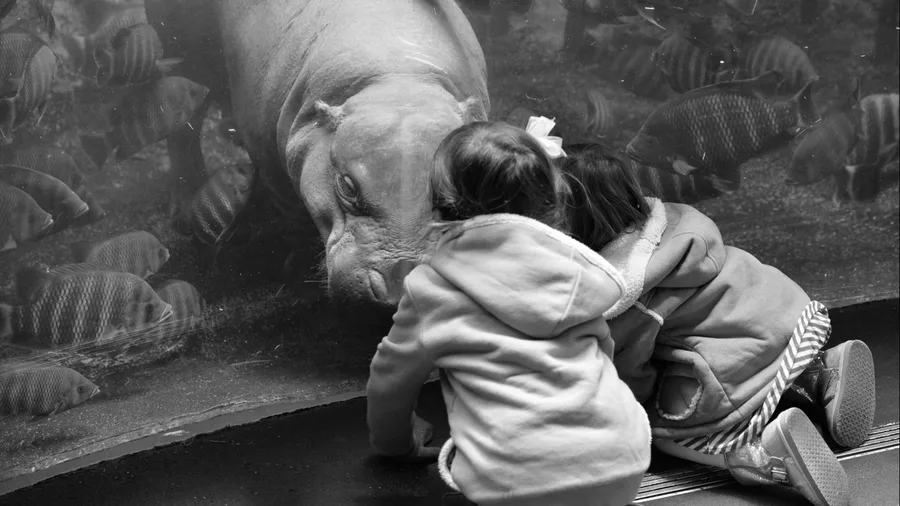
The influences the write-up names are personal preference and cultural attitudes, not a neutral survey of where knowledge is thinnest. Films, TV shows and zoos appear on the list of cultural influences.
Picture the animals a curious child meets first: the zoo enclosure, the nature documentary, the animated film. Those are the species that may stay familiar enough to become somebody's research subject years later.
What the available material does not give is the mechanism. It does not say whether, or how, what researchers saw on a screen or behind glass shapes their topic choices.
Nor does it measure the path from exposure to a chosen topic. Whether, or how far, hours of film or zoo visits move a person toward one species and away from another is not stated anywhere in the write-up.
Whether the link is a correlation or a demonstrated cause is therefore unclear. The material reports a connection; it does not show the cultural influence doing the work.
There is a plausible reading here. Research topics are picked by people who grew up with the same kinds of screens and outings as everyone else, and the write-up describes no process that screens those tastes out before the research agenda is set.
⚠️ COMMON MISTAKE
Don't mistake the headline for the paper
The write-up states the vertebrate bias as a finding, but it gives no sample size, no method and no citation. Treat the claim as a reported result, not a proven one, until the studies themselves are available.
The evidence is two studies and a write-up

The evidence is two UNSW studies published in Ecology and Evolution, and a reader can reach them only through a short news write-up. No study record, abstract, DOI or preprint id is available.
That leaves nothing to compare the write-up against. A reader cannot open the papers themselves to check which species were counted, which researchers were surveyed, or how the pattern was detected in the first place.
The write-up gives no numbers, no sample sizes and no methods. How much research is pulled toward vertebrates, and how the studies measured it, goes unsaid.
Nor does the page give a date, authors or citation for either paper. A dozen other papers share that title. Without an identifier, locating the right ones means guessing.
This is a single short write-up resting on the news page alone, and every claim in it carries that weight. The finding is reported, not shown to a reader who wants to check it.
A reader who wants to weigh the strength of the study for themselves is left without a handle. What remains is a described result, and a description, however clear, is not the evidence itself.
What the available material gives you
The few checkable details in the write-up
No authors, dates, DOI or methods were provided in the available write-up.
What the evidence cannot show

Without an abstract or a methods section, the report leaves four things unfixed: how many species, papers or researchers were counted, how the cultural link was tested, whether that link is a correlation or a demonstrated cause, and how large or long the two studies ran.
Start with the sample. The write-up never says whether the analysis covered a handful of journals or a broad sweep of the field, so a reader has no way to picture the size of the base the vertebrate pattern rests on.
Then the measurement. We are told films, TV shows and zoos are listed as influences, but not how anyone checked whether a researcher's topic traced back to them. Did the studies survey topic choices, compare them against media trends, or ask researchers directly? Nobody reading the write-up can say.
That gap spills into the biggest question. With no method described, a pattern of vertebrate-heavy topics could be a correlation, with media and research moving separately, or it could reflect a cause. The page leaves the two readings open.
Scale matters for the same reason. Without a sense of how wide or how long the work ran, the finding's strength stays out of reach: a strong skew across a large body of work and a mild lean in a narrow slice could look identical in this report.
What the write-up states vs. what it leaves out
Stated in the material
- Two UNSW studies are the basis of the report.
- They are published in Ecology and Evolution.
- Vertebrates dominate biodiversity research.
- Personal preference and cultural attitudes drive topic choice.
Not provided
- Sample sizes or number of species analysed
- Methods for either study
- Authors, publication date or citation
- Whether the link is correlation or cause
What the coverage made look simpler

The details that would let you check the finding are missing from the page itself. The write-up gives no sample sizes and no other quantities, so there is nothing to weigh.
It also skips methods entirely. Neither study's approach is described, which leaves no way to know what was counted or compared.
And it gives no date, authors or citation, so the papers reported in Ecology and Evolution cannot be located from the page. No study record, abstract, DOI or preprint number appears either.
The practical result is that every claim rests on the news write-up alone. You cannot open the papers and compare their wording against the coverage.
That gap has a cost that may be easy to miss. In coverage of a paper, the citation usually lets you find the source in seconds; here, there is nothing to click through to. The headline reads cleaner than the evidence underneath it, because the messy parts, the sample and the method, never made it onto the page.
Where this touches an ordinary day
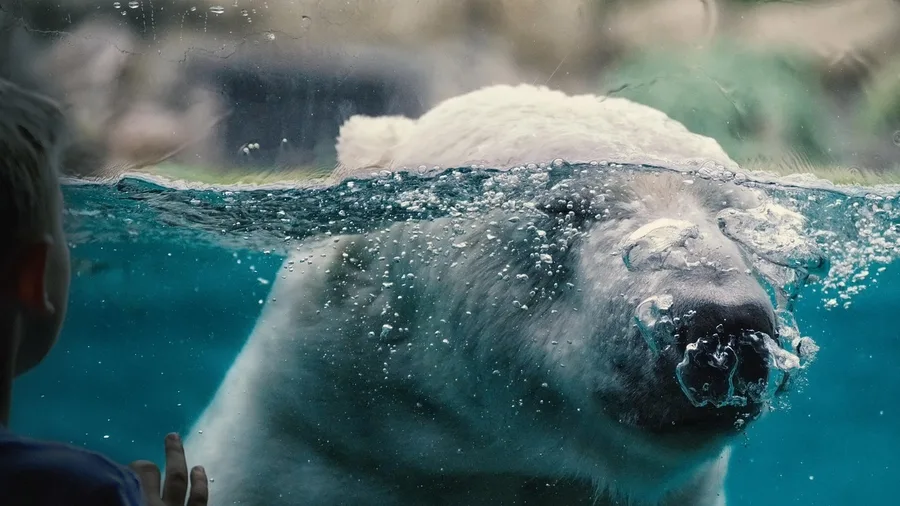
Films, TV shows and a weekend zoo trip are things plenty of people share, and the report lists them among the cultural influences on what researchers study. That is the personal edge of this story: the same popular images a reader grew up with are named as part of what may steer research attention.
Keep the hedge attached, though. The studies are reported to link those exposures to what researchers choose to study; they do not prove that watching a documentary or visiting a zoo causes a scientist to pick one species over another.
It is worth being clear about what is not being claimed. No one is at fault for enjoying a nature film, and a zoo visit is not indicted here. The point is about where research attention pools, not about guilt for anyone who ever watched a wildlife show.
What the report does suggest is more modest and more interesting. If cultural familiarity shapes which creatures get investigated, then the animals a reader can easily name may be the ones already well covered, while the unfamiliar ones may be overlooked. That is a question about the field's habits, not about any one person's choices.
Which living things are still being missed?
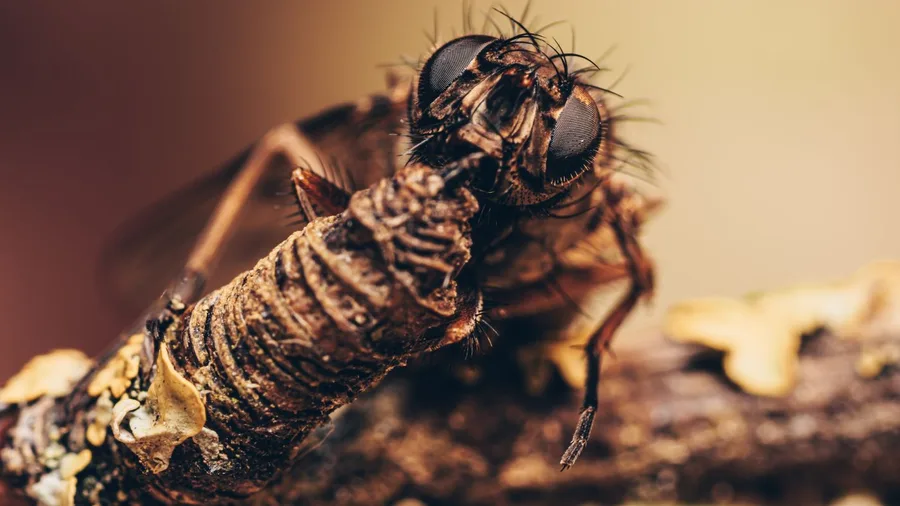
The write-up does not say which groups of living things are most under-studied. The reader cannot tell which ones are being missed. The report gives the pattern and stops there.
How far the vertebrate bias extends is also open. The write-up says vertebrates dominate biodiversity research, but it does not say by how much or where the dominance is strongest. Whether it holds across every branch of biodiversity research or only some parts is not known.
One question the material leaves whole is why researchers choose the topics they do. Personal interest was not separated from funder or career pressure. The write-up puts preference forward without weighing it against the other forces that may steer a career.
A larger question follows. Would pushing research toward neglected groups change what happens in conservation or in policy? Nobody can say from this material. The write-up makes no claim about that, and nothing in it tests the idea.
None of these questions is answered in the available write-up. The page reports a pattern and names a possible reason. The scope of the bias and the shape of what is missing from biodiversity research are still unchecked. A reader finishes knowing what was claimed, not how far the claim reaches.
Frequently Asked Questions
What does it mean that vertebrates dominate biodiversity research?
It means animals with backbones, such as mammals, birds, reptiles, amphibians and fish, are reported to receive a disproportionate share of scientific attention compared with other living things. Most living things are not vertebrates, so a large share of biodiversity is being ignored.
Why do researchers choose some species over others?
The UNSW studies point to personal preference and cultural attitudes rather than a neutral scan of knowledge gaps. Films, TV shows and zoos are listed among the cultural influences on what researchers study.
Is this finding based on strong evidence?
The available material is a short news write-up of two studies published in Ecology and Evolution. It gives no sample sizes, no methods, no authors and no citation, so the strength of the finding cannot be judged from what is available.
Does this mean watching nature documentaries is bad?
No. The claim concerns research attention, not personal guilt. The reported link is that cultural exposure shapes what researchers choose to study, and it is reported rather than proven causal in the available material.
What is still unknown about this research bias?
Which groups are most under-studied, how far the vertebrate bias extends, how much topic choice is personal interest versus funder or career pressure, and whether shifting research would change conservation outcomes. None of these are answered by the available write-up.
The question the headline leaves open
The verdict is straightforward. The report raises a real and consequential possibility, that vertebrate bias in biodiversity research is tied to cultural preference rather than to where knowledge is thinnest. The available material does not prove how large that bias is, or what causes it.
Go back to the question you arrived with, whether the claim is solid, and the answer splits. It is solid enough to report and to take seriously, and not solid enough to verify or to generalize beyond what was described.
Which groups of living things are most under-studied, and how far does the vertebrate bias actually reach? Answering that would take the papers themselves, and until they are in reach, that is the question to carry out with you.