
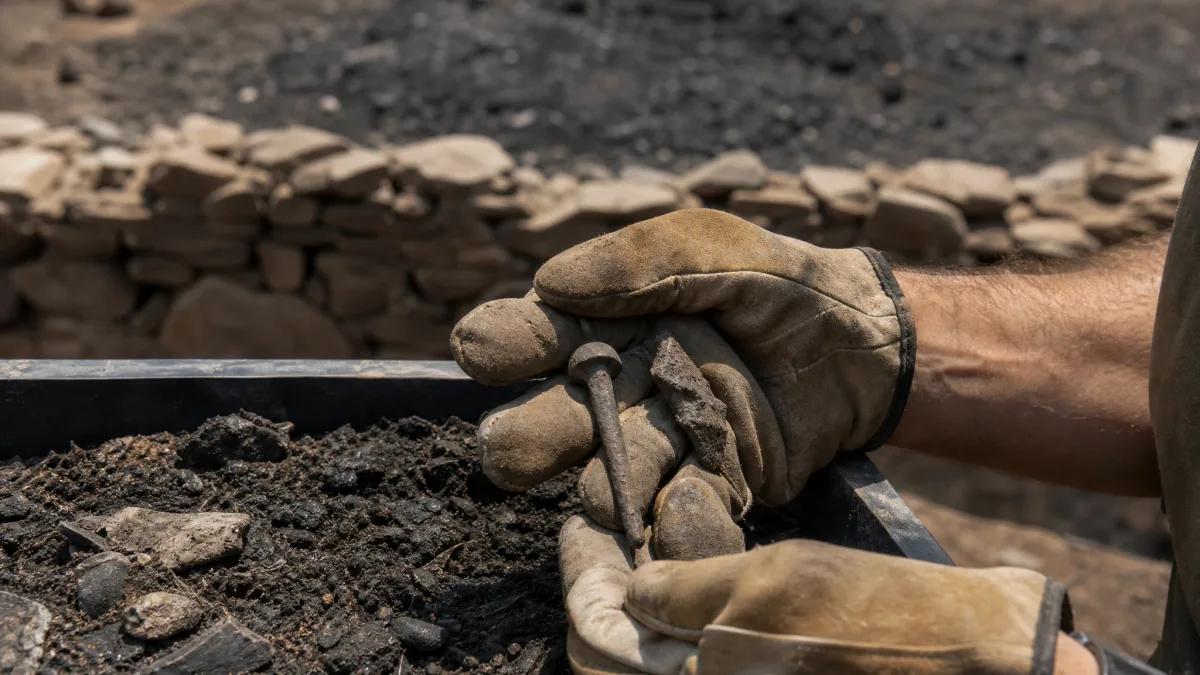
The camp's stone wall is about 5 feet (1.5 meters) thick.
So the headline offers a vivid idea: Romans may have burned a Celtic town to humiliate the enemy.
The dig found that camp roughly half a kilometer from an Iron Age town of the Cantabri in northern Spain. Fragments of weapons and hobnails turned up, and much of the town burned, two temples included. No peer-reviewed paper or study record was found.
The ground shows Romans camped here and that the town burned hard. The humiliation idea is one excavator's guess, and when the last Roman attack came is still unknown.
By the end, you can tell what was dug up from what was read into it.
A Roman camp beside a burned town
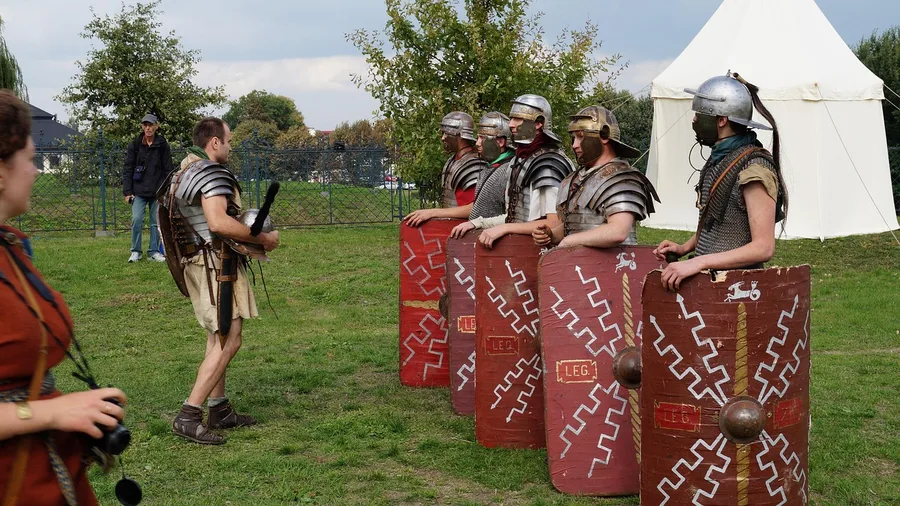
Archaeologists found a Roman military camp in northern Spain, and less than half a mile from it, a Celtic town that had burned.
The camp sits roughly half a kilometer away from the site where an Iron Age settlement of the Cantabri once stood. The Cantabri were a group of Celtic tribes in the Cantabrian Mountains, in what is now northern Spain. Excavators dug there earlier this year.
What survives of the camp is modest and specific. Its earthen platform is roughly 39 feet (12 meters) wide. A stone perimeter wall some 5 feet (1.5 m) thick rings it.
Inside, the team found fragments of weapons. They also found hobnails: small iron tacks hammered into the soles of Roman soldiers' leather military sandals, the kind of hardware a marching army leaves behind.
Then there is the fire. Digging revealed evidence that a major blaze destroyed most of the pre-Roman town, two temples among the losses.
Put those things side by side and you have a Roman camp and a burned town within sight of each other. What you do not have, from the soil alone, is who set the fire or why.
Fire destroyed most of the town and two temples
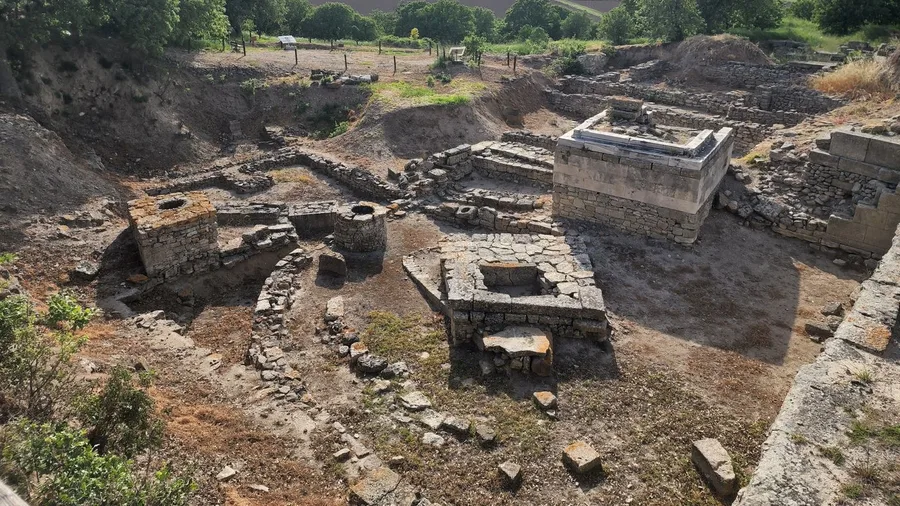
The burning was severe: most of the settlement went, and two temples with it, according to the coverage.
The town was an Iron Age Cantabri site, one of the Celtic communities of the Cantabrian Mountains in what is now northern Spain. It stood well before Rome arrived. When the fire came, it took nearly all of the settlement that predated the Romans, including two temples.
That matters because temples are hard to write off as random damage.
But read the burn layer for what it is. Charred timber and cracked stone show that a fire happened. They do not show who held the torch, or what that person was thinking.
Archaeologists can sometimes tell a cooking fire from a conflagration, but that does not carry intent. None of that carries intent. A town can burn in a siege, in a raid, in an accident, or in the hands of its own fleeing defenders.
The extent of what burned raises the stakes of the question, and helps explain why the digging team reached for a motive. It does not answer it. Intent and timing stay outside the physical record here; the next question is where the motive comes from.
Why one archaeologist suspects humiliation
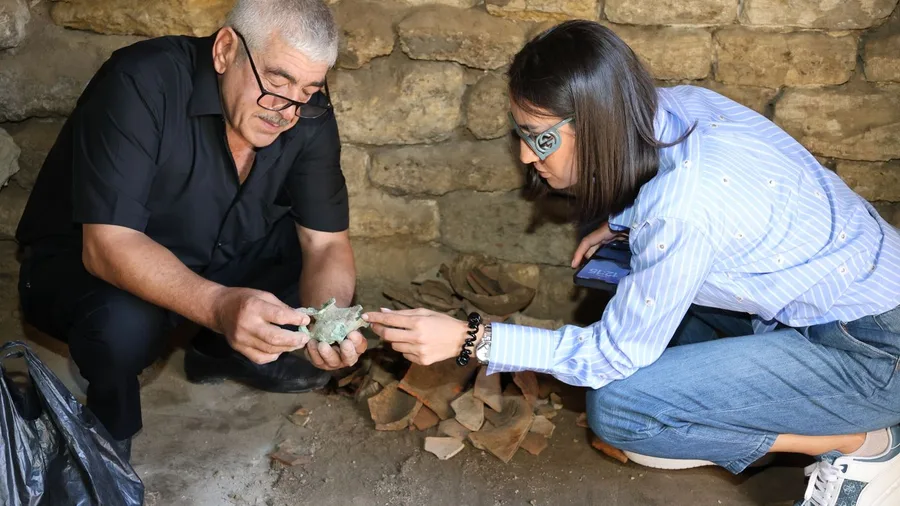
The idea that the Romans set the fire on purpose comes from one of the dig's leaders, and he offers it as a reading of the evidence, not a proof.
Eduardo González Gómez de Agüero is an archaeologist at the University of León who co-directed the excavation project. He suggested the fire may have been something beyond a military win. "It's not just about defeating the enemy, but about humiliating them, erasing their identity, and breaking their connection to the land".
That is a serious argument about ancient warfare. Destroying a people's temples may have been one way to cut a community off from the places its identity was anchored to.
But notice what kind of claim it is. The camp, the weapon fragments and the burn damage are things excavators can point at. Humiliation is a motive, and motives do not fossilize. Nothing in the ground reads 'humiliate' rather than 'punish', 'deter' or simply 'finish the job'.
So the reading is an interpretation of what the fire may have meant to the people who lit it and the people who lost their town.
It is a plausible interpretation, put forward by a person who has spent time on the site, and it may be right. It is not a fact the dig can establish, and it should be read as a suggestion rather than a demonstrated finding.
💡 PRO TIP
A suggestion is not a finding
When a headline says 'may have' and the story comes from one excavator's idea, treat the physical finds (camp, weapons, hobnails, burning) as the solid part and the motive as the interpretation. The two are not the same strength of evidence.
What the evidence cannot prove
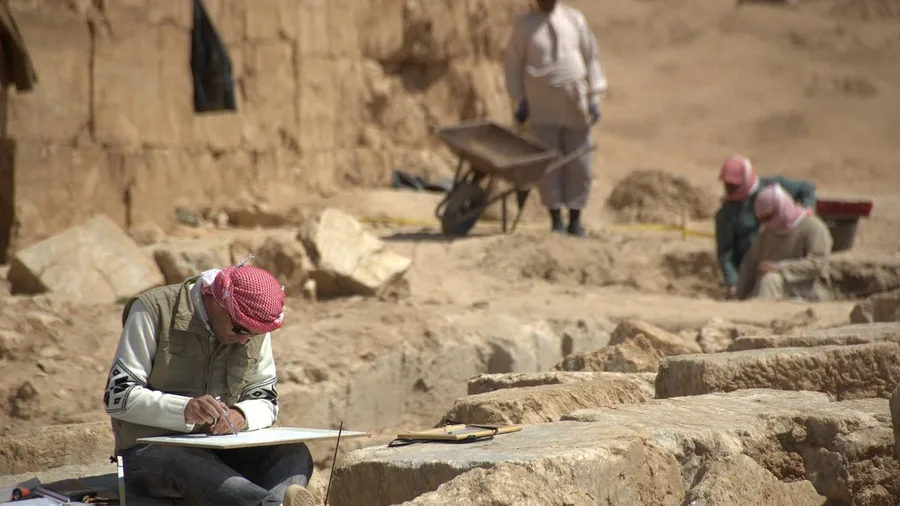
The strongest thing this dig supports is a Roman camp and a burned town, and the deliberate-fire story sits well beyond that. No peer-reviewed paper or study record for the work turned up, so what is known comes from translated statements and news coverage. That is a thin footing for a firm claim and worth remembering when the headline makes it sound settled.
The fire-as-humiliation reading started with one person's suggestion. Eduardo González Gómez de Agüero, an archaeologist at the University of León who co-directed the work, raised the idea; it was never confirmed by the dig.
The headline word of "humiliation" traces to that remark about possible motive, not to anything dug out of the ground. A destroyed town shows a destroyed town. It does not show what the soldiers intended as they lit it or how the town's defeat weighed on Rome.
Timing is open too. Researchers have not established the chronology of the final Roman attack, so nobody yet knows whether the settlement fell in one blow or over a longer stretch of violence. The dig can establish the camp and the burning. It cannot establish intent, and it cannot establish a single-attack timeline.
The dig in numbers
What the physical record actually measures
All figures from the excavation coverage; no peer-reviewed paper located.
This camp joins 66 already recorded
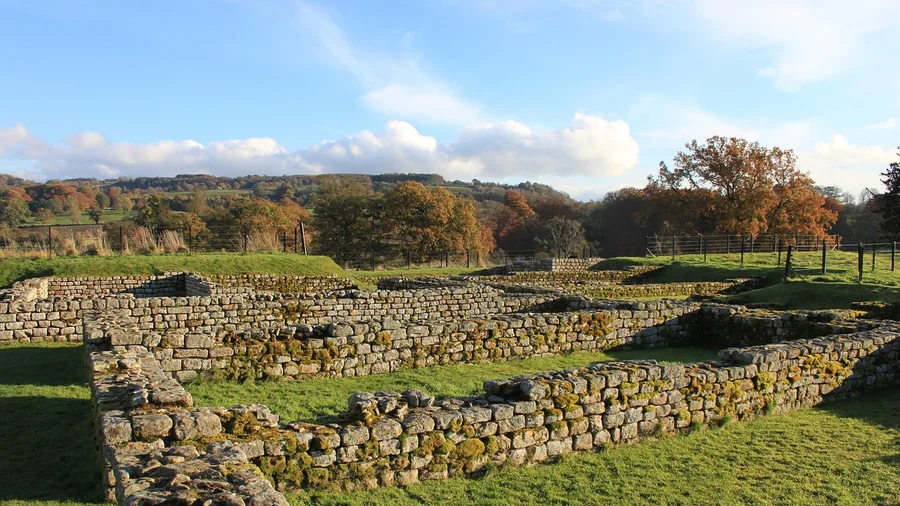
This is not the first Roman camp mapped in the region. An earlier research team, working separately, had already identified 66 Roman camps across northern Spain. The new site joins that list rather than standing alone, and that changes how to read the burning.
The camp was occupied during the Cantabrian Wars, the campaign Emperor Augustus waged as Rome pushed into the region in the first century B.C. The Cantabri held out for a decade before being beaten in 19 B.C. by forces Augustus commanded.
The result reshaped the map. When the wars ended, the Cantabri lost local control of their territory, and the Iberian Peninsula came under Roman rule.
Why camp after camp after camp? The scale says something about the effort involved. Rome did not send a single detachment against the Cantabri; it built camps again and again across the Spanish north, as Carlos Fernández Rodríguez, another University of León archaeologist, put it:
"It is a key advance in grasping how the conquest unfolded on the Cantabrian slope of León, a region where the Roman camps had to be tied to Iron Age settlements."
All of that places this one burned town inside a long, sustained military push. It does not fix the date of the destruction, though. The wider war tells us why Romans were in the neighbourhood. It does not tell us which night of that decade the fire started, or how many the settlement survived.
What the dig shows vs. what it suggests
Physical evidence
- A Roman camp about 39 ft (12 m) wide
- A stone wall about 5 ft (1.5 m) thick
- Weapon fragments and iron hobnails
- A major fire that destroyed most of the town, including two temples
Inference or open question
- The Romans set the fire deliberately
- The motive was humiliation
- The town fell in a single attack
- The attack chronology is established
What hobnails say about a soldier's day
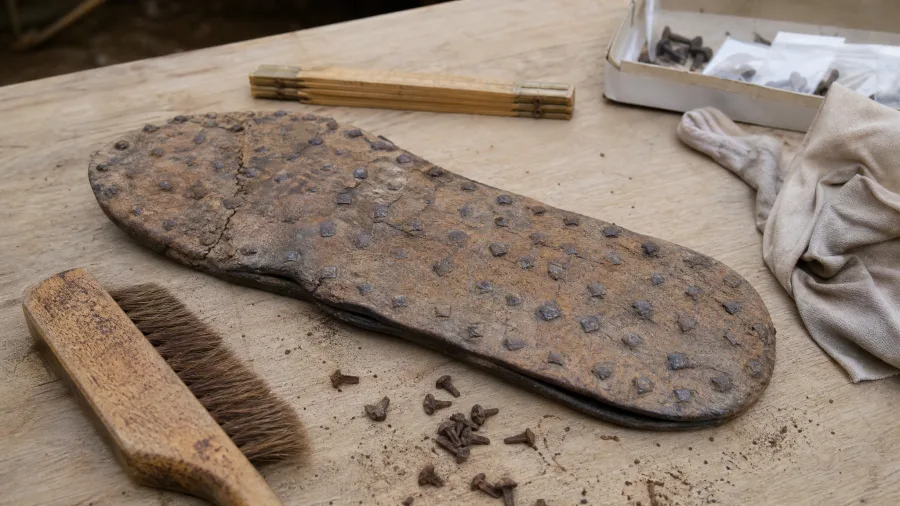
Hobnails are small iron tacks driven into the soles of Roman soldiers' leather military sandals. They gave soldiers traction on rocky slopes and muddy ground.
Picture the archaeology: scattered nails. They were small iron tacks, so finding them at the camp is ordinary, not dramatic. This is gear.
That is exactly what makes them useful to the story. They may open a narrow window on the unglamorous texture of a camp. They cannot support the claim about the fire.
A hobnail says a soldier stood here, walked here, repaired his boots here. It cannot say whether that soldier went on to torch a temple, whether the burning came years later, or whether any Romans at this camp set the fire at all.
So the tacks and the weapon fragments do the same job. They place soldiers at the site. That is all. Turning iron tacks into evidence of intent is a leap the objects themselves will not make.
One attack or a series of events?
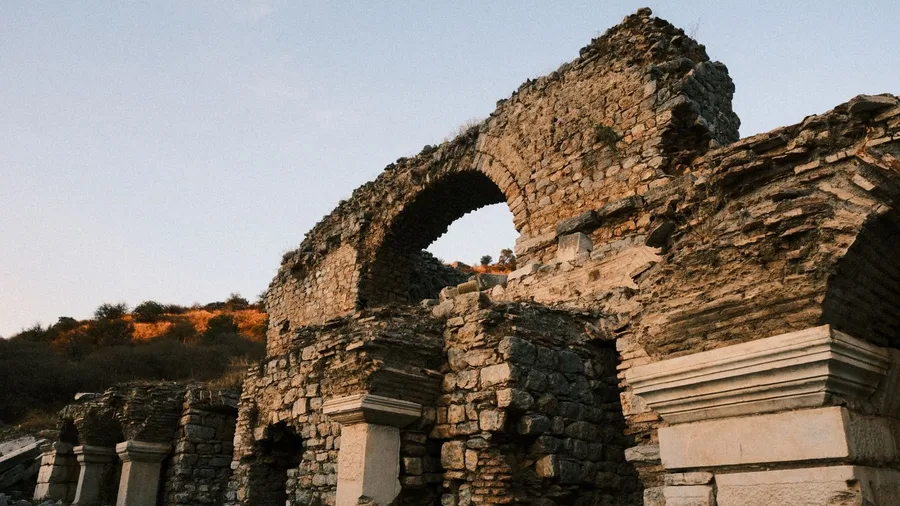
Nobody can yet say whether the Cantabri settlement fell in one blow or in several. The order of events in the last Roman attack is still unestablished.
That leaves a real fork in the ground. The town may have burned in a single destructive event, or it may have been hit again and again over a stretch of time. A burned layer tells you fire happened; it does not by itself say whether the flames came once or returned.
The scale of the burning makes the question harder to dodge, not easier to answer. Traces of a major blaze that consumed nearly all the pre-Roman settlement, two temples among it, were found. Yet a town can end that way in one night of violence or across a longer sequence of raids and reprisals.
So the choice stays genuinely open. One destructive event, or a series of them? Until the chronology of the final attack is worked out, neither reading can be ruled out, and the fire evidence alone will not pick between the two.
Frequently Asked Questions
Did the Romans definitely burn the Celtic town?
The dig found evidence of a major fire that destroyed most of the pre-Roman settlement, including two temples. Whether the Romans deliberately set it is one excavator's suggestion, not a confirmed finding. The physical evidence indicates a fire, not who started it or why.
Where is this Roman camp located?
It is in the Cantabrian Mountains of what is now northern Spain, about one-third of a mile (500 meters) from an Iron Age settlement of the Cantabri, a group of Celtic tribes. The camp was in use during the Cantabrian Wars of the first century B.C.
What is a hobnail and why does it matter?
A hobnail is a small iron tack hammered into the sole of a Roman soldier's leather sandal to give grip on rocky and muddy ground. Finding them at the camp suggests soldiers were there in ordinary military routine; they do not bear on the fire or its motive.
Has this excavation been published in a peer-reviewed journal?
No peer-reviewed paper or study record was located. The findings are known through translated statements and news coverage. That means the interpretation has not yet been checked by other archaeologists in the usual way.
How many Roman camps are known in northern Spain?
A separate earlier research team identified 66 Roman camps in northern Spain. This new camp joins that list and adds a direct link between a camp and an Iron Age settlement.
What would settle whether the town fell in one attack?
A clear chronology of the final Roman attack would settle it. Researchers have not yet established that timeline, so it remains unknown whether the destruction happened in a single event or over a series of events.
The question the burned town still leaves open
The camp sits one-third of a mile (500 meters) from the town, and the finds are real: the earthen platform, the stone wall, the weapon fragments, the iron hobnails, the charred temples. The fire is real too. What the fire cannot show is intent.
The idea that the Romans burned the town to humiliate its people is one archaeologist's suggestion, not a demonstrated fact. It may be right. The headline's claim that Romans may have torched the town to humiliate the enemy stays a possibility, not a conclusion.
The question still open is timing. Was the settlement destroyed in a single attack, or over a longer stretch of the war? That chronology has not been worked out, and until it is, neither reading can be ruled out. Looking back at that small walled platform, the burned town beyond it tells you what happened but not yet when.
Sources
- Romans may have set fire to Celtic town during conquest to 'humiliate' the enemy, archaeologists find – livescience.com (news report) · 2026-10-19