
Most visitors chase these destinations expecting eccentric folklore or quirky tourist novelties, but treating them like open-air eccentricities completely misses the point.
Viral headlines frequently tout remote enclaves where dying or having a baby will technically break local law.
No town clerk can actually prosecute a deceased resident or a newborn baby. In practice, every single ban serves as an administrative boundary line drawn to push medical liabilities and handling costs straight across municipal borders.
Strip away the theatrical wording and each decree splits into two practical camps: hard physical evacuations dictated by geography, or weaponized municipal protests aimed at shaming regional governments over ignored infrastructure deficits.
Decide which reality you are standing in before you cross the boundary line.
Quick Tips Before You Start
Check Medical Evacuation Cover
Carry comprehensive insurance that covers fixed-wing repatriation to mainland trauma centers.
Note Gestational Cut-Offs
Remote islands require pregnant visitors and residents to depart by week thirty-six.
Respect Sanctuary Customs
Sacred sites enforce ritual cleanliness policies that forbid biological fluids and mortuary rites.
Read Local Mayoral Decrees
Continental death bans carry no criminal penalties and highlight municipal cemetery saturation.
Extreme Geography and Infrastructure Deficits
Physical isolation strips away the medical safety nets that cities take for granted.
When ground freezes solid or ocean channels cut off surgical access, local authorities cannot handle biological arrivals or departures safely. The decrees in these settlements exist because geography has made ordinary human milestones a danger to public health.
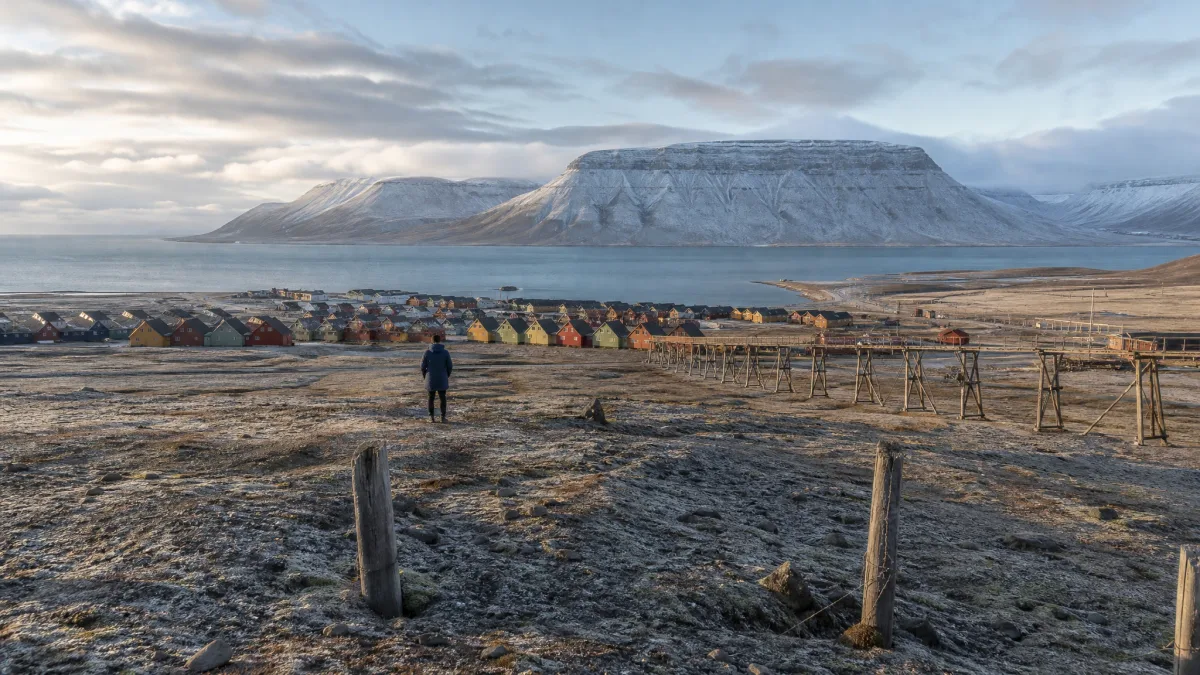
1. Permafrost Prevents Decomposition in Svalbard

The smell of dark roast coffee and cold air hits you the second you push through the door of Kroa, where a reindeer burger and an $11 Spitsbergen pilsner remind you just how far north you sit. Outside, the dirt stays locked at sub-zero temperatures year-round, turning the earth into a deep freezer that refuses to let organic matter decompose. When researchers exhumed bodies from the 1918 influenza epidemic here decades later, they found the flu virus still intact in the tissue. Because of that biohazard risk, local burials are strictly limited to cremated remains in urns, while the town graveyard remains closed to full interments.
Biology is rerouted south as standard public policy. Expectant mothers fly down to Tromso on the Norwegian mainland roughly three weeks before their due date because the clinic has no surgical ward for deliveries, and terminally ill residents make that same mandatory flight so medical responsibility stays with mainland hospitals.
💡 Tip: Always buy travel insurance with Arctic medical evacuation riders before visiting Svalbard.
Svalbard Pregnancy Departure Protocol
2. Remote Islands Without Maternity Wards Prohibit Birth
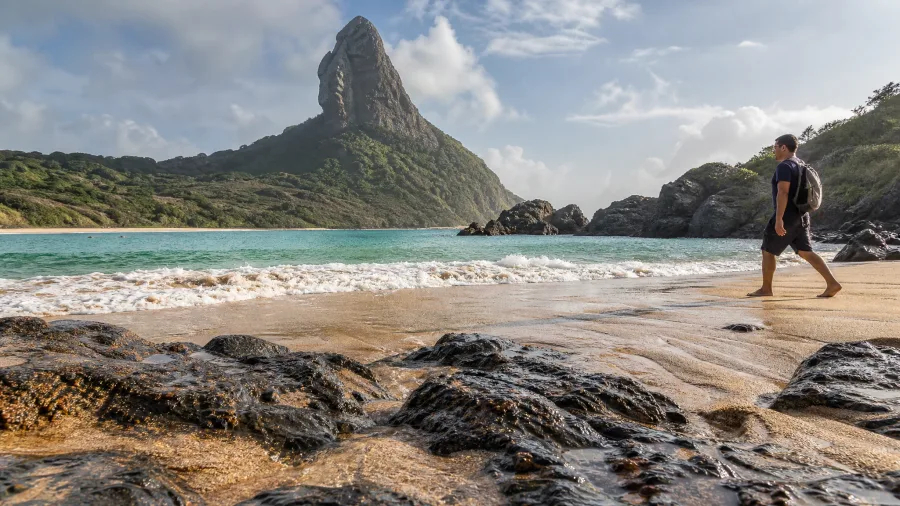
Do not expect an island hospital to handle a complicated delivery just because you made it through airport security. Like the Arctic north, the volcanic outpost of Fernando de Noronha manages human biology through sheer distance: it sits roughly 220 miles off the Brazilian coast, relying on a basic clinic that lacks neonatal intensive care or equipment for surgical procedures. Expectant mothers must board a scheduled commercial flight to mainland hospitals in Recife or Natal by their seventh month of pregnancy, trading the island for a hospital bed because municipal liability and sky-high aviation fuel make unplanned offshore medical evacuations impossible.
The rule is absolute right up until life ignores it. In 2018, a resident successfully hid her pregnancy and gave birth in her home – the island's first newborn in twelve years – which instantly triggered a formal regional health investigation instead of criminal charges.
| Location | Restricted Event | Core Mechanism | Practical Consequence for Visitors |
|---|---|---|---|
| Longyearbyen, Svalbard | Birth and Death | Permafrost halts body decay; clinic lacks neonatal ICU | Emergency airlifts to Tromso; cremated urns are only local burials |
| Fernando de Noronha, Brazil | Birth | No surgical maternity facility on volcanic island | Mandatory third-trimester mainland flight to Recife or Natal |
| Falciano del Massico, Italy | Death | Complete lack of municipal cemetery grounds | Deceased transported to neighboring towns under inter-commune pacts |
| Lanjaron, Spain | Death | Zero burial niches left in historic municipal graveyard | Symbolic edict used to secure provincial funds for cemetery expansion |
| Sarpourenx, France | Death | Refusal of neighboring parcels; private plot shortages | Burials barred without pre-purchased family cemetery deeds |
| Itsukushima, Japan | Birth and Death | Shinto kegare taboos against blood, decay, and death | No local cemeteries; ferry transit to Hiroshima mainland |
| Sellia, Italy | Death (Via Neglect) | Depopulation and loss of regional administrative funding | Annual ten-euro municipal levy for skipping preventative checkups |
3. Cemetery Crises Prompt Tongue-in-Cheek Death Bans
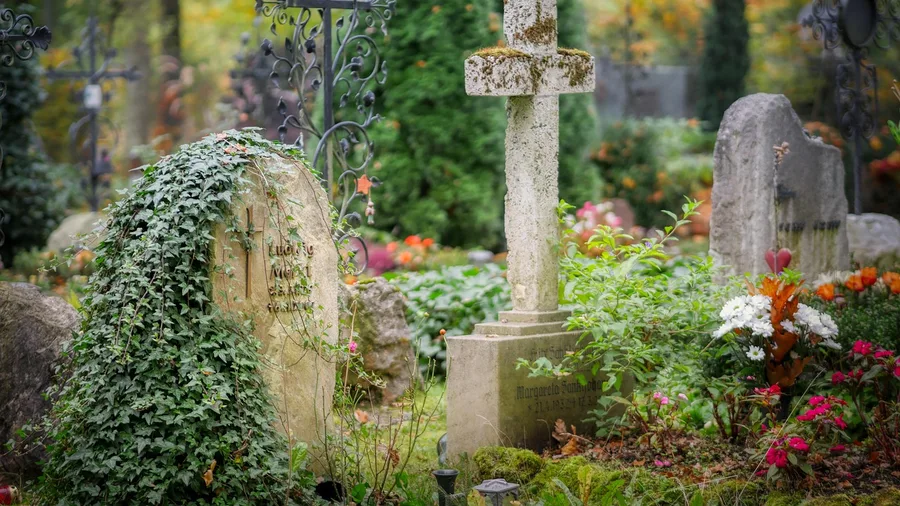
Southern European death decrees are publicity stunts aimed at empty town budgets.
Centuries of burials have locked historic stone villages into exhausted plots and bitter perimeter litigation, forcing town halls to improvise when the soil fills up. In Falciano del Massico, an Italian commune completely lacking its own graveyard ground, the council enacted an official decree in 2012 forbidding residents from crossing the threshold of earthly life. Over in the Alpujarra region of Andalusia, the mayor of Lanjaron responded to packed burial niches with an identical edict commanding locals to stay alive until regional authorities released funding for fresh municipal acreage. Nobody faces jail time or court fines for dying in violation of the order; instead, the stunt weaponizes media outrage to bypass legislative logjams and secure provincial cash.
The definitive view of this quiet standoff sits along the stone ramparts above Lanjaron just before sunset. Stand beside the southern perimeter wall when the afternoon tour coaches pull out, looking across the white valley rooftops toward the hillside graveyard terraces. You get the whole Mediterranean drama in a single wide frame: ancient boundary walls wedged against sheer limestone cliffs, zero room left to expand, and a municipal ledger settled by mayoral theatrics.
💡 Tip: Stand outside the Falciano town hall square on weekday mornings to hear locals discuss municipal politics.
Symbolic Protests vs Environmental Protocols
Symbolic Municipal Edicts
- Enacted by mayors to pressure regional parliaments
- Zero legal sanctions or financial penalties for dying
- Triggered by bureaucratic land disputes and full cemeteries
- Resolved when surrounding communes share graveyard acreage
Hard Logistical Mandates
- Dictated by permafrost mechanics or remote geography
- Mandatory evacuations enforced by health authorities
- Triggered by absence of morgues, surgeons, or soil decay
- Violations result in costly emergency mainland airlifts
4. Plot Shortages Lock Unregistered Residents Out

Broad media campaigns cost towns nothing, but fencing off a crowded village churchyard demands cold paperwork.
In the southwest French commune of Sarpourenx, the late Mayor Gerard Lalanne took bureaucratic boundary lines literally by barring citizens from expiring inside town limits unless they already held deeds to an existing family parcel, warning transgressors of severe official reprimands. French national statutes technically grant every citizen a legal right to local burial, yet small rural parishes hit rigid physical perimeters when family estates hoard every square yard of topsoil. Watch the dry hedgerows along the cemetery perimeter: you will regularly spot European roe deer grazing undisturbed among the headstones, entirely oblivious to the human property disputes dividing the turf.
Cash-strapped mayors lean on these decrees as liability shields while negotiating emergency pacts with neighbouring communes to take surplus burials.
⚠️ COMMON MISTAKE
Assuming Edicts Carry Criminal Penalties
Never assume these municipal bylaws penalize surviving relatives in court. Mayoral death bans lack statutory criminal mechanisms and function primarily as emergency liability shields against national burial mandates.
Spiritual Purity and Demographic Survival
Not all mortality bans stem from missing concrete and frozen soil.
Some communities invoke ancient theological mandates to maintain sacred boundaries, while others weaponize municipal health codes to stave off demographic collapse. In these towns, the human life cycle collides with religious identity and municipal survival.
5. Sacred Soil Requires Banishment of Mortality
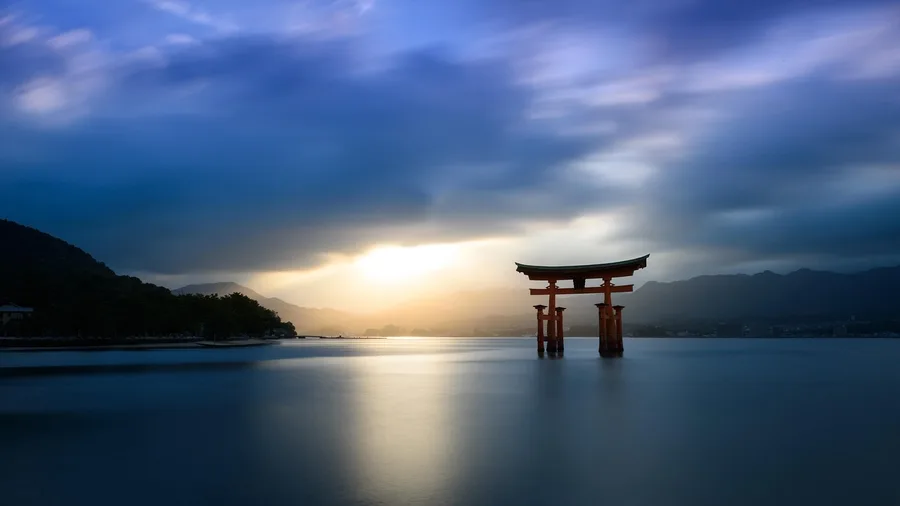
Pay the roughly $2 ferry fare across Hiroshima Bay to Itsukushima instead of staring at another secular European zoning dispute.
The entire island serves as a consecrated sanctuary in Shinto belief, where maintaining ritual cleanliness supersedes secular real estate entirely.
Cosmology on the island requires total separation from kegare, the spiritual defilement linked directly with human blood, bodily decay, and demise. Because the soil itself is holy, local authorities ban both entering the world and leaving it within the perimeter of the island. You will pass dozens of wild sika deer casually loitering around the shorefront timber stands and bowing to tourists for rice crackers, but you will not find a single cemetery plot or headstone across the entire wooded island.
Anyone entering their final weeks or facing active labor boards a mainland-bound vessel heading back to clinical facilities in Hiroshima Prefecture.
Even sudden casualties require prompt boat transit back across the saltwater strait before regional priests conduct proper funeral purifications.
Town Compliance Audit: Sellia Health Mandate
6. Depopulating Villages Mandate Health to Stop Extinction

In the Calabrian hilltop village of Sellia, Mayor Davide Zicchinella signed an executive ordinance expressly forbidding the aging local population from falling ill, backing the rule by docking citizens an extra ten-euro municipal fee if they skip their yearly preventive health screening. Shell out roughly $55 for a private hire car up the steep switchbacks from Catanzaro, because paying the transit fare to see how this small commune stays solvent is worth every cent.
When regional registries drop below state thresholds, Rome shuts down rural schools and transport lines, transforming basic preventive medicine into an enforceable civic obligation to keep the municipality alive.
💡 Tip: Book a local taxi in Catanzaro ahead of time; bus connections up to Sellia run irregularly on weekends.
7. Emergency Deaths Trigger Mainland Repatriation Protocols
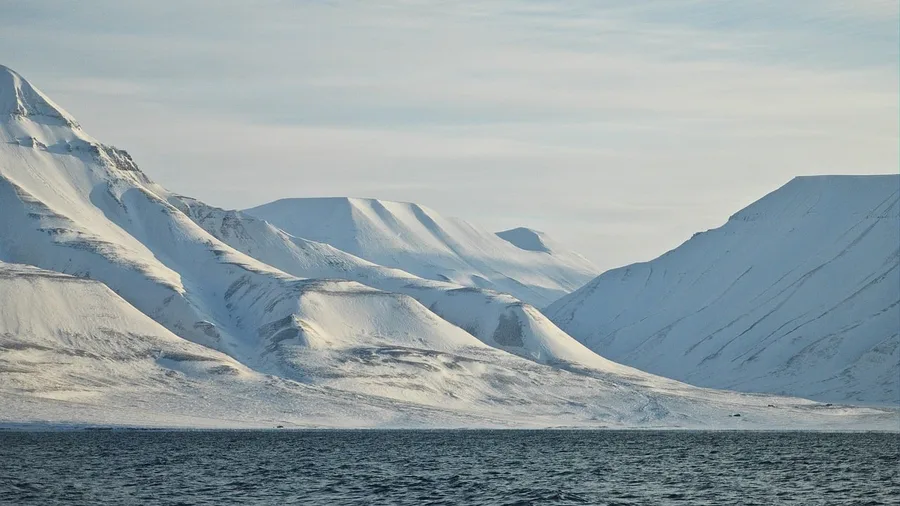
A dry sub-zero wind off the Isfjorden cuts through wool layers within seconds, reminding you that municipal decrees cannot halt a sudden cardiac arrest on frozen gravel. These isolated enclaves run without mortuary refrigerators or the legal remit to stamp death certificates, meaning an unwitnessed fatality immediately activates an emergency handoff to mainland coroners across open water. Elderly travelers or families touring with medically vulnerable relatives must account for this reality before booking remote territory. If someone passes away unexpectedly on Svalbard or along the quiet cedar trails of Itsukushima, local responders bypass the town registry entirely and transfer the deceased straight to mainland ports or airfields.
Families absorb that operational bill immediately, facing private charter flights or emergency maritime transport running $5,000 to $20,000 unless travel insurance covers repatriation. Official death records then record the terminal municipality as Tromso or Hatsukaichi, where mainland pathologists finally take legal custody of the case.
⚓ Emergency Death Protocol in Restricted Enclaves
Local First Response
Community clinic staff confirm biological cessation and notify regional authorities.
Custody Transfer
Body is secured in sealed transport containers without local refrigeration.
Mainland Transit
Deceased is transferred via scheduled ferry or charter aircraft to port city.
Civil Registration
Mainland municipal coroner conducts post-mortem and issues legal death certificate.
8. Accidental Births Receive Exceptional Legal Status
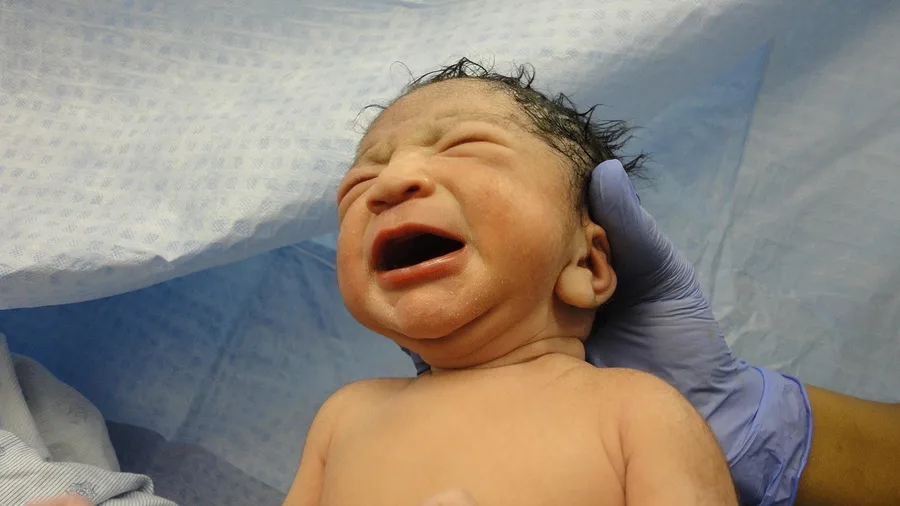
A $0 fine and zero legal sanctions greet any child delivered during an unplanned midnight arrival on an island that officially bars birth.
Show up at the civil registry desk at 9:00 AM on the mainland, and international human rights treaties alongside national constitutions override local rules instantly. Municipal statutes exist solely to shield regional health systems from the liability of unattended obstetric crises, meaning the decree dissolves the moment a child safely takes a first breath. Instead of fines or revoked rights, the civil clerk logs the entry under a special administrative dispensation, granting the infant full legal status.
The practical protocol turns into street parties and commemorative gifts rather than court summonses. A sudden delivery on an island with no delivery ward simply shifts the legal paperwork to the mainland registrar while neighbors celebrate the unexpected arrival.
Frequently Asked Questions
What happens if a tourist dies unexpectedly in Longyearbyen?
The local hospital contacts the Governor of Svalbard, and the body is flown on the next scheduled flight to the mainland hospital in Tromso. The deceased's travel insurance or estate covers the private transport costs, and mainland authorities handle the autopsy.
Can someone be arrested for having a baby in these towns?
No. International child protection treaties and national constitutions guarantee civil rights at birth. Local decrees serve to limit healthcare liability, and unexpected deliveries are registered through special administrative dispensations.
Why do people still live in places with these bans?
Residents stay for research jobs, tourism industries, deep family heritage, or sacred ancestral duties. Most citizens view scheduled mainland medical transfers as a manageable compromise for living in remarkable landscapes.
Are the Italian and Spanish death bans legally enforceable?
They carry zero legal authority over citizens. Mayors use these symbolic decrees to draw national press attention to filled cemeteries, zoning disputes, and neglected regional infrastructure.
Does travel insurance cover emergency medical evacuations from these zones?
Standard policies often exclude extreme remote regions or require costly riders. Verify that your insurance specifically covers fixed-wing repatriation and emergency Arctic or maritime transport.
Administrative Protests Versus Environmental Isolation
These statutes split cleanly between genuine logistical evacuations dictated by extreme geography and theatrical civic ordinances passed to embarrass neglected public works departments. When you hit a ban on mortality or birth, you are standing in front of an Arctic permafrost barrier, a missing island maternity ward, or a cash-strapped village mayor fighting regional highway budgets.
No town has outlawed biology; officials have simply adjusted the administrative map so the paperwork lands somewhere else. Strip away the headlines about eccentric folklore, and you will see the practical boundary where a remote community either survives real environmental limits or shames the state into building a clinic.
Check Your Policy Before Boarding
Review your travel insurance evacuation coverage now to confirm repatriation riders for remote archipelagos.