
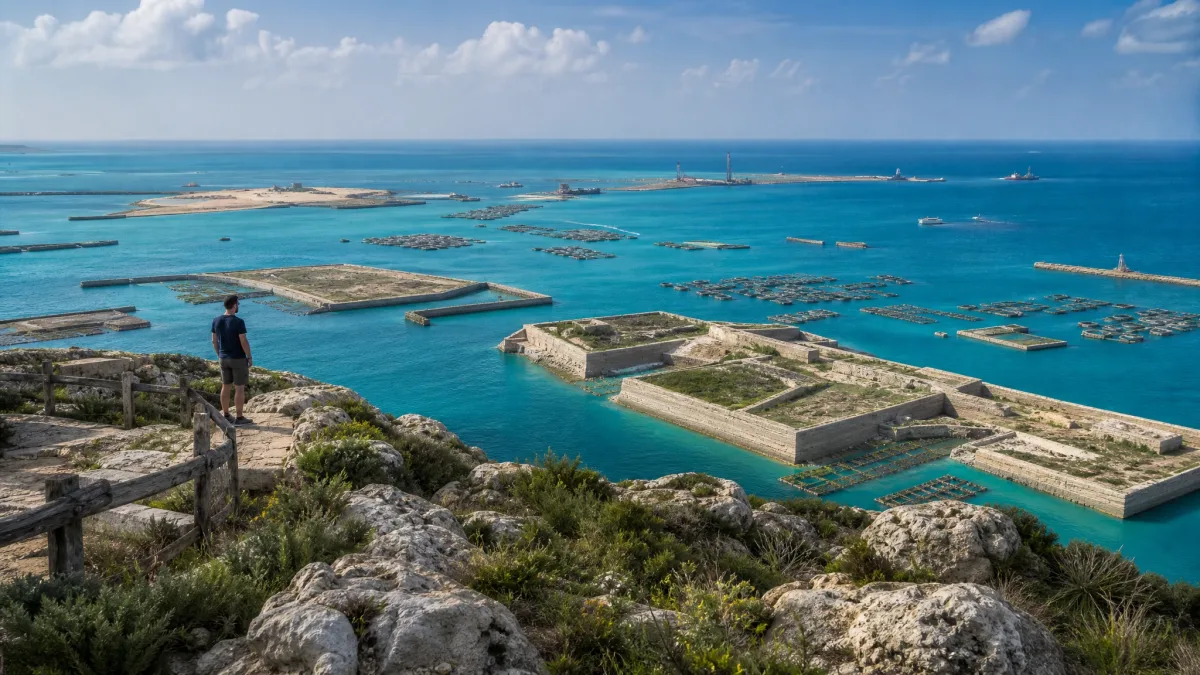
Treating artificial islands as interchangeable day trips ruins your timing before you even cast off.
Most travelers view islands as geological accidents forged by volcanic eruptions, coral reefs, or shifting plates. Yet humans have spent centuries sinking ships, weaving plants, dredging silt, and assembling garbage to fabricate dry ground out of open water where nature never planned any.
These twelve outposts show societies seizing refuge, extracting resources, or claiming sea-bound sovereignty. Each entry breaks down construction methods, origins, and logistical access so you can actually step aboard.
Industrial ambition and survival can build solid ground from nothing.
Quick Tips Before You Start
Book Registered Tenders
Arrange licensed harbor crossings in advance because unscheduled dockings risk fines or total refusal.
Wear Rigid Rubber Soles
Pack sturdy walking shoes to handle uneven wet reed bundles, damp granite steps, and slippery boat landings.
Carry Physical Cash
Keep small bills ready for direct community dock fees where card readers fail in open waterways.
Layer Against Sea Winds
Bring windbreakers because exposed artificial platforms lack natural tree cover and take full channel gusts.
1. Uros Floating Islands of Lake Titicaca
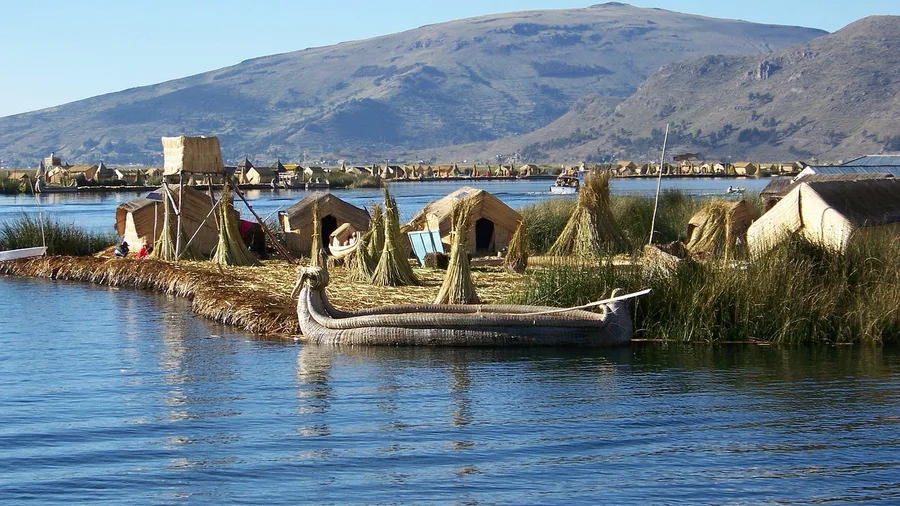
Step off the wooden bow of a shared motorboat from Puno port, and the ground gives beneath your boots like a wet mattress. That unsettling springiness comes from dense blocks of totora root, lashed together with ropes and pegged to the lakebed with eucalyptus posts at an altitude of 3,812 meters.
The lake eats the foundation constantly.
Rot dissolves the submerged layer, meaning resident families spend their mornings harvesting and pitching fresh, dry totora across the surface every four weeks to hold the waterline back. The Uros originally engineered these floating platforms to evade mainland Colla and Inca raids, choosing a buoyant refugee camp over conquest. You can walk the perimeter of an islet in about two minutes flat.
Keep your visit direct and polite.
If you book an overnight stay, dress in heavy wool layers for near-freezing mountain nights, bypass processed junk to hand bags of rice or fruit directly to the village chief, and pay your entry fee straight to them rather than a mainland agency middleman.
💡 Tip: Step in the center of the paths; reed edges near the water line give way quickly.
💡 PRO TIP
Timing Your Lake Titicaca Crossing
Catch the 7:00 AM commuter departures from Puno pier before afternoon winds churn shallow lake waters and disrupt return boat transfers.
2. Hashima Island Industrial Coal Fortress
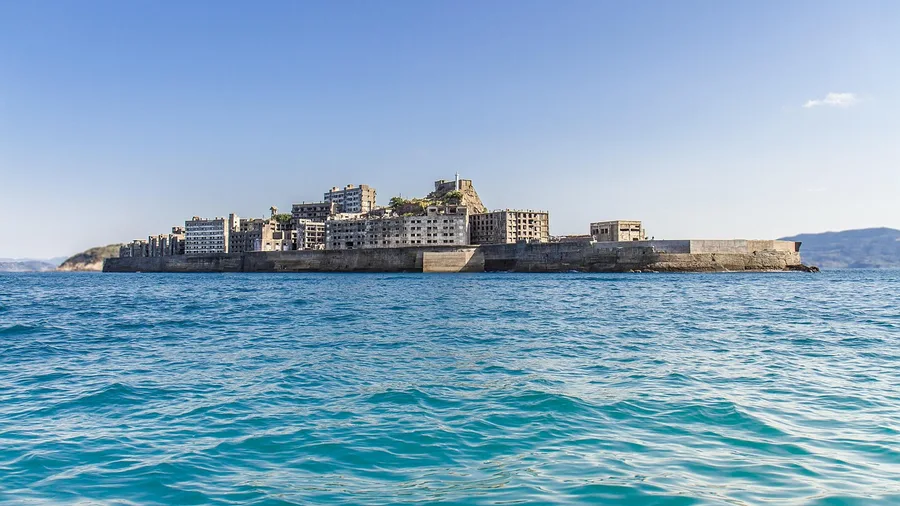
Do not show up expecting to freely wander through crumbling hallways or abandoned schoolrooms. Licensed tour boats run daily from Nagasaki harbor out to the sea rock 15 kilometers offshore, but rough swell cancels crossings on short notice, and toxic dust and falling masonry strictly confine everyone to narrow steel observation boardwalks.
Industry chose brute force over buoyancy.
Mitsubishi swallowed this 16-acre sea crag behind colossal seawalls to tap undersea coal shafts, packing 5,300 workers into concrete tenements by 1959 before shutting down overnight in 1974 when oil replaced coal. What remains looks like an armored warship stuck in the waves, rotting under salt spray while the Pacific Ocean batters the seawall perimeter.
🏗️ The Rise and Abandonment of Hashima
Seawall Construction
Engineers wrapped raw sea rocks in thick masonry to shield undersea coal mine entrances from typhoons.
Peak Urban Density
Over 5,300 workers crammed into reinforced multi-story concrete apartment towers on just 16 acres of land.
Petroleum Shift Closure
Operations ceased overnight when oil supplanted coal, leading residents to leave personal belongings behind in 1974.
Boardwalk Heritage Reopening
Reinforced visitor walkways opened inside the perimeter wall for regulated historical boat excursions.
3. Our Lady of the Rocks in Kotor Bay
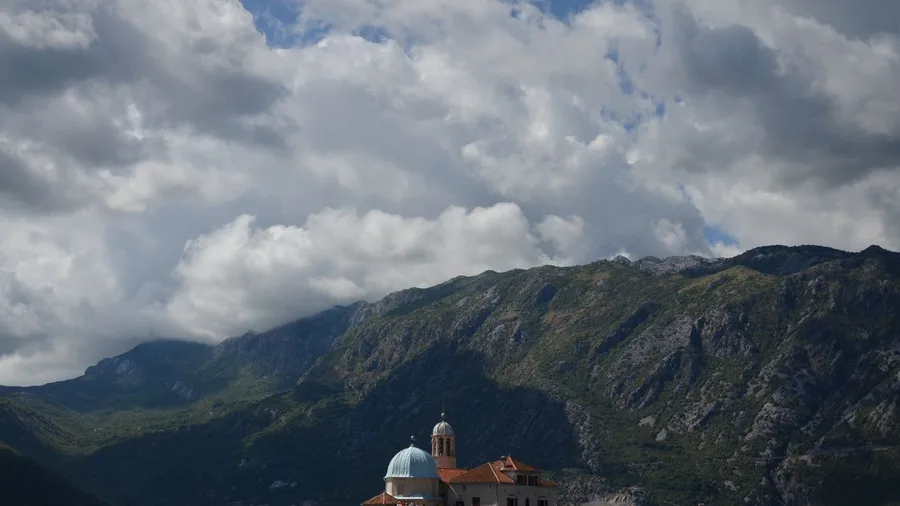
Low summer sun strikes the pale limestone flags at seven in the evening, throwing long shadows across the water while the midday heat cools into a gentle salt breeze. Rather than pouring concrete around deep fuel shafts, Adriatic sailors fulfilled an oath by scuttling captured barques, ballasted hulls, and loose boulders around an open crag where fishermen spotted a painted icon of the Virgin Mary on July 22, 1452.
Catching a five-minute water taxi from Perast harbor during the midday crush is a noisy mistake. Arrive late in the day, especially on July 22 during the Fašinada, to watch wooden rowing boats ring the 3,000-square-meter bulwark at sunset to drop stones before you step inside the 1630 sanctuary and its quiet display of beaten silver votive plaques.
4. Recycled Plastic Bottle Platforms of Isla Mujeres
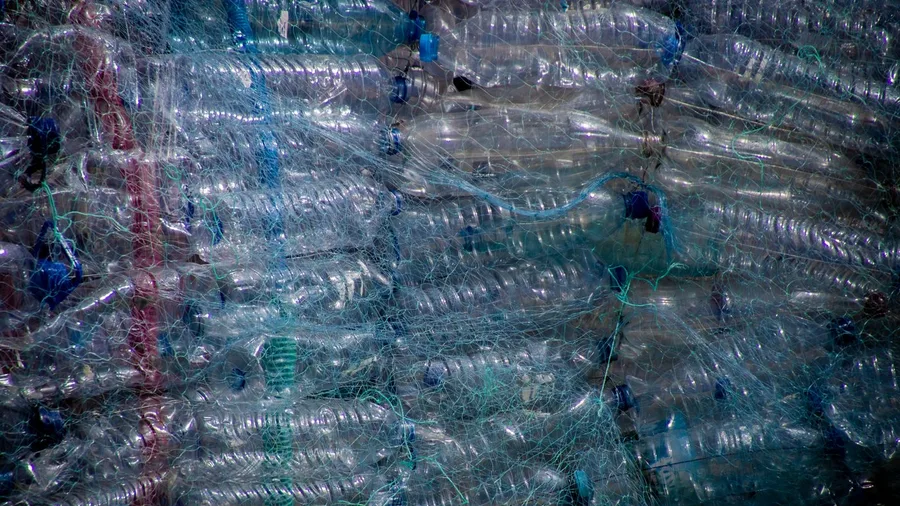
Over 100,000 discarded soda bottles keep this floating homestead off the seabed, bundled inside nylon fishing mesh beneath wooden fruit pallets and loose dirt. While centuries of sailors sank timber ships for salvation, modern salvage created Spiral Island and its follow-up, Joyxee Island, in the shallow lagoon waters near Isla Mujeres. Live mangrove roots thread directly through the submerged net bags, knitting the plastic into an organic raft that requires aggressive, relentless root pruning to avoid listing sideways after violent Caribbean island squalls.
Steer clear if traveling with young children or anyone with limited mobility, because walking this shifting deck requires real balance. Private boatmen out of Cancun or the Isla Mujeres docks arrange informal drop-offs for around $20 to $40 cash, but you only step aboard if the owner grants permission and lagoon winds stay flat.
Unusual Island Foundation Materials
5. Flevopolder Reclaimed Dutch Megastructure
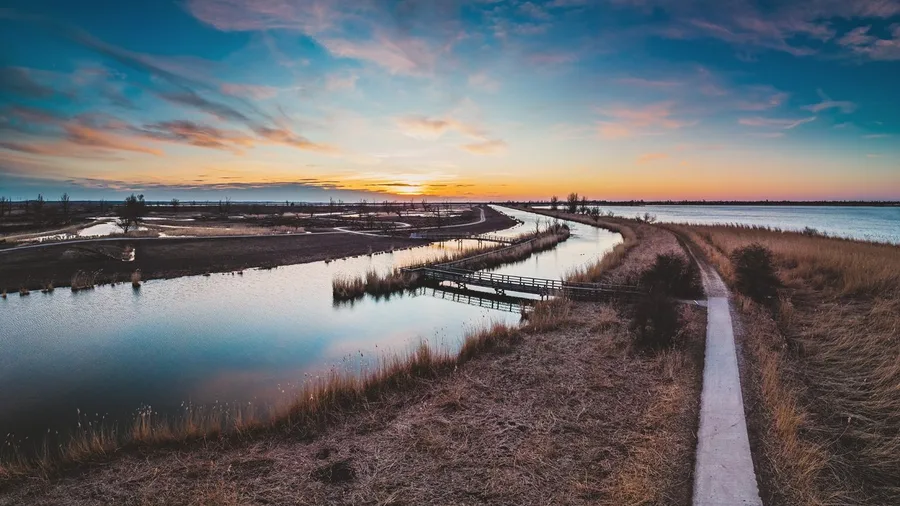
Skip driving here if you want dramatic seascapes, because modern drainage turns out to look like an endless suburban highway. Dutch hydraulic teams finished the Zuiderzee Works in 1968, utilizing heavy steam and electric pump arrays to purge seawater from clay basins until 375 square miles of marine floor turned bone-dry. Ring canals and massive dykes seal off the whole perimeter, creating the planet's largest artificial island out of thin mud.
Reclaimed silt now anchors orderly grid-planned towns, industrial farming plots, and the 56-square-kilometer Oostvaardersplassen marsh reserve. You will cross over direct highway bridges from the mainland in minutes, or you can cycle hundreds of miles along windy dyke crowns without paying a single euro.
The engineering is staggering, yet the view is dead flat.
💡 Tip: Headwind along the outer perimeter dykes can double your cycling travel time without warning.
6. Principality of Sealand Fortified Micronation
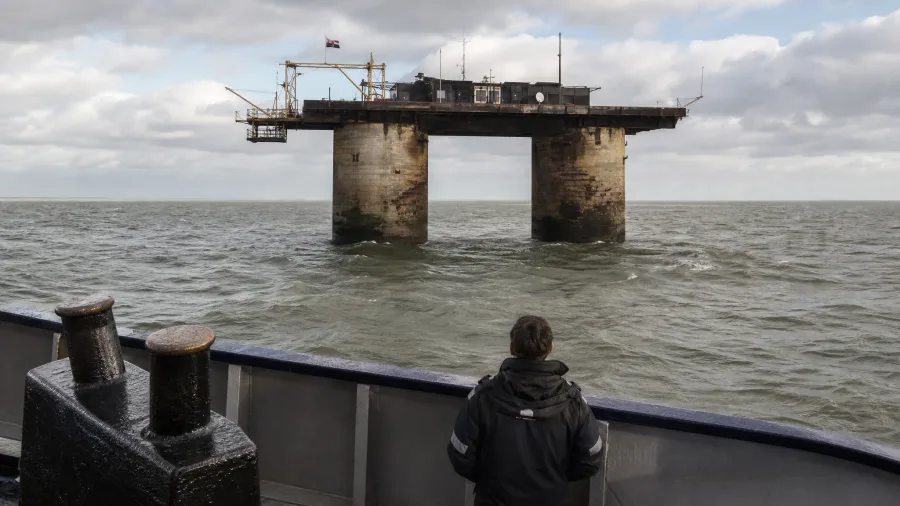
Unlike the wide Dutch motorways you can drive across for free, reaching this solitary naval outpost requires private clearance you simply will not get. HM Fort Roughs looms 12 kilometers out off the Suffolk coast, built as a World War II anti-aircraft perch out of twin hollow concrete cylinders and a bare iron deck. Instead of reclaiming seafloor for citizens, wartime Britain hoisted gun crews into the North Sea mist to deflect enemy aircraft from commercial shipping lanes.
Paddy Roy Bates took over the rusting gun deck in 1967 to house an unlicensed pirate radio outfit before declaring it an independent sovereign country. Official world powers grant zero formal recognition, yet the Bates family prints its own passports, stamps, commemorative silver coins, and lordships that sell online to curious buyers.
Ordinary travelers cannot step foot on the deck.
Everyday access is strictly prohibited unless you hold written authorization from the family, meaning you would have to pay thousands of dollars for a chartered vessel and get hoisted by a rope sling directly from the pitching water onto the top roof. High winds turn the North Sea crossing into a nauseating ordeal, and without formal invitation the crew will wave your boat away before you even pull alongside the rust-stained concrete legs.
Suffolk locals head to the shingle beaches at Felixstowe or Bawdsey Quay instead, packing binoculars to watch the twin concrete pillars sit against the empty grey horizon.
⚠️ COMMON MISTAKE
Approaching Offshore Fortifications
Never pilot a private boat directly beneath the Sealand platform legs; private security monitors the perimeter and strong tidal currents push hulls into concrete pilings.
7. Wilhelmstein Hexagonal Lake Fortress
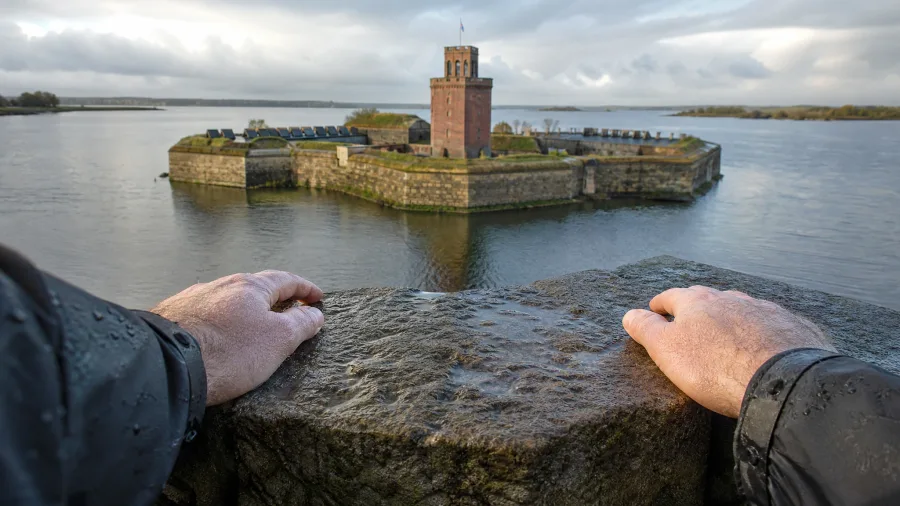
Wilhelmstein is an artificial military redoubt built to guarantee survival on inland water.
Centuries before modern offshore platforms pushed into open surf, Count William of Schaumburg-Lippe decided in 1761 that his ultimate refuge belonged in Lower Saxony's 29-square-kilometer Lake Steinhude. Local farmers dragged roughly 1.2 million heavy stones across winter ice on wooden sledges over five brutal seasons, dumping them into the shallow bed to raise a stone bastion. It worked: the garrison held an innovative war academy and repelled 2,800 Hessian besiegers in 1787.
The entire rampart perimeter costs zero euros to walk once you reach the stone shoreline. Quiet electric solar passenger shuttles cross daily from Steinhude and Mardorf between April and October for roughly $18, landing you straight at the dark vaulted casemates and overnight quarters. Catch the 9 AM morning crossing to stand alone on the parapets before day-tripper boats crowd the narrow jetties.
Historic Bastions vs. Modern Floating Suburbs
Defensive Military Outposts
- Anchored by massive sunken stone ballast and rock pilings
- Engineered to withstand prolonged cannon fire and sea sieges
- Require difficult tender transfers and high-tide boarding gates
- Perpetual stone face erosion from heavy open surf and salt air
Modern Buoyant Communities
- Supported by hollow concrete caissons and recycled air tanks
- Engineered to rise and fall with fluctuating seasonal tide lines
- Accessible via standard mainland municipal tram lines and bridges
- Require continuous seal inspections and flexible utility cabling
8. The World Islands Dredged Sand Archipelago
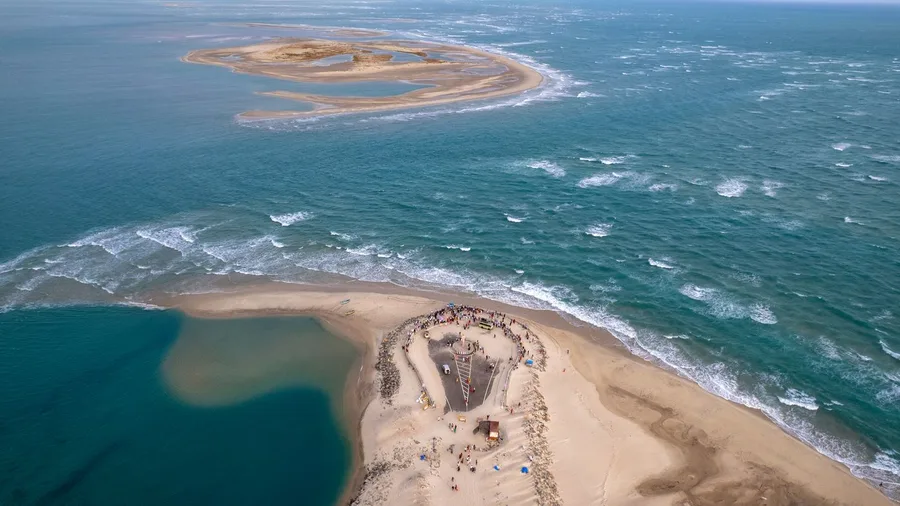
Hot maritime salt hits your mouth the second your tender boat throttles down against the shoreline. While classical forts answered defense needs, twentieth-century capital turned dredging into speculative coastal real estate, carving 300 private sandbars across a nine-kilometer oval offshore. Massive engineering suction ships dredged 321 million cubic meters of seabed sand into a miniature planet map, sheltering the banks behind a 27-kilometer stone breakwater.
A chilled $14 mint lemonade at the beachside deck on Lebanon Island is the smartest way to watch the gulf current pull at the coastline. That cold citrus glass pays for your shaded lounger while you look out across the empty water gaps. After the 2008 financial crash froze construction, wave action and tidal erosion began shifting sediment around vacant plots.
Licensed commercial speedboats run roughly $80 round-trips from the Jumeirah shoreline directly to Lebanon Island and the Heart of Europe development. Skip the midday haze and book the 3:30 PM departure to catch the sun dropping over empty sand bars.
9. Thilafushi Industrial Refuse Island
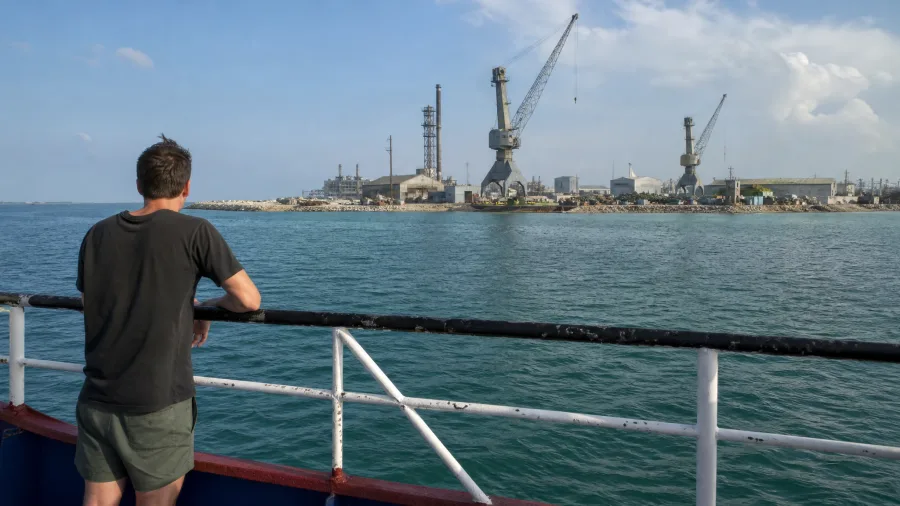
Six kilometers west of Male, a smoldering plume of gray exhaust marks the capital's real logistical anchor. While luxury developers spend fortunes dredging pristine marine banks for private leisure, this archipelago tackled survival by filling a shallow turquoise lagoon with trash starting in December 1991. Early teams carved perimeter cells out of live coral rock, piling in 300 tons of daily unsorted garbage from hotel resorts and city apartments until compressed waste supported shipyards, cement plants, and gas depots.
Stand on the public ferry's starboard rail at 5 PM on the ride back from Thulusdhoo to capture the true contrast: dark processing chimneys and heavy cranes set against orange tropical water, just as municipal crews ramp up the transition to a modern waste-to-energy plant.
Solent Fortifications — At a Glance
📍 Location
Solent Strait, UK
⏳ Built
1867–1880
🧱 Base Material
Granite Blocks
🛥️ Access
Private Tender
Armor Plating
Lined with solid iron sheets to deflect heavy artillery fire from ironclad warships.
10. No Man's Fort in the Solent Strait

While municipal planners threw garbage into lagoons to bury refuse, Victorian military engineers dropped submerged chalk and granite blocks into the Solent between 1867 and 1880 to stop French ironclads. Lord Palmerston built this circular bastion two kilometers off the Isle of Wight, wrapping a self-sufficient garrison behind armor-plated iron plates that the military finally walked away from in 1956.
Today the surviving gun decks sit beneath rooftop helipads, luxury suites, and hot tubs exposed to open sea winds. You reach it exclusively by chartered tenders out of Portsmouth harbor, though boarding windows swing entirely on high tide cycles and private corporate bookings. Missing that scheduled high-water gate leaves you stranded on the mainland pier while your non-refundable deposit floats miles out in the chop.
11. Kizhi Island Wooden Sanctuary Sanctuary

Trade the high-dollar sea fortress for a $60 hydrofoil ticket across Lake Onega, where survival meant carpentry rather than armored plating. Russian builders bypassed heavy stone entirely, choosing instead to stabilize this remote lake parcel with deep drainage trenches and low earthen retaining works.
The payoff is an uninterrupted hour sitting on damp grass under the 37-meter Church of the Transfiguration. Built in 1714 entirely from interlocking pine logs without a single iron nail, its 22 tiered onion domes carry hand-carved aspen shingles that turn from dull pewter to burnished silver as the northern afternoon sun changes angle. It is an unhurried, quiet preserve where you simply sit and listen to water lapping against the wood.
Hydrofoils run out of Petrozavodsk only during the short, ice-free summer stretch between late May and September. Heritage wardens enforce zero-smoking rules across the timber district, channeling all foot traffic along raised wooden walkways so visitors do not wear away the marshy soil underneath.
Artificial Island Feasibility Audit
12. IJburg Floating Water-Villa Suburb
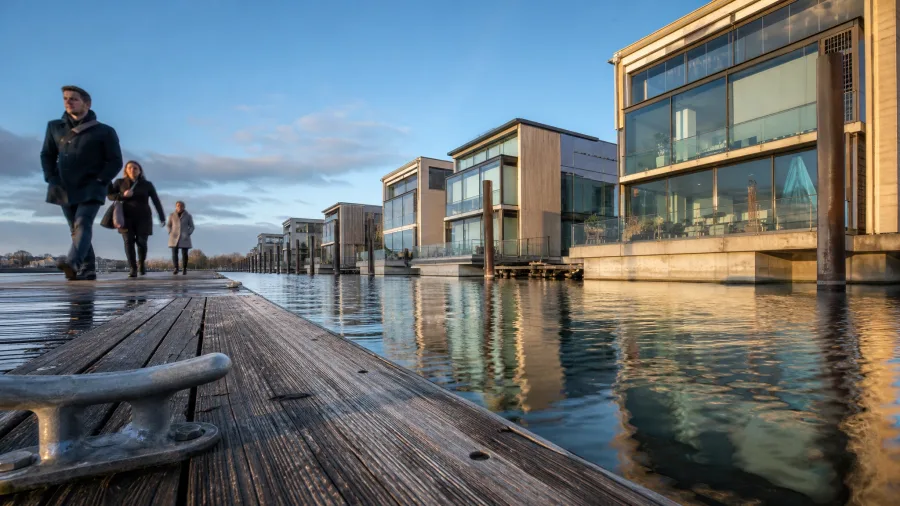
You step onto the jetty and your footing drops an inch as a passing canal boat pushes a gentle swell under the floorboards. Instead of historic timber churches pinned to bedrock, Dutch civil engineers spent the late 1990s spraying sand into the IJmeer lake bed to fabricate six artificial islands, tackling urban density by designing a community intended to float directly on water.
In the Waterbuurt district, several hundred residential villas sit moored to vertical steel poles driven deep into the lake bottom. Hollow concrete basements double as submerged living rooms, while light timber upper floors glide smoothly up and down with every seasonal surge and tidal fluctuation.
Skip expensive architectural boat cruises. Catch Tram 26 straight from Amsterdam Centraal for a $4 ride that deposits you on the public quays within 15 minutes, leaving you free to walk the piers on your own schedule before the evening commuter crowds return.
💡 Tip: The floating walkways are public municipal property; keep off private residential gangways.
Frequently Asked Questions
What is the largest artificial island in the world?
Flevopolder in the Netherlands holds the global record, spanning 375 square miles of drained seabed enclosed by retention dykes and canals.
Can you legally live on an artificial floating island?
Yes, locations like IJburg in Amsterdam feature legally zoned residential floating villas with municipal utility hookups and regular city addresses.
Do floating reed islands sink over time?
Yes, underwater totora reeds rot away continuously, which forces Uros islanders to lay fresh layers of dried reeds across the surface every month.
Is visiting Hashima Island safe for travelers?
Visits are restricted to reinforced metal observation boardwalks because crumbling concrete apartment blocks risk falling debris and spontaneous collapse.
Can tourists board the Principality of Sealand?
No, Sealand is closed to general public tourism and requires private clearance from the Bates family, followed by an industrial boat winch hoist.
Prioritizing Your First Artificial Island Route
Sort your route by friction: IJburg, Flevopolder, and Our Lady of the Rocks take minutes via scheduled public transportation; Uros, Hashima, and Wilhelmstein demand advance boat charters; and Sealand bars independent landings entirely.
Pick your target by intent: book the Nagasaki coal-wharf boat for Hashima's industrial ruins, cross Lake Titicaca to Uros for living reed-craft culture, or take the tram to IJburg to walk among floating concrete foundations.
Every artificial landfall proves human territory is never a fixed boundary, but an endless standoff against water. Pick your travel window, step onto the quayside, and test how solid that ingenuity feels beneath your soles.
Check Your Footwear Before Departing
Review the Quick Tips Before You Start section above to match your footwear to slippery reed bundlings and wet coastal stone quays.