
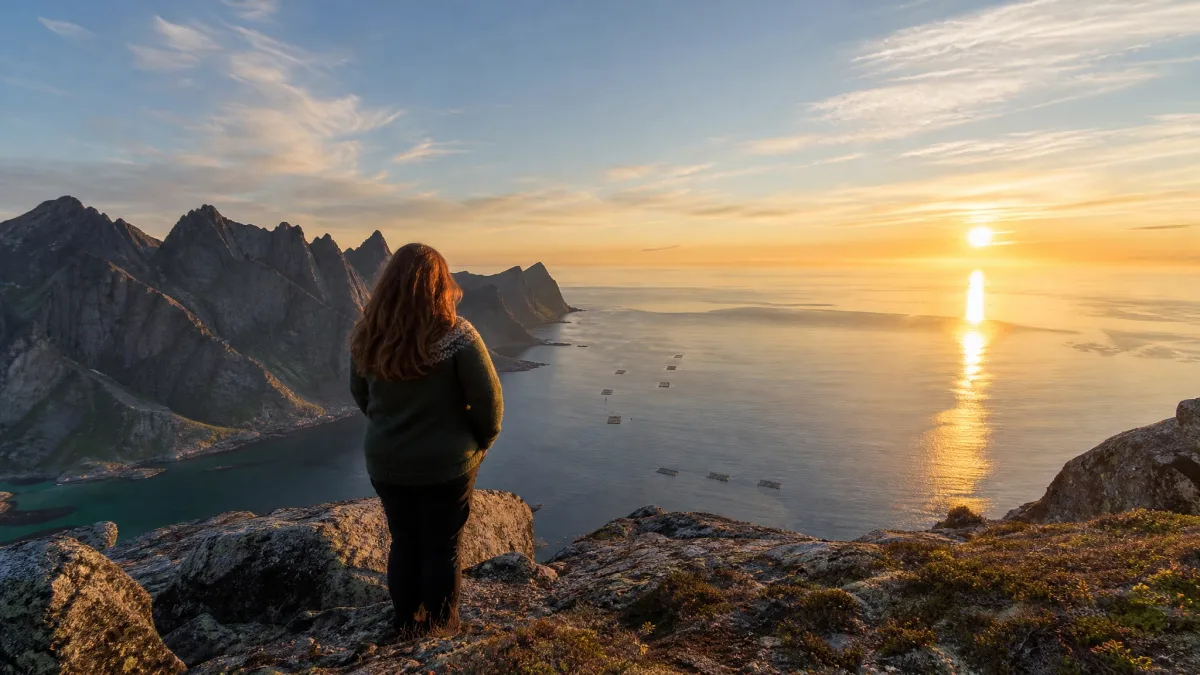
A standard working day splinters your attention across ninety-six individual fifteen-minute calendar slots, conditioning the brain to treat every waking hour as a rigid, measurable box.
Lying by a resort pool changes your postal code, but it leaves that internal metronome ticking at full speed.
Real decompression demands landscapes where standard pacing is physically impossible to maintain: Arctic settlements operating under seventy days of continuous sun, island communities functioning without a single internal combustion engine, and mountain villages where commercial life only starts after midnight.
Across twelve specific destinations, extreme geography, communal irrigation turns, and animal haulage replace the digital clock face with unyielding physical constraints, letting you select the exact environment needed to dismantle schedule exhaustion.
Quick Tips Before You Start
Pack Contoured Eye Masks
Arctic summer light bypasses standard hotel curtains, making dense 3D contoured sleep masks essential gear.
Carry a Torch
Dark sky islands and mountain settlements lack streetlamps; pocket an angled rechargeable flashlight.
Carry Physical Cash
Settlements operating off municipal power grids require local bank notes for boat passages and bakeries.
Drop Half Your Itinerary
Terrain and animal pacing double your transit hours, so plan one meaningful movement per day.
1. Sommaroy, Norway: The Clock-Free Arctic Coast
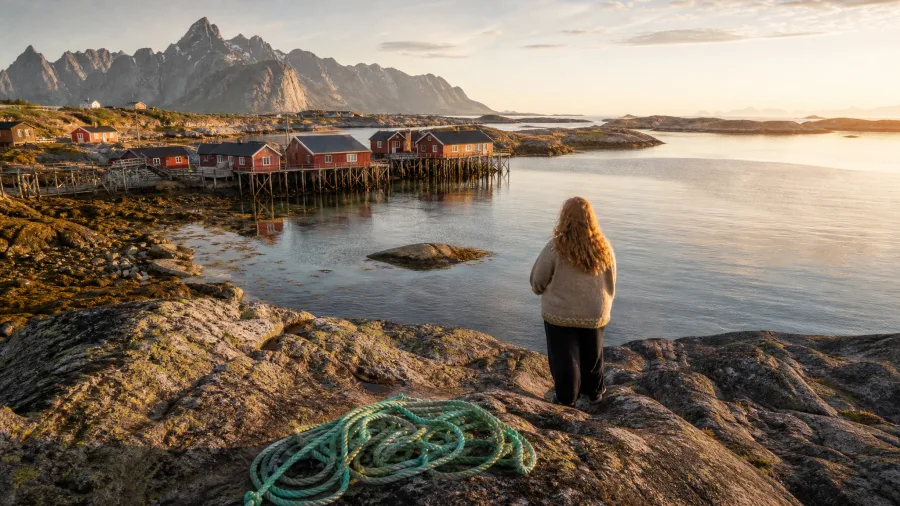
You step outside onto damp granite rock at 2:15 AM and sunlight warms the back of your neck. It feels like four in the afternoon.
From May 18 to July 26, the sun never touches the horizon, washing the island in 69 days of unbroken solar exposure. Locals paint house siding at midnight, mend nylon cod nets at 3 AM, and swim off white shell beaches whenever energy strikes. Normal bedtime evaporates because the physical prompt of dusk simply does not exist.
💡 Tip: Tape foil or heavy contractor bags over hotel window frames if midnight light triggers severe insomnia.
2. Ikaria, Greece: Villages That Awaken at Midnight
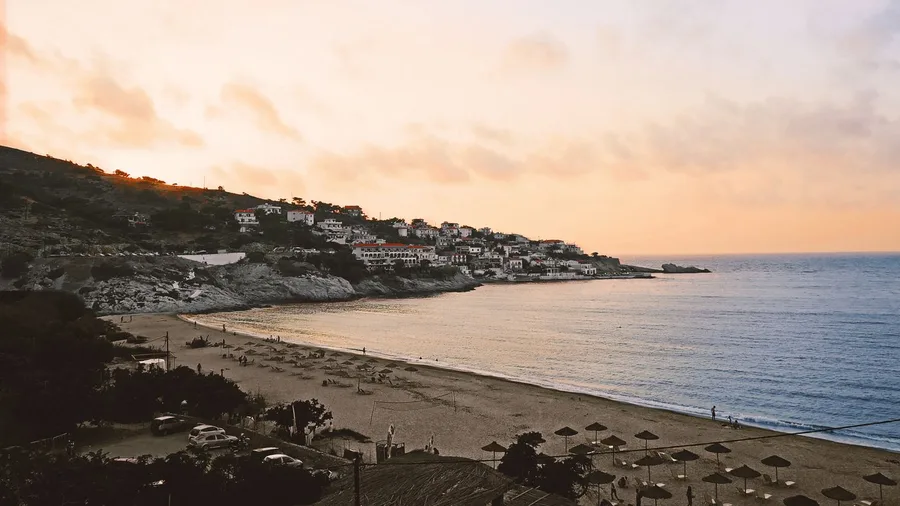
Warm pine air carries the clicking of wooden domino tiles across dark mountain terraces long past 11 PM.
Up in Christos Raches, residents invert the Mediterranean workday to sidestep afternoon heat and gather on their own terms. Bakeries, grocery storefronts, and municipal offices pull back their metal shutters near 10 PM and conduct trade until 4 AM. Attempting morning errands here yields nothing but bolted doors and silent cobblestones.
Nobody checks a watch. Daily pacing hinges on extended family meals and spontaneous square gatherings that run until daybreak.
💡 PRO TIP
Adjusting to the Ikarian Night Shift
Do not fight the village rhythm by hunting for morning coffee at 8 AM. Sleep from dawn until early afternoon, swim during late daylight, and head up to Christos Raches around 10:30 PM.
3. Mount Athos, Greece: Living by Byzantine Hours
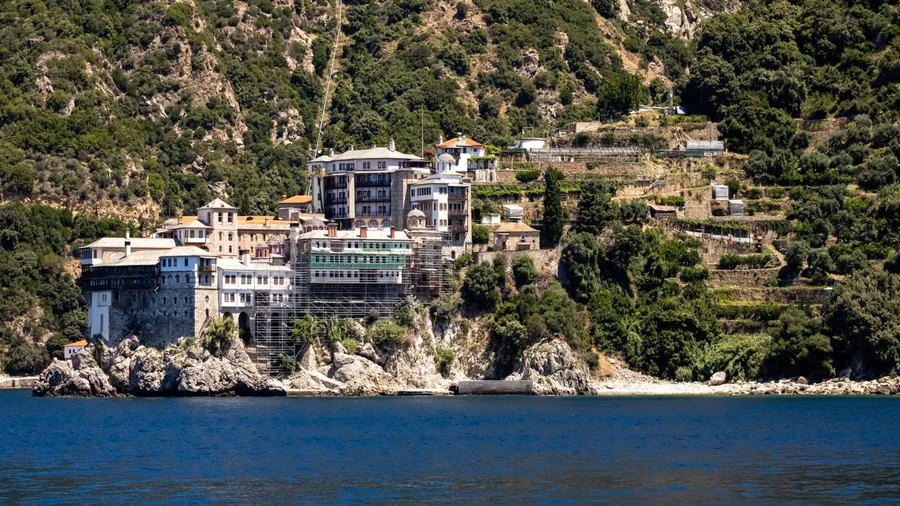
The monastic peninsula runs on a calendar that sits thirteen days behind the modern Western world.
Enter through the coastal checkpoint and you abandon civil timekeeping entirely. Monasteries set their mechanical clock towers to 00:00 at the precise moment the sun disappears beneath the Aegean horizon, recalculating zero hour every week as seasons shift. You wake for communal orthros liturgy at 2 AM Byzantine time under flickering beeswax taper candles, isolated from European commerce.
Secular traffic is banned. Entry requires a vetted Diamonitirion permit and boat arrivals governed strictly by rough sea swell.
4. Sark, Channel Islands: Paced by Foot and Hoof

Sacred decrees reset calendars elsewhere, but Sark strips away internal combustion engines entirely, banning civilian automobiles across its unpaved territory. You get around by bicycle, farm tractor, or horse-drawn wagon, sharing dirt tracks with steady draught horses whose hoofbeats set the speed of the day. A routine cross-town errand that takes 10 minutes by car becomes a 90-minute pedestrian march over granite headlands and exposed cliff paths. With transit slowed to walking speed, you can fit only two or three commitments into a single day, automatically slashing your schedule to match what animal legs can handle.
Total darkness rules the nights here.
💡 Tip: Reserve bicycle rentals at Avenue Cycles before boarding the ferry from Guernsey, as fleet numbers sell out during peak summer.
5. Stone Town, Zanzibar: Days Starting at Sunrise
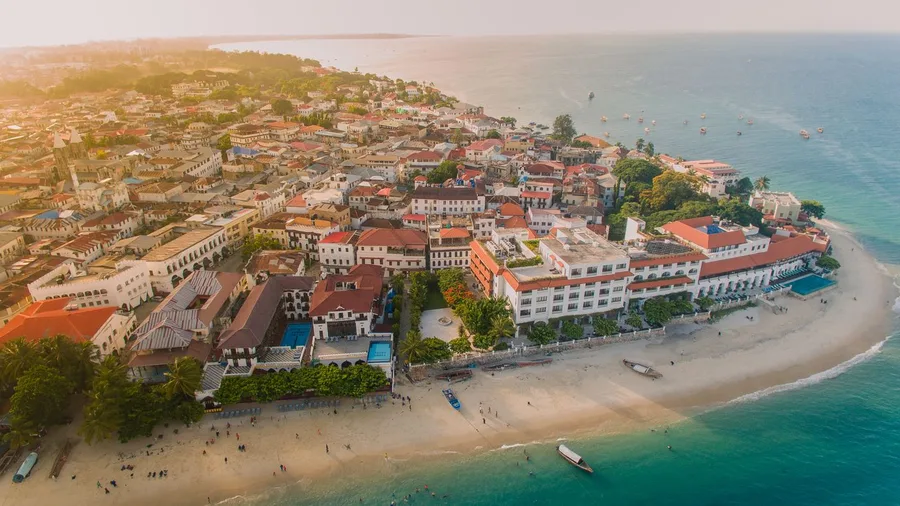
Set your alarm for 5:30 AM and be on the harbor docks by 6:00 AM sharp to see the town wake up. Rather than pacing life by draft animals, this equatorial stone maze anchors the entire day to the exact moment sunlight cracks the Indian Ocean. Sunrise happens around 6:00 AM year-round because the equator splits the calendar evenly, making modern arbitrary office hours meaningless against the immediate spin of the planet.
Local time starts when the sun appears, turning standard 7:00 AM into 1:00, known locally as saa moja. The Darajani Market and harbor docks jump into noisy trade the instant direct sunlight cuts through narrow coral-stone alleys. Fishmongers spread their morning catch on stone slabs, dock workers unload wooden crates, and spice vendors roll back heavy wooden shutters.
Check your ticket twice before booking any morning transport.
Missing a pre-arranged wooden dhow ferry or shared coastal minivan usually happens because a foreign visitor confuses Swahili morning time with international departure schedules. If a boat ticket says eight o'clock, confirm whether that means 8:00 AM Western time or the second hour after sunrise, which is 8:00 AM modern reckoning. When in doubt, ask the ticket seller directly to avoid sitting alone at an empty slip while your ferry sails away.
Swahili Time — At a Glance
🌅 Hour Zero
6:00 AM Dawn
🐟 Market Peak
Saa Mbili (8 AM)
⛵ Ferry Timing
Tied to High Tide
🗺️ Nav Style
Sun Angle Only
Key Rule
Always specify international or Swahili time when confirming local boat departures.
6. Ilulissat, Greenland: Life Governed by the Polar Night

Budget roughly $3,200 for a five-day winter stay, because reaching Disko Bay when the sun never rises requires serious cash for Arctic flights, cold-weather expeditions, and heavy expedition thermal gear. Unlike equatorial dawns that reboot clocks daily, the polar night completely extinguishes direct sun from late November through mid-January. You get two hours of faint blue twilight around noon, followed by twenty-two hours of frozen black sky.
Nobody checks a watch out on the fjord ice.
Traditional subsistence schedules track sea-ice thickness, tidal cracks, and bright moonlight bouncing off frozen saltwater rather than numbers on a phone screen. Sled dog teams provide the only practical transit over winter ice, meaning your travel pace depends strictly on trail hardness and animal rest cycles rather than a fixed arrival deadline. When temperatures drop below minus twenty, outdoor movements pause completely, pulling everyone into warm communal rooms where wood carving and shared storytelling fill the long dark silence.
⚠️ COMMON MISTAKE
Relying on Digital Clocks in Deep Winter
Arctic temperatures plunge past minus twenty Fahrenheit, freezing smartphone lithium batteries within minutes outdoors. Rely on mechanical analog timepieces or direct twilight cues when navigating outside town limits.
7. Coober Pedy, Australia: Subterranean Isolation from Solar Cues
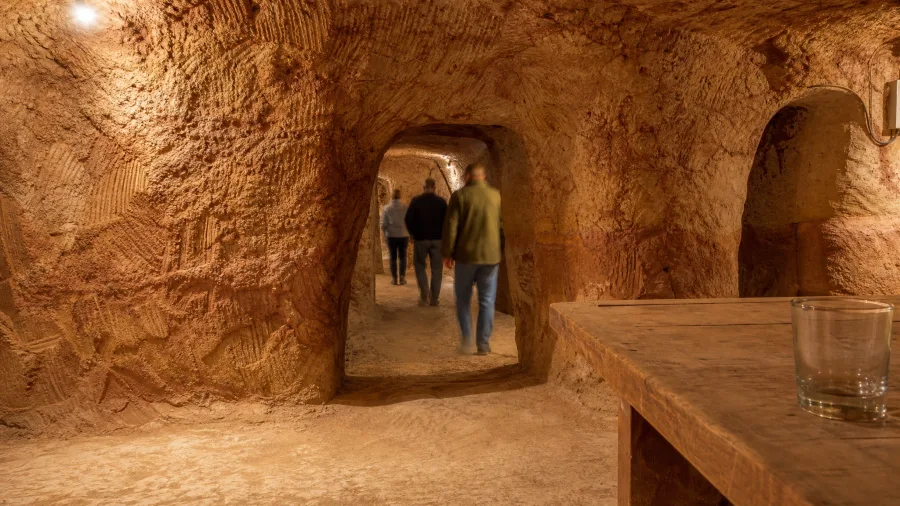
Do not rely on your internal body clock to wake you up here, or you will lose entire days to total blackness.
While Arctic freezes trap communities under seasonal skies, this Australian opal outpost beats 110-degree desert heat by moving everything beneath solid sandstone. Walking into the subterranean churches or carved private dugouts costs zero dollars, giving you immediate access to a permanent 73-degree interior without paying resort climate-control fees. Miners escape blinding surface radiation by carving living rooms into rock, flipping manual fluorescent tubes on and off to manufacture artificial work shifts.
Check into an underground motel room and the absence of windows scrambles your perception. You wake up with no visual clue whether the blinding sun stands at high noon or midnight, leaving your phone alarm as the only remaining proof of earth time.
Subterranean Dugout Living vs. Above-Ground Desert Realities
Underground Dugout Living
- Constant 73 degree interior temperature without noisy air conditioners
- Complete acoustic insulation from exterior desert dust storms
- Total darkness that enables deep, restorative recovery sleep
- Minimal power bills through passive geothermal rock thermal mass
Above-Ground Desert Realities
- Crushing summer heat frequently topping 110 degrees Fahrenheit
- Blinding midday ultraviolet glare off bleached desert clay
- Rapid circadian disruption from intense thermal outdoor shifts
- Dry desert winds that accelerate physical fatigue within hours
8. Holmes County, Ohio: Traveling by Buggy Paces
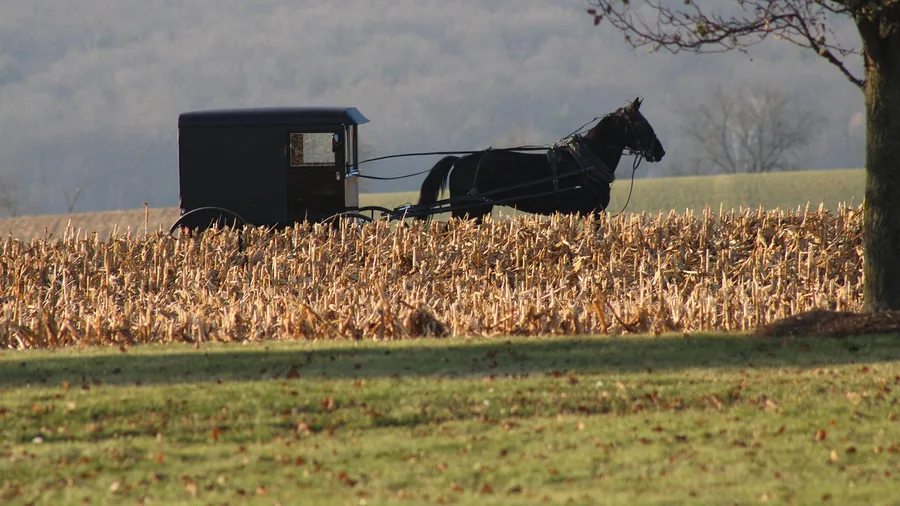
Instead of flying halfway around the globe to escape the clock, an ordinary tank of petrol into northeast Ohio drops you straight into nineteenth-century pacing.
The highway asphalt does not change, but your speed immediately drops from 60 miles per hour to seven. Sharing narrow two-lane pavement with black buggies forces an instant downshift behind clip-clopping draft horses, making aggressive passing pointless across these blind rolling ridges.
You will notice it quickly at roadside stops.
Errands, barn raisings, and Sunday church remain strictly pinned to what a horse can pull in a single afternoon. Because Old Order households refuse grid electricity and phone connections, carpentry work and harvest schedules follow the slow arch of seasons rather than hourly calendar alerts. You can see this firsthand by stopping at a local bakery for warm apple fritters, which run about $3 each and sell out strictly when the morning batch finishes.
Step inside, pay cash, and eat on the wooden bench outside while three wagons roll past. The trip costs practically nothing beyond your fuel, proving that trading digital rush for animal endurance does not require an international passport.
9. Siwa Oasis, Egypt: Rhythms Set by Springwater Rotations
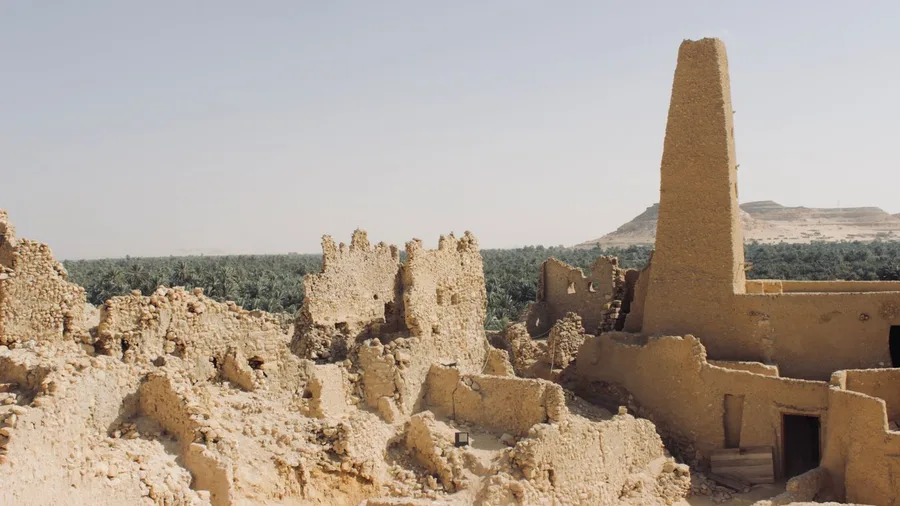
Skip this trip if losing an entire travel day to a punishing overland commute sounds intolerable. You face an eight-hour overland slog across empty sand dunes from Marsa Matruh just to reach this isolated Berber settlement, with zero passenger trains connecting the Western Desert. While buggy speeds in farm country merely slow road miles, this desert oasis ties civil schedules to shared water discharge.
The entire settlement runs on traditional clay water clocks that release natural spring allocations to date palm groves at strict sun angles. Blinding midday heat clears the clay alleys and squares entirely, forcing everyone indoors until cooler evening winds arrive for communal harvesting. You will find locked market stalls at dusk because evening commerce starts only after spring-gate turns finish, putting everyday transactions behind desert hydrology.
💡 Tip: Hire a three-wheeled motorized tuk-tuk driver for the entire afternoon to navigate between distant spring pools without walking across exposed salt flats.
💧 A Day Run by Springwater Gates in Siwa Oasis
Dawn Canal Opening
Elders shift hand-carved clay sluice gates to direct cool artesian spring water into family palm plots.
Midday Thermal Shutdown
Field work ceases as ambient desert heat climbs past one hundred degrees, emptying the mud alleys.
Sundown Date Harvest
Cool evening drafts bring farmers back into the groves to gather ripe Siwi dates before dusk falls.
Midnight Souk Trade
Produce stalls and clay bakeries around Shali fortress light up for business after irrigation cycles wrap.
10. La Gomera, Canary Islands: Valley Crossing by Whistle
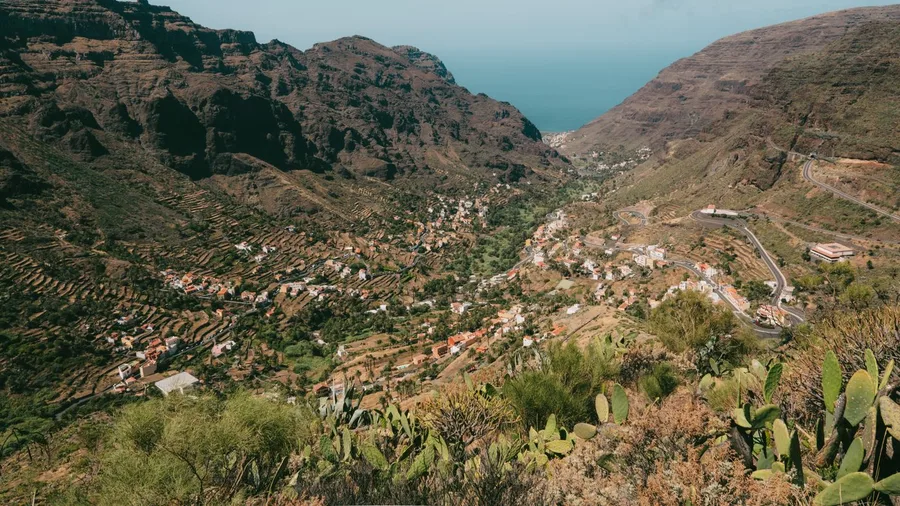
Not unless you plan to stay confined to the port town. La Gomera breaks into colossal volcanic fissures called barrancos that split neighboring settlements apart. A hamlet perched three hundred yards away across empty air demands four hours of grueling switchbacks through basalt dust, doubling your transit time the instant terrace slope angles tip past thirty degrees.
The terrain forces a ruthless physical reality on daily plans. Hiking between valleys means sizing every afternoon strictly around daylight descent windows through deep stone gorges rather than flat road miles. Generations ago, islanders solved that vertical barrier with Silbo Gomero, a piercing whistled language that flings complex messages across two-mile chasms in five seconds flat. If your party needs paved strolls and gentle loops, skip this terrain outright and stick to Tenerife. But if you have the knees to climb out of deep rock channels while whistles ricochet between canyon walls, you will never look at a horizontal road map the same way again.
11. Longyearbyen, Svalbard: The 110-Day Solar Continuous Cycle
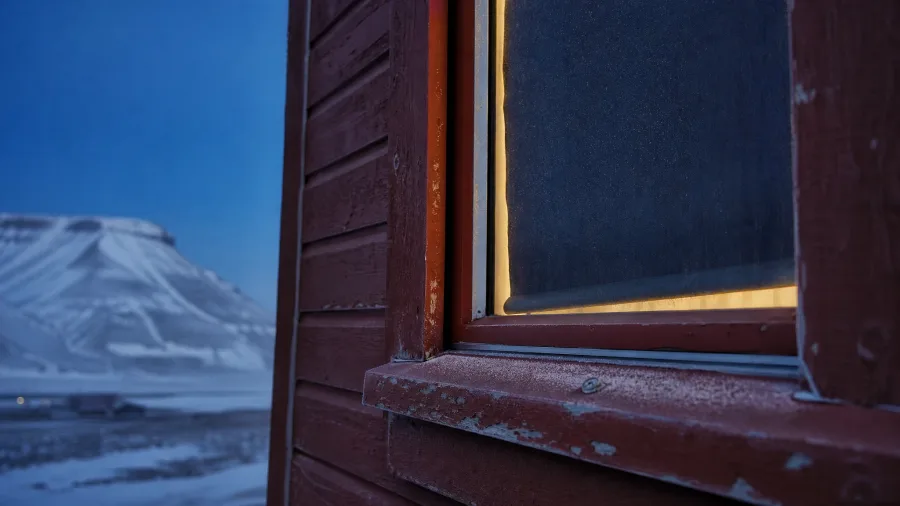
Stepping down the aircraft stairs at 78 degrees north hits you with dry, minus-four-degree wind and a blinding glare that stays fixed at the exact same point in the sky whether you land at 2 PM or 2 AM. Longyearbyen endures 110 continuous days of midnight sun during summer, swapped directly for 110 days of total polar night come winter. The permanent afternoon blaze scrambles ordinary circadian fatigue cues on contact, tricking your nervous system into skipping rest entirely until you collapse mid-stride.
You might expect Svalbard to feel like a remote outpost without rules, but surviving this severe landscape requires military-grade discipline. Without rigid household alarms telling you when to pull the blackout blinds, residents easily stumble into thirty-six-hour waking marathons that wreck concentration. Outside the tiny downtown grid, civic safety laws require carrying high-caliber firearms and flares against roaming polar bears, subordinating personal whims to rigid public safety measures.
Book the trip for July if you want the shock of watching glaciers gleam under unbroken midnight light, but do not arrive expecting a freewheeling vacation. The town center fills with cruise crowds picking through tax-free shops along the main strip, and that tourist bubble is worth leaving behind as soon as your polar bear safety briefings clear. Book a guided rigid inflatable boat out toward the abandoned mining settlements instead. Out there on Isfjorden, cold spray numbs your face, Arctic silence swallows the engine, and time evaporates into pure white light.
12. Taquile Island, Lake Titicaca: Communal Life Built on Weaving Cycles
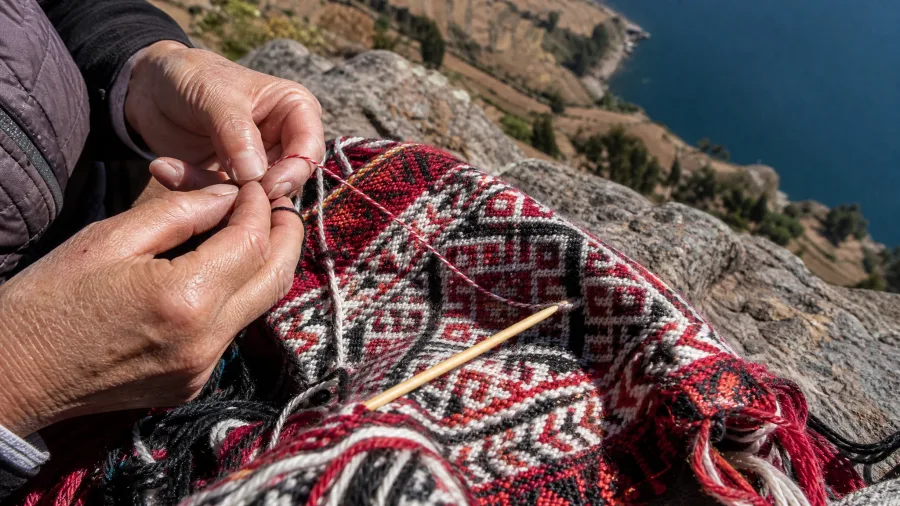
Five hundred and thirty-five uneven stone steps stand between the ferry slip at Lake Titicaca and the sunlit plaza of Taquile Island, instantly knocking your gait down to a slow crawl at 12,500 feet. There are zero cars, zero paved highways, and no power grid humming in the background. Instead of chasing the noisy day-tour groups that cluster around the central overlook for an hour before rushing back to Puno, book a homestay on the south terraces where families keep daily rhythms bound entirely to the lake swells and agricultural soil.
Community pacing runs on thread count rather than modern deadlines, governed by male weavers whose needles click rhythmically along stone pathways while herding sheep across ancient terraces. Intricate wool belts and caps record marriage status and local civic duty through precise, generational patterns that demand weeks of patient finger work. By 8 PM, the last household wax candles sputter out, dropping the village into dead silence under icy Andean constellations.
💡 Tip: Spend your first two hours sitting quietly on the main plaza stone benches to acclimatize to the thin lake air before attempting the upper walking paths.
Frequently Asked Questions
How long does it take for your internal clock to adapt to midnight sun?
Most travelers endure two to three days of disorientation and sleep latency. Pack a fitted blackout eye mask, set a non-negotiable bedtime alarm on your watch, and avoid looking out windows after 10 PM.
Can you visit Mount Athos as a casual tourist?
No. Mount Athos is an autonomous monastic republic that grants entry permits exclusively to male pilgrims. Only 10 non-Orthodox and 100 Orthodox visitors receive the mandatory Diamonitirion permit each day.
Is visiting car-free islands like Sark physically demanding?
Yes. Navigating Sark requires walking over unpaved dirt tracks, pedaling bicycles over steep rises, or paying for horse carriage transport. You must carry your own baggage from the tractor drop point.
What is the biggest travel mistake in places operating on natural time?
Trying to force an aggressive multi-stop itinerary onto destinations governed by tides, horse pacing, or midday heat. Plan one single activity per day and build wide buffer zones around all local transport.
Do mobile phones work in underground settlements like Coober Pedy?
Cellular signals fail to penetrate solid sandstone dugout walls. While underground motels offer wired Wi-Fi near front desks, sleeping quarters provide total digital silence unless you climb back above ground.
Targeting the Disruption That Matches Your Fatigue
Pinpoint your specific fatigue before booking: choose continuous Arctic light in Sommaroy during June to shock a sluggish circadian rhythm awake, or secure a horse-drawn crossing on Sark in May to reset an overstimulated nervous system through unhurried hoofbeats.
Chronic schedule anxiety only persists when you pretend life must run inside synchronized sixty-minute containers.
Pick the territory whose terrain or customs make your watch completely irrelevant, and trade ninety-six daily calendar slots for the natural arc of a single working day.