
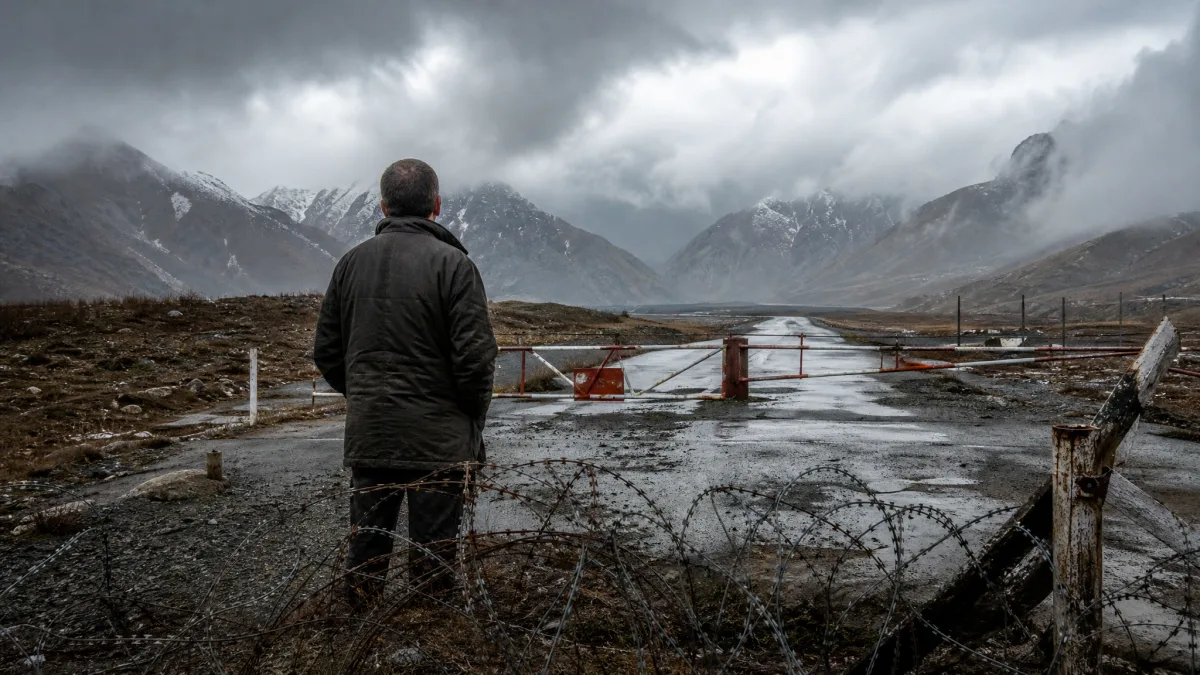
Can any country truly close its borders to you completely, or does the real barrier sit in your own government's statute books? You can hold a valid passport and buy an airline ticket, but that assumption will strand you at an immigration checkpoint or walk you straight into a federal courtroom.
Border closures rarely function as simple locked gates. Access vanishes through competing territorial regimes, statutory bans enforced by your home ministry, and total logistical dead ends where civilian infrastructure simply does not exist.
Eight global territories demonstrate how administrative machinery overrides standard leisure travel. Learn the specific legal penalties and conflicting checkpoints that turn theoretical borders into impenetrable exclusion zones.
| Country or Territory | Primary Barrier | Legal Status | Theoretical Exception |
|---|---|---|---|
| North Korea | Home-nation passport invalidation (22 CFR 51.63) | UN Member State | Special Validation Passport for approved press or humanitarian work |
| Yemen | Consular suspension and dual territorial authorities | UN Member State | Charter flight entry permits exclusively for Socotra Island |
| Libya | Mandatory corporate sponsorship and dual governments | UN Member State | Accredited commercial business invitation from registered domestic entity |
| Nauru | Local sponsor requirement and extreme logistics | UN Member State | Approved resident or corporate sponsor with non-refundable application fee |
| Turkmenistan | State migration rejections and mandatory state tours | UN Member State | Government-approved Letter of Invitation with fully pre-paid guided tour |
| Somalia | Fragmented regional authorities and autonomous visas | UN Member State | Independent entry visas issued separately by Somaliland or regional states |
| South Ossetia & Abkhazia | Georgian criminal penalties for Russian-side entry | Disputed separatist territories | Official clearance issued directly by the Georgian Ministry of Internal Affairs |
| Western Sahara | Moroccan internal security checkpoints and military berm | Non-Self-Governing Territory | Moroccan domestic transit via coastal highway N1 under tight scrutiny |
Outright Political Bans and Diplomatic Lockouts
When global diplomacy breaks down entirely, the border gates seal shut through statutory decrees and severed consular channels. You are not dealing with paperwork delays here, but active legal prohibitions enforced by federal governments.
1. North Korea Bans Direct Leisure Travel from US Passports

You hear the rhythmic click of steel tracks crossing the Yalu River bridge before you see the border posts.
Pyongyang will happily sell you a visa through state-run partners, but the brick wall blocking your trip is built entirely at home. Under 22 CFR 51.63, the US Department of State renders standard blue-cover passports invalid for travel across North Korean territory. Carrying an approved foreign stamp does not shield you from federal criminal charges once you land back on American soil.
Federal law permits entry solely through Special Validation Passports, granted exclusively to credentialed journalists tracking public-interest reporting or accredited humanitarian workers transporting audited aid consignments.
For a real look at life along the border without a federal indictment, head to Dandong's riverfront promenade instead. From the broken spans of the Yalu River Bridge, binoculars bring the concrete warehouses and silent patrol towers of Sinuiju into plain view for the price of a small coin deposit.
Your own government holds the lock here, demonstrating that home-country statutes can slam a border shut even when the host state leaves its gate wide open.
💡 Tip: Non-US passport holders can still book approved group tours, but Americans cannot join without facing federal penalties back home.
Quick Tips Before You Start
Check Home Statutes
Your own government's passport regulations can trigger criminal prosecution even if the destination welcomes you.
Dual Visa Pitfalls
Stamps from unrecognized separatist authorities frequently invalidate your entry privileges into the recognized host country.
Charter Flight Reliance
Destinations operating on single weekly chartered flights leave zero room for missed connections or schedule slips.
Escort Mandates
Many closed states demand full-time accompaniment by state guides or armed security contractors at your expense.
2. Yemen Suspends Standard Consular Visas for Foreign Tourists

Absolutely not. While some nations lock their exits through domestic statutes, Yemen's civilian visa pipeline has completely vanished because the country itself has fractured into hostile, competing zones. Sana'a answers to de facto Houthi leadership while Aden operates under the internationally recognized Presidential Leadership Council, leaving no unified immigration apparatus to process civilian applications. Consulates evacuated Sana'a after the 2015 escalation, meaning you travel without emergency legal assistance or passport replacement if detained. Showing an entry stamp from one side at a rival road checkpoint marks you as an enemy infiltrator, turning ordinary transit into an acute personal hazard.
Socotra Island stands as the sole, narrow exception to the mainland shutdown, though reaching it requires bypassing normal consular routes entirely. Stand on the limestone crest of the Dixam Plateau at dawn, looking across dragon's blood trees toward the Shebahon canyon before the midday haze rolls in off the Indian Ocean. Entry demands privately arranged clearance permits managed separately from mainland networks, coupled with seats on the weekly government-chartered flight departing Cairo for around $1,300 return.
⚠️ COMMON MISTAKE
Carrying Contradictory Regional Stamps
Attempting to travel between competing territorial factions with documents from the opposing side routinely leads to immediate detention, espionage accusations, and confiscation of travel gear.
3. Libya Imposes Reciprocal Visa Freezes and Security Shutdowns
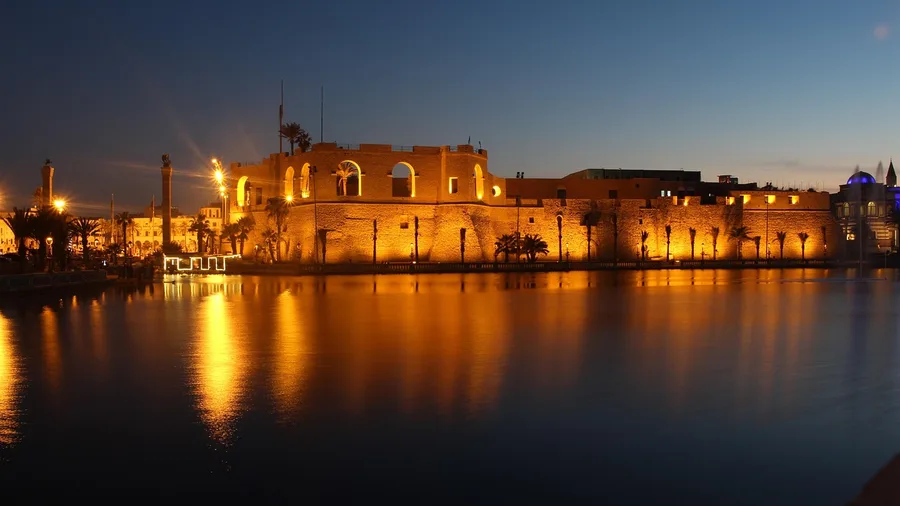
Crossing into Libya costs far more administrative effort and personal exposure than booking a flight to Socotra, with zero room for independent movement. You cannot simply apply for a tourist visa and roam the Mediterranean ruins.
The barrier here is institutional duality rather than ideological isolation. The Government of National Unity in Tripoli and the Government of National Stability in Benghazi enforce rival checkpoint networks and issue non-reciprocal passport endorsements. Obtaining lawful entry requires an accredited domestic business sponsor or government entity to guarantee your presence, a mechanism unavailable to regular independent travelers. Every overland border crossing from Tunisia, Algeria, and Egypt remains shut to leisure transit due to armed militia checkpoints and volatile highway sectors.
Even if you manage to secure business paperwork, the catch is absolute and non-negotiable: independent walking is out of the question, and you remain tied to approved itineraries under constant institutional oversight.
💡 Tip: Independent tourist visas do not exist. Any agency promising a casual vacation visa is attempting an illegal entry loop.
Logistical Realities of Hard-to-Enter Borders
Absolute Physical Isolation and Zero Civilian Infrastructure
Some destinations shut out outsiders without relying on political grudges or regional warfare. Extreme isolation, fragile island economies, and authoritarian surveillance networks create natural administrative bottlenecks that make civilian travel nearly impossible.
4. Nauru Restricts Visas Heavily Due to Extreme Logistics
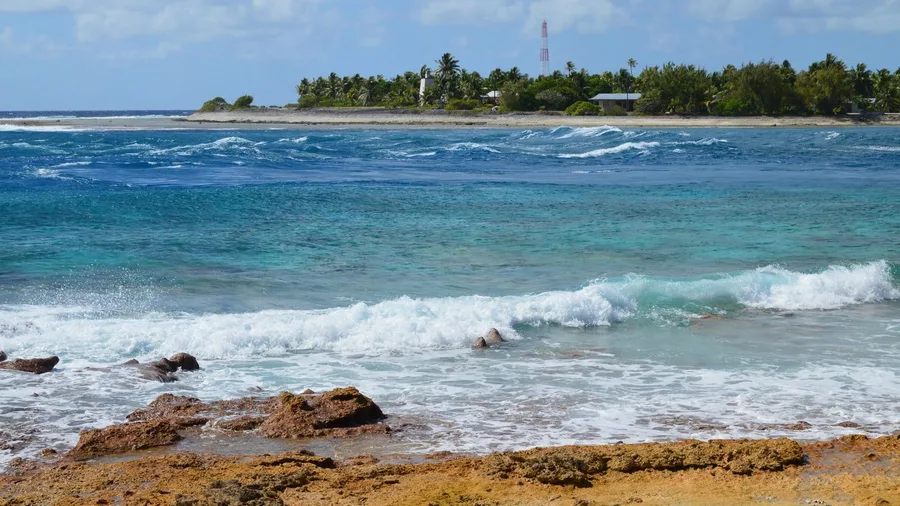
Do not send money to an island where you cannot reserve a bed. The famous prize of visiting the world's least-visited republic is real, but the administrative hurdle stops you cold without a weaponized conflict in sight: you must secure a formal sponsor residing on the eight-square-mile rock and forfeit around $300 in non-refundable processing fees before an officer even looks at your paperwork.
The barrier is pure physical bottleneck. Nauru Airlines runs scarce flights out of Brisbane or Fiji, so one delayed link destroys your strict entry window entirely. Even if your permit clears, foreign aid contractors occupy the few rooms across the island's handful of functional hotels, leaving zero beds for civilian tourists and making the sovereign border functionally impenetrable.
5. Turkmenistan Rejects Most Independent Tourist Visa Requests
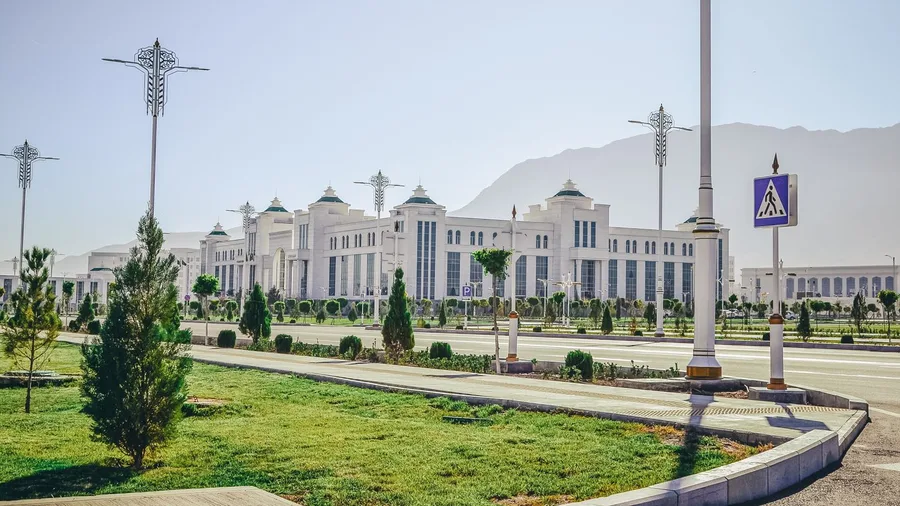
Around $2,500 is what you will spend to clear the border, and paying that hefty tab is the sole way in. While small island territories shut doors through pure spatial scarcity, Ashgabat locks you out through systematic bureaucratic rejection. Independent explorers are categorically shut down unless an accredited domestic operator vouches for every hour of your stay.
The State Migration Service demands a government-approved Letter of Invitation before granting any stamp. That prerequisite triggers silent rejection for unaccompanied applicants. The historic three-to-five-day transit permit linking Iran and Uzbekistan used to offer a low-cost overland workaround, but arbitrary denial rates topped 80 percent before the route was completely dismantled.
Seeing the burning gas crater in Darvaza demands an expensive state-licensed package. That mandatory splurge covers your certified escort, government-registered transport, and fixed hotel bookings from dawn to dusk. It delivers access to white marble boulevards, but total state supervision replaces every trace of spontaneous wandering.
💡 Tip: Independent transit visas are effectively dead. Budget for a fully managed private tour if you want guaranteed entry approval.
🗺️ The Path of Hard-Border Entry Processing
Home Statutory Verification
Review federal foreign travel restrictions to confirm your home passport is legally valid for entry.
Sponsor Endorsement
Obtain an accredited corporate, resident, or government agency letter of invitation required by border authorities.
Pre-Payment and Clearance
Remit non-refundable processing fees and secure pre-arranged lodging vouchers before visiting a consular desk.
Charter Access Transit
Board dedicated charter routes or strictly monitored corridors connecting to the single functional entry point.
Checkpoint Verification
Pass through internal military or regional checkpoints with assigned security personnel and approved documentation.
Sovereignty Disputes and Military Exclusion Zones
When civil wars or territorial disputes fracture a nation's borders, recognized international law clashes with raw military control. Crossing one of these boundaries using the wrong paperwork can instantly turn you into a criminal in the eyes of neighboring states.
6. Somalia Restricts Freedom of Movement Across Fractured Borders
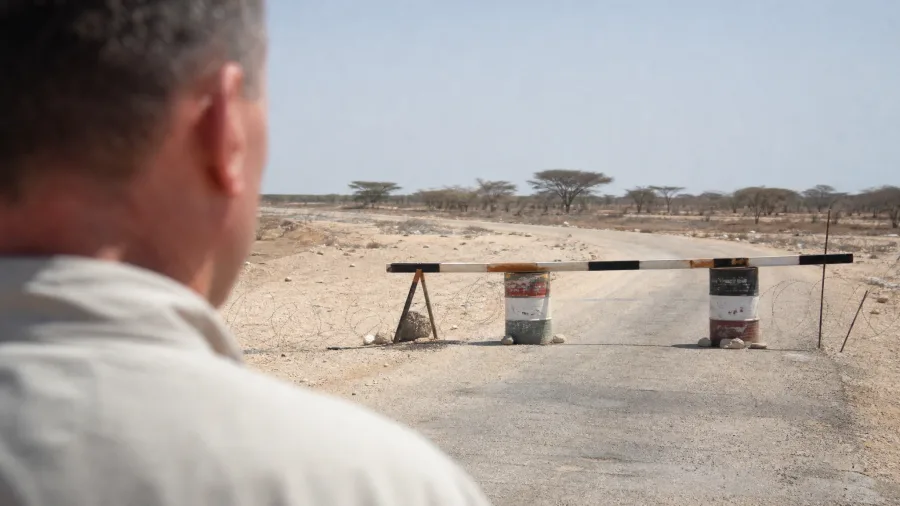
Dry desert heat, roaring diesel fumes, and the metallic clatter of checkpoint gates greet you at the first regional boundary line. Monitored central transit stops here: holding a sovereign visa stamped in Mogadishu gives you zero legal permission to cross regional lines, turning standard paperwork into an immediate invitation for arrest and fines by rival interior authorities.
In the north, Somaliland runs its own immigration desks, outright rejecting paperwork from the south and demanding separate transit permits. Puntland enforces its own interior border posts, requiring foreign travelers crossing between zones to hire armed Special Protection Units to clear roadblocks. Flashing rival documentation at an internal military barrier invites swift detention, proving that a single national stamp means nothing when sovereign control divides into competing armed checkpoints.
7. South Ossetia and Abkhazia Trigger Georgian Border Violations
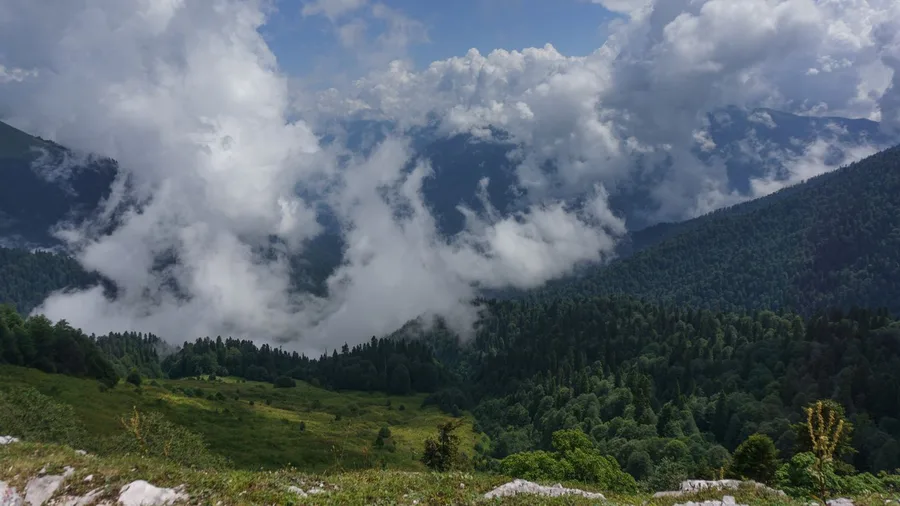
Do not cross into Abkhazia or South Ossetia from the Russian side under any circumstances.
While competing regional checkpoints in East Africa risk immediate local shakedowns, slipping past Russian border guards into these breakaway zones turns you into an active criminal under Georgian domestic law. Georgia's Law on Occupied Territories treats any entry from the Russian Federation as an illegal border incursion carrying prison sentences of up to four years or heavy fines. The de facto authorities in Sukhumi and Tskhinvali will readily hand you clearance letters and sell you hot boat-shaped khachapuri along the waterfront for about $3, but neither the United Nations nor any foreign consulate recognizes their paperwork. That cheap cheese bread comes with an absurdly steep legal penalty.
Any entry stamp or digital trail from Russian Caucasian checkpoints guarantees detention when you land at Tbilisi International Airport. Russian military checkpoints give you physical passage, but international law classifies that identical road trip as a criminal trespass on sovereign Georgian territory.
💡 Tip: Never enter these breakaway regions through Russian checkpoints if you plan on visiting Georgia anytime in the future.
Navigating Disputed Border Zones
Recognized Legal Entry
- Enter through sovereign international gateways approved by the United Nations
- Carry official visas endorsed by recognized central governments
- Maintain valid consular access and emergency foreign embassy representation
- Ensure clean passport pages free of unrecognized territorial stamps
Separatist Checkpoint Transit
- Cross borders via unauthorized third-party military corridors
- Rely on entry slips issued by unrecognized breakaway authorities
- Risk immediate detention and criminal prosecution upon exiting
- Lose all standard diplomatic protections and consular assistance
8. Western Sahara Lacks Independent Visa Processing
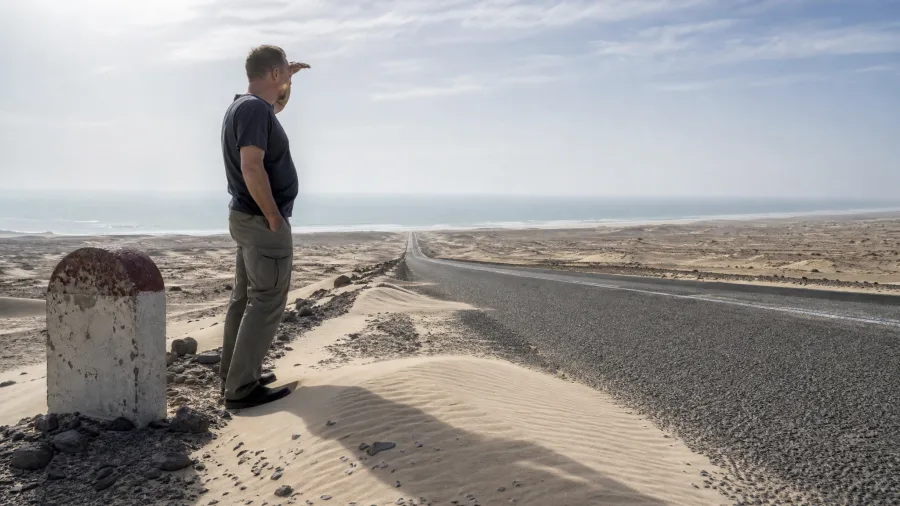
Western Sahara has no independent border posts, embassies, or official entry stamps.
Just as Russian checkpoints enforce reality on the ground in the Caucasus, the Kingdom of Morocco controls who enters this disputed territory through Hassan I Airport in Laayoune and police roadblocks along the N1 coastal highway. Roll up to the military perimeter by 8:00 AM before the midday desert heat sets in, because that is when border gendarmes run meticulous passport screenings and question foreigners. Anyone suspected of reporting on local politics or backing the Sahrawi independence movement faces swift interrogation and immediate expulsion.
A 2,700-kilometer sand berm lined with landmines divides Moroccan positions from the Polisario Front, leaving zero room for civilian crossing into the interior. Because no Sahrawi immigration system exists, you must clear the domestic security apparatus of an occupying power just to walk the perimeter.
Core Mechanisms of Modern Border Lockouts
Frequently Asked Questions
Can a country ban its own citizens from traveling to specific foreign destinations?
Yes. Governments frequently use statutory passport controls, such as the United States invoking 22 CFR 51.63, to invalidate civilian passports for travel to specific foreign states under threat of criminal prosecution.
What happens if you enter a breakaway territory through an unrecognized border?
Entering a disputed territory from an unauthorized checkpoint typically violates the host nation's domestic border laws, resulting in criminal fines, detention, and permanent entry bans when visiting the recognized state.
Can you visit Socotra Island without traveling through mainland Yemen?
Yes. Socotra is currently accessed via weekly government-chartered commercial flights departing from Cairo, bypassing mainland Yemeni immigration channels through a localized permit process.
Why do some countries require a formal Letter of Invitation for tourist visas?
States use Letters of Invitation to shift monitoring responsibilities onto local sponsors, forcing visitors into pre-paid itineraries with registered guides while filtering out unmonitored independent tourists.
Are travel insurance policies valid in countries under active travel bans?
Almost never. Standard civilian travel insurance policies contain universal exclusion clauses that void medical, evacuation, and trip coverage for destinations under active government do-not-travel advisories.
Recognizing the Difference Between Sovereign Claims and Actual Border Control
Physical enforcement on the tarmac and at roadway checkpoints determines who enters, but your home government's statutory penalties determine whether that crossing counts as a crime. A single entry stamp from an unrecognized breakaway republic can trigger an immediate arrest warrant the moment you cross back into internationally recognized territory.
The clean boundary lines on a standard map conceal competing military perimeters and jurisdictional traps that no commercial visa agency can fix. Before you ever buy a ticket toward a contested frontier, measure your route against bilateral consular treaties and official foreign ministry advisories rather than standard tourist entry requirements.
Check Entry Protocols Before Booking Hard-Border Travel
Review our primary entry barriers table above to verify which destinations enforce home-country passport bans before planning complex transit.