
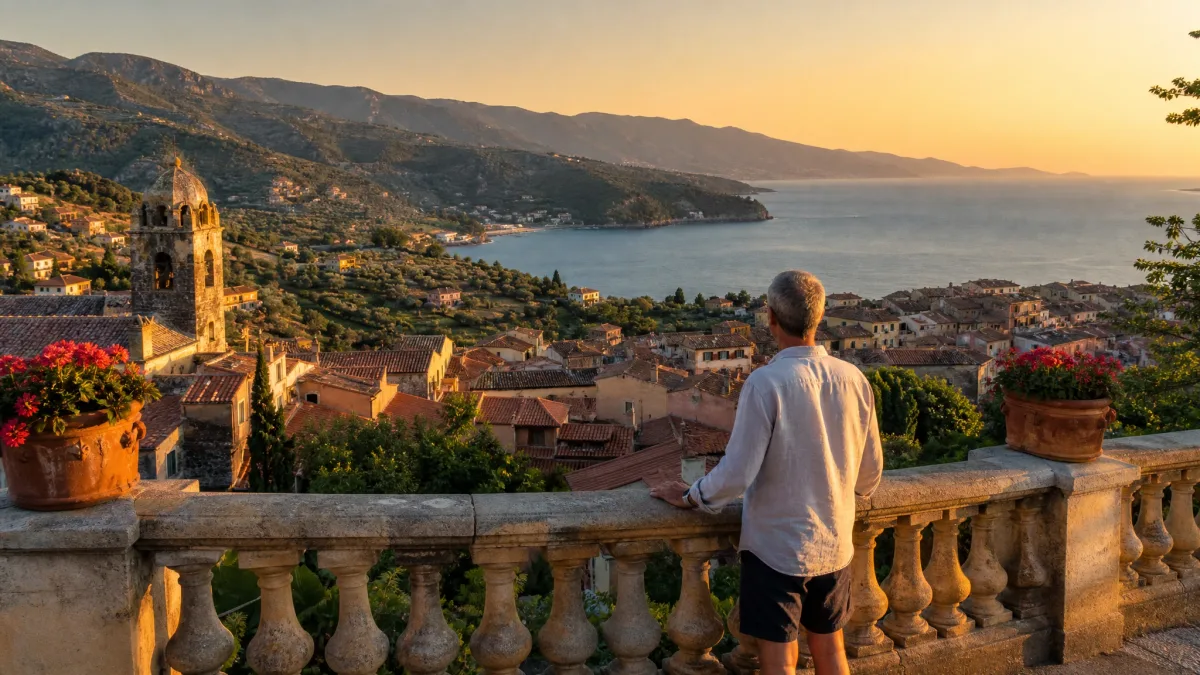
Long-term rentals in secondary European cities average €600 to €1,100 a month – less than half what you pay along prime resort strips or in capital centers.
Setting up in Lisbon, Madrid, or Rome burns through fixed pensions when central one-bedroom flats routinely top €1,500. Regional university hubs, quiet coastal towns, and agricultural valleys give you the same modern hospitals, reliable trains, and daily safety for a fraction of that overhead.
Two people can settle comfortably on $1,800 to $2,800 per month using established passive-income visas like Portugal's D7 or Spain's Non-Lucrative Visa.
Sizing up actual regional leases, residency hurdles, and clinic networks shows you exactly where to test your daily life.
Quick Tips Before You Start
Document Passive Income
Consolidate pension statements, Social Security distributions, and annuity letters at least six months before applying.
Secure Zero-Copay Health Plans
Purchase private expat health policies with full local coverage to satisfy initial visa entry requirements.
Rent Off-Season First
Sign short leases between November and February to negotiate better annual rates from local landlords.
Prioritize Rail Corridors
Choose towns on primary express train lines to reach major hospitals and international airports without a car.
1. Braga and the Minho Valley, Portugal

Do not expect Algarve heat: the Minho stays green because winter brings persistent Atlantic rain that cools granite buildings quickly. Even so, mild seasonal temperatures keep heating bills low. Two people live comfortably here on €1,800 to €2,200 monthly, renting furnished one-bedroom flats in walkable central parishes for €650 to €850.
A hearty lunch plate of bacalhau à Braga alongside a chilled draft of local vinho verde costs around €13 at traditional neighborhood tascas.
Securing legal residency requires Portugal's D7 passive income visa, supported by private health insurance costing €120 to €250 monthly per person aged 60 to 70. Public Hospital de Braga and private Hospital Trofa Saúde handle medical needs, while Francisco Sá Carneiro Airport in Porto sits just 45 minutes away by direct train or highway.
💡 Tip: Target apartments in São Victor or Nogueiró to stay close to private clinics and express transit.
| Destination | Avg. Monthly Cost (Couple) | Typical 1-Bed Rent | Primary Visa Route | Climate & Vibe |
|---|---|---|---|---|
| Braga, Portugal | €1,800–€2,200 | €650–€850 | Portugal D7 | Mild, green, Atlantic-influenced |
| Alicante, Spain | €2,000–€2,400 | €700–€950 | Spain NLV | Sunny Mediterranean, coastal transit |
| Abruzzo, Italy | €1,700–€2,100 | €450–€700 | Elective Residence | Four seasons, mountain-to-sea |
| Nafplio, Greece | €1,800–€2,200 | €550–€800 | Greece FIP | Warm, dry, historic coastal hub |
| Coimbra, Portugal | €1,750–€2,100 | €600–€800 | Portugal D7 | Temperate, historic university town |
| Granada, Spain | €1,900–€2,300 | €650–€850 | Spain NLV | Hot summers, crisp alpine winters |
| Puglia, Italy | €1,600–€2,000 | €500–€750 | Elective Residence (7% Flat Tax) | Dry Mediterranean, quiet off-season |
| Zadar, Croatia | €1,900–€2,400 | €650–€900 | Temporary Residency | Sunny Adriatic, breezy maritime |
| Plovdiv, Bulgaria | €1,300–€1,700 | €400–€600 | Pensioner D-Visa | Continental, dry summers, cold winters |
| Kranj, Slovenia | €2,100–€2,600 | €700–€950 | Temporary Residency | Alpine foothill, crisp, outdoor-focused |
| Kotor Bay, Montenegro | €1,600–€2,100 | €550–€800 | Property/Company Residency | Fjord-like bay, mild wet winters |
| Sibiu, Romania | €1,400–€1,800 | €450–€650 | Long-Stay Visa | Central European, snowy winters |
2. Alicante and the Southern Costa Blanca, Spain

Warm salt air hits first as you sit under the palm canopy along the Explanada d'Espanya with a morning coffee. A couple lives comfortably in this drier coastal climate on €2,000 to €2,400 monthly. The reliable TRAM Metropolitano runs right along the coast, eliminating car payments and fuel costs completely.
Walkable apartments near central markets average €700 to €950 per month. Qualifying for Spain's Non-Lucrative Visa requires zero-copay private health insurance, backed by strong English-speaking medical care at Hospital Quironsalud Alicante and General University Hospital.
Baseline Monthly Living Expenses for Two
Average monthly expenses across vetted secondary European hubs
3. Abruzzo and the Central Adriatic Coast, Italy
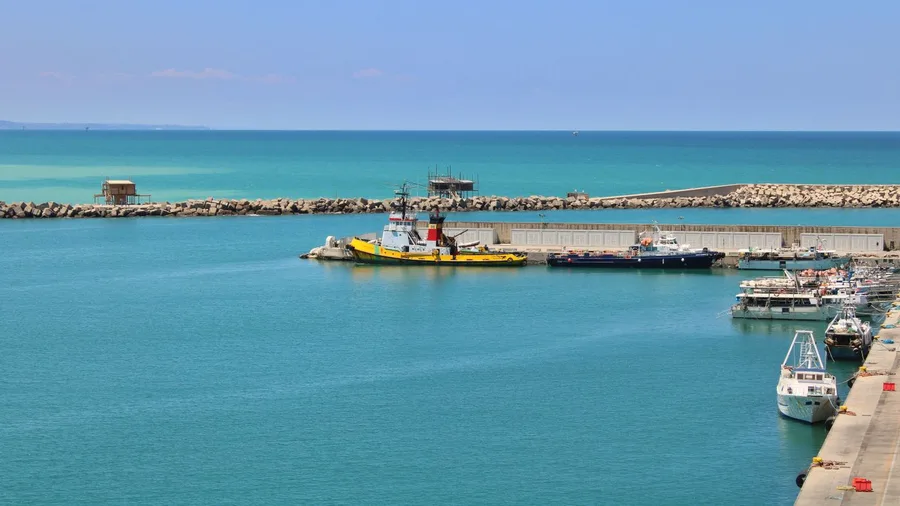
In Abruzzo, you drive from mountain passes to the coast in under an hour. A couple lives comfortably here on €1,700 to €2,100 a month.
You will need a reliable car for regional errands and medical visits.
Furnished town flats in Vasto, Lanciano, or Chieti rent for €450 to €700 monthly. Italy's Elective Residence Visa requires documented passive pension income with no employment permitted. Health coverage is handled through local Azienda Sanitaria Locale registration or private expat policies.
💡 Tip: Select housing within thirty minutes of Pescara or Chieti to ensure swift access to major emergency hospital wards.
4. Nafplio and the Argolis Peninsula, Greece

Nafplio is the rare Greek coastal town that remains fully functional when summer crowds vanish. You live comfortably on €1,800 to €2,200 per month without needing a vehicle for daily life. Long-term apartments near the historic harbor cost €550 to €800 monthly, keeping markets and cafes open all winter unlike shuttered Aegean resort islands.
Securing residency requires Greece's Financially Independent Person visa with proof of steady recurring income and private medical coverage. Nafplio General Hospital handles urgent care, while specialized tertiary medical centers in Athens sit two hours away by road.
⚠️ COMMON MISTAKE
Signing Long Leases During Peak Summer
Never commit to an annual rental contract between June and August. Landlords routinely inflate asking prices to match peak tourist vacation rates. Arrive in October or November to tour properties in person and negotiate 20% to 35% lower long-term lease terms.
5. Coimbra and the Centro Region, Portugal

The sharp chime of the university tower echoes across steep cobblestone alleys that will quickly test aging joints. The relentless hills are the real catch here.
Settle along the flat Mondego riverfront instead, where long-term one- and two-bedroom rentals run €600 to €800 monthly. That keeps a retired couple's full monthly outlay around €1,750 to €2,100, dodging inflated resort pricing while securing direct access to centuries of municipal culture and concerts.
Clinical care here rivals any capital facility.
The massive Centro Hospitalar e Universitário de Coimbra serves as a premier research hospital right in town. Settling here under Portugal's D7 visa requires private health insurance of €120 to €250 monthly per person, which runs alongside the public Serviço Nacional de Saúde once your residence card arrives.
When city life feels small, the Alfa Pendular train whisks you out of town without a car, reaching downtown Porto in an hour and Lisbon in ninety minutes.
💡 Tip: Prioritize apartments on the flatter southern bank of the Mondego to minimize daily stair climbs.
6. Granada and Inland Andalusia, Spain

At €650 to €850 per month, local residents rent in districts like Zaidín or Ronda instead of the tourist core. A couple lives well on €1,900 to €2,300 monthly, far below Costa del Sol prices.
Look for apartments with modern heating and cooling, as Sierra Nevada foothill geography brings freezing winters alongside summer spikes above 38°C. Qualifying under Spain's Non-Lucrative Visa requires private insurance, granting access to both the Andalusian Health Service network and modern private clinics like Hospital HLA Inmaculada.
Where Should You Base Your Retirement?
Secondary Regional Hubs
- Year-round municipal services, grocery markets, and cultural life
- Direct access to major regional teaching hospitals
- Long-term apartment rents averaging €500 to €850 per month
- Established public transit connecting to international airports
Seasonal Tourist Resorts
- Shuttered restaurants, pharmacies, and services for six months
- Limited local medical clinics requiring long drives for care
- Inflated seasonal rents and aggressive summer price spikes
- Overcrowded summer streets followed by deserted winter quarters
7. Puglia and the Itria Valley, Italy

While inland Spain trims your overhead through cheap produce, southern Italy beats it on tax savings alone. A retired pair can live comfortably on €1,600 to €2,000 a month across rural Puglia.
The fiscal upside is substantial.
Settling in municipalities under 20,000 residents grants you Italy's flat 7% income tax rate on foreign pensions, locked in for ten years. You can secure a stone apartment in hilltop hubs like Martina Franca, Locorotondo, or Ceglie Messapica for €500 to €750 monthly, far below Florence or Rome prices.
You cannot manage this landscape without owning a car. Running errands between weekly produce markets and regional Azienda Sanitaria Locale clinics or specialist hospitals in Bari demands four wheels on rural backroads.
Expect a feast-or-famine seasonal rhythm. Tourist swarms flood the valley from June through August, but the winter leaves coastal beach clubs shuttered, giving you quiet village squares, open local bakeries, and uninterrupted space to yourself.
💡 Tip: Check municipal population registries before leasing to confirm the town qualifies for the 7% tax scheme.
Puglia Relocation Logistics & Costs
🛂 Residency Pathway
Italy Elective Residence Visa
📑 Passive Income Hurdle
~€38,000/yr per couple
🩺 Private Expat Health Cover
€120–€250/mo per person
🔥 Winter Heating Overhead
€160–€230/mo (pellet/gas)
🗣️ Language Requirement
Italian needed for town hall filings
Visa Restriction
The Elective Residence visa strictly prohibits any earned active or remote income; qualifying funds must derive entirely from pensions, real estate, or investment annuities.
8. Zadar and the North Dalmatian Coast, Croatia
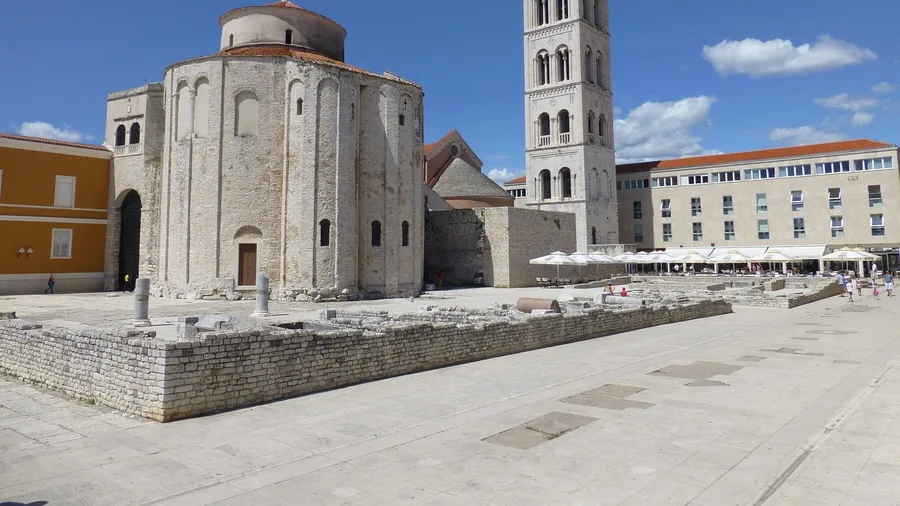
Zadar is northern Dalmatia's functional coastal hub. A retired couple lives comfortably here on €1,900 to €2,400 per month, bypassing Dubrovnik price spikes. Modern one-bedroom rentals outside the historic peninsula run €650 to €900 monthly on annual contracts.
Non-EU retirees secure temporary residency permits based on passive income, renewable yearly with mandatory payments into the state HZZO health system. Zadar General Hospital handles routine and urgent care alongside private clinics, while flat peninsula streets and Jadrolinija island ferries keep daily life active year-round.
9. Plovdiv and the Thracian Plain, Bulgaria
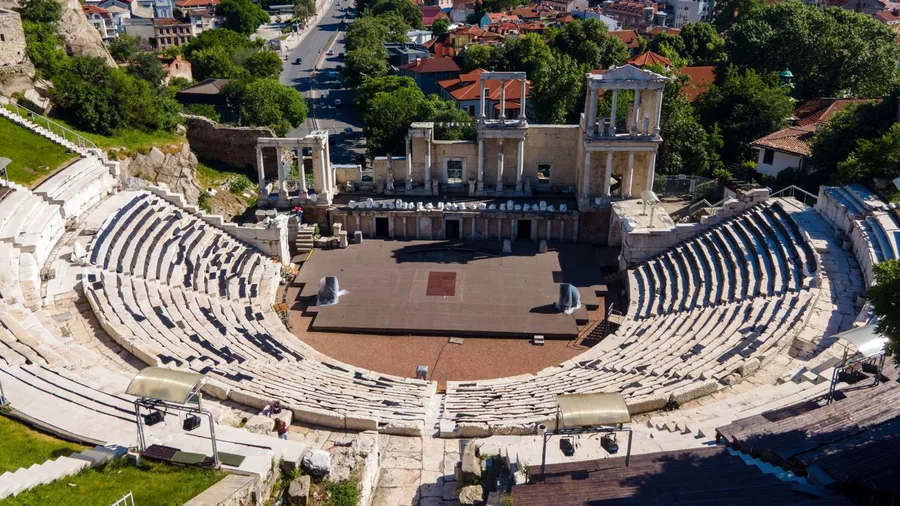
Pick Plovdiv if your monthly pension sits below €2,000 and you still want the legal stability of the European Union. A retired couple runs a full household on just €1,300 to €1,700 monthly, with modern one- or two-bedroom downtown flats leasing for €400 to €600.
The residency paperwork is straightforward.
Bulgaria grants a dedicated Pensioner D-Visa to anyone showing verified state or private pension distributions, avoiding steep investment thresholds. Routine clinical visits at hubs like Medical Center Pulse feature English-speaking staff and low out-of-pocket rates, backed by €120 to €180 monthly private policies. When international travel calls, direct rail lines reach Sofia and its terminal in two and a half hours.
💡 Tip: Select renovated properties with modern central heating to avoid relying on inefficient electric space heaters.
True retirement affordability comes from long-term housing costs, local healthcare infrastructure, and stable tax rules—never from seasonal tourist discounts.
— Consensus among European expat relocation consultants
10. Kranj and the Gorenjska Foothills, Slovenia

Kranj delivers clean mountain living on €2,100 to €2,600 monthly, with modern residential apartments renting for €700 to €950.
The town sits high above the Kokra River canyon, where nineteenth-century national poet France Prešeren spent his final years. His preserved house anchors a Gothic historic center of neighborhood bakeries and quiet squares that caters to resident families instead of seasonal tour bus crowds.
Non-EU residency requires proven passive income and state health insurance. General Hospital Jesenice and Ljubljana medical centers sit within 30 minutes, while Lake Bled and the airport are practically next door.
11. Kotor Bay and the Coastal Strip, Montenegro
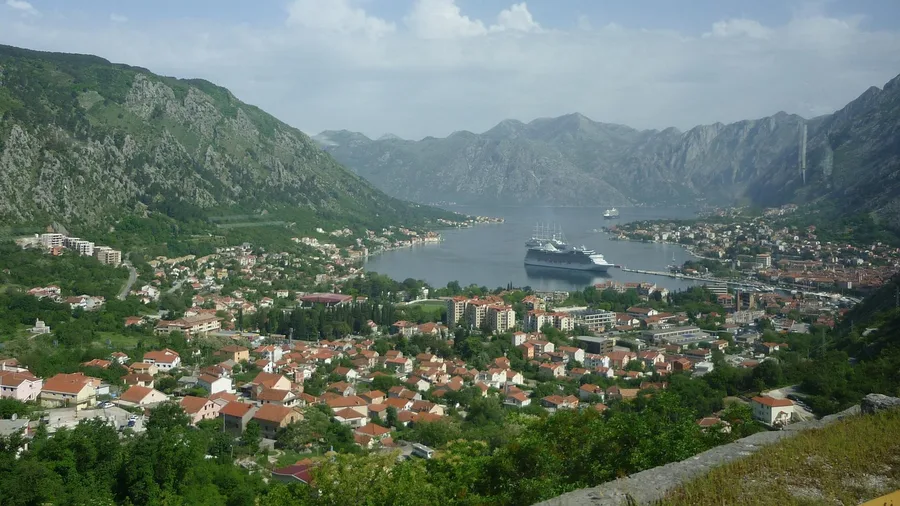
Salty air cools the limestone cliffs each evening as bottlenose dolphins surface near Dobrota. A couple lives well on €1,600 to €2,100 monthly, renting coastal apartments for €550 to €800.
Montenegro uses the euro and grants residency through simple company formation or purchasing property of any value. Private health insurance is non-negotiable because local public facilities are limited, requiring specialist trips to Podgorica or Dubrovnik. Winters turn quiet, wet, and windy from November to April once summer visitors clear out.
💡 Tip: Look for properties with dedicated parking spaces, as narrow bay roads become congested during peak summer.
🗺️ Your 90-Day Residency Preparation Roadmap
Month 1: Consolidate Income Documents
Gather official pension statements, Social Security benefit letters, and bank records with certified sworn translations.
Month 2: Secure Comprehensive Health Insurance
Purchase a qualifying zero-copay private health insurance policy recognized by your destination country's consulate.
Month 3: Execute Off-Season Scouting Trip
Spend several weeks test-living in your chosen city to inspect neighborhoods, local transit, and hospital access.
Month 4: Submit Formal Visa Application
File your passive income visa package at the home consulate before signing any long-term residential lease.
12. Sibiu and Southern Transylvania, Romania
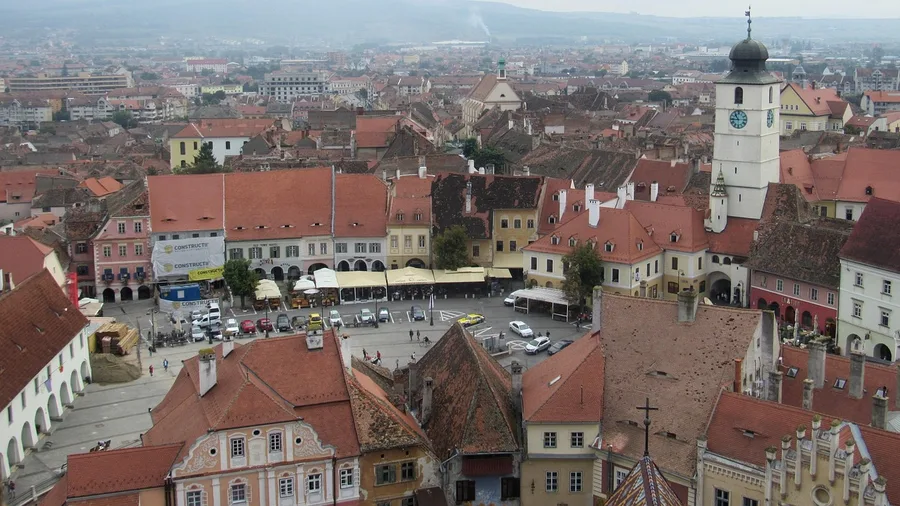
€1,400 a month covers a complete, comfortable lifestyle for two in Sibiu.
Climb the Council Tower just before sunset to look out over the tiled roofs of the Grand Square toward the Făgăraș Mountains. Renovated historic apartments inside this walkable center rent for €450 to €650 monthly, placing you steps from annual international theater and classical music festivals.
Long-stay residency requires verified income and health insurance. Clinic memberships through Regina Maria cost under €50 monthly, the county hospital provides capable emergency care, and Sibiu International Airport connects directly across Europe.
Frequently Asked Questions
What is the easiest passive income visa route for American or non-EU retirees in Europe?
Portugal's D7 visa and Spain's Non-Lucrative Visa (NLV) remain the most popular due to clear income criteria and direct paths to permanent residency. Bulgaria's Pensioner D-Visa is also straightforward, requiring only verified proof of state or private pension payments.
How much does private health insurance typically cost for retirees aged 60 to 70?
Expect to pay between €120 and €250 per month per person for a comprehensive private health insurance plan with zero copays. Rates depend on age, pre-existing conditions, and whether you include medical repatriation coverage.
Can you buy property in Europe to qualify for residency?
Several countries like Montenegro allow temporary residency through real estate ownership of any value. However, renting for the first year is always recommended so you can test local neighborhood amenities before committing capital.
Do you need to speak the local language to retire comfortably in these regions?
Basic conversational skills in the local language will enrich your social integration and help with municipal paperwork. However, English is widely spoken by younger medical professionals and service providers across these regional hubs.
What happens to foreign pensions and Social Security income under local tax laws?
Most European countries have bilateral double taxation treaties with the United States, Canada, and the United Kingdom. Certain regions, such as southern Italy with its 7% flat tax for qualifying municipalities, offer targeted tax incentives for foreign pensioners.
Executing Your 90-Day Off-Season Scouting Trip
Living comfortably across Europe on $1,800 to $2,800 a month comes down to choosing secondary hubs over overcrowded capitals. Before applying for a Portugal D7, Spanish NLV, or Italian Elective Residence visa, book a 90-day stay between November and March under standard tourist rules.
Use those winter months to tour regional hospitals, check pharmacy inventory, time the local buses, and verify real heating bills in older apartment buildings. Locking down a €600 to €1,100 lease after testing the rainy season turns a low-cost projection into a permanent, secure routine.
Compare Your Monthly Target Budget
Review the summary comparison table near the top of this guide to evaluate housing costs, visa routes, and healthcare access across all twelve destinations.