


Intake and Shelter Beginning
A dog waits behind a shelter gate.
People walk past in slow lines. Some glance. Some stop.
Every dog hopes for the same thing. A home.
The road from rescue to adoption looks different for every dog, yet the pattern feels familiar. Each small step builds trust. Each small act moves the dog closer to a family who sees potential rather than problems.
This story unfolds every day across shelters, foster care networks, and dedicated organizations throughout the world. The journey reveals how compassion, science, and patience change futures.

Rescue Dogs and the First Step Toward Safety
Many dogs start their journey with fear. They arrive from streets, overcrowded homes, natural disasters, or neglect situations documented by groups such as ASPCA and the Humane Society of the United States. Shelters provide medical care, food, and shelter. They evaluate behavior and health.
Veterinarians treat infections, injuries, and malnutrition. Behavior teams study anxiety, confidence, and social responses. This data helps place dogs in the right environments. No detail feels too small because the right match protects everyone involved.
The intake phase builds the foundation for adoption. Dogs who arrive from shelters or rescues first need to feel safe before they can truly settle. Safety creates stability, and stability opens the door to learning, trust, and healing.
What begins as survival soon transforms into connection. As routines form and confidence grows, both the dog and the family begin to shape a shared life. This is where the bond starts quietly, consistently, and often without anyone realizing it.

Behavior and Training That Shape Adoption Success
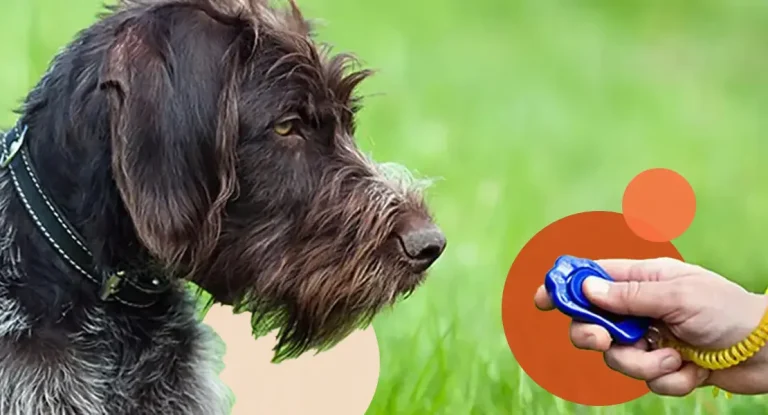
Once the dog stabilizes physically, training becomes critical. Trainers rely on reward-based methods encouraged by organizations such as the American Veterinary Society of Animal Behavior. Food rewards, clicker training, and calm verbal markers build trust.
Shelters also use temperament tests that evaluate reactions to children, other dogs, and handling. Trainers document progress and challenges. This transparency guides adoption counselors when matching dogs with homes.
Families describe how the dog teaches responsibility, empathy, and patience. Children learn to care for another living being. Adults discover new reasons to walk, explore, and socialize. Over time, the dog stops being a project and becomes family.To understand how those early working roles shaped modern homes, explore how dogs influence family life today.
Training turns potential into confidence. Confidence attracts families who are ready to say yes.

Rescue Dogs and the Role of Medical Care
Shelters handle a wide range of medical needs. Some dogs arrive with chronic issues. Others only need vaccines and spay or neuter services. Evidence from veterinary groups shows that early medical intervention improves adoption rates and long term health outcomes.
Dental work often surprises new adopters. Many rescued animals show dental decay from years of poor nutrition. Veterinarians clean and extract teeth when needed. Pain relief changes quality of life and behavior. When the mouth hurts less, dogs become more social and willing to engage.
Routine care matters too. Flea control, heartworm treatment, and parasite management create healthier pets and safer homes. Medical teams focus on future living rather than short-term survival.
Good health increases adoption confidence. Healthy dogs find families faster.


Marketing and Storytelling That Connect Hearts
Adoption teams know that dogs do not speak for themselves. Humans tell their stories.
Photography and story writing shape how people view animals online. Shelters hire photographers who capture soft eyes, playful moments, and gentle expressions. Great images increase adoption rates on platforms like Petfinder, Adopt a Pet, and shelter social media pages.
Descriptions matter. Adoption coordinators avoid long lists of restrictions. Instead, they describe personality, favorite activities, and ideal environment. They communicate honesty without discouraging potential adopters.
Digital outreach expands reach beyond shelter walls. Many families find their future dog through a single photograph shared online.
Marketing turns awareness into connection.


Home Visits and Matching That Build Confidence
Adoption counselors focus on compatibility. They ask about work schedules, activity levels, travel habits, and family structure. Their goal is not to judge but to guide. When matches align, success rates climb.
Some shelters require home visits. Foster based rescues use meet-and-greet sessions in neutral locations. These steps help confirm that the dog will feel safe and supported. Many organizations partner with trainers and behaviorists who assist with transitions.
The matching process reduces returns. When dogs return to shelters, stress increases for everyone involved. Good matching protects the dog, the adopter, and the shelter system.
Matching turns interest into commitment.
The First Day Home and the Adjustment Phase
When a dog steps into a new home, the world changes. Surfaces, sounds, and routines shift. Trainers call this the decompression period. Experts recommend three phases often known as “3 days, 3 weeks, 3 months.”
Three days to settle. Three weeks to learn. Three months to bond.
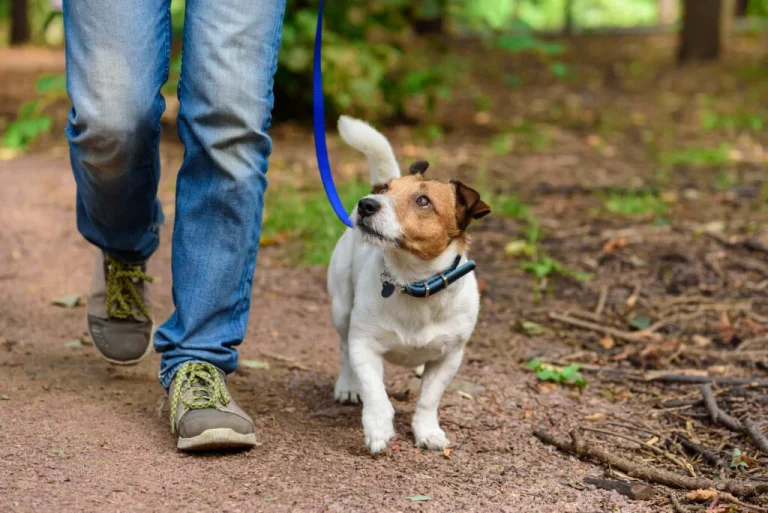
During this time, adopters use structure, patience, and positive reinforcement. They create predictable routines. They slowly introduce new people and environments.
Behavior support teams and veterinarians remain available for guidance. Many adopters stay connected with rescue communities to share progress and get advice.
Adjustment turns transition into belonging.

Rescue Dogs and the Transformation Into Forever Pets
With time, something changes. The dog’s eyes soften. The tail lifts. The anxiety fades. Play returns. Trust forms.
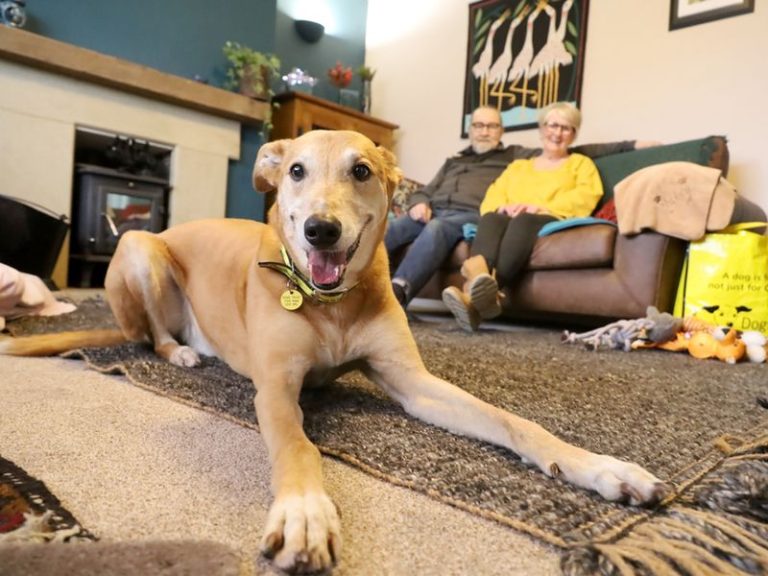
Stories from adoptive families often show the same arc. The dog sleeps deeper. The dog seeks touch. The dog carries toys or rests near feet. These small signs reveal attachment. This moment marks the transition from surviving to living.
Families describe how the dog teaches responsibility, empathy, and patience. Children learn to care for another living being. Adults discover new reasons to walk, explore, and socialize. The dog stops being a project and becomes family.
Transformation turns adoption into forever.

Final Thoughts on the Journey to a Forever Home
The path to adoption contains medical care, training, foster families, storytelling, and careful matching. Each step matters. Each role supports the same mission.
The journey changes lives. It changes the dog who finds safety. It changes the family who finds companionship. It changes the volunteers who witness transformation.
Love is the final outcome. Homes build stories. Stories build futures. And futures begin with a second chance.