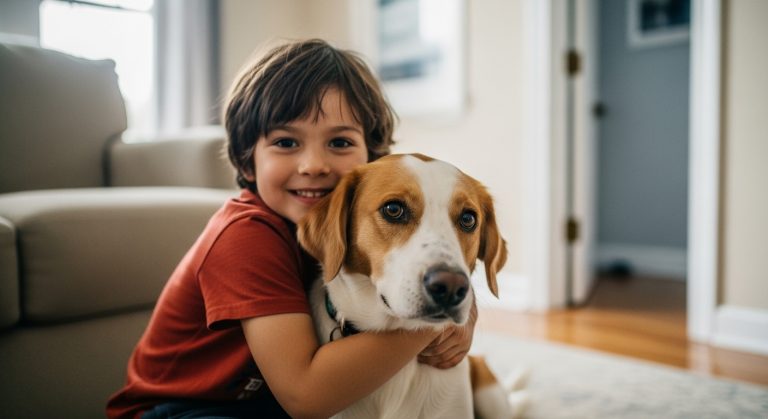
The connection between humans and dogs is one of the most enduring relationships in history. What began as a survival arrangement has transformed into a bond shaped by emotion, trust, and shared living. As societies expanded and lifestyles changed, the dog adapted as well. The roles dogs hold today reflect not just their capabilities but also what humans value in companionship, wellness, and social connection.

From Survival Partners to Cooperative Allies
Thousands of years ago, the earliest dogs partnered with humans to meet practical needs. Hunters benefited from the canine ability to track scents, locate animals, and move swiftly across terrain. In return, dogs gained food, shelter, and protection. Over time, mutual benefit formed the foundation of cooperation.
As humans settled into agricultural communities, the dog’s role expanded. Herding breeds developed to manage livestock and protect farm resources. In regions shaped by extreme climates or mobile lifestyles, nomadic groups relied on sled dogs and coursing hounds for transportation and hunting. These early roles weren’t sentimental; they were functional. Yet even then, dogs began showing social qualities that made them more adaptable than other working animals.
These evolutionary roots reveal how the relationship between dogs and humans grew through shared tasks, mutual dependence, and early forms of communication.

The Transition Into Household Companions
When humans moved into permanent settlements and built structured communities, dogs followed. Instead of sleeping beside fires in open camps, they found space inside homes and courtyards. Their social behavior evolved to align with human family life. Dogs learned routines, responded to gestures, interpreted tone, and recognized patterns in daily behaviors.
This shift marked one of the most significant stages in the human dog relationship. Dogs were no longer only tools for survival. They became beings with designated space in the home, aware of their belonging and responsibilities.

The Rise of the Modern Family Dog
Today, dogs are woven into the emotional fabric of family life. Many households treat dogs as family members, not just pets. Dogs appear in family photos, travel on vacations, and celebrate birthdays and holidays with their people. This cultural shift reflects broader changes in how humans view relationships, mental health, and domestic life.
Children often experience their first lessons in responsibility, empathy, and caretaking through feeding, walking, or training a dog. Adults benefit in other ways. Dogs reduce stress levels, improve mood, and encourage daily movement. The presence of a dog introduces structure morning walks, feeding routines, and scheduled play that brings rhythm into busy or disconnected modern lifestyles.
In a time when technology accelerates communication but fragments face to face interaction, the presence of a dog brings warmth and stability.

Emotional and Psychological Support
The emotional impact of dogs is now backed by science. Interacting with dogs triggers the release of oxytocin, a hormone linked to trust, bonding, and reduced stress. Emotional support dogs help individuals cope with anxiety, depression, PTSD, and social isolation. Therapy dogs visit hospitals, nursing homes, schools, and rehabilitation centers to provide comfort without requiring verbal communication.
These roles illustrate how dogs influence well being beyond entertainment or companionship. They participate in healing quietly, consistently, and without judgment.

Service and Working Roles in the Modern Era
Although many dogs live as companions, working roles remain vital. Service dogs assist individuals with limited mobility or visual impairments. Medical alert dogs detect changes in blood sugar or seizure indicators. Detection dogs at airports and border checkpoints identify drugs, contraband, or potential threats. Search and rescue dogs locate missing individuals in disaster zones or wilderness areas.
These responsibilities require rigorous training and demonstrate how deeply embedded dogs are in public safety and health infrastructures. Their intelligence, sensory abilities, and willingness to learn make them particularly effective in situations where technology still falls short.

Social and Community Connection
Dogs also serve as bridges between humans. Dog parks, public walking trails, and pet-friendly businesses encourage conversation among strangers. Many people meet neighbors for the first time because of their dogs. In urban environments, where social isolation is common, this bridging effect has measurable benefits for community wellness.
For children, dogs provide an accessible form of social practice. For adults, they encourage outdoor activity and reduce daily stress. For seniors, they offer companionship that mitigates loneliness.

Economic and Cultural Influence
The evolving human-dog bond has also shaped industries and design trends. Veterinary medicine, training, grooming, nutrition, boarding, and pet technology form a global market worth billions. Interior designers incorporate pet-friendly materials. Architects create dog friendly parks and urban spaces. Even workplaces adopt dog friendly policies to improve employee morale.
These developments show how deeply integrated dogs have become in economic and cultural systems.

Conclusion
The relationship between humans and dogs continues to evolve. From ancient working partnerships to modern emotional support, the bond grows richer with each generation. What began as a cooperative survival strategy now thrives in homes, communities, and workplaces. The dog’s role reflects not only its abilities but also human values connection, care, and companionship. As society progresses, one thing remains clear: dogs are no longer just pets. They are partners in life.