


Dogs in the 21st century no longer fill just one role. They are not only guards or hunters or companions. They now shape how families function, how individuals manage stress, and even how cities design public spaces. Modern life changed the dog, and the dog changed modern life in return.
The bond between humans and dogs stretches back thousands of years. In the past, early dogs assisted with survival tasks like guarding livestock, tracking prey, or pulling sleds. Today, those instincts remain, but the context shifted. The 21st century transformed dogs into family members, emotional partners, helpers, and social connectors.

Dogs as Family Members
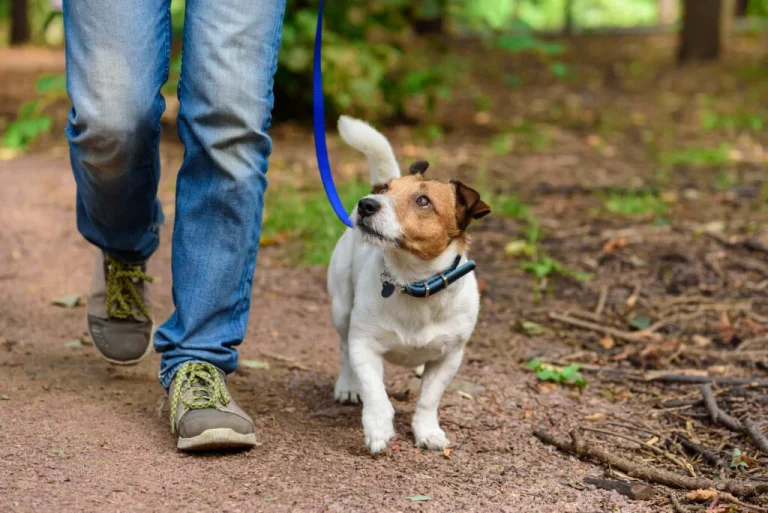
In many homes, the dog sits at the heart of family life. The term “pet” no longer captures their role. Families include dogs in vacations, routines, and celebrations. Children learn responsibility and empathy by feeding, walking, and caring for a dog. Parents appreciate how dogs encourage exercise and fresh air.
Over time, the family shifts around this quiet presence. Morning walks become rituals. Evening play becomes connection. The dog stops being an accessory and becomes part of the household story.

Companionship in an Isolated Age
The 21st century brought technology and convenience, but it also brought loneliness. People work remotely. Social interaction moved online. Urban living often feels crowded but disconnected. Dogs help bridge that gap.
Research from psychology and health communities notes that interacting with dogs reduces stress hormones and increases oxytocin, a hormone tied to bonding. This makes dogs powerful emotional companions. They offer comfort without judgment, presence without pressure, and affection without motive.
For many people, especially the elderly or individuals living alone, the dog becomes the closest daily companion.

Dogs in Mental and Emotional Health
Therapists and medical professionals increasingly recognize the value of dogs in emotional support. Emotional support dogs help people manage anxiety, depression, trauma, and social fear. Therapy dogs visit hospitals, schools, and campuses to comfort students and patients.
Service dogs take this further. They assist individuals with PTSD, autism spectrum disorders, and panic disorders by providing grounding and stability. These roles require training, discipline, and trust, and they demonstrate how deeply integrated dogs became in human well being.

Working Roles in a Modern Environment
While many dogs live comfortably in homes, working roles did not disappear. Police and military K9 units perform tasks humans cannot replicate. Search and rescue dogs locate missing people in disasters. Detection dogs at airports identify threats or illegal goods with astonishing accuracy.
Guide dogs support people with visual impairments. Hearing dogs alert their owners to sounds. Medical detection dogs can detect changes in blood sugar or even early signs of certain illnesses. Their ability to learn and respond continues to impress scientists and trainers.

Dogs as Social Connectors
Dogs also reshape how communities socialize. Dog parks act as gathering spaces. Strangers talk because their dogs interact first. In cities, dog-friendly cafes, hotels, and parks signal how deeply dogs influence lifestyle culture.
For children, dogs provide a safe social anchor. For adults, dogs encourage movement and conversation. In a world where large portions of communication moved to screens, dogs encourage real-world interaction.

Health and Fitness Partners
Modern wellness culture embraces dogs as fitness partners. Walking a dog adds routine physical activity to daily life. Jogging, hiking, and swimming with dogs extend this even further.
Many owners credit their dogs with improved health. Dogs need movement, and that need gently pushes humans to move as well. This mutual benefit supports both physical and mental health.

Impacts on Design and Industry
As roles expanded, new industries emerged. Pet care is now a multibillion dollar market that includes veterinary medicine, behavior training, grooming, boarding, nutrition, and enrichment products. Interior designers consider dog friendly materials. Apartment buildings add dog washing stations. Cities build dog parks to satisfy residents.
The shift from “pet” to “family member” changed economics and design in subtle but wide reaching ways.
The Future of Dogs and Humans
As technology advances, some roles may evolve again. AI and robotics will not replace dogs, but they may assist in training, health tracking, and enrichment. Genetic research continues to explore breed health and longevity. Positive training rooted in communication rather than force reflects how the relationship matured.
One thing remains constant: dogs thrive when they feel connected to humans. Humans thrive when they feel connected to dogs. That mutual benefit explains why the relationship lasted thousands of years and why it continues to strengthen today.
Closing Thoughts
Dogs in the 21st century are more than pets. They comfort, protect, connect, assist, and heal. They remind humans to slow down, to pay attention, and to care. They shape families, influence communities, and support well-being in quiet but meaningful ways.
The human dog bond did not fade with modern life. It adapted to it. And in doing so, it became more important than ever.