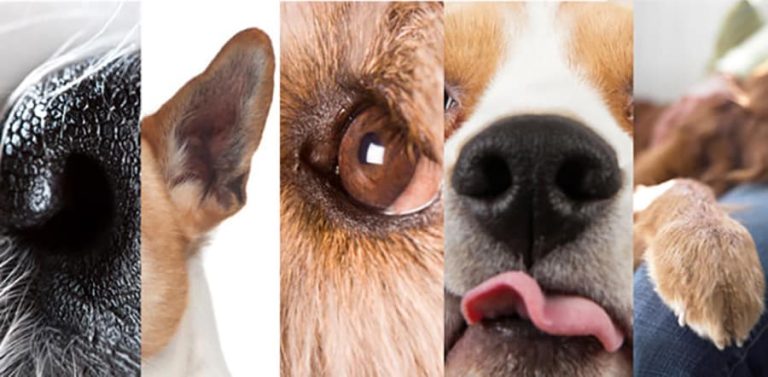



Dogs sit beside us in quiet moments. They greet us at the door with wagging tails and bright eyes. For thousands of years, humans have lived with dogs. We do not just like them. We love them. This bond changes our days and shapes our lives in ways that science now studies and confirms.

A Friendship That Began With Firelight
Researchers believe the relationship between humans and dogs began over 20,000 years ago. Wolves drifted closer to early human campsites, hoping for food. Humans gained protection from these early canines. Over time, wolves became companions. They evolved into the dogs we know today.
This early bond started from survival. Today, it grows from connection.

Dogs Understand Us Better Than We Think
Dogs read human body language with surprising accuracy. They understand tone, gesture, and emotion. Many studies from universities like the University of Veterinary Medicine Vienna and Duke University’s Canine Cognition Center show that dogs react to human emotions faster than any other animal, including primates.
When a person laughs, the dog relaxes. When a person cries, the dog stays close. Dogs sense stress through smell. They even tilt their heads because they try to read human expressions better.
We love them because we feel understood. We feel seen.


Dogs Make Us Healthier Without Trying
Living with a dog encourages daily movement. Walks become routine. Time outdoors increases. Activity rises in a natural way. Dogs help reduce loneliness and improve heart health.
The American Heart Association reports that pet owners have a lower risk of heart disease. Dogs also support emotional health. Many therapists use emotional support dogs for anxiety, PTSD, and depression. Even short interactions with dogs increase oxytocin, a hormone linked to bonding and stress relief.
We love dogs because they make our bodies and minds feel better.


Dogs Bring Structure and Comfort
Dogs love routine. They eat at certain times. They expect walks and play. Their rhythm becomes part of the household. This structure helps people who struggle with depression, ADHD, or grief. The presence of a dog provides stability and responsibility without pressure.
Early morning feeding turns into motivation. Walks become grounding moments. Play becomes laughter. A dog keeps a person moving forward, even on hard days.


Dogs Give Without Keeping Score
Dogs do not care about status, career, appearance, or popularity. They love without measurement. They forgive quickly. They do not hide emotions. They show joy in clear, obvious ways.
People crave sincerity. Dogs offer it freely. This honesty creates emotional safety. It explains why dogs are often the first source of comfort for children and adults during stress or loneliness.


Dogs Strengthen Families and Social Life
A dog changes how a family interacts. Walks become shared activities. Training becomes teamwork. Dogs encourage presence rather than distraction. Even in cities, dog parks spark conversation among strangers who would never speak otherwise.
Researchers found that dog ownership increases social interactions and community trust in neighborhoods. Dogs are social glue. They bring people together.


Each Dog Has Its Own Story and Role
Dogs come into homes for different reasons. Some provide protection. Some help with disability support. Some rescue. Some herd. Some simply curl up on the couch and share warmth. Breeds and personalities vary widely, yet the bond remains strong.
Working dogs such as guide dogs, therapy dogs, and police K9s show how intelligent and capable dogs can be. Their loyalty and ability to learn new tasks impress even trained professionals.
Yet even the simplest family dog carries importance. They become part of daily life. They become characters in memory.


The Bond That Changes How We See Life
Loving a dog shifts perspective. Dogs remind people to slow down. They encourage presence. They find joy in simple things like a sunny patch on the floor or a new smell on a trail. Their curiosity and excitement rub off on their owners.
When a dog grows older, that early bond deepens in ways people never expect. The same families who once focused on training and adjustment now find themselves savoring the small moments: slower walks, softer greetings, longer naps in familiar places.
People begin to notice time and value it more. Dogs teach love through presence, patience through repetition, care through vulnerability, and eventually grief through goodbye. They also teach how to welcome new beginnings new routines, new dogs, new chapters and how to honor endings with dignity.
These lessons stay with people long after the dog is gone, becoming a part of how they love, how they care, and how they form relationships in the future.
For many, this is where the real adoption story lives not just in intake or training, but in the lifelong bond that changes both species in meaningful ways.


So Why Do We Love Dogs
We love dogs because they make life bigger. They bring joy, comfort, health, and connection. They give more than they take. The love between humans and dogs feels ancient because it is. It continues to evolve with us. It makes our homes warmer. It makes our days better. It changes lives.