
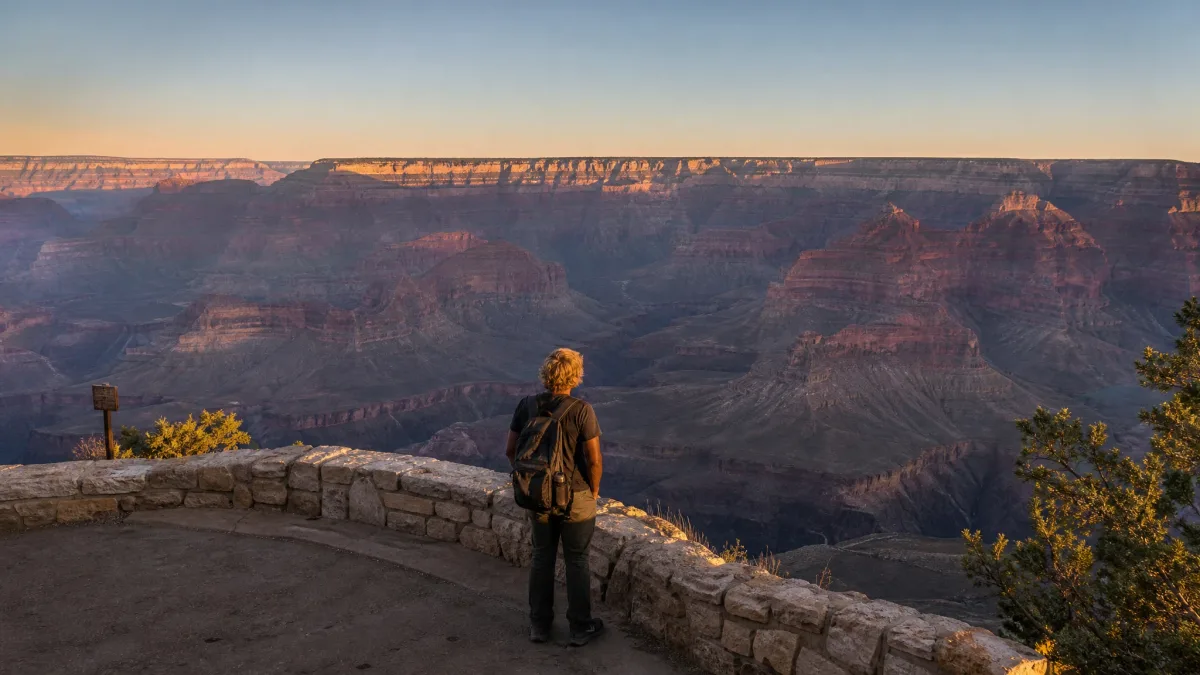
Which of these states can you book tonight without a passport? Any of them, and the first price check is a domestic round-trip at $260 to $480. The question you are actually asking is which one feels foreign enough to justify the week or two you have off, and the answer is not the one with the most famous postcard. The measure is scale, language, food and history. Alaska's 663,000 square miles run past four European countries stacked together; Louisiana's 52,400 square miles change the language on the sign and the food on the plate.
The lazy version is a resort in a state you already know, which is not travel, it is a change of couch.
So the trip becomes bookable in two steps: name the kind of foreignness you want first, then let the days and the dollars pick the state. Thirteen of them stand in for a country apiece. By the end you should have one state, one region, one base town, one month and a rough per-person cost in hand, and nothing left to do but reserve.
Quick Tips Before You Start
Book the season first
Late September for Vermont foliage, February-March for Louisiana Mardi Gras, June-July for Alaska daylight.
Reserve the car early
Rental cars run $45-$75 a day, and Alaska and Hawaii book out months ahead for summer.
Motels beat chains
Independent motels and cabins run $120-$190 a night and are often closer to the thing you came to see.
One region per trip
Don't try to see all of California or Texas in two weeks. Pick one region and go deep.
Park passes add up
Big Western national parks charge $35 per vehicle; buy the annual America the Beautiful pass if you'll hit three or more.
1. Alaska, a Country-Sized Wilderness With Almost No Roads
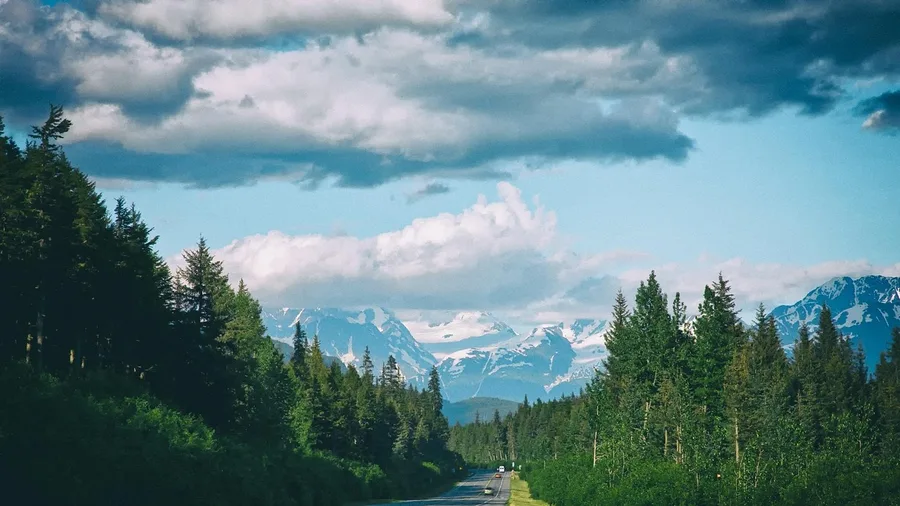
The cold hits you first on the Seward Highway, a wind off the glacier that smells like wet stone and diesel, and then the light goes flat and silver at eleven at night and nobody around you thinks that is strange.
That drive is 127 miles from Anchorage to Seward, and it is the one road here that behaves like a normal American trip. Everything else in this state runs on boats and small planes. If the logistics of daily life there fascinate you, how Alaskans adapt to the extremes is worth reading next. Alaska's 663,000 square miles cover more ground than France, Spain, Germany and Italy combined, and most of that ground has no road into it at all, so you book a flightseeing hop or a ferry crossing the way you'd book a train in Europe, and a single day vanishes into the transit between regions. Give it 14 days minimum. Go in June or July for daylight that barely quits, budget around $3,200 a person for two weeks with the car and a cabin, and understand that the foreignness here is remoteness plus the logistics of a place you cannot simply drive across.
💡 Tip: Book the 14-day window in June or July—you get near-round-the-clock daylight and the only reliably open mountain passes.
| State | Feels like | The thing you can't get in the rest of the US | Days to allow |
|---|---|---|---|
| Alaska | A country-sized wilderness | Roadless scale and boat/plane access | 14 |
| Hawaii | A Polynesian nation | Hawaiian language and plate lunch culture | 10 |
| Texas | A whole separate nation | Regional difference inside one state line | 14 |
| Utah | The Colorado Plateau's own Jordan | Red rock and hoodoo scenery | 10 |
| Louisiana | A French-Caribbean delta country | Living French and Creole | 7 |
| New Mexico | A three-culture borderland | Nineteen living Pueblos | 10 |
| Maine | The North Atlantic coast | Cold-water working harbors | 7 |
| Montana | Switzerland with more empty space | Alpine terrain without a passport | 10 |
| Florida | The Caribbean on a highway | Cuban coffee and Spanish-first neighborhoods | 7 |
| Arizona | The Sonoran desert | Saguaro forest and Sonoran hot dogs | 10 |
| Vermont | A Swiss hill country | Maple boiled on site | 7 |
| California | A dozen countries stacked | Mexican, Vietnamese, Armenian, Persian food | 14 |
| Michigan | A freshwater sea | 3,288 miles of Great Lakes shoreline | 7 |
2. Hawaii, a Polynesian Nation 2,500 Miles From Anywhere

Hawaii is the one state where the culture you meet is Polynesian, not mainland American. That is a different kind of foreignness than empty country. Alaska's foreignness is scale and no roads; here it is 10,900 square miles across eight main islands, a sovereign history, and a language that predates the United States by centuries.
The story that matters is the land. After the 1893 overthrow of the Hawaiian monarchy and the 1898 annexation, the islands became a state in 1959, and the land tenure question has never really closed. Hawaiian is an official state language alongside English. You see the result on road signs and hear it in place names you have to learn to say. The culture does not sit in a museum case; it sits in the school down the street. Hawaii's own sovereignty story echoes other nations that vanished from the map and the borders travelers cross today.
Ten days is the working budget, split between Oahu and the Big Island. Inter-island flights are short – under an hour on most legs – but they add real cost and real airport time, and that is the friction here. No passport, no currency exchange, no long-haul flight. The logistics you plan around are the puddle-jumpers and the rental car at each end.
Food is where the foreignness becomes daily. Plate lunch runs $14-$22, and poke and laulau are what people eat on a Tuesday, not vacation specials. April-May gives good weather ahead of the summer crowds. About $2,900 per person for ten days, flights and cabins included, and the culture you came for is on the plate and in the street signs the whole time.
Which state delivers the most foreignness per dollar
Daily cost assumes mid-range motel, rental car, and one paid activity per day.
3. Texas, Larger Than France and Uninterested in Being Subtle
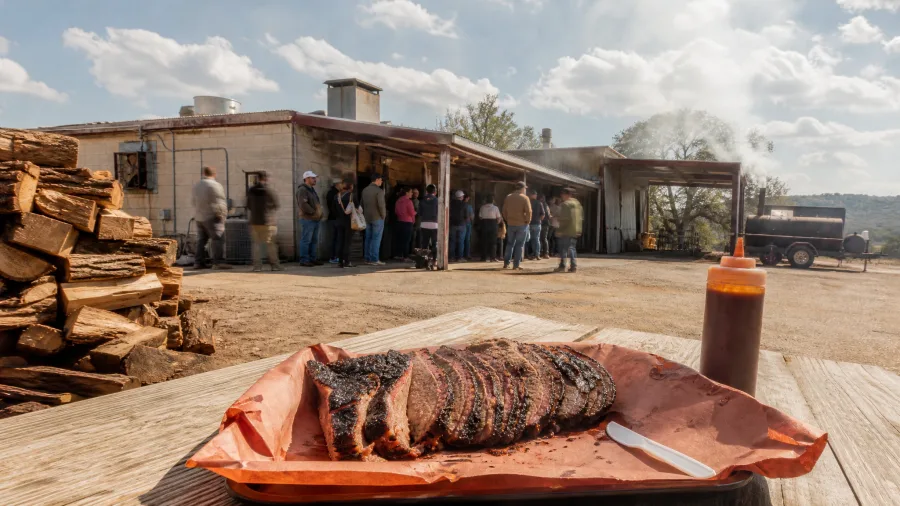
Split ten days between Oahu and the Big Island and accept that the inter-island flights are short but add real cost, both in fares and in the time it takes to pack, drive, fly and check in again.
The food does more convincing than anything else. Plate lunch runs $14-$22, and poke and laulau are everyday eating here rather than something printed on a specials board for visitors. April and May give you the weather ahead of the summer crowds, and about $2,900 per person covers ten days.
The reservation worth stating plainly: the friction is not a border, it is inter-island logistics and price. Two islands in ten days is the honest ceiling. Three turns the trip into an airport shuttle.
4. Utah, the Colorado Plateau's Own Jordan
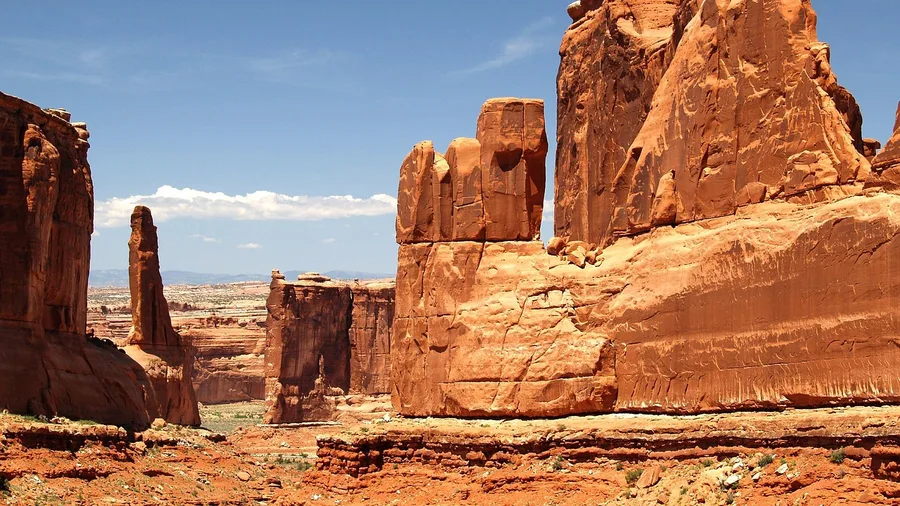
The hardest part of Utah is the parking lot, not the landscape. After the distances involved in crossing a state the size of a country, red-rock country shrinks the scale to a single canyon wall and organizes it all with American park roads, entry booths and motel signs – so the friction here is a queue at the gate, not a border.
Utah's 84,900 square miles hold five national parks, each within a half-day's drive of the next, and ten days covers three of them without living in the car. Base in Moab or Springdale: Arches sits 5 miles from Moab, Canyonlands 32. Park entry runs $35 per vehicle, motels $120-$190 a night, and a ten-day trip lands around $1,900 per person. Time it for March-May, and go early or late at Arches – the Delicate Arch trailhead fills by mid-morning while the same trail at first light gives you the hoodoos and slot walls to yourself.
5. Louisiana, a French-Caribbean Country in the Delta
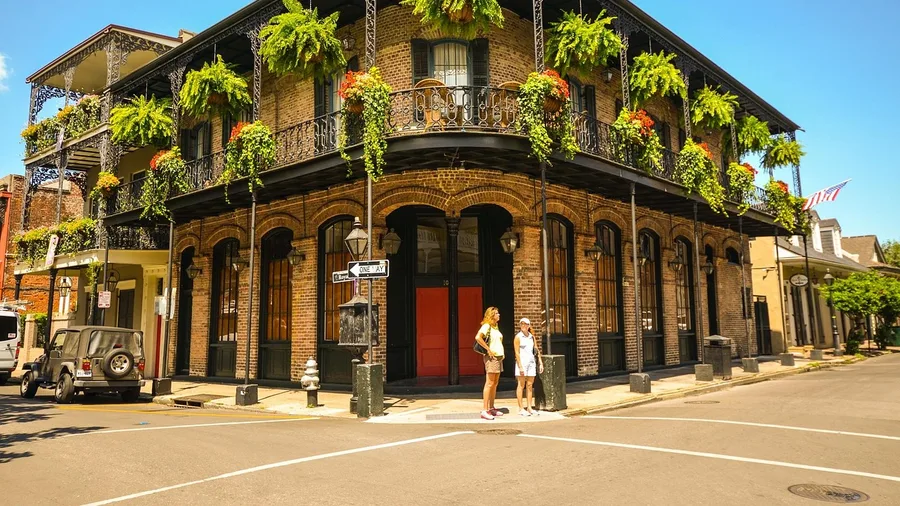
South Louisiana, and you can drive there. Desert otherness is one thing, but out here the foreignness moves off the rock and into the mouth, the ear and the dance floor: a delta built by French, Spanish, African and Caribbean people across 52,400 square miles, with a vocabulary and a kitchen that took root nowhere else. Nobody stamps anything. You just order in a room where the person behind the counter answers in French.
Make Lafayette your first base and New Orleans your second, and keep the mileage modest: Lafayette to Breaux Bridge is 20 miles, an easy morning run for a zydeco breakfast and a second coffee. In Cajun country the French and Creole are still living languages, spoken at the table by people who learned them at home rather than at school, and the weekend dances are where the music is played for dancers, not for a seated audience. Ask at a feed store or a gas station counter where the dance is on Saturday and you will get pointed somewhere real. That is the local-knowledge part: the best night out is rarely the one with the biggest sign.
Go in February or March, when Mardi Gras season runs alongside mild weather and seven days covers the trip at about $1,500 per person. No passport, no currency exchange, no flight across an ocean. The friction you actually budget for is a rental car and the discipline to drive twenty minutes past the obvious stop to the town where the accordion is already warming up.
💡 Tip: Go to a Saturday zydeco dance in Breaux Bridge—not a Bourbon Street cover band. Look for a hall with a washboard player, not a DJ.
6. New Mexico, Three Cultures in a Single Borderland
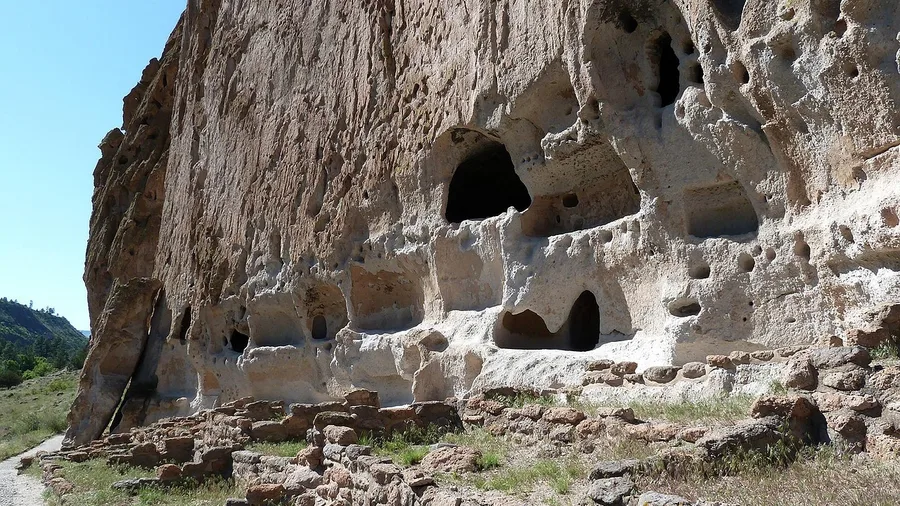
Know before you go: the Pueblos are homes, not attractions. Some are open to visitors only on posted days, and the ones that are closed mean it – check the schedule before you drive out. That is the price of a history that is inhabited instead of re-enacted.
New Mexico's 121,600 square miles layer 19 living Pueblos, Hispanic land-grant villages and Anglo newcomers into one borderland, and ten days lets you reach White Sands as well. Base in Santa Fe and Taos, 70 miles apart on the High Road. Green chile goes on everything, breakfast included, and September-October is the harvest and the clear balloon weather. About $1,900 per person for ten days, with US roads and motels the only familiar layer.
⚠️ COMMON MISTAKE
Don't pack all five Utah parks into one week
Five national parks in seven days means four hours of driving daily and sunset lost to the road. Pick three, base in Moab and Springdale, and spend the saved hours in a slot canyon. The parks aren't going anywhere.
7. Maine, a Rocky Coast That Belongs to the North Atlantic
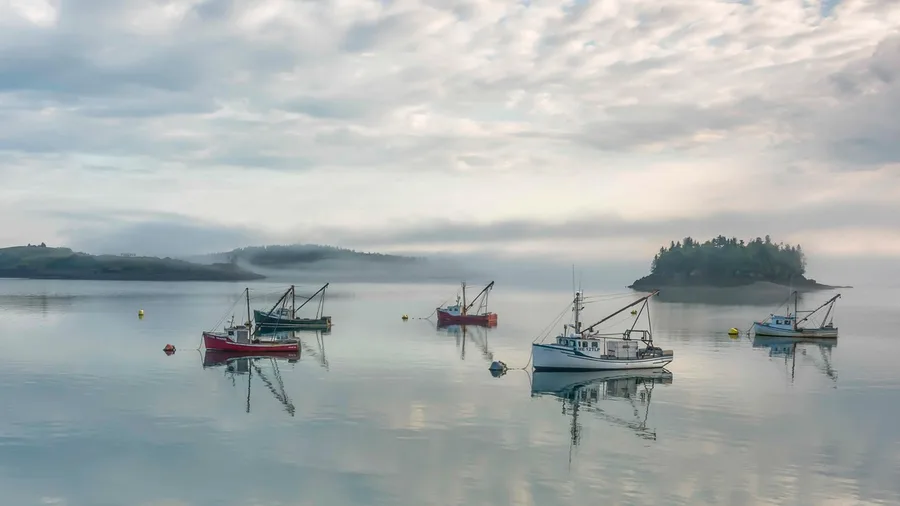
You hear the bell buoys before you see the water, a clang that carries across the harbor and tells you the tide is moving. History that people still live inside carries one kind of foreignness; a coast shaped by tide and working boats carries another, and Maine is where the second kind takes over. Its 35,400 square miles hold several thousand miles of tidally cut shoreline, harbors where the boats go out before light, and a cold-water vocabulary that lands closer to Atlantic Canada or Scotland than to the rest of New England.
Base in Portland first, then Bar Harbor, and give yourself a chair. From Bar Harbor, Cadillac Mountain is 20 miles and about 20 minutes, and in season it takes the first sunrise in the country – get up, drive it, then spend the middle of the day doing nothing at all on a granite ledge while the fog lifts and drops and lifts again. That hour is the trip. A lobster roll or a picked lobster off the dock runs about $18-$28, and you eat it on a picnic table watching the traps come in.
Go in July or August if you want water you can actually swim in, and plan on seven days – enough for one coast done slowly. Expect roughly $1,800 per person for the week. The flight is domestic, the money is the same, and the only friction left is booking the Bar Harbor room early and remembering that the water stays cold even in August.
8. Montana, Switzerland With More Empty Space
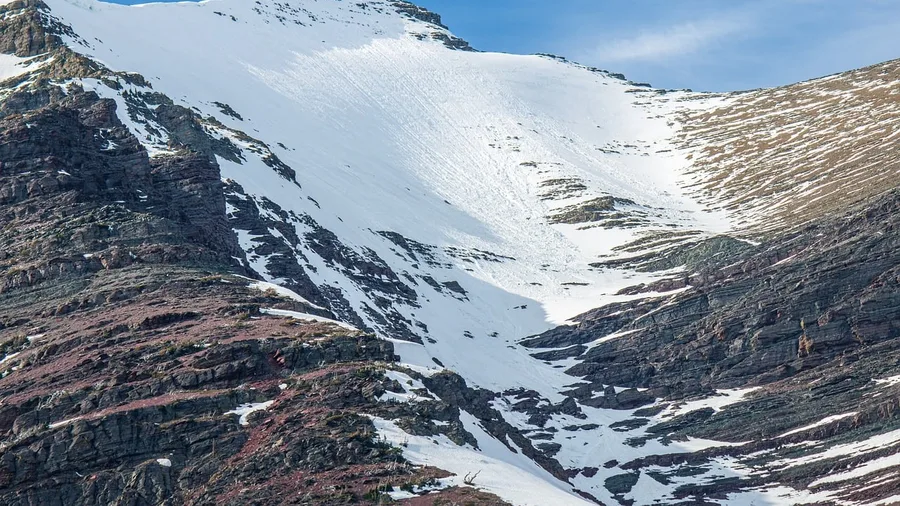
Two hundred miles separate Bozeman from Glacier National Park, and the drive is not the transfer – it is the point. A cold northern coast of working harbors gives way to the same sparsely settled northernness pushed up into alpine terrain, over 147,000 square miles that hold fewer people per square mile than almost any alpine country in Europe. You will drive an hour some mornings without passing another car.
The doing here is Going-to-the-Sun Road, the pass that cuts across Glacier and closes with the snow, so July is the month if you want the high sections open and the trailheads above the treeline reachable. Hike a morning, drive an afternoon, repeat. Ten days is the honest budget for Bozeman to Glacier and back with time on foot. Supper is bison, huckleberry pie and a small-town supper club where the specials are chalked on a board – no chalets, no cable cars, and nobody selling you a lift ticket.
Budget about $2,000 per person for the 10 days. What you get is alpine remoteness on a domestic ticket and in dollars you already have. What you pay in is distance: the long drives are the planning friction, so build the itinerary around two bases, not five.
💡 Tip: Ride the Going-to-the-Sun shuttle rather than driving—the road's east side fills by 9 a.m. in July and the shuttle skips the parking lot crawl.
The tourist way vs. the better way in the Keys
Tourist way
- Drive the Overseas Highway in one day, stop only at Key West
- Eat at a chain on Duval Street
- Book a jet ski tour from a hotel kiosk
- Pay snowbird rates in January
Better way
- Break the 113 miles into two days, stop in Islamorada
- Get Cuban coffee and a medianoche at a walk-up window
- Rent a kayak and paddle the mangroves at John Pennekamp
- Go in November for dry weather before pricing jumps
9. Florida, the Caribbean Attached to a Very Long Highway
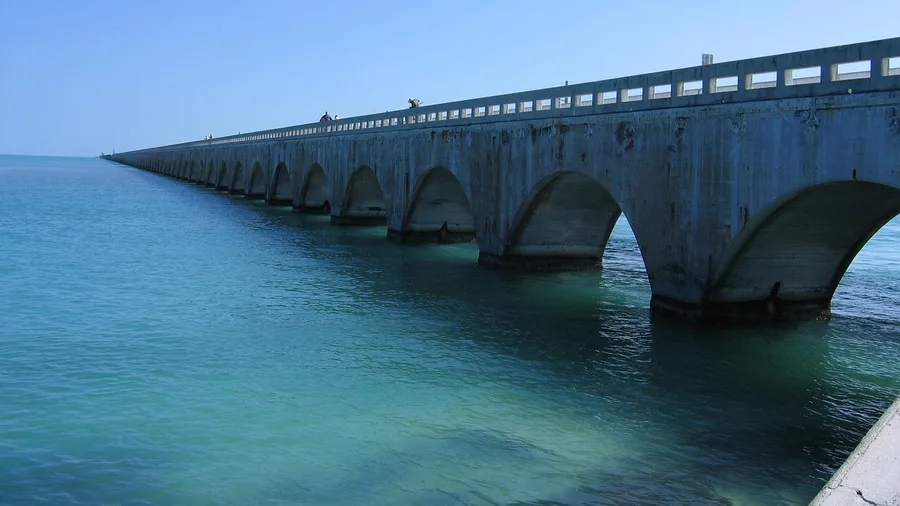
Book the Keys lodging before anything else, because November rates and snowbird rates are two different trips. The other thing to know: Miami and Key West are 113 miles of Overseas Highway apart, and the bridges are the destination. Florida's 65,800 square miles end 90 miles from Cuba, and in the Keys the coffee is Cuban, the Spanish comes first in half the neighborhoods, and the food reads Caribbean before it reads American. It feels closer to Havana than to Orlando, on a short domestic flight – the opposite trade from a high alpine pass and a long drive.
Cuban coffee at a window counter, Haitian and Caribbean plates, a week on one coast and not both. November gives dry weather ahead of the winter pricing, and the whole trip runs about $1,700 per person for the week.
🛩️ The Alaska two-week plan, in order
Land in Anchorage
Pick up the rental car and stock groceries—food in the bush is expensive and limited.
Drive the Seward Highway
Spend a day on the 127-mile run with Turnagain Arm and beluga spotting from the pullouts.
Seward and the Kenai
Book a Kenai Fjords boat tour for tidewater glaciers and sea otters.
Fly or boat out
Use a bush plane or ferry to reach a roadless lodge—this is where the trip feels foreign.
Denali by rail
Take the Alaska Railroad north and give the mountain two nights for a clear view.
Return to Anchorage
Keep the last day loose for weather delays, which are common.
10. Arizona, the Sonoran Desert With American Highways
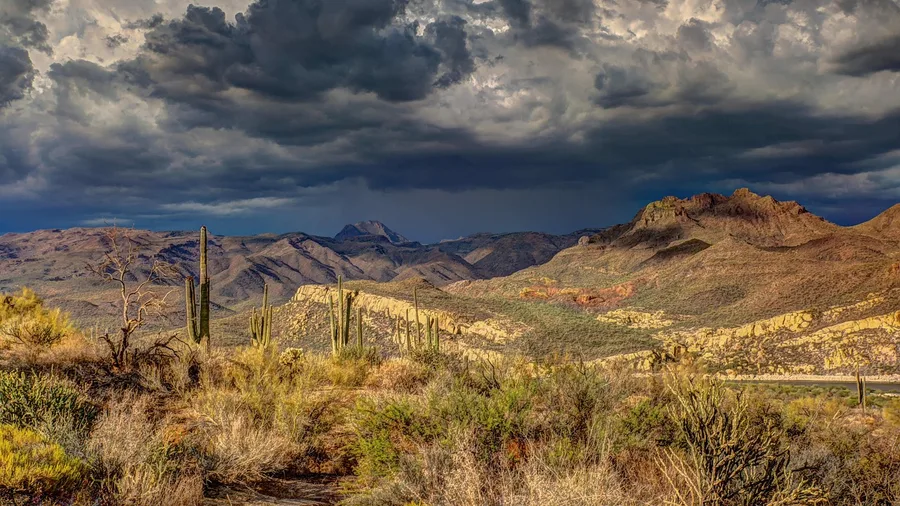
You can get the northern-Mexico desert without a border crossing, and you'll spend far less getting there than you would on a warm-water island week. Arizona's 114,000 square miles of Sonoran desert, saguaro forest and canyon country wear American highways, motels and rental counters over the top. The landscape is the foreign part. Everything you have to book is familiar.
Base yourself in three places and the shape of the trip clicks: Flagstaff for the high country and the canyon, Sedona for the red-rock hour before sunset, Tucson for the saguaro forest and the food. Flagstaff to Sedona is 30 miles, a half-hour that drops you a climate zone. Ten days is the honest budget, and the calendar is not a detail here. March and April bring the bloom and daytime temperatures you can walk in. May through September is the season to avoid, and it is not a joke about dry heat. Afternoon highs hit numbers that make a trailhead a bad idea by ten in the morning.
The wildlife is the part people underrate. Saguaro National Park splits into two districts around Tucson, and the cactus forest there is dense enough that a ridge at golden hour goes solid green-gold. You will see saguaros almost certainly. What you might see, with patience and a dawn start, is the desert's actual residents: roadrunners, javelina rooting through a wash, a Gila monster if you are lucky and slow. The Sonoran is the wettest desert in North America, which is why it looks like a garden instead of a parking lot, and that is also why the wildlife shows. Go at first light in spring. Carry more water than feels reasonable.
Eat like it is a normal Tuesday, because here it is. Sonoran hot dogs, a bacon-wrapped frankfurter in a bolillo with beans and crema, are a street-corner lunch, not an event. Navajo tacos come off fry bread at roadside stands. Mexican bakeries sell you a tray of pan dulce for the price of a coffee. This is everyday food in southern Arizona, and it does more for the sense of being somewhere else than any viewpoint.
The money lands around $1,900 per person for ten days, covering the car, the rooms and the park entry, and that is the whole friction: timing the heat and booking the motels. There is no line to cross, no currency to change, no language to fumble. You get the desert and the plate, and the only thing you have to outsmart is the calendar.
💡 Tip: Drive the Apache Trail east of Phoenix for saguaro forest and curvy dirt-road views—just check rental-car restrictions before you go.
Avoid These Mistakes
11. Vermont, a Swiss Hill Country With Maple Instead of Chocolate
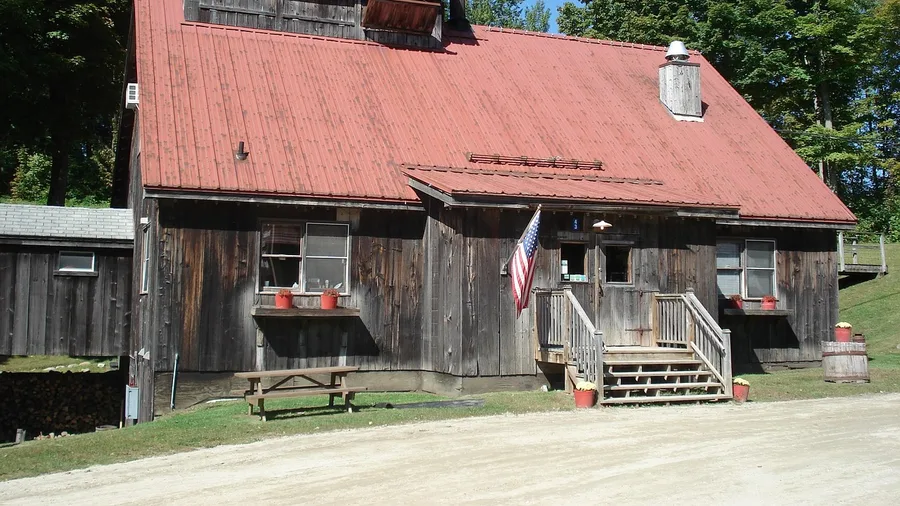
The smell hits you before the view does on a back road in late September: wood smoke and boiling sap, sweet and sharp at once, drifting out of a sugarhouse with the steam rolling off the roof. This is not the desert Southwest's wide horizon. It is small and close and human-scale, hills folded one behind another, and the whole state of Vermont covers 9,600 square miles. That is about a third of Switzerland, with the same dairy-and-hills economy underneath it.
Seven days covers the state without rushing, and Stowe to Burlington is 45 miles if you want a single measure of how compact it is. This is the easiest trip on the list for the people it suits: families with young kids, anyone who wants short drives and a warm room at the end of them, travelers who would rather stop at a farm stand than hike a ridge. Maple boiled on site, farmhouse cheddar, a sugarhouse tour in season. Late September is foliage, and about $1,400 per person buys a week of inns and drives.
It genuinely does not suit everyone. If you came for scale, emptiness or a landscape that rearranges your sense of the planet, Vermont will feel like a long weekend in a nice part of New England. The friction here is the foliage calendar, and it is a real one: the last week of September books out months ahead and prices with it. Want the alpine feeling and care less about leaves? Come in June and pay less for the same hills.
Vermont at a Glance
📐 Land area
9,600 sq mi
🍁 Best month
Late September
🚗 Key drive
Stowe to Burlington, 45 mi
🏡 Base towns
Stowe and Burlington
💵 Typical cost
$1,400 per person, 7 days
The catch
Foliage season is a two-week window, and inns book out a year ahead.
12. California, a Dozen Countries Stacked in One State
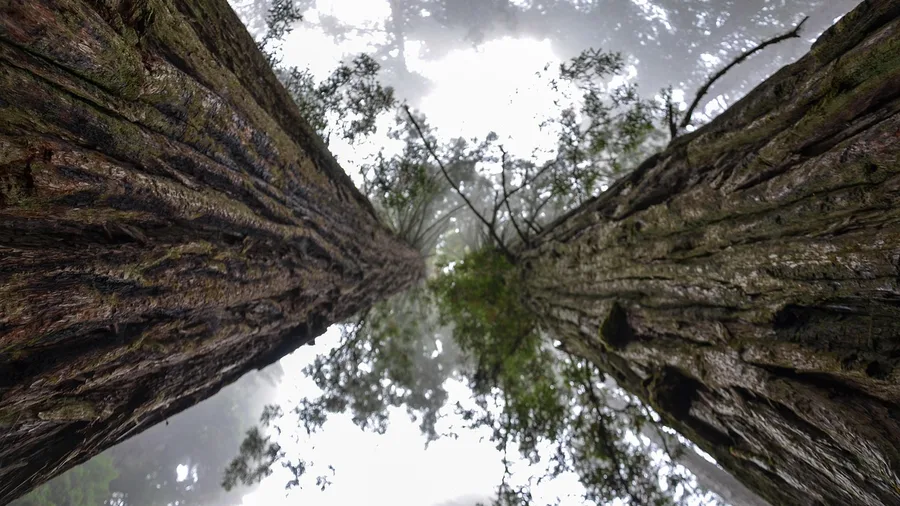
So you want one booking to feel like several trips: rainforest one week, desert the next, a foreign-language menu at every other meal. California will do it, but not in a fortnight. At 163,700 square miles it is close to the size of Italy, and that land runs the full range from ferned north coast rainforest to Mojave scrub, which means the place will hand you a different country every hundred miles or so and expect you not to notice the distance.
The trip that works is one region per 14 days. Sonoma and the wine-country back roads, the Eastern Sierra along US 395 with the highest peaks in the lower 48 standing over the highway, or the Central Coast between Santa Barbara and Big Sur. Pick one. April is the coast month, green hills and wildflowers and the fog still sitting low in the mornings; September belongs to the Sierra, warm days, cold nights and the aspens just starting.
For the photograph, stand on the South Tufa boardwalk at Mono Lake in the first hour after sunrise, the limestone towers throwing long shadows across still water, and have the eastern wall of the Sierra behind you lit pink before the valley floor is. The Eastern Sierra section of US 395 runs about 120 miles between Lone Pine and Bridgeport, roughly a half-day if you never stop and two days if you do it properly.
The food is the part that makes the region feel like a country. Mexican, Vietnamese, Armenian and Persian cooking are ordinary regional food here, the lunch a mechanic eats, not a special-occasion reservation; in Los Angeles or the Central Valley you can pass a Persian bakery, a Vietnamese pho shop and a Oaxacan taco stand in the same block. Budget roughly $2,900 per person for 14 days between the rental car, the motels and the food.
The friction is not a passport or a currency exchange. It is the choice of only one region, made before you book, because trying to take Sonoma and the Sierra and the coast in one two-week window gives you a windshield and a photograph of a dashboard. Choose one, base in it, and California delivers several countries' worth of view on a domestic flight and a US rental counter.
13. Michigan, a Freshwater Sea With Its Own Coastline
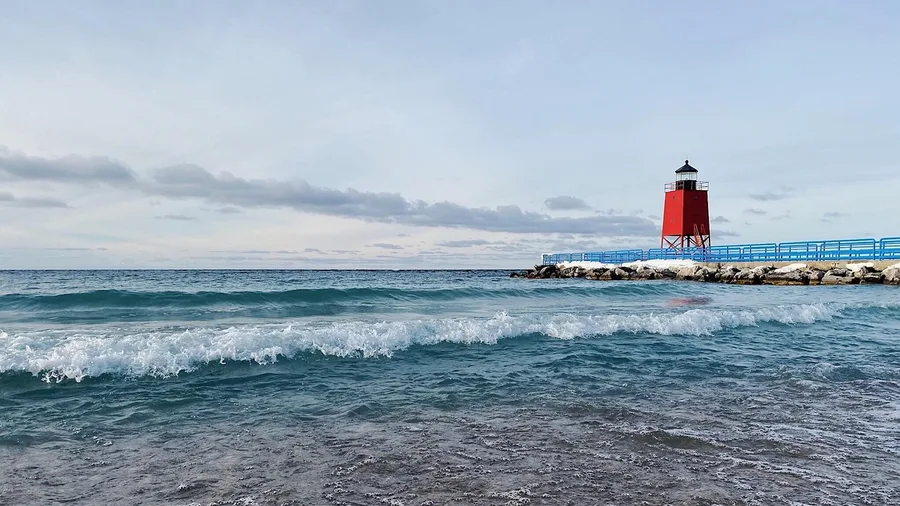
3,288 miles of Great Lakes shoreline is more than any ocean coast in the country except Alaska's, and it comes with a catch you should hear before you book: this is cold water, and in June it is still climbing out of winter. The 96,700 square miles of land behind that coast do not matter much for a week. What matters is the northwest lower peninsula, a 35-mile run from Traverse City to Sleeping Bear Dunes that holds most of what you came for.
Seven days covers it without hurrying, at roughly $1,600 per person for lodging, food and a car. The water warms enough to swim by late June and holds into September, which is why those two months beat July: same lake, fewer people, and no wait for a table in a town that only has eight of them. The lake reads as sea on a clear day because you cannot see the far shore, and the beach towns are working harbors first and resorts second, with fish shacks that sell what came off the boats that morning rather than a view of them. Plan the week around the water, not the map: the drives between towns are short, and the point is to stop.
Cherry stands along the peninsula roads sell fruit by the bag in season, pasties are the Upper Peninsula's miner's lunch, and breweries now occupy the converted fish houses that used to ice the catch. No passport, no ocean flight, no currency to change. The reservation is simple: Michigan is a freshwater sea, not the Caribbean, and if you want warm water and palm trees this is the wrong state. If you want a beach week without the East Coast crowds or a single long-haul flight, it delivers.
💡 Tip: Climb the Sleeping Bear dune in the morning or you'll cook—the sand gets hot and the climb takes an hour.
Frequently Asked Questions
Do I need a passport for any of these states?
No. All thirteen are U.S. states, so a driver's license gets you through the airport and the rental counter. That's the whole advantage: the foreignness without the paperwork.
Which state feels the most foreign?
Hawaii, because the language, food, and land history are Polynesian rather than mainland American. Alaska is second, but its foreignness comes from remoteness and logistics rather than culture.
What's the cheapest option on this list?
Vermont at roughly $1,400 per person for a week, followed by Louisiana at about $1,500. Both work well with inns and motels rather than resorts.
How far ahead should I book?
Book the rental car and lodging two to three months out for summer trips, and a year ahead for Vermont in foliage season or Alaska in June-July.
Can I do these in a week?
Vermont, Maine, Louisiana, and Michigan work in seven days. Utah, Arizona, New Mexico, Montana, and Hawaii need ten. Alaska, Texas, and California really want fourteen.
Fit the States to Your Trip Length
Match the kind of foreignness to what you have. For a first time and maximum foreignness with minimum planning, book Hawaii; the inter-island hop is the only real logistics. For desert, Utah. For water, Michigan. For food and language, Louisiana. For the shortest flight and the easiest warm-water week, Florida.
Then reserve the rental car before the flight or the lodging, at $45 to $75 a day, because the drives are the trip. And hold the rule that decides everything: one region per state, never two. Sonoma or the Eastern Sierra or the Central Coast in California; the Hill Country or Big Bend or the Gulf in Texas; one coast in Florida.
You came in with a week or two and a domestic fare at $260 to $480. You leave with a state, a base, a month and a cost, and the passport stays in the drawer.
Pick your state, then book the car
Scroll back to the table, choose the one that matches your days and dollars, and reserve the rental car tonight—that's the step that makes the trip real.