
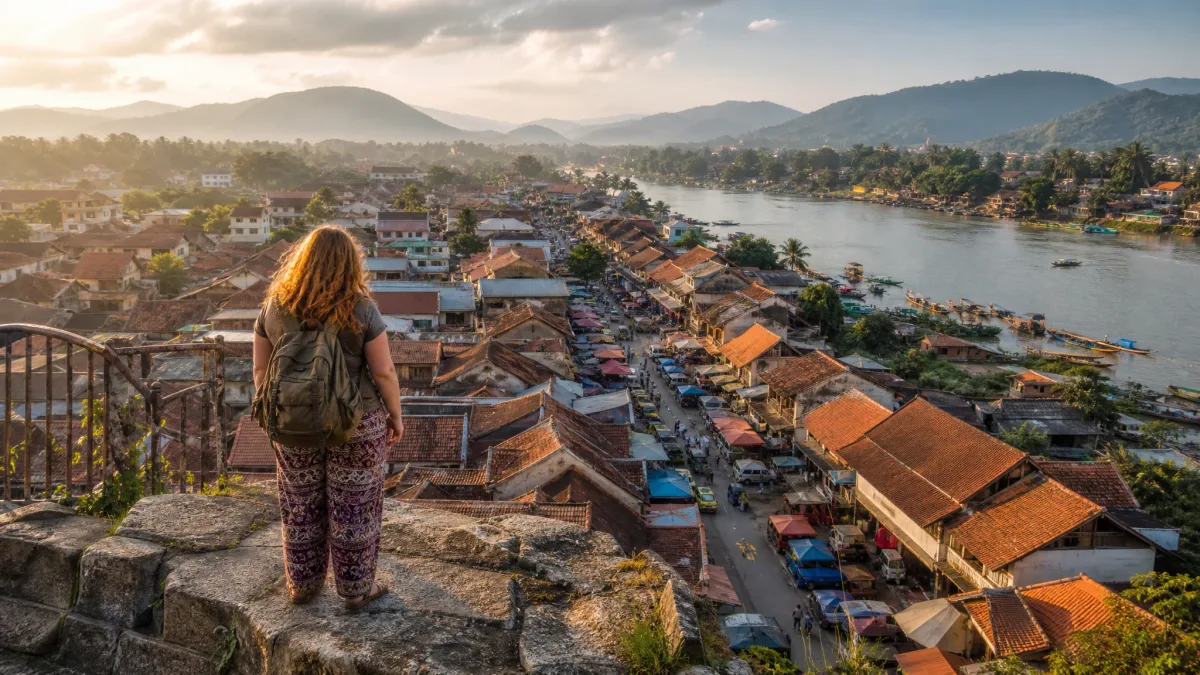
Can you actually get through an entire trip – bus rides, market haggles, guesthouse check-ins on a small island at 10pm – speaking nothing but English? In most cheap countries, no. In these fifteen, yes.
The assumption most English-only travelers carry is reasonable: affordable destinations come with language friction, a phrasebook you open at the wrong moment, and a booking confirmation that means nothing to the person behind the desk. That assumption is wrong for a specific set of countries, and this list is that set.
Across Southeast Asia, South Asia, the Himalayas, East and West Africa, the Caribbean, Central America, the Caucasus, and Europe, these fifteen countries run on English at every layer of daily travel – ferry docks, trail teahouses, tuk-tuks, street markets – not just hotel receptions. Daily costs run from $20 at the low end to $75 at the high, which means the list works for genuine backpackers and for travelers who want a real bed and a hot shower.
Every entry carries a real daily figure. By the time you reach the bottom, the shortlist has already written itself.
| Country | Region | Typical Daily Budget (USD) | English Reach |
|---|---|---|---|
| Philippines | Southeast Asia | $30–45 | Co-official nationwide; works at every level |
| India | South Asia | $25–40 | Cities, tourist corridors, transport hubs throughout |
| Nepal | South Asia / Himalayas | $20–35 (on trail) | Standard on Annapurna and Everest circuits |
| Cambodia | Southeast Asia | $25–40 | Dominant in all tourism towns |
| Vietnam | Southeast Asia | $30–45 | Widely spoken in Hanoi, Hoi An, HCMC |
| Sri Lanka | South Asia | $30–45 | Co-official; works island-wide |
| Malaysia | Southeast Asia | $35–50 | De facto second language in cities and towns |
| Belize | Central America | $55–75 | Sole official language; no exceptions |
| Jamaica | Caribbean | $55–80 | Official language; standard English used with all visitors |
| Kenya | East Africa | $45–65 (outside parks) | Co-official; all tourism operations run in English |
| Tanzania | East Africa | $45–65 (mainland) | Co-official; guides and guesthouses throughout |
| Ghana | West Africa | $35–55 | Sole official language; every service level |
| Uganda | East Africa | $35–55 | Official language; guides, parks, guesthouses |
| Georgia | Caucasus | $30–45 | Confident among under-40s; thins in remote villages |
| Albania | Europe / Balkans | $35–50 | Widely spoken under-40s; full tourism industry |
1. The Philippines, an English-Official Archipelago
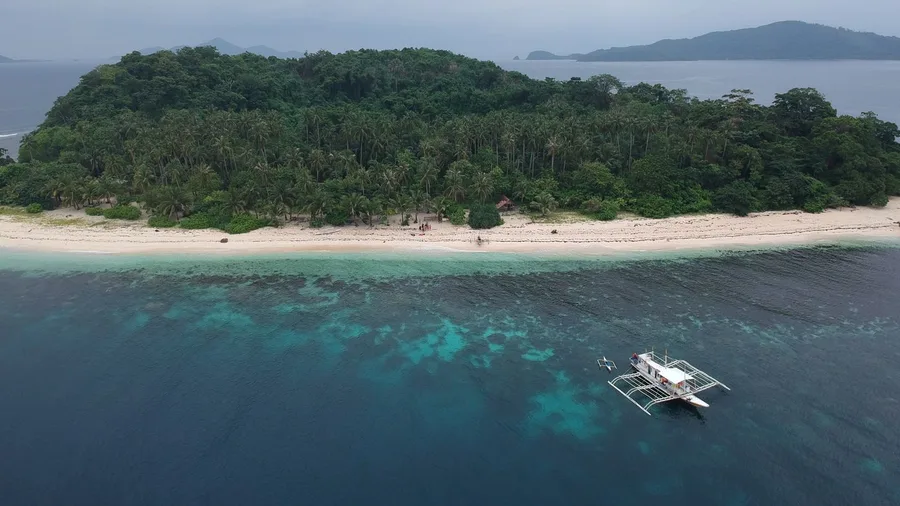
The one thing to know before you book: the Philippines sits at the top of this list not because it is the cheapest country here, but because it is the only one where English works at every single layer of daily life without exception – and that distinction matters more than most budget travelers realize until they are standing at a ferry dock in a small island town trying to buy a deck ticket.
English has co-official status under the Philippine constitution, which means the person selling you that ferry ticket, the guesthouse owner in a village on Palawan, and the woman running the street-food cart outside the bus terminal are all operating in English as a matter of course – not as a favor to tourists and not as a second gear they shift into reluctantly. A night's sleep in a dorm runs around $8, and a full day including meals, a tuk-tuk ride, and accommodation lands comfortably in the $30-45 range even in the more visited islands. For a country offering this level of language access, that daily figure is genuinely low.
The geography pushes you toward a specific style of travel: with over 7,000 islands, the standard move is to hop between them by inter-island ferry. Those ferries run cheaply, run often, and the entire process – buying the ticket, reading the departure board, confirming your pier – runs in English from start to finish. You will never need a translation app, not at the terminal in Manila, not on a wooden bangka boat asking the captain when you arrive.
That zero-friction language environment has a practical value beyond convenience. If this is your first solo trip anywhere in Asia, the Philippines removes one of the variables that can turn a first trip into an anxious one. You learn how to read a guesthouse, negotiate a tricycle fare, and figure out the ferry schedule – all the skills that make budget travel work – without the added challenge of bridging a language gap at the same time. The country effectively lets you practice traveling without the tutorial being harder than it needs to be.
💡 Tip: Book ferry tickets at the physical port window rather than through third-party apps—you pay less, see exact departure times, and the ticket agent will answer every question in English.
Quick Tips Before You Start
Budget in USD
All daily figures are in USD and cover accommodation, food, local transport, and a paid activity—flights are always excluded.
Test English Coverage Early
On arrival day, buy something from a street vendor not near your hotel. If English works there, it works everywhere on your likely route.
Check Visa Costs Separately
Visa fees are not in the daily budgets—Cambodia's e-visa runs $30, India's e-visa $25, and Kenya's ETA $30; add these to your trip total.
Pick Two Regions Maximum
Mixing Southeast Asia, Africa, and Europe in one trip burns the budget on flights. Pick one region, go deep, and save the others for the next trip.
Season Changes Everything
Nepal's trekking season is October–November and March–April. Jamaica's hurricane season runs June–November. Time your trip to the destination, not your calendar.
2. India, a Vast Subcontinent on Any Budget
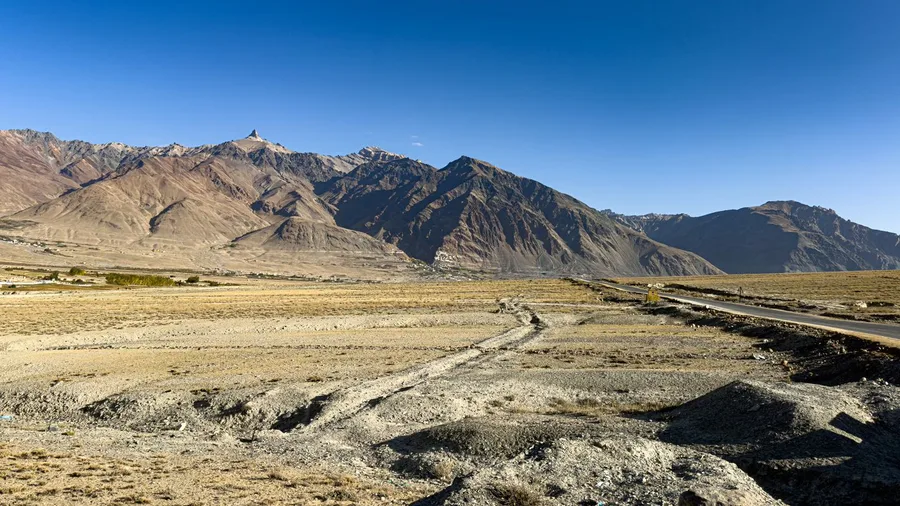
At $25-40 a day with dorm beds from $6 and sleeper-train tickets between cities running $5-10, India is the cheapest daily-cost entry on this list – and the English question, which stops many travelers from committing, has a clear answer: English runs through every transport hub, hotel, tourist site, and restaurant corridor a budget traveler is likely to touch. Agra's rickshaw drivers negotiate in English. Varanasi's ghat-side guesthouses post menus in English. The railway booking halls in Chennai and Kolkata have English-language counters. Rural villages and small off-corridor towns are a different story – English coverage thins noticeably there – but staying on the standard traveler's path means staying inside it.
The scale of India is actually a budget advantage, not a logistical obstacle. A two-week trip barely dents a single region, which means the cost-per-experience ratio stays low across a long stay: Rajasthan's fort circuit, the Ganges at Varanasi, the temples of Hampi, the backwaters of Kerala – these are separate trips' worth of cultural and historical depth, and none of them requires moving off the English-functional corridor. The country rewards travelers who give it time without charging them proportionally more for doing so, which is a combination almost nothing else on this list can match.
3. Nepal, Himalayan Base for Budget Trekkers
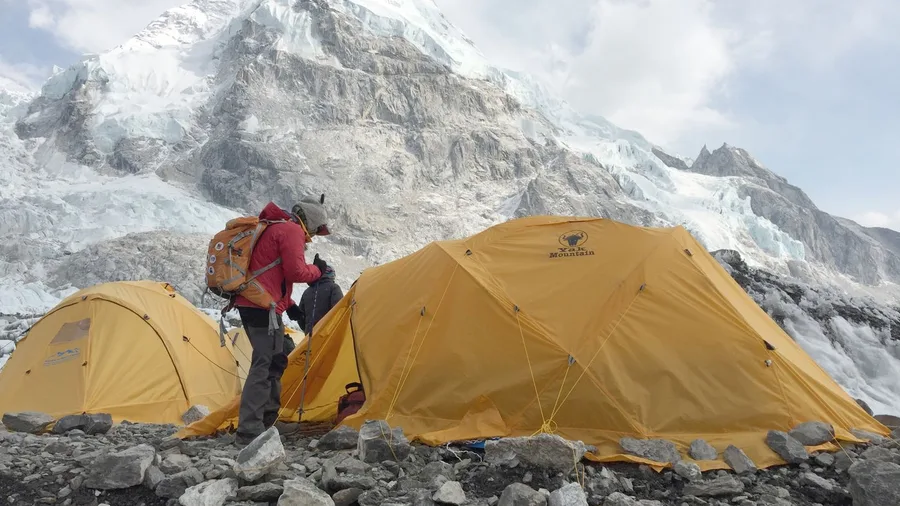
If you want a high-altitude Himalayan trek and you need it to be both affordable and fully navigable in English, Nepal is the answer – not a qualified one. The Annapurna and Everest circuits run on English as the working language at every stage: the trekking operator in Kathmandu who handles your permits, the guide who walks with you above the snowline, and the teahouse owner at 4,000 meters who hands you a dal bhat menu all communicate in English without prompting. Kathmandu guesthouses start at around $8 a night, making the city an easy and cheap staging point before you head into the mountains.
On the trail itself, expect to spend $20-35 per day covering a teahouse bed and three meals – a figure that includes accommodation and food at altitude, where the same logistics anywhere else in the world would cost multiples more. Permits are required before you set foot on either circuit, and the costs vary by route and the time of year you go; the Nepal Tourism Board's official site carries the current figures, and checking before you book is worth the two minutes. The mountain handles the rest in English.
💡 Tip: Hire a licensed guide through a TAAN-registered agency rather than through a guesthouse recommendation—it costs about the same and the quality gap is significant.
4. Cambodia, Home of Angkor and Low Daily Costs
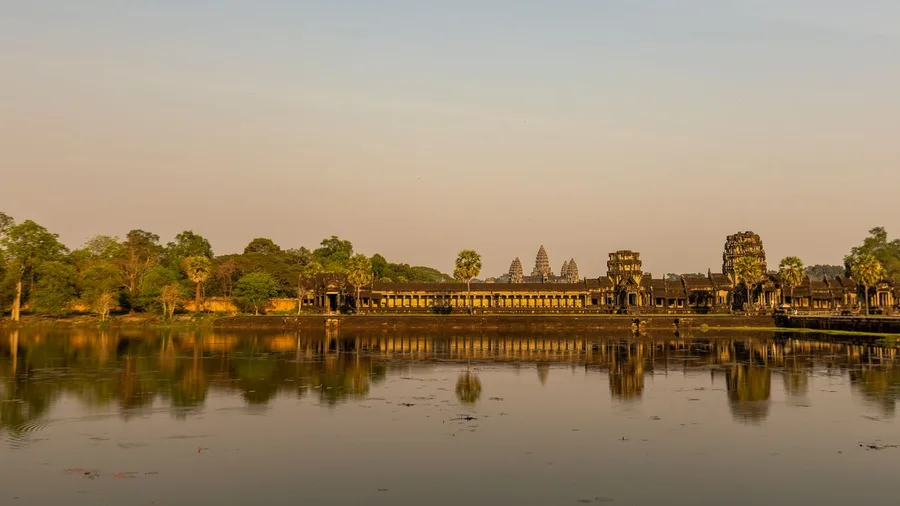
The air in Siem Reap at six in the morning smells of charcoal smoke and jasmine, and the tuk-tuk driver outside your guesthouse has already been awake for two hours waiting for guests headed to Angkor. He will explain the temple loop in English, negotiate the fare in English, and answer every question you have about the site in English. That is not a lucky draw – it is the standard you will find in Siem Reap, Phnom Penh, and Kampot alike, where English operates at street level, not just in hotel lobbies.
The daily budget runs $25-40, and the Angkor three-day pass at $37 is the single cost that shapes the whole trip – book it as the anchor and plan everything else around it. Dorm beds start at $8. A full day that includes a tuk-tuk to the temples, three meals from street stalls, and a dorm bed lands around $35 even with the pass cost spread across the three days. The southern coast beaches around Kampot and Kep add a second, equally cheap leg after Siem Reap, so the trip has a natural shape without the daily cost climbing.
Cambodia is the clearest on-ramp to Southeast Asia budget travel for a first-timer who wants history and ease over mountains and physical challenge. If altitude trekking is the goal, this is not the right stop. But if the priority is an iconic, historically significant site at low cost with zero language friction at any point in the day – from ordering breakfast to negotiating a tuk-tuk to asking a guesthouse owner for a bag-drop – Cambodia delivers that more straightforwardly than almost any other entry on this list.
5. Vietnam, Where English Opens Every Door
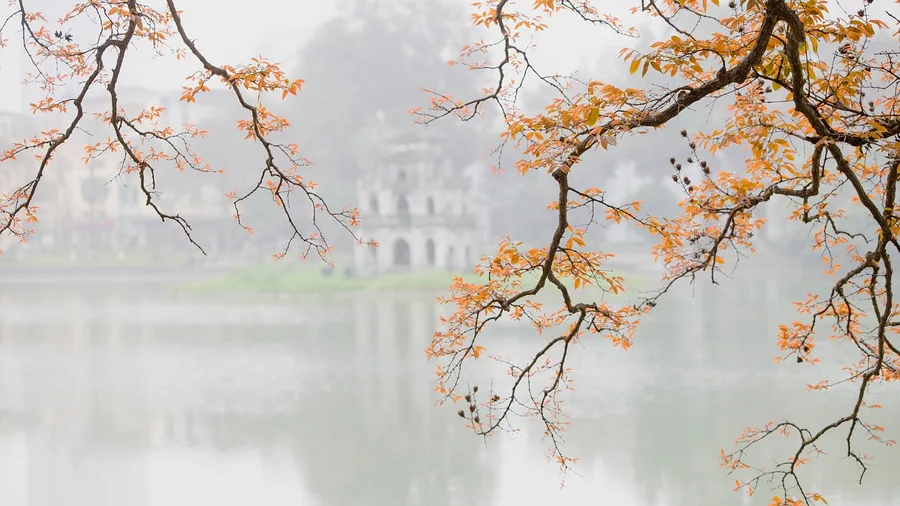
The north-to-south route through Vietnam is one of the longest and most varied in Southeast Asia – Hanoi to Ho Chi Minh City covers roughly 1,100 miles of coastline, mountains, and river delta – and English carries you the entire way without a gap. Every guesthouse reception, restaurant menu, and tour desk in the main cities operates in English as a matter of course, not as a special service for foreigners.
The daily cost sits at $30-45, with dorm beds from $8 and street dinners running $1.50-3 – a bowl of pho at a plastic-stool pavement stall costs less than a dollar in many places, which is as cheap as food gets anywhere on this list. Overnight sleeper buses and trains between cities run $10-15 and double as accommodation on the long legs between Hanoi, Hoi An, and Ho Chi Minh City, so the transport budget partially absorbs the lodging budget on moving days.
The honest catch: English coverage follows the tourist route closely and drops off sharply in the rural countryside. If you stay on the standard corridor, you will not notice that limit once. But if you plan to detour into farming villages or mountain minority regions away from the main circuit, expect the coverage to thin and plan accordingly. For a food-focused traveler or a first-time solo traveler who wants weeks of varied, manageable travel on a modest spend, staying on that corridor is not a compromise – it is the trip.
💡 Tip: The overnight sleeper train from Hanoi to Da Nang (around $12 in a four-berth cabin) is both cheaper than a bus and noticeably more comfortable—book at least a day ahead.
⚠️ COMMON MISTAKE
Do Not Assume English Works in Every Village
In Nepal, Vietnam, India, and Georgia, English coverage is strong on the standard route and drops sharply off it. If your itinerary takes you into rural areas, download an offline translation app before you leave the city—Google Translate's offline packs for Nepali, Vietnamese, Hindi, and Georgian are free and take two minutes to download on Wi-Fi.
6. Sri Lanka, Compact Island of Cheap Wonders
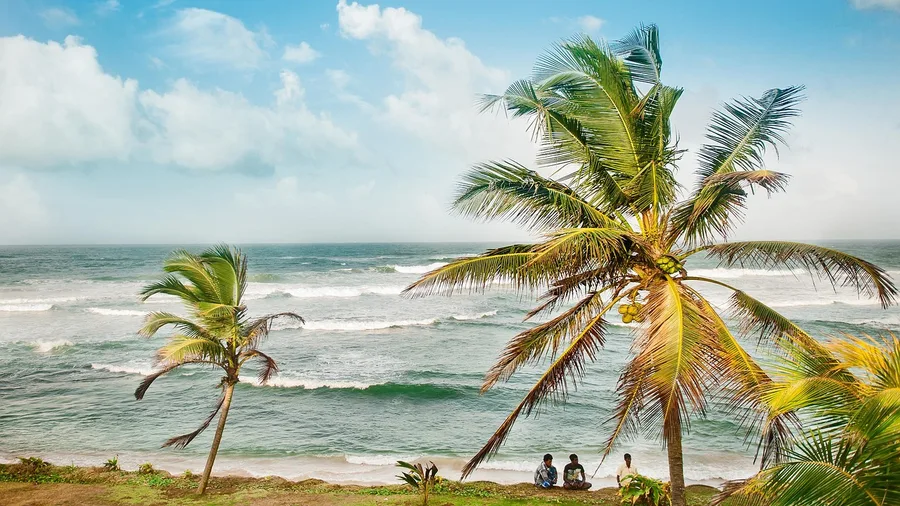
You step off the train at Ella and the air is cool, tea plantations run up both sides of the valley, and the station vendor hands you a cup of Ceylon tea for roughly 30 cents – that single moment summarizes what Sri Lanka does well: the variety is relentless and the cost stays low. English is co-official alongside Sinhala and Tamil, written into the constitution, which means the tuk-tuk driver in a coastal village, the guesthouse owner near Sigiriya's rock fortress, and the safari jeep driver at Yala National Park all communicate in English as standard – not because tourists are nearby but because the language runs through the whole system.
A realistic two-week loop – beaches on the south and west coast, the ancient ruins at Sigiriya and Polonnaruwa, the hill-country train through the highlands to Ella, and a wildlife day at Yala – costs around $600-800 on the ground excluding flights, with guesthouses from $10 a night and a daily budget of $30-45. No domestic flights are needed; that highland train is one of the cheapest and most scenic rides in the region. Four completely different travel experiences, one compact island, and a total ground cost that sits under $1,000 for a fortnight – the variety-per-dollar ratio here is hard to beat.
7. Malaysia, Southeast Asia's Most Accessible Middle Ground
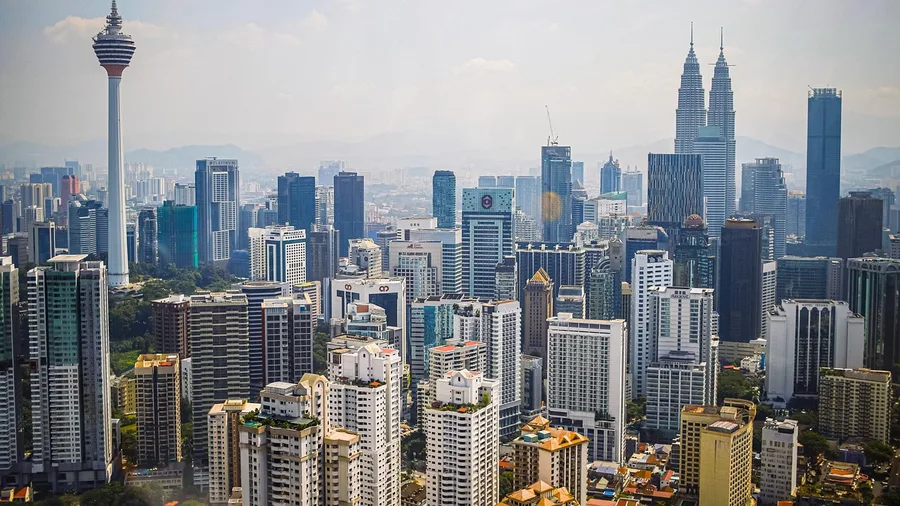
At $35-50 a day with dorm beds from $10, it sits above Vietnam and Cambodia on this list – but that gap buys something real: better roads, more consistent Wi-Fi, and a food-court culture where you can point at something hot, pay $2, and be eating in under three minutes without a single word of Malay.
English is not a tourist-zone courtesy here. You hear it in suburban shopping malls, at bus station counters, in food courts nowhere near a hotel district, and in towns that see almost no foreign visitors. The country covers three completely different trip styles inside one itinerary: Kuala Lumpur for a city base, Penang for street food dense enough to justify two or three days on its own, and Borneo for wildlife – orangutans and proboscis monkeys in primary rainforest – that you cannot get anywhere else in Southeast Asia without crossing an international border.
The comfort floor is simply higher than its neighbours on this list, and for some travelers that is exactly the point. If the idea of budget travel is appealing but the rougher edges of cheaper destinations are not – guesthouses with unreliable power, transport that runs late, connectivity that drops – Malaysia delivers low costs by any measure outside Southeast Asia without asking you to manage those variables daily.
Malaysia vs. the Cheaper Neighbours — What the Extra $10 Actually Buys
Save More, Accept the Trade-offs
- Vietnam $30–45: expect power cuts in budget guesthouses
- Cambodia $25–40: transport connections thin outside Siem Reap
- Philippines $30–45: island-hopping adds ferry costs fast
- India $25–40: English strong in cities, patchy in rural stops
- Nepal $20–35: trail-only budget; Kathmandu runs higher
Malaysia $35–50: What the Gap Pays For
- Reliable intercity bus and rail — timetables that hold
- 4G in towns that see almost no tourists
- Food courts with English menus and $2 hot meals
- Borneo wildlife access without a second international flight
- No haggling required — fixed-price culture at most food stalls
8. Belize, Central America's Only English-Speaking Country
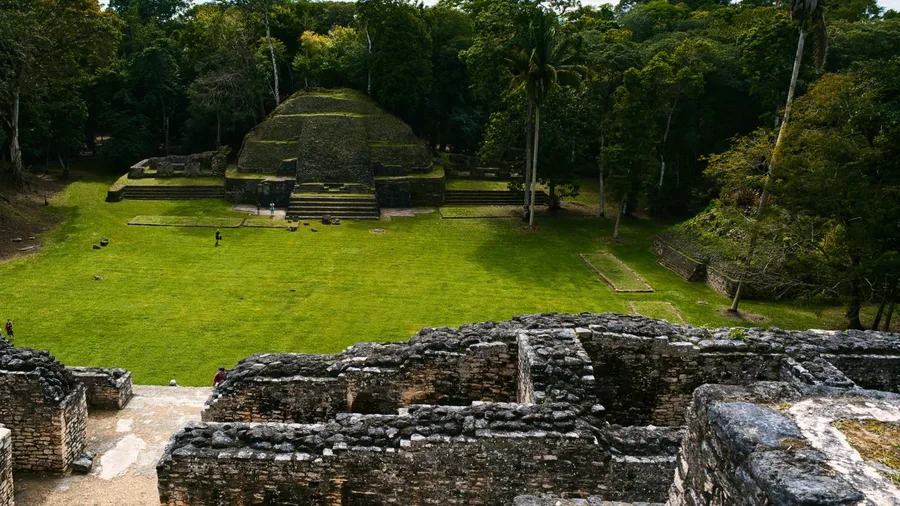
Belize is the only country in Central America where English is the sole official language – not a second language taught in schools, but the tongue on every road sign, bus window, and market stall from north to south.
That distinction costs you. At $55-75 a day with hostel beds from $15, Belize is the priciest entry on this list's Central American stretch – noticeably above every Southeast Asian entry – but the trade is a complete absence of language friction at any level. The flagship view is the Mesoamerican Barrier Reef, the second-largest in the world: you're looking at a wall of coral dropping into deep blue from a snorkel mask, no dive certification required at the shallower sites. Inland, Mayan ruins sit inside actual jungle, reachable from small lodge bases where the staff books your tours, explains the ruins, and settles your bill entirely in English. For anyone routing through Guatemala or Mexico first, crossing into Belize feels like a logistical exhale – one country in the region where every transaction, from haggling a water taxi fare to reading a menu, needs nothing beyond the language you already have.
💡 Tip: The water taxi from Belize City to Caye Caulker costs around $20 and drops you directly on the island—skip the tourist shuttle and buy the ticket at the marine terminal.
9. Jamaica, the Caribbean's Budget English Stronghold
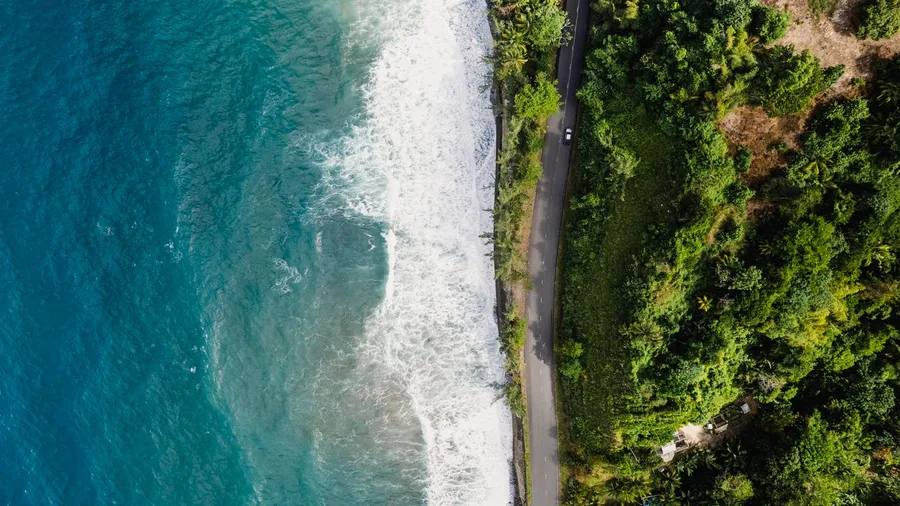
Skip Montego Bay's resort strip entirely, and Jamaica becomes a genuinely affordable Caribbean trip rather than an all-inclusive you pay for whether you use it or not.
The official language is English, and while Jamaican Patois is what you hear between locals, standard English is used with visitors at every level – guesthouses, transport, restaurants, and markets all switch without effort. Daily costs run $55-80, but that range depends almost entirely on where you sleep. Budget guesthouses in Port Antonio on the northeast coast or Treasure Beach in the south start from $20 a night. The same accommodation choice in Montego Bay's resort corridor costs multiples more for a stripped-down version of the same island.
The gap between resort Jamaica and local-town Jamaica is wider here than in almost any other country on this list. Port Antonio sits under rainforest-covered mountains with river swimming holes and fishing-boat mornings; Treasure Beach is quiet, slow, and run largely by small family guesthouses. Both cost a fraction of the resort strip. Both operate entirely in English. The country is the same – the price point, the experience, and the access to anything that makes Jamaica worth visiting are not.
Jamaica — At a Glance
💵 Daily Budget (local towns)
$55–80
🏨 Budget Guesthouse From
$20/night
🗣️ English Fluency Level
Official language; standard English used with all visitors
📊 How Jamaica Compares
Pricier than SE Asia on this list; cheaper than most Caribbean islands
⚠️ Biggest Cost Driver
Accommodation choice — resort vs. guesthouse can triple your nightly rate
What to budget for
Two weeks in local towns runs roughly $770–1,120 excl. flights. Add $200–300 if you mix in one or two nights on the resort strip.
10. Kenya, East African Safari With English Throughout
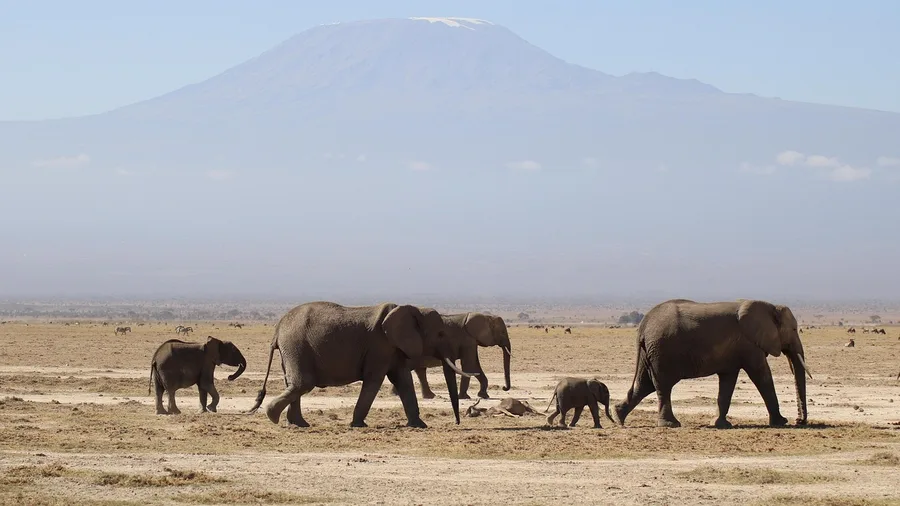
The cost structure of a Kenya trip has two distinct tiers, and confusing them is how travelers either blow the budget on day one or arrive at the park gate having badly underfunded the part that matters. Outside national parks – Nairobi guesthouses, matatu rides between towns, meals at local restaurants – expect to spend $45-65 a day. Inside a national park on a camping safari, that number jumps to around $80 per day, covering the park fees, a basic tented camp, and vehicle access. Plan for both tiers before you go, not after.
English is co-official alongside Swahili and runs through every layer of the country a traveler will actually touch: bus station signs, guesthouse check-ins, supermarket staff, and every licensed guide and park operator nationwide. You can book a Maasai Mara camping trip, negotiate a Nairobi hostel room, and ask a matatu driver for directions entirely in English without anyone missing a beat. That holds from the arrivals hall at Jomo Kenyatta Airport all the way to a ranger briefing at the park gate.
The key budget move in Kenya is choosing a camping safari over a lodge safari in the Maasai Mara. The animals do not know which side of the fence the accommodation sits on – a cheetah hunting on the open savannah looks identical from a camping vehicle as it does from a luxury truck. Lodge safaris can run $400-600 per person per night. A reputable camping safari covering the same terrain and the same game drives runs a fraction of that, bringing the Mara within reach of a traveler who has been spending $50 days everywhere else on the trip.
The Maasai Mara itself is the reason most people come to Kenya, and it earns the reputation. The wildebeest migration – roughly July to October – draws enormous concentrations of big cats to the river crossings, and the open grass plains mean sightlines that dense forest destinations simply cannot offer. Big-cat density here is among the highest of any savannah ecosystem on the continent, which is why the park fills up during peak season; book a camping operator several weeks ahead if your dates fall in that window.
Kenya suits travelers whose entire trip is built around one objective – getting onto that savannah and seeing African wildlife at close range – and who are willing to compress every other line item to make the park days affordable. Keep accommodation cheap in Nairobi, eat at local joints rather than tourist restaurants, use public transport between cities, and the savings accumulate fast enough to fund three or four full days in the Mara without the trip total going off the rails.
💡 Tip: A shared safari vehicle split four ways cuts the per-person daily park cost significantly—book through a budget operator in Nairobi rather than from your home country to get the local rate.
11. Tanzania, Kilimanjaro Base in Everyday English
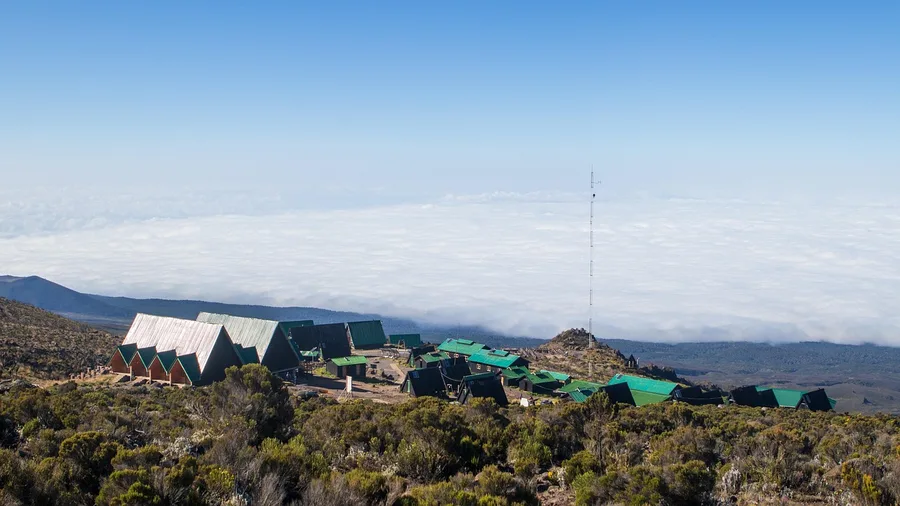
That is the question worth answering before anything else. Daily life on the mainland runs $45-65, with Zanzibar guesthouses starting from $15 – numbers that sit in the same range as other East African destinations. The Kilimanjaro guided climb is a separate line item entirely: roughly $1,500-2,500 all-in, covering guides, permits, porters, and park fees. That is a trip cost, not a daily figure, and treating it as the latter is how people miscalculate the whole budget. English covers every step of the process – operator booking, permit logistics, every instruction on summit day, emergency communication – without gaps. The classic Tanzania trip sequences the climb first, then Zanzibar: a week or so on the mountain, then slow days on a cheap beach that partially offset the intensity and the cost of what came before. It is a clean structure, with a defined objective at one end and deliberate recovery at the other.
Tanzania is the right pick if you want one big goal with everything else built around supporting it. The beach finish is not a bonus – it is the thing that makes absorbing a $1,500-2,500 permit cost viable, because the days after the mountain are genuinely cheap. Zanzibar guesthouses from $15 mean recovery costs almost nothing. You spend big once, then live cheaply while you recover, and the total trip cost becomes manageable in a way it would not be if the daily costs elsewhere in the country were high.
12. Ghana, West Africa's Welcoming English Gateway
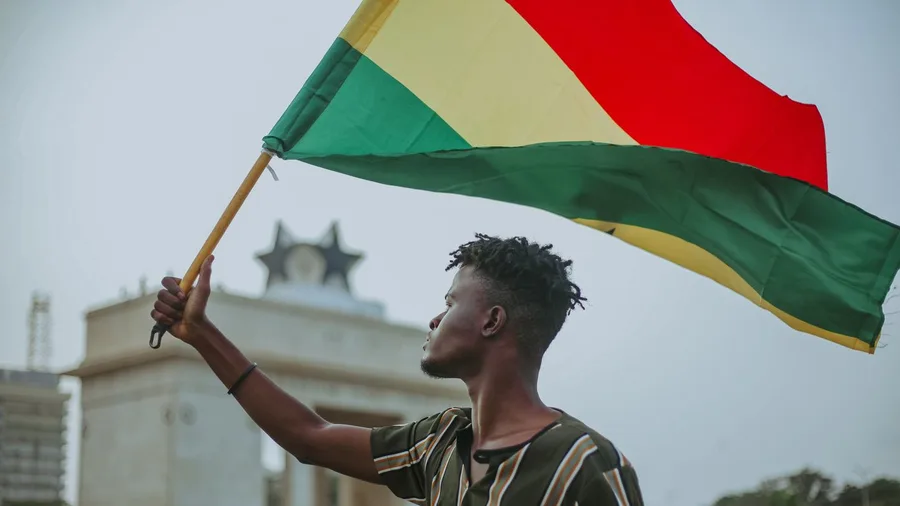
Ghana is West Africa's most straightforward first trip for an English-only traveler. English is the sole official language – not a second language, not a tourism-industry courtesy, but the country's one official tongue – which means the taxi driver, the market seller, the guesthouse owner, and the park ranger are all working in English as a matter of course. No switching, no searching for someone who speaks it, no dependency on a local fixer to bridge the gap. That level of access is rare in West Africa and is the single biggest argument for starting here.
Daily budget runs $35-55, with guesthouses from $10 – figures that sit comfortably alongside Southeast Asian budget destinations and come in lower than the East African entries on this list. The trip has two anchoring sites: Cape Coast Castle and Elmina Castle, which together form one of the most historically significant slave-trade sites in the world, and Kakum National Park, where a canopy walkway runs through dense rainforest about 30 metres above the ground. The canopy walk is a genuine experience, not a theme-park approximation – the forest is real, the height is real, and colobus monkeys and forest birds are present, though sightings depend on time of day and season. Go early morning for the best chance.
Ghana suits travelers who want West African history, food, and culture without the crowd volumes of Southeast Asia's most-visited circuits. The full absence of a language barrier means independent planning from home – researching routes, booking guesthouses, reading local transport options – requires nothing beyond English-language sources. For a first-time West Africa traveler, that removes a layer of pre-trip anxiety that other countries in the region genuinely carry.
Uganda vs. Rwanda — Gorilla Trekking Permit Cost
Same encounter, very different permit price
Permit prices are subject to change; verify with the Uganda Wildlife Authority before booking.
13. Uganda, Gorilla Country at Surprisingly Low Daily Cost
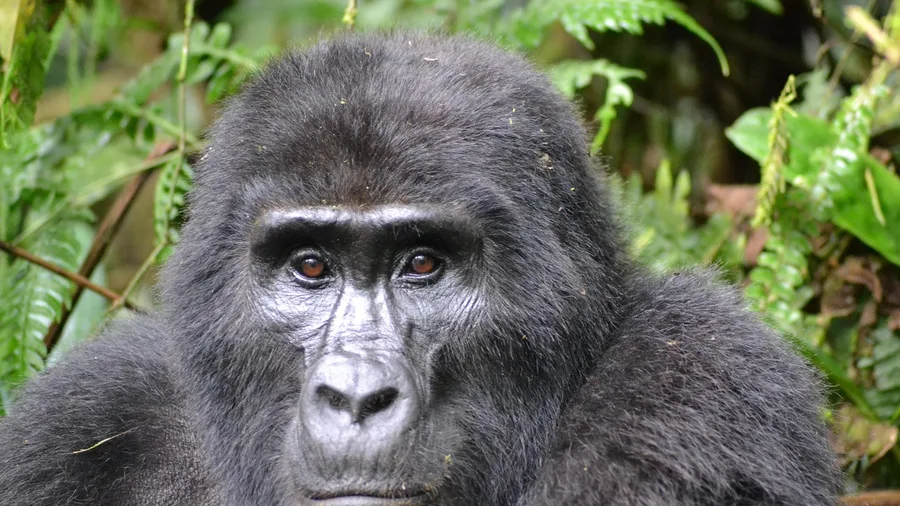
The permit is the whole conversation. Gorilla trekking in Uganda costs approximately $700 per person; cross the border into Rwanda for the same species, the same forest encounter, and the same hour sitting with a mountain gorilla family, and that permit climbs to roughly $1,500. That $800 gap is the entire financial case for choosing Uganda, and it is a real case – not a minor discount but the difference between a trip that works on a serious budget and one that does not.
English is Uganda's official language at every administrative and practical level – government offices, schools, park rangers, licensed guides, and guesthouse owners all use it as the working standard. In Bwindi Impenetrable National Park, where the gorilla trekking departs, every briefing, trail instruction, and safety protocol runs in English. You will not hit a language gap at the park gate, on the trail, or at the lodges and guesthouses clustered around the entry points.
The daily budget outside trekking sits at $35-55, which is low by any measure and critical by design. A two-week Uganda trip built around one or two trekking days requires every other line item – local transport, meals, town guesthouses – to stay cheap, and they do. The math works: low daily costs across the rest of the trip absorb a meaningful share of the permit cost in a way that simply is not possible in Rwanda, where both the permit and the daily living costs run higher.
One timing detail matters more than any other on the trek itself: the morning departure. Groups set out at 8 a.m., and the one-hour window with the gorillas begins whenever trackers radio in a confirmed family location – sometimes ninety minutes into the hike, sometimes three hours. Arrive at the briefing point late and you miss the group. Arrive early and the rangers run a calm, thorough orientation that makes the rest of the day significantly less stressful. The trek itself is non-negotiable on timing; everything else on the Uganda itinerary is flexible.
This entry suits one type of traveler specifically: someone whose entire reason for the trip is gorilla trekking and who needs every other cost – the bed, the meal, the minibus ride – to be as low as possible so the permit is fundable. If the wildlife encounter is the point, Uganda makes it viable on a budget that Rwanda cannot.
🦍 How to Build a Uganda Gorilla Trip on a Budget
Book the permit first
Uganda Wildlife Authority sells permits online; three to six months ahead is realistic for peak season (June–September, December–February). Off-peak months have more availability but wetter trails.
Fly into Entebbe
Entebbe sits on Lake Victoria, about 40 km from Kampala. Budget $5–10 for a shared minibus into the city; taxis are $25–35. Spend one night here before the long haul southwest.
Take the overnight bus to Bwindi
The Kampala–Bwindi run takes roughly 8–10 hours and costs around $10–15. Book a seat, not standing — the road through Kabale is good tarmac until the final stretch, which is not.
Arrive the day before your trek
The 8 a.m. briefing waits for no one. Check in the evening before, confirm your gorilla family assignment, and ask the guesthouse for a 6 a.m. breakfast. This is where arriving early actually matters.
Budget your non-trek days at $35–55
Meals near the park run $3–6; community guesthouses charge $15–25 per night. Two non-trek days cost roughly $70–110 total — less than a 10% addition to the permit cost.
Add Lake Bunyonyi on the way back
Lake Bunyonyi is about 90 minutes from Bwindi by shared minibus. Dorm beds on the lake start around $8–12; canoe hire is a few dollars. It is the decompression day the permit does not include.
14. Georgia, a Caucasus Bargain With Growing English
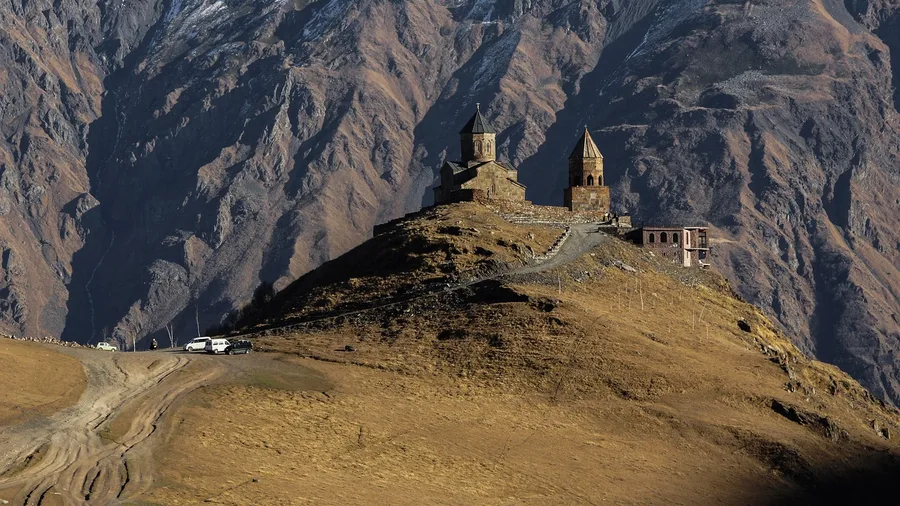
At $30-45 a day with hostel beds from $8, Georgia sits at the same price point as Cambodia or Vietnam – except the scenery outside your window is cobblestone streets, medieval churches, and Caucasus peaks rather than tropical coast.
English coverage here follows a clear pattern: under-40 Georgians in Tbilisi and every tourism worker in cities, resort towns, and trekking hubs like Kazbegi and Mestia will converse with you in English without hesitation. Push into remote mountain villages and that drops away – the one real gap in coverage, and worth knowing before you plan an independent off-trail route.
Three trips live inside one country. Tbilisi delivers walkable old-city architecture, a serious food scene, and a nightlife reputation that punches well above Georgia's size. The Caucasus mountain routes – Kazbegi for the Gergeti Trinity Church ridge walk, Mestia for the Svaneti towers – give serious hikers terrain and altitude that compete with anything on this list. Kakheti, Georgia's wine region, offers a slower, cheaper alternative to European wine-country touring at a fraction of what the same aesthetic costs in France or Italy. For US and European travelers in particular, the cultural register feels Southern European; the daily cost does not.
15. Albania, Europe's Cheapest Adriatic Coast in English
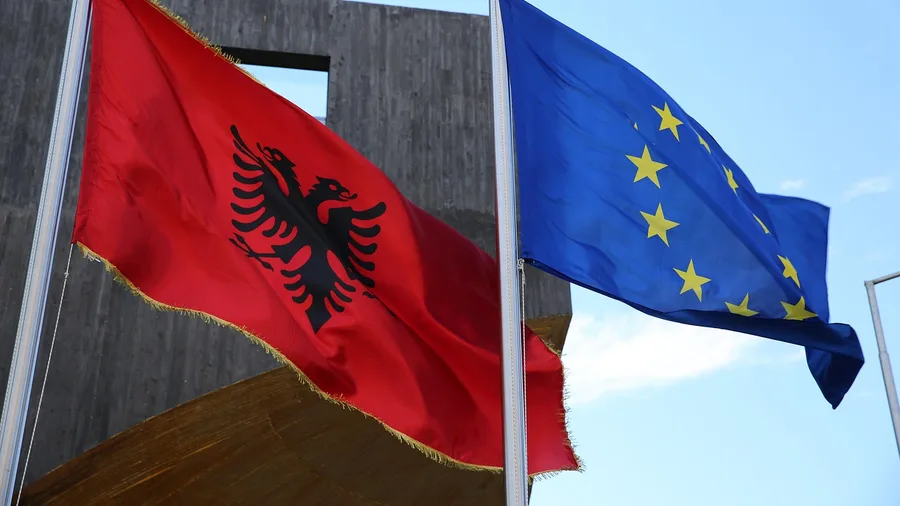
The light on the Albanian Riviera hits the limestone cliffs in the late afternoon and turns the water a shade of blue-green that stops you mid-sentence. That coastline – undeveloped compared to Croatia, a fraction of the price, and entirely navigable in English – is what puts Albania at the end of this list rather than somewhere in the middle. Hostel beds start at $10 and daily costs run $35-50, placing it on par with Southeast Asian budget destinations while sitting squarely on the European Adriatic.
English is spoken fluently by most Albanians under 40 and by everyone working in tourism without exception – the guesthouse owner in Himara, the minibus driver on the coast road, the cafe owner in Berat's old quarter. There is no tourist-zone asterisk here: it works end to end. Albania also pairs well with North Macedonia or Montenegro as part of a longer Balkans loop, both of which run on similar daily costs and handle English comfortably in tourism contexts – so a single three-week trip can cover three countries at prices that no other European coastline on this list can touch.
Frequently Asked Questions
Which country on this list is the absolute cheapest per day?
Nepal on the trail runs $20–35 per day including accommodation and meals—the lowest daily figure on the list. India is the next cheapest at $25–40, with the added advantage of $6 dorm beds and $5–10 sleeper-train tickets between cities. Both are genuinely cheaper than anything in Europe or the Caribbean.
Can I do a full trip to Africa on a tight budget if English is my only language?
Yes—Ghana, Uganda, Kenya, and Tanzania all have English as a co-official or sole official language and are used throughout tourism operations. The key is separating daily costs from the one-off big-ticket items: a Kilimanjaro guided climb or a gorilla trek permit is a trip cost, not a daily rate. Keep your daily living costs low and the big-ticket item becomes absorbable.
Is the Philippines really fully navigable in English everywhere, or just at tourist spots?
English is co-official at the constitutional level in the Philippines, meaning it is used in education, government, media, and daily life nationwide—not as a tourism courtesy. Ferry terminals in provincial ports, guesthouse owners in small villages, and street vendors at local markets all communicate in English routinely. It is the most comprehensively English-navigable country on this list.
How does Albania compare to Greece or Croatia for a budget beach trip in English?
Albania's Albanian Riviera costs $35–50 per day versus $80–120 or more in Croatia's Dalmatian coast or the Greek islands in high season. Beach quality is comparable. English works throughout the Albanian tourism industry. The main difference is infrastructure: some roads are rougher and ferry schedules less predictable, but for a traveler comfortable with budget travel, the trade-off heavily favors Albania on cost.
Do I need travel insurance for every country on this list?
Yes, without exception, and with specific attention to coverage for the activity you are doing. Standard travel insurance does not cover high-altitude trekking above a set elevation limit—Nepal's circuits require a policy that explicitly covers trekking at altitude. Gorilla trekking in Uganda typically requires a wildlife activity rider. Check the fine print before departure, not after.
Which of these countries is safest for a first-time solo traveler?
The Philippines, Cambodia, and Malaysia consistently rank as the easiest first solo trips on this list—straightforward navigation, strong English coverage at every level, low daily costs, and well-established budget traveler infrastructure. Nepal's main trekking circuits are also very safe for solo trekkers, though hiring a licensed guide on the Everest circuit is strongly recommended even when it is not legally required.
Match the Destination to the Trip You Actually Want
The right country is not the cheapest one on the list – it is the one that matches what you are actually going to do. First-time solo traveler to Asia: the Philippines for zero language friction and an island-hopping structure that forgives early mistakes, or Vietnam for a long food-and-coast route at the lowest daily cost on the list. Beach traveler on the tightest budget: Philippines for tropical, Albania for Adriatic – both well under $50 a day. African wildlife as the main goal: Kenya for open-savannah camping safaris, Uganda if gorilla trekking is the single objective and every other cost has to stay low. High-altitude trekking: Nepal, full stop – trail teahouses run in English, and $20 to $35 covers the bed and the meals. European character at Asian prices: Georgia for mountain towns and old-city streets, Albania if you want an Adriatic beach without a Croatian price tag. West Africa first-timer: Ghana, where English is the sole official language and every transaction from the airport onward is fully independent.
Every country on this list disproves the assumption the article opened on. Cheap does not mean silent. It means $25 a day in India with English on every train platform, $8 dorm beds in Cambodia where the tuk-tuk driver asks where you are from before you ask where you are going, and a trail in Nepal where the teahouse owner hands you a menu in English at 4,000 metres.
Match the daily budget to the travel style and the shortlist is already down to one or two countries. That is the decision – make it and book the flight.
Know Your Daily Budget Before You Book
Scroll back up to the comparison table at the top of this article and pick two countries that match your budget range. Every figure you need to compare them is already there.