
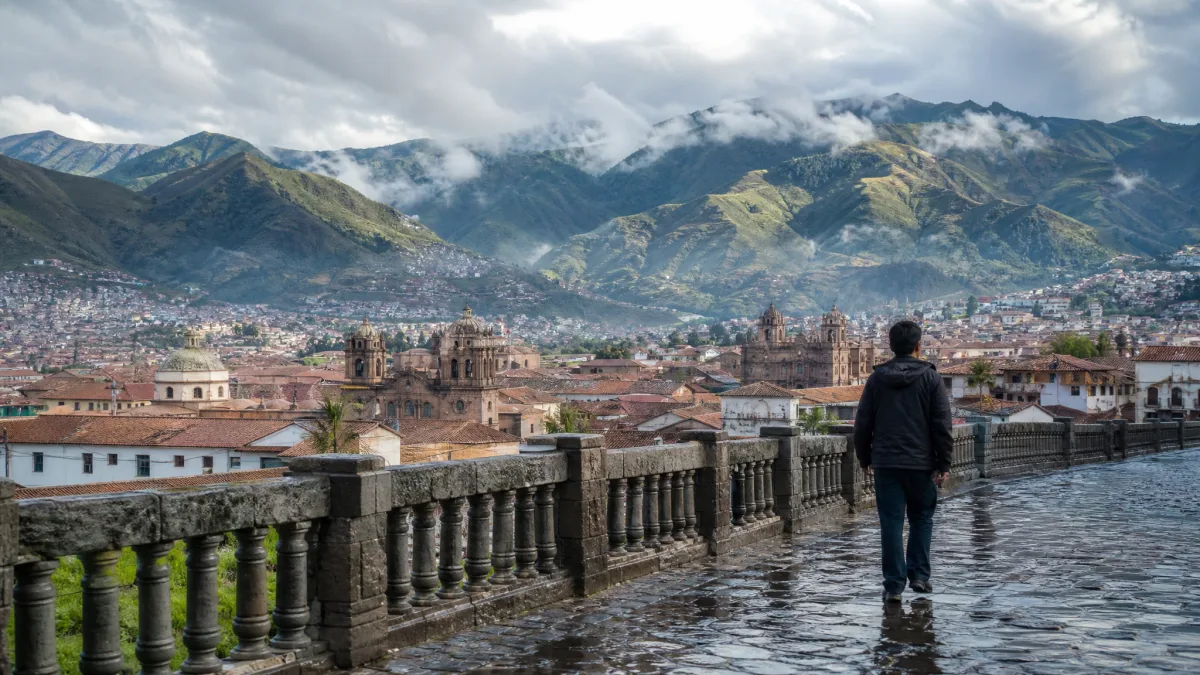
Flying straight into massive capitals like Bogota, Lima, or Rio de Janeiro is the default move for most travelers, and it is usually a mistake.
You do not have to choose between high-risk budget districts and overpriced tourist enclaves. Across South America, preserved regional cities deliver heavily patrolled central quarters, dependable street safety, and total daily expenses between $35 and $65 USD.
Sip highland coffee along stone riverbanks, ride cable cars over cloud forests, walk cobblestone alleys framed by volcanoes, and paddle coastal lagoons without financial strain.
Private rooms average $25 to $50 USD per night, casual lunches run $4 to $9 USD, and local transit rarely tops $0.90 USD. You get dependable personal safety and world-class scenery without mega-city congestion.
Quick Tips Before You Start
Carry Small Local Bills
Produce markets and local buses rarely have change for twenty-dollar notes.
Use Terminal Taxis
Always take registered taxi stands inside long-distance bus stations rather than hailing street cabs.
Download Offline Maps
Highland alleys and mountain valleys frequently lose mobile signals during walking routes.
Layer for Mountain Shifts
Andean destinations drop fifteen degrees Celsius within thirty minutes of sunset.
1. Cuenca, Ecuador
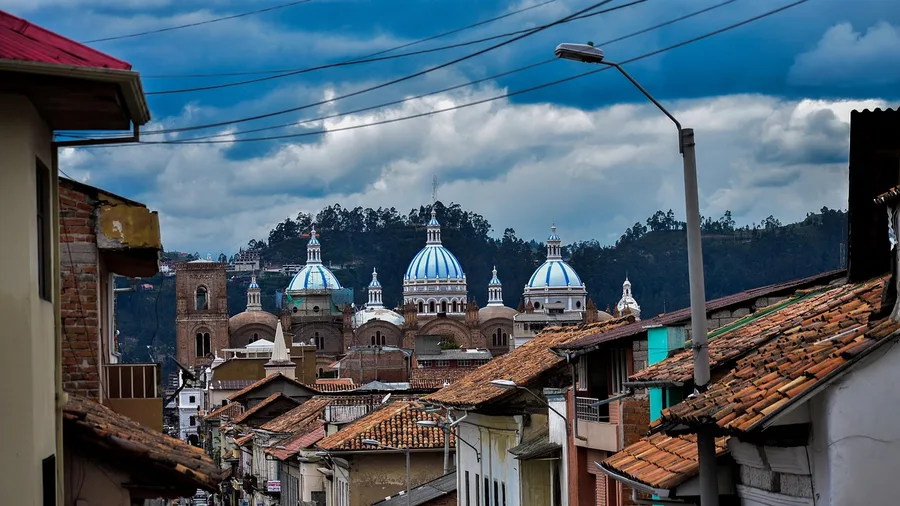
Cold mountain air cuts across stone bridges as rushing water echoes between red-tiled colonial houses, but do not expect wild evening revelry. Living costs stay remarkably low, with three-course midday lunches priced at $3.50 USD and private central rentals running between $25 and $35 USD every night.
Total daily spending rarely climbs past $35 to $45 USD.
Cobblestone alleys track four distinct rivers below the New Cathedral's three blue domes, while municipal patrols across El Centro and San Sebastián keep riverside paths safe to walk after dark without taxis.
💡 Tip: Order the daily lunch menu at Mercado 10 de Agosto for $2.50 USD to eat alongside local shopkeepers.
| City & Country | Typical Daily Budget (USD) | Standout Visual Asset | Recommended Safe Base Neighborhood |
|---|---|---|---|
| Cuenca, Ecuador | $35 – $45 | Tomebamba riverbanks and blue cathedral domes | San Sebastian / El Centro |
| Arequipa, Peru | $35 – $50 | White volcanic sillar facades and Mount Misti | Yanahuara / Historic Centre |
| Salta, Argentina | $30 – $45 | Colonial churches against the Lerma Valley | Plaza 9 de Julio perimeter |
| Manizales, Colombia | $30 – $45 | Ridgeline views over Los Nevados peaks | El Cable / Chipre |
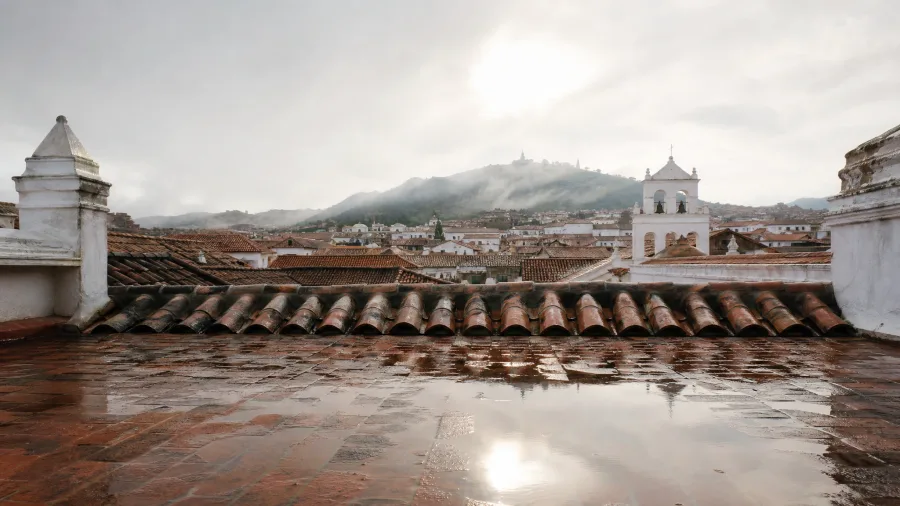
| Sucre, Bolivia | $25 – $40 | Whitewashed courtyards and terracotta roofs | La Recoleta / Central Plaza |
| Villa de Leyva, Colombia | $40 – $55 | Preserved 16th-century cobblestone plaza | Central Old Town |
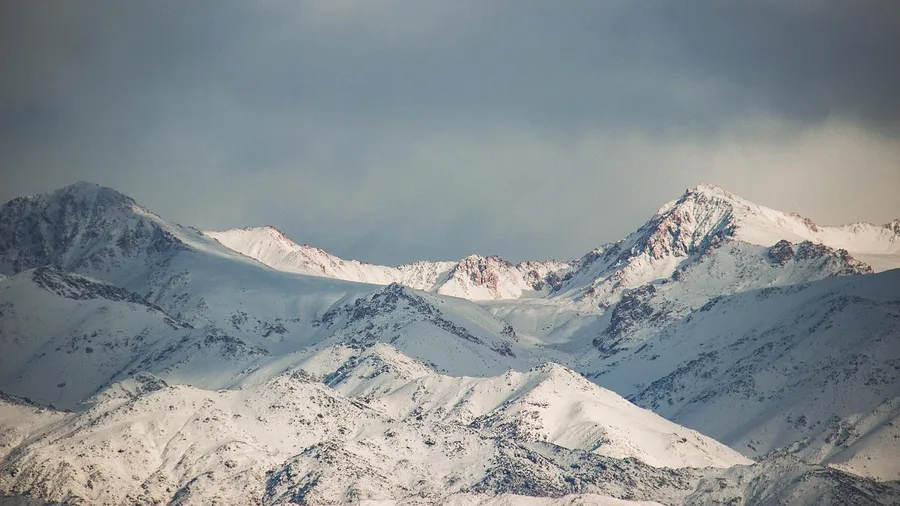
| Mendoza, Argentina | $40 – $60 | Sycamore avenues framed by snowy Andean summits | Quinta Seccion |
| Montevideo, Uruguay | $55 – $70 | Thirteen-mile Atlantic coastal promenade | Pocitos / Punta Carretas |
| Curitiba, Brazil | $40 – $55 | Glass botanical greenhouse and expansive parks | Batel / Centro Civico |
| Banos de Agua Santa, Ecuador | $30 – $45 | Waterfall corridors beneath active volcanoes | Central Valley Grid |
| Cusco, Peru | $35 – $50 | Inca stonework walls and mountain viewpoints | San Blas / Santa Ana |
| Florianopolis, Brazil | $45 – $65 | Emerald lagoons framed by rainforest headlands | Lagoa da Conceicao |
2. Arequipa, Peru

Trading Ecuadorian riverbanks for southern Peru swaps terracotta tiles for chalk-white volcanic sillar masonry, cutting expenses to half of Lima prices. The sprawling Santa Catalina Monastery draws steady ticket lines, yet its painted courtyards justify the cost inside a modest $35 to $50 USD daily allowance.
Local picanterías serve hearty stuffed peppers for $5 to $8 USD below Mount Misti's 5,822-meter peak. Foot patrols through the core and hillside Yanahuara keep streets secure, with city transit costing under $0.50 USD.
Daily Living Costs Across Regional South America
Real daily averages for independent travelers using private rooms and local dining
3. Salta, Argentina
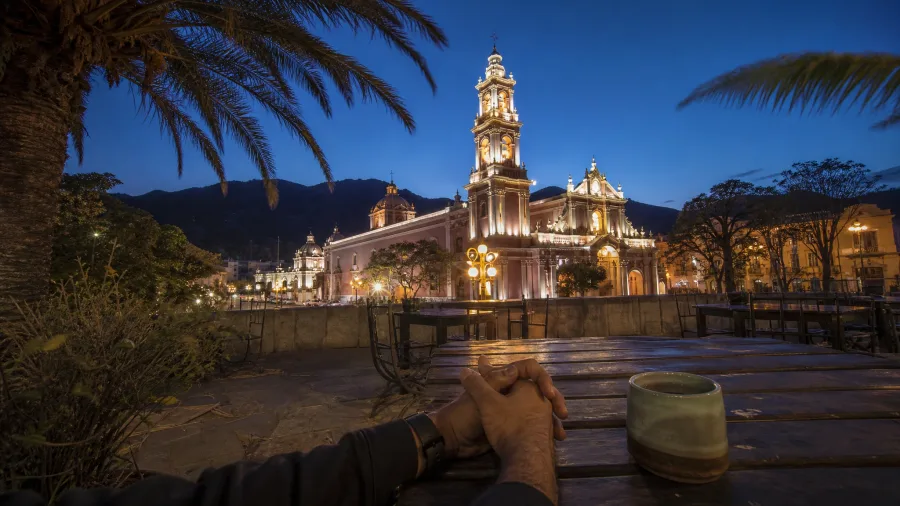
The scent of woodsmoke and baked pastry drifts past the outdoor café tables as late sun catches the ornate pink-and-yellow neoclassical tower of San Francisco Church against the Lerma Valley ridges. It is an easy city to lose an afternoon doing nothing more than watching foot traffic cross the central square under the palm trees.
Favorable exchange conditions keep total daily expenses between $30 and $45 USD, including four-dollar empanada dinners, comfortable private rooms under $30 USD, and safe late-night walks along the pedestrianized grid surrounding Plaza 9 de Julio. Base yourself here to run canyon circuits at a fraction of the rates charged in Patagonia or Buenos Aires.
💡 Tip: Skip organized tour buses and ride the municipal cable car up San Bernardo Hill for panoramic valley views.
4. Manizales, Colombia
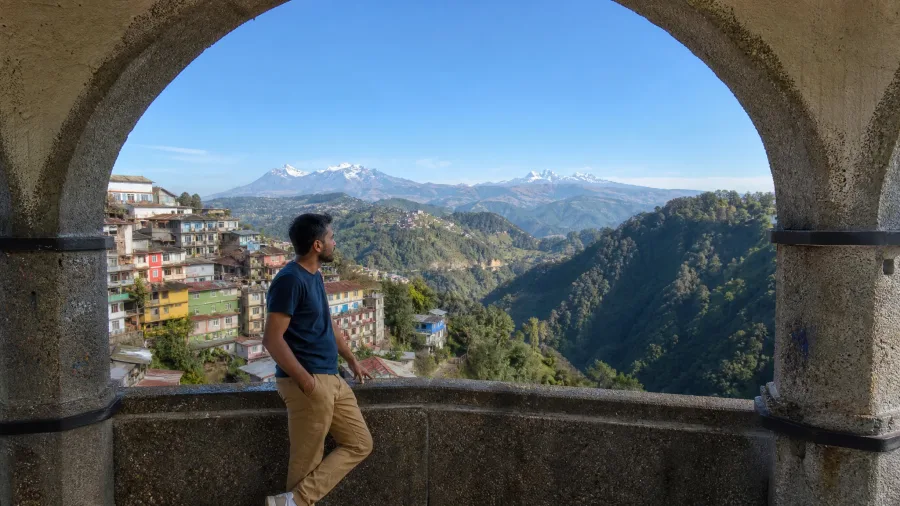
Do not let the vertical ridgelines fool you: walking these steep slopes requires sturdy shoes, but replaces arid canyon floors with cool cloud forests and exceptionally safe, student-patrolled neighborhoods.
Head directly to the Chipre promenade right before sunset.
Standing along this high ridge gives you an unobstructed frame of glacier-capped peaks inside Los Nevados National Park as evening mist rolls over the coffee hills. Daily budgets average $30 to $45 USD, covering $0.60 USD aerial cable-car rides, $4 to $7 USD dinners in the El Cable district, and private lodging overlooking the valley.
Choosing Your Destination Style
Preserved Regional Hubs
- Walkable historic cores with heavy pedestrian policing
- Daily living expenses between $30 and $50 USD
- Immediate access to hiking trails and natural vistas
- Low traffic congestion and clean mountain or sea air
Capital Mega-Cities
- High security vigilance required at transit hubs
- Daily budgets often exceed $80 to $120 USD
- Long commutes required to reach scenic landscapes
- Heavy urban smog and constant gridlock
5. Sucre, Bolivia
Yes, because the historic core functions as a secure, whitewashed sanctuary where violent crime is virtually nonexistent.
Head to the upper level of the central market for breakfast, where freshly baked beef and vegetable salteñas cost roughly $1.20 USD each. Downstairs, full lunch platters of stewed pork and corn cost under $3 USD, providing filling local food on a daily allowance that would barely buy coffee in coastal capitals.
A daily spend of $25 to $40 USD secures comfortable living.
Climb the cobblestone slope to the Recoleta viewpoint to take in the red-terracotta rooflines and sunlit courtyards below. The preserved eighteenth-century colonial grid stays quiet and walkable well past dark, with local families and students filling the central plazas.
Private rooms with private baths run under $25 USD per night across the center. Because fixed expenses remain rock-bottom and street safety is consistent, travelers routinely turn brief stops into multi-week stays.
💡 Tip: Walk up to the Recoleta cafe terrace just before sunset for cheap local coffee and wide city vistas.
6. Villa de Leyva, Colombia
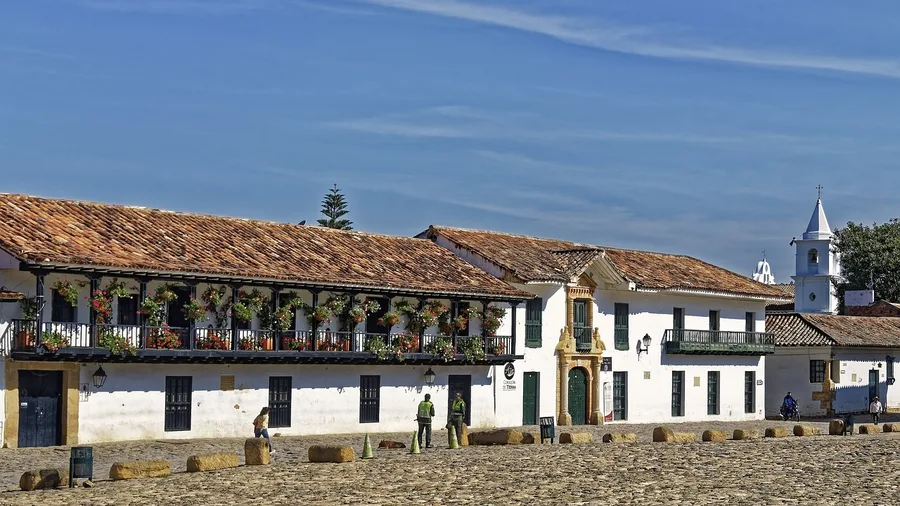
Villa de Leyva is a preserved stone outpost in Boyacá.
The village centers on a massive 14,000-square-meter cobblestone Plaza Mayor flanked by dry Andean mountain slopes, located three hours by bus from Bogotá. Walk the perimeter trails into the semi-desert scrub and you will routinely spot Andean kestrels hunting over the valley, completely unbothered by hikers on the open, virtually crime-free dirt paths.
Historic posada rooms cost $30 to $45 USD from Monday through Thursday, keeping total daily expenses between $40 and $55 USD before weekend tourists arrive and rates spike.
💡 PRO TIP
Book Villa de Leyva Mid-Week for Fifty Percent Savings
Weekend room rates double when visitors arrive from Bogota. Arrive on Monday morning and depart on Thursday afternoon to secure peaceful cobblestone streets and cheap historic lodging.
7. Mendoza, Argentina
Skip the expensive private winery vans and take the regular suburban public bus out to the vineyards instead.
Stepping out of high mountain passes into these wide desert plains reveals a city shaded by massive sycamore trees and fed by historic irrigation canals. Long concrete sidewalks run beneath thick foliage, looking directly out toward snowcapped Andean summits in the distance.
A realistic daily budget lands between $40 and $60 USD. That easily covers municipal bus transit, a rental bicycle to pedal along rural farm lanes, and multi-course bodega lunches priced around $8 USD.
Sleep in the quieter residential quarters.
The leafy Quinta Seccion and the blocks surrounding Plaza Independencia feature well-lit walkways and consistent police patrols late into the evening. You get vineyard views and safe night walks on a standard backpacker budget without booking commercial tour packages.
Mendoza Cost & Safety Breakdown
🏠 Private Lodging
$25 to $45 USD / night
🚌 Bus Fare
$0.40 to $0.75 USD / ride
🛡️ Crime Baseline
Low risk in central grid
🍷 Wine Tastings
$5 to $12 USD / flight
Booking Rule
Email suburban bodegas 48 hours ahead; vineyard security gates turn away unscheduled walk-ins.
8. Montevideo, Uruguay
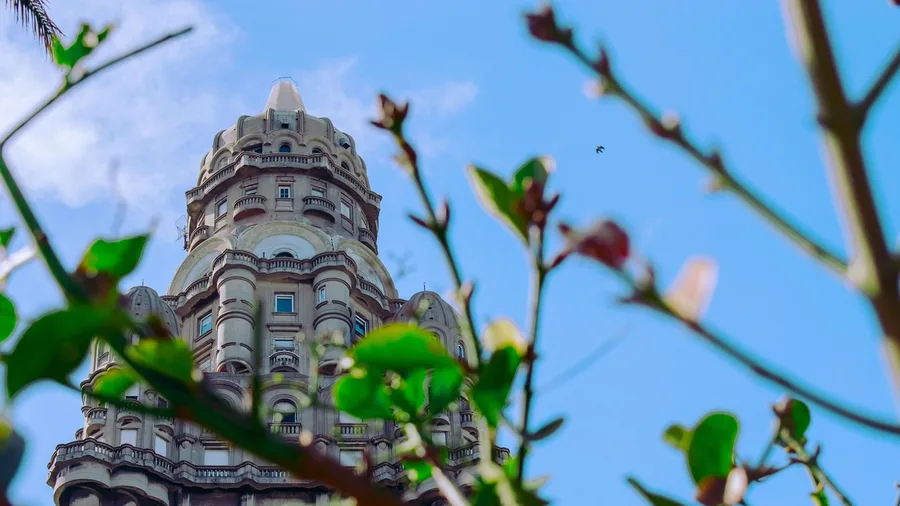
Thirteen contiguous miles of paved promenade make up the Rambla, where residents gather every evening with thermoses of mate tucked under their arms. Heading east toward the coast brings you to this broad riverside walkway, where relaxed crowds stroll along Pocitos beach without the aggressive hustling common in bigger regional ports.
Keeping daily spending between $55 and $70 USD requires choosing neighborhood bakeries and simple lunch counters over tourist steakhouses. That slightly higher price ceiling buys clean public buses, low street harassment, and exceptional neighborhood safety throughout Pocitos, Punta Carretas, and Parque Rodo.
💡 Tip: Buy a fresh torta frita from a coastal kiosk for $1.50 USD and join locals watching the sunset along Pocitos beach.
9. Curitiba, Brazil
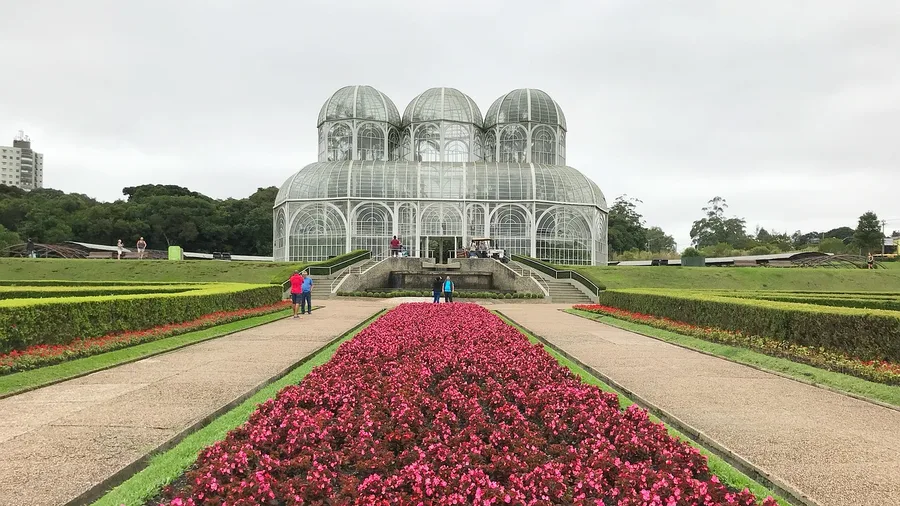
You hear the steady hiss of red express buses gliding through designated median lanes before you see the rest of the street grid. Crossing north into southern Brazil trades coastal promenades for a planned city of vast public parklands, anchored by the open-air Wire Opera House and the Art Nouveau glass greenhouse in the Botanical Garden.
Walk through the Botanical Garden gates at 7:00 AM sharp to catch the morning light over the French gardens before tour groups arrive. A daily budget of $40 to $55 USD covers $0.90 USD bus fares, $5 to $9 USD buffet meals, and secure central apartments in orderly districts like Batel and Centro Civico.
Top Regional Picks by Travel Priority
10. Banos de Agua Santa, Ecuador
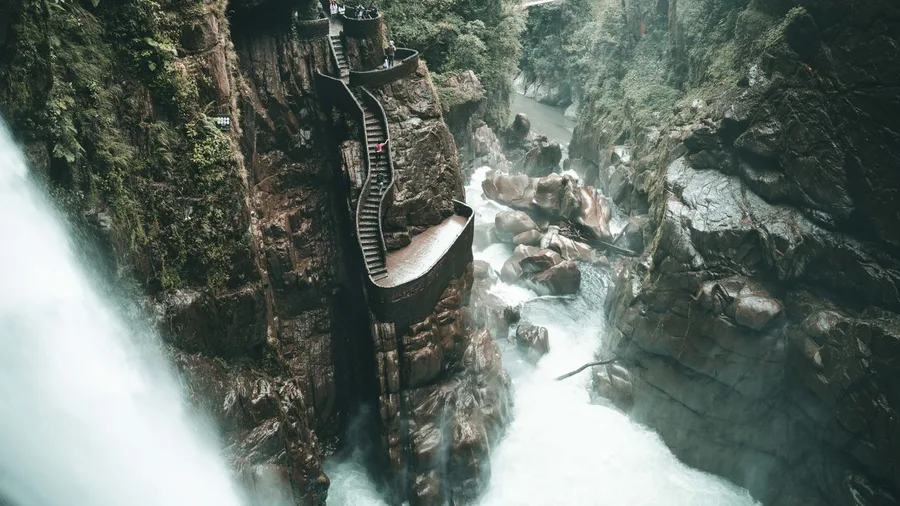
Thirty dollars a day covers a private room, hot meals, and open-air mineral baths in this Andean river gorge. You leave behind big-city transit grids for vertical cloud-forest canyon walls carved out beneath the active Tungurahua volcano. The entire valley floor stays packed with pedestrians late into the night, maintaining near-zero violent crime.
Adventure sports here cost a fraction of typical international resort rates.
Rent a mountain bike for $5 to trace dozens of waterfalls along the Ruta de las Cascadas, soak in thermal pools for $3, and splurge $25 on guided canyoning before settling into $4 dinner plates.
💡 Tip: Visit the Termas de la Virgen pools at six in the morning before crowds arrive from Quito.
🗺️ Four-Step Blueprint for a Low-Stress Route
Pick Your Primary Climate
Choose between cool Andean highlands like Cuenca or subtropical coastal lagoons like Florianopolis.
Secure Mid-Week Lodging
Lock in discounted Monday-to-Thursday rates for colonial posadas and central apartments.
Establish Base Neighborhoods
Target walkable residential zones like Yanahuara in Arequipa or Quinta Seccion in Mendoza.
Rely on Local Day Transit
Use municipal cable cars, regional commuter buses, and local bike routes instead of private tours.
11. Cusco (San Blas & Historic Centre), Peru
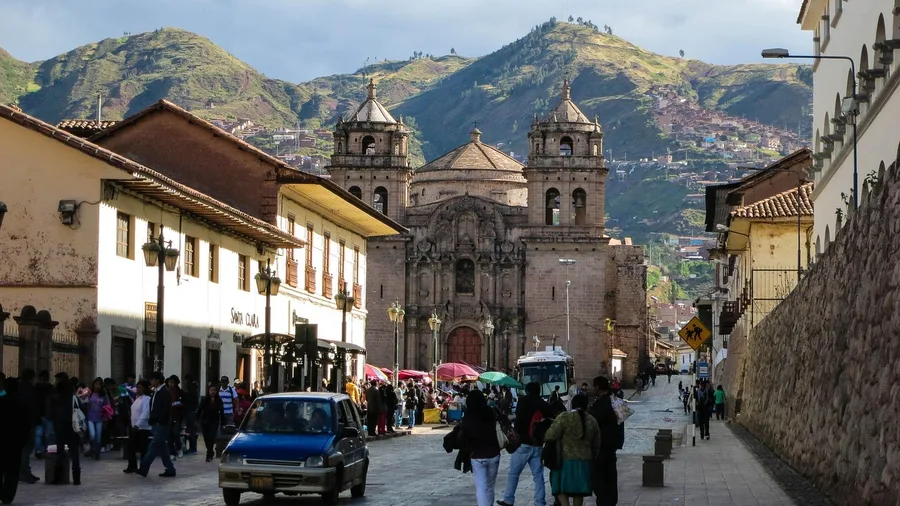
Unlike smaller mountain towns where activities are spread out along river roads, Cusco packs massive archaeological heritage directly into steep, walkable cobblestone alleys.
Carved Inca stone foundations support Spanish colonial timber balconies throughout the hillside districts, all framed by towering Andean summits. Daily spending easily stays between $35 and $50 without sacrificing comfort. You get grand imperial architecture and mountain scenery simply by walking out your door every morning.
The golden rule is stepping away from the main square.
Bypass the marked-up tourist restaurants around Plaza de Armas and head straight into the labyrinthine food stalls of San Pedro Market for $3 soups and fresh fruit plates. Hillside pedestrian pockets like San Blas and Santa Ana feature dedicated Tourist Police patrols along fixed perimeters, keeping night walks secure.
It delivers elite archaeological streetscapes and dramatic ridge views while local market counters keep your daily budget firmly anchored.
12. Florianopolis (East & North Lagoons), Brazil
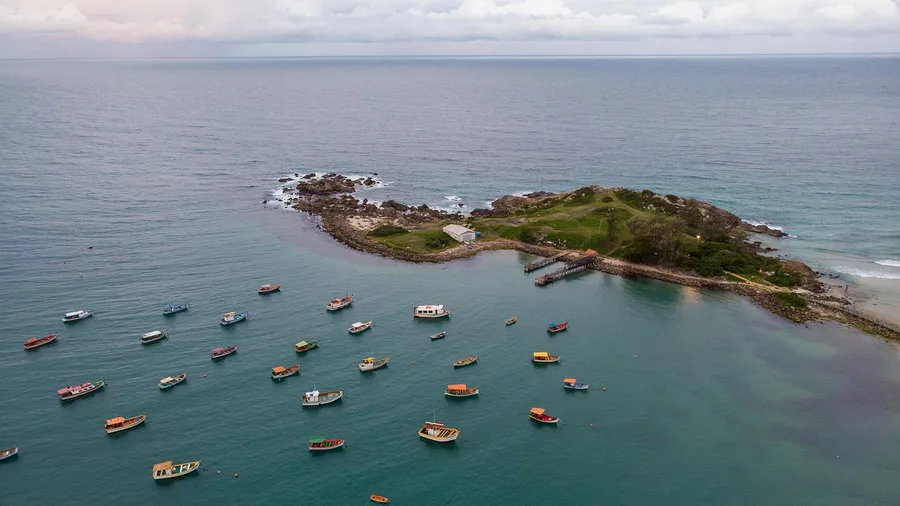
Yes, provided you swap high-altitude mountain corridors for the island neighborhoods of Lagoa da Conceicao and Santo Antonio de Lisboa outside peak midsummer months.
Island geography isolates these districts from the mainland's rougher crime patterns.
Skip January and February to secure lagoon pousadas and giant seafood plates for $45 to $65 a day, paddling emerald waters that link forty-two beaches, sand dunes, and coastal headlands.
💡 Tip: Take the scenic hiking trail from Canto da Lagoa to Costa da Lagoa for secluded waterfall swimming and cheap fresh seafood shacks.
Frequently Asked Questions
Are these South American cities safe for solo travelers?
Yes. Each featured city maintains low violent crime rates in its central and residential districts. Practicing basic urban awareness, keeping valuables secure, and sticking to recommended neighborhoods allows solo travelers to navigate easily day and night.
What is the realistic daily budget for these destinations?
Budget travelers can expect to spend between $35 and $65 USD per day. This comfortably covers a private guesthouse or apartment room, three casual sit-down meals, public transit rides, and entrance tickets to major municipal sights.
Should I carry cash or use credit cards?
Carry both. Modern cafes, supermarkets, and hotels readily accept credit cards, but produce markets, street kiosks, and local transit require small local cash notes.
Do I need to speak fluent Spanish or Portuguese?
Fluency is not necessary, but learning basic numbers, polite greetings, and ordering vocabulary makes interactions smoother and helps you secure local market prices.
When is the best time of year to visit these cities?
The shoulder seasons from April to June and September to November offer pleasant weather, lower lodging rates, and minimal tourist crowds across both Andean and coastal regions.
The Single South American City to Book First
Your ideal stop comes down to the landscape you want: head to Banos, Manizales, or Arequipa for volcanic peaks; Cuenca, Sucre, Villa de Leyva, or Cusco for colonial stone architecture; and Salta, Mendoza, Montevideo, Curitiba, or Florianopolis for wine valleys, park systems, and open water.
Basing yourself in verified districts like El Centro, Yanahuara, or Lagoa da Conceicao keeps your daily expenses under $65 USD without compromising safety. Skip the chaotic mega-capitals, choose shoulder-season travel dates, and book your first private room in a quiet central neighborhood today.
Plan Your Regional South American Route
Review our cost snapshot table above to compare daily budgets and pick the destination that fits your travel style.