
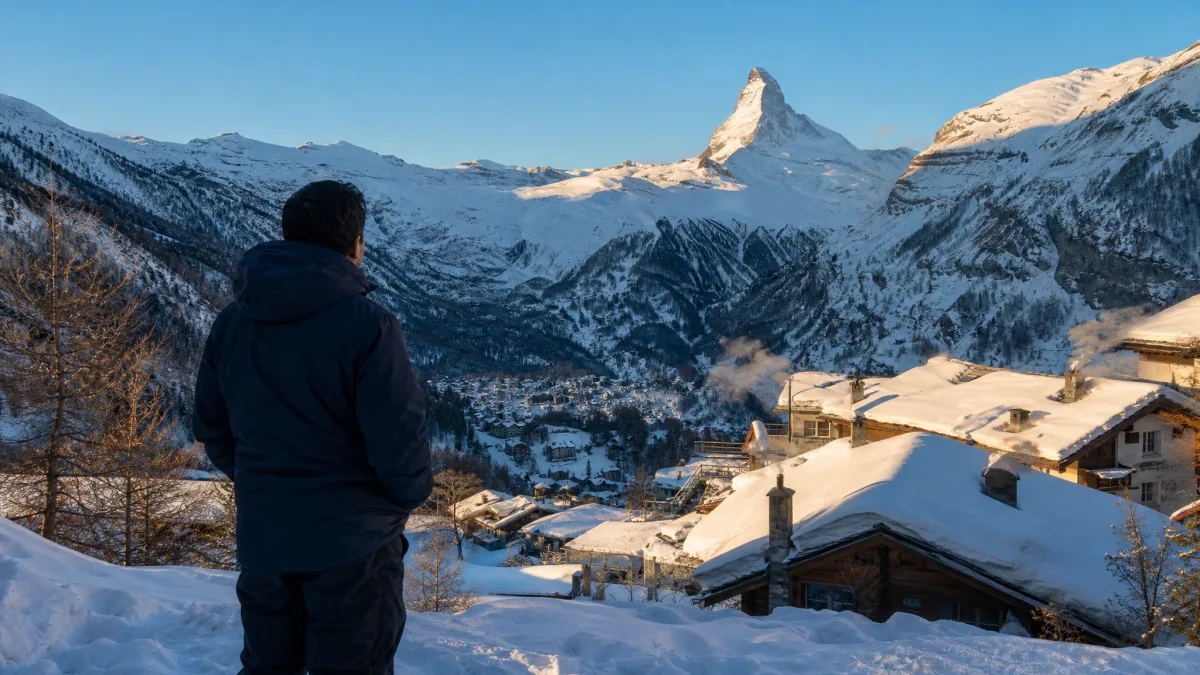
Frost clings to the chairlift cable as the motor hums to life, pulling you into a silent white world above the timberline.
Winter travelers face hundreds of global ski resorts claiming world-class status, but glossy marketing brochures frequently obscure the reality of soaring lift ticket prices, dense weekend crowds, and inconsistent snow quality.
A definitive breakdown of premier ski towns enables selecting the ideal destination matching your specific budget, terrain preference, and après-ski culture.
Weighing towering vertical drops against village atmosphere and financial investment ensures you can confidently choose your ultimate winter destination and plan logistical timelines effectively.
Winter Travel Quick Planning Guide
How Far Is the Travel and What Are the Logistics?
International winter travel requires careful planning around long-haul flights, mountain road transfers, and changing weather conditions.
Do not underestimate the final leg of the journey, as mountain passes frequently close during heavy Siberian or Rocky Mountain snowstorms.
Always build an extra buffer day into your travel itinerary to account for delayed flights and snow-packed highways.
The cost of private airport transfers from regional hubs to distant alpine bases often runs between $200 and $500 USD each way, which catches many travelers off guard.
Renting a four-wheel-drive vehicle is mandatory for most mountain routes, adding roughly $75 to $150 per day to your baseline expenses.
Local authorities enforce strict tire chain laws during major storm cycles, and failing to comply means turning around at the checkpoint before you ever reach your chalet.
Quick Tips Before You Start
Book Early
Secure your lodging and lift passes at least six months in advance for peak winter dates.
Rent Locally
Rent demo gear at your destination to match local snow conditions instead of hauling heavy bags.
Check Transit
Many premier European and Japanese ski towns ban cars, relying instead on trains and electric shuttles.
How Many Days Do You Need on the Slopes?
A standard winter vacation requires at least seven days to justify the travel time and cost of an international ski trip.
Plan for five full days of skiing and two days dedicated entirely to arrival, departure, and muscle recovery.
Shorter trips leave you exhausted and rushing through terrain that demands a slower, more deliberate pace.
Jet lag alone consumes the first twenty-four hours when crossing multiple time zones from North America to European or Asian resorts.
Spreading your physical effort across a full week prevents the kind of severe fatigue that leads to preventable injuries on steep afternoon runs.
Budgeting extra downtime also gives you flexibility if a major storm closes the upper lifts for an entire morning.
True winter travel is not about collecting resort badges; it is about matching your terrain appetite to the soul of the mountain.
— What experienced mountain travelers keep repeating
Global Ski Route Map
Save this map before you go to navigate your international winter travel destinations.
North American Icons
North American mega-resorts combine vast high-altitude terrain with polished hospitality and massive vertical drops.
These destinations deliver exceptional infrastructure and diverse trail networks that suit everyone from ambitious families to expert freeriders.
| Ski Town | Best For | Primary Terrain Advantage | Average Daily Lift Pass (USD) |
|---|---|---|---|
| Vail | Advanced Skiers | Legendary Back Bowls | $220 |
| Whistler | Families & Groups | Massive 8,100 Acre Terrain | $190 |
| Telluride | Steep Slopes | Quiet Box Canyon Setting | $185 |
| Courchevel | Luxury Travelers | Interconnected Three Valleys | $90 |
| Zermatt | Scenic Cruisers | High-Altitude Glacier Slopes | $105 |
| Niseko | Powder Hounds | Consistent Dry Siberian Snow | $75 |
1. Vail, Colorado Delivers Legendary Terrain and Upscale Village Charm
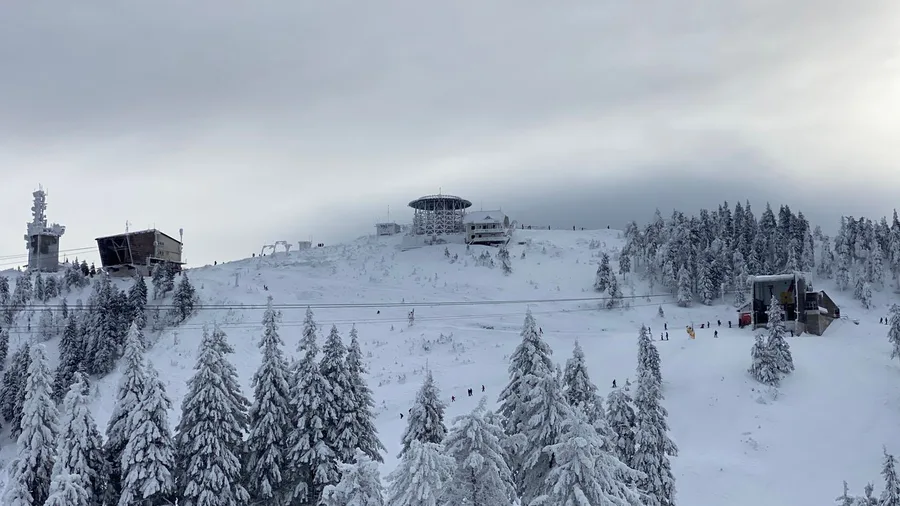
Vail stands as a massive North American resort built for serious skiers and high-end spenders.
Vail features over 5,300 acres of skiable terrain including the legendary Back Bowls, giving advanced skiers endless lines to trace across wide-open alpine bowls.
Lift tickets average around $220 USD per day during peak season from December through April, making it one of the costlier single-day passes on the continent.
It suits advanced skiers and luxury travelers seeking high-end dining and shopping after the lifts stop turning.
The primary drawback includes high crowds and premium pricing compared to smaller regional hills where lift lines are shorter and lodging costs far less.
💡 Tip: Hit the Back Bowls by 10 AM before the sun crusts the powder.
Vail — At a Glance
🏔️ Village Altitude
8,150 feet
💵 Peak Season
Dec through April
🎯 Lodging Entry
$250/night minimum
Insider Note
Peak snowpack arrives in January and February when lift lines peak.
2. Whistler Blackcomb Combines Massive Vertical Scale With Canadian Hospitality
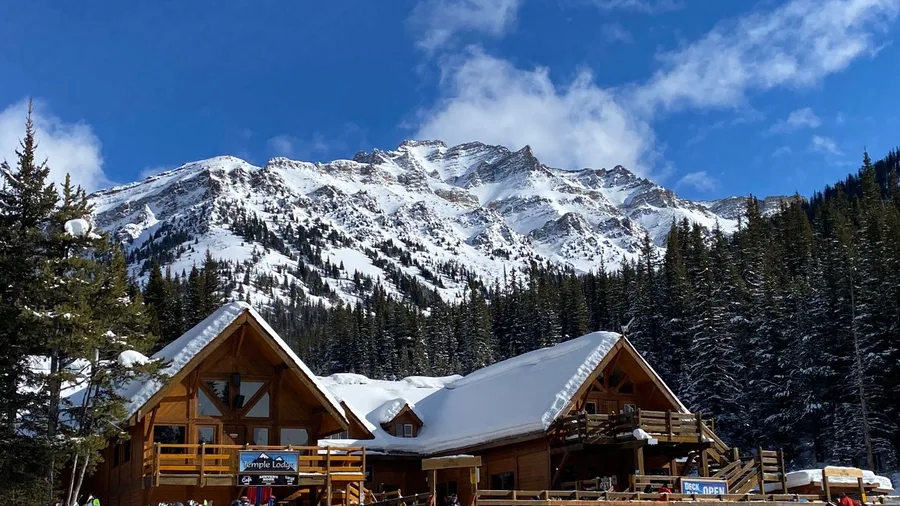
Book a trip to Whistler Blackcomb if you want massive Pacific Northwest terrain that matches towering Colorado scale with endless Canadian acreage. You will find over 8,100 acres of skiable terrain served by a vertical drop exceeding 5,000 feet, making it the premier choice for families and groups who want diverse runs and seamless ski-in, ski-out lodging.
Stand on the Peak 2 Peak Gondola mid-span on a clear morning to capture the iconic photograph framing both volcanic peaks against the deep valley below. Favorable exchange rates provide solid financial value for international visitors using US dollars, though you should expect heavy coastal wet snow lower down on the mountain during warmer weeks in late winter.
💡 Tip: Take the Peak 2 Peak Gondola early to beat the mid-day sightseeing rush.
⚠️ COMMON MISTAKE
Watch the Lower Mountain Snow Quality
Coastal storms often bring heavy, wet snow to the lower village elevations while upper peaks stay light and dry.
3. Telluride Offers Dramatic Canyon Scenery Away From Massive Crowds
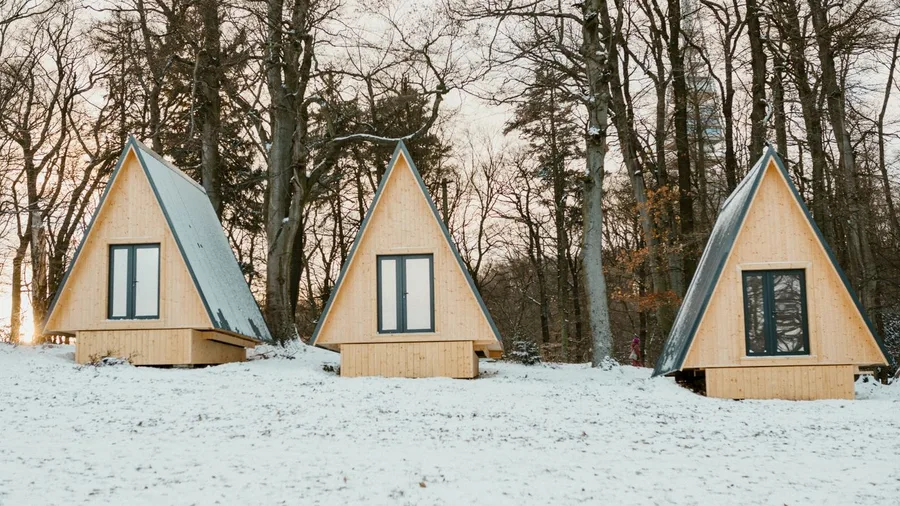
The crisp mountain air hits your face as you step out of the cabin into a dramatic Colorado box canyon surrounded by jagged peaks soaring past 14,000 feet. Telluride tucks itself away from massive mega-resort crowds with a village altitude sitting comfortably near 8,750 feet.
A free gondola effortlessly connects the historic downtown grid to Mountain Village, suiting intermediate to expert skiers who crave steep runs and quiet slopes without the usual lift queues. Families looking for expansive multi-week itineraries might find the smaller total acreage limiting compared to massive mega-resorts, but the crowd-free carving makes the compact geography entirely worthwhile.
Plan your daily routes early since the limited acreage fills up during peak weekends in January and February. You will spend your afternoons wandering through quiet Victorian streets where local dining replaces commercial resort chains.
Ski Trip Priority Pyramid
Order of operations for booking winter travel
European Alpines
European alpine destinations merge centuries-old village heritage with massive interconnected lift networks and world-class gastronomy.
These resorts prioritize massive vertical mileage and authentic mountain culture over manufactured resort villages.
4. Courchevel Merges French Luxury Standards With Massive Interconnected Terrain
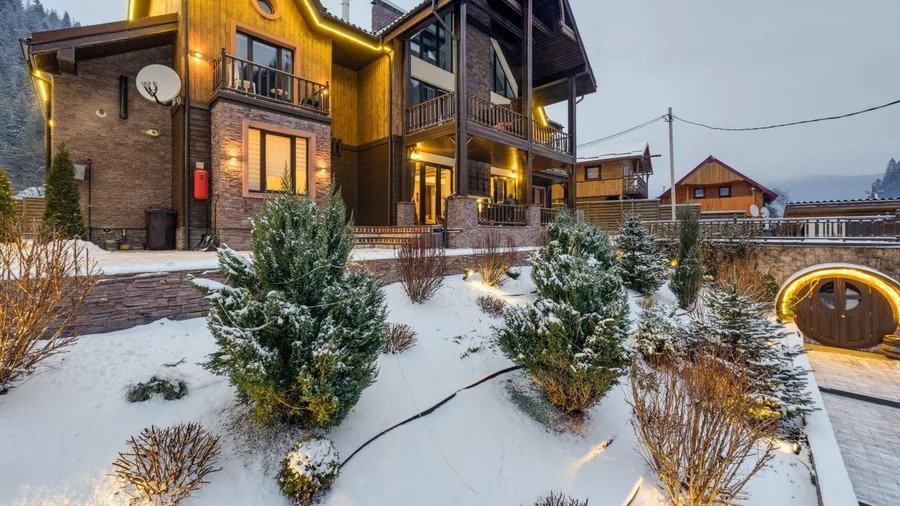
Exceeding $1,200 per night for upscale lodging sets the baseline when you cross the Atlantic into the French Alps for unmatched alpine glamour. Courchevel operates as an integral anchor of the world-famous Three Valleys system, offering endless interconnected slopes that stretch as far as your legs can handle.
High-end travelers and fashion-conscious visitors gather each evening to sample rich local specialties like a traditional bubbling fondue savoyarde costing around $45 to $70 per person in mountain-side chalets. This destination features the highest concentration of Michelin-starred restaurants in the entire Alpine region, cementing its status as an elite culinary haven.
Budget travelers will find themselves priced out quickly by the premium rates across the village infrastructure. Keep your schedule flexible so you can explore the massive lift network without rushing across valley boundaries before the afternoon wind closures begin.
5. St. Moritz Delivers Historic Alpine Glamour, Sunshine, and Exclusive Events
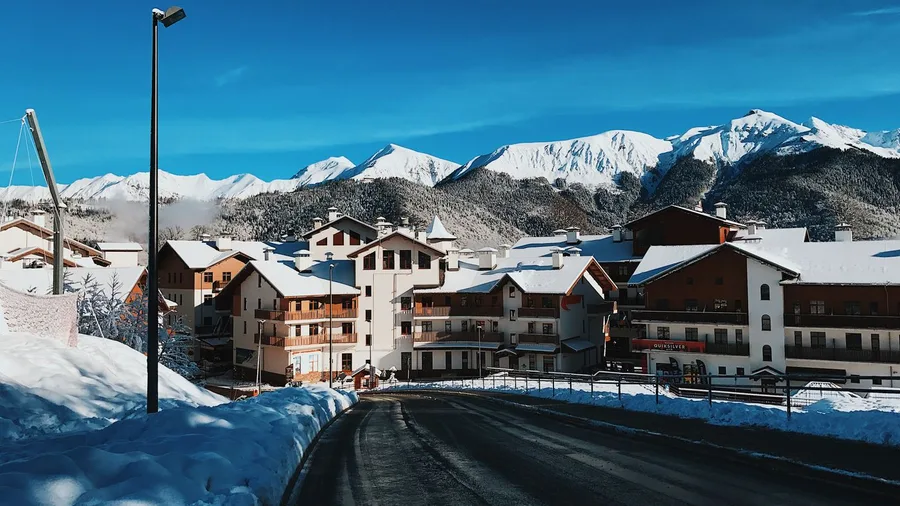
Bright winter sunlight glints off the frozen surface of the Engadin Valley, illuminating a high-society alpine scene where fur coats and designer sunglasses are standard uniform.
St. Moritz serves as the ultimate destination for non-skier winter luxury, offering an average of 322 days of sunshine per year over the surrounding peaks and valleys.
The resort plays host to unique frozen lake activities like high-stakes polo matches, horse racing events, and gourmet food festivals that draw affluent travelers from across the globe.
Visitors who prioritize high-end shopping and vibrant social apres-ski scenes find plenty to fill their days without ever stepping foot on a ski lift.
The ski terrain itself can feel somewhat fragmented compared to fully integrated mega-resorts, but the sheer glamour of the valley floor easily compensates for any layout shortcomings.
Resort Feature Verdict Lanes
- 🟢 Ski-In/Ski-Out Lodging — Always worth the premium price for convenience.
- 🟡 Weekend Holiday Peak Travel — Expect heavy crowds and higher lift line wait times.
- 🔴 Packing Untested Brand New Boots — Guarantees foot pain and ruined ski days.
6. Zermatt Provides Iconic Matterhorn Views and High-Altitude Snow Reliability
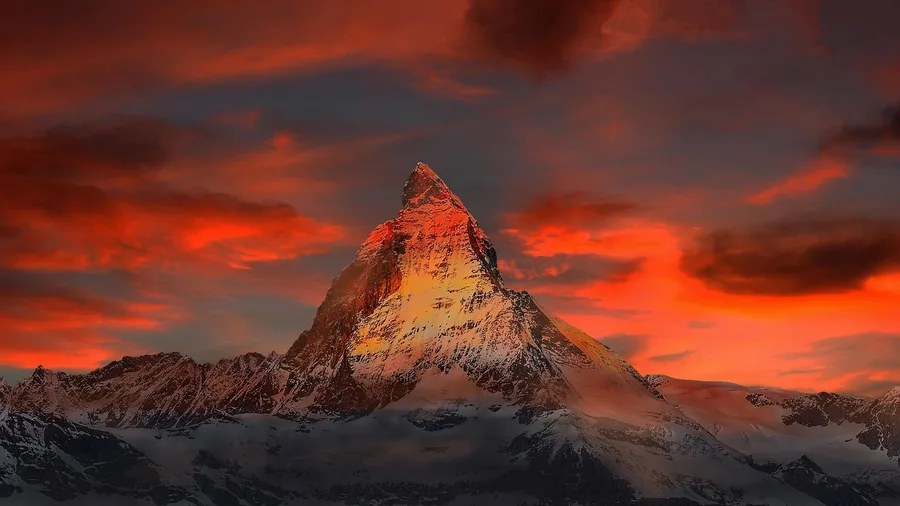
The resort answers that question by pairing exceptional high-altitude snow reliability with the iconic, jagged silhouette of the Matterhorn looming over every angle of the valley.
The entire village maintains a strict car-free policy, relying instead on quiet electric taxis and horse-drawn carriages to move visitors through the historic streets.
Travel logistics require leaving personal vehicles behind in the parking facility at Tasch and taking a mandatory shuttle train into town before starting your stay.
💡 Tip: Book your train tickets from Täsch in advance during February holidays.
Powder Paradises
Japanese ski destinations offer legendary snowfall quantities paired with deep cultural immersion and relaxing volcanic hot springs.
These powder paradises reward long-haul travelers with chest-deep powder turns and unmatched hospitality.
7. Niseko Delivers World-Famous Dry Powder Snow and Authentic Hot Springs
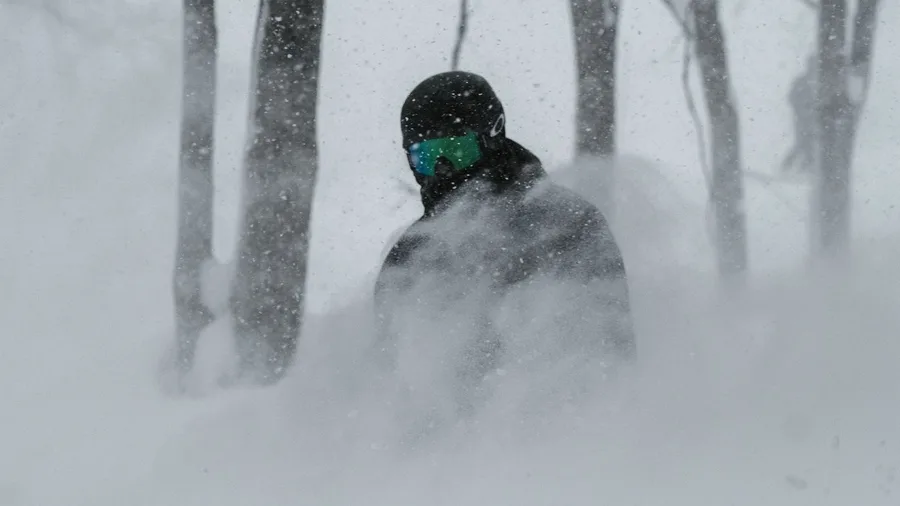
While European luxury resorts demand heavy spending on designer boutiques and social calendars, crossing the globe to the northern island of Hokkaido trades high-society glamour for raw meteorological wonder.
Niseko receives consistent Siberian storm systems that drop lightweight, dry powder snow almost daily throughout the peak winter months.
The best time to experience this legendary snow quality is early morning before the first lifts open, securing untouched lines before any tracked-out crowds form.
After a long morning on the slopes, traditional Japanese onsens provide natural hot spring soaking facilities designed for deep muscle recovery.
The destination suits dedicated powder hounds and food enthusiasts eager to experience authentic Japanese culinary traditions, though North American travelers must budget for significant long-haul flight costs.
Frequently Asked Questions
When is the best time of year to visit global ski towns?
January and February consistently offer the deepest snowpack and lightest powder across North America, Europe, and Japan. March brings longer daylight hours and milder temperatures, though lower elevation snow can turn slushy by afternoon.
How far in advance should I book my winter ski trip?
You should secure your lodging, flights, and lift passes at least six months in advance, especially if you plan to travel during school holiday weeks or winter festivals.
Do I need to rent a car when visiting European ski towns?
Most major European ski destinations like Zermatt and Wengen ban cars entirely. You are much better off taking efficient local trains and resort shuttle buses rather than paying high daily parking fees.
What is the average daily cost for an international ski trip?
Expect to spend between $350 and $800 USD per day covering lift passes, lodging, equipment rentals, food, and local transit depending on whether you choose standard or luxury tiers.
Are these ski towns suitable for non-skiers?
Destinations like Zermatt, St. Moritz, and Banff offer extensive winter walking trails, scenic gondola sightseeing, luxury shopping, and world-class spa facilities that easily entertain non-skiers.
Balancing Terrain, Culture, and Timing for Your Ultimate Winter Trip
Evaluate whether your true priority leans toward chasing deep powder snow, immersing yourself in vibrant alpine village culture, or indulging in high-end luxury amenities before locking in your travel plans.
Secure your accommodation at least six months in advance for peak winter dates spanning December through April to avoid inflated pricing and limited inventory.
Buy your international flights early, double-check local tire chain regulations, and step onto that frosty chairlift knowing your destination delivers exactly what you paid for.
Ready to Plan Your Winter Adventure?
Review the quick planning guide above, check the route map, and lock in your lodging dates today.