
Failing to purchase a stored-value smart transit card immediately upon arrival leaves travelers stranded in long ticket queues while locals breeze right through the turnstiles.
Travelers planning an urban vacation often dread decoding confusing tariffs or wasting hours in traffic jams.
Major global destinations eliminate these hassles completely by operating integrated rail networks that handle millions of daily passenger volumes.
You can board an express train, tap a contactless card at every gate, and ride across entire metropolitan regions without ever renting a car.
Quick Tips Before You Start
Get a Smart Card
Buy a local IC card or contactless payment pass on your very first day to unlock seamless transfers and lower fares.
Download Transit Apps
Install official regional transport apps like BVG, SBB, or local metro finders for live tracking and exact schedule updates.
Avoid Peak Hours
Travel between 10:00 AM and 4:00 PM to skip crushing commuter crowds and enjoy comfortable journeys.
Keep Small Change
Carry a small amount of local currency or coins for older regional buses that do not accept contactless smartphone taps.
How Far Is the Average Urban Transit Commute?
Most major urban transit journeys take under thirty minutes from neighborhood hubs to central downtown districts when utilizing express rail services.
Typical single-ride subway or bus fares range from $1.50 to $3.50 USD across major global transit networks, making urban exploration remarkably affordable.
A commuter stepping onto an express train during morning rush hour avoids highway traffic entirely while paying less for the entire trip than a single parking garage ticket costs. You watch the skyline appear outside the window just twenty minutes after leaving the residential outskirts.
Budgeting for daily movement across a new city becomes straightforward when individual tickets stay within this predictable price bracket. Planning your daily route relies on knowing that most connections require minimal waiting time on the platform.
Cities designed around reliable rail links allow you to move freely without calculating the fluctuating costs of fuel or rental car insurance. You simply tap your card, board the carriage, and arrive downtown ready to walk.
Public Transit Quick Reference
Global Transit Network Map
Save this route map before you go to navigate worldwide transit hubs with complete confidence.
1. Tokyo Offers Unmatched Rail Punctuality and Coverage
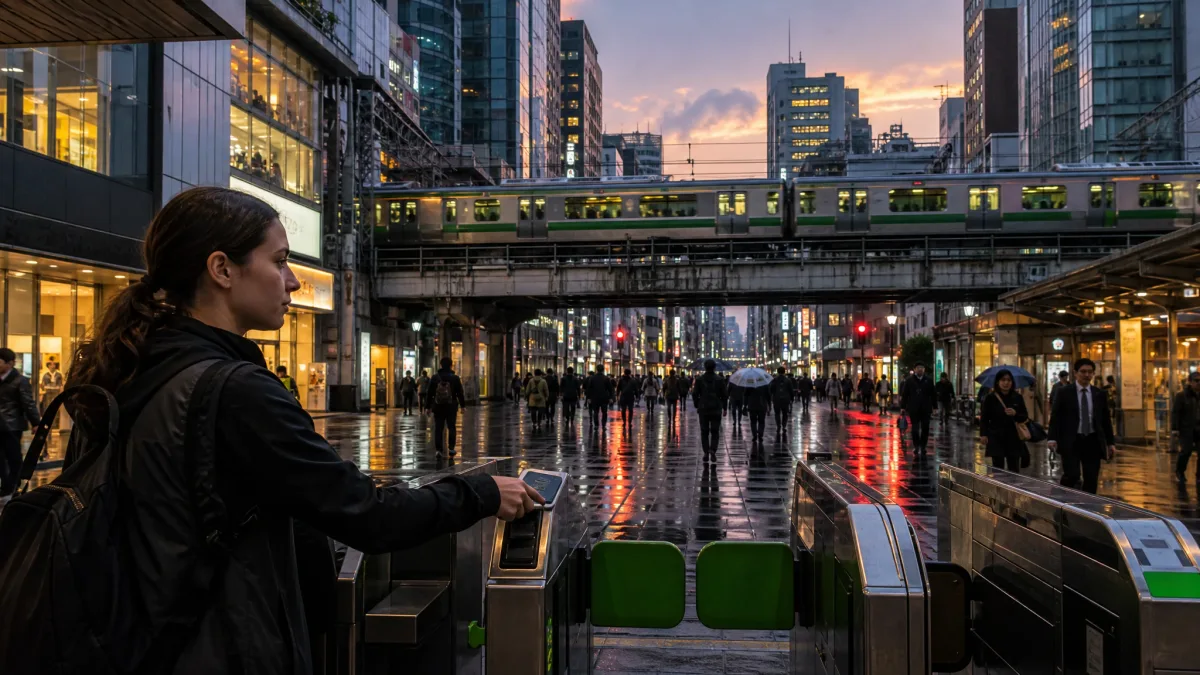
Tap your plastic card at the station gate in Shinjuku and you bypass the ticket counter entirely, stepping onto a train that departs to the exact second.
Millions of daily passengers move through this hyper-punctual network without needing a single word of Japanese. Basic journeys cost roughly $1.50 to $2.00 USD when you use a stored-value contactless card like Suica or Pasmo across the participating rail lines.
💡 Tip: Keep your Suica or Pasmo card loaded with at least 1,000 yen to avoid unexpected gate rejections during busy transfers.
Transit Action Lanes
- 🟢 Load a smart contactless card immediately upon arrival at the airport station — Skips ticket lines entirely and unlocks multi-modal transfer discounts.
- 🟡 Double-check local peak hours before boarding crowded carriages with large luggage — Saves you from squeezing into suffocating commuter rushes.
- 🔴 Never buy single paper tickets for every single transfer across multi-operator systems — Wastes money and forces you to queue repeatedly.
2. Hong Kong Excels with High-Density Intermodal Efficiency
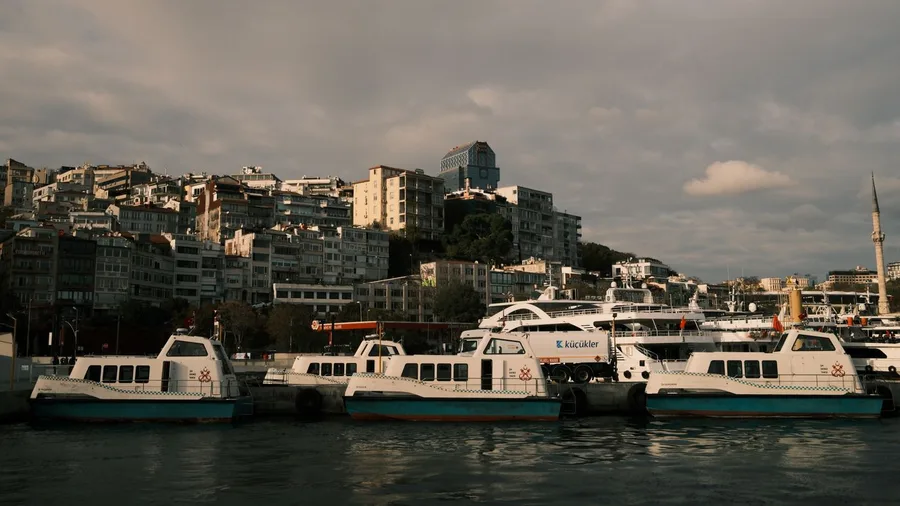
The salt air hits your face the moment you step off the subway and walk straight onto the ferry pier in Victoria Harbour.
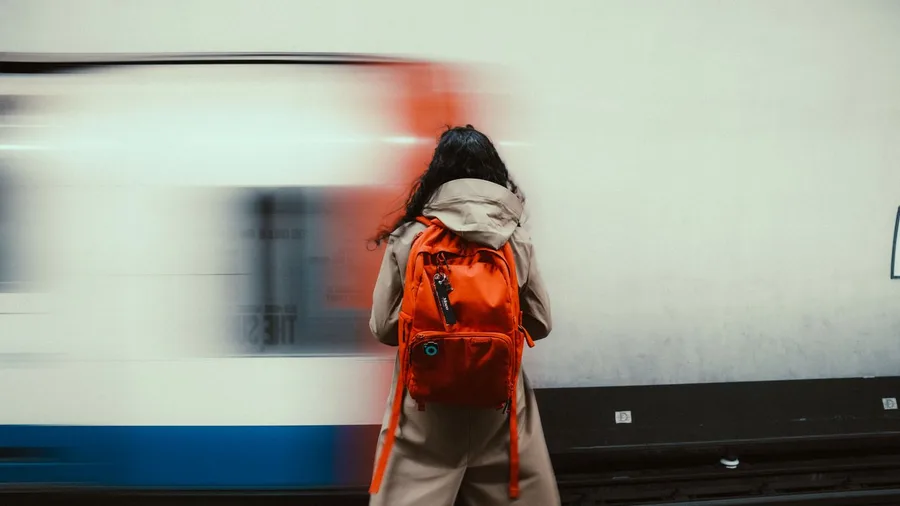
Moving from Tokyo's precise rail system into this denser coastal grid reveals an entirely different style of transit efficiency. You can switch from a subterranean train to an iconic double-decker tram and then to a cross-harbor ferry using one stored-value card for every fare.
Fares remain remarkably cheap, hovering around $1.00 to $2.00 USD even as you cross significant urban distances. Services operate every few minutes throughout the day, meaning you never bother checking a timetable before heading out the door.
The catch is the sheer volume of humanity during rush hour, when platform crowds push close to the edge and personal space shrinks fast. Even so, paying your way onto the back platform of a green tram in Central costs a fraction of any taxi ride and moves you right through the neon street canyons.
💡 Tip: Register your Octopus card on a mobile wallet for instant digital balance checks while riding.
⚠️ COMMON MISTAKE
Watch Out for Peak Commuter Surges
Attempting to board central subway lines between 8:00 AM and 9:30 AM with oversized luggage will test your patience. Travel slightly earlier or later to secure comfortable seating.
3. Singapore Combines Cleanliness with Smart Card Integration
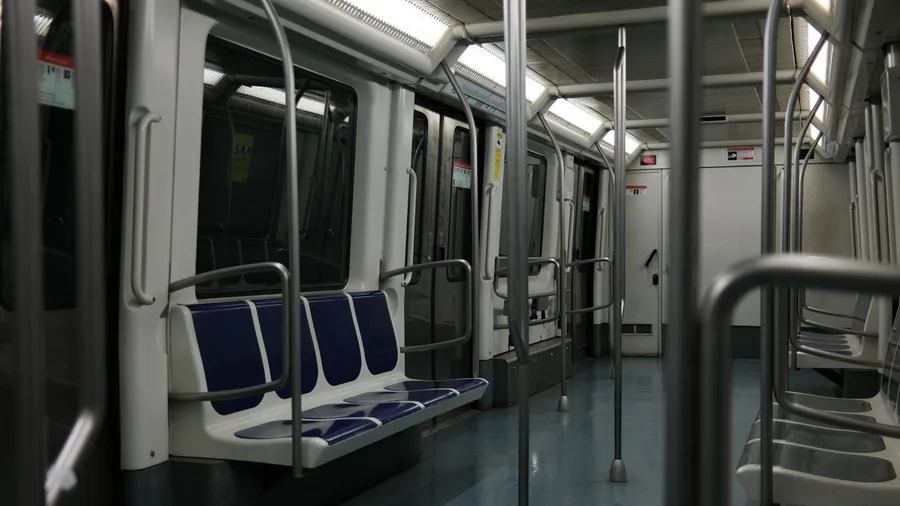
Singapore operates an immaculate, air-conditioned transit system across the entire island state through its Mass Rapid Transit network and extensive bus lines. Families traveling with young children or strollers will appreciate how direct connections link Changi Airport straight to downtown and residential sectors without requiring complicated transfers. Strict cleanliness standards onboard prohibit eating, drinking, or smoking, which keeps carriage environments pristine for passengers of all ages.
You can bypass paper ticket lines entirely by using contactless bank cards or tourist transit pass options at every entry gate. A typical passenger simply taps a contactless credit card at the Orchard station gate to board a cool, spotless train within seconds. This straightforward setup makes group travel exceptionally smooth, though large families should note that peak morning commuting hours can crowd platform areas.
The comprehensive network coverage means you never have to worry about carrying exact change or deciphering complex fare zones. Regular fares stay well within standard budgets, typically ranging between $1.50 and $3.50 USD for standard journeys across the island. That reliability gives you complete freedom to move between major attractions without the stress of driving or parking.
Singapore MRT — At a Glance
⏱️ Train Frequency
2 to 5 minutes
💵 Base Fare
$1.40 SGD approx
❄️ Environment
Fully air-conditioned
💳 Payment
Contactless bank cards
Pro Standard
Strict hygiene laws keep every carriage spotless.
4. Seoul Delivers High-Tech Connectivity and Digital Facilities

Cold winter air hangs over the platform as digital arrival boards blink with exact countdown times down in the subterranean concourse. Seoul builds severe weather comfort directly into its transit network by equipping subway cars with heated seats that offer instant relief during freezing months. Free station Wi-Fi and blazing-fast data connectivity keep you constantly informed underground while moving between municipal boundaries.
The integrated T-money card system and digital app options make transferring between the subway and local bus networks completely effortless. You tap your card upon exiting one vehicle and receive an automatic transfer discount when boarding the next, keeping standard journey costs affordable at roughly $1.25 to $1.50 USD. Early morning commuters riding right before the peak rush hour find the quietest carriages and the most immediate seat availability.
A commuter checks real-time train arrival screens while riding a subway equipped with heated seats during winter, watching the digital map update instantly. You rely on these same real-time tools to navigate complex interchanges without ever needing to ask for directions in an unfamiliar language. That digital infrastructure turns underground transit into a fast, predictable experience from your first stop to your last.
True urban freedom means never checking a timetable because the next train arrives in three minutes.
— What seasoned urban transit experts keep repeating
5. Paris Provides Extensive Metro Reach and Eco-Friendly Options
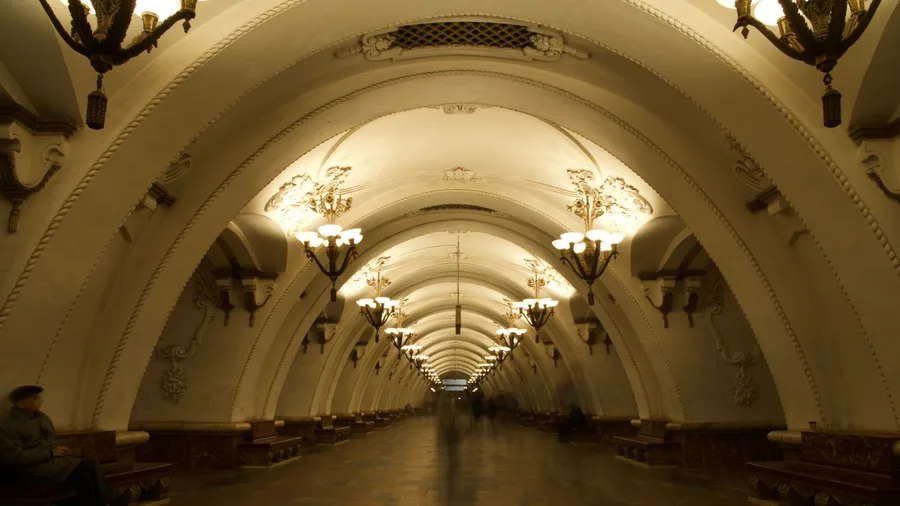
You need to watch your belongings closely inside crowded central hubs, as pickpockets frequently target distracted visitors navigating historic turnstiles. Paris anchors its urban mobility with a dense historic metro grid featuring short walking distances between stations across the central arrondissements. A tourist walks less than three hundred meters in the Marais district to reach the nearest dense metro entrance, stepping straight from narrow medieval streets into subterranean efficiency.
Single ticket pricing ranges around $2.10 to $2.50 USD for standard inner-city metro trips, while multi-day Navigo pass options provide unlimited access across capital zones. Modern tramways and an expansive bike-sharing culture complement the older subterranean lines to reach neighborhoods the original network missed. That blend of historic reach and modern transit options lets you cross the entire city without ever renting a car.
💡 PRO TIP
Master the Navigo Easy Pass
Load a rechargeable Navigo Easy card with a pack of discounted tickets to zip past station queues instantly.
6. London Seamlessly Integrates Tube, Buses, and River Boats
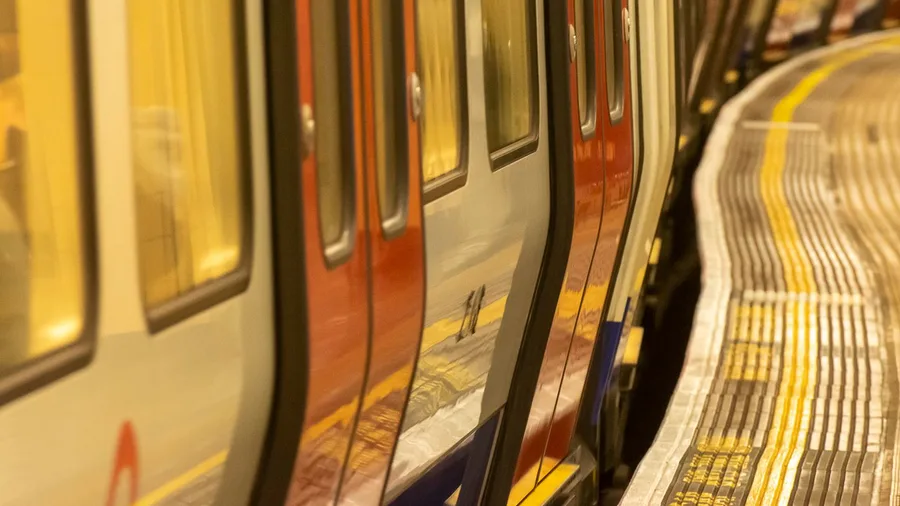
When you step off the continental Eurostar and face a sprawling web of historic underground tubes, iconic red double-decker buses, and commuter river boats, the investment quickly pays for itself.
Navigating these multi-modal connections across distinct distance rings relies on zone-based pricing structures that determine exact charges per journey. Instead of queuing at ticket windows, you simply tap a contactless bank card or an Oyster card at the barrier gates to switch effortlessly between rail lines and the Thames Clippers.
The true financial buffer here is automatic daily fare capping, which typically limits your total spending after a few trips so you never overpay for heavy transit days. You will notice this firsthand when tapping your smartphone at a busy Westminster station gate during rush hour, knowing your card will stop charging once you hit the daily ceiling.
💡 Tip: Always tap out using the exact same card or device you used to enter the station gates.
| City | Primary Transit Network | Average Single Fare (USD) | Best Payment Method |
|---|---|---|---|
| Tokyo | Subway & Rail | $1.50 – $2.00 | Suica / Pasmo IC Card |
| Hong Kong | MTR, Trams & Ferries | $1.00 – $2.00 | Octopus Card |
| Singapore | MRT & Buses | $1.40 approx | Contactless Bank Card |
| London | Tube, Buses & Boats | $2.50 – $4.00 | Contactless Tap / Oyster |
| New York City | Subway & Buses | $2.90 flat | OMNY Contactless |
7. Berlin Maximizes Reliability Through S-Bahn and U-Bahn Sync
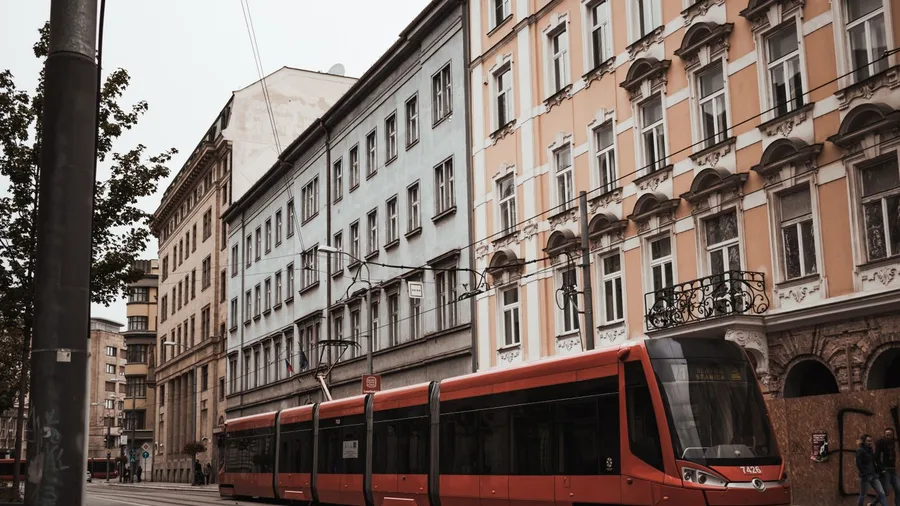
Unlike the complex ticket gates and heavy upfront spending required in London, getting around Berlin feels refreshingly informal and straightforward. You simply purchase a standard day pass for around $9.00 to $10.00 USD via the official mobile app to gain unlimited access across all municipal zones.
The entire metropolis relies on a synchronized coordination between underground U-Bahn trains, overground S-Bahn rail lines, and street-level trams with minimal wait times between departures. Instead of permanent turnstiles at every platform, the system operates on an honest trust approach backed by random ticket inspections, letting you board an overground S-Bahn train instantly with your digital pass.
8. New York City Keeps Moving with 24/7 Subway Access
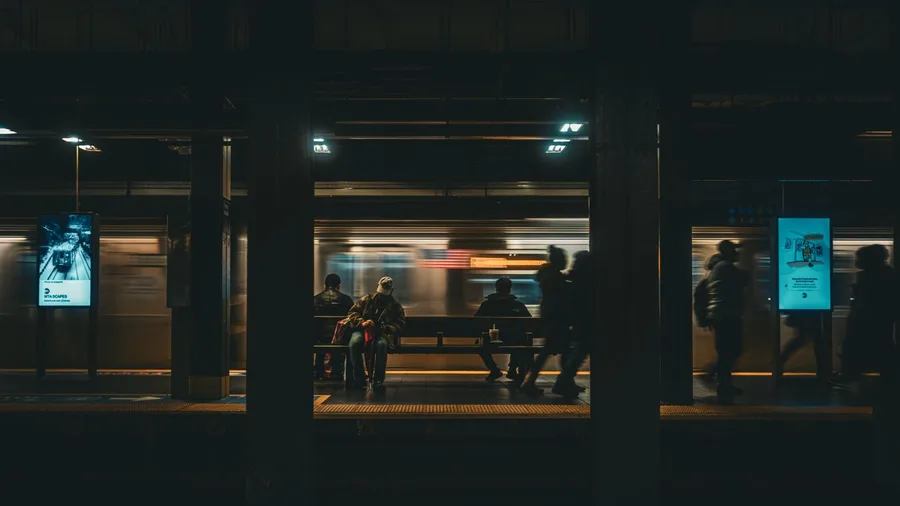
Twenty-four hours a day, seven days a week, a standard flat single-ride fare of $2.90 USD grants you full access across all five New York boroughs regardless of how many miles you travel underground. That single price point changes everything about how you experience the city after dark, especially when hunger strikes late at night and you need to grab a classic hot slice of pepperoni pizza from a 24-hour avenue corner spot for roughly $4.00 USD before heading back below.
The legendary subway grid operates round-the-clock, providing an unmatched lifeline for night owls, shift workers, and travelers returning late from Broadway shows. You bypass traditional paper tickets entirely by using OMNY contactless tap-to-pay technology at the turnstiles with your smartphone or credit card.
Weekend service changes and complex routing shifts between express and local tracks mean you always need to keep a close eye on illuminated platform announcements and overhead LED boards. Missing a sign can easily send you shooting past your intended stop in Brooklyn or Queens.
A tired traveler taps a credit card at a glowing green Manhattan turnstile at two in the morning, listening to the familiar rumble of brakes before boarding a downtown express train that keeps the city moving without interruption.
9. Madrid Delivers Exceptional Station Escalator Density and Speed
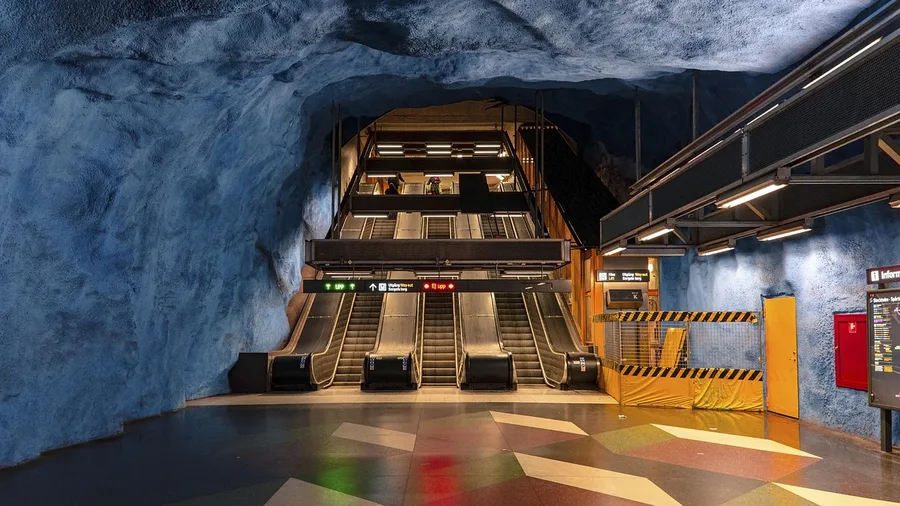
You stand inside a cavernous underground hall where cool air rushes past and rows of high-speed escalators slice cleanly through three subterranean levels at once, offering a panoramic glimpse of modern European engineering at its finest. Madrid ranks among Europe's longest rapid transit grids, moving millions across central and suburban zones through pristine, air-conditioned carriages and modern subterranean infrastructure.
Navigating these deep interchanges remains straightforward thanks to clear digital signage and the Multi card tourist ticketing system, which allows multiple travelers to share a single reloaded card without confusion. Typical single and multi-trip pricing provides highly cost-effective travel across the capital without denting your wallet.
You simply feed a contactless card into the slot at a bustling Sol station ticket machine, load your fare in seconds, and glide down to catch a sleek train waiting on the platform below.
10. Zurich Sets the Global Standard for Intermodal Timetable Punctuality
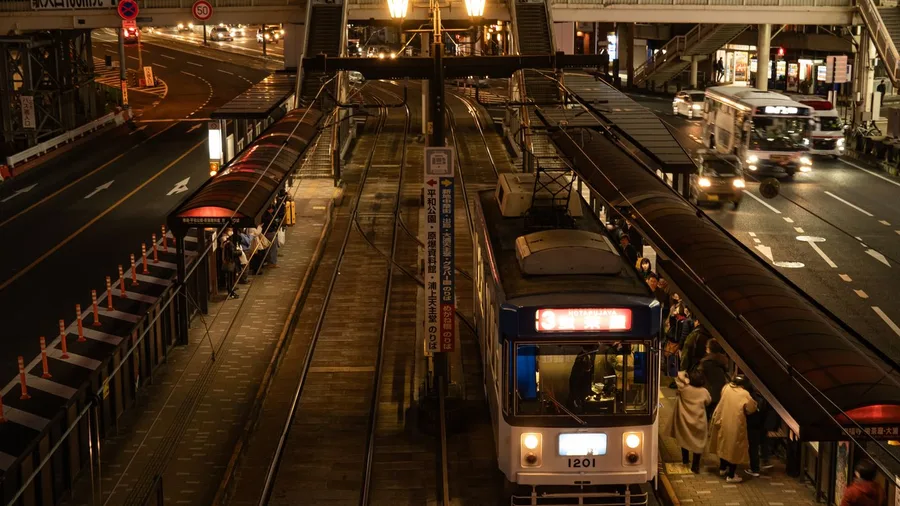
Zurich proves that synchronized timetables can make switching between trains, trams, and lake boats entirely effortless when every minute is engineered with precision. You step off a morning ferry docked at the lake edge and walk straight onto a waiting tram that departs seconds later.
The ZVV zone tariff system covers all these municipal connections under a single ticket validity. Downloading the official SBB mobile app allows you to track live vehicle locations across the entire network while connecting services wait across platforms for arriving passengers.
11. Shanghai Commands an Impressive Rapid-Transit Megagrid

You need to prepare for mandatory security screening before entering any major platform area across the city. Security guards operate X-ray baggage scanners at every main station entrance to inspect bags and personal items before letting crowds pass through the turnstiles.
Once you clear the security checkpoint, you enter a booming metro network that stretches across hundreds of kilometers of track and moves millions of daily commuters. Ultra-low base fares start under $1.00 USD equivalent for short urban hops across the municipal districts.
Bilingual English and Mandarin audio announcements and wall signage guide international visitors through the immense subterranean corridors. A visitor reads clear English translations on overhead signs while placing a backpack onto the conveyor belt of an entrance security scanner.
12. Vienna Champions Eco-Friendly Transit with Flat Annual Pass Value
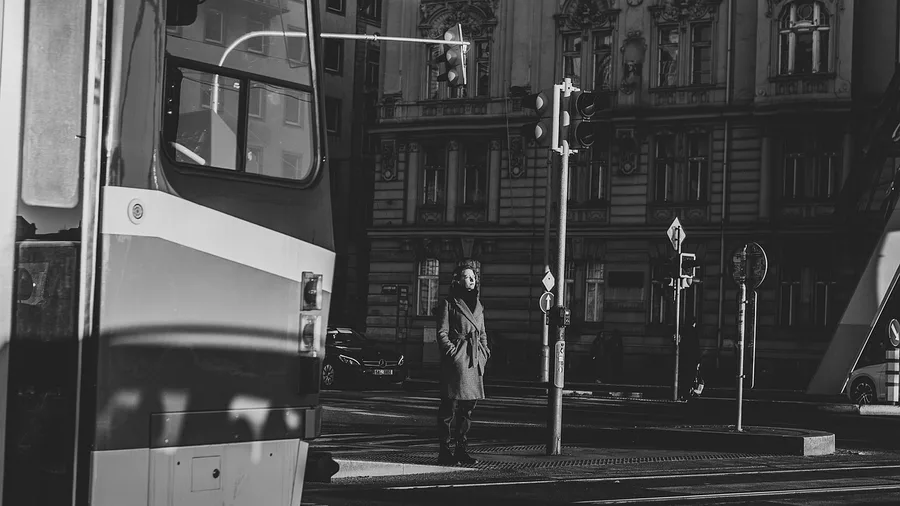
Seventy-two hours of unlimited urban mobility costs roughly $15.00 USD, covering Vienna's heavily subsidized transit network entirely. You simply board a clean red tram circling the historic Ringstraße, watching grand stone facades glide past without worrying about individual paper tickets or zone boundaries.
High frequency during both peak and off-peak hours means you never need to check schedules in advance, while straightforward grid navigation keeps you oriented. While you ride, keep an eye out for urban wildlife thriving in the vast green expanses of the Prater park just minutes from the tracks, adding a surprising touch of nature to your city transit.
13. Vancouver Integrates SkyTrain, Buses, and SeaBus Seamlessly
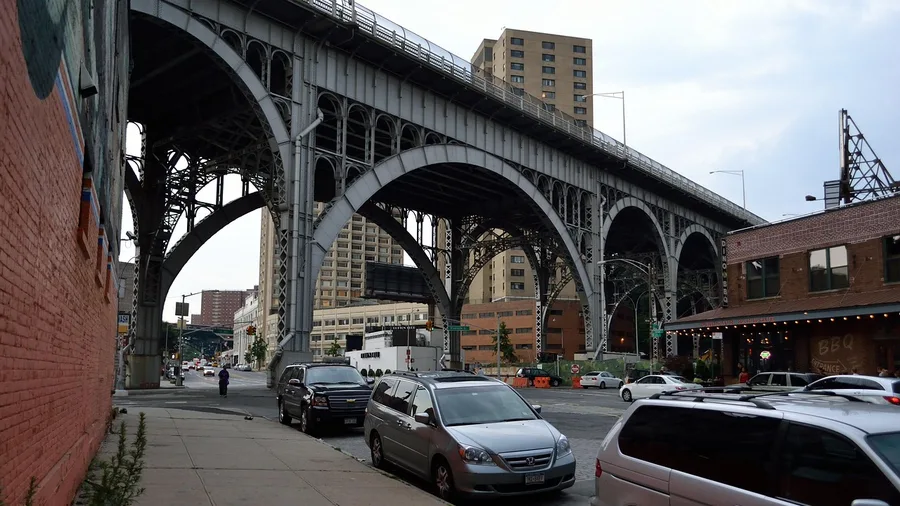
Unlike the fast-paced, dense underground loops of previous urban centers, moving through this Canadian coastal hub offers a remarkably relaxed, unhurried pace where you can easily sit down and watch the scenery unfold for an hour. Automated SkyTrain lines lift you above the streets, providing sweeping window views of snowy peaks and glass towers without requiring frantic transfers or complicated route planning.
Compass Card usage and contactless credit card tapping provide unified entry across all regional zones, though zone-based pricing rules apply when crossing municipal boundaries between Vancouver, Burnaby, and Surrey. You simply tap your card at the turnstile and let the network handle the calculations while you enjoy the ride.
The SeaBus connection links downtown directly to North Vancouver across Burrard Inlet in minutes, offering a tranquil maritime crossing. You tap a contactless credit card at a Waterfront station gate before boarding the vessel, settling in for a peaceful crossing that feels more like a scenic harbor cruise than a standard commuter run.
14. Montreal Maximizes Underground Access via the RÉSO Network
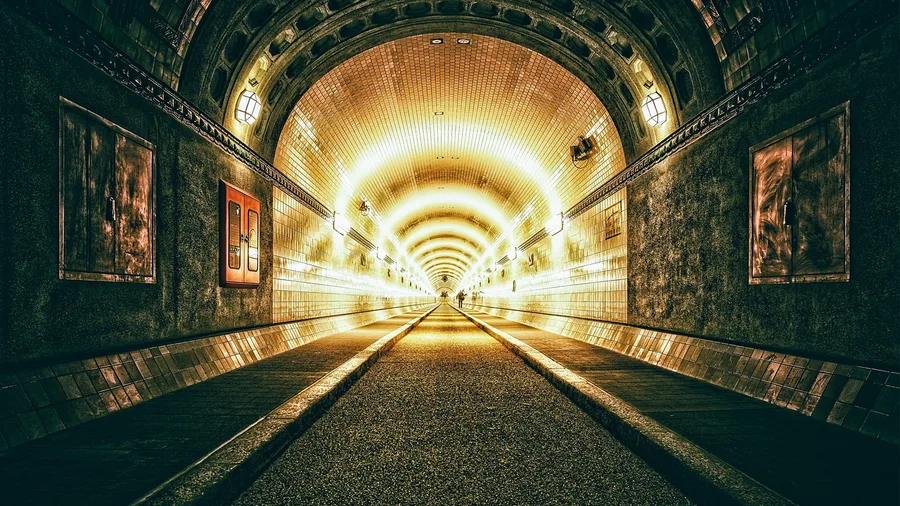
The damp chill of winter air fades instantly the moment you step off the freezing sidewalk into the vast subterranean warmth of the city's pedestrian network. Sound travels differently down here, muffled by thick concrete and softened by the low murmur of thousands of commuters shuffling past brightly lit storefronts.
Montreal combines a reliable rubber-tyred metro system with an extensive underground pedestrian network to beat winter weather completely. Distinctive rubber-tyred quiet trains glide smoothly and silently along underground rail lines, offering an unusually peaceful ride compared to screeching steel wheels.
OPUS card reloading options accommodate single rides, multi-trips, and weekly passes, allowing you to bypass station ticket queues with a quick tap at the turnstile. Connections to downtown cultural hubs let you traverse entire city blocks, office towers, and shopping complexes entirely sheltered from snow and ice.
A visitor boards a quiet rubber-tyred metro train linked directly to underground downtown shopping complexes, stepping seamlessly from a museum exhibition into a warm food court without ever touching a winter coat. The famous subterranean system handles massive crowds daily, and while the rush hour platforms get undeniably packed, the scale and weather-proof shelter make the underground wander well worth the occasional shoulder-to-shoulder crush.
15. Stockholm Transforms Transit Stations into Underground Art Galleries
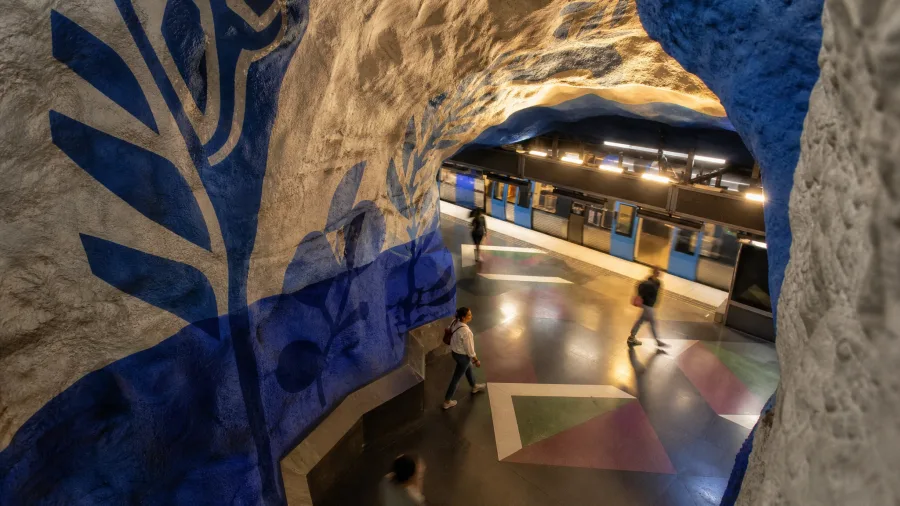
Stockholm converts standard subterranean transit into a massive public gallery where raw rock caverns display brilliant murals and sculptural installations across all three primary color lines.
Purchasing a single digital pass through the official mobile application costs roughly $3.90 USD and grants a 75-minute transfer window for unlimited switching between subway cars and city buses, allowing visitors to explore brightly painted bedrock stations like T-Centralen without paying extra.
Frequently Asked Questions
Do I need to buy paper tickets in advance for global transit systems?
No. Almost all top global cities now accept contactless bank cards, smartphone digital wallets, or reloaded local smart cards directly at the turnstiles.
How much should I budget daily for public transportation abroad?
Expect to spend between $8.00 and $15.00 USD daily for unlimited day passes or multi-ride journeys in major metropolitan transit networks.
Are English signs and announcements common in international subways?
Yes. Major transit networks in Tokyo, Seoul, Hong Kong, and European capitals provide bilingual English signage and digital audio announcements.
Can I use the same smart card across buses, subways, and ferries?
Yes. Systems like Hong Kong's Octopus card, London's Oyster, and Tokyo's Suica integrate multiple transit modes under one card.
Is it safe to ride subway systems late at night in these cities?
Cities like Tokyo, Singapore, Zurich, and Seoul maintain exceptionally high safety standards and secure stations around the clock.
Mastering Global Transit Without a Rental Car
Purchasing integrated stored-value smart cards immediately upon arrival minimizes ticket lines and maximizes transfer discounts across all destinations.
Travelers looking to plan an urban vacation can navigate these world-class systems seamlessly without ever renting a car, transforming an ordinary city trip into an effortless and affordable adventure.
Tap your card at the platform gate today and skip the rental counter for good.
Plan Your Next Urban Transit Adventure
Review our quick planning guide and check your smart card options before stepping out to explore world-class city networks.