
Understanding Hair Color and Personal Identity


7
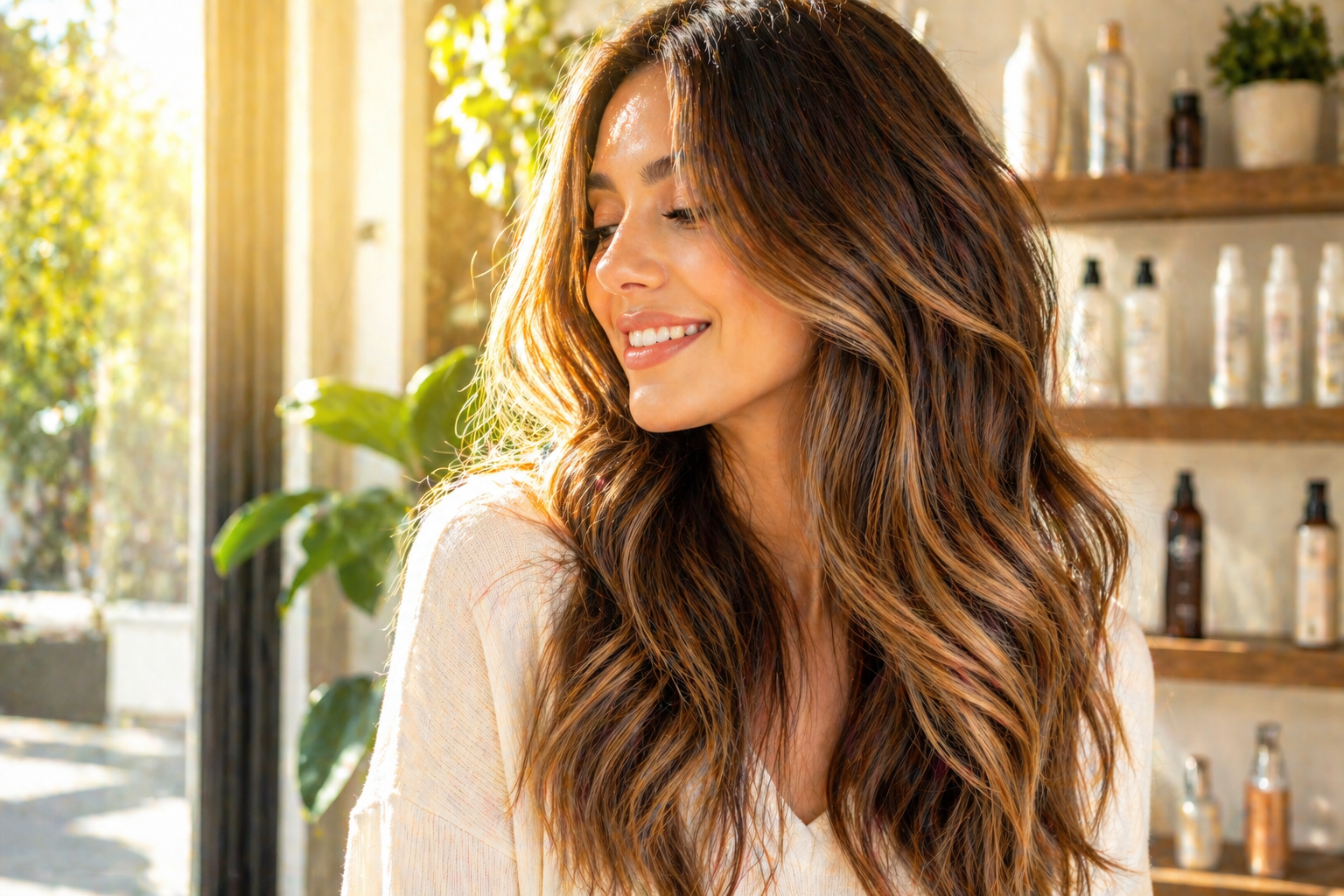
Choosing the right hair color is not just about fashion. It connects deeply with identity, personality, and self-expression. From natural black tones to warm browns and soft blondes, each shade tells a story. People often choose colors based on mood, lifestyle, or even life changes.
Your skin tone plays a key role in this decision. Warm undertones often pair well with golden hues, while cool undertones match ash-based shades. Professional stylists use tone analysis, color matching, and light reflection to guide this process. At home, you can observe how your skin reacts to different shades in natural light.
Many experts, including professionals aligned with American Academy of Dermatology, emphasize understanding scalp health before applying any dye. Healthy hair absorbs color better and maintains shine longer.
When you align your shade with your identity, your confidence naturally grows.
Choosing the right hair color is not only about trends or appearance. It connects deeply with how you feel about yourself. When you feel confident, your style naturally improves. That is why many people build confidence through daily inspiration. Reading motivational quotes can help you develop a positive mindset, which reflects in your overall look. When your mindset feels strong, even a simple hair transformation can feel powerful and meaningful.
Hair Color Trends Shaping Modern Fashion


7
Fashion evolves quickly, and hair color trends change with it. Today, people prefer soft blends instead of harsh contrasts. Techniques like balayage, ombre, and color melting create natural transitions between shades.
Celebrities and fashion icons influence these trends. Stylists working with brands like L’Oréal often introduce shades that later become mainstream. Caramel highlights, ash blonde tones, and chocolate browns dominate current styles.
Seasonal changes also affect color choices. Warmer tones feel rich in winter, while lighter shades shine in summer. Social platforms showcase real-life transformations, helping people choose styles that suit their personality.
Modern trends focus on dimension, shine, and low maintenance. People want colors that grow out naturally without constant touch-ups.
How to Choose the Right Hair Color for Your Skin Tone


6
Finding the perfect hair color starts with understanding your skin tone. This step prevents common mistakes and helps you achieve a balanced look.
If your skin has warm undertones, shades like honey blonde, copper, and golden brown enhance your glow. Cool undertones pair better with ash brown, platinum blonde, and deep black tones. Neutral tones allow more flexibility.
Eye color also plays a role. Brown eyes often match warm shades, while blue or green eyes stand out with cooler tones. Lighting conditions matter too. Always check your shade in natural daylight.
Professionals trained under global beauty standards, including those inspired by Professional Beauty Association, use detailed consultation methods. At home, you can test small sections before full application.
The right choice creates harmony between your face, hair, and overall appearance.
Hair Color Techniques That Create Natural Results


5
Modern coloring techniques focus on realism. A well-applied hair color should look effortless, not artificial. Stylists now use advanced methods to create depth and movement.
Balayage involves hand-painting color onto the hair. This creates soft, sun-kissed effects. Ombre blends darker roots into lighter ends. Highlights add brightness and dimension, while lowlights create depth.
Hair gloss treatments enhance shine and seal color. They improve texture and reduce dullness. Many professionals recommend gloss after coloring to maintain vibrancy.
Brands like Wella Professionals develop advanced formulas that protect hair during coloring. These products reduce damage and improve long-term results.
Technique matters as much as shade. A good method ensures your color looks natural and lasts longer.
Hair Color Maintenance and Long-Term Care


7
Maintaining your hair color requires consistency and care. Without proper routine, even the best color fades quickly. Hydration and protection play a key role here.
Use sulfate-free shampoos to prevent color stripping. Deep conditioning masks restore moisture and improve texture. Heat protection sprays reduce damage from styling tools.
Sun exposure can also fade color. Wearing a hat or using UV protection products helps preserve shade. Regular trims keep ends healthy and prevent breakage.
Hair experts often recommend routines backed by research from organizations like International Journal of Trichology, which highlight the importance of scalp and strand care.
Healthy hair holds color better. Care ensures your investment lasts longer.
Hair Color and Confidence in Everyday Style


6
Your hair color influences how you feel every day. It affects your confidence, posture, and overall presence. When your hair looks good, you carry yourself differently.
People often change their hair during important life moments. A new shade can mark a fresh start or reflect personal growth. It becomes part of your identity.
In fashion, details matter. Hair, outfit, and attitude work together. A well-chosen color enhances your style and completes your look.
Confidence does not come from trends alone. It comes from feeling comfortable in your own skin. The right shade helps you achieve that balance.
Conclusion: Let Your Hair Color Tell Your Story


7
Your hair color is more than a beauty choice. It reflects your personality, mood, and lifestyle. When you choose wisely, it enhances your natural features and builds confidence.
Trends will continue to change, but personal style remains unique. Focus on what suits you, not just what is popular. Pay attention to care, technique, and maintenance.
Start simple. Observe your tone. Test shades. Build a routine that supports healthy hair. Over time, your color will not just look good, it will feel right.
Because true style begins with understanding yourself.