The Magic Behind Stunning Ball Gowns


4
The moment someone steps into a room wearing stunning ball gowns, the atmosphere changes. Conversations slow. Heads turn. The space suddenly feels like a scene from a classic fairytale.
Fashion historians often link the modern ball gown silhouette to the royal courts of Europe during the 18th and 19th centuries. According to the Costume Institute at the Metropolitan Museum of Art, grand evening dresses evolved as symbols of status, craftsmanship, and celebration. Designers used silk, satin, and elaborate embroidery to create garments meant to command attention.
Today, couture houses such as Dior and Valentino continue this tradition. Their evening collections showcase dramatic skirts, sculpted bodices, and luxurious fabrics that echo historical elegance while embracing modern design.
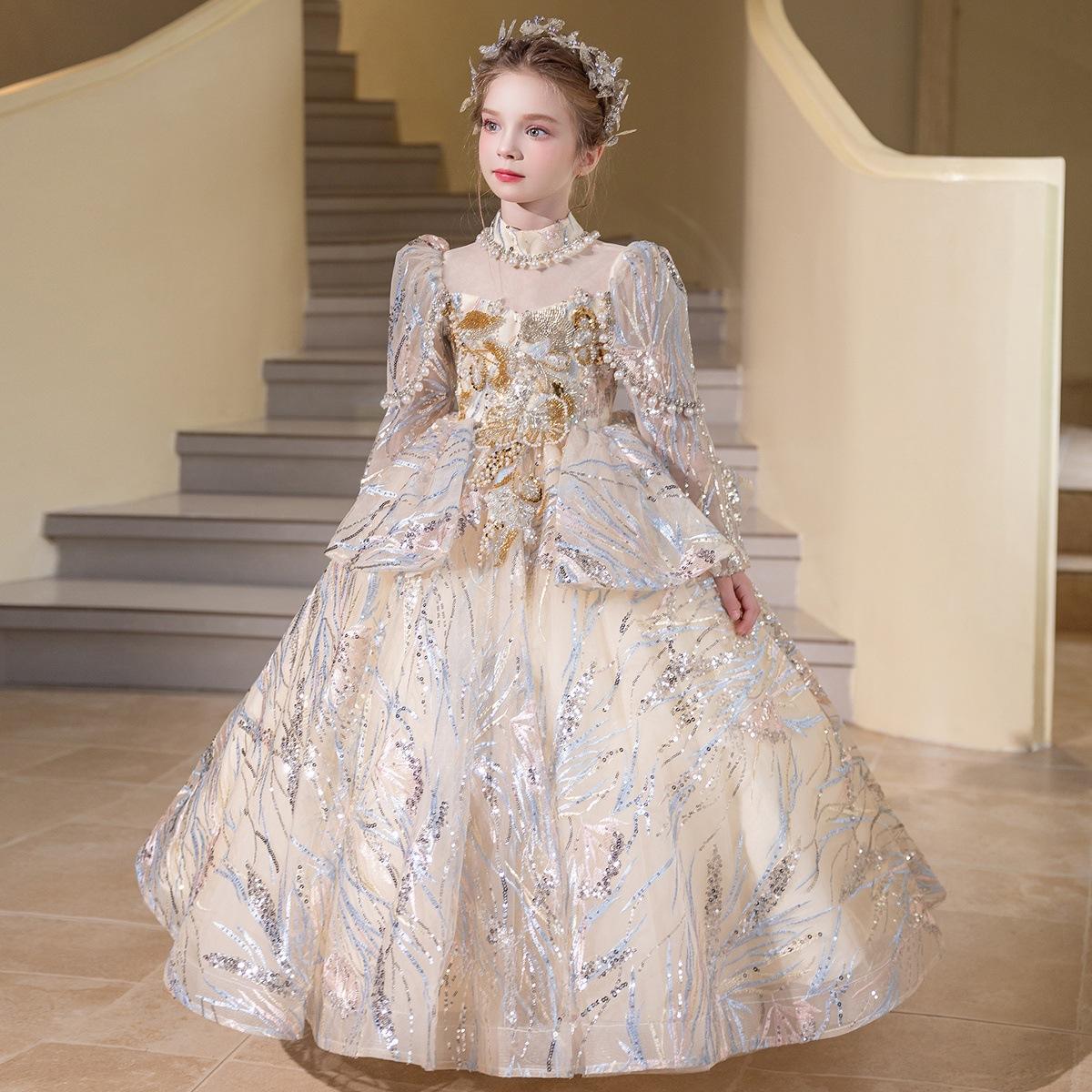
A ball gown succeeds because of three essential elements. Silhouette, fabric, and movement. The classic shape pairs a fitted bodice with a full skirt that flows outward from the waist. When the wearer walks, the skirt moves like soft waves. Light catches the fabric. Cameras flash. The entrance becomes unforgettable.
Fashion stylists often describe the ball gown as wearable storytelling. Every seam and layer adds emotion. A structured corset creates confidence. A sweeping train adds drama. Hand embroidery brings detail that feels personal and artistic.
The result goes far beyond clothing. A ball gown creates an experience. Weddings, galas, red carpet premieres, and formal charity events all become stages for elegance.
Silhouettes That Define Stunning Ball Gowns
4
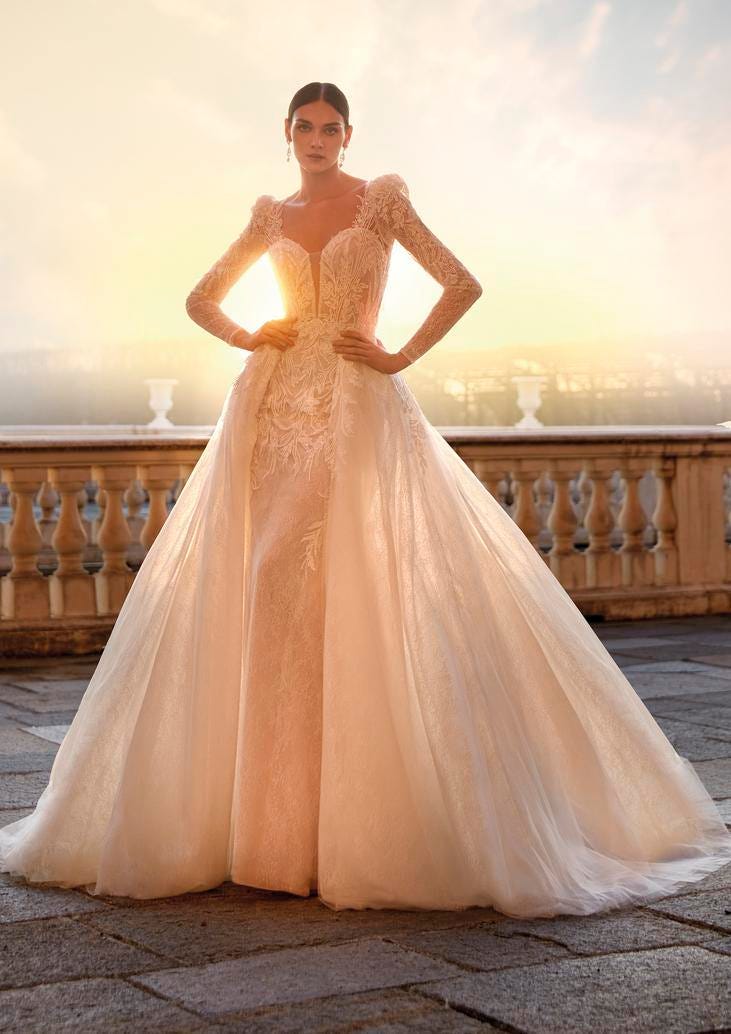
Designers build stunning ball gowns around silhouette first. The shape determines how the dress moves, how it photographs, and how it frames the body.
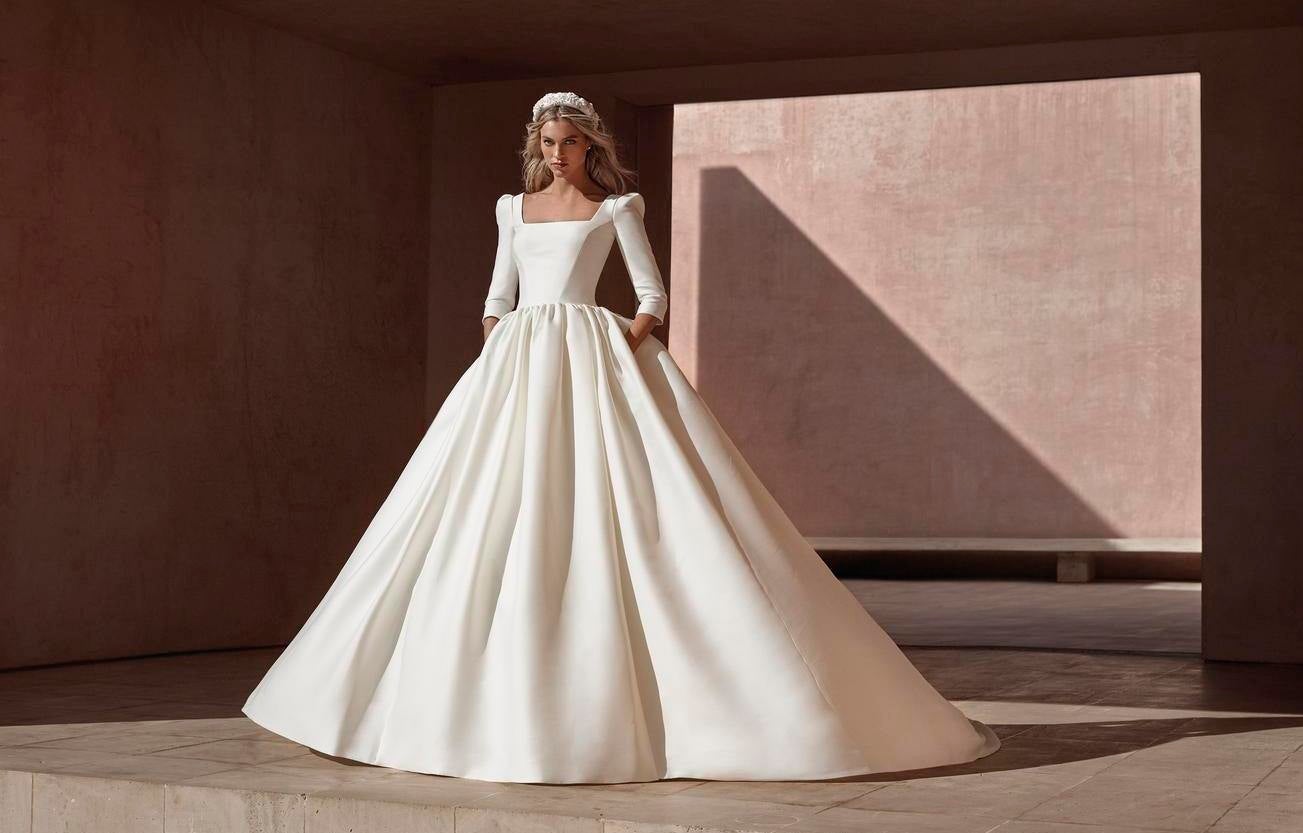
The princess silhouette remains the most recognized style. It features a fitted bodice and a wide skirt that begins at the natural waist. This design balances structure and softness. Bridal designers frequently use this silhouette because it flatters many body types and creates a timeless aesthetic.
Another influential style comes from couture runways. The sculpted corset ball gown emphasizes architecture. Designers like Christian Dior often construct the bodice using boning and internal structure. This technique shapes the waist while supporting heavier fabrics such as satin or duchess silk.
Layered tulle ball gowns create a softer effect. Instead of rigid form, the skirt relies on dozens of airy layers. Each layer catches light differently, which produces depth and texture. Fashion photographers favor this style because it moves beautifully in motion shots.
Modern evening wear also explores asymmetry. High-low skirts, dramatic overskirts, and detachable trains allow the wearer to change the silhouette during an event. A dramatic entrance can transform into a lighter dance-ready look later in the evening.
Fashion editors at Vogue often emphasize that silhouette communicates mood. A structured gown signals formality and power. A soft layered skirt suggests romance and grace. Choosing the right shape therefore becomes the first step toward creating a memorable look.
Fabrics That Bring Stunning Ball Gowns to Life


4
Fabric determines how stunning ball gowns feel, shine, and move. Designers treat fabric selection like an artist choosing paint.
Satin remains one of the most popular materials for formal evening gowns. Its smooth surface reflects light softly, which gives the dress a luminous quality. Satin also holds structure well, making it perfect for gowns with dramatic skirts.
Tulle creates volume without weight. This delicate netting fabric appears frequently in bridal couture and red carpet fashion. Designers layer multiple pieces of tulle to build cloud like skirts that float with every step.
Silk organza offers another elegant option. The material feels light yet crisp, allowing designers to shape dramatic folds and ruffles. Luxury fashion houses often combine organza with embroidery or hand-beaded embellishments.
Sequins and crystal embellishments add sparkle. Fashion historians note that embellishment became popular during Hollywood’s golden age, when actresses wore glittering gowns under bright studio lights. Today the same effect appears on award show red carpets.
Sustainable fashion also influences modern fabric choices. Designers increasingly experiment with recycled satin, eco-friendly dyes, and ethically sourced silk. Organizations like the Council of Fashion Designers of America promote responsible sourcing, encouraging the industry to balance luxury with environmental awareness.
Styling Stunning Ball Gowns for a Grand Entrance

4
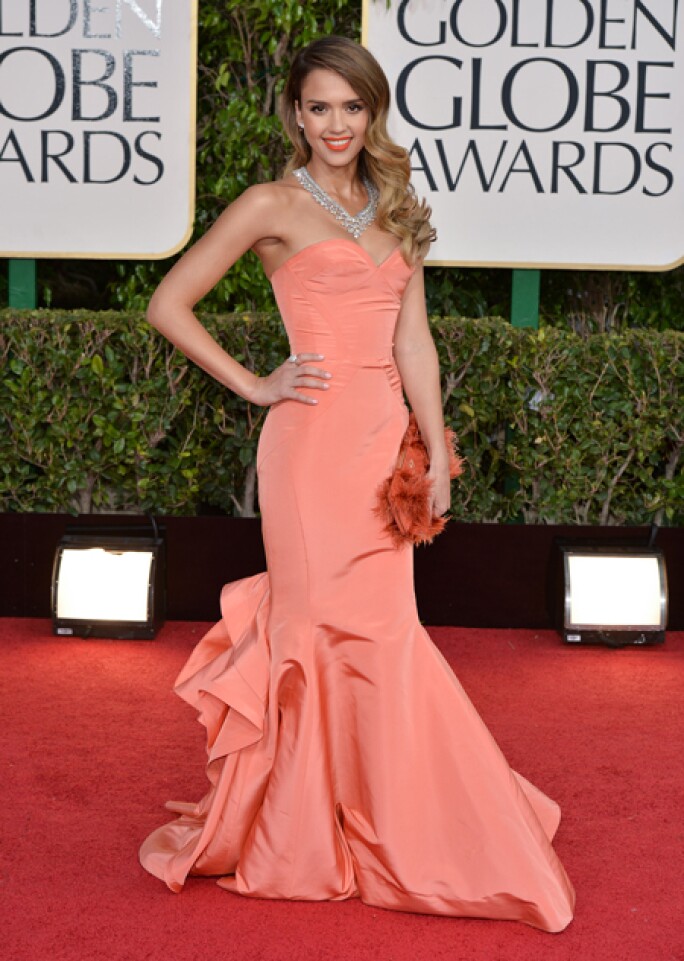
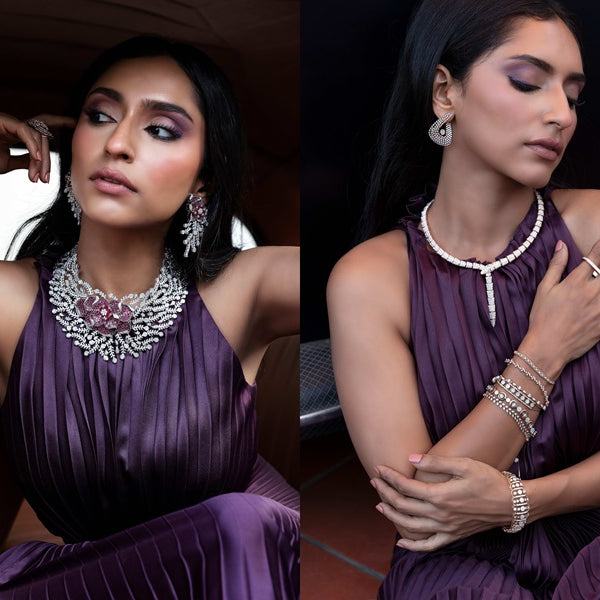
Styling determines how stunning ball gowns appear in real life. The dress forms the centerpiece, but the surrounding elements shape the final impact.
Hair and makeup must complement the gown rather than compete with it. A dramatic off shoulder gown pairs well with an elegant updo because it highlights the neckline and shoulders. Soft curls work beautifully with romantic tulle gowns.
Jewelry requires balance. Stylists often recommend one statement piece instead of multiple accessories. A chandelier earring or a bold necklace creates focus without overwhelming the dress.
Shoes matter even if the skirt covers them most of the time. Comfortable heels allow the wearer to move gracefully. Stylists frequently suggest neutral satin pumps or metallic heels because they blend seamlessly with formal attire.
Posture also plays a role. Fashion models practice walking with long steady steps to allow the skirt to flow naturally. When someone walks slowly and confidently, the gown moves with dramatic elegance.
Lighting can elevate the entire look. Professional photographers often position subjects near staircases, balconies, or grand hallways where fabric movement appears more dynamic. Architectural backgrounds such as marble halls or chandeliers enhance the visual impact.
Modern Trends Influencing Stunning Ball Gowns
4
Fashion evolves constantly, and designers continue to reinterpret stunning ball gowns for modern audiences.
Minimalist ball gowns have gained popularity in recent years. Instead of heavy embellishment, designers rely on clean lines and perfect tailoring. A simple satin gown with a sculpted bodice can appear incredibly powerful.
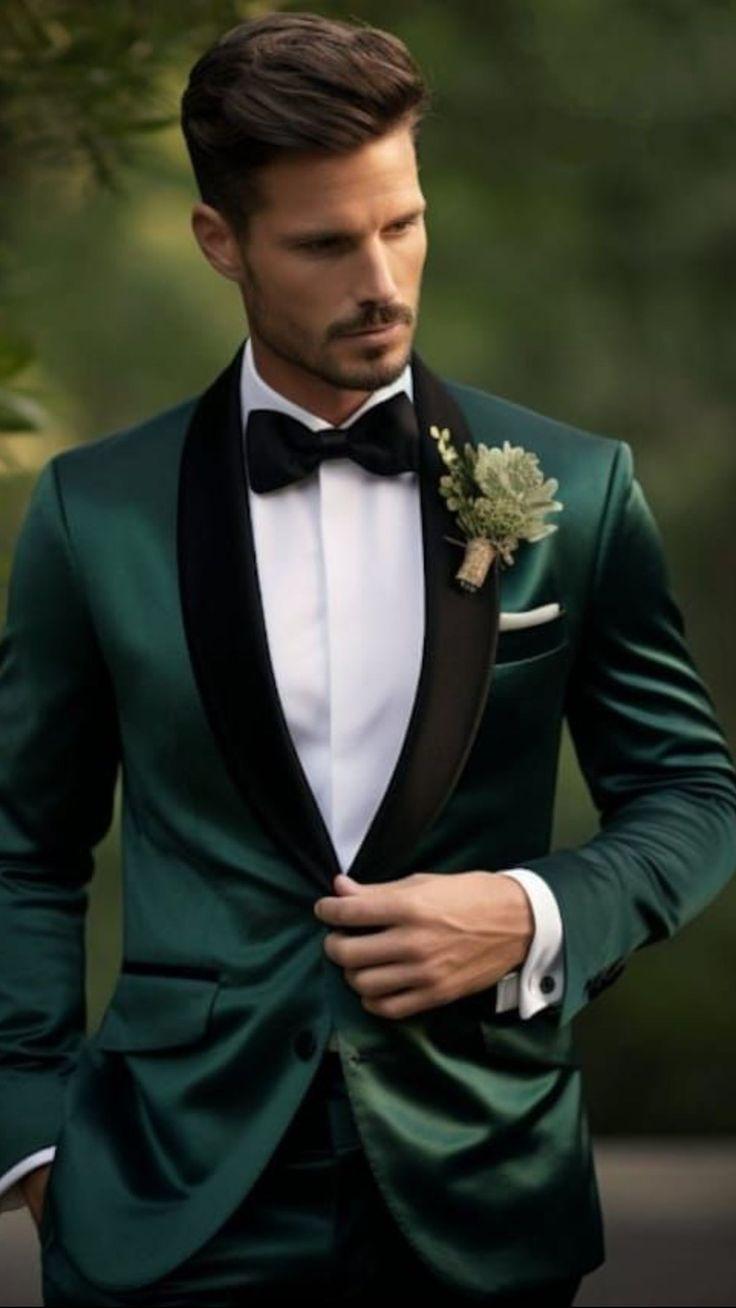
Color also plays a larger role today. While traditional ball gowns often appeared in ivory, black, or pastel tones, modern designers experiment with jewel tones like emerald, ruby, and sapphire. These colors photograph beautifully under event lighting.
Convertible gowns represent another innovation. Detachable overskirts allow wearers to reveal a sleeker silhouette after the formal entrance. Celebrities frequently use this design on red carpets to create two dramatic looks in one evening.
Architectural construction has also become a defining trend. Designers explore structured shapes, sculptural sleeves, and exaggerated skirts inspired by modern art and couture engineering.
Fashion schools such as Parsons School of Design teach students to combine traditional craftsmanship with modern technology. Digital pattern making, laser cutting, and innovative textiles help create garments that feel both classic and futuristic.
Choosing Stunning Ball Gowns for Your Own Fairytale Moment
4
Finding the perfect stunning ball gowns requires attention to detail and personal style. The right gown should reflect the wearer’s personality while enhancing confidence.
Start with the event itself. A formal gala, a wedding reception, or a charity ball may each call for different levels of drama. Understanding the setting helps narrow the choices.
Next consider comfort and movement. A gown may look extraordinary on a hanger but feel restrictive during hours of standing or dancing. Professional stylists encourage clients to walk, sit, and turn during fittings to test mobility.
Tailoring remains essential. Even couture gowns require adjustments to achieve the perfect fit. Skilled seamstresses adjust the bodice, hemline, and straps so the gown aligns perfectly with the wearer’s proportions.
Fabric choice also affects comfort. Breathable materials such as silk or lightweight organza allow easier movement during long events. Heavier fabrics create dramatic structure but may require additional support garments.
While exploring different silhouettes and fabrics, many fashion lovers also search for gowns that create a truly royal presence. If you want inspiration that feels even more regal, you can explore our guide on Dressed Like a Queen: Breathtaking Ball Gowns That Define Royal Elegance. That article highlights iconic royal style gowns, couture inspirations from designers like Dior and Elie Saab, and timeless looks that capture the feeling of stepping into a palace ballroom.
Finally trust personal instinct. Fashion works best when it feels authentic. When someone looks in the mirror and smiles with genuine confidence, the gown becomes more than fabric and thread.
That moment transforms the entrance into a story worth remembering.