

The shutter comes down on a Lisbon butcher's counter at two in the afternoon and the street goes quiet except for a scooter and two pigeons. Somewhere above the shutters, a landlord wants $1,450 a month for a 55-square-metre one-bedroom, and in Coimbra the same flat goes for $800. The gap between those two bills is the whole story of Portugal's invitation.
You come to this with a relocation ad in mind. A country saying it wants newcomers, and a US income that can travel. The first bill contradicts the poster, then the second one does too.
The invitation is real. The advertised price is not the monthly cost. Rent, season, heating, distance to a hospital and the length of the social year decide whether the move works, and none of them fit on a billboard.
By the end you should be able to draw a shortlist by income and temperament, with two checks ahead of any deposit: the country's consulate page, and two weeks there out of season. The countries advertising themselves are bargains only when the recurring bill matches your income and your life.
Quick Tips Before You Start
Check the consulate, not the blog
Residency rules change yearly; the official consulate page is the only source that counts.
Spend two weeks out of season
A February visit tells you more about daily life than any July brochure.
Add 30% to the advertised rent
That covers utilities, heating and the transport pass nobody mentions.
Map the nearest hospital
In rural Italy or the Greek islands, 35 minutes is a normal drive to care.
Book the scouting flight early
US East Coast to Lisbon, Athens or Tallinn runs $650–$950 return if booked two months out.
Sun, sea, and the rent that eats it
The Mediterranean countries on this list sell themselves on climate. The climate is real; the rent is also real, and it usually tracks the coast. Read the first three entries as one decision: how much sunshine can you afford before the rent bill cancels the advantage?
Each country's monthly figure comes with a seasonal wrinkle. Summer rents rise; winter wages fall. The flat that looks affordable in February may be unaffordable in June, and the job that pays for it may only exist for four months.
1. Portugal's sunshine is free, the Lisbon rent is not
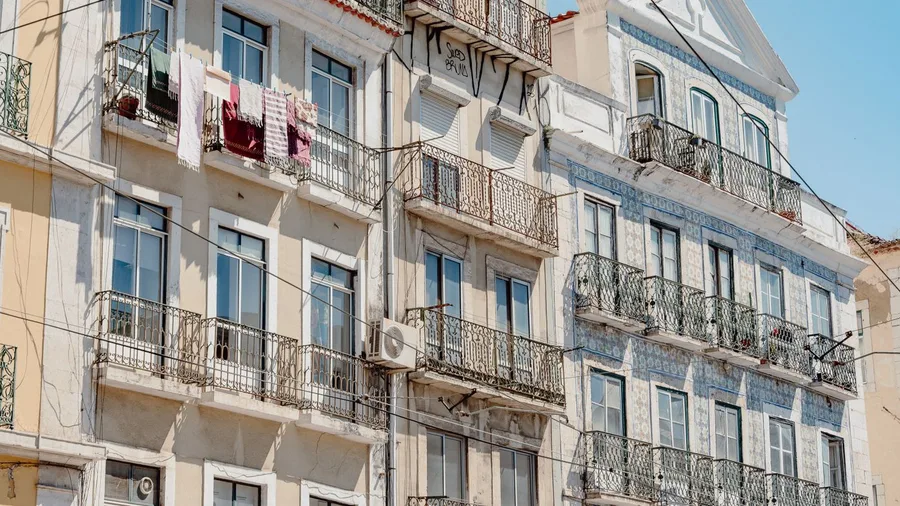
The rent is the bill, not the sunshine. A 55 m² one-bedroom in Lisbon runs about $1,450 a month; the same flat in Coimbra, two hours north and full of students, is about $800.
Groceries for two at about $520 push a couple's baseline near $2,000 in the capital before transport, utilities or the scouting trip. The version of Portugal the ads sell runs on a remote salary paying Lisbon rent; pick Coimbra instead and you bank roughly $650 a month for the same square metres. Residency routes change, so read the Portuguese consulate page directly rather than any figure repeated here.
💡 Tip: Look at Coimbra, Braga or Aveiro before you look at Lisbon. The $650 monthly saving is the difference between comfortable and tight.
| Country | Monthly rent, 1-bedroom | Groceries for two | The catch in one line |
|---|---|---|---|
| Portugal (Lisbon) | $1,450 | $520 | The capital's rent eats the sunshine advantage |
| Portugal (Coimbra) | $800 | $520 | Same flat, $650 less, smaller job market |
| Spain (Valencia) | $1,050 | $480 | Coast pricing, coast wages |
| Spain (Teruel) | $600 | $480 | Thin local work outside remote income |
| Greece (Chania) | $700 summer / $520 winter | $450 | Work stops in October |
| Croatia (Split) | $900 June / $650 January | $500 | Hospitality wages last four months |
| Italy (Abruzzo) | $32,000 to buy + $18,000 to fix | — | Hospital 35 minutes away |
| Estonia (Tartu) | $620 | $470 | Heating jumps to $140 in January |
| Latvia (outside Riga) | $520 | $430 | You chop and haul the firewood |
| Hungary (Pécs) | $480 | $400 | Language barrier decides the social life |
| Ireland (Gaeltacht island) | $180,000 to buy | — | Supermarket 40 minutes and a ferry away |
2. Spain's coast costs nearly double its interior
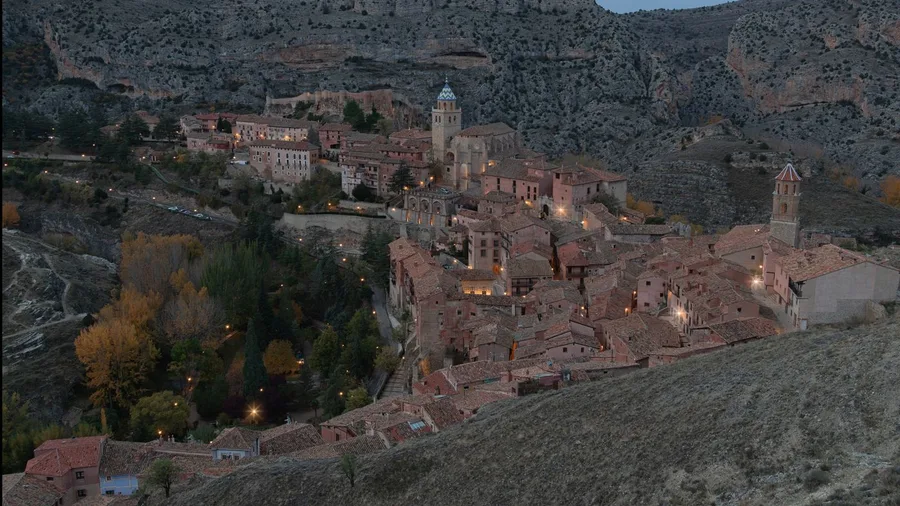
Same test, different country: Spain splits coast from interior by rent while the food bill stays flat. A 60 m² flat in Valencia is about $1,050 a month; in Teruel, inland, about $600. Groceries for two hover near $480 in both, so rent carries the entire gap.
Valencia's coast pays for itself only if you have the working market to match; inland Teruel has the thinner local work, which is fine on a US salary and hard without one. If you need a walkable coastal city and a job, pay the $1,050. If you can work remotely, take the $600 inland and accept the quieter streets.
💡 Tip: Teruel and similar inland towns have aging populations and fewer English speakers. That cuts both ways: quieter, cheaper, and harder to plug into.
The cheap-rent country: two ways to live it
If you work remotely
- You can carry the rent saving with you
- You can leave for two weeks in February
- You can afford the $650–$950 flight home once a year
- The low monthly bill is a real monthly bill
If you need local work
- Winter hospitality work disappears in October
- Local wages rarely cover the coast rent
- Language barriers close most non-remote doors
- The cheap country gets expensive fast
3. On the Greek islands the work stops in October
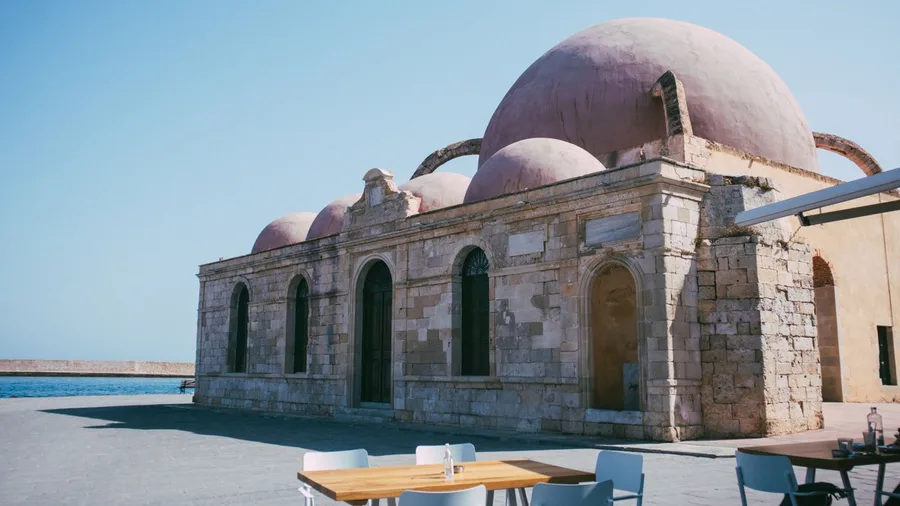
Look at Chania in August and the answer is yes; look in February and the same flat, the same size, costs less than you budgeted for. That gap is the whole story, and it is the next version of the coast-versus-interior problem: where Spain split cheap interior from pricey coast, Greece puts the split inside the calendar, because the coast's work itself has a season.
Take a 50 m² flat in Chania. In June it asks roughly $700 a month; by February the same flat is closer to $520, and nothing about the apartment has changed except who is willing to rent it. The grocery bill barely moves, about $450 for two in both months, so the food is the fixed line and the rent is the swing. The temporary saving of roughly $180 a month is the island telling you what the winter is worth to the people who own the flats.
The six-month business, the tavernas packed and the boats running, ends in October. After the tourists leave, the ferries thin to a winter schedule, the clinics run shorter hours, and the rental stock that looked plentiful in summer shrinks to what the year-round market can hold. February is the honest test: if the island still works for you with the beach empty and the port quiet, you can live here; if not, you only ever visited. Independent income or summer-only work fits this island; anyone counting on a year-round local salary does not, because the wage leaves with the tourists even as the cheap rent arrives.
Estonia vs Latvia — At a Glance
🏠 Flat size
45 m² Tartu / 60 m² outside Riga
💶 Monthly rent
$620 / $520
🔥 Winter heating
$140 / $90
🛒 Groceries for two
$470 / $430
🪵 Who handles heat
Utility / You
The real difference
Latvia's lower rent assumes you chop and haul the firewood; Estonia's higher rent buys convenience.
4. Croatia's summer wages do not survive the winter
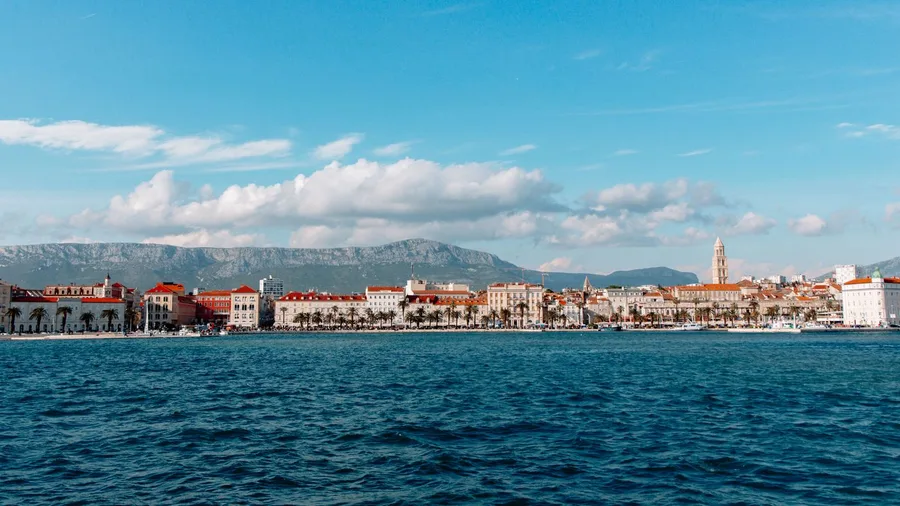
Croatia's coast is a four-month business dressed as a twelve-month one. A 50 m² flat in Split runs about $900 a month in June and about $650 in January, and that $250 gap is the whole story of the year.
Groceries for two hold at about $500 in both seasons, so the food bill never drops when the tourists leave. Hospitality gives four good months from roughly May to September, then a quiet, unpaid winter; rent eases while the wage disappears entirely. The rent relief arrives exactly when you no longer need it, because you have no income to spend in the first place.
Otters have returned to the Cetina river gorge south of Split, and the realistic way to see one is a slow dawn walk along the bank in the off-season, when the water is quiet and undammed – expect a good chance over several mornings, never a guarantee, and no tour to book. It is the kind of thing you can only do with time on your hands, which is precisely what the winter gives you and the summer does not. Independent income can carry Split through the year; anyone banking on winter wages cannot.
💡 Tip: Ask a landlord what the flat costs in January before you agree to a June lease. Winter pricing is the real test of affordability.
The rent-versus-real-cost gap
What the advertised price leaves out
Cheap houses where the services stop
The two properties that follow look like the deal of the decade in a headline, and both are real. An Italian stone house in an Abruzzo village for about $32,000. A refurbished two-bed on a Gaeltacht island off Ireland for about $180,000.
Neither is a purchase in the sense you are used to. The low price is a down payment on a project, and the recurring bill is the drive, the ferry and the distance to a hospital corridor.
Read them as renovation and timetable jobs, not houses. A €30,000 stone shell asks for trades, permits and a car before it is livable; an island cottage asks for a boat schedule you cannot argue with.
The headline is where the accounting starts, not where it ends. The services thin as you leave the city, and the price is simply the map telling you so.
5. Italy's cheap houses need $18,000 more to be livable
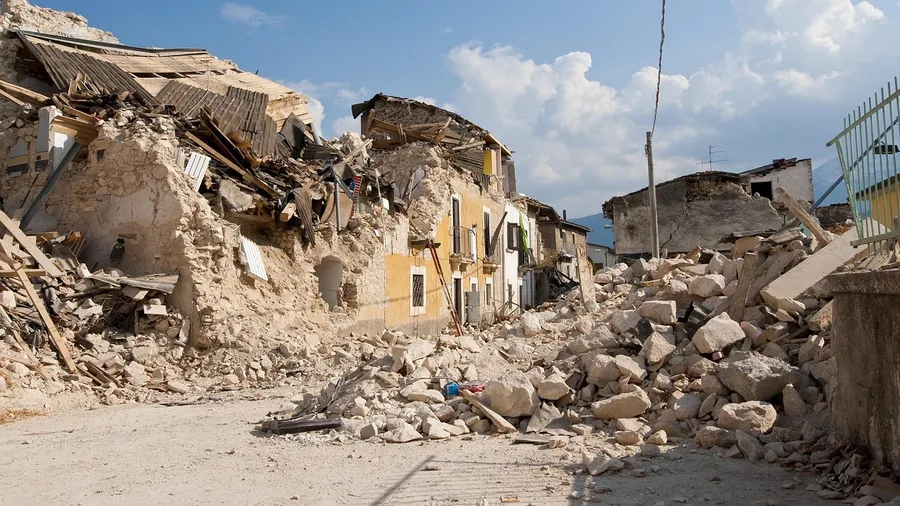
Thirty-two thousand dollars buys the stone shell of a 70 m² house in an Abruzzo village, and that figure is where the trouble starts rather than where it ends. The listing is honest about the walls and silent about everything behind them: pipes that froze through the last decade, a roof held by optimism, and wiring that would not pass a modern inspection anywhere in Europe.
Sit with a local surveyor for an afternoon and the bill comes closer to $18,000 for plumbing, roof and wiring before a single plate is washed in the place. That number turns the headline price into a down payment. You are not buying a house; you are buying the right to finish one.
Look beyond the property line and the map thins out fast. The nearest full hospital is a 35-minute drive over hill roads, which turns every appointment into an afternoon, and the village school may be the last one still open in its valley, kept alive by a dozen children and a council that votes on it yearly. The cheap house sits inside a service map that is quietly shrinking.
So the price you saw is the smallest line in the ledger. Add the fit-out, add a reliable car for the hospital run, add the permits and the waiting that comes with them, and the workable entry ticket lands near $50,000 before the first surprise – and stone houses in emptying villages rarely stop at the first surprise. None of this makes the place a bad buy. It makes it a project with a known starting bill.
This one is for the renovator with a cushion in the bank, a car in the yard and the patience of someone who has dealt with a building office before. Anyone hoping to move in on the purchase price alone should skip it. The house is real; the village is real; the distance is real too.
💡 Tip: Budget $30,000 beyond the purchase price, not $18,000. The extra $12,000 is for the surprises the surveyor misses.
⚠️ COMMON MISTAKE
Don't buy before you've spent a winter there
The village that feels charming in September can feel isolated in February, when the neighbors have gone south and the nearest open cafe is a 20-minute drive. Rent for one winter before you commit to a purchase.
Cheap houses where the services stop
6. Ireland's island cottages are cheap and far from everything
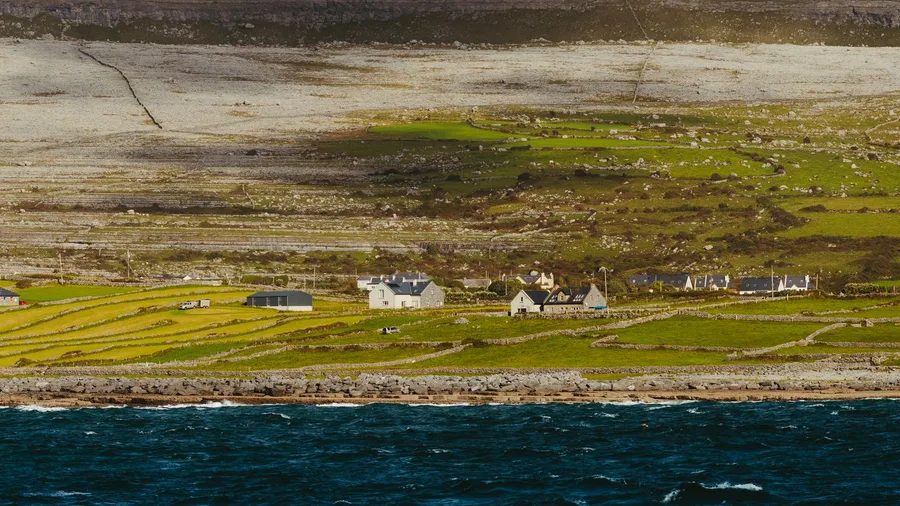
The first thing that hits you at the pier is the wind off the Atlantic, salt-heavy and colder than the mainland forecast, and then the engine cuts and all you hear is water slapping the hull. A two-bed on a Gaeltacht island, done up and weather-tight, goes for roughly $180,000 – a price that buys a garden and a view on the mainland. The ferry over is about $28 for the return.
Then you live inside the timetable. Drive, cross, drive again, and the supermarket is 40 minutes from your door and shuts at six, so a forgotten onion is an afternoon. Come winter, sailings get cancelled, and the calendar fills with days the island simply cannot be left – the schedule decides when you shop, when you see a doctor, when you post a parcel, not you. That is the line the low price hides.
This one suits the person who works online, wants quiet more than convenience, and will not flinch when the boat is off for two days. The cottage is real. So is the 40-minute run for milk – and if that sentence makes you tired rather than calm, this is the wrong island, however cheap the key.
Cold, wired, and hard to belong to
The final three countries are the ones that look easiest from a laptop screen. Estonia's e-government, Latvia's low rents, Hungary's prices. The numbers are genuinely low. The question is whether you can live inside them in January.
This group adds two bills the others don't: heating and belonging. Neither shows up on the rent sheet, and both decide whether the year works.
7. Estonia's e-government cannot warm a January flat
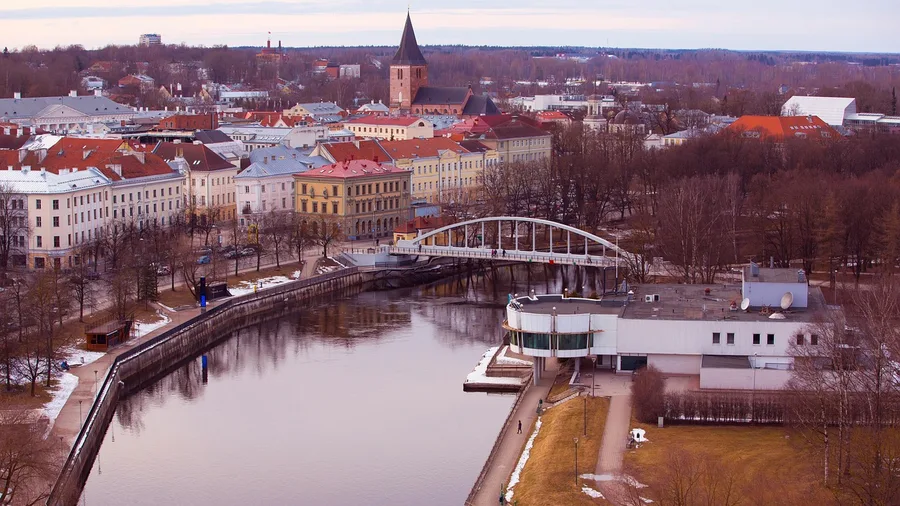
Tartu is a good city for exactly half the year, and you should plan your move around which half you can afford to stay for.
A 45 m² flat runs about $620 a month, and the online paperwork that makes Estonia famous for efficiency genuinely is that smooth. None of it touches the heating bill. In January that line is about $140; in July it is about $25, and the gap is the cost of the dark months sitting quietly under the cheap rent.
Groceries for two are about $470 a month, so the convenience of filing your taxes in ten minutes does not knock a cent off the food. The savings are real; they simply do not stretch to the weather.
This is the early-or-late one, and the hour it punishes is January. It fits a remote worker who can leave for a fortnight in the darkest weeks, working from somewhere with daylight and coming back when the light returns.
The flat is cheap only if that winter exit is already part of your plan and your budget, not a hope you will tough it out once the days close in.
💡 Tip: Budget the January heating figure into your annual rent, not your monthly one. It is roughly $1,000 a year on top of the summer rate.
🧳 The out-of-season test, step by step
Check the consulate page
Read the current residency route for the country on its official consulate site before anything else.
Book a February flight
A US East Coast return to Lisbon, Athens or Tallinn runs $650–$950 booked two months out.
Rent for two weeks
Stay in the neighborhood you'd actually live in, not the old town.
Run the full monthly bill
Rent, groceries, heating, transport, and the flight home you'll want by week three.
Talk to three residents
Ask what they wish they'd known before moving. The answers will be about services and social life, not rent.
8. Latvia's low rent means you heat the place yourself

The smoke is the first thing you notice – birch and pine, sour-sweet, hanging over the lanes at dusk – and the second is the cold coming up through the floorboards until someone feeds the stove. A 60 m² flat just outside Riga rents for about $520 a month. The wood to heat it runs roughly $90 a month through winter, and that wood does not stack itself.
Chopping, splitting, hauling, stacking, carrying it in and sweeping the ash out: none of it is a landlord's job out here, and nobody is on call at eleven at night when the boiler quits in February. Groceries for two land near $430 a month, so the monthly numbers stay low – but part of that low number is your own labour, paid back in firewood and self-reliance rather than cash.
This fits someone who wants to sit by the stove for an hour with nothing to do and nowhere to be, and who will still be out splitting wood the next morning. If your instinct when something breaks is to pick up the phone and call the landlord, this arrangement will wear you down. The saving is genuine; the work behind it is too.
What the first year actually costs
9. Hungary's low prices don't come with a social life

You sit in a Pécs cafe in November and realize the room is speaking a language you will not catch by spring. A 55 m2 flat costs about $480 a month here, groceries for two run about $400, and a monthly transit pass is around $25, so the rent sheet is the shortest and kindest column in the Hungarian folder.
Latvia taught you that the low bill hides physical labor, wood to haul and a boiler that is yours to fix. Hungary hides a different line: the year can be cheap and still feel long, because the language barrier, not the rent, decides whether the twelve months are lonely. The savings are real, and the arithmetic is easy; the part that is hard is walking into a room where nobody switches to English. This base fits someone willing to learn Hungarian, or to arrive already inside an established local group, rather than step off the plane cold and wait to be adopted. The social bill is not on the rent sheet. Test it before you commit: a US East Coast return to Lisbon, Athens or Tallinn runs about $650-$950 booked two months out, and a scouting trip in the flat season is the first honest cost of finding out whether the cafe ever starts to sound like yours.
💡 Tip: Book a Hungarian class before you book the flight. Six months of lessons costs less than one month of rent and does more for the year than a better apartment.
Where to base yourself before you commit
Every country on this list has a version that works and a version that does not, and the difference is almost always the base. You are not choosing a nation; you are choosing a postcode inside it, and that postcode carries the rent, the season, the heating, the distance and the social year all at once. If the village version tempts you, cheaper European villages gives daily costs for twelve of them.
In Portugal, Coimbra does the work that Lisbon strains to do, with the same flat at a lower monthly line and a city built around a university rather than a tourist flood. In Spain the split runs the other way: Teruel's cheap rent is honest for remote income and thin for anyone hunting local wages, while Valencia is where the wage market actually is. The base is the service you will need most often, not the view.
Greece and Croatia ask a different question of the base: not which town, but whether you can leave it in winter. A coast town that empties in October, loses its ferry schedule and sheds its clinic hours is a summer base, not a home. Pick the base by the hospital, the supermarket and the timetable, then see whether the view survives the February mornings.
The view is free. The drive is not.
Frequently Asked Questions
Do I need a visa to move to these countries?
Yes, and the rules change often. Check the official consulate page for the country you are considering, not a blog or an agent's website. The residency route, income threshold and paperwork all live there, and they are updated more often than most guides.
How much money do I need to move?
Plan for three months of rent upfront (first, last, deposit) plus the scouting trip. A US East Coast return flight to Lisbon, Athens or Tallinn is about $650–$950 booked two months out. Add consulate fees and translations, and the honest figure for the first year is often twice what the monthly rent suggests.
Can I work locally in these countries?
Sometimes, but the local wage is usually the deciding factor. In Greece and Croatia, hospitality work lasts four months and stops in October. In Spain, the coast has the wage market and the interior does not. If you need a local salary, check the job market before the rent.
What is the best time to visit before moving?
February. The rent is at its lowest, the tourists are gone, and the services are at their thinnest. If the country works for you in February, it will work in July. If it only works in July, you have your answer.
Which country is cheapest overall?
Hungary and Latvia have the lowest monthly bills, around $480–$520 for rent. But cheap rent is not the whole bill: Latvia's low rent assumes you handle the firewood, and Hungary's low prices come with a language barrier. The cheapest country is the one whose recurring costs match your income and life.
Is it worth buying a cheap house in Italy?
Only with a cash cushion and patience. A 70-square-metre stone house in Abruzzo costs about $32,000, and about $18,000 to make it habitable. Budget $50,000 all-in before surprises, and check the distance to the nearest hospital. The nearest one may be 35 minutes away.
Draw the shortlist by your income, not by the brochure
Draw the shortlist by your income, not by the brochure. If you need year-round local work, price Lisbon or Valencia, not the seasonal islands. Weighing where a local salary actually covers the rent, where jobs leave you money compares pay against costs. Island rent falls in February because the work has left, and the wage left with it.
If you carry a US salary, the lowest monthly bills sit in Coimbra, Teruel and Pécs, and the salary still has to absorb heating, seasonality and the scouting trip. If you have a cash cushion and a taste for renovation, the $32,000 Abruzzo house works only with the $18,000 fit-out, a car and the 35-minute hospital run inside the budget. The quiet-seeker who can live with a ferry timetable can take the $180,000 Gaeltacht cottage only with the $28 ferry, the 40-minute supermarket run and the canceled winter sailings all accepted in advance.
The same 55 m² flat at about $1,450 in Lisbon or about $800 in Coimbra is the choice in miniature. Before any deposit or any paperwork, read that country's official consulate page for current residency requirements, and spend two weeks there out of season. Then go back and watch the shutters come down at two.
Check the consulate before you book the flight
Open the official residency page for your top country now, then book a February trip. Both cost less than a deposit on the wrong apartment.