
Life moves fast. Between work deadlines, family responsibilities, social commitments, and endless notifications, many people spend their days caring for everyone except themselves. That constant cycle often leaves little room to recharge.
A few years ago, a friend told me something simple yet powerful. She said, “You cannot pour from an empty cup.” At first, it sounded like a common saying. Later, I realized how true it was. When we neglect our mental health, physical wellness, and emotional balance, everything else becomes harder.
That is why creating a Self Care Day matters. It is not about luxury. It is not about spending money. It is about intentionally setting aside time to restore your energy, improve your mood, and reconnect with yourself.
When approached with purpose, self-care becomes one of the most valuable investments you can make in your overall well-being.

Why a Self-Care Day Matters More Than Ever
Modern life places constant demands on our attention. Smartphones, social media, workplace expectations, and daily stress can affect mental clarity and emotional health.
A dedicated Self-Care Day gives your mind and body a chance to reset. Research from organizations such as the World Health Organization and American Psychological Association highlights the importance of stress management, healthy routines, and emotional wellness for long-term health.
Many people think self-care is selfish. The truth is the opposite. When you feel rested, focused, and emotionally balanced, you become more present in every area of life.
Small wellness practices can improve productivity, strengthen relationships, and support better mental resilience. Even one intentional day can create positive habits that last for weeks.


Signs You Need a Self-Care Day
Your body often sends signals before burnout appears.
You may feel exhausted even after sleeping. Small tasks might seem overwhelming. Your patience may decrease. Motivation can disappear. Some people experience headaches, irritability, difficulty concentrating, or constant stress.
These signs often indicate that your mind needs recovery time.
A Self-Care Day allows you to slow down and listen to what your body and emotions need. Instead of pushing through exhaustion, you create space for restoration and reflection.

Creating the Perfect Self-Care Day Routine
There is no single formula for self-care. What helps one person relax may not work for someone else. The key is choosing activities that genuinely support your well-being.
Start your morning slowly. Avoid checking emails immediately. Open a window, enjoy natural sunlight, and drink a glass of water. These simple habits help your body wake up naturally.
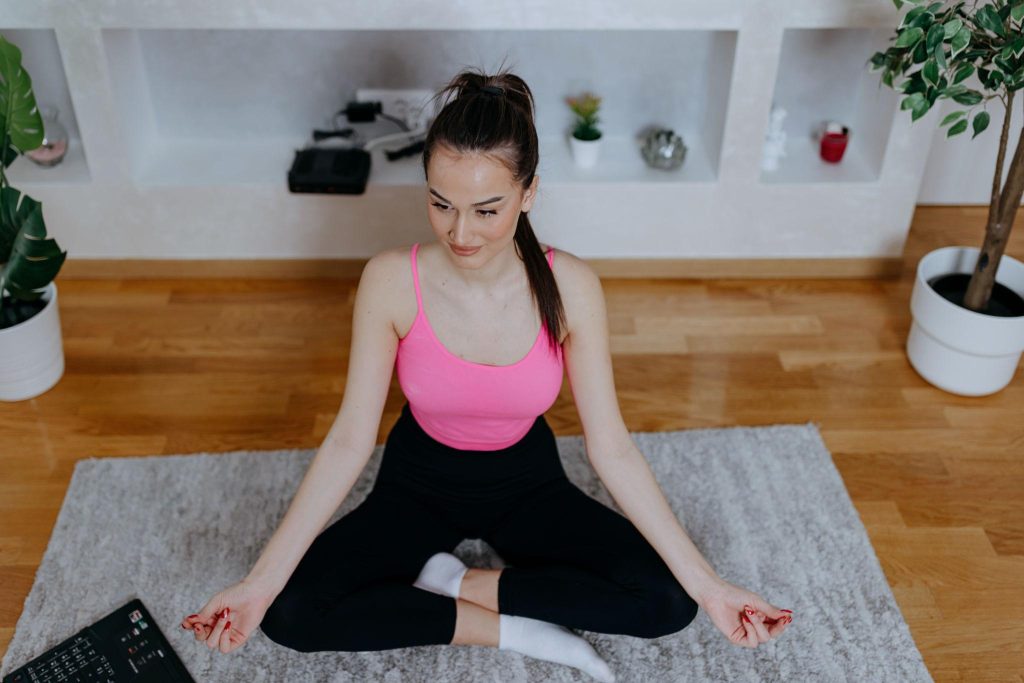
Many wellness experts recommend incorporating mindfulness practices such as deep breathing, gratitude journaling, or meditation. These activities help reduce stress while improving emotional awareness.
A thoughtful Self-Care Day often includes moments of quiet, reflection, and intentional rest rather than constant activity.
Nourishing Your Body Through Healthy Habits
Physical wellness forms the foundation of self-care.
Nutritious meals, hydration, movement, and quality sleep all contribute to better health. You do not need an intense fitness routine to feel better. Gentle exercise often provides significant benefits.
A walk through a local park, light stretching, yoga, or a bike ride can improve circulation and boost mood. Physical activity encourages the release of endorphins, which help create positive feelings.
Healthy eating also plays an important role. Fresh fruits, vegetables, lean proteins, whole grains, and adequate water support energy levels throughout the day.
During your Self-Care Day, focus on foods that make you feel nourished rather than restricted. Wellness should feel supportive, not stressful.
Beauty Rituals That Support Confidence and Relaxation
Beauty routines can become meaningful self-care experiences when approached mindfully.
Simple skincare practices encourage relaxation while helping you reconnect with yourself. Cleansing, moisturizing, facial masks, and gentle massage can transform ordinary moments into calming rituals.
Many people enjoy creating a home spa experience. Soft music, scented candles, warm towels, and relaxing herbal tea can turn an ordinary afternoon into a peaceful retreat.
A Self-Care Day does not require expensive treatments. The goal is to create moments that help you feel refreshed, comfortable, and confident.

The Power of Mental and Emotional Wellness
True self-care goes beyond physical relaxation.
Mental wellness involves caring for your thoughts, emotions, and inner dialogue. Many people spend hours consuming information but very little time processing their feelings.
Journaling offers an effective way to explore emotions. Writing down thoughts can improve self-awareness and reduce mental clutter.
Reading inspiring books, practicing gratitude, listening to calming music, or spending time in nature can also support emotional well-being.
A meaningful Self-Care Day creates opportunities to disconnect from external pressures and reconnect with what truly matters.

Digital Detox and Mindful Living
Technology provides many benefits, but constant connectivity can create mental fatigue.
Notifications, emails, and social media updates compete for attention throughout the day. This ongoing stimulation often increases stress and decreases focus.
Consider limiting screen time during your wellness routine. Place your phone in another room. Spend time outdoors. Engage in creative hobbies such as painting, gardening, cooking, or photography.
Many people discover that stepping away from digital distractions helps them feel calmer and more present.
A carefully planned Self-Care Day often becomes more effective when technology takes a temporary back seat.
Building Self-Care Into Everyday Life
One wellness day can provide immediate benefits, but lasting change comes from consistency.
Rather than waiting for burnout, create small daily habits that support your physical and emotional health. Five minutes of meditation, a short walk, healthy meals, or an evening gratitude practice can make a meaningful difference.
Consistency often matters more than perfection.
A regular Self-Care Day each month can also help maintain balance throughout the year. Scheduling personal wellness time demonstrates that your health deserves the same attention you give other responsibilities.

How Self-Care Strengthens Every Area of Life
When people prioritize wellness, they often notice positive changes beyond themselves.
Improved emotional regulation helps relationships. Better sleep supports productivity. Reduced stress improves decision-making. Physical activity boosts energy. Healthy habits increase confidence.
These benefits create a ripple effect that influences work, family life, friendships, and personal goals.
A dedicated Self-Care Day is not an escape from responsibilities. It is preparation for handling them more effectively.

Final Thoughts on Embracing a Self-Care Day
In a world that constantly demands more, choosing to care for yourself becomes an act of wisdom.
A Self-Care Day gives you permission to pause, recharge, and reconnect with your needs. Whether you spend the day journaling, exercising, reading, enjoying skincare rituals, or simply resting, every intentional action supports your well-being.
The healthiest version of yourself does not come from working harder every moment. It comes from creating balance. By making self-care a regular practice, you build a stronger foundation for happiness, resilience, and long-term wellness.